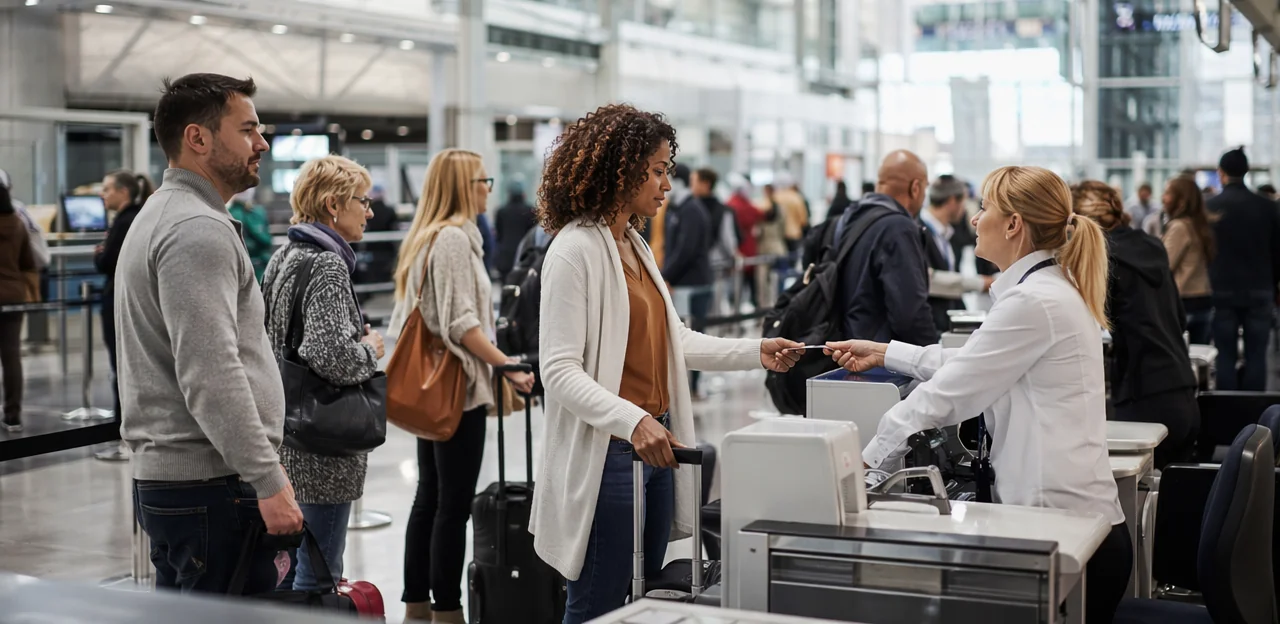
A long line at check-in can sour a journey before it begins. A bottleneck at security can raise stress, delay departures, and shape how passengers remember an airport long after they land. In today’s experience-driven travel environment, these moments of friction are no longer minor operational issues—they are critical signals. That’s why airport queue feedback is becoming essential for airports seeking to improve passenger flow, service quality, and overall satisfaction.
Rather than relying only on historical performance data or post-trip surveys, airports are increasingly looking for ways to capture real-time feedback at the exact points where frustration builds. From check-in counters and bag drop areas to security screening and customer service desks, queue-related insights can reveal where delays occur, how passengers perceive wait times, and which service gaps have the biggest impact on the traveler experience.
This article explores how airports can measure check-in, security, and service friction more effectively through structured feedback and analytics. It will cover why queue sentiment matters, which metrics are most useful, how AI and passenger experience tools can turn raw feedback into action, and how solutions such as Tapsy may support more immediate, location-aware engagement. The goal is simple: transform waiting time from a blind spot into a measurable opportunity for improvement.
Why airport queue feedback matters across the passenger journey
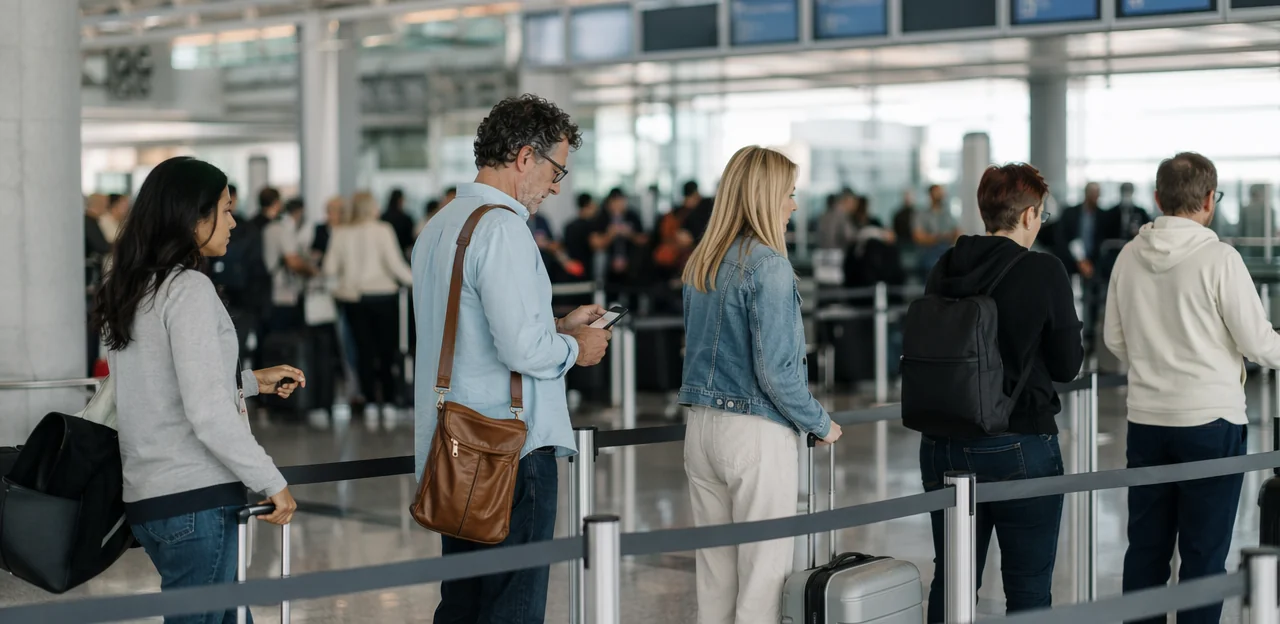
Queue friction as a passenger experience signal
Airport queue feedback is the structured collection of traveler input about wait times, line visibility, staff communication, and handoff delays at check-in, security, bag drop, immigration, and service desks. It matters because queue friction is rarely just about minutes spent waiting; it is about how predictable, fair, and manageable the wait feels.
Key drivers of passenger experience include:
- Waiting time: Longer queues increase stress and reduce satisfaction.
- Uncertainty: Poor signage, unclear processing times, and inconsistent updates erode trust.
- Service bottlenecks: Understaffed counters or slow document checks create negative ripple effects across the journey.
Actionable airport queue feedback helps airports spot friction early, prioritize staffing, improve communication, and reduce missed flights, poor reviews, and lower spend in retail and lounge areas.
Where delays happen: check-in, security, and service desks
Airport congestion is rarely caused by one line. Effective airport queue feedback should track each high-friction touchpoint because every queue affects passengers differently:
- Check-in counters and bag drop: Long airport check-in queues often signal staffing gaps, document issues, or uneven demand peaks. These delays create early stress and can make travelers feel behind before they even reach the gate.
- Security screening: Rising airport security wait times add uncertainty, especially when rules, lane availability, or secondary checks are unclear.
- Immigration and border control: Slow processing increases anxiety for international arrivals and tight connections.
- Customer service areas: Rebooking, disruption handling, and special assistance often produce the most emotional service desk delays.
Map wait time, queue length, and sentiment together to identify where operational friction becomes passenger frustration.
Business impact for airports, airlines, and concession partners
Airport queue feedback turns waiting-time pain points into operational action across travel mobility hubs. When airports collect real-time sentiment at check-in, security, and boarding, stakeholders can improve both airport operations and revenue outcomes.
- Higher throughput: Identify bottlenecks by terminal, time, or process step, then adjust lane openings and queue routing faster.
- Smarter staffing: Match staff deployment to actual friction points, reducing overstaffing in low-pressure areas and shortages in peak periods.
- Fewer missed flights: Early alerts on queue stress help teams intervene before delays cascade into rebooking costs and passenger dissatisfaction.
- Better guest experience: Faster service recovery improves trust, loyalty, and post-trip brand perception for both airports and airlines.
- More retail dwell time: Shorter queues give passengers more time to shop, dine, and engage with concession partners.
Used well, feedback data becomes a shared KPI framework for all stakeholders.
What to measure in an airport queue feedback program

Core metrics: wait time, perceived wait, and abandonment
Effective airport queue feedback starts with a small set of KPIs that reveal both operational bottlenecks and passenger sentiment. Prioritize:
- Actual wait time: Track end-to-end and stage-level delays for check-in, security, and service desks. Strong wait time measurement is the backbone of reliable queue analytics.
- Perceived wait time: Ask passengers how long the line felt versus the actual duration. This helps explain frustration even when queues are moving.
- Queue length: Monitor line size by time of day, lane, and staffing level.
- Abandonment rate: Measure how often passengers leave before being served.
- Escalation rate: Track requests for supervisor help or complaints during the wait.
- Post-service satisfaction: Capture sentiment immediately after service to link queue conditions with experience outcomes.
Together, these metrics turn queues into actionable improvement signals.
Experience metrics linked to service quality
To make airport queue feedback useful, connect wait-time data with experience signals that explain why a line felt painful or acceptable. Track queue length and actual dwell time, then pair them with:
- CSAT airport scores by touchpoint: check-in, bag drop, security, and border control
- NPS passenger experience results to see whether delays affect overall advocacy
- CES (Customer Effort Score) to measure how hard the process felt, even when waits were short
- Sentiment and complaint themes from surveys, apps, and social mentions
- Staff helpfulness ratings to identify when strong frontline support offsets delays
This creates a fuller set of service quality metrics. For example, a 12-minute queue with low complaints may outperform an 8-minute queue with poor guidance, unclear signage, and unhelpful staff. Tools like Tapsy can help capture real-time sentiment at key journey moments.
Operational context that explains friction
To make airport queue feedback actionable, pair comments and wait-time scores with the operating conditions at that moment. This prevents overreacting to one-off spikes and improves root-cause analysis.
- Flight bank peaks: Tag feedback by departure wave, especially early-morning and hub-bank surges.
- Staffing levels: Use airport staffing analytics to compare sentiment against roster gaps, absenteeism, and role mix.
- Lane availability: Track security lane utilization, temporary closures, and throughput by checkpoint.
- Baggage issues: Separate queue complaints caused by bag-drop failures, oversized luggage, or system outages.
- Traveler type: Segment by business, family, group, transfer, PRM, or international passengers; expectations and processing times differ.
- Disruption events: Include weather, ATC delays, strikes, IT failures, and diversions as part of airport disruption management.
With this context, feedback becomes a reliable signal for staffing, flow design, and recovery actions.
How to collect airport queue feedback effectively

In-the-moment feedback at key touchpoints
To improve airport queue feedback, collect input exactly where friction happens, while emotions and details are still fresh. The best airport survey tools make it fast and low-effort:
- QR codes at check-in lines, bag drop, and security entrances for instant mobile responses
- SMS surveys triggered after queue milestones, such as completed check-in or security clearance
- Kiosk prompts near exits asking one-tap questions on wait time, clarity, and staff support
- App-based feedback inside airport or airline apps for location-aware, personalized prompts
- Post-screening micro-surveys with 1–2 questions to capture immediate reactions to security flow
This approach delivers real-time passenger feedback and richer touchpoint feedback than delayed email surveys. Keep questions short, tie them to a specific queue stage, and route negative responses to on-site teams for rapid service recovery.
Passive data sources and behavioral signals
Surveys explain why passengers feel friction, but passive data shows where, when, and how often it happens. For stronger airport queue feedback, combine responses with operational signals such as:
- Sensors and people counters: Track entry rates, dwell time, and lane throughput for real-time queue monitoring.
- Wi-Fi and Bluetooth tracking: Reveal movement patterns, congestion build-up, and missed handoffs between check-in, security, and boarding.
- Camera-based analytics: Measure queue length, wait-time variability, and lane utilization while supporting broader passenger flow analytics.
- App telemetry: Shows digital check-in drop-offs, wayfinding failures, and notification timing issues.
- Service logs: Add context from staffing levels, bag-drop incidents, equipment faults, and peak-period disruptions.
Together, these inputs improve airport analytics, validate survey findings, and help teams act faster on recurring service friction.
Sampling strategy, survey design, and bias reduction
High-quality airport queue feedback depends on disciplined survey design best practices and balanced sampling. Use these tactics to strengthen airport feedback collection and reduce passenger survey bias:
- Keep questions short and specific: Ask about one touchpoint at a time—check-in, security, or staff support—and avoid leading or double-barreled wording.
- Offer multilingual access: Present surveys in major passenger languages, with plain wording and mobile-friendly layouts to improve completion accuracy.
- Time requests carefully: Trigger feedback immediately after the queue experience, not hours later, to reduce recall error.
- Balance the sample: Collect responses across terminals, dayparts, airlines, passenger types, and queue lengths to avoid overrepresenting one group.
- Protect privacy: Minimize personal data, explain purpose clearly, and report results in aggregate.
Tools like Tapsy can support real-time, multilingual capture where relevant.
Using AI and analytics to turn feedback into insight

Combining structured and unstructured feedback data
To make airport queue feedback truly actionable, airports need one model that connects what happened operationally with how passengers felt.
- Unify structured signals: Combine queue ratings, CSAT/NPS, timestamps, lane location, wait-time logs, staffing levels, flight banks, and passenger volume into a shared dataset.
- Layer in unstructured feedback: Use voice of customer analytics to tag open-text comments by topic, sentiment, urgency, and queue stage such as check-in, security, or bag drop.
- Map feedback to operations: Join comments to the nearest time window, terminal, and service point to reveal root causes like understaffing, unclear signage, document checks, or equipment downtime.
- Prioritize action: With strong airport data integration and feedback analytics, teams can see where friction spikes, why it happens, and which fixes will reduce delays fastest.
AI for sentiment, theme detection, and root cause analysis
AI turns airport queue feedback into operational insight by combining NLP, AI sentiment analysis, and machine learning across comments from check-in, security, and service touchpoints. Instead of reading feedback manually, teams can use text analytics airport tools to spot patterns at scale.
- Identify recurring complaints: Cluster similar phrases such as “slow bag drop,” “confusing signage,” or “staff unavailable” into clear friction themes.
- Detect sentiment shifts: Track changes in tone by terminal, checkpoint, time of day, or flight bank to catch emerging issues early.
- Connect themes to causes: Link complaints to staffing levels, lane closures, document-check delays, equipment outages, or peak passenger surges for faster root cause analysis.
This helps airport managers prioritize fixes, trigger service recovery, and measure whether operational changes actually reduce queue friction.
Predictive models for queue risk and service recovery
Using airport queue feedback alongside live operational data helps airports move from reactive fixes to prevention. Predictive queue analytics combines wait times, flight banks, staffing levels, lane availability, and passenger sentiment to forecast where congestion is likely to build next.
- Forecast queue spikes early: Use airport AI analytics to predict surges at check-in, bag drop, security, or immigration 15–60 minutes ahead.
- Flag at-risk touchpoints: Identify recurring friction points by terminal, carrier, time of day, or passenger type.
- Trigger proactive action: Automatically adjust staffing, open extra lanes, update digital signage, or send app/SMS guidance before queues worsen.
- Improve service recovery: When delays are unavoidable, trigger apologies, rebooking support, or targeted communication to reduce frustration.
This approach turns feedback into operational decisions that protect flow, satisfaction, and on-time performance.
Turning airport queue feedback into operational improvement

Prioritizing fixes by impact and feasibility
Use airport queue feedback to score issues consistently across check-in, security, boarding, and service desks. A simple prioritization framework supports faster operational improvement and smarter airport process optimization:
- Passenger pain: Rank by stress, missed connections, accessibility impact, and complaint severity.
- Frequency: Measure how often the issue appears by terminal, time block, and passenger type.
- Operational cost: Estimate delays, staffing strain, rework, and revenue loss.
- Implementation complexity: Assess technology needs, cross-team coordination, training, and regulatory constraints.
Prioritize high-pain, high-frequency, low-complexity fixes first—such as clearer signage, lane reallocation, or real-time alerts—before larger capital projects. This approach helps airports choose practical queue reduction strategies with measurable ROI.
Improving check-in, security, and service interactions
Use airport queue feedback to pinpoint exactly where passengers lose time, confidence, or clarity, then act fast with targeted fixes:
- Dynamic staffing: Move agents to peaks by flight bank, terminal, or checkpoint to support check-in optimization and reduce bottlenecks.
- Self-service expansion: Add bag-drop, kiosks, and mobile check-in support for faster throughput.
- Better wayfinding: Use clear signage, multilingual prompts, and zone-based directions to cut hesitation and wrong-line joins.
- Document readiness prompts: Remind travelers to prepare IDs, boarding passes, and liquids before screening.
- Lane reallocation: Adjust family, priority, and standard lanes in real time for stronger security queue management.
- Frontline coaching: Train staff on queue triage, empathy, and fast issue resolution for airport customer service improvement.
Closing the loop with passengers and frontline teams
To make airport queue feedback meaningful, airports need a clear closed-loop feedback process that turns insight into visible action.
- Share findings quickly: Summarize weekly themes by checkpoint, time of day, and issue type, then brief operations, security, and airline teams in simple dashboards.
- Fix recurring friction: Prioritize repeat complaints such as unclear wayfinding, understaffed lanes, document confusion, or inconsistent bag-check instructions.
- Support the frontline experience: Give staff context on what passengers are reporting so they can adapt scripts, staffing, and queue management in real time.
- Strengthen passenger communication: Use signage, app updates, and announcements to show improvements made: “You said security prep was unclear—we added new prep signs and staff support.”
Building a long-term queue feedback strategy for travel and mobility hubs

Governance, ownership, and cross-functional alignment
Strong airport governance turns airport queue feedback into clear action rather than siloed reporting. To improve queue outcomes, operators should create a joint working model across airport operations, airlines, security teams, and service partners.
- Define shared service metrics: wait time, queue abandonment, throughput, satisfaction, and issue resolution time.
- Assign owners by touchpoint: check-in, bag drop, security, and assistance services.
- Establish a weekly operational review and a monthly executive dashboard for cross-functional analytics.
- Set escalation rules for breaches, with named accountability for recovery actions.
- Use one shared data source so all teams work from the same passenger experience baseline.
This structure helps align incentives, speed decisions, and sustain measurable service improvements.
Benchmarking performance over time and across terminals
To turn airport queue feedback into action, benchmark results across locations and periods rather than reviewing averages alone. Track:
- By terminal: compare wait-time sentiment, staffing levels, and issue types to spot strong vs. weak terminal performance
- By time of day: isolate morning peaks, late-night bottlenecks, or shift-change slowdowns
- By traveler segment: separate business travelers, families, transfer passengers, and premium guests to uncover different pain points
- By season: measure holiday, summer, and off-peak patterns to reveal recurring passenger experience trends
This approach strengthens airport benchmarking, helping operators replicate best practices from high-performing terminals and target underperforming areas with staffing, signage, lane allocation, or self-service improvements.
Future trends in passenger experience measurement
The future of passenger experience will move beyond static surveys toward continuous, context-aware insight powered by mobility hub analytics. For airports, the next step in airport queue feedback includes:
- Multimodal feedback capture: combine QR/NFC taps, mobile prompts, voice input, computer vision, and operational data to detect friction across check-in, security, and boarding.
- Real-time journey orchestration: trigger staff redeployment, lane changes, or queue messaging the moment sentiment and wait-time signals worsen.
- Personalized notifications: send gate, security, or baggage updates based on passenger location, status, and disruption risk.
- AI-driven journey optimization: use predictive models to anticipate bottlenecks and recommend interventions before service failure occurs.
Platforms such as Tapsy illustrate how real-time, location-aware feedback can support faster service recovery.
Conclusion
In high-traffic travel environments, long lines are more than an operational issue—they directly shape passenger perception, satisfaction, and spending behavior. That’s why airport queue feedback is so valuable. By measuring friction across check-in, security, and service touchpoints in real time, airports can move beyond assumptions and identify exactly where delays, confusion, and service breakdowns occur. The result is a clearer view of the passenger journey and a stronger foundation for faster interventions, smarter staffing, and better resource allocation.
Effective airport queue feedback strategies combine timing data, sentiment insights, and frontline context to reveal both what is happening and why. When these insights are acted on quickly, airports can reduce stress, improve flow, and create a more seamless experience from curb to gate. Over time, this feedback loop also supports broader goals around operational efficiency, guest experience, and loyalty.
The next step is to build a consistent, real-time feedback framework that captures input at the moments that matter most. Explore tools such as mobile surveys, QR or NFC touchpoints, AI-powered analytics, and integrated dashboards to turn queue friction into measurable improvement opportunities. For teams looking at real-time engagement models, solutions like Tapsy can offer a useful example. Start using airport queue feedback as a strategic asset—and turn wait time insights into better passenger journeys.
Frequently Asked Questions
- What is airport queue feedback?
Airport queue feedback is the structured collection of traveler input about wait times, line visibility, staff communication, and handoff delays at touchpoints such as check-in, security, bag drop, immigration, and service desks. It helps airports understand not only how long people wait, but also how predictable, fair, and manageable the experience feels.
- Why does queue friction matter so much for passenger experience?
Queue friction affects stress, trust, and overall satisfaction across the journey. Long waits, unclear processing times, poor signage, and inconsistent updates can make delays feel worse and shape how passengers remember the airport.
- Which airport touchpoints should be monitored for queue-related issues?
High-friction areas include check-in counters, bag drop, security screening, immigration or border control, and customer service desks. Each queue creates different types of pressure, so airports should track wait time, queue length, and sentiment across all of them.
- What are the most important metrics in an airport queue feedback program?
Core metrics include actual wait time, perceived wait time, queue length, abandonment rate, escalation rate, and post-service satisfaction. Together, these measures show both operational bottlenecks and how passengers experienced the delay.
- How is perceived wait time different from actual wait time?
Actual wait time measures the real duration of the queue from start to finish or by stage. Perceived wait time captures how long the delay felt to the passenger, which helps explain frustration even when the line was moving.
- How can airports connect queue data to service quality?
Airports can combine queue metrics with CSAT, NPS, CES, sentiment themes, complaint patterns, and staff helpfulness ratings. This shows why one queue may perform better than another even if the measured wait is shorter.
- What operational context should be added to queue feedback?
Useful context includes flight bank peaks, staffing levels, lane availability, baggage issues, traveler type, and disruption events such as weather or IT failures. Adding these factors helps teams identify root causes instead of reacting to isolated spikes.
- What are the best ways to collect feedback while passengers are still in the airport?
Effective in-the-moment methods include QR codes at queue areas, SMS surveys after milestones, kiosk prompts near exits, app-based feedback, and short post-screening surveys. These approaches capture fresher, more specific responses than delayed email surveys.
- Why should airports combine surveys with passive data sources?
Surveys explain why passengers feel friction, while passive data shows where, when, and how often it happens. Sensors, people counters, Wi-Fi or Bluetooth tracking, camera-based analytics, app telemetry, and service logs create a fuller picture of queue performance.
- How can airports reduce bias in queue feedback collection?
They should keep questions short and specific, offer multilingual access, and request feedback immediately after the queue experience. It also helps to balance samples across terminals, times of day, airlines, passenger types, and queue lengths while protecting privacy and reporting results in aggregate.
- How does AI help analyze airport queue feedback?
AI can cluster recurring complaints, detect sentiment shifts, and connect themes such as slow bag drop or confusing signage to likely causes. By combining comments with operational data, teams can identify patterns faster and prioritize fixes more effectively.
- What can predictive queue analytics do for airport operations?
Predictive models can forecast congestion 15 to 60 minutes ahead by using wait times, flight banks, staffing levels, lane availability, and passenger sentiment. This allows airports to open extra lanes, redeploy staff, update signage, or send guidance before queues worsen.
- How should airports prioritize queue improvement actions?
A practical framework is to score issues by passenger pain, frequency, operational cost, and implementation complexity. High-pain, high-frequency, low-complexity fixes such as clearer signage, lane reallocation, or real-time alerts should usually come first.
- What actions can improve check-in, security, and service desk interactions?
Airports can use dynamic staffing, expand self-service options, improve wayfinding, send document readiness prompts, reallocate lanes in real time, and coach frontline teams on empathy and queue triage. These changes target both throughput and passenger confidence.
- How can tools like Tapsy support airport queue feedback?
Tools such as Tapsy can support real-time, location-aware feedback capture at key journey moments. They are presented as a way to help airports gather multilingual input, track sentiment near specific touchpoints, and support faster service recovery.