A great event can be remembered for inspiring speakers, seamless logistics, and meaningful connections—but one disappointing meal, a long buffet queue, or unclear dietary options can leave a lasting negative impression. Catering is one of the most talked-about parts of any event experience, which is why collecting the right event catering feedback is essential if you want to improve future conferences, meetings, and corporate gatherings.
The challenge is not simply asking attendees whether they “liked the food.” Generic questions rarely uncover the operational issues that lead to repeated mistakes. Was the service too slow between sessions? Were vegetarian, vegan, or allergy-friendly options clearly labeled? Did portion sizes, food temperature, or timing affect overall satisfaction? The quality of your feedback questions directly shapes the quality of the insights you receive.
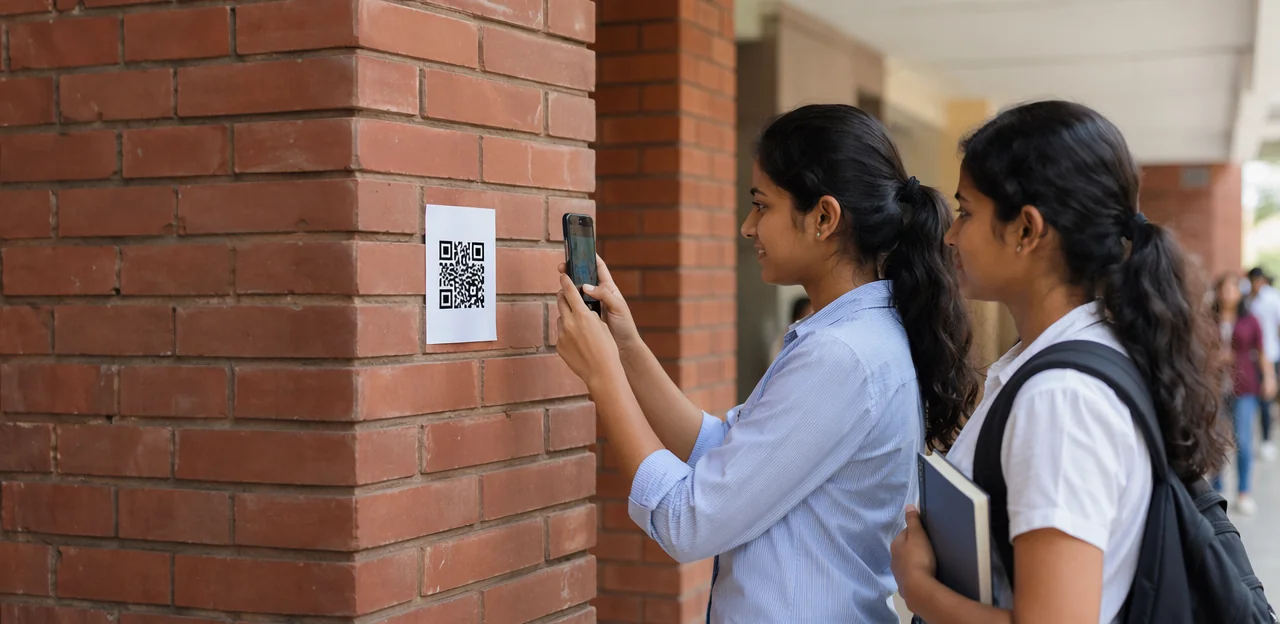
In this article, we’ll explore the most effective catering feedback questions to ask before, during, and after events, along with the common blind spots that organizers often miss. You’ll learn how to design surveys that reveal actionable patterns, prevent recurring catering problems, and improve the overall attendee experience. We’ll also touch on how real-time tools such as Tapsy can help capture feedback at the moment issues happen—before they turn into post-event complaints.
Why event catering feedback matters for event success

How catering shapes the overall event experience
Catering is not a side detail; it directly influences the event experience from arrival to follow-up. Food and beverage quality affects how attendees feel, interact, and remember the event.
- Drives attendee satisfaction: Fresh, well-timed, inclusive menu options reduce frustration and make guests feel considered.
- Supports networking energy: Good catering keeps people comfortable, present, and more willing to stay, talk, and participate between sessions.
- Shapes brand perception: Poor service, long lines, or limited dietary choices can make the entire event feel disorganized.
- Impacts post-event sentiment: Strong event catering feedback helps teams connect meal service issues to overall attendee satisfaction, not just vendor performance.
Collect feedback in real time to catch repeat pain points before they damage future events.
The cost of repeated catering mistakes
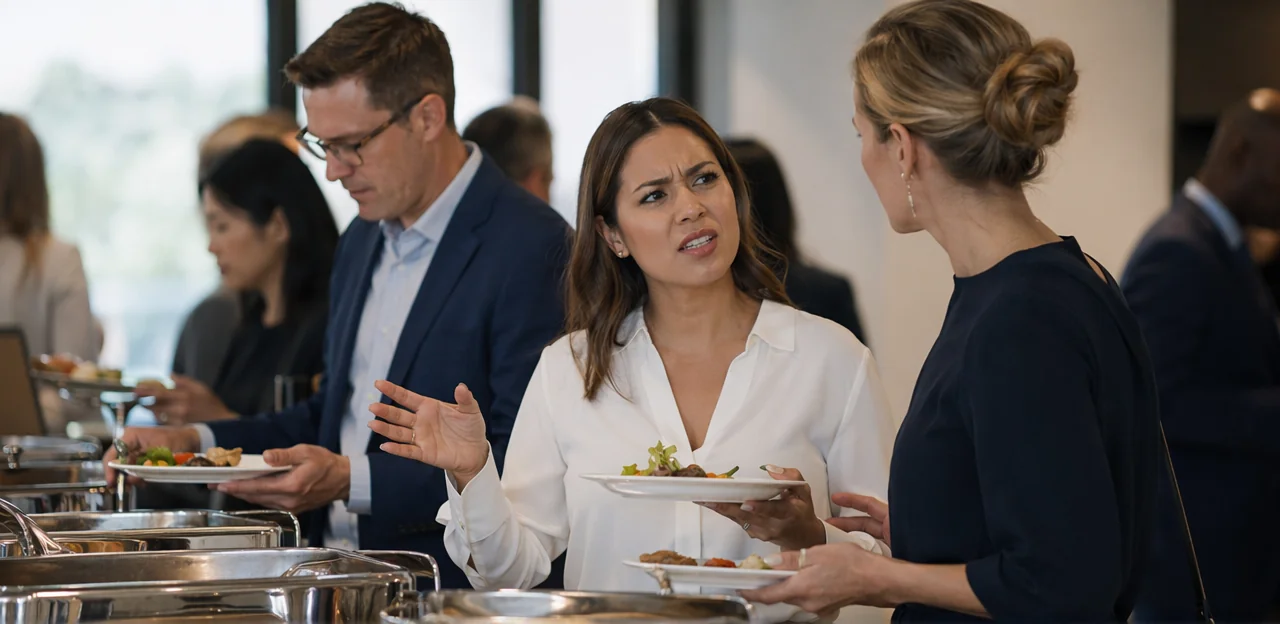
Recurring catering mistakes do more than frustrate guests in the moment—they create operational drag and long-term reputational damage. Common conference catering issues such as long lines, cold food, poor labeling, limited dietary options, and understocked stations can quickly shape how attendees rate the entire event.
- Operational impact: Delays disrupt schedules, increase staff pressure, and trigger avoidable complaints.
- Reputational impact: Guests remember poor meal experiences and may associate them with weak event planning.
- Retention risk: When dietary needs are missed or food runs out, trust drops, hurting event retention and future attendance.
Using event catering feedback during and after the event helps teams spot patterns early, fix service gaps fast, and prevent the same issues next time.
What good feedback reveals beyond food quality
Strong event catering feedback goes far beyond asking whether guests liked the menu. The best surveys uncover operational gaps that quietly damage the event experience, such as:
- Communication issues: unclear dietary instructions, poor signage, or last-minute menu changes
- Logistics problems: long queues, awkward station placement, or refill delays
- Staffing concerns: slow service, inconsistent professionalism, or lack of support during peak times
- Timing and expectations: food served too early, too late, or not matching what attendees were promised
- Inclusivity gaps: limited options for allergies, cultural needs, or accessibility
These event survey insights help teams improve catering service quality and use post-event feedback to prevent repeated mistakes across future events and conferences.
The best event catering feedback questions to ask attendees

Core satisfaction questions every event should include
A strong event catering feedback form should focus on the basics guests notice first. In your catering satisfaction survey, use simple wording and a consistent 1–5 scale (for example, 1 = Very Poor, 5 = Excellent) to improve response quality and make results easier to compare across events.
Include these essential event catering survey questions:
- How would you rate the taste of the food?
- How satisfied were you with the variety of menu options?
- How fresh did the food seem?
- How would you rate the presentation of the food stations or plated meals?
- How satisfied were you with portion sizes?
- How would you rate the beverage selection, including non-alcoholic options?
- Overall, how satisfied were you with the catering experience?
For stronger food quality feedback, add one optional open-text prompt such as:
“What was the main reason for your rating?”
Keep questions short, avoid double-barreled wording, and use the same scale throughout to spot recurring issues quickly.
Questions that uncover operational problems
Strong event catering feedback should go beyond “Was the food good?” and pinpoint where service broke down. Use targeted questions in your meal service survey to capture operational issues you can fix before the next event:
- How long did you wait to receive food or drinks?
- Was service speed appropriate for the event schedule?
- Did buffet lines or stations flow smoothly, or were there bottlenecks?
- Were staff easy to find, helpful, and informed when you needed assistance?
- Was the food served at the right temperature?
- Were popular items replenished quickly enough throughout service?
- Did meal timing fit the agenda, or did catering run too early, too late, or too long?
For better event operations feedback and catering service feedback, pair each question with a simple rating scale and an optional comment box. This makes it easier to spot recurring patterns, such as slow station turnover or poor staffing levels. Real-time tools like Tapsy can also help teams capture issues during the event, not after it.
Questions about dietary needs and inclusivity
A strong dietary requirements survey helps planners spot gaps before they become complaints. In your event catering feedback, ask guests whether available options met their needs across key categories, including vegetarian, vegan, halal, kosher, gluten-free, dairy-free, nut-free, and other allergy-safe meals.
Use clear, practical questions such as:
- Were suitable vegetarian or vegan meals clearly available?
- Did halal or kosher options feel sufficient, well-labeled, and easy to access?
- Were gluten-free and allergy-safe choices handled safely and served separately where needed?
- Did food labels clearly list ingredients and common allergens?
- Was there any dietary need that was overlooked?
These questions improve inclusive event catering by showing guests their needs are taken seriously, not treated as an afterthought. They also build trust, reduce risk, and improve comfort for attendees who may otherwise feel excluded or unsafe. Reviewing allergy-friendly catering feedback after each event helps teams refine menus, labeling, serving processes, and vendor selection for future conferences.
How to design a catering feedback survey that gets useful answers

Choosing the right survey format and scale
Good survey design makes event catering feedback easier to collect and more useful to act on. Match each question type to the decision you need to make:
- Rating scales: Use 1–5 or 1–10 scales to measure food quality, temperature, speed, and staff friendliness consistently across events.
- Multiple-choice questions: Best for identifying specific issues fast, such as dietary options, portion size, or queue times. They keep an event feedback form quick to complete.
- Ranking questions: Use sparingly to learn which menu items, service elements, or beverage options guests valued most.
- Open-text responses: Add one optional comment box to capture context behind low scores or repeated complaints.
A shorter catering survey template improves completion rates, while clear, focused questions improve data quality and reveal patterns you can actually fix.
When to send feedback requests for better response rates
Timing has a direct impact on event catering feedback, because guests quickly forget details about taste, temperature, queue times, and dietary handling.
- On-site pulse surveys: Ask 1–2 questions during meal service or right after breaks to capture real-time event feedback on food quality, staff friendliness, and missing dietary options while issues can still be fixed.
- Same-day follow-ups: Send a short survey within 2–6 hours after the event. This is often the sweet spot for strong survey response rates and accurate recall of service speed, portion quality, and allergen confidence.
- Post-event emails: Use next-day emails for broader reflections, but keep in mind that post-event survey timing affects memory. Later responses are better for overall satisfaction than for precise catering details.
Tools like Tapsy can help capture feedback at the moment it matters most.
How to avoid biased or vague questions
Strong event catering feedback starts with clear survey question design. If questions are biased or too broad, the answers won’t lead to actionable feedback.
- Use neutral wording: Ask “How would you rate the food temperature?” instead of “Did you enjoy the perfectly served hot food?”
- Be specific: Focus on one touchpoint at a time, such as taste, portion size, speed, or dietary options.
- Avoid double-barreled questions: Don’t ask, “Was the food fresh and the staff friendly?” Split it into two separate unbiased survey questions.
- Limit open-ended prompts: Too many comment boxes reduce response rates. Use one optional follow-up after key rating questions.
- Anchor questions to moments: Ask about lunch service, coffee breaks, or dessert separately for clearer improvements.
Turning event catering feedback into measurable improvements

How to analyze responses for recurring patterns
To turn event catering feedback into action, organize responses in a way that reveals repeat issues instead of isolated complaints. A simple framework helps improve feedback analysis, uncover event data insights, and track catering performance metrics more accurately:
- Group by theme: quality, temperature, portion size, dietary options, service speed, presentation, and staff helpfulness.
- Segment by audience: VIPs, attendees, speakers, sponsors, or staff may experience catering differently.
- Compare meal types: breakfast, lunch, dinner, coffee breaks, and cocktails often produce different pain points.
- Review by event format: in-person, hybrid, multi-day, or networking-heavy events can affect queues, freshness, and timing.
Then compare low ratings with open-text comments. A “poor food quality” score may actually reflect cold delivery, limited vegan choices, or long wait times. Tools like Tapsy can help capture touchpoint-level feedback quickly, making root causes easier to spot and fix before they repeat.
Prioritizing fixes with the biggest attendee impact
To turn event catering feedback into action, rank issues by both how often they appear and how much they damage the experience. This helps teams focus on improving event catering where it matters most.
- Start with frequency: Repeated complaints about long buffet lines or unclear dietary labels signal operational gaps.
- Measure severity: A missing vegan option is inconvenient; an allergen-labeling error is urgent.
- Compare against guest expectations: At premium events, slow drink service or limited menu variety can quickly hurt satisfaction.
- Assess brand risk: Problems that may trigger complaints, bad reviews, or safety concerns should move to the top.
Examples of high-impact fixes include:
- improving food station signage
- increasing serving staff during peak periods
- adjusting menu balance to better reflect dietary preferences
Track these changes with event planning metrics like complaint volume, wait times, and satisfaction scores to support ongoing guest experience improvement.
Sharing feedback with caterers and internal teams
To turn event catering feedback into better outcomes, share findings quickly, clearly, and without blame. A constructive vendor feedback process helps caterers, venue teams, and stakeholders focus on fixes instead of defensiveness.
- Start with facts: Summarize ratings, guest comments, timing issues, menu performance, and service gaps.
- Tie feedback to expectations: Compare results against agreed service-level standards such as food temperature, replenishment speed, dietary accuracy, staffing levels, and presentation.
- Run a structured caterer performance review: Highlight what worked, what failed, root causes, and required corrective actions.
- Assign accountability: Confirm who owns each follow-up item—caterer, venue operations, or internal event lead—and set deadlines.
- Document lessons learned: Save recurring issues, successful fixes, and updated checklists in your event playbook to improve future planning.
Strong event team collaboration, supported by tools like Tapsy for real-time insights, makes repeat mistakes far less likely.
Using catering feedback to improve loyalty and retention

Why food experiences influence repeat attendance
Food is one of the most memorable parts of any event, and it directly shapes the conference guest experience. When meals are fresh, well-timed, and inclusive of dietary needs, attendees feel comfortable, cared for, and more open to conversation.
- Better memory: Great catering leaves a positive emotional impression long after sessions end.
- More networking: Comfortable meal breaks create natural spaces for connection and relationship-building.
- Stronger loyalty: Consistently good dining supports attendee loyalty and reinforces smart event retention strategies.
- Higher return intent: Using event catering feedback helps organizers fix recurring issues before they damage satisfaction at future conferences or recurring events.
Personalization and audience segmentation insights
Event catering feedback becomes far more useful when you break it down by group instead of averaging all responses together. Strong audience segmentation can uncover patterns such as:
- Attendee type: speakers, sponsors, VIPs, and general attendees often rate speed, quality, and variety differently
- Ticket tier: premium guests may expect upgraded menus or shorter lines
- Session track or region: preferences can vary by industry focus, culture, or meal timing habits
- Dietary profile: vegan, halal, gluten-free, and allergy-sensitive attendees reveal gaps standard surveys miss
These segmented insights help planners refine menus, portioning, service points, and timing to create a more personalized event experience aligned with real attendee preferences.
Benchmarking results across multiple events
To turn event catering feedback into measurable progress, benchmark results across every event using the same scorecard. Track core catering KPIs such as food quality, temperature, dietary accommodation, service speed, presentation, and value for money. Then compare trends by event type, venue, and vendor.
- Use a standard post-event survey for consistent event benchmarking
- Review scores monthly or quarterly to spot recurring issues
- Rank vendors by average rating, complaint rate, and recovery speed
- Set internal standards, such as minimum satisfaction scores or response-time targets
This creates a repeatable feedback loop that supports continuous improvement and helps prevent the same catering mistakes from happening again.
Common event catering feedback mistakes to avoid
Asking too many questions and getting low-quality data
Long surveys often create survey fatigue, which lowers completion rates and weakens feedback quality. For better event catering feedback, keep surveys short and decision-focused.
- Ask only 3–5 high-value questions tied to actions you can take, such as food quality, dietary options, service speed, and portion sizing.
- Use one optional open-text question for specific issues instead of several vague comment boxes.
- Remove “nice to know” questions that do not influence planning decisions.
Among the most effective event survey best practices is collecting less, but more useful, feedback.
Ignoring open-text comments and edge cases
Low ratings rarely tell the full story. In event catering feedback, the most urgent risks often appear in qualitative feedback and open-ended survey responses, where attendees explain why something failed.
- Review every low-score comment for patterns tied to allergies, dietary labeling, delays, or staff handling.
- Flag one-off but high-risk issues separately, especially around safety and event accessibility feedback.
- Create an exception-review workflow: assign owners, investigate details, and document corrective actions.
- Don’t dismiss rare complaints if the impact is serious; one missed allergy protocol can outweigh dozens of average scores.
Collecting feedback without closing the loop
Gathering event catering feedback without visible follow-up quickly damages attendee trust. Guests, sponsors, and internal stakeholders may feel their time was wasted if recurring complaints about food quality, wait times, or dietary options keep appearing event after event.
To strengthen credibility, make closing the feedback loop part of your event improvement process:
- Share 2–3 catering changes made from feedback in post-event emails
- Brief vendors and staff on recurring issues before the next event
- Report back to stakeholders with clear actions, timelines, and outcomes
When people see feedback driving real improvements, participation and confidence rise.
Conclusion
In the end, better events don’t come from guesswork—they come from asking the right questions at the right time. Strong event catering feedback helps organizers move beyond vague impressions and uncover the real reasons behind guest dissatisfaction, from long buffet lines and poor food temperature to limited dietary options, unclear labeling, or inconsistent service. When your survey questions are specific, timely, and easy to answer, you gain actionable insights that prevent the same catering mistakes from happening again.
The most effective approach is to focus on the full guest experience: food quality, presentation, timing, variety, staff responsiveness, and how well dietary needs were handled. Reviewing event catering feedback after every event also makes it easier to spot patterns, improve vendor coordination, and create a better experience for attendees, sponsors, and stakeholders alike.
Now is the time to audit your current feedback process and refine the questions you ask after each event. Start with a short, targeted survey, compare results across events, and use the findings to guide operational changes. If you want to collect real-time insights at key touchpoints, tools like Tapsy can help streamline feedback collection and support faster service recovery. For next steps, build a repeatable survey template, track recurring issues, and turn every event into a smarter, more guest-focused experience.
Frequently Asked Questions
- Why is catering feedback so important for event success?
Catering directly affects attendee satisfaction, networking energy, and how organized the event feels. Poor service, long lines, or limited dietary options can shape overall event sentiment, not just opinions about the food.
- What kinds of catering mistakes are most likely to repeat if feedback is too generic?
Generic feedback often misses operational issues such as long buffet queues, cold food, poor labeling, limited dietary options, and understocked stations. These problems can disrupt schedules, increase complaints, and damage trust in future events.
- What are the most essential questions to include in an event catering survey?
Core questions should cover taste, menu variety, freshness, presentation, portion sizes, beverage selection, and overall satisfaction. Using a consistent 1–5 scale makes results easier to compare across events and helps identify recurring issues.
- How can organizers uncover catering service problems instead of just asking whether guests liked the food?
Ask targeted questions about wait times, service speed, station flow, staff helpfulness, food temperature, replenishment speed, and meal timing. Pair each with a simple rating scale and an optional comment box to reveal where service broke down.
- What should event planners ask about dietary needs and inclusivity?
Questions should check whether vegetarian, vegan, halal, kosher, gluten-free, dairy-free, nut-free, and allergy-safe options were available, clearly labeled, and easy to access. It is also important to ask whether any dietary need was overlooked.
- What survey format works best for collecting useful catering feedback?
Rating scales work well for measuring quality, temperature, speed, and staff friendliness consistently. Multiple-choice questions help identify specific issues quickly, while one optional open-text response adds context behind low scores or repeated complaints.
- When should catering feedback requests be sent for the best response quality?
On-site pulse surveys work well during meal service or right after breaks because they capture issues while they can still be fixed. Same-day follow-ups within 2–6 hours are useful for accurate recall, while next-day emails are better for broader reflections than precise catering details.
- How do you avoid biased or vague catering survey questions?
Use neutral wording, focus on one touchpoint at a time, and avoid combining multiple topics in one question. It also helps to anchor questions to specific moments such as lunch, coffee breaks, or dessert service.
- How should teams analyze catering feedback to find recurring patterns?
Group responses by themes like quality, temperature, portion size, dietary options, service speed, presentation, and staff helpfulness. Then compare ratings with open-text comments and segment results by audience type, meal type, and event format to identify root causes.
- How can organizers decide which catering issues to fix first?
Prioritize issues based on how often they appear and how much they harm the attendee experience. Safety-related problems such as allergen-labeling errors should be treated as urgent, while repeated complaints about lines, staffing, or signage also deserve fast action.
- What is the best way to share catering feedback with caterers and internal teams?
Start with facts such as ratings, guest comments, timing problems, menu performance, and service gaps. Then compare results to agreed standards, assign ownership for follow-up actions, and document lessons learned for future event planning.
- Can catering feedback improve attendee loyalty and repeat attendance?
Yes, because food is one of the most memorable parts of an event and strongly influences comfort, networking, and overall satisfaction. Fresh, well-timed, and inclusive meals help attendees feel cared for, which supports stronger loyalty and return intent.
- Why is audience segmentation useful when reviewing event catering feedback?
Different groups often experience catering differently, including speakers, sponsors, VIPs, staff, and general attendees. Segmenting feedback by attendee type, ticket tier, region, session track, or dietary profile helps planners make more personalized improvements.
- How can event teams benchmark catering performance across multiple events?
Use the same scorecard and track core measures such as food quality, temperature, dietary accommodation, service speed, presentation, and value for money. Comparing results by event type, venue, and vendor helps spot trends and support continuous improvement.
- How can tools like Tapsy support event catering feedback collection?
Real-time tools such as Tapsy can capture feedback at the moment issues happen, instead of waiting for post-event complaints. That makes it easier to detect service gaps quickly, support faster recovery, and collect touchpoint-level insights during the event.