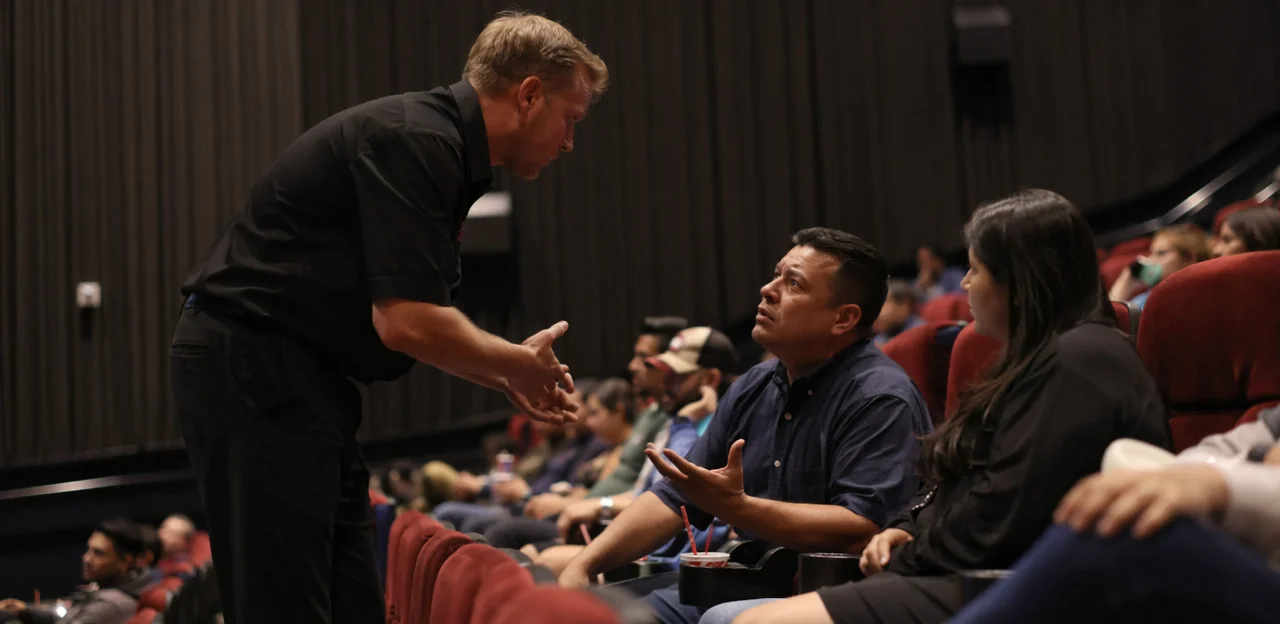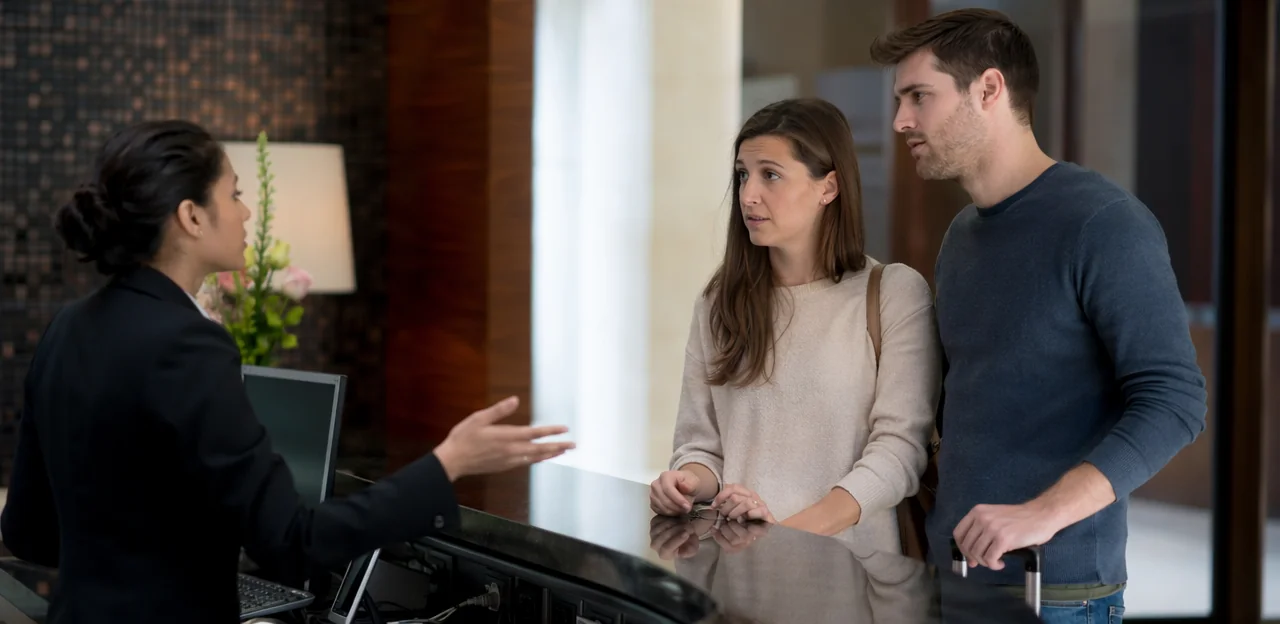
A guest complaint is never just a service issue—it is a critical moment that can shape the entire stay, influence online reviews, and determine whether a visitor returns. In hospitality, timing matters. When a problem is handled before checkout, hotels still have a chance to restore trust, improve the guest experience, and turn frustration into loyalty. That is why hotel complaint recovery is not simply about apologizing well; it is about responding quickly, personally, and with the right operational follow-through.
From room cleanliness concerns and noise issues to slow service or billing confusion, complaints can escalate fast when they go unnoticed. But when hotels create clear response processes and empower staff to act in real time, they can often prevent negative reviews and recover the relationship before the guest leaves the property. Some hotels also use tools like Tapsy to capture in-stay feedback early, helping teams intervene while there is still time to fix the issue.
This article explores how to respond to guest complaints before checkout, why speed and empathy matter, and what practical steps hotel teams can take to improve service recovery, protect reputation, and deliver a better guest experience overall.
Why hotel complaint recovery before checkout matters

The cost of unresolved guest complaints
Unresolved issues rarely end at checkout. They reduce satisfaction in the moment and create expensive downstream problems for the hotel. Strong hotel complaint recovery protects both reputation and revenue.
- Lower guest satisfaction: Small issues that go unfixed often shape the entire stay.
- Fewer repeat bookings: Poor guest complaint resolution makes guests less likely to return or recommend the property.
- Higher staff workload: Post-stay emails, refund requests, and escalations take more time than fixing issues immediately.
- More refunds and chargebacks: Delayed responses increase compensation costs.
- More negative hotel reviews: Guests who feel ignored often post public complaints.
Resolving concerns before departure gives teams a chance to recover trust, prevent negative hotel reviews, and improve business outcomes.
How pre-checkout recovery shapes guest experience
Pre-checkout hotel complaint recovery can define how guests remember the entire stay. When a hotel responds quickly and with empathy, it shows the guest they have been heard, respected, and treated fairly—three essentials for a strong guest experience.
- Respond fast: Address issues while the guest is still on property, not after departure.
- Acknowledge the impact: A sincere apology and clear ownership improve trust.
- Offer fair resolution: Room changes, service follow-up, or small gestures can restore balance.
- Close the loop: Confirm the fix worked before checkout.
Effective service recovery in hotels often turns frustration into loyalty, improves hotel guest satisfaction, and reduces the chance of negative reviews. Tools like Tapsy can help teams catch and resolve issues in real time.
Most hotel guest complaints fall into a few predictable categories, which means hotels should treat them as operational patterns, not surprises. Strong hotel complaint recovery starts with a clear playbook for the most frequent issues:
- Room cleanliness: missed housekeeping, odors, stained linens, or bathroom issues
- Noise: neighboring rooms, hallways, elevators, or street disruption
- Maintenance failures: air conditioning, hot water, Wi-Fi, lighting, or key cards
- Billing disputes: unexpected charges, deposits, or rate mismatches
- Slow service: delayed check-in, housekeeping, room service, or maintenance response
- Booking errors: wrong room type, dates, or special requests missed
- Staff interactions: perceived rudeness, poor communication, or lack of follow-up
Effective hospitality complaint management uses standard response times, ownership rules, and escalation paths to resolve these common hotel complaints before checkout.
How to identify complaints early during the guest stay

Signals that a guest is unhappy before they complain
Spotting guest dissatisfaction signs early is essential for effective hotel complaint recovery. Watch for patterns such as:
- Short, clipped answers at check-in or after a service interaction
- Repeated service requests for the same issue, like Wi-Fi, housekeeping, or room temperature
- Low in-stay survey scores, especially when paired with vague or negative comments
- Tension at the front desk, including visible impatience, sighs, or reluctance to engage
- Complaints shared with housekeeping, restaurant, or concierge staff instead of management
These signals often point to unresolved hotel service issues. Train every department to log and escalate concerns quickly, then reach out with a simple, empathetic check-in before frustration grows. Tools like Tapsy can help surface issues in real time and support proactive guest recovery.
Best touchpoints for catching issues before checkout
To improve hotel complaint recovery, hotels should collect in-stay guest feedback at the moments when problems first surface, not just at checkout. Key touchpoints include:
- Check-in: spot booking errors, room preferences, or arrival friction early.
- First-night follow-up: a quick call or message often reveals noise, temperature, or cleanliness issues.
- Housekeeping interactions: staff can flag maintenance concerns or guest dissatisfaction in real time.
- Concierge conversations: requests about transport, tours, or local advice often uncover service gaps.
- Dining outlets and bars: meal delays or quality complaints should feed into pre-checkout complaint handling.
- Messaging apps and in-stay surveys: make hotel guest communication fast and low-friction.
Cross-department communication is essential so front desk, housekeeping, food and beverage, and management can act on feedback immediately.
Using technology and staff reporting together
Strong hotel complaint recovery depends on connecting systems with frontline awareness. Technology helps teams act faster, but only when staff consistently log and escalate issues.
- PMS notes give every department visibility into stay-specific problems, preferences, and promised follow-ups.
- A hotel CRM can trigger alerts for repeat complaints, VIP guests, or unresolved service failures across visits.
- A guest messaging platform surfaces in-stay concerns in real time, so teams can respond before checkout.
- Internal escalation logs help managers spot recurring issues in housekeeping, maintenance, or check-in workflows and improve hospitality operations.
Train staff to record every complaint in the right system, use shared categories, and escalate urgent issues immediately. Tools such as Tapsy can also support faster in-stay feedback capture.
A step-by-step hotel complaint recovery process
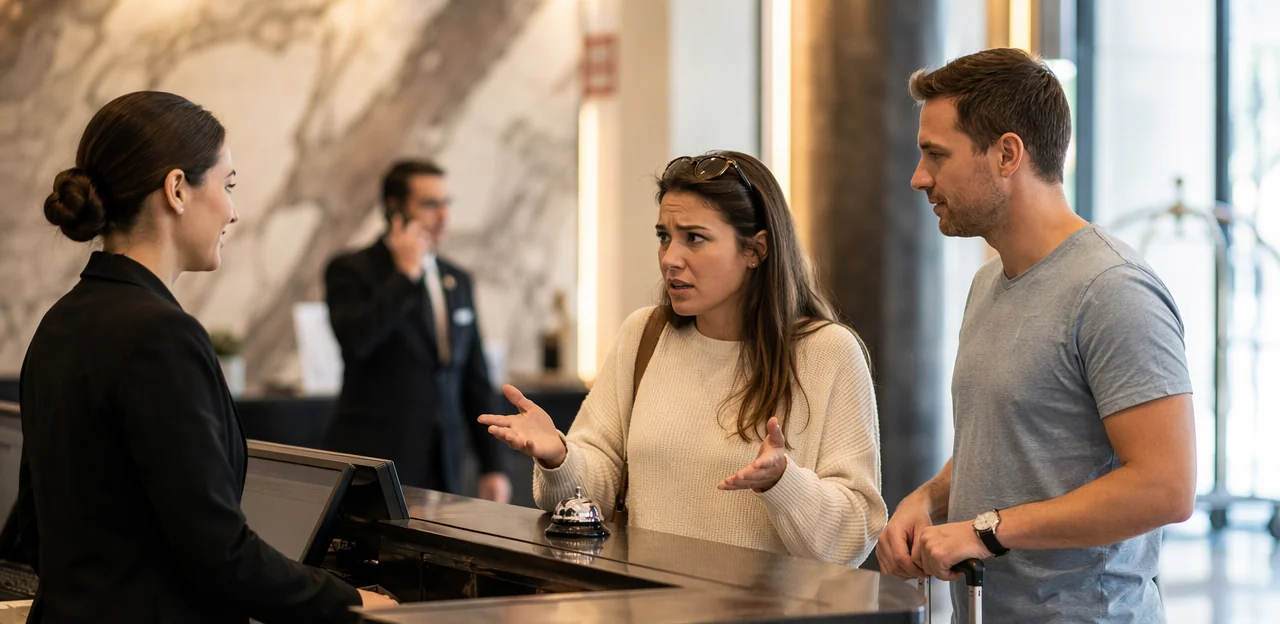
Listen, acknowledge, and apologize with empathy
A strong hotel complaint recovery process starts with how staff respond in the first minute. In effective service recovery, guests want to feel heard before they want a solution.
- Listen fully: Let the guest explain without interrupting. Maintain calm body language, make eye contact, and take notes if needed.
- Acknowledge the impact: Name the inconvenience clearly: “I understand how frustrating it is to return to a room that wasn’t ready.”
- Validate, don’t debate: A good guest complaint response avoids excuses or blame-shifting. Defensiveness sounds like protecting the hotel; empathy shows you understand the guest’s experience.
- Offer a sincere hotel apology: Keep it human and specific: “I’m sorry this disrupted your stay.” Avoid robotic phrases like “We apologize for any inconvenience caused.”
- Pause before solving: Once the guest feels heard, explain the next step confidently and calmly.
Tools like Tapsy can help hotels capture issues early, making faster, more personal recovery possible before checkout.
Investigate quickly and offer practical solutions
Effective hotel complaint recovery starts with fast fact-finding and clear ownership. As soon as a guest raises an issue, staff should confirm what happened, when it started, and how it affects the stay. Then act immediately through the right team.
- Verify the details: repeat the concern back to the guest, check booking notes, and inspect the issue if needed.
- Involve the right department: notify housekeeping, maintenance, food and beverage, or the duty manager without making the guest repeat the story.
- Set realistic timelines: explain what will happen next and give a specific update window, such as “within 15 minutes” or “before 6 p.m.”
- Present practical options: offer a room change, urgent repair, replacement amenity, service correction, or fair billing adjustment based on the problem.
Strong hotel complaint resolution depends on speed, transparency, and follow-through. A clear hospitality service recovery process helps teams solve issues before checkout and rebuild trust. Tools like Tapsy can also help route complaints to the right team in real time.
Confirm resolution before the guest checks out
A fix is not complete until the guest confirms it. In hotel complaint recovery, the most important step is the guest recovery follow-up: checking that the room move, service correction, refund, or apology actually resolved the problem before checkout.
Use a simple process:
- Follow up promptly: Contact the guest after the fix, ideally within 15–30 minutes for urgent issues.
- Verify satisfaction: Ask whether the solution met expectations and whether anything else is needed.
- Document the outcome: Record the complaint, action taken, timing, and guest response so teams can track patterns and improve hotel issue resolution.
- Escalate if needed: If the guest is still unhappy, involve a supervisor or duty manager immediately.
For serious complaints, add a final pre-checkout check-in. A quick call, message, or front-desk conversation helps ensure the guest does not leave with unresolved frustration that later becomes a negative review. Tools like Tapsy can support real-time follow-up and faster recovery visibility.
What to say: communication best practices for staff and managers

Phrases that build trust during complaint recovery
In hotel complaint recovery, the right words can calm frustration and show immediate ownership. A strong hotel complaint script should be clear, specific, and action-focused.
- Acknowledge the issue: “Thank you for telling us. I understand why this is frustrating.”
- Take responsibility: “I’m sorry this happened during your stay. We’ll address it right away.”
- Show urgency: “I’m contacting housekeeping/maintenance now and will update you within 10 minutes.”
- Set a clear next step: “Here’s what we can do immediately: room change, revisit, or manager follow-up.”
- Avoid weak phrasing: Replace “We’ll see what we can do” with “I will handle this now.”
Consistent guest service language and strong hospitality communication help guests feel heard without blame, excuses, or vague promises.
What staff should avoid saying
In hotel complaint recovery, the wrong phrase can turn a fixable issue into a lasting negative impression. Train teams to avoid these complaint handling mistakes:
- “There’s nothing we can do.” This sounds dismissive and ends the conversation instead of offering options.
- “That’s not my department.” Guests see one hotel, not separate teams. This response signals poor guest service and lack of ownership.
- “No one else complained.” This can make guests feel doubted or blamed.
Instead, staff should acknowledge the issue, take responsibility, and explain the next step clearly. Strong hotel staff training should replace defensive language with solution-focused responses that reduce frustration and support recovery before checkout.
When managers should step in
Not every issue needs manager escalation, but some complaints should move beyond frontline staff immediately to protect the guest experience and support effective hotel complaint recovery. Escalate when:
- The guest is a VIP, long-stay, loyalty member, or corporate account
- There are safety, security, cleanliness, or discrimination concerns
- The same problem has happened more than once
- The guest shows visible emotional distress, anger, or threatens to leave
- There is a compensation dispute or refund disagreement
- The complaint is already public on social media or review platforms
Fast involvement from a guest relations manager or duty manager can authorize solutions quickly, reduce delays, and restore guest confidence before checkout.
Compensation, empowerment, and recovery policies

Choosing the right recovery gesture
Effective hotel complaint recovery depends on matching the gesture to the guest’s actual inconvenience. The goal is fair, relevant hotel compensation that restores trust without overcompensating.
- Minor issues (slow check-in, missed amenity, brief noise): offer a small guest recovery gesture such as complimentary amenities, a drink, or loyalty points.
- Moderate issues (housekeeping delays, poor breakfast experience, Wi-Fi disruption): consider meal credits, waived resort or parking fees, or a modest discount.
- Major issues (room not available, serious cleanliness problems, unresolved maintenance): use stronger service recovery compensation like a room-rate reduction or partial refund.
Always consider duration, disruption, and whether the issue was fully resolved. Tools like Tapsy can help teams capture complaints early and respond with consistent, appropriate compensation.
Empowering frontline staff to act fast
Strong hotel complaint recovery depends on giving frontline teams the tools and permission to solve problems immediately. Without clear hotel staff authority, even simple issues get delayed while guests wait for manager approval.
To improve speed and consistency, hotels should provide:
- Defined authority limits: specify what front desk teams can offer, such as a room move, drink voucher, late checkout, or small discount.
- Simple decision trees: map common complaints to approved actions so staff know the next step instantly.
- Practical training: use role-play and real scenarios to build confidence in applying the complaint resolution policy.
This kind of front desk empowerment reduces escalation bottlenecks, creates more consistent guest experiences, and helps resolve routine complaints before they turn into negative reviews.
Documenting complaints for consistency and learning
Strong hotel complaint recovery depends on accurate, usable records. Every guest issue should be logged in a shared complaint documentation process so teams can respond consistently and learn from patterns over time.
Record these essentials:
- The issue: what happened, where, when, and how it affected the guest
- Action taken: who responded, response time, and steps completed
- Compensation offered: refund, upgrade, late checkout, amenity, or other gesture
- Final outcome: resolved, escalated, declined, or follow-up required
This creates a reliable hotel SOP for future cases, supports repeat-guest recognition, and helps staff avoid repeating the same mistakes. Over time, documented complaints reveal recurring operational gaps, making them a practical tool for hospitality quality improvement and stronger service recovery standards.
Turning complaint recovery into long-term improvement

Training teams for consistent service recovery
Strong hotel complaint recovery depends on every department responding the same way, not just one skilled employee. Build confidence and consistency with:
- Role-play and scenario training: Use realistic cases involving housekeeping, front desk, maintenance, and F&B so teams practice tone, escalation, and follow-up.
- Clear hospitality SOP: Define response times, ownership, compensation limits, and handoff steps between departments.
- Coaching and review: Managers should debrief real incidents, reinforce what worked, and correct gaps quickly.
- Cross-department alignment: Make hotel staff training and service recovery training part of daily operations, so guests receive a seamless experience from complaint to resolution.
Tools like Tapsy can also help teams spot issues early and respond before checkout.
Measuring recovery success with the right metrics
To know whether hotel complaint recovery is actually improving the guest experience, track a focused set of hotel KPIs:
- Complaint resolution time: Measure how quickly teams acknowledge and fix issues during the stay.
- In-stay satisfaction: Use real-time surveys to monitor recovery outcomes before checkout.
- Review sentiment: Compare post-stay review language for signs of improved service perception.
- Repeat stay rate: Strong recovery often turns unhappy guests into loyal return visitors.
- Compensation cost: Track goodwill gestures against outcomes to ensure recovery is effective, not just expensive.
- Escalation frequency: Fewer manager escalations usually signal smoother frontline handling.
Together, these guest satisfaction metrics show whether recovery is fast, efficient, and loyalty-building.
Preventing repeat complaints through root-cause analysis
Effective hotel complaint recovery should not end when a guest issue is resolved. Use root cause analysis to spot patterns across:
- complaint category, such as cleanliness, noise, Wi-Fi, or breakfast
- shift or time of day
- room type, floor, or building area
- department, team, or vendor
This helps hotels prevent hotel complaints by fixing the source, not just the symptom. For example, repeated late-night noise complaints may point to staffing gaps, poor room allocation, or weak escalation procedures. Track trends weekly, assign corrective actions, and review results with department heads. Tools like Tapsy can help surface real-time issue patterns, supporting hospitality continuous improvement as well as better guest service.
Conclusion
In hospitality, the best recovery happens before a guest reaches the front desk to check out—or worse, leaves a negative review online. Effective hotel complaint recovery depends on speed, empathy, ownership, and follow-through. When teams listen actively, acknowledge the issue, offer a practical solution, and confirm that the guest is satisfied, they turn a disappointing moment into an opportunity to rebuild trust.
The most successful hotels don’t treat complaints as isolated problems. They use them as real-time signals to improve service, empower staff, and strengthen the overall guest experience. Clear escalation paths, staff training, and in-stay feedback channels make hotel complaint recovery faster and more consistent, helping prevent minor frustrations from becoming lasting reputation damage.
Now is the time to review your current recovery process. Audit where complaints are most likely to happen, equip teams with response guidelines, and create systems that help you act before checkout. If you want to capture issues earlier, tools like Tapsy can help hotels collect real-time guest feedback at key touchpoints and respond while there is still time to make things right.
Start by mapping your guest journey, measuring response times, and refining your recovery playbook. Strong hotel complaint recovery does more than solve problems—it protects reviews, improves loyalty, and creates better stays.
Frequently Asked Questions
- Why is resolving hotel complaints before checkout so important?
Handling complaints before checkout gives the hotel a chance to restore trust while the guest is still on property. It can improve satisfaction, reduce refunds and chargebacks, and lower the risk of negative online reviews.
- What types of guest complaints should hotels be prepared to resolve most often?
Common issues include room cleanliness, noise, maintenance failures, billing disputes, slow service, booking errors, and poor staff interactions. These should be treated as recurring operational patterns with clear response rules, not as surprises.
- How can hotel staff spot an unhappy guest before a formal complaint is made?
Early warning signs include short or clipped answers, repeated service requests for the same issue, low in-stay survey scores, visible tension at the front desk, and complaints shared with housekeeping or concierge instead of management. Staff across departments should log and escalate these signals quickly.
- What are the best moments during a stay to collect feedback and catch problems early?
Useful touchpoints include check-in, first-night follow-up, housekeeping interactions, concierge conversations, dining outlets, and in-stay messaging or surveys. These moments help teams identify issues when there is still time to fix them before departure.
- How should hotels combine technology and staff reporting in complaint recovery?
Hotels can use PMS notes, CRM alerts, guest messaging platforms, and internal escalation logs to give teams visibility into problems and promised follow-ups. These systems work best when staff consistently record every complaint, use shared categories, and escalate urgent issues immediately.
- What is the first thing staff should do when a guest raises a complaint?
Staff should listen fully, acknowledge the impact, and apologize with empathy before trying to solve the problem. Guests usually need to feel heard first, so defensive language or excuses should be avoided.
- What makes a strong complaint response different from a weak one?
A strong response is specific, action-focused, and shows ownership, such as explaining who is being contacted and when the guest will receive an update. A weak response sounds vague or passive, like saying, "We'll see what we can do," without a clear next step.
- How quickly should a hotel investigate and act on a guest issue?
Hotels should verify the details as soon as the complaint is raised, involve the correct department immediately, and give a realistic timeline for the next update. Clear windows such as "within 15 minutes" or "before 6 p.m." help set expectations and build trust.
- What kinds of solutions can hotels offer during complaint recovery?
Practical options include a room change, urgent repair, replacement amenity, service correction, or a fair billing adjustment. The solution should match the actual problem and be delivered with speed and follow-through.
- Why is follow-up before checkout a critical part of service recovery?
A complaint is not fully resolved until the guest confirms the fix worked. Hotels should follow up promptly, verify satisfaction, document the outcome, and escalate to a supervisor or duty manager if the guest is still unhappy.
- What should hotel employees avoid saying during complaint handling?
Staff should avoid phrases like "There's nothing we can do," "That's not my department," and "No one else complained." These responses sound dismissive, shift responsibility, or make the guest feel doubted instead of supported.
- When should a manager step in to handle a guest complaint?
Manager involvement is important for VIPs, long-stay or loyalty guests, safety or cleanliness concerns, repeated issues, emotional distress, compensation disputes, or complaints already posted publicly. Fast escalation helps authorize solutions quickly and protect the guest experience.
- How should hotels choose the right compensation or recovery gesture?
The gesture should match the level of inconvenience, considering duration, disruption, and whether the issue was fully resolved. Minor issues may call for a small amenity or points, moderate issues may justify credits or waived fees, and major issues may require a room-rate reduction or partial refund.
- How does empowering frontline staff improve complaint recovery?
When frontline teams have defined authority, simple decision trees, and practical training, they can solve routine problems without waiting for manager approval. This reduces delays, improves consistency, and helps prevent small issues from turning into negative reviews.
- How can hotels use complaint data to improve operations over time?
Every complaint should be documented with the issue, action taken, compensation offered, and final outcome. Reviewing patterns by category, shift, room area, department, or vendor helps identify root causes and supports better training, SOPs, and long-term service improvements.