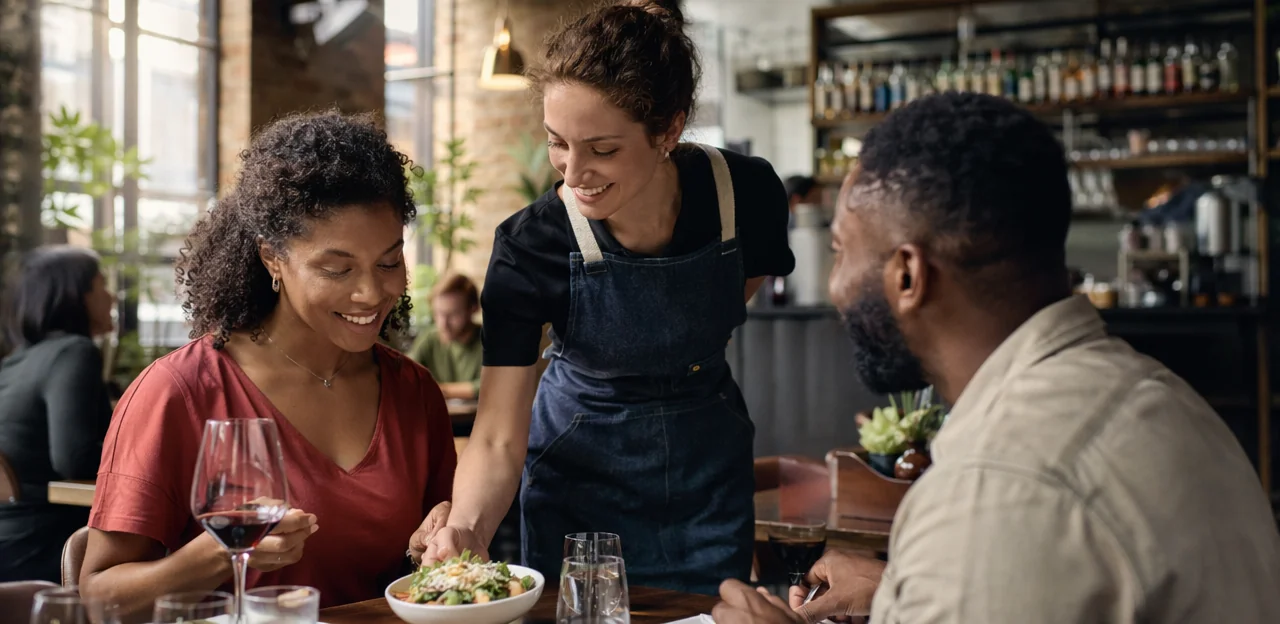
A great meal can be remembered for the flavors, the service, and the atmosphere—but for restaurants and cafés, understanding exactly how guests felt in the moment is what drives real improvement. That’s where a well-designed dining feedback survey becomes invaluable. When guests can share their thoughts in under a minute, businesses are far more likely to capture honest, timely insights before the experience fades or frustration turns into a public review.
Today’s diners expect convenience in every part of their visit, including how they give feedback. Long forms and delayed follow-ups often lead to low response rates and missed opportunities. By contrast, fast, focused surveys help operators identify service gaps, test menu changes, measure satisfaction, and recover issues while the guest is still on-site.
This article explores how to create dining feedback surveys that are quick to complete yet rich in useful data. We’ll look at what questions to ask, how to keep surveys frictionless, where to place them for maximum participation, and how these insights can improve restaurant operations and the overall guest experience. We’ll also touch on modern tools, such as Tapsy, that make real-time feedback easier to collect and act on.
Why a One-Minute Dining Feedback Survey Matters

The link between survey length and completion rates
In restaurants and cafés, faster always wins. A dining feedback survey that takes under a minute fits the reality of mobile-first guests who are paying, leaving, or already on the move. The longer the form, the lower your survey completion rates—especially after a meal, when attention drops quickly.
A short dining survey performs better because it:
- respects guests’ limited time
- feels easy to complete on a phone
- reduces drop-off between questions
- captures fresher, more accurate feedback
To improve results, keep each restaurant feedback form focused on 3–5 questions, use tap-friendly answer choices, and ask only what your team will act on. Tools like Tapsy can help restaurants collect quick, real-time responses without adding friction.
How fast feedback improves guest experience
A short dining feedback survey works best when guests complete it right after the meal, while details are still clear. This makes restaurant customer feedback more accurate and easier to act on quickly.
- Spot service issues fast: Identify slow table turns, missed orders, or unfriendly interactions before they turn into negative reviews.
- Catch food quality concerns early: Learn if dishes arrived cold, portions felt inconsistent, or menu descriptions missed expectations.
- Highlight what went well: Quick praise helps restaurants recognize standout staff, popular menu items, and memorable moments that strengthen the guest experience.
- Enable service recovery: A well-timed post-dining survey gives managers a chance to follow up promptly and resolve issues before guests leave dissatisfied.
Tools like Tapsy can make this process even more immediate and actionable.
Operational benefits for restaurants and cafés
A short dining feedback survey makes it easier to collect more responses during the visit, giving teams fast insight they can act on. For restaurant operations, that means spotting recurring issues before they affect reviews, repeat visits, or staff performance.
- Wait times: Track delays by shift, daypart, or table zone to identify bottlenecks in seating, kitchen flow, or payment.
- Staff friendliness: Use quick ratings to measure consistency across teams and highlight coaching or recognition opportunities.
- Order accuracy: Capture mistakes in real time to uncover menu, POS, or handoff problems.
- Cleanliness: Monitor guest perceptions of tables, restrooms, and counters to improve standards throughout service.
Consistent service quality feedback from every café customer survey helps managers prioritize fixes, train staff, and improve daily execution.
What to Include in a Dining Feedback Survey
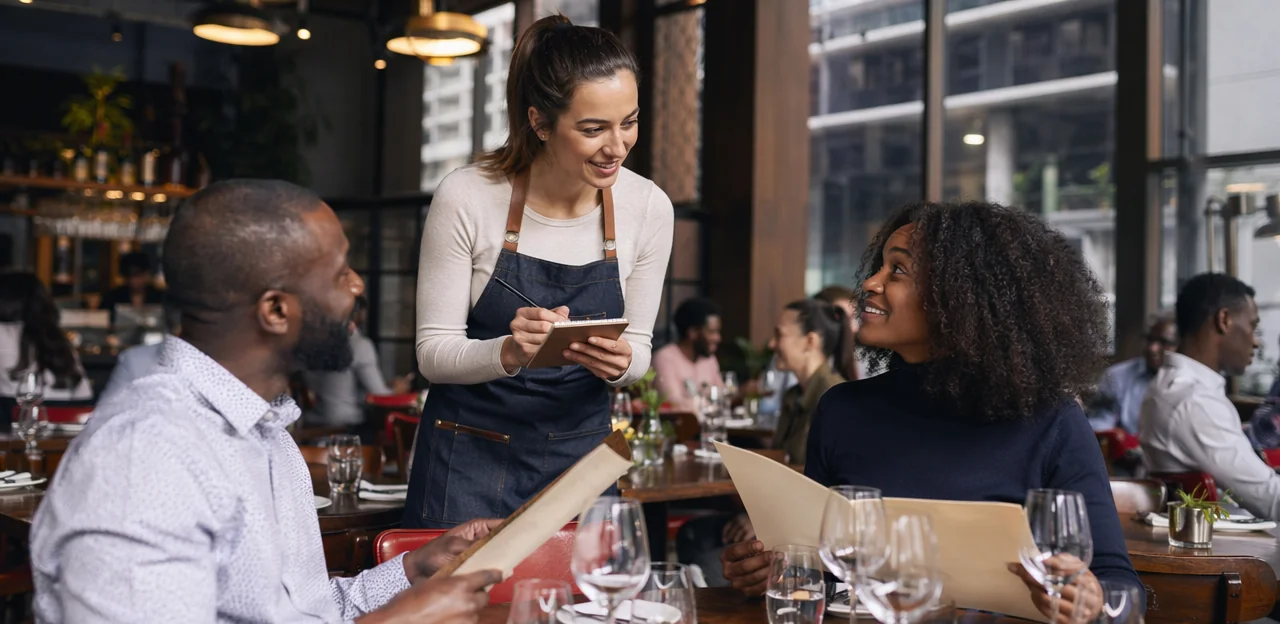
The essential questions to ask
A strong dining feedback survey should focus on the few questions that reveal the most about the guest experience. Keep it short, clear, and easy to answer in under a minute.
- Overall satisfaction: “How satisfied were you with your dining experience today?”
This is the core of any customer satisfaction survey and gives you a quick performance benchmark. - Food quality: “How would you rate the taste, freshness, and presentation of your food?”
One of the most important dining feedback survey questions for menu and kitchen decisions. - Service speed: “Was your food and service delivered in a timely manner?”
Helpful for spotting operational bottlenecks. - Staff friendliness: “How friendly and attentive was our team?”
Essential among restaurant survey questions because service often drives repeat visits. - Likelihood to return: “How likely are you to dine with us again?”
This measures loyalty and future revenue potential.
If possible, add one optional comment box for quick context behind low scores.
How to keep it under a minute
To make a dining feedback survey feel effortless, design for speed first. A true one-minute survey should usually contain 3–5 questions max and focus only on the insights your team can act on quickly.
- Prioritize essentials: Ask about the core experience only, such as food quality, service, cleanliness, and overall satisfaction.
- Use rating scales: Star ratings, number scales, or simple “good / okay / poor” options are faster than typed responses and improve completion rates in a short customer survey.
- Limit open text fields: Free-text questions slow guests down. If you include one, make it optional and position it last.
- Keep wording simple: Use clear, single-topic questions with no extra explanation.
- Test completion time: One of the most important survey design best practices is timing the survey on a phone before launch.
Tools like Tapsy can also help streamline mobile-friendly, fast feedback flows.
Sample survey structure for restaurants and cafés
A strong dining feedback survey should take 30–60 seconds and follow a simple, high-signal flow. Use this restaurant survey template or adapt it into a café feedback survey for dine-in, takeaway, or counter service:
- Overall experience rating
Ask one tap-friendly question: “How was your visit today?” (1–5 stars) - Key driver question
Let guests choose one area:- Food or drink quality
- Speed of service
- Staff friendliness
- Cleanliness
- Value for money
- Issue detection or praise
Use conditional logic:- Low score: “What went wrong?”
- High score: “What stood out most?”
- Optional comment box
Keep it short: “Anything we should know?” - Close with intent or follow-up
Ask: “Would you return?” or collect contact details only if support is needed.
This structure keeps the guest feedback form fast for quick-service venues while still giving full-service teams actionable insight.
Survey Design Best Practices for Higher Response Rates

Use mobile-first and QR code-friendly formats
A dining feedback survey should feel effortless on the device guests already use most: their phone. Strong mobile survey design improves completion rates by keeping surveys fast, readable, and thumb-friendly.
- Use a single-column layout with large tap targets and minimal typing.
- Limit the survey to 2–4 quick questions with clear answer buttons.
- Make pages load instantly and avoid pop-ups or pinch-to-zoom requirements.
- Show a progress bar so guests know it takes less than a minute.
A QR code survey removes friction at the exact moment of the experience. Place codes on:
- receipts
- table tents
- takeaway packaging
- counter signs or exit signage
This makes restaurant QR feedback easy to access during or right after the meal, when impressions are freshest. Tools like Tapsy can also help connect QR-based feedback to real-time service recovery.
Choose clear wording and simple answer formats
A fast dining feedback survey works best when guests can understand and answer each prompt instantly. Strong survey question design avoids jargon, double meanings, and long scales that slow people down.
- Use plain language: Ask “How was your food?” instead of “How would you evaluate menu satisfaction?”
- Prefer quick-response formats: Star ratings, yes-or-no choices, and one-tap multiple choice questions make the simple feedback form feel effortless.
- Keep layouts tap-friendly: Large buttons, clear spacing, and minimal scrolling improve customer survey UX, especially on phones at the table or counter.
- Limit typing: Only include an optional comment box after core questions are answered.
These choices reduce abandonment, increase completion rates, and produce cleaner, more consistent data that teams can act on quickly.
Time the survey request for maximum participation
Survey timing has a major impact on completion rates. The best moment to send a dining feedback survey is when the experience is still fresh, but the guest is no longer busy eating or paying.
- Immediately after payment: Add a QR code or tap prompt on the card terminal, counter display, or receipt so guests can leave quick post-visit feedback before they walk out.
- Via digital receipt: Include a one-minute survey link in emailed receipts for guests who prefer to respond once they’ve left the table.
- Follow-up SMS or email: For loyalty members, send a short message within 1–3 hours of the visit to boost response rates and support ongoing restaurant customer engagement.
Keep requests short, mobile-friendly, and tied to a clear purpose or small incentive.
How Restaurants Can Turn Survey Responses Into Action

Identify patterns in food, service, and ambiance feedback
A short dining feedback survey becomes far more useful when responses are grouped into clear operational themes. Use restaurant feedback analysis to tag comments and ratings under categories such as:
- Food: taste, temperature, portion size, menu variety, presentation
- Service: wait times, staff friendliness, order accuracy, speed of payment
- Ambiance: noise level, cleanliness, lighting, seating comfort
Then compare these themes against key guest satisfaction metrics, including average rating, complaint frequency, and time-of-day trends. This helps you spot recurring issues, such as slow lunch service or inconsistent food quality on weekends.
To prioritize service improvement, focus first on themes that appear often and have the biggest impact on repeat visits or low scores. Tools like Tapsy can help surface patterns faster with real-time categorization and sentiment tracking.
Close the loop with unhappy guests
A fast dining feedback survey helps you catch problems while the guest is still reachable, making service recovery far more effective. When a low rating comes in, speed matters:
- Set instant alerts for scores below your threshold so a manager can respond within minutes.
- Acknowledge the issue personally with a short apology and a clear next step.
- Recover the experience with an appropriate action, such as a remake, refund, discount, or invitation to return.
- Log the cause so recurring issues—slow service, cold food, billing errors—can be fixed operationally.
This kind of timely negative feedback response shows guests you listen and helps with restaurant reputation management by resolving complaints before they turn into public reviews. Tools like Tapsy can support real-time follow-up and faster issue resolution.
Share insights with managers and staff
A fast dining feedback survey only creates value when results lead to action. Turn responses into simple, repeatable habits that improve service across every shift and location.
- Share weekly summaries: Give managers a short dashboard of top praise, complaints, and trends by daypart, menu item, or team.
- Use feedback in pre-shift huddles: Highlight one win and one issue, then coach staff on the exact behavior to repeat or correct.
- Build targeted restaurant staff training: If guests mention slow greetings or order errors, create quick training refreshers focused on those moments.
- Standardize fixes across locations: Convert recurring issues into checklists, SOP updates, and service standards for consistent execution.
- Track progress over time: Measure whether coaching leads to better scores, fewer complaints, and stronger operations improvement.
Tools like Tapsy can help surface customer feedback insights in real time for faster action.
Common Mistakes to Avoid in Dining Feedback Surveys

Asking too many questions
One of the most common restaurant survey mistakes is turning a quick dining feedback survey into a long form. In busy dining environments, guests are often leaving, paying, or rushing to their next stop, so extra questions create survey fatigue fast.
- Keep surveys to 3–5 essential questions
- Prioritize ratings and one optional comment box
- Remove anything you can learn from POS or staff data
These simple fixes reduce long survey problems, improve completion rates, and lead to more accurate, useful answers.
Collecting feedback without a response plan
A dining feedback survey only creates value when insights lead to action. Without clear feedback management, comments pile up but service issues, menu complaints, and staff gaps remain unresolved.
- Assign ownership: Decide who reviews results—manager, shift lead, or owner.
- Set a cadence: Check feedback daily or weekly to support consistent restaurant performance tracking.
- Create a survey action plan: Define what happens when low ratings appear, such as staff coaching, menu updates, or service recovery outreach.
Tools like Tapsy can help streamline real-time follow-up, but process matters most.
Ignoring guest privacy and incentives balance
A fast dining feedback survey should respect time and trust, not overreach.
- Limit customer data collection to what you truly need, such as one rating, one comment, and optional contact details.
- Be clear about survey privacy: explain what data you collect, why you collect it, and who can access it.
- Use a fair feedback incentive strategy. Small, universal perks work better than high-value rewards that pressure guests to leave overly positive responses.
- If you use tools like Tapsy, keep consent language visible and simple.
Building a Sustainable Feedback Program for Restaurants and Cafés

Set goals and metrics for survey success
To make a dining feedback survey useful, define success before launch and track a small set of clear survey KPIs tied to service improvement.
- Response rate: Set a target based on traffic, such as 10–20% of dine-in guests completing the survey.
- Guest satisfaction score: Monitor average ratings by shift, location, menu item, or server to spot trends early.
- Repeat visit intent: Ask one quick question like, “How likely are you to return?” and track weekly movement.
- Issue resolution speed: Measure how fast complaints are acknowledged and resolved, ideally within the same shift.
These restaurant metrics help teams act quickly, improve consistency, and turn feedback into better guest experiences.
Test, refine, and optimize over time
A high-performing dining feedback survey is never truly finished. Use survey optimization as an ongoing process to improve both completion rates and the quality of insights you collect.
- Run A/B testing surveys to compare question order, button labels, rating scales, and survey length.
- Test different channels such as QR codes on receipts, table tents, SMS, or post-visit email to see where guests respond fastest.
- Review drop-off points to identify which question causes guests to abandon the survey.
- Simplify wording so every question is clear, specific, and easy to answer in seconds.
Small, regular changes lead to stronger feedback program improvement over time.
Connect surveys to broader guest experience strategy
A fast dining feedback survey delivers the most value when it supports your wider guest experience strategy across the full restaurant customer journey. Use survey insights to connect day-to-day service with long-term growth:
- Strengthen loyalty: Link feedback to offers, rewards, or return-visit incentives for guests who share their experience.
- Protect online reviews: Catch issues in real time and resolve them before guests post negative public feedback.
- Improve staff training: Turn repeat comments about speed, friendliness, or accuracy into focused coaching topics.
- Drive continuous improvement: Track trends across ordering, food quality, ambiance, and payment to refine operations over time.
Tools like Tapsy can help capture feedback in the moment and support proactive service recovery.
Conclusion
In fast-paced restaurants and cafés, the best feedback systems are the ones guests will actually use. A well-designed dining feedback survey that takes less than a minute removes friction, increases response rates, and gives operators timely insights they can act on. By keeping questions short, mobile-friendly, and focused on the moments that matter—food quality, speed of service, staff friendliness, and overall satisfaction—you make it easier to capture honest feedback before guests leave and before small issues turn into lost loyalty.
The real value of a quick dining feedback survey is not just collecting data, but turning it into better service, stronger guest relationships, and smarter operational decisions. When teams review responses regularly and close the loop with improvements, surveys become a practical tool for continuous guest experience optimization.
Now is the time to audit your current process and simplify it. Start by trimming unnecessary questions, testing completion time, and aligning survey design with your restaurant’s service goals. If you want to explore faster, real-time engagement options, platforms like Tapsy can help restaurants capture feedback more seamlessly. For next steps, review your survey metrics, benchmark response rates, and build a follow-up plan that turns every guest comment into an opportunity to improve.
Frequently Asked Questions
- Why should a dining feedback survey take less than a minute?
A one-minute survey fits the reality of guests who are paying, leaving, or already on the move. Shorter surveys reduce drop-off, feel easier on a phone, and capture fresher feedback while the experience is still clear.
- How many questions should a restaurant feedback survey include?
Keep it to 3–5 questions maximum. That is usually enough to measure core parts of the experience without creating survey fatigue.
- What are the most important questions to ask diners?
Focus on overall satisfaction, food quality, service speed, staff friendliness, and likelihood to return. If needed, add one optional comment box at the end to give context behind low scores.
- What answer formats work best for a fast dining survey?
Tap-friendly formats such as star ratings, number scales, yes-or-no choices, and simple multiple choice options work best. They are faster than typed responses and help improve completion rates on mobile devices.
- How can a restaurant keep a feedback form frictionless on mobile?
Use a single-column layout, large tap targets, clear buttons, and minimal typing. The survey should load quickly, avoid pinch-to-zoom, and ideally show a progress bar so guests know it will only take a minute.
- Where should QR codes for dining feedback be placed?
Good placement options include receipts, table tents, takeaway packaging, counter signs, and exit signage. These locations make the survey easy to access during or right after the meal, when impressions are freshest.
- When is the best time to ask guests for restaurant feedback?
The best time is right after payment, when the experience is still fresh but the guest is no longer focused on eating or settling the bill. Digital receipts and follow-up SMS or email within 1–3 hours can also work well.
- What does a simple restaurant survey flow look like?
A practical flow starts with an overall experience rating, then asks about one key driver such as food, speed, friendliness, cleanliness, or value. After that, use conditional logic for praise or issue detection, offer an optional comment box, and finish with return intent or follow-up only if needed.
- How does a short survey help improve restaurant operations?
Quick feedback helps teams spot patterns in wait times, order accuracy, cleanliness, and staff friendliness while service is still underway. Managers can use those signals to prioritize fixes, coach staff, and improve daily execution.
- How should restaurants handle low survey scores from unhappy guests?
Set alerts for low ratings so a manager can respond quickly. Acknowledge the issue, offer a clear next step such as a remake or refund, and log the cause so recurring problems can be fixed operationally.
- What should teams do with survey responses after collecting them?
Group feedback into themes such as food, service, and ambiance, then review trends by rating, complaint frequency, and time of day. Share weekly summaries, use findings in pre-shift huddles, and turn repeated issues into training or SOP updates.
- What are the most common mistakes in dining feedback surveys?
The biggest mistakes are asking too many questions, collecting feedback without a response plan, and requesting more guest data than necessary. These problems lower completion rates and make feedback less useful for real improvement.
- How should restaurants balance privacy and incentives in feedback surveys?
Only collect what is truly needed, such as a rating, a comment, and optional contact details. Privacy should be explained clearly, and incentives should stay small and universal rather than pushing guests toward overly positive responses.
- Which metrics should restaurants track to measure survey success?
Useful metrics include response rate, guest satisfaction score, repeat visit intent, and issue resolution speed. Tracking these by shift, location, menu item, or server helps teams spot trends and act faster.
- How can tools like Tapsy support a one-minute dining feedback program?
Tools like Tapsy can help restaurants collect real-time responses with less friction, especially through mobile-friendly and QR-based flows. They can also support faster categorization, alerts, and follow-up so teams can act on feedback more quickly.