
A great workout class can inspire loyalty, boost member retention, and turn casual visitors into long-term clients—but only if studios understand what people actually experience on the floor, in the locker room, and at the front desk. That’s where fitness studio feedback becomes essential. When collected thoughtfully, it reveals far more than whether members “liked” a class. It uncovers what motivates them to return, what frustrates them, and which small improvements can make a big difference in comfort, safety, and satisfaction.
For fitness studios, gyms, and wellness spaces, the right questions can help identify everything from class pacing and instructor communication to equipment availability, cleanliness, scheduling, and overall atmosphere. Instead of relying on assumptions, studio owners and managers can use feedback to make smarter decisions that improve both the customer experience and day-to-day operations.
In this article, we’ll explore the most effective survey questions to ask, how to design feedback forms that members will actually complete, and how to use responses to improve classes and facilities in meaningful ways. We’ll also look at how real-time tools such as Tapsy can help capture feedback at the moment of experience, making it easier to spot issues early and respond before they affect retention or reputation.
Why fitness studio feedback matters for growth and retention

How feedback shapes the member experience
Fitness studio feedback helps operators spot exactly where the member experience breaks down and what to improve first. When studios collect input consistently, they can identify patterns that directly affect customer satisfaction and retention, such as:
- Scheduling issues: inconvenient class times, overbooked sessions, or limited variety
- Instructor performance: unclear coaching, low energy, or lack of personalization
- Cleanliness standards: locker rooms, bathrooms, and studio floors needing more attention
- Equipment availability: broken machines, missing weights, or long wait times
- Front-desk service: slow check-ins, poor communication, or unfriendly interactions
Acting on this feedback shows members they are heard. That builds trust, increases loyalty, and helps wellness businesses make smarter service improvements. Tools like Tapsy can also support real-time feedback collection at key touchpoints.
The business value of listening to members
Strong fitness studio feedback systems do more than improve classes—they directly support growth. When studios act on member input, they strengthen the fitness studio customer experience, which helps turn occasional visitors into loyal regulars.
- Improve client retention: Spot issues with instructors, scheduling, cleanliness, or equipment before they lead to cancellations.
- Increase referrals and reviews: Members who feel heard are more likely to recommend your studio and leave positive online reviews.
- Build brand trust: Responding visibly to feedback shows accountability and creates stronger emotional loyalty.
Survey insights also reveal which classes drive attendance, which amenities need investment, and where service gaps affect member retention. Over time, this helps studios allocate budget wisely, protect recurring revenue, and create a better path to long-term, sustainable growth.
Common mistakes studios make when collecting feedback
Many gyms weaken fitness studio feedback by using poor survey design and inconsistent follow-through. Common customer feedback mistakes include:
- Asking vague questions: Broad prompts like “Did you enjoy class?” produce weak insights. Better fitness survey questions ask about instructor clarity, equipment availability, cleanliness, or class pacing.
- Surveying too often: Sending requests after every visit can cause fatigue and lower response quality.
- Ignoring responses: Members stop replying when they feel feedback disappears into a void.
- Failing to act on patterns: Repeated complaints about locker rooms, booking issues, or overcrowding should trigger visible improvements.
- Making surveys too long: Short, focused forms usually deliver more honest, useful answers.
Studios can improve results by keeping surveys specific, timely, and clearly tied to action.
What to ask in a fitness studio feedback survey
Questions about classes and instructors
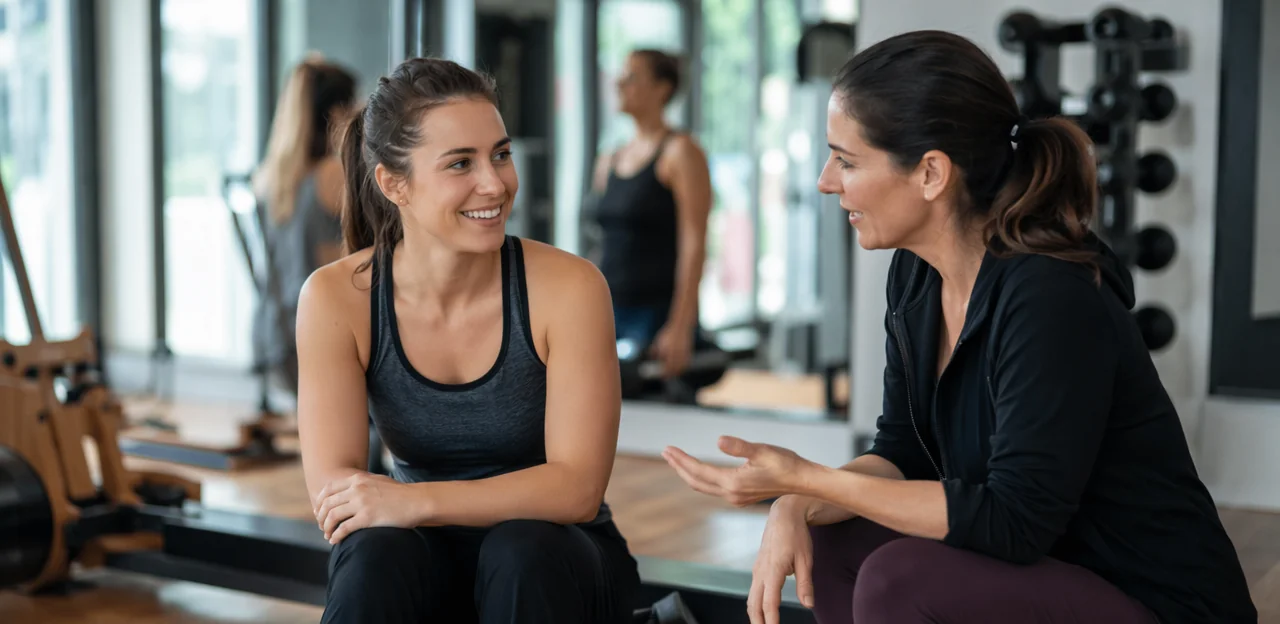
To collect useful fitness studio feedback, ask specific questions that reveal what members experience before, during, and after class. Strong fitness class feedback questions help studios refine schedules, formats, and coaching standards.
Consider adding these to your group fitness survey:
- Class variety: “Does our class schedule offer enough variety in format, time, and intensity?”
- Pacing: “Was the class pace too slow, too fast, or appropriate for your fitness level?”
- Difficulty: “How well did the class difficulty match the description and your expectations?”
- Instructor communication: “Did the instructor explain movements clearly and provide easy-to-follow cues?”
- Motivation: “Did the instructor create an encouraging, inclusive atmosphere?”
- Safety: “Were form corrections, modifications, and warm-up/cool-down guidance provided when needed?”
Useful follow-up instructor evaluation questions include:
- “Which class would you like to see more often?”
- “Where did you feel confused, rushed, or unsupported?”
- “Did the instructor offer beginner and advanced options?”
These answers help studios improve programming, coach development, and class consistency. Tools like Tapsy can also help capture feedback right after class, when details are freshest.
Questions about facilities and equipment
Strong fitness studio feedback should go beyond the workout itself and uncover what members experience in the space every day. A focused equipment satisfaction survey helps identify small friction points before they become complaints or cancellations.
Use questions such as:
- How clean was the studio, including floors, mirrors, and shared surfaces?
- How would you rate locker room cleanliness, supplies, and privacy?
- Was the lighting appropriate for the class type and visibility needs?
- Was the music volume motivating without being too loud?
- Was the room temperature comfortable throughout the session?
- How satisfied were you with equipment availability, condition, and safety?
- Did the studio layout provide enough space to move comfortably?
This type of gym facility feedback gives clear direction for action. For example, repeated low scores on locker rooms may justify deeper cleaning schedules, while poor studio cleanliness feedback can signal housekeeping gaps between classes. If members mention crowded layouts or worn equipment, managers can prioritize floor-plan changes, repairs, or replacement purchases. Tracking these responses over time helps studios invest in upgrades that improve comfort, safety, and class satisfaction.
Questions about service, scheduling, and value
Strong fitness studio feedback should go beyond workout quality and examine the full member experience. In a member satisfaction survey, include questions that reveal how easy it is to book classes, how helpful the team is, and whether pricing feels fair for the experience delivered.
- Booking ease: Ask how simple it is to reserve, cancel, or join a waitlist. Friction here often lowers attendance and satisfaction.
- Staff helpfulness: Measure whether front-desk and coaching staff are welcoming, responsive, and knowledgeable. Positive service builds trust and retention.
- Membership pricing: Ask if members believe the cost matches class quality, facility cleanliness, amenities, and instructor expertise. This is central to perceived membership value.
- Check-in experience: Short questions about speed, friendliness, and clarity can uncover avoidable frustration at peak times.
- Schedule convenience: Use fitness studio scheduling feedback to learn whether class times fit work, family, and commuting routines.
Studios that regularly track these areas can spot operational issues early, improve convenience, and strengthen member loyalty. Tools like Tapsy can help capture quick, real-time feedback at key touchpoints.
How to design better feedback questions

Use several survey question types to capture both trends and context in your fitness studio feedback process:
- Likert scale survey questions work best for measuring satisfaction consistently across classes, trainers, cleanliness, equipment, and scheduling. Use 1–5 or 1–7 scales to track changes over time.
- NPS-style questions help gauge loyalty: ask how likely members are to recommend your studio to a friend. This is useful for spotting overall brand sentiment.
- Multiple choice questions are ideal when you need fast, structured input, such as preferred class times, favorite formats, or facility issues.
- Open-ended feedback questions uncover the “why” behind ratings. Ask what members enjoyed, what frustrated them, and what would improve their experience.
Combining quantitative scores with qualitative comments gives a fuller, more actionable view of customer experience.
Write clear, unbiased survey questions
Strong fitness studio feedback starts with questions that are easy to understand and fair to answer. In customer feedback survey design, unclear wording can distort results and hide real issues.
- Avoid leading language: Don’t ask, “How much did you enjoy our excellent yoga class?” Instead, use neutral phrasing like, “How would you rate the yoga class?”
- Ask one thing at a time: Skip double-barreled questions such as, “Was the class motivating and well-paced?” Split them into separate items.
- Use simple, specific wording: Replace vague terms like “facility experience” with clear topics such as locker room cleanliness or equipment availability.
- Keep questions relevant: Only ask about services the member actually used.
These survey design best practices help create unbiased survey questions that produce more accurate, actionable insights.
Keep surveys short and easy to complete
To increase your survey response rate, keep requests brief, simple, and timed well. The best short customer surveys for gyms and studios usually take under 2 minutes and focus on the most useful questions.
- Aim for 3–5 questions: Ask about class quality, instructor experience, cleanliness, and equipment condition.
- Use a mobile-friendly survey: Most members respond on their phones, so use large buttons, one-question-per-screen layouts, and minimal typing.
- Send at the right time: Request fitness studio feedback right after a class, personal training session, or facility visit, while details are still fresh.
- Make one comment field optional: This captures specific ideas without slowing completion.
Shorter surveys reduce drop-off, improve completion rates, and still deliver actionable insights you can use to improve classes and facilities quickly.
When and how to collect fitness studio feedback
Best moments to request feedback
To get useful fitness studio feedback, ask at moments when the experience is still fresh and specific:
- Right after a first class: A short post-class survey captures first impressions about coaching, pace, cleanliness, and check-in.
- After a membership milestone: At 30, 60, or 90 days, members can reflect on progress, motivation, and class variety.
- After a support interaction: Follow up on billing, scheduling, or trainer questions to measure service quality.
- Following a facility change: Renovations, new equipment, or updated locker rooms are ideal triggers for customer journey feedback.
Strong member feedback timing improves response rates, accuracy, and relevance because members remember details and can suggest practical improvements.
Channels for gathering responses
Choose feedback channels based on when members are most likely to respond and how quickly you need insight for fitness studio feedback:
- Email survey: Best for longer, thoughtful responses after a class package, onboarding period, or monthly check-in. Great for detailed class and facility reviews, but response rates may be slower.
- SMS feedback survey: Ideal for fast, high-open-rate feedback sent within hours of a visit. Use it for quick ratings on instructors, cleanliness, or check-in experience.
- In-app forms: Useful for active members already using your booking app; convenient for ongoing pulse checks.
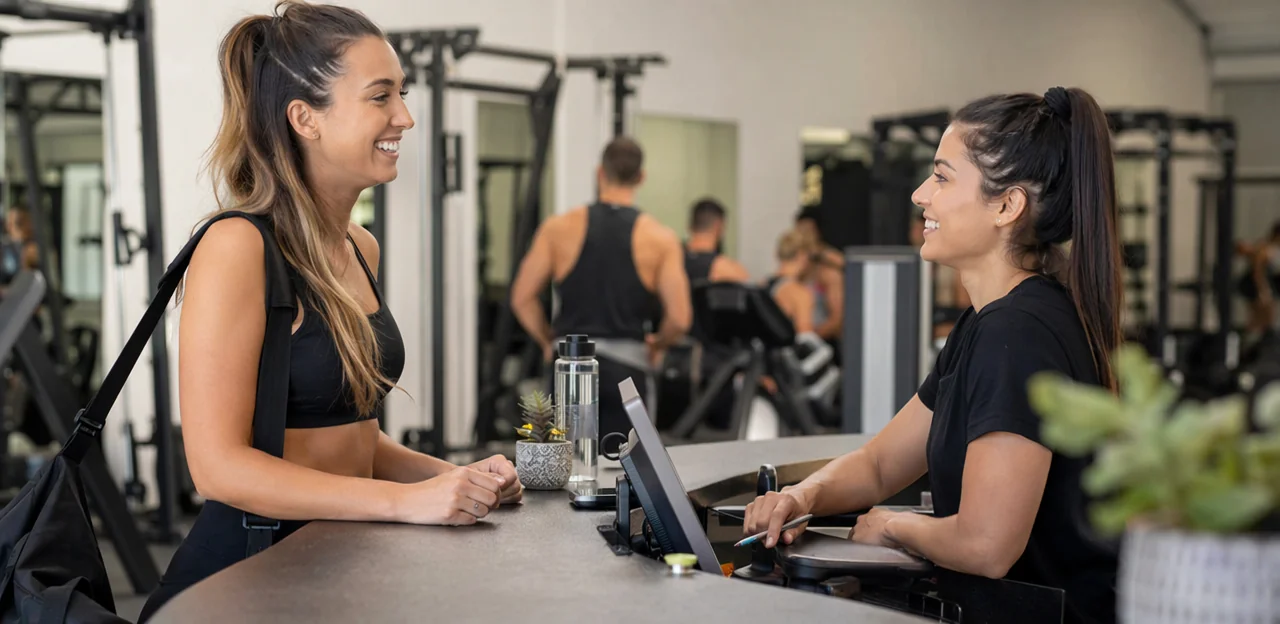
- QR code survey: Place at the front desk, locker rooms, or exits to capture in-the-moment reactions.
- In-person prompts: Staff can invite feedback personally, but keep the actual response private and digital for honesty.
Studios using tools like Tapsy can make QR-based, no-app feedback especially easy at physical touchpoints.
How to encourage honest participation
To get better fitness studio feedback, make the process feel safe, easy, and worthwhile:
- Offer anonymous feedback: Members are more likely to share concerns about classes, cleanliness, or staff interactions when they know responses cannot be traced back to them.
- Keep surveys short: Use 3–5 focused questions so it takes less than a minute, which helps increase survey participation.
- Set clear expectations: Explain why you’re asking, how feedback will be used, and when members may see changes.
- Use simple incentives: Small rewards like class credits or prize draws can motivate responses without biasing them.
- Show visible follow-up: Share improvements made from feedback to build trust and encourage more honest customer feedback next time.
Turning feedback into class and facility improvements

How to analyze trends and prioritize issues
Turn fitness studio feedback into action by organizing responses into clear categories such as class quality, instructor performance, equipment, cleanliness, scheduling, and front-desk service. This makes feedback analysis faster and more consistent.
- Group by theme: Tag comments and ratings by topic to spot patterns across classes, time slots, or locations.
- Find recurring complaints: Look for issues mentioned repeatedly, especially those tied to low scores, cancellations, or member churn. These reveal the strongest customer insight trends.
- Separate quick wins from bigger projects: Fix fast, low-cost issues first, like music volume, locker supplies, or check-in delays. Reserve budget planning for long-term investments such as equipment upgrades or studio layout changes.
- Link insights to decisions: Use findings to set service improvement priorities, assign owners, and track whether changes improve satisfaction over time.
Examples of actions studios can take
Turning fitness studio feedback into action builds trust and drives real fitness studio improvements. For example, studios can:
- Adjust class times: If members consistently request earlier morning or later evening sessions, use that data for better class schedule optimization.
- Retrain instructors: Feedback about unclear cues, pacing, or motivation can guide coaching refreshers, shadowing, or certification updates.
- Replace worn equipment: Reports of unstable bikes, torn mats, or outdated weights should trigger fast facility upgrades and maintenance checks.
- Improve cleaning routines: If members mention locker room hygiene or sweaty equipment, increase cleaning frequency and add visible sanitation stations.
- Update amenities: Comments about showers, lighting, mirrors, storage, or music can shape practical upgrades that improve the full studio experience.
Tools like Tapsy can help capture this feedback in real time.
Closing the loop with members
Collecting fitness studio feedback is only half the job. To close the feedback loop, members need to see what happened next. When studios share updates—such as adjusted class times, new equipment, or cleaner locker-room routines—they show that feedback leads to action, not silence.
This kind of member communication delivers clear benefits:
- Builds customer trust: members feel heard and respected
- Increases future response rates: people are more likely to answer surveys when they see results
- Strengthens relationships: transparency creates a more collaborative studio community
Keep updates simple and visible through email, in-studio signage, or social posts. A short “You said, we changed” message works well. Tools like Tapsy can also support faster feedback collection and follow-up, making improvements easier to communicate consistently.
Sample fitness studio feedback questions to use

Class experience question examples
Use these fitness studio feedback questions in every class feedback survey to spot coaching and programming gaps fast:
- “How would you rate the instructor’s clarity, energy, and support?”
- “How enjoyable was today’s class?”
- “Was the class too easy, too challenging, or just right?”
- “Did the pace, music, and structure keep you engaged?”
- “How likely are you to attend this class again?”
These sample survey questions make fitness studio feedback more actionable for owners and managers.
Facility and service question examples
Use concise gym survey questions to spot issues fast and improve fitness studio feedback quality:
- Cleanliness: “How clean were the studio, locker rooms, and showers today?”
- Equipment: “Was any equipment unavailable, damaged, or needing maintenance?”
- Staff helpfulness: “How helpful and approachable was our team during your visit?”
- Booking convenience: “How easy was it to book, reschedule, or cancel your class?”
These facility feedback questions and customer service survey questions reveal operational problems quickly and clearly.
Open-ended prompts for deeper insights
Use open-ended survey prompts to uncover the “why” behind fitness studio feedback and turn comments into action:
- “What is one change that would most improve your class experience?”
- “What frustrations, if any, have you had with our schedule, instructors, or facilities?”
- “What would make you more likely to return more often?”
- “What would encourage you to refer a friend?”
These questions generate richer qualitative feedback and more specific member suggestions.
Conclusion
Effective fitness studio feedback does more than measure satisfaction—it shows you exactly how to improve classes, upgrade facilities, and create a better member experience at every touchpoint. By asking the right questions about instructor performance, class variety, cleanliness, equipment quality, scheduling, and overall atmosphere, studios can uncover what members value most and where friction is holding them back.
The most useful fitness studio feedback is timely, specific, and easy to act on. Short surveys, post-class check-ins, and facility-focused questions can reveal patterns that help you make smarter operational decisions, strengthen retention, and encourage positive word-of-mouth. Just as importantly, acting on feedback closes the loop and shows members that their opinions lead to real improvements.
Now is the time to review your current survey strategy and make sure you are collecting fitness studio feedback that drives meaningful change. Start by refining your questions, tracking responses consistently, and prioritizing improvements that have the biggest impact on member satisfaction. For next steps, consider building a simple feedback framework, benchmarking trends over time, or exploring tools like Tapsy to capture real-time insights more efficiently. When feedback becomes part of your studio culture, better classes, better facilities, and stronger member loyalty naturally follow.
Frequently Asked Questions
- Why is fitness studio feedback important for member retention?
It helps studios identify the specific issues that affect whether members return, such as scheduling problems, unclear instruction, poor cleanliness, equipment shortages, or weak front-desk service. Acting on that input builds trust, improves satisfaction, and supports long-term loyalty.
- What should a fitness studio feedback survey ask about classes?
It should ask about class variety, pacing, difficulty, instructor communication, motivation, and safety support. Useful follow-ups include whether members felt confused, rushed, or unsupported and whether beginner and advanced options were offered.
- Which facility questions are most useful in a gym or studio survey?
Strong facility questions cover studio cleanliness, locker room condition, lighting, music volume, room temperature, equipment availability, equipment safety, and space to move comfortably. These topics help managers spot practical issues that affect comfort and satisfaction every day.
- How can studios collect feedback without overwhelming members?
Keep surveys short, usually 3 to 5 focused questions, and aim for completion in under 2 minutes. Sending them at the right moment, such as right after a class or visit, improves response quality without creating survey fatigue.
- What are common mistakes fitness studios make when asking for feedback?
Common mistakes include asking vague questions, sending surveys too often, ignoring responses, failing to act on repeated patterns, and making forms too long. Better results come from specific, timely questions that are clearly tied to visible action.
- When is the best time to ask members for fitness studio feedback?
The best moments are right after a first class, after a membership milestone like 30, 60, or 90 days, after a support interaction, or after a facility change. These points make feedback more accurate because the experience is still fresh.
- Which feedback channels work best for fitness studios?
Email works well for more detailed responses, while SMS is better for quick ratings soon after a visit. In-app forms, QR code surveys, and in-person prompts can also work well depending on where members are most likely to respond.
- How should fitness studios write better survey questions?
Use clear, neutral wording and ask only one thing at a time. Questions should be specific, such as asking about locker room cleanliness or equipment availability instead of broad topics like the overall facility experience.
- What survey question types should a studio combine for better insights?
A strong survey mixes Likert scale questions, NPS-style questions, multiple choice items, and open-ended prompts. This combination helps track trends consistently while also revealing the reasons behind ratings.
- How can a studio encourage honest feedback from members?
Anonymous responses, short surveys, and clear explanations of how feedback will be used all help members answer more honestly. Small incentives and visible follow-up also increase participation and show that input matters.
- What is the difference between class feedback and facility feedback?
Class feedback focuses on programming and coaching, including pace, difficulty, instructor clarity, motivation, and safety guidance. Facility feedback looks at the physical environment, such as cleanliness, equipment condition, layout, lighting, temperature, and locker rooms.
- How can studios turn survey responses into real improvements?
They can group responses by themes like class quality, equipment, cleanliness, scheduling, and service to find recurring issues. Then they can prioritize quick wins, assign owners, and track whether changes improve satisfaction over time.
- What actions can fitness studios take based on recurring feedback?
Studios can adjust class times, retrain instructors, replace worn equipment, improve cleaning routines, and upgrade amenities like showers, lighting, mirrors, storage, or music. These changes directly address the issues members mention most often.
- How do studios close the feedback loop with members?
They should share what changed after collecting input, such as updated schedules, cleaner locker rooms, or new equipment. Simple messages through email, signage, or social posts help members see that feedback leads to action.
- How can tools like Tapsy support fitness studio feedback collection?
Tapsy is presented as a way to capture feedback in real time at key touchpoints, especially right after classes or through QR-based no-app interactions. That makes it easier to spot issues early and respond before they affect retention or reputation.