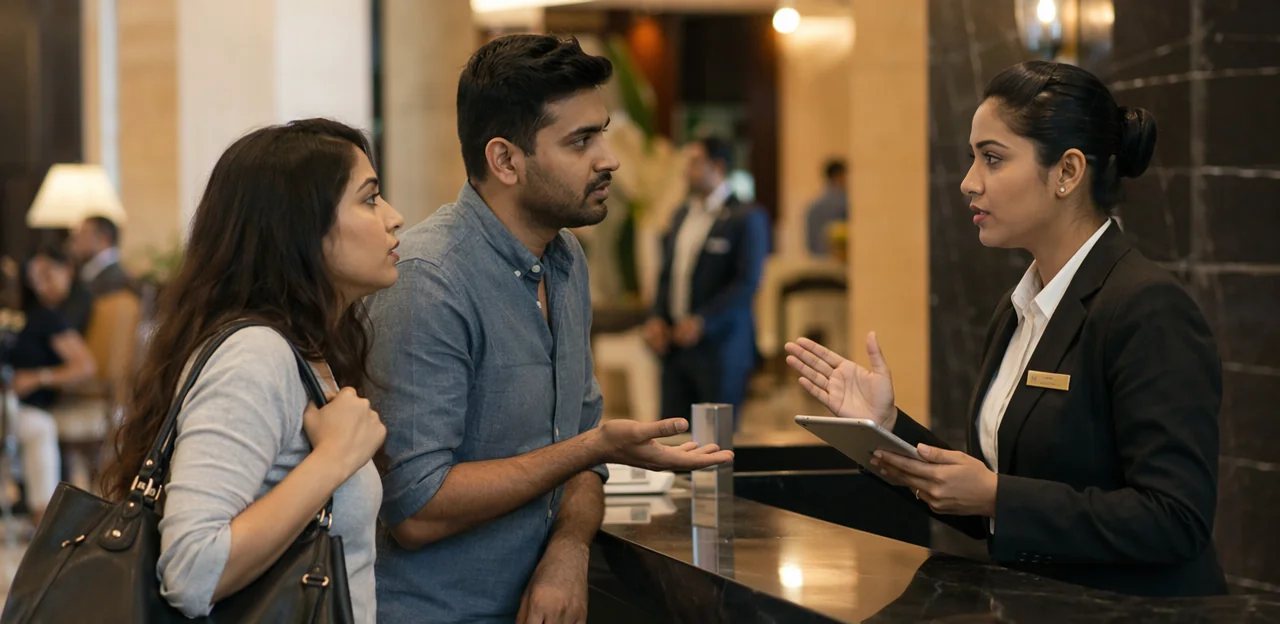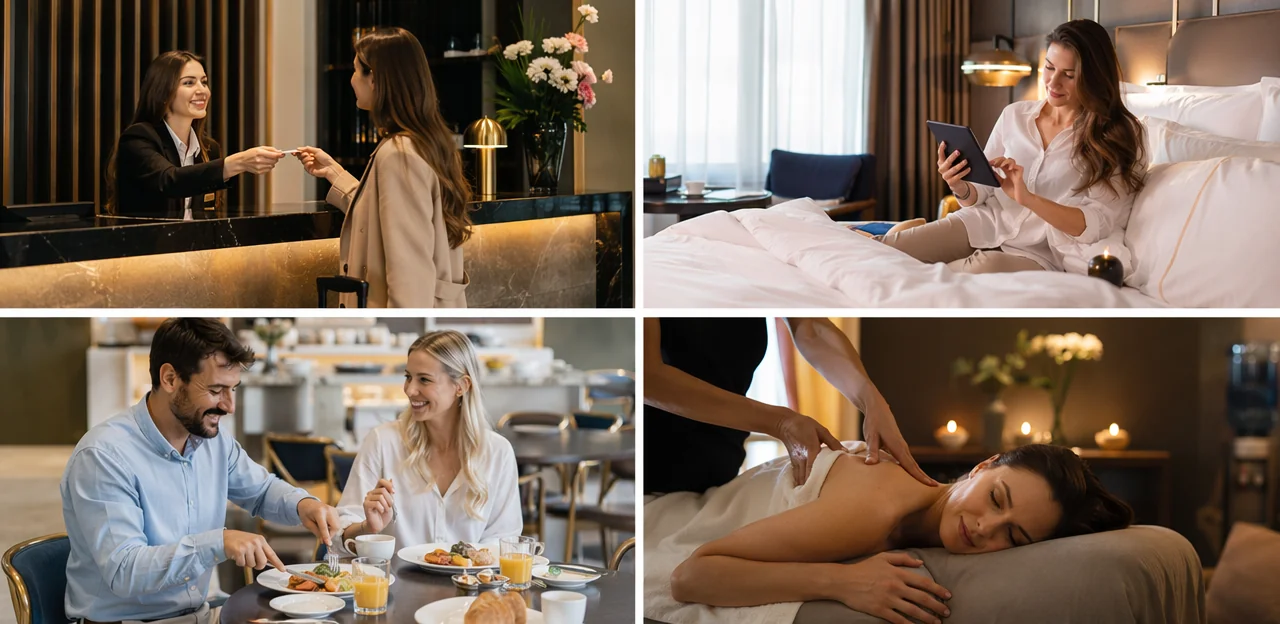
A great guest experience is built in moments: the welcome at reception, the comfort of the room, the quality of breakfast, and the sense of relaxation in the spa. When any one of these touchpoints falls short, guest satisfaction can drop quickly—and if hotels only hear about problems after checkout, the damage may already be done. That is why a modern hotel feedback system has become an essential tool for accommodation providers focused on service quality, reputation, and repeat bookings.
Instead of relying solely on post-stay surveys or public reviews, hotels are increasingly using real-time feedback methods to understand what guests are experiencing while they are still on the property. This creates an opportunity to resolve issues faster, improve operations across departments, and turn small frustrations into positive service recovery moments.
In this article, we will explore how feedback systems can be used across reception, guest rooms, breakfast areas, and spa spaces to capture timely insights and improve the overall client experience. We will also look at the benefits of touchpoint-specific feedback, the role of instant alerts and service recovery, and how solutions such as Tapsy can help hotels collect actionable guest input without adding friction to the stay.
Why a Hotel Feedback System Matters in Modern Hospitality
The role of feedback in guest experience management
A strong hotel feedback system connects daily service delivery with long-term brand reputation. When hotels collect and act on hospitality feedback across reception, rooms, breakfast, and spa areas, they can spot issues early, improve service quality, and protect the overall guest experience before small problems become negative public reviews.
Key ways feedback supports better outcomes:
- Improves service quality: Reveals recurring issues such as delays, cleanliness gaps, or staff communication problems.
- Enables faster recovery: Real-time alerts help teams resolve concerns during the stay, not after checkout.
- Builds brand trust: Guests feel valued when their opinions lead to visible action.
- Supports continuous improvement: Feedback trends guide staff training, operational changes, and resource planning.
Tools like Tapsy can help hotels capture in-the-moment feedback where the experience happens.
From reactive complaint handling to proactive service improvement
A modern hotel feedback system should capture issues before they become public complaints. Instead of waiting for negative reviews after checkout, hotels can collect real-time guest feedback at key moments and act while the guest is still on-site. This strengthens the client experience and supports faster hotel service improvement.
- During the stay: Ask short feedback questions after check-in, after the first night, at breakfast, and after spa visits.
- Trigger instant alerts: Route low scores or urgent comments to reception, housekeeping, or duty managers for immediate recovery.
- After the stay: Send a brief follow-up survey to identify patterns, measure satisfaction, and improve future operations.
Tools like Tapsy can help hotels gather touchpoint-level feedback quickly and turn insights into action.
Business benefits for hotels and hospitality teams
A well-designed hotel feedback system delivers clear operational and revenue gains across reception, rooms, breakfast, and spa areas. By collecting real-time insights, hotels can resolve issues before checkout and strengthen guest satisfaction at every touchpoint.
- Higher satisfaction scores: Immediate service recovery helps teams fix cleanliness, wait-time, or comfort issues while the guest is still on site.
- Stronger online reputation: Early intervention reduces public complaints and supports hotel review improvement on Google, TripAdvisor, and OTAs.
- More repeat bookings: Guests who feel heard are more likely to return, recommend the property, and join loyalty programs.
- Better staff accountability: Touchpoint-level feedback highlights training gaps, service trends, and response times, supporting smarter hotel reputation management.
Tools like Tapsy can help route feedback instantly to the right team.
Key Touchpoints: Reception, Rooms, Breakfast, and Spa Areas

Reception feedback: first impressions and check-in quality
Reception sets the tone for the entire stay, so a strong hotel feedback system should capture guest sentiment at this first touchpoint. To improve hotel reception feedback and front desk satisfaction, hotels should measure:
- Wait times: How long guests queue before being served, especially at peak arrival hours
- Staff friendliness: Whether receptionists are welcoming, attentive, and professional
- Efficiency: Speed and accuracy of room assignment, payment handling, and key delivery
- Problem resolution: How well the team handles booking errors, special requests, or early arrivals
- Check-in experience: Overall ease, clarity, and comfort of the arrival process
Use short, real-time prompts at the desk or lobby to catch issues before they become negative reviews. Tools like Tapsy can help hotels collect instant feedback and alert managers when low scores need immediate follow-up.
Room feedback: cleanliness, comfort, and maintenance
A strong hotel feedback system should capture hotel room feedback while guests are still on-site, so teams can fix issues before checkout. Room surveys help hotels measure the details that shape stay quality and repeat bookings.
- Use a room cleanliness survey to rate housekeeping standards, including bathroom hygiene, linens, dust, and restocking of essentials.
- Collect housekeeping feedback on timing, staff courtesy, and whether the room met expectations on arrival.
- Ask guests to score comfort factors such as bed quality, pillows, lighting, Wi-Fi, and in-room amenities.
- Include questions about noise levels, air conditioning, room temperature, and sleep quality.
- Add a maintenance section for broken fixtures, plumbing, TV, locks, or lighting, and track how quickly issues are resolved.
Real-time tools such as Tapsy can route urgent room problems directly to housekeeping or maintenance for faster service recovery.
Breakfast and spa feedback: service quality and added-value experiences
A strong hotel feedback system should capture guest impressions at the moments that shape perceived value most: breakfast and spa services. To turn breakfast feedback, spa guest feedback, and broader hotel amenities feedback into improvements, hotels should track:
- Breakfast quality: variety of hot and cold options, dietary choices, freshness, temperature, and replenishment speed
- Service efficiency: wait times for seating, beverage service, buffet refills, and table clearing
- Spa experience: ambiance, cleanliness, noise levels, scent, lighting, and comfort
- Treatment quality: therapist skill, personalization, treatment outcomes, and value for money
- Staff professionalism: friendliness, product knowledge, discretion, and responsiveness
Use short QR-based surveys near breakfast exits and spa reception to collect real-time insights. Tools like Tapsy can help hotels identify issues quickly and improve premium guest experiences before checkout.
How to Build an Effective Hotel Feedback System

Choosing the right feedback channels
A strong hotel feedback system works best when each channel matches the guest touchpoint and timing. Use a mix of guest feedback tools to capture fast, relevant responses across the stay:
- Digital kiosks: Ideal at reception, checkout, and spa exits for quick rating-based feedback after service interactions.
- QR code hotel feedback: Best for breakfast areas, elevators, rooms, and poolside spaces where guests can scan discreetly and respond instantly.
- SMS surveys: Effective right after check-in, room service, or spa appointments when mobile response rates are high.
- Email follow-ups: Best for post-stay reviews, longer surveys, and collecting deeper insights after checkout.
- In-room tablets: Useful for room-service feedback, housekeeping requests, and reporting issues while guests are still on-site.
- Mobile apps: Best for loyalty members and repeat guests who already engage digitally.
Choose hotel survey software that centralizes all channels, triggers alerts for low scores, and routes issues to the right team. Solutions like Tapsy can also support real-time QR-based feedback at key hotel touchpoints.
Designing short, relevant, touchpoint-specific surveys
A strong hotel feedback system works best when surveys are fast, clear, and tied to the exact guest moment. Keep each guest satisfaction survey to 2–4 questions so guests can respond in seconds.
- Start with a simple rating scale: Use 1–5 stars or smiley ratings for speed and consistency.
- Add one optional comment box: Open comments should capture context, not slow completion.
- Ask only touchpoint-specific hotel survey questions:
- Reception: check-in speed, staff friendliness, problem resolution
- Rooms: cleanliness, comfort, noise, amenities
- Breakfast: food quality, variety, waiting time, cleanliness
- Spa: booking ease, atmosphere, therapist service, value
This approach improves touchpoint feedback quality and makes issues easier to route to the right team. Tools like Tapsy can help hotels collect quick, in-the-moment responses where the experience happens.
Timing, automation, and response rates
A strong hotel feedback system works best when feedback is requested at the exact moment the experience is still fresh. Smart hotel feedback timing improves accuracy and lifts survey response rates, because guests can recall details clearly and act with minimal effort.
- After check-in: ask about welcome quality, wait time, and first impressions.
- After breakfast: capture feedback on food quality, variety, cleanliness, and queue times.
- After spa visits: measure staff service, ambiance, treatment quality, and booking flow.
- At checkout: collect overall stay feedback and identify unresolved issues before a public review appears.
Using automated guest surveys helps hotels send the right survey at the right touchpoint without manual follow-up. For example, a platform like Tapsy can trigger instant, touchpoint-based feedback requests, helping teams resolve problems faster and improve guest experience in real time.
Turning Guest Feedback Into Measurable Improvements

Analyzing trends across departments
A strong hotel feedback system should do more than collect comments—it should reveal patterns teams can act on. Use hotel feedback analytics to group responses by key operational variables:
- Location: reception, rooms, breakfast area, spa, elevators, or lounges
- Shift: morning, afternoon, night, and weekend coverage
- Room type: standard, deluxe, suite, family, or accessible rooms
- Service area: check-in speed, cleanliness, food quality, maintenance, and staff helpfulness
This level of guest insight analysis helps identify recurring issues, such as breakfast delays on peak mornings or noise complaints in specific room categories. Track these findings against hospitality performance metrics like response time, issue resolution rate, and satisfaction score. Tools such as Tapsy can support touchpoint-level comparisons and faster operational follow-up.
Closing the loop with guests and staff
A strong hotel feedback system should do more than collect ratings—it should close the feedback loop quickly and clearly. When guests see that their comments lead to action, trust rises and negative reviews are less likely.
- Acknowledge feedback fast: Send an immediate thank-you or personal response so guests know they have been heard.
- Prioritize guest complaint resolution: Route urgent issues such as room cleanliness, check-in delays, breakfast quality, or spa service concerns to the right team in real time.
- Share insights internally: Turn trends into staff performance feedback for reception, housekeeping, food service, and spa teams.
- Track follow-up actions: Monitor response times, fixes, and guest outcomes to improve service recovery.
Tools like Tapsy can help hotels capture and route feedback at each touchpoint.
Using feedback to improve reviews, loyalty, and revenue
A well-designed hotel feedback system helps teams act before small issues become damaging public complaints. Fast service recovery improves the guest experience in real time, which supports stronger ratings, better online review management, and long-term hospitality revenue growth.
- Resolve issues during the stay: Route low scores from reception, rooms, breakfast, or spa areas to the right team immediately.
- Spot repeat problems: Track patterns like slow check-in, room cleanliness, or breakfast queues, then fix root causes operationally.
- Encourage repeat visits: When guests see quick action, trust increases and hotel guest loyalty grows.
- Increase ancillary spend: Satisfied guests are more likely to book spa treatments, dine on-site, upgrade rooms, or extend stays.
Tools like Tapsy can support real-time alerts and faster recovery at key touchpoints.
Best Practices and Common Mistakes to Avoid

Best practices for ethical, useful, and actionable feedback collection
Follow these hotel feedback best practices to make every hotel feedback system more trustworthy and effective:
- Be transparent: Clearly explain why you collect feedback, how it improves reception, rooms, breakfast, and spa services, and whether follow-up may occur.
- Protect data: Prioritize guest survey privacy with consent-based collection, minimal personal data, and secure storage.
- Keep surveys accessible: Use mobile-friendly, no-login forms, clear language, and inclusive design for older guests, families, and business travelers.
- Offer multilingual options: Multilingual hotel surveys help international guests respond accurately and comfortably.
- Make feedback effortless: Place short surveys at key touchpoints and tailor formats for different guest segments. Tools like Tapsy can support quick QR/NFC collection.
Common mistakes that reduce feedback quality
Even the best hotel feedback system can fail if the process creates friction or ignores guest context. Common survey mistakes include:
- Overly long surveys: Guests abandon forms that ask too much, especially after check-out or during leisure time.
- Poor timing: Asking for feedback too late leads to vague answers; asking at the wrong moment can feel intrusive.
- Generic questions: Broad prompts like “How was your stay?” don’t uncover issues in reception, rooms, breakfast, or spa areas.
- No follow-up: A poor guest feedback strategy collects complaints but never closes the loop with guests or staff.
- No action on insights: One of the biggest hotel feedback challenges is gathering data without fixing recurring problems. Tools like Tapsy can help teams act in real time.
KPIs hotels should track for continuous improvement
A strong hotel feedback system should turn guest comments into measurable action. Track these hotel KPIs consistently to improve every touchpoint:
- Response rate: Measure how many guests complete feedback at reception, in rooms, breakfast, and spa areas. Low rates may signal poor survey timing or visibility.
- Satisfaction score: Use simple post-service ratings to monitor key guest satisfaction metrics by department.
- NPS for hotels: Track likelihood to recommend your property and compare promoter/detractor trends over time.
- Issue resolution time: Measure how quickly teams respond to complaints and close the loop.
- Review score trends: Watch changes in Google, TripAdvisor, and OTA ratings monthly.
- Department-level benchmarks: Compare reception, housekeeping, breakfast, and spa performance to identify weak spots fast.
Choosing the Right Solution for Your Property

Features to look for in hotel feedback software
When comparing a hotel feedback system, prioritize tools that help teams act quickly and improve the guest journey across reception, rooms, breakfast, and spa areas.
- Real-time alerts: notify staff instantly about low ratings or urgent issues before checkout.
- Customizable surveys: tailor questions by touchpoint, stay stage, or service area.
- Dashboard reporting: track trends, sentiment, and recurring problems in one view.
- Multilingual support: collect feedback comfortably from international guests.
- Integrations: connect your guest feedback platform with PMS, CRM, or helpdesk tools.
- Mobile-friendly design: ensure guests can respond easily on any device.
A strong hospitality survey solution should turn feedback into fast operational action.
Matching the system to hotel size and service model
A hotel feedback system should reflect each property’s scale, guest journey, and operational complexity:
- Boutique hotels: Prioritize simple, high-touch workflows with instant alerts for service recovery. Boutique hotel feedback often works best with short, personalized prompts at reception, in rooms, or after checkout.
- Resorts: Need touchpoint-level tracking across rooms, breakfast, pools, and spa areas, with routing to multiple departments.
- Business hotels: Focus on speed, check-in efficiency, Wi-Fi, room comfort, and concise reporting for fast operational decisions.
- Groups: Require deeper dashboards, benchmarking, and centralized reporting for multi-property hospitality management.
The best hotel technology solutions balance local action with leadership visibility.
Implementation tips for long-term success
- Start with staff training hospitality teams can use daily: show reception, housekeeping, breakfast, and spa staff how the hotel feedback system works, what alerts mean, and how to respond consistently.
- Run a pilot first: test one area or one property, measure response rates, issue resolution time, and guest participation before full hotel system implementation.
- Assign clear ownership: define who monitors alerts, who escalates issues, and who closes the loop to strengthen feedback process management.
- Review performance regularly: hold weekly operational reviews and monthly trend checks to refine workflows, update training, and improve adoption. Tapsy can support touchpoint-level rollout.
Conclusion
In hospitality, small moments shape the entire guest perception. That is why a well-designed hotel feedback system is no longer a nice-to-have, but a core part of delivering exceptional stays. By collecting real-time feedback at reception, in rooms, during breakfast, and across spa areas, hotels can spot service gaps early, respond faster, and improve the guest experience before minor frustrations turn into negative reviews.
The most effective approach is simple: gather feedback at the exact touchpoints where experiences happen, route issues to the right teams quickly, and use the insights to strengthen operations over time. From reducing check-in delays and resolving room issues to improving breakfast flow and spa satisfaction, a strong hotel feedback system helps teams act with confidence and consistency.
For hotels looking to raise satisfaction, protect reputation, and build loyalty, the next step is clear: review your guest journey, identify high-impact feedback points, and implement a system that supports real-time action and measurable improvement. Solutions such as Tapsy can help hotels capture instant guest insights without adding friction.
Start by auditing your current feedback process, exploring hospitality-specific tools, and setting clear response workflows. The sooner you listen in the moment, the better your team can turn feedback into memorable guest experiences.
Frequently Asked Questions
- What is a hotel feedback system?
A hotel feedback system collects guest input across key touchpoints such as reception, rooms, breakfast, and spa areas. Its purpose is to identify issues early, support faster service recovery, and improve the overall guest experience before problems turn into negative public reviews.
- Why is real-time guest feedback more useful than only post-stay surveys?
Real-time feedback helps hotels understand what guests are experiencing while they are still on the property. That gives teams a chance to fix problems during the stay instead of discovering them only after checkout.
- Which hotel touchpoints should be prioritized for feedback collection?
The main touchpoints highlighted are reception, guest rooms, breakfast areas, and spa spaces. These moments strongly influence satisfaction because they shape first impressions, comfort, perceived value, and relaxation.
- What should hotels ask about at reception?
Reception feedback should focus on wait times, staff friendliness, efficiency, problem resolution, and the overall check-in experience. Short prompts at the desk or in the lobby can help catch issues before they affect the rest of the stay.
- What topics belong in room feedback surveys?
Room feedback should cover cleanliness, housekeeping quality, comfort, noise, amenities, air conditioning, sleep quality, and maintenance issues. It is also useful to track how quickly reported room problems are resolved.
- How can hotels collect useful feedback about breakfast and spa services?
Breakfast feedback should measure food quality, variety, freshness, temperature, replenishment speed, and service efficiency. Spa feedback should focus on ambiance, cleanliness, noise, treatment quality, staff professionalism, and value for money.
- Which feedback channels work best in different hotel areas?
Digital kiosks are suitable for reception, checkout, and spa exits, while QR codes work well in breakfast areas, elevators, rooms, and poolside spaces. SMS surveys can be effective after check-in or spa appointments, and email follow-ups are better for post-stay insights.
- How long should a hotel feedback survey be?
Surveys should usually contain 2 to 4 questions so guests can answer quickly. A simple rating scale plus one optional comment box keeps the process fast while still capturing useful context.
- When is the best time to ask hotel guests for feedback?
The best time is when the experience is still fresh, such as after check-in, after breakfast, after a spa visit, or at checkout. Timely requests improve accuracy and make it easier for guests to respond with specific details.
- How do instant alerts help hotel teams respond faster?
Instant alerts send low scores or urgent comments directly to the right team, such as reception, housekeeping, maintenance, or a duty manager. This allows staff to act quickly and turn a negative moment into a service recovery opportunity.
- What does it mean to close the feedback loop in a hotel?
Closing the feedback loop means acknowledging guest feedback quickly, resolving urgent issues, sharing insights with staff, and tracking follow-up actions. This helps guests feel heard and gives teams a clear process for improvement.
- Which KPIs should hotels track to measure feedback performance?
Important KPIs include response rate, satisfaction score, NPS, issue resolution time, review score trends, and department-level benchmarks. These measures help hotels compare performance across reception, housekeeping, breakfast, and spa operations.
- What common mistakes reduce the quality of hotel feedback?
Common mistakes include using overly long surveys, asking at the wrong time, relying on generic questions, and failing to follow up. Feedback also loses value when hotels collect data but do not act on recurring problems.
- What features should hotels look for in feedback software?
Useful features include real-time alerts, customizable surveys, dashboard reporting, multilingual support, integrations with systems like PMS or CRM, and mobile-friendly design. The goal is to make feedback easy to collect and easy to turn into action.
- How can a hotel choose the right feedback setup for its property type?
Boutique hotels may benefit from simple, personalized workflows, while resorts often need touchpoint tracking across multiple service areas. Business hotels typically focus on speed and room comfort, and hotel groups usually need benchmarking and centralized reporting across properties.