
In hospitality, even small service failures can leave a lasting impression. A delayed check-in, a housekeeping miss, or a slow response to a complaint can quickly turn an otherwise positive stay into a negative review, lost loyalty, and damaged brand perception. That is why hotel service recovery is no longer just a reactive front-desk task. It is a structured operational priority that helps hotels resolve issues quickly, restore trust, and protect guest satisfaction before problems escalate.
Effective service recovery workflows give teams a clear path for identifying issues, assigning ownership, responding with empathy, and following through with meaningful action. When these processes are consistent, hotels can turn frustrating moments into opportunities to strengthen the guest experience and demonstrate reliability. In many cases, the difference between a disappointed guest and a returning one comes down to how well the hotel responds when something goes wrong.
This article explores the workflows, processes, and best practices that support strong hotel service recovery, from real-time issue detection and internal escalation to staff coordination, service standards, and post-resolution follow-up. It will also look at how operational tools, including platforms like Tapsy, can help hotels capture in-stay feedback early and act before checkout.
Why hotel service recovery matters in modern hospitality
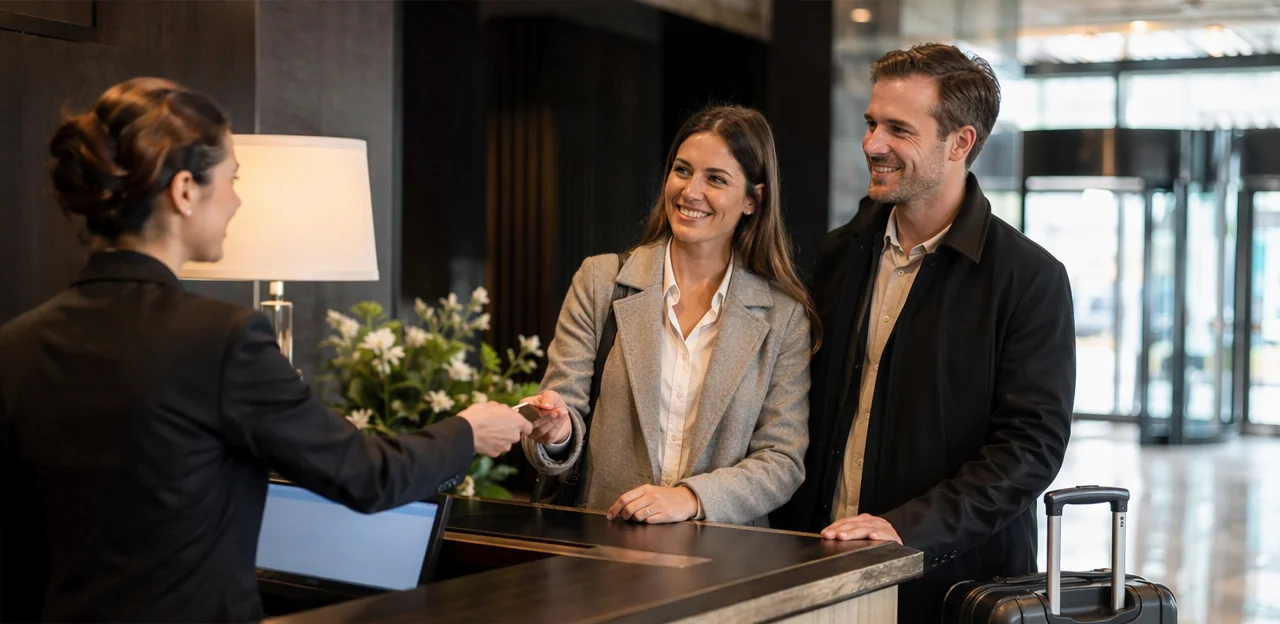
A single hospitality service failure can quickly erode guest satisfaction when it is not resolved fast. Problems such as poor room cleanliness, noise, check-in delays, billing errors, or unresolved maintenance issues shape how guests judge the entire stay.
- Unaddressed hotel guest complaints often lead to negative reviews, lower ratings, and lost trust.
- Poor recovery increases refund requests, compensation costs, and the risk of lost repeat bookings.
- Effective hotel service recovery can turn frustration into loyalty through fast acknowledgment, ownership, and clear follow-up.
Hotels should track recurring issues, assign response times, and empower staff to act immediately. Tools like Tapsy can help capture in-stay feedback early, giving teams a chance to intervene before checkout and protect reputation.
What guests expect after a problem occurs
When something goes wrong, guest expectations become immediate and practical. Strong hotel service recovery depends on delivering five essentials:
- Speed: A fast response signals that the issue matters now, not at checkout.
- Empathy: Guests want to feel heard, not managed with scripted replies.
- Ownership: One person should take responsibility until the problem is resolved.
- Transparency: Clear updates reduce frustration during hotel complaint resolution.
- Fair resolution: The fix should match the inconvenience.
In service recovery in hotels, expectations vary by segment. Luxury guests expect personalized follow-up and proactive gestures; midscale guests value efficient fixes and clear communication; limited-service guests prioritize quick action and simplicity. The standards differ, but the core recovery principles stay the same.
The business case for structured recovery workflows
A consistent hotel service recovery workflow turns guest issues into manageable, measurable actions instead of ad hoc reactions. In fast-moving hospitality operations, standardized steps help teams respond with confidence and protect service quality across shifts and properties.
- Reduce inconsistency: Clear playbooks ensure similar issues receive similar responses, regardless of who is on duty.
- Strengthen staff confidence: Frontline teams know what to offer, when to apologize, and when to escalate.
- Improve escalation: Defined triggers route urgent complaints to supervisors quickly, reducing delays and repeat contacts.
- Create measurable gains: Track response time, resolution rate, compensation costs, and recovery outcomes to improve guest experience management.
Better hotel service recovery supports retention, lifts review scores, and reinforces long-term brand trust.
Core components of an effective hotel service recovery workflow

Detection and intake of guest issues
Effective hotel service recovery starts with fast, consistent guest issue reporting across every touchpoint. Hotels should capture complaints and service gaps from:
- Front desk interactions during check-in, stay, and checkout
- Housekeeping and maintenance reports from room inspections
- Messaging apps and SMS used for guest requests
- Post-stay and in-stay surveys that reveal unresolved concerns
- Call logs from reception, room service, or concierge
- Social media and review platforms where guests may raise issues publicly
A strong complaint intake process should record:
- Issue type: cleanliness, noise, billing, staff behavior, maintenance
- Urgency: routine, high priority, safety-critical
- Guest profile: VIP, loyalty member, family, business traveler
- Service impact: inconvenience, disruption, refund risk, reputational risk
This documentation strengthens the hotel operations workflow, speeds routing, and helps teams prioritize recovery actions. Tools like Tapsy can also help capture real-time in-stay feedback before problems escalate.
Triage, prioritization, and ownership
A strong hotel service recovery program starts with clear complaint triage rules so teams know what to fix first and who is accountable.
- Classify every issue immediately
- Critical: safety, security, discrimination, medical incidents, harassment, or major room access failures
- High: no hot water, severe cleanliness issues, noise at night, HVAC outages, billing disputes affecting checkout
- Standard: amenity requests, minor maintenance, slow service, or communication gaps
- Prioritize by impact and urgency
- Assess guest harm, service disruption, VIP status, and time sensitivity.
- Use defined hotel escalation procedures for any safety risk or unresolved high-severity complaint.
- Assign ownership at each stage
- Frontline staff: log, acknowledge, and attempt immediate resolution
- Supervisors/duty managers: take over escalated or time-sensitive cases
- Department heads: own root-cause fixes, compensation approval, and follow-up on repeat failures
Document handoffs in one system to keep the service recovery process visible and prevent dropped cases. Tools like Tapsy can help route urgent feedback in real time.
Resolution, follow-up, and closure standards
Strong hotel service recovery depends on a clear end-to-end process, not just a quick fix. To meet consistent service recovery standards, hotels should close every case with these steps:
- Take immediate action: Assign ownership, resolve the operational problem fast, and set a deadline for issue resolution.
- Provide communication updates: Keep the guest informed on what is happening, who is handling it, and when they can expect a solution.
- Apply compensation guidelines: Use pre-approved recovery options—such as a room move, amenity, refund, or late checkout—based on severity and impact.
- Conduct guest follow-up: Check back after the fix to confirm the problem is fully resolved and the guest feels heard.
- Document and close properly: Record root cause, actions taken, compensation provided, and lessons learned.
Never close a case until the guest explicitly confirms satisfaction. Tools like Tapsy can help teams capture and track follow-up in real time.
Building workflows for common hotel service recovery scenarios

Room, housekeeping, and maintenance complaints
For hotel service recovery, speed and clarity matter most. A simple room problem resolution workflow helps teams handle housekeeping complaints and hotel maintenance issues consistently:
- Acknowledge within 5 minutes
Thank the guest, apologize, confirm the issue, and log it by category: dirty room, missing amenities, HVAC, plumbing, or in-room tech. - Set response times by issue type
- Dirty room or missing amenities: resolve within 15–20 minutes
- HVAC, plumbing, or TV/Wi-Fi failures: assess within 10 minutes, fix or escalate within 30 minutes
- Apply room move criteria
Move the guest immediately if the room is unsanitary, temperature cannot be stabilized quickly, plumbing is unusable, or the technology failure materially impacts the stay and no fast fix is available. - Use clear inconvenience scripts
- “I’m sorry for the inconvenience. We’ve prioritized this and will update you by time.”
- “If we cannot resolve this promptly, we’ll arrange a room move and assist with everything.”
Real-time tools like Tapsy can help route issues faster before checkout.
Front desk, check-in, and billing problems
Front desk issues often shape a guest’s entire stay, so hotel service recovery must be fast, calm, and structured. For common check-in problems and hotel billing errors, teams should follow a clear workflow:
- Acknowledge and de-escalate immediately
Thank the guest, apologize without arguing, and move the conversation to a quieter area if needed. Strong front desk complaint handling starts with empathy and ownership. - Verify facts in real time
Review the PMS, booking channel details, ID, payment authorization, and folio notes to confirm reservation mismatches, room type errors, or disputed charges. - Resolve by issue type
- Long waits: open backup stations, offer water or updates, and prioritize vulnerable guests
- Overbooking: coordinate with reservations and revenue on walk options, upgrades, transport, and compensation
- Payment disputes or folio errors: involve finance quickly, separate pending holds from posted charges, and provide a corrected bill before checkout
- Close the loop
Document the case, confirm the solution in writing, and alert relevant teams to prevent repeat failures. Tools like Tapsy can help surface front-desk friction early.
Noise, service delays, and amenity disruptions
When handling noise complaints hotel teams should respond fast, verify the source, and give the guest a clear next step within minutes. Strong hotel service recovery depends on speed, ownership, and realistic promises.
- Acknowledge and assess: Confirm whether the issue is from neighboring rooms, events, hallways, or outside traffic. For service delays hospitality issues like slow restaurant seating or shuttle lateness, explain the cause and revised timing immediately.
- Offer practical alternatives: Move the guest, provide earplugs, adjust event-room placement, prioritize restaurant service, arrange a taxi when the shuttle fails, or offer access to another facility if the spa is closed.
- Set honest expectations: If the original experience cannot be fully restored, say so clearly and explain what you can do now.
- Match compensation to impact: Consider dining credits, late checkout, transport reimbursement, or a future amenity voucher as part of amenity disruption recovery.
Tools like Tapsy can help hotels capture these issues in real time and route them to the right team before checkout.
Training staff to deliver consistent service recovery

Empowering frontline employees with clear authority
Effective hotel service recovery depends on giving teams the confidence and structure to resolve issues on the spot. Strong frontline staff empowerment starts with documented rules that remove guesswork while protecting margins.
- Set clear compensation thresholds, such as free breakfast up to a fixed value, late checkout, or room upgrades within occupancy limits.
- Define recovery authority limits by role, so agents, supervisors, and managers each know what they can approve.
- Use simple decision trees in hotel service training to guide responses by issue type, severity, and guest impact.
- Require quick logging of every recovery action for review, coaching, and trend tracking.
Tools like real-time feedback alerts from Tapsy can also help teams respond faster with accountability.
Communication skills that calm and reassure guests
Strong guest communication is the human core of hotel service recovery. Staff should use clear, calming complaint handling skills at every touchpoint:
- Active listening: Let guests explain fully, avoid interrupting, and confirm details: “I understand the noise kept you awake.”
- Hospitality empathy: Use sincere empathy statements such as, “I can see why that was frustrating.”
- Apology language: Offer a direct apology without excuses: “I’m sorry this happened during your stay.”
- Expectation setting: Explain next steps, timing, and who will follow up.
- Non-defensive communication: Never argue, blame, or minimize the issue.
Keep tone warm, respectful, and confident across in-person, phone, email, and chat channels.
Using playbooks, scripts, and scenario drills
Strong hotel service recovery depends on practice, not improvisation. Clear hotel SOPs give teams a shared response path, while service recovery training builds confidence when emotions run high.
- Create playbooks for common issues such as room cleanliness, noise complaints, billing disputes, and delayed check-in.
- Use short scripts to guide apologies, ownership, escalation steps, and compensation options without sounding robotic.
- Run hospitality role play sessions so front desk, housekeeping, maintenance, and food service teams can rehearse handoffs under pressure.
- Schedule cross-department drills for high-impact scenarios to test speed, communication, and decision-making.
Update playbooks monthly using recurring complaint trends, guest feedback, and post-incident reviews to keep responses practical and current.
Technology and data that strengthen hotel service recovery

Connecting PMS, CRM, and guest messaging tools
Effective hotel service recovery depends on connected data, not siloed systems. With strong hotel PMS CRM integration and linked guest messaging tools, staff can see the full guest context in one place and act faster.
- View reservation details, room type, loyalty status, past complaints, and service preferences instantly.
- Track open issues across housekeeping, front desk, maintenance, and F&B to prevent missed follow-ups.
- Personalize recovery with relevant gestures, such as a room move, late checkout, or amenity that matches guest history.
- Improve handoffs between departments with shared notes, timestamps, and status updates.
This kind of hospitality technology reduces response time, avoids repeated explanations, and helps teams resolve problems consistently.
Tracking complaints, response times, and resolution outcomes
Strong hotel service recovery depends on visible, consistent data. Use a ticketing system, incident log, and hotel KPI dashboard to turn every issue into trackable action, not informal follow-up.
- Centralize complaint tracking by category, location, shift, and staff member.
- Monitor key resolution metrics such as first-response time, total resolution time, reopen rate, and guest-confirmed closure.
- Track compensation patterns to spot overuse of discounts, inconsistent goodwill offers, or high-cost failure points.
- Flag repeat complaints by room, department, or property to identify root causes and training gaps.
Tools like Tapsy can help capture in-stay issues early, route alerts quickly, and improve dashboard visibility before complaints become negative reviews.
Turning recovery data into operational improvement
Effective hotel service recovery should end with learning, not just resolution. Every complaint, compensation case, and low-score alert can feed hospitality continuous improvement when hotels review patterns by location, shift, room type, and issue category.
- Use root cause analysis to separate one-off errors from systemic problems such as understaffed check-in, recurring HVAC faults, or inconsistent room inspections.
- Apply guest feedback analysis to spot trends in housekeeping delays, maintenance response times, and service gaps across teams.
- Turn findings into action: adjust staffing levels, prioritize preventive maintenance, update cleaning checklists, and refine training for recurring service failures.
Tools like Tapsy can help capture real-time signals that make these improvements faster and more precise.
Measuring success and refining the workflow over time

Key metrics for service recovery performance
Track these service recovery metrics to strengthen hotel service recovery decisions:
- Guest satisfaction score after recovery: Shows whether the fix restored trust and highlights teams needing coaching.
- Complaint recurrence rate: Reveals unresolved root causes, helping managers prioritize process or training changes.
- Online review sentiment: Measures how recovery efforts influence public perception and brand reputation.
- First-contact resolution: Indicates how often staff solve issues immediately, reducing frustration and workload.
- Compensation cost: Helps balance goodwill gestures with sustainable margins.
- Escalation frequency: Flags weak frontline authority or unclear workflows.
Tools like Tapsy can help capture these hotel performance indicators in real time.
How to audit and improve recovery workflows
Use a simple workflow audit cycle to strengthen hotel service recovery and support hotel quality assurance:
- Review mystery guest feedback to spot missed handoffs, slow responses, or unclear ownership.
- Audit recent recovery cases by issue type, response time, compensation, and outcome.
- Run team debriefs after escalations to identify what worked and where service broke down.
- Hold cross-functional reviews with front desk, housekeeping, maintenance, and F&B.
When patterns show friction, delays, or inconsistent resolutions, update SOPs, retrain teams, and track changes monthly for continuous service recovery improvement.
Creating a guest-centered recovery culture
Strong hotel service recovery workflows deliver the best results when leadership reinforces them every day. A true guest-centered culture turns complaints into insight, not blame, helping teams protect satisfaction and strengthen hotel guest loyalty.
- Set clear ownership for response times, follow-up, and resolution quality.
- Train managers to coach calmly, recognize recovery wins, and remove barriers fast.
- Review complaint trends weekly to fix root causes across departments.
- Use real-time feedback tools such as Tapsy to surface issues early and support accountable hospitality leadership.
Conclusion
In hospitality, mistakes are inevitable, but lost loyalty does not have to be. A strong hotel service recovery workflow gives teams a clear, repeatable way to identify issues early, respond with empathy, resolve problems quickly, and follow up in a way that rebuilds trust. When hotels define ownership, set escalation paths, empower frontline staff, and track recovery outcomes, they turn service failures into opportunities to protect guest satisfaction and strengthen reputation.
The most effective hotel service recovery strategies are proactive, not reactive. That means capturing feedback during the stay, prioritizing urgent issues, coordinating across departments, and measuring patterns that reveal deeper operational gaps. Over time, this creates a culture where guest experience is not left to chance, and where every complaint becomes useful operational insight.
If your property wants to improve consistency and prevent negative reviews before checkout, now is the time to review your current recovery process. Start by mapping common guest issues, assigning response timelines, and giving staff the tools to act fast. For additional support, explore service recovery playbooks, staff coaching resources, and real-time guest feedback platforms such as Tapsy. The right hotel service recovery system can help your team resolve problems faster, recover trust more effectively, and deliver the memorable stays guests expect.
Frequently Asked Questions
- What is hotel service recovery?
Hotel service recovery is a structured process for identifying guest issues, assigning ownership, responding with empathy, and following through until the problem is resolved. Its purpose is to restore trust, protect guest satisfaction, and prevent small failures from becoming negative reviews or lost loyalty.
- Why does a structured service recovery workflow matter for hotels?
A structured workflow helps teams respond consistently instead of relying on ad hoc reactions. It reduces delays, improves escalation, strengthens staff confidence, and makes outcomes measurable through response times, resolution rates, and compensation tracking.
- What do guests expect immediately after a hotel service problem happens?
Guests expect speed, empathy, ownership, transparency, and a fair resolution. They want to feel heard, know who is responsible, receive clear updates, and see a fix that matches the inconvenience.
- How should hotels detect and log guest issues across the stay?
Hotels should capture issues from front desk interactions, housekeeping and maintenance reports, messaging apps, surveys, call logs, and social media or review platforms. Each case should record the issue type, urgency, guest profile, and service impact so teams can route and prioritize it properly.
- How should complaints be prioritized in a hotel service recovery process?
Complaints should be classified as critical, high, or standard based on severity and urgency. Teams should also consider guest harm, service disruption, VIP status, and time sensitivity, then use defined escalation procedures for safety risks or unresolved high-severity cases.
- Who should own a guest complaint from start to finish?
One person should take responsibility until the issue is fully resolved. Frontline staff should log, acknowledge, and try to fix the problem immediately, while supervisors or department heads take over escalated cases, root-cause fixes, compensation approval, and follow-up when needed.
- What steps should happen before a hotel closes a service recovery case?
The team should take immediate action, provide updates, apply compensation guidelines if needed, and follow up after the fix. The case should only be closed after documenting the root cause, actions taken, and guest-confirmed satisfaction.
- How fast should hotels respond to room, housekeeping, and maintenance complaints?
Acknowledgment should happen within 5 minutes. Dirty rooms or missing amenities should be resolved within 15 to 20 minutes, while HVAC, plumbing, or TV and Wi-Fi failures should be assessed within 10 minutes and fixed or escalated within 30 minutes.
- When should a hotel move a guest to another room?
A room move should happen immediately if the room is unsanitary, the temperature cannot be stabilized quickly, plumbing is unusable, or a technology failure materially affects the stay and no fast fix is available. The move should be handled proactively and with assistance.
- What is the best way to handle check-in delays, overbookings, and billing disputes?
Staff should acknowledge the issue calmly, apologize without arguing, and verify facts in real time using reservation details, payment information, and folio notes. For long waits, they should open backup stations and provide updates; for overbookings, coordinate walk options and compensation; for billing disputes, involve finance quickly and provide a corrected bill before checkout.
- How should hotels respond to noise complaints or amenity disruptions?
Teams should verify the source quickly and give the guest a clear next step within minutes. Practical alternatives can include a room move, earplugs, adjusted seating or placement, taxi arrangements, access to another facility, or compensation such as dining credits, late checkout, or transport reimbursement.
- How can hotels empower frontline staff without losing control of costs?
Hotels should set clear compensation thresholds, define approval limits by role, and use simple decision trees based on issue type, severity, and guest impact. Every recovery action should be logged for review, coaching, and trend tracking.
- What communication skills help calm upset hotel guests?
Staff should use active listening, sincere empathy, direct apologies, clear expectation setting, and non-defensive language. The tone should stay warm, respectful, and confident across in-person, phone, email, and chat interactions.
- How do PMS, CRM, and guest messaging tools improve service recovery?
Connected systems give staff access to reservation details, loyalty status, past complaints, preferences, and open issues in one place. This helps teams personalize recovery, reduce repeated explanations, improve handoffs, and respond faster across departments.
- Which metrics should hotels track to improve service recovery over time?
Hotels should monitor guest satisfaction after recovery, complaint recurrence rate, online review sentiment, first-contact resolution, compensation cost, and escalation frequency. Reviewing these metrics alongside case audits and team debriefs helps identify root causes, update SOPs, and refine training.