
Winning a first event booking is valuable. Winning the next one from the same client is where long-term growth really happens. For venues competing in a crowded events market, repeat business often comes down to one thing: how well you understand the experience you’re delivering and how quickly you improve it. That’s why event feedback for venues is no longer just a nice-to-have afterthought in a post-event survey. It’s a practical tool for strengthening relationships, fixing friction points, and proving to planners that your venue listens.
From room setup and catering to staff responsiveness, signage, and overall atmosphere, every touchpoint shapes whether an organiser decides to return. The most successful venues use feedback not only to measure satisfaction, but to uncover patterns, resolve issues faster, and create better event experiences that build loyalty over time. In some cases, tools like Tapsy can even help teams capture real-time insight while an event is still happening, making it easier to act before small problems affect future bookings.
In this article, we’ll explore how venues can collect more meaningful feedback, turn insights into visible improvements, and use that process to increase client trust, attendee satisfaction, and repeat event bookings.
Why event feedback matters for venue retention and repeat bookings

How feedback connects event experience to client loyalty
Strong event feedback for venues turns attendee sentiment into proof that planners can trust. When guests rate registration, catering, room comfort, and staff support highly, planners gain confidence that the venue can deliver consistently. That confidence is central to event client loyalty.
- Happy attendees strengthen planner credibility: If the event runs smoothly and feedback is positive, planners look good to their stakeholders.
- Data reduces perceived risk: Feedback reports, testimonials, and trend data make repeat event bookings feel safer than testing an unknown venue.
- Fast action builds trust: Acting on issues during or after an event shows responsiveness and commitment.
Venues that collect and act on live insights, using tools like Tapsy, can turn great experiences into measurable reasons to rebook.
Ignoring event feedback for venues creates hidden revenue loss long after the event ends. When post-event feedback is missed or left unresolved, small frustrations become reasons not to rebook.
- Lost repeat business: Complaints about AV issues, slow service, poor signage, or catering gaps directly reduce event satisfaction and make planners question whether your venue is reliable.
- Weaker referrals: Even if an event succeeds overall, unresolved friction points give organizers less confidence to recommend your space to peers.
- More negative reviews: Silence after complaints can push clients to share their experience publicly, damaging trust and future enquiries.
To improve venue customer retention, review feedback quickly, identify recurring issues, and follow up with clear actions. Tools like Tapsy can help venues capture and act on insights faster.
Key metrics venues should track after every event
To turn event feedback for venues into repeat revenue, track a small set of consistent, decision-ready venue KPIs after every event:
- Overall satisfaction score: Measure attendee and organiser satisfaction by touchpoint, such as catering, AV, cleanliness, and staff helpfulness.
- Net Promoter Score (NPS): Shows how likely guests are to recommend your venue, making it one of the most useful event feedback metrics for long-term loyalty.
- Rebooking intent: Ask organisers directly how likely they are to book again within 6–12 months.
- Service ratings: Break down scores for setup, responsiveness, food quality, signage, and technical support.
- Issue resolution speed: Track how quickly complaints or operational problems are acknowledged and fixed.
Using a live feedback tool like Tapsy can help venues monitor these metrics in real time and act before small issues affect future bookings.
How venues can collect better event feedback

Choose the right feedback sources across the event journey
To improve event feedback for venues, collect insights at every stage, not just after the event ends:
- Before the event: send a short venue feedback survey to planners to confirm priorities, expected attendee numbers, catering needs, and success measures.
- During the event: use QR codes at key touchpoints like registration, breakout rooms, catering stations, and exits to collect event feedback while experiences are still fresh. Tools like Tapsy can help capture real-time responses.
- Staff debriefs: ask front-of-house, AV, and operations teams what went smoothly, where delays happened, and which requests came up repeatedly.
- After the event: run planner interviews, attendee surveys, and monitor review platforms for broader sentiment.
Using a mix of event feedback tools gives venues a fuller, more actionable picture.
Ask questions that reveal booking barriers and opportunities
Strong event feedback for venues should go beyond satisfaction scores and uncover what affects repeat business. Use targeted event survey questions and venue feedback questions such as:
- Service quality: “How would you rate the responsiveness and professionalism of our venue team?”
- Catering satisfaction: “Did the food quality, timing, and dietary options meet your event needs?”
- AV performance: “How reliable were the sound, screens, Wi-Fi, and technical support during the event?”
- Communication issues: “Was communication clear before, during, and after the event booking process?”
- Future intent: “How likely are you to book this venue again for a future event?”
Include one open-text question like “What nearly stopped you from rebooking?” to expose hidden friction and sales opportunities. Tools like Tapsy can help capture this feedback quickly at key event moments.
Increase response rates without creating survey fatigue
To increase survey response rates, keep event feedback for venues fast, relevant, and easy to complete. Follow these post-event survey best practices:
- Keep surveys short: Aim for 3–5 questions, with one optional comment box.
- Segment by audience: Ask planners about logistics, communication, and venue support; ask attendees about sessions, catering, comfort, and flow.
- Send follow-ups quickly: Request event attendee feedback within 24 hours, while details are still fresh.
- Offer clear incentives: Use prize draws, discounts, or content access to motivate participation without overcomplicating the process.
- Use touchpoint-based feedback: Tools like Tapsy can collect quick responses via QR or NFC at key moments, reducing reliance on one long survey.
This approach improves completion rates and delivers more useful insights.
Turning feedback into venue improvements clients notice

Prioritize fixes that affect repeat booking decisions
Not all comments deserve the same urgency. Use event feedback for venues to identify the issues most likely to influence whether organizers book again, then rank them by frequency, severity, and impact on the client experience.
Focus first on recurring operational pain points such as:
- Responsiveness: slow replies before, during, or after the event
- Room setup accuracy: layouts, seating, staging, and timing errors
- Food quality: temperature, freshness, dietary handling, and service speed
- Signage and wayfinding: guests struggling to find rooms or facilities
- Parking and access: congestion, unclear directions, or limited spaces
- Technical support: AV failures, weak Wi-Fi, or delayed troubleshooting
This approach helps teams improve event venue experience quickly and target the venue service improvements that matter most. Real-time event operations feedback tools, including options like Tapsy, can help flag high-impact issues before they damage loyalty.
Create a feedback-to-action process across teams
To turn event feedback for venues into repeat bookings, build a shared review rhythm across sales, operations, catering, and AV. Cross-functional reviews improve venue team collaboration and help teams solve the issues clients notice most.
- Review feedback together weekly: Combine post-event surveys, live comments, and client debrief notes in one dashboard.
- Group issues by theme: Track recurring problems such as slow room turns, catering delays, unclear signage, or audio failures.
- Assign one owner per issue: Make accountability clear, with deadlines and success measures for each fix.
- Prioritize by booking impact: Focus first on issues that affect planner satisfaction, attendee experience, or rebooking decisions.
- Track progress visibly: Use a shared feedback action plan within your event operations management workflow and revisit open items in every team meeting.
Tools like Tapsy can help capture and route live feedback to the right team faster.
Close the loop with planners and event organizers
Collecting event feedback for venues is only valuable if you act on it. A strong venue client follow-up process shows planners you listened, took concerns seriously, and made improvements before the next event.
- Respond promptly: Send a follow-up within a few days of receiving feedback, thanking the client and summarizing key takeaways.
- Share actions taken: To close the feedback loop, explain what was fixed, improved, or escalated, such as staffing, catering flow, or AV support.
- Keep event planner communication specific: Reference their goals, attendee comments, and any agreed next steps.
- Create a rebooking bridge: End the conversation with ideas for how the next event could run even better at your venue.
Tools like Tapsy can help venues capture and organize feedback, but trust is built through clear follow-through. That accountability increases confidence and future bookings.
Using feedback to strengthen sales, marketing, and loyalty

Turn positive feedback into testimonials and social proof
Positive event feedback for venues should not stay buried in survey reports. Turn it into visible proof that reassures planners and supports repeat bookings.
- Pull short, specific venue testimonials from post-event surveys, emails, and planner follow-ups. Focus on outcomes like smooth logistics, responsive staff, or strong attendee satisfaction.
- Add standout event venue reviews to proposal decks, landing pages, and enquiry forms to reinforce credibility at key decision points.
- Use satisfaction metrics such as NPS, rebooking rates, or “95% of attendees rated catering excellent” in sales conversations.
- Match each quote or stat to the buyer’s priority: service, flexibility, AV, food, or guest experience.
If you use tools like Tapsy, capturing timely feedback makes this social proof for venues easier to collect and refresh.
Use feedback insights to personalize rebooking outreach
Strong event feedback for venues should shape every follow-up, not sit in a report. Turn comments, ratings, and preferences into a smarter rebooking strategy that feels relevant to each client.
- Tailor follow-ups: Reference what the client valued most, such as catering, AV support, or room layout, and show how you can repeat or improve it next time.
- Build anniversary campaigns: Use event dates to send timely reminders for annual conferences, galas, or team offsites with personalized suggestions.
- Recommend better-fit packages: Match feedback trends to upgraded room setups, seasonal menus, hybrid event options, or add-on services.
- Reward loyalty: Offer exclusive rates, priority dates, or perks to strengthen event venue loyalty through personalized client outreach.
Tools like Tapsy can help capture the insight needed to make these campaigns more precise.
Identify upsell and cross-sell opportunities from client preferences
event feedback for venues becomes especially valuable when you track what clients repeatedly request, praise, or wish they had booked. Use surveys, post-event reviews, and sales notes to spot patterns that support smarter venue upselling and better event package optimization.
- Catering upgrades: Identify demand for premium menus, late-night snacks, wellness options, or branded bars.
- Hybrid event support: If clients mention streaming, recording, or remote attendees, promote AV add-ons and virtual production help.
- Breakout rooms: Feedback about networking or workshop flow can justify multi-room packages.
- Branded experiences: Requests for signage, themed décor, or sponsor visibility reveal cross-sell potential.
- Premium services: Highlight concierge planning, priority setup, upgraded furniture, or dedicated tech support.
Review feedback by event type to refine conference venue services and present tailored upgrades earlier in the booking journey.
Common mistakes venues make with event feedback

Collecting feedback but failing to act on it
One of the biggest feedback mistakes venues make is asking for opinions, then doing nothing visible with them. Poor use of event feedback for venues weakens trust, lowers response rates, and undermines your venue retention strategy.
- Attendees and organisers notice inaction: if recurring issues stay unresolved, future surveys feel pointless.
- Unused insights waste revenue opportunities: strong event survey analysis can reveal fixes that improve service, loyalty, and repeat bookings.
- Close the loop: share key findings internally, assign owners, and communicate improvements back to clients.
- Act quickly on patterns: for example, use live tools like Tapsy to spot and resolve issues before the event ends.
Relying only on attendee scores and ignoring planners
Attendee ratings matter, but venue booking decisions are usually made by organizers, not guests. That’s why event feedback for venues should include a separate process for collecting event planner feedback focused on execution, not just experience.
- Ask planners about response times, setup accuracy, AV reliability, billing clarity, and on-site problem solving.
- Measure conference planner satisfaction at key stages: pre-event planning, event day delivery, and post-event follow-up.
- Review planner feedback separately from attendee scores to spot operational gaps that hurt rebooking.
Tools like Tapsy can support real-time service feedback, but planner-specific insight is what protects repeat business.
Not segmenting feedback by event type or client value
Treating all responses the same can hide what really drives repeat bookings. Effective event feedback for venues should separate insights by event format and account value so teams can act on the right patterns.
- Use event type analysis: Review conferences, weddings, and corporate meetings separately. Each has different success factors, from AV and room flow to catering and emotional service moments.
- Apply venue client segmentation: Split feedback from one-off clients and repeat high-value accounts to protect your most profitable relationships.
- Segment event feedback consistently: Track scores, comments, and complaints by event type, spend level, and booking frequency.
Tools like Tapsy can help capture and compare this feedback in real time.
Build a repeat-booking feedback strategy for long-term growth
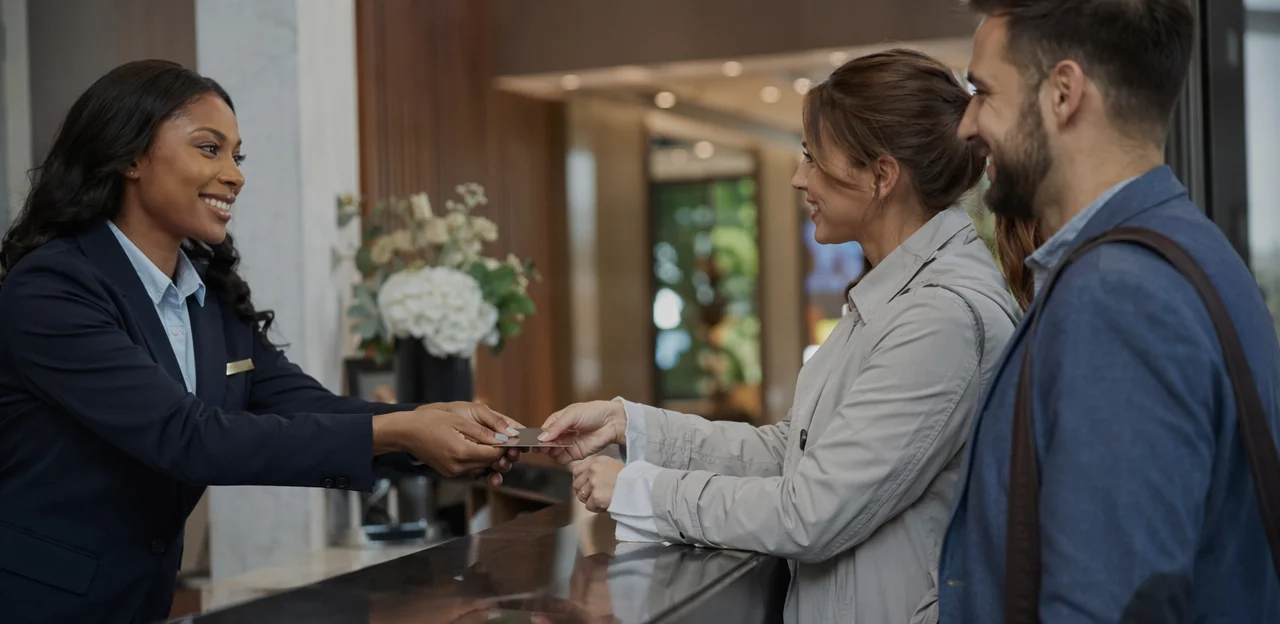
Create a simple feedback framework venues can repeat
A repeatable event feedback framework helps teams turn comments into consistent improvements and stronger rebooking conversations. Use this simple venue feedback strategy after every event:
- Collect: Gather event feedback for venues at key moments—during the event, at close, and 24–48 hours later. Keep surveys short and include ratings plus one open comment.
- Analyze: Group responses by theme, such as catering, AV, staff, layout, and check-in. Track trends, not just one-off complaints.
- Act: Assign each issue to an owner, set deadlines, and prioritize fixes that affect client satisfaction most.
- Follow up: Share what changed with the organiser to build trust and support your repeat booking system.
- Report: Create a simple post-event summary with scores, actions taken, and next-step recommendations.
Recommended tools and dashboards for tracking results
To turn event feedback for venues into repeat bookings, venues need tools that connect sentiment data with client retention and revenue outcomes. A practical stack includes:
- Venue CRM: Use a venue CRM to log planner history, follow-up actions, repeat booking dates, and satisfaction scores in one place.
- Survey platforms: Choose event feedback software that captures post-event and real-time responses, including NPS, service ratings, and open comments.
- Review monitoring tools: Track Google, TripAdvisor, and industry review sites to spot recurring issues that may affect rebooking decisions.
- Feedback dashboard: Build an internal feedback dashboard that combines survey results, complaints, response times, and repeat booking rates by event type or account manager.
Tools like Tapsy can also help collect live, touchpoint-level feedback during events for faster action.
What success looks like over 3, 6, and 12 months
With event feedback for venues, progress should be visible in stages, not overnight. Use clear event retention metrics and consistent venue performance tracking to benchmark results:
- 3 months: Increase feedback response rates, especially by collecting comments at key touchpoints. Spot recurring issues faster and lift satisfaction scores on basics like catering, signage, and staff helpfulness.
- 6 months: Turn insights into action. You should see stronger review scores, more positive testimonials, fewer repeated complaints, and clearer trends by event type, room, or service area.
- 12 months: This is where you measure repeat bookings properly. Look for higher rebooking rates, more returning planners, improved referral volume, and stronger client lifetime value.
Tools like Tapsy can help venues capture real-time feedback and act before small issues affect future bookings.
Conclusion
Winning more repeat bookings is rarely about one flawless event. It comes from consistently listening, improving, and proving to clients that their experience matters. That is why event feedback for venues should never be treated as a box-ticking exercise. When venues collect feedback at the right moments, act on issues quickly, and use insights to refine everything from room setup and catering to staff responsiveness and attendee flow, they create better event experiences and stronger client trust.
The most successful venues use feedback to spot patterns, solve recurring pain points, and turn positive experiences into long-term loyalty. Just as importantly, they close the loop by showing clients what changed as a result. That responsiveness can be the difference between a one-off booking and a recurring partnership.
If you want to strengthen retention, start by reviewing your current feedback process. Identify key touchpoints, make it easy for attendees and organizers to respond, and track trends over time. Tools such as Tapsy can help venues gather real-time, on-site insights and respond before small issues affect future bookings.
Now is the time to make event feedback for venues a core part of your retention strategy. Audit your approach, invest in the right systems, and turn every event into a reason for clients to come back again.
Frequently Asked Questions
- Why is event feedback important for winning repeat venue bookings?
Event feedback helps venues understand the experience they are delivering and improve it quickly. When planners see strong attendee sentiment and visible follow-through on issues, they have more confidence in booking the same venue again.
- What types of venue issues most often affect whether a client rebooks?
Recurring pain points such as slow responsiveness, room setup errors, food quality problems, unclear signage, parking difficulties, and technical support failures can all reduce rebooking confidence. These issues directly shape both organiser trust and attendee satisfaction.
- Which feedback metrics should venues track after every event?
Useful metrics include overall satisfaction scores, Net Promoter Score, rebooking intent, service ratings by touchpoint, and issue resolution speed. Tracking these consistently makes it easier to spot patterns and connect feedback to retention outcomes.
- When should venues collect feedback during the event journey?
Feedback should be collected before, during, and after the event rather than only at the end. Pre-event surveys confirm planner priorities, live touchpoint feedback captures fresh reactions, and post-event surveys and interviews provide broader reflection.
- How can venues collect more meaningful feedback from both planners and attendees?
Use a mix of sources, including planner surveys, attendee surveys, staff debriefs, and review platform monitoring. Segment questions by audience so planners can comment on logistics and execution while attendees focus on comfort, catering, sessions, and flow.
- What questions should a venue ask to uncover barriers to rebooking?
Questions should cover service quality, catering satisfaction, AV performance, communication clarity, and future booking intent. Adding one open-text question such as what nearly stopped the client from rebooking can reveal hidden friction and missed sales opportunities.
- How can venues increase survey response rates without causing survey fatigue?
Keep surveys short, usually 3 to 5 questions, and include only one optional comment box. Send follow-ups within 24 hours, segment by audience, and use touchpoint-based methods like QR or NFC to make feedback fast and relevant.
- What is the best way to turn venue feedback into visible improvements?
Rank issues by frequency, severity, and impact on the client experience, then fix the ones most likely to influence rebooking decisions first. A shared review process across sales, operations, catering, and AV helps teams act on the same priorities.
- How should venues organize a feedback-to-action process across teams?
Teams should review feedback together regularly, group issues by theme, assign one owner per issue, and track progress in a shared action plan. Prioritizing by booking impact keeps attention on the changes that matter most to planners and attendees.
- Why does closing the feedback loop matter for venue retention?
Following up shows planners that their concerns were heard and acted on, which builds trust. A prompt response that explains what changed and suggests how the next event could run even better creates a stronger bridge to rebooking.
- How can positive event feedback support venue sales and marketing?
Positive comments can be turned into testimonials, review snippets, and proof points in proposal decks, landing pages, and enquiry forms. Satisfaction metrics and client quotes are especially useful when matched to buyer priorities like service, AV, food, or flexibility.
- How can venues use feedback to personalize rebooking outreach?
Feedback can guide follow-ups by highlighting what each client valued most, such as catering, room layout, or AV support. Venues can also use event dates for anniversary campaigns, recommend better-fit packages, and offer loyalty perks based on client preferences.
- What upsell or cross-sell opportunities can venues find through feedback?
Repeated requests and positive comments can point to catering upgrades, hybrid event support, breakout room packages, branded experiences, and premium services. Reviewing these patterns by event type helps venues present more relevant add-ons earlier in the booking journey.
- What common mistakes do venues make when handling event feedback?
Common mistakes include collecting feedback but not acting on it, relying only on attendee scores, and failing to segment responses by event type or client value. These gaps can hide operational problems and weaken both trust and repeat business.
- What does success with a venue feedback strategy look like over 3, 6, and 12 months?
After 3 months, venues should see better response rates and faster identification of recurring issues. By 6 months, they should see stronger reviews, more testimonials, and fewer repeated complaints, while 12 months should show higher rebooking rates, more returning planners, and stronger referral volume.