
A great meal can bring people together, but for restaurants serving both tourists and locals, understanding every guest’s experience is not always simple. Language barriers, cultural differences, and fast-paced service can all make it harder to collect clear, useful insights. That is where restaurant feedback multilingual strategies become increasingly valuable. When diners can share their thoughts in the language they are most comfortable with, restaurants gain more accurate feedback, spot service issues faster, and create a more welcoming experience for everyone.
In busy cafés, destination dining spots, and neighborhood restaurants alike, multilingual feedback is about more than convenience. It supports accessibility and inclusion, helps staff respond to concerns before they turn into negative reviews, and gives operators a better view of what different customer groups truly need. For venues in high-tourism areas, it can also strengthen reputation, improve visitor satisfaction, and encourage repeat business from both international guests and loyal local customers.
This article will explore why multilingual feedback matters, how it improves restaurant operations and visitor experience, and what practical methods restaurants can use to gather and act on responses effectively. It will also look at simple digital approaches, including tools like Tapsy, that can help restaurants capture real-time feedback across diverse audiences.
Why multilingual feedback matters in modern restaurants

Serving tourists and locals without language barriers
Restaurants today often serve a mix of international travelers and regular neighborhood guests, and each group brings different expectations. A restaurant feedback multilingual approach helps teams capture clear, useful insights instead of losing detail through language gaps.
- Understand tourist needs: Collect tourist restaurant feedback in common visitor languages to spot issues around menus, allergens, payment options, wait times, or service style.
- Keep local regulars engaged: Make it easy to gather local diner feedback on consistency, value, and community preferences.
- Act faster on real issues: Short multilingual surveys at the table, receipt, or QR code touchpoints help staff identify patterns quickly.
- Improve inclusion: Guests are more likely to respond honestly when they can share feedback in their preferred language.
Tools like Tapsy can support simple, no-app multilingual feedback collection in real time.
Language access is a practical part of accessibility, not just a service extra. When restaurant feedback multilingual options are available, more guests can comfortably share concerns, praise, and dietary or service needs in the language they understand best. This strengthens both inclusion and operations.
- Improve accessibility: Simple, translated forms create more accessible restaurant feedback for tourists, newcomers, and guests with limited local-language confidence.
- Support inclusion: Clear instructions and familiar language help build an inclusive guest experience, showing every guest their opinion matters.
- Reduce missed issues: Better language accessibility restaurants use helps teams spot problems earlier and respond faster.
- Make feedback easy: Use QR-based forms, visual icons, and short questions. Tools like Tapsy can help restaurants collect real-time feedback without adding friction.
When guests feel understood, satisfaction, trust, and loyalty rise.
Business benefits beyond reviews
Restaurant feedback multilingual creates value far beyond public star ratings. It gives teams clearer, faster signals they can use to improve daily performance and long-term growth.
- Improve service quality: Multilingual customer insights help staff spot recurring issues in wait times, menu clarity, allergens, cleanliness, or payment friction across both tourists and local diners.
- Increase repeat visits: When guests feel understood in their own language, trust rises, strengthening the overall guest satisfaction restaurant experience and encouraging return bookings.
- Strengthen reputation management: Private, in-the-moment feedback lets managers resolve problems before they become negative online posts.
- Support smarter decisions: Strong restaurant operations feedback reveals which shifts, locations, or service touchpoints need training, staffing changes, or menu updates.
Tools like Tapsy can help collect and route this feedback in real time.
How to design a multilingual restaurant feedback system
Choosing the right languages for your audience
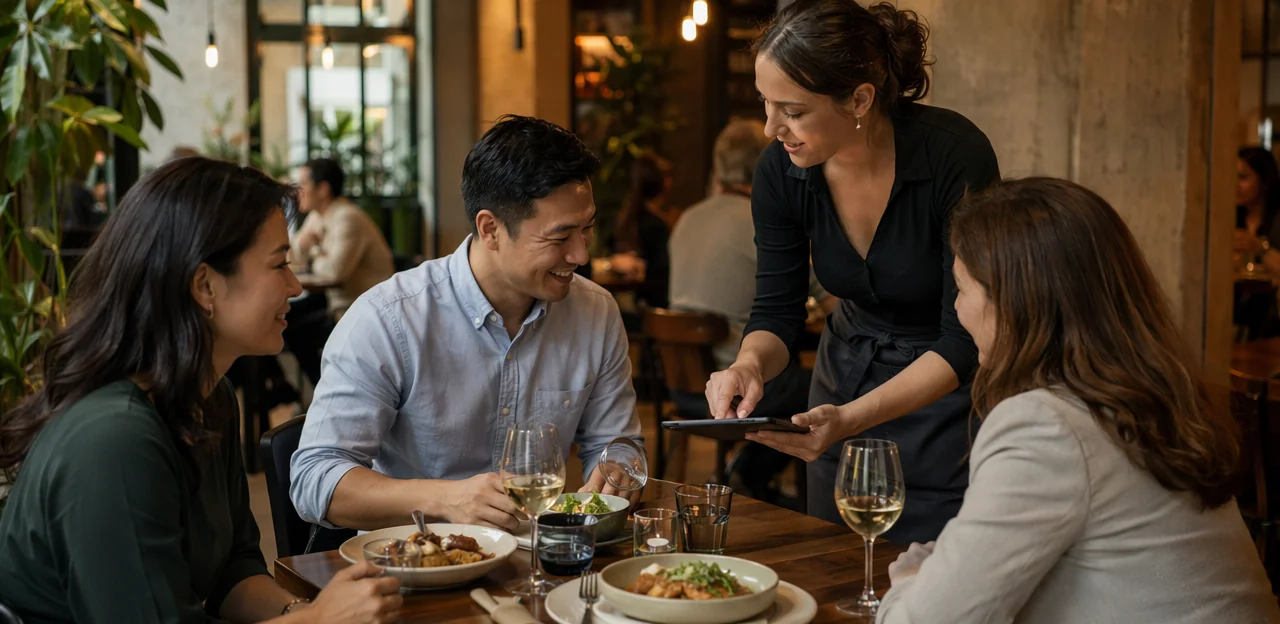
A strong restaurant feedback multilingual approach starts with data, not guesswork. Instead of translating into every possible language, prioritize the languages your guests actually use.
- Review visitor demographics: Check tourism board reports, airport arrivals, and hotel partner insights to understand tourist demographics restaurant teams commonly serve.
- Analyze reservation data: Look at booking names, phone country codes, preferred language fields, and online reservation sources to spot demand patterns.
- Study neighborhood behavior: A café near museums may need more tourist-facing options, while a local lunch spot may prioritize community languages spoken nearby.
- Track feedback completion rates: If guests abandon surveys in one language, simplify or add better-supported restaurant feedback languages.
- Adjust seasonally: Peak travel months may require different language priorities than off-season local traffic.
This is the core of a practical multilingual restaurant strategy: start with your top 2–4 languages, test response rates, and expand based on real usage. Tools like Tapsy can help restaurants collect feedback at key touchpoints in the right language.
Selecting feedback channels guests will actually use
The best restaurant feedback multilingual strategy meets guests where they already are. Instead of relying on one method, combine several easy restaurant feedback channels and offer each in the languages your customers speak most often.
- QR codes on tables or menus: Fast, low-friction QR code restaurant feedback works well during or right after the meal.
- Table cards: Add a short call to action with flags or language buttons so tourists can respond instantly.
- SMS and email follow-ups: Ideal for reservations, delivery, or loyalty members; send a multilingual survey restaurant link shortly after the visit.
- Kiosk prompts at exits: Useful in busy locations where guests can tap a quick rating before leaving.
- Receipts and payment screens: Include a short URL or QR code to capture fresh feedback.
- Review requests in multiple languages: Ask happy guests to post on Google or TripAdvisor in their preferred language.
Tools like Tapsy can help streamline no-app QR feedback across touchpoints.
Writing simple, culturally clear survey questions
Good restaurant feedback multilingual starts with questions that are easy to read, easy to translate, and easy to answer quickly. Strong restaurant survey design avoids slang, idioms, and culture-specific references that may confuse tourists or non-native speakers.
Best practices for effective multilingual survey questions include:
- Keep each question short: aim for one idea per question, such as “How was the food quality?”
- Use plain vocabulary: choose common words over local phrases, humor, or regional expressions.
- Avoid double-barreled questions: don’t ask “Was the food and service good?” because guests may rate each differently.
- Make response scales consistent: use the same rating format across languages to reduce friction.
- Prefer specific wording: clear guest feedback questions like “Was your order correct?” are easier to translate than vague prompts.
- Test with native speakers: check tone, clarity, and cultural fit before launch.
If you use digital tools like Tapsy, preview every language version on mobile to catch confusing phrasing early.
Best practices for accessibility, inclusion, and trust

Making feedback easy for all guests to access
To make restaurant feedback multilingual effective, the form itself must be easy for every guest to use, regardless of language, age, or ability. Strong restaurant accessibility inclusion starts with simple design choices:
- Use a mobile restaurant survey that loads quickly, works without an app, and fits small screens.
- Choose accessible feedback forms with large tap targets, readable font sizes, high color contrast, and uncluttered layouts.
- Write questions in plain language, avoiding slang, idioms, or long sentences that confuse non-native speakers.
- Ensure screen-reader compatibility with labeled fields, logical heading structure, and keyboard navigation.
- Add visible instructions, such as “Select your language” or “Tap one answer,” so guests know what to do immediately.
Tools like Tapsy can help restaurants offer no-app, QR-based feedback flows that are easier to access in busy dining settings.
Respecting privacy and cultural expectations
To earn honest responses, restaurant feedback multilingual systems must make privacy and respect visible from the start. Guests are more likely to share useful details when they understand how their data is handled and feel no social risk.
- Be transparent about data use: Clearly state what you collect, why you collect it, and who can see it. This strengthens restaurant guest privacy and reduces hesitation.
- Offer optional anonymity: Let diners choose anonymous restaurant feedback, especially for complaints about service, cleanliness, or accessibility.
- Use culturally sensitive wording: Avoid overly direct or blame-focused language. Well-designed, culturally sensitive surveys use simple, respectful phrasing that works across languages and expectations.
- Keep feedback forms short: Fewer questions feel safer, faster, and less intrusive.
Tools like Tapsy can support simple, low-friction multilingual feedback collection.
Training staff to encourage feedback naturally
Strong restaurant staff feedback training helps teams ask at the right moment: after the meal is enjoyed, during payment, or as guests leave. Keep the tone warm, brief, and optional so the guest feedback invitation feels helpful, not scripted.
- Train staff to use simple prompts such as: “How was everything today?” followed by “If you’d like, you can share quick feedback here.”
- Prepare basic multilingual phrases for common visitor languages, especially “feedback,” “thank you,” and “scan here.”
- Encourage staff to smile, make eye contact, and avoid asking during rushed or stressful moments.
- Use visible QR cards or table displays to support restaurant feedback multilingual collection without pressure.
- Role-play short interactions so teams deliver consistent, natural multilingual hospitality service.
Tools like Tapsy can also make quick multilingual feedback easier at the table or counter.
Using multilingual feedback to improve restaurant operations
Finding patterns in service, menu, and communication issues
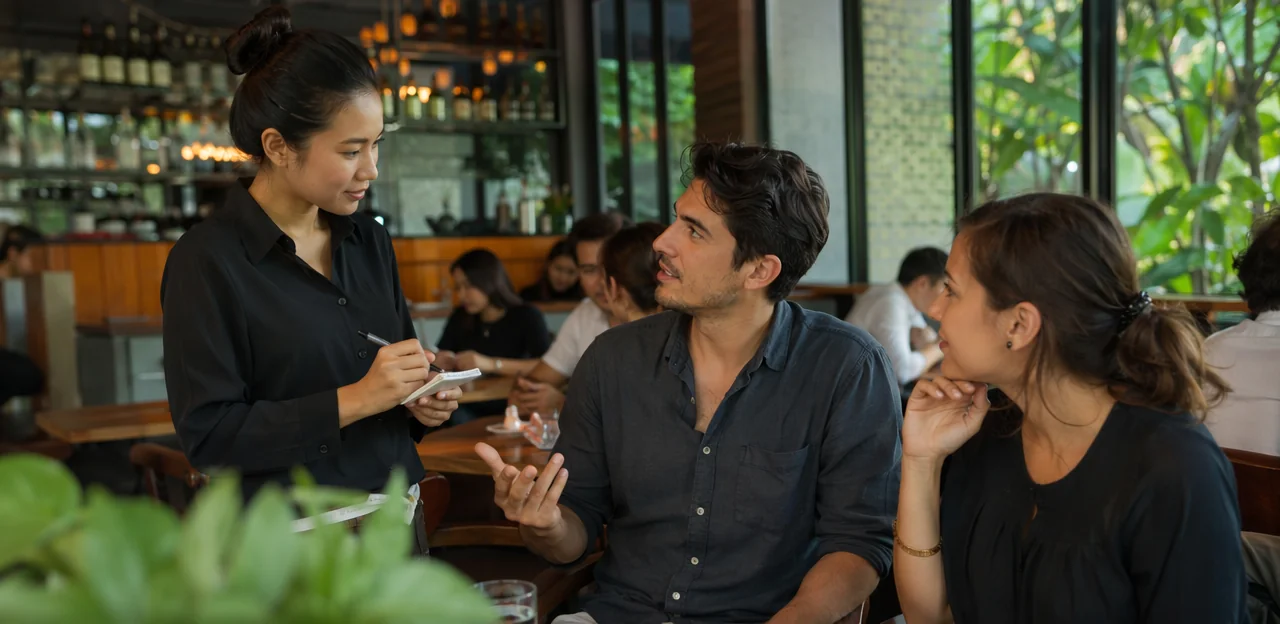
To turn restaurant feedback multilingual into useful action, sort responses using a simple tagging system. This helps teams spot repeated friction points across tourist and local audiences and supports faster restaurant operations improvement.
- By language: Compare feedback in English, local language, and other common tourist languages to identify translation gaps or misunderstandings.
- By guest type: Separate tourists, locals, first-time visitors, and repeat guests to see whether issues differ by familiarity.
- By topic: Tag comments under ordering, wait times, menu clarity feedback, staff friendliness, and problem resolution.
Look for recurring combinations, such as tourists reporting confusing dish descriptions or locals mentioning slow lunch service. Reviewing these patterns weekly improves service quality restaurant teams can measure. Tools like Tapsy can help organize touchpoint-level feedback in real time.
Turning guest comments into practical changes
Use restaurant feedback multilingual data to spot recurring friction points and turn them into fast, visible fixes. The best restaurant guest insights often come from repeated comments across languages.
- Upgrade menus: If tourists mention confusion, invest in translated menu improvements with clear dish names, ingredients, spice levels, and photos.
- Improve signage: Add multilingual signs for ordering, restrooms, pickup zones, and self-service stations to reduce hesitation.
- Clarify allergy communication: Use translated allergen icons, ingredient notes, and staff cheat sheets so guests can ask and order safely.
- Simplify payments: Post card, cash, tipping, and mobile payment instructions in key languages near the till.
- Manage queues better: If guests report long waits, add bilingual queue signs, estimated wait times, and separate pickup lines.
These practical updates create a smoother visitor experience restaurant teams can measure and refine continuously.
Connecting feedback with reviews and retention
Acting quickly on restaurant feedback multilingual helps restaurants solve issues before they become public complaints, strengthening both restaurant review management and loyalty.
- Capture feedback in the guest’s preferred language: Tourists and locals share clearer, more honest details when they can respond comfortably.
- Flag low scores in real time: If a guest mentions slow service, unclear allergen information, or language barriers, staff can recover the experience immediately.
- Close the loop before the review stage: A quick apology, replacement dish, or manager follow-up can prevent negative online posts.
- Track patterns across touchpoints: Use visitor satisfaction feedback from booking, arrival, ordering, dining, and payment to spot recurring friction.
- Turn recovery into loyalty: When guests feel heard, guest retention restaurant improves through repeat visits, stronger trust, and more positive reviews.
Tools like Tapsy can help collect and route real-time feedback efficiently.
Common mistakes restaurants should avoid

Relying only on machine translation without review
Using a machine translation restaurant workflow for guest surveys can save time, but unchecked wording often leads to restaurant translation mistakes that confuse diners or sound careless. For restaurant feedback multilingual prompts, even small phrasing errors can reduce responses and trust.
- Have a fluent human review key guest-facing questions, buttons, and complaint categories.
- Test translations with both tourists and local speakers.
- Avoid slang, idioms, and culture-specific wording that causes multilingual feedback errors.
For critical touchpoints, tools like Tapsy still benefit from human-reviewed language.
Collecting feedback but not acting on it
Asking for restaurant feedback multilingual input without visible changes quickly creates distrust. Guests may stop responding, leading to survey fatigue restaurant teams often overlook. To support real guest experience improvement, restaurants should close the loop clearly:
- Share small wins, such as faster service, clearer menus, or added language support.
- Prioritize common complaints and assign owners for restaurant feedback follow-up.
- Tell guests what changed on menus, table tents, receipts, or QR pages.
- Use real-time tools like Tapsy to spot issues early and respond before frustration becomes a bad review.
Ignoring local customers while focusing on tourists
A tourist rush can boost short-term sales, but overlooking regulars weakens restaurant community loyalty and long-term revenue. A smart tourist and local restaurant strategy should protect the local customer experience all year.
- Collect restaurant feedback multilingual from both visitors and residents, not just peak-season guests.
- Track feedback by customer type, language, and season to spot service gaps.
- Keep menus, offers, and communication relevant for locals, including repeat-visit perks and community events.
Tools like Tapsy can help gather balanced, real-time feedback across both audiences.
Building a long-term multilingual feedback strategy

Setting goals and measuring success
To improve restaurant feedback multilingual efforts, set clear targets and track a small group of practical metrics:
- Response rate by language: Measure which guest groups complete surveys most often and where translation or placement needs improvement.
- Satisfaction scores: Use CSAT or rating averages by language, location, and service moment for better guest satisfaction measurement.
- Repeat visits: Track whether guests who leave positive feedback return more often.
- Review sentiment: Monitor themes in public reviews across languages to spot recurring service or accessibility issues.
- Issue resolution time: Measure how quickly teams respond to low scores or complaints.
These restaurant feedback KPIs and multilingual survey metrics help restaurants turn feedback into operational improvements.
Updating your system as customer needs change
A strong restaurant feedback multilingual approach should evolve as your audience changes. For a seasonal tourism restaurant, review your setup at least quarterly and after major demand shifts.
- Refresh language options: Add or prioritize languages based on current visitor mix, local events, cruise arrivals, or holiday seasons.
- Adjust feedback channels: Use QR codes for tourists on the go, table cards for dine-in guests, and SMS/email for repeat local customers.
- Update questions regularly: Ask about menu clarity, allergy communication, wait times, or staff language support as operations expand.
- Use customer needs analysis: Compare feedback by season, guest type, and service area to refine your restaurant feedback strategy.
Tools like Tapsy can help restaurants adapt touchpoint feedback quickly.
Creating a feedback culture that supports better hospitality
To build a strong hospitality feedback culture, restaurants should make restaurant feedback multilingual a daily habit, not a one-time project. A simple framework helps teams turn guest insights into action and support a better multilingual guest experience:
- Collect consistently: Offer feedback in key guest languages at tables, receipts, kiosks, or QR touchpoints.
- Train staff regularly: Teach teams how to invite feedback, recognize language barriers, and respond with empathy.
- Review patterns weekly: Track recurring issues by language, shift, and service area.
- Act and close the loop: Fix common problems quickly and share improvements with staff.
This creates a practical continuous improvement restaurant process that strengthens service for both tourists and locals.
Conclusion
In today’s hospitality landscape, great service is not just about the food or the atmosphere—it’s also about being understood. A strong restaurant feedback multilingual strategy helps restaurants and cafés welcome both tourists and locals, remove language barriers, and collect more accurate, actionable insights. When guests can share their experience in the language they are most comfortable with, businesses gain clearer feedback on service, menu clarity, accessibility, and overall satisfaction.
More importantly, multilingual feedback supports inclusion while strengthening day-to-day operations. It helps teams spot issues faster, respond to concerns before they become negative public reviews, and create a smoother visitor experience for every type of guest. For restaurants in high-traffic travel areas, this can directly improve reputation, repeat visits, and customer trust.
The next step is to review your current feedback journey: Is it easy to access, quick to complete, and available in the languages your guests actually speak? If not, now is the time to upgrade your approach. Consider tools such as QR-based feedback systems, translated survey flows, staff response protocols, and real-time insight platforms like Tapsy to make restaurant feedback multilingual both practical and effective.
Start building a more inclusive feedback experience today, and turn every guest voice into an opportunity to improve.
Frequently Asked Questions
- What is multilingual restaurant feedback?
Multilingual restaurant feedback is a way for guests to share their dining experience in the language they are most comfortable using. It helps restaurants collect clearer insights from both tourists and local diners, especially around service, menu clarity, allergens, payment, and wait times.
- Why should restaurants collect feedback in more than one language?
Offering feedback in multiple languages reduces language barriers and makes it easier for guests to respond honestly. It also helps restaurants spot issues faster, improve accessibility and inclusion, and respond before problems turn into negative online reviews.
- How does multilingual feedback help restaurants serving both tourists and locals?
It helps teams understand the different needs of international visitors and regular neighborhood customers without losing detail through translation gaps. Restaurants can compare feedback on topics like consistency, value, menu understanding, and service style across both groups.
- Which languages should a restaurant include first?
Start with the languages your guests actually use most often rather than trying to translate everything at once. Useful signals include visitor demographics, reservation data, neighborhood language patterns, seasonal demand, and feedback completion rates.
- What are the best channels for collecting multilingual feedback in a restaurant?
A mix of channels usually works best, including QR codes on tables or menus, table cards, receipts, payment screens, SMS or email follow-ups, and exit kiosks. The goal is to place simple feedback options at touchpoints guests already use during or right after the visit.
- How should restaurants write survey questions for multilingual guests?
Questions should be short, plain, and focused on one idea at a time. Restaurants should avoid slang, idioms, vague wording, and double-barreled questions, while keeping rating scales consistent across languages and testing wording with native speakers.
- What makes a multilingual feedback form accessible?
An accessible form should load quickly on mobile, work without an app, and use large tap targets, readable text, high contrast, and uncluttered layouts. It should also include clear instructions, plain language, and support for screen readers, labeled fields, and keyboard navigation.
- How can restaurants respect guest privacy when asking for feedback?
Restaurants should clearly explain what data is collected, why it is collected, and who can see it. Offering optional anonymity and keeping forms short can make guests more comfortable sharing honest comments, especially about service, cleanliness, or accessibility.
- When should staff invite guests to leave feedback?
The best moments are after the meal has been enjoyed, during payment, or as guests are leaving. Staff should keep the invitation warm, brief, and optional, and use visible QR cards or table displays so the request feels natural rather than pressured.
- How can restaurants turn multilingual feedback into operational improvements?
A simple tagging system can organize responses by language, guest type, and topic such as ordering, wait times, menu clarity, or staff friendliness. Reviewing those patterns regularly helps teams identify recurring issues and make practical changes like clearer menus, better signage, allergy communication, payment instructions, or queue management.
- Can multilingual feedback reduce negative online reviews?
Yes, because private, in-the-moment feedback gives staff a chance to recover the experience before frustration becomes a public complaint. Real-time alerts for low scores or comments about slow service, unclear allergens, or language barriers can support quick follow-up and problem resolution.
- What are common mistakes restaurants make with multilingual feedback systems?
Common mistakes include relying only on machine translation without human review, collecting feedback but not acting on it, and focusing too much on tourists while ignoring local regulars. These problems can reduce trust, lower response rates, and weaken long-term loyalty.
- How can restaurants avoid poor translations in guest surveys?
Key guest-facing questions, buttons, and complaint categories should be reviewed by a fluent human rather than left to machine translation alone. It also helps to test translations with both tourists and local speakers and avoid slang or culture-specific wording.
- What should restaurants measure to know if their multilingual feedback strategy is working?
Useful metrics include response rate by language, satisfaction scores, repeat visits, review sentiment across languages, and issue resolution time. Tracking these indicators helps restaurants see where language support, survey placement, or service improvements are needed.
- How can tools like Tapsy fit into a multilingual restaurant feedback process?
Tools like Tapsy can support no-app, QR-based feedback collection across tables, receipts, counters, and other touchpoints. They can also help restaurants capture real-time responses, organize feedback by touchpoint, and make multilingual surveys easier to access in busy dining environments.