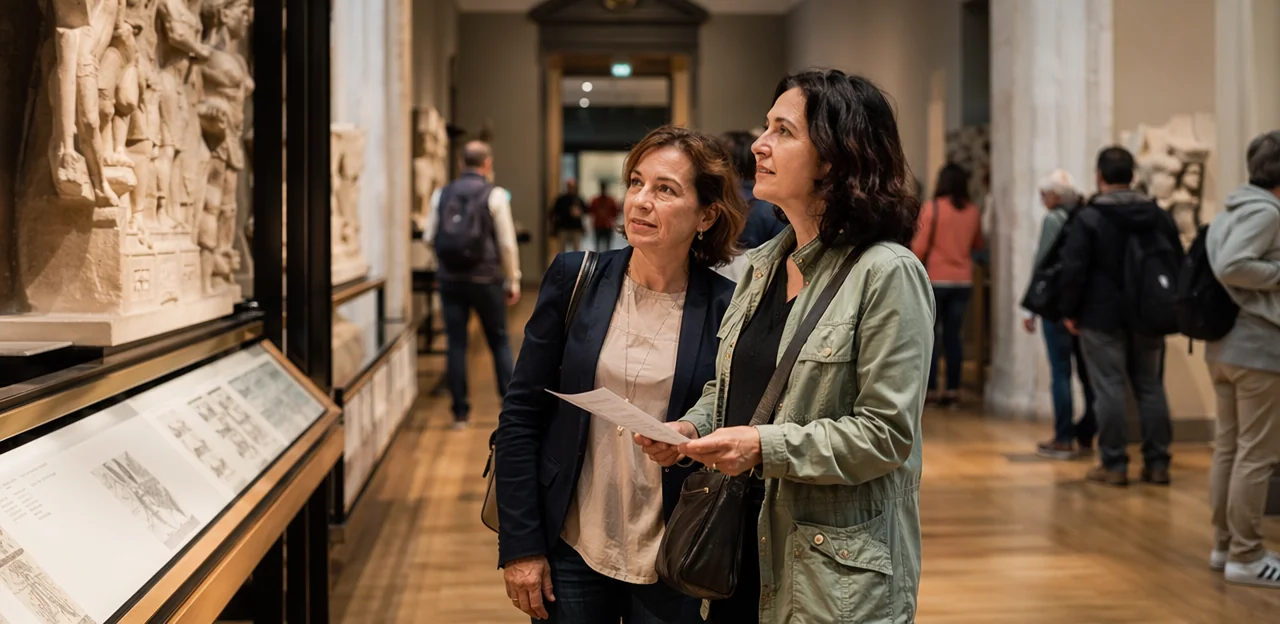
A memorable museum visit is shaped by far more than the exhibition itself. From the clarity of wayfinding signs to the helpfulness of staff and the cleanliness of facilities, every touchpoint influences how visitors feel, how long they stay, and whether they return. That’s why asking the right museum feedback questions is essential for museums and attractions that want to improve the visitor experience in meaningful, measurable ways.
Well-designed feedback questions can reveal what audiences truly notice: which exhibits inspire them, where they feel confused, whether front-of-house teams are supportive, and how well amenities such as cafés, toilets, seating, and accessibility features meet expectations. Instead of relying on assumptions, museums can use visitor feedback to identify operational gaps, refine survey design, and make smarter experience-led decisions.
In this article, we’ll explore practical museum feedback questions across four key areas: exhibitions, wayfinding, staff, and facilities. We’ll also look at how to structure surveys so they feel easy for visitors to complete while still generating useful insights for operations and visitor experience teams. Where relevant, tools like Tapsy can support real-time feedback collection at key touchpoints, helping museums respond faster and learn more from every visit.
Why Museum Feedback Questions Matter
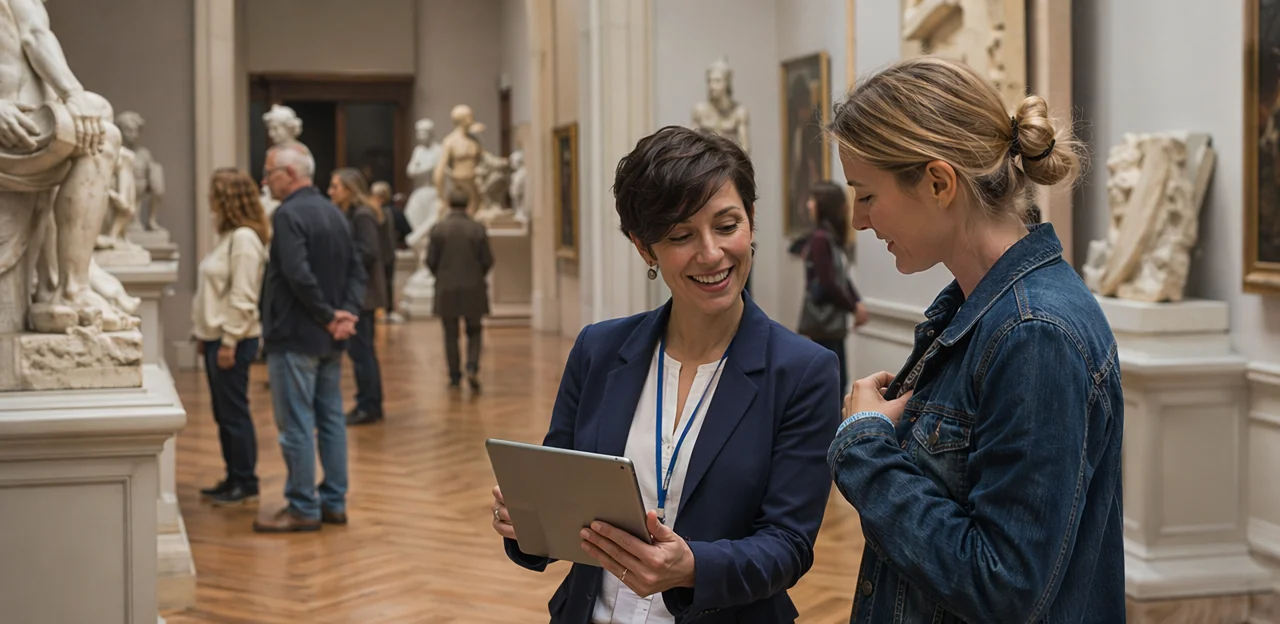
Structured museum feedback questions turn visitor opinions into operational insight museums can act on quickly. A well-designed visitor feedback survey helps teams spot recurring friction points and prioritize improvements across the full visitor journey.
- Exhibitions: Identify unclear interpretation, overcrowding, pacing issues, or low-engagement displays.
- Wayfinding and facilities: Reveal pain points around signage, toilets, seating, accessibility, cafés, and queues.
- Staff and service delivery: Measure helpfulness, responsiveness, and consistency across front-of-house teams.
- Decision-making: Use feedback trends to guide staffing levels, maintenance schedules, exhibit updates, and budget allocation.
For stronger museum operations, collect feedback at key touchpoints and review results regularly. Tools like Tapsy can help capture in-the-moment responses where issues actually happen.
To understand the full visitor journey, museums should measure feedback at each key touchpoint, not just at the exit. Well-placed museum feedback questions help reveal where the museum visitor experience is smooth, confusing, or memorable.
- Arrival: parking, ticketing, entry speed, signage, and first impressions
- Navigation: ease of wayfinding, map clarity, accessibility, and finding key spaces
- Exhibit engagement: relevance, interpretation, interactivity, pacing, and crowding
- Staff interactions: helpfulness, knowledge, visibility, and problem resolution
- Amenities: restrooms, seating, café, shop, lockers, and cleanliness
- Departure: overall satisfaction, value for money, and likelihood to return or recommend
Using targeted museum survey questions by stage helps museums spot trends, compare locations, and prioritize operational improvements.
Common mistakes in museum survey design
Poor museum survey design can limit the value of your museum feedback questions and lead to weak decisions. Common pitfalls include:
- Leading questions: Avoid wording that pushes visitors toward positive answers, such as “How helpful was our excellent staff?”
- Vague wording: Questions like “Did you enjoy the exhibition?” are too broad. Ask about specific elements such as layout, interpretation, or accessibility.
- Overly long surveys: A long visitor experience survey reduces completion rates. Focus on the few questions most tied to exhibition quality and operations.
- No audience segmentation: Separate responses by visitor type, group size, membership status, and visit purpose to uncover meaningful patterns.
Strong survey design is clear, short, and structured for analysis.
Museum Feedback Questions for Exhibitions

Questions about exhibit relevance and engagement
Strong museum feedback questions should reveal whether an exhibition connects with visitors intellectually and emotionally, not just whether they “liked it.” Use a mix of rating-scale and open-text prompts such as:
- How interesting did you find this exhibition?
- Did the exhibit help you learn something new or deepen your understanding of the topic?
- Which part of the exhibition was most memorable or emotionally engaging?
- Did the content feel relevant to your interests, background, or reasons for visiting today?
- Was the exhibition suitable for your group, such as children, families, tourists, students, or specialist audiences?
- Were the labels, interactives, and multimedia easy to understand and engaging to use?
These exhibition feedback questions help museums measure exhibit engagement across different audience segments and identify where interpretation, storytelling, or interactivity may need improvement. For faster in-gallery responses, tools like Tapsy can capture feedback at the exhibit touchpoint.
Questions about interpretation and accessibility
Strong museum feedback questions should test whether visitors could understand and engage with the exhibition, not just whether they enjoyed it. Include exhibition survey questions such as:
- Were object labels and interpretive signage clear, readable, and placed where you needed them?
- Did audio guides improve understanding, and were they easy to access and navigate?
- Were interactive elements intuitive, working properly, and helpful for learning?
- Was multilingual content available in the languages visitors expected?
- Did accessibility features support inclusion, such as large print, captions, transcripts, hearing loops, tactile elements, step-free access, or screen-reader-friendly digital content?
For better museum accessibility insights, ask both rating and open-text questions. This helps museums identify whether barriers came from wording, format, technology, or physical design. If collecting feedback on-site, tools like Tapsy can help capture responses at the point of experience.
Using exhibition feedback to improve future programming
Effective museum feedback questions should do more than measure satisfaction—they should guide better museum programming. Turn exhibition evaluation data into action by reviewing patterns in ratings, comments, and audience segments.
- Refine curation: Identify which objects, themes, or interpretive devices generated the strongest engagement, and remove or rethink sections visitors found confusing or repetitive.
- Strengthen storytelling: Use visitor insights to improve label clarity, narrative flow, and emotional connection, especially where visitors say they “lost the thread.”
- Improve layout: Track comments about crowding, pacing, sightlines, or missed content to redesign pathways and dwell zones.
- Support audience development: Compare responses by age group, membership status, visit motivation, or first-time vs repeat visitors to shape future exhibitions for target audiences.
Tools such as Tapsy can help museums capture in-the-moment responses at key exhibition touchpoints, making improvements faster and more precise.
Museum Feedback Questions for Wayfinding and Navigation
Questions about arrival, entry, and orientation
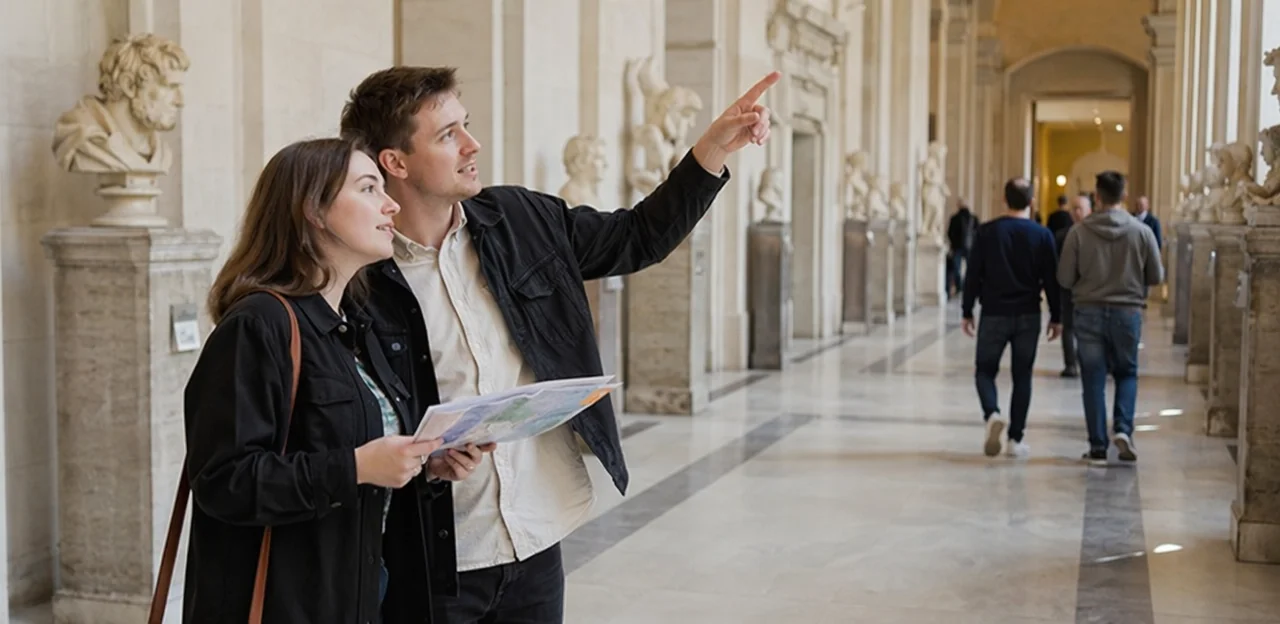
Early-journey museum feedback questions help teams spot friction before it affects the full visit. Use short, specific prompts to improve museum navigation and visitor orientation from the moment guests arrive.
- How easy was it to find parking, drop-off points, bike racks, or public transport access?
- Was the main entrance clearly visible and accessible from outside the museum?
- How clear were signs to ticketing, membership, cloakrooms, and security checks?
- Did queues or ticketing areas feel organized and easy to understand?
- Was the map easy to find, read, and use for your route?
- After entering, did you know where to go first?
These wayfinding survey questions reveal navigation barriers early and help museums refine signage, staffing, and arrival flow.
Questions about signage and route clarity
Strong museum feedback questions should reveal where museum wayfinding supports visitors and where it creates friction. Use questions like:
- How clear were directional signs to exhibitions, restrooms, exits, cafés, and gift shops?
- Was the floor plan or map easy to understand at entry and throughout the visit?
- Did gallery flow feel intuitive, or were there points where you felt unsure where to go next?
- How easy was it to find key amenities without asking staff?
- Were signs placed at the right decision points, such as entrances, stairwells, and corridor junctions?
For better signage feedback, pair rating scales with an open comment box. This helps identify specific bottlenecks, improve visitor flow, and reduce confusion in busy or multi-level exhibitions.
Improving accessibility through wayfinding feedback
Strong museum feedback questions about routes, signage, and navigation can reveal barriers that standard satisfaction surveys miss. This is essential for accessible wayfinding, especially for disabled visitors, families with strollers, older adults, and first-time guests.
Ask visitors whether they could:
- find lifts, ramps, toilets, seating, and quiet spaces easily
- follow signs without staff assistance
- move between galleries without confusing detours
- understand maps, symbols, lighting, and directional language
This museum accessibility feedback helps teams identify unclear routes, poor sign placement, and missing support points. Use responses to improve contrast, simplify wording, add rest stops, and place help at decision points. Real-time tools such as Tapsy can also flag navigation issues quickly, supporting a more inclusive visitor experience.
Museum Feedback Questions for Staff and Service Quality
Questions about staff helpfulness and professionalism
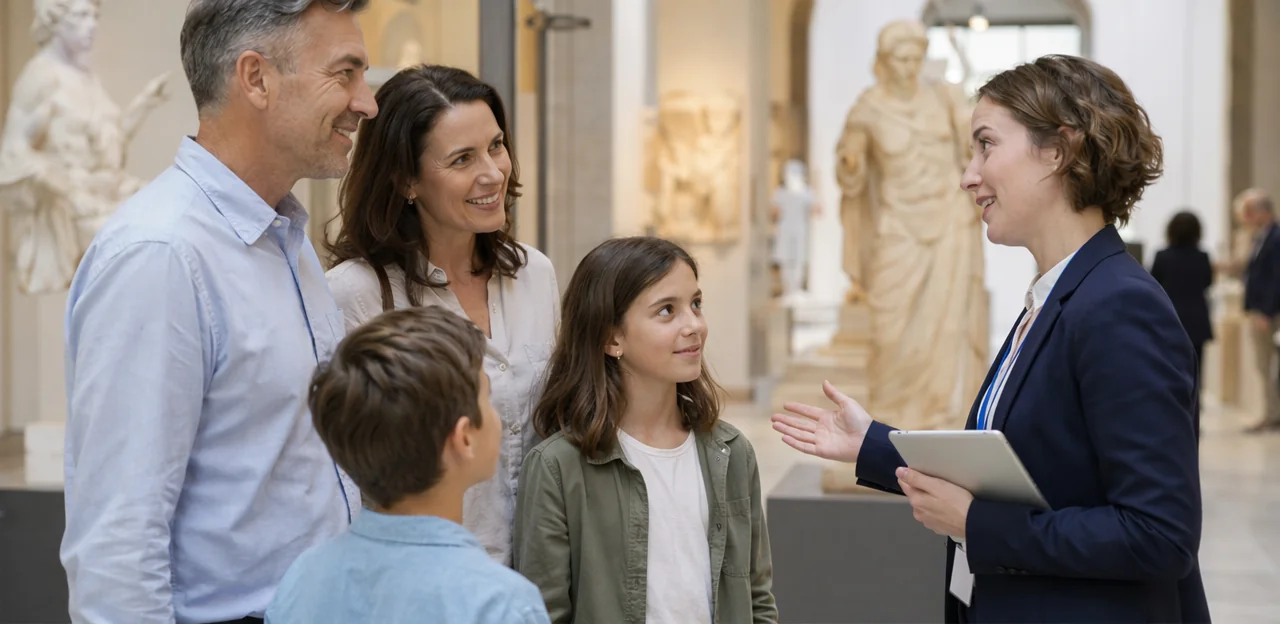
Strong museum feedback questions should assess how visitors experienced every human touchpoint, from arrival to exit. To improve museum customer service and overall visitor satisfaction, include clear questions such as:
- How welcoming was the front-of-house team on arrival?
- Did gallery staff seem approachable and available when needed?
- How knowledgeable were staff or volunteers about the exhibition?
- How quickly were questions or issues resolved?
- Did staff communicate clearly, politely, and professionally throughout your visit?
Use a simple rating scale plus an optional comment box to capture specific examples. For faster service recovery, tools like Tapsy can collect staff feedback questions in real time at key visitor touchpoints.
Questions about guided support and visitor confidence
Include museum feedback questions that reveal how well teams supported visitors in real time. This helps measure museum staff experience, strengthen visitor support, and improve your service quality survey design.
- Did a staff member help you better understand the exhibition or object labels?
- Were your questions answered clearly and confidently?
- If you had a problem, was it resolved quickly?
- Did staff make you feel welcome, comfortable, and informed during your visit?
- Could staff direct you easily to galleries, facilities, or accessibility services?
Use a mix of rating scales and short comment fields to uncover training gaps, recurring issues, and standout service moments. Real-time tools such as Tapsy can also help museums capture support feedback at key touchpoints.
Turning staff feedback into training improvements
Use museum feedback questions to turn visitor comments into targeted staff training that strengthens daily museum operations and long-term service improvement. Look for repeated themes by role, location, and shift, then update training accordingly:
- Onboarding: Add real visitor scenarios so new hires learn expected tone, problem-solving, and exhibition knowledge from day one.
- Service standards: Use low-scoring interactions to refresh greeting, queue support, and complaint-handling guidelines.
- Accessibility training: If surveys mention unclear assistance or inconsistent support, train teams on inclusive language, sensory needs, mobility support, and hidden disabilities.
- Communication practices: Improve how staff give directions, explain policies, and share exhibit context in clear, consistent language.
Real-time tools such as Tapsy can help museums spot coaching needs faster.
Museum Feedback Questions for Facilities and Amenities
Questions about cleanliness, comfort, and maintenance
Include museum feedback questions that help you spot issues affecting visitor comfort before they damage the experience. Keep questions specific, easy to answer, and tied to locations.
- Restrooms: “How clean were the restrooms today?” and “Were restrooms easy to find and well stocked?”
- Seating: “Was there enough seating to rest during your visit?”
- Temperature: “How comfortable was the temperature in galleries and shared spaces?”
- Lighting: “Did lighting make exhibits easy to view and read?”
- Noise: “Was the noise level comfortable throughout the museum?”
- Overall comfort: “How would you rate comfort in public spaces and galleries overall?”
These facilities feedback questions reveal gaps in museum amenities and support faster maintenance action.
Questions about cafes, shops, and family facilities
Include museum feedback questions that assess the practical services shaping the overall visit, not just the exhibition itself. A strong museum facilities survey should cover key visitor amenities and family needs.
- How would you rate the café for food quality, value, speed, seating, and dietary options?
- Did the shop feel relevant, well-stocked, and easy to browse?
- Were lockers easy to find, available, and simple to use?
- Was stroller access smooth across entrances, lifts, galleries, and toilets?
- Were baby changing facilities clean, accessible, and clearly signposted?
- Did other amenities such as water stations, rest areas, or toilets meet expectations?
For a family-friendly museum, add follow-up prompts on queue times, cleanliness, and accessibility barriers to identify quick operational improvements.
Prioritizing facilities upgrades with visitor data
To make smarter museum facilities management decisions, museums should connect museum feedback questions with broader satisfaction results and open-text comments. This helps teams focus budgets on the fixes that most improve the visitor experience.
- Compare low-scoring facilities areas such as toilets, seating, lighting, temperature, or café spaces with overall satisfaction scores.
- Look for patterns in visitor data to see which issues appear most often and which are linked to shorter visits, lower ratings, or repeat complaints.
- Use visitor comments for context to understand whether the problem is cleanliness, maintenance, accessibility, or capacity.
- Prioritize operational improvements that affect both comfort and flow, then track scores after changes.
Tools like Tapsy can also help capture real-time facilities feedback at key touchpoints.
How to Build and Use a Museum Visitor Feedback Survey
Best practices for writing effective survey questions
Use museum feedback questions that are short, specific, and easy to answer in the moment. Strong survey question design improves response quality and makes your museum visitor feedback survey more actionable.
- Keep questions concise: Ask one thing at a time, such as exhibition clarity, signage, or staff helpfulness.
- Avoid bias: Use neutral wording like “How would you rate the wayfinding?” instead of leading phrasing.
- Mix question types: Combine rating scales for satisfaction, multiple choice for issue categories, and open-text fields for context.
- Make responses useful: Align questions to operational areas your team can improve quickly.
- Limit survey length: Follow feedback form best practices by focusing on the highest-impact visitor touchpoints.
When to send surveys and how to collect responses
To get better survey response rates, match the method to the moment visitors can recall details clearly:
- On-site surveys: Ask 1–3 quick museum feedback questions at exit points, galleries, cafés, or restrooms. Keep them short so visitors respond before leaving.
- QR code survey: Place codes on signage, tickets, maps, and receipts. Best for instant feedback on exhibitions, wayfinding, or facilities while the experience is fresh.
- Kiosk surveys: Useful near exits for fast ratings from visitors who prefer not to use phones.
- Email surveys: Send within 24 hours for a strong post-visit survey completion rate, while memories are still clear.
- Post-visit timing tip: Avoid long delays; response quality drops after 2–3 days.
Tools like Tapsy can help capture touchpoint-level feedback in real time.
Analyzing results and closing the feedback loop
To get real value from museum feedback questions, turn responses into clear action:
- Segment feedback by exhibition, gallery, visitor type, visit time, and touchpoint such as wayfinding, staff, or facilities. This makes survey analysis more useful and highlights where issues actually occur.
- Identify recurring themes by grouping comments into categories like signage clarity, queueing, accessibility, cleanliness, or staff helpfulness. Combine ratings with open-text responses for stronger visitor feedback insights.
- Report findings in simple dashboards or monthly summaries for curators, front-of-house teams, and operations leaders, with trends, priority issues, and recommended actions.
- Close the loop by sharing improvements through signage, email follow-ups, staff briefings, or digital channels: “You said, we improved.” This builds trust and supports continuous improvement.
Conclusion
Effective museum feedback questions do more than collect opinions—they help museums improve exhibitions, simplify wayfinding, strengthen staff interactions, and maintain facilities that support a memorable visitor experience. By asking the right questions at the right touchpoints, museums can uncover what inspires visitors, where confusion happens, and which operational issues may be affecting satisfaction.
The most valuable museum feedback questions are clear, specific, and tied to action. Questions about exhibition quality reveal what resonates most. Wayfinding questions highlight navigation challenges. Staff-related questions uncover service strengths and training opportunities. Facilities feedback helps identify issues with cleanliness, accessibility, comfort, and amenities before they affect future visits. Together, these insights create a fuller picture of the visitor journey and support better decision-making across teams.
As a next step, review your current survey strategy and identify gaps across exhibitions, signage, staff service, and facilities. Consider testing shorter, touchpoint-based surveys to improve response rates and gather more immediate insights. Tools such as Tapsy can also help attractions collect real-time feedback on-site.
If you want to improve visitor satisfaction, increase return visits, and make smarter operational changes, start refining your museum feedback questions today. Small improvements in how you ask can lead to major gains in visitor experience tomorrow.
Frequently Asked Questions
- Why are museum feedback questions important for visitor experience and operations?
They turn visitor opinions into operational insight that teams can act on quickly. Feedback helps identify friction points across exhibitions, wayfinding, staff interactions, and facilities, so museums can prioritize improvements that affect satisfaction, dwell time, and return visits.
- What areas should a museum visitor feedback survey cover?
A strong survey should cover the full visitor journey, including arrival, navigation, exhibit engagement, staff interactions, amenities, and departure. This helps museums understand where the experience feels smooth, confusing, or memorable at each touchpoint.
- What are common mistakes to avoid when writing museum survey questions?
Avoid leading questions, vague wording, overly long surveys, and failing to segment responses by visitor type or visit purpose. Clear, neutral, and concise questions produce better data and make results easier to analyze.
- What are good examples of exhibition feedback questions?
Useful questions ask how interesting the exhibition was, whether visitors learned something new, which part was most memorable, and whether the content felt relevant to their interests or group type. Questions can also cover labels, interactives, and multimedia to assess understanding and engagement.
- How can museums evaluate interpretation and accessibility in exhibitions?
Museums can ask whether labels and interpretive signage were clear and readable, whether audio guides were easy to use, and whether interactive elements worked properly. Accessibility questions should also cover multilingual content and features such as captions, transcripts, tactile elements, hearing loops, large print, and step-free access.
- How should exhibition feedback be used to improve future programming?
Museums can review ratings, comments, and audience segments to see which themes, objects, or interpretive devices created the strongest engagement. That insight can guide curation, improve storytelling, reduce confusion, and shape future exhibitions for different audience groups.
- What should museums ask about arrival and orientation?
Questions should focus on how easy it was to find parking or transport access, whether the entrance was visible, and whether signs to ticketing, cloakrooms, and security were clear. It is also useful to ask if queues felt organized, whether maps were easy to use, and if visitors knew where to go first.
- How do wayfinding questions help improve navigation inside a museum?
They reveal whether directional signs, floor plans, and gallery flow are clear enough for visitors to move confidently without asking staff. Responses can highlight bottlenecks, poor sign placement, and points where visitors feel unsure about the next step.
- How can wayfinding feedback support accessibility improvements?
Feedback can show whether visitors could easily find lifts, ramps, toilets, seating, and quiet spaces, and whether maps and symbols were easy to understand. Museums can use this information to improve sign contrast, simplify wording, add rest stops, and place help at key decision points.
- What questions help measure staff helpfulness and professionalism?
Museums can ask how welcoming the front-of-house team was, whether staff were approachable, how knowledgeable they seemed, and how quickly issues were resolved. Questions should also check whether communication felt clear, polite, and professional throughout the visit.
- How can visitor feedback be turned into better staff training?
Repeated comments can be reviewed by role, location, and shift to identify where coaching is needed. Museums can then improve onboarding, refresh service standards, strengthen accessibility training, and make communication practices more consistent.
- What facilities and amenities should museums ask visitors about?
Useful topics include restroom cleanliness, seating availability, temperature, lighting, noise, and overall comfort in galleries and public spaces. Surveys can also cover cafés, shops, lockers, stroller access, baby changing facilities, water stations, and rest areas.
- How can museums prioritize facilities upgrades using visitor data?
Teams can compare low-scoring facilities areas with overall satisfaction and look for patterns in comments about cleanliness, maintenance, accessibility, or capacity. This helps focus budgets on the changes most likely to improve comfort, flow, and the overall visit.
- When should museums collect feedback and which methods work best?
On-site surveys, QR codes, and kiosks work well for quick touchpoint feedback while the experience is still fresh. Email surveys are best sent within 24 hours, because response quality drops after a delay of two to three days.
- How can tools like Tapsy support museum feedback collection?
Tapsy can help museums collect real-time feedback at key touchpoints such as galleries, exits, cafés, restrooms, and service interactions. This makes it easier to capture in-the-moment responses where issues happen and respond faster to operational problems.