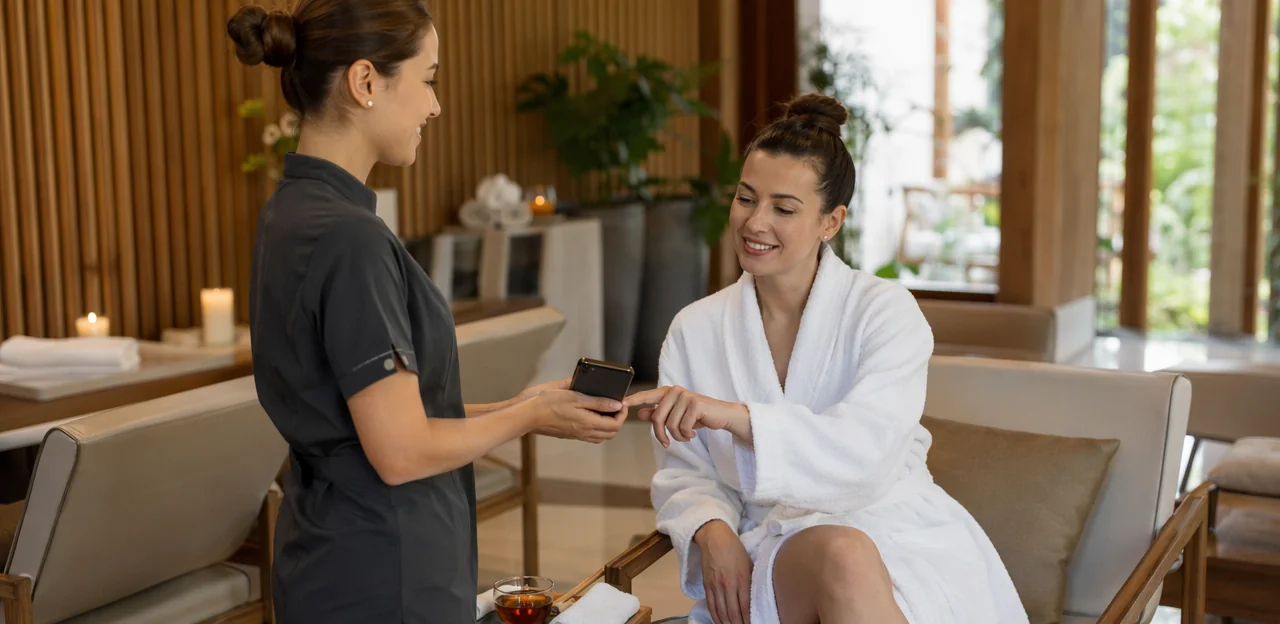
A spa experience is built on timing, atmosphere, and how a guest feels in the moment. Yet many spas still ask for feedback long after the treatment ends, when details have faded and valuable insight is lost. That is where NFC feedback spa strategies are changing the guest experience. By letting clients simply tap their phone to rate their visit moments after a massage, facial, or wellness treatment, spas can capture honest, in-the-moment reactions while the experience is still fresh.
This approach does more than make feedback easier. It helps spa operators understand what is working, identify service issues before they turn into negative reviews, and create a smoother, more responsive client journey. Whether placed at reception, in treatment rooms, or near the exit, NFC touchpoints can turn a traditionally delayed feedback process into a fast, frictionless interaction.
In this article, we will explore how tap-to-rate feedback works in spa environments, why it improves both guest experience and operational visibility, and what spas should consider when implementing NFC and QR touchpoints. We will also look at how solutions like Tapsy can support real-time feedback collection and service recovery without adding friction to the client experience.
Why NFC feedback matters in the spa guest journey
Capturing feedback at the peak post-treatment moment
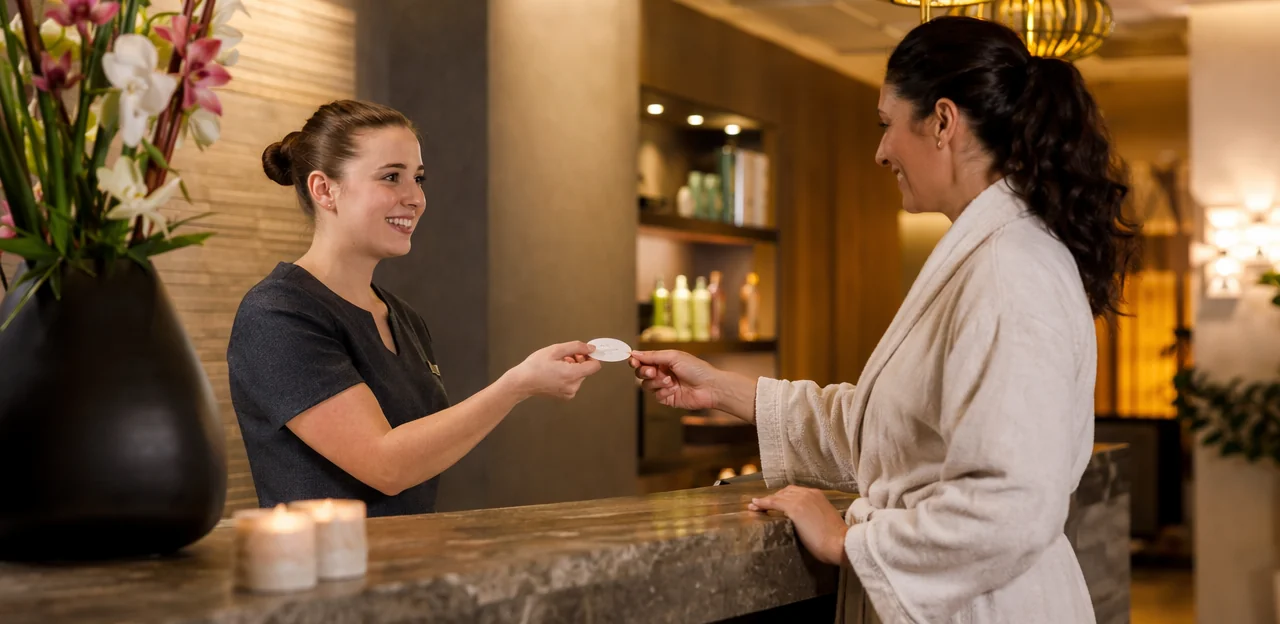
The best time to ask for post-treatment feedback is often the first few minutes after a massage, facial, or body treatment—when the experience is still vivid in the guest’s body and mind. This is where an NFC feedback spa setup outperforms delayed surveys.
- Emotions are freshest: Guests are relaxed, relieved, and more likely to share honest reactions.
- Sensory details are clear: They can still recall pressure, scent, room temperature, therapist communication, and overall comfort.
- Response rates are higher: A simple tap-to-rate spa prompt at checkout, in the lounge, or treatment room removes friction.
Unlike email surveys sent hours later, tap-to-rate moments capture authentic impressions before daily distractions take over. Tools like Tapsy can make this instant, no-app feedback process easy and actionable for spa teams.
How NFC improves convenience over paper forms and email surveys
Compared with paper cards at reception or email surveys sent hours later, NFC feedback spa touchpoints make feedback immediate and effortless. Guests simply tap their phone after a treatment, which fits today’s mobile-first behavior and captures reactions while the experience is still fresh.
- Faster response rates: NFC review collection takes seconds, while paper forms feel slow and email surveys are often ignored.
- Less friction for guests: No app, login, clipboard, or long questionnaire—just a tap and a short rating flow.
- Better timing: Placing guest feedback touchpoints in treatment rooms, lounges, or checkout areas increases completion at the right moment.
- Lower staff workload: A digital spa feedback system reduces manual collection, data entry, and follow-up delays.
Tools like Tapsy can help spas turn these quick taps into real-time service insights.
The connection between instant feedback and client experience
Instant feedback captures how a guest feels while the treatment is still fresh, which makes it far more useful than delayed surveys. With NFC feedback spa touchpoints placed at exits or reception, teams can spot issues before they become public complaints.
- Identify service gaps fast: Track patterns in therapist communication, room comfort, wait times, or post-treatment care.
- Recover unhappy guests quickly: Low ratings can trigger immediate follow-up, such as a manager check-in, apology, or make-good offer.
- Improve responsiveness: Real-time spa feedback helps staff adjust the same day, strengthening the client experience spa and overall guest experience spa.
For best results, keep the form short, route alerts to the right team, and review trends weekly. Platforms like Tapsy can support this tap-to-rate flow.
How NFC feedback spa systems work

What an NFC tap-to-rate flow looks like
A strong NFC feedback spa journey should feel effortless and immediate, right after the treatment when impressions are freshest. A typical NFC tap to rate flow looks like this:
- The guest sees a prompt on a card, reception stand, mirror decal, or checkout display.
- They tap their phone on one of your spa NFC tags.
- A mobile page opens instantly, with no app download required.
- The guest completes a short mobile feedback form spa or leaves a public review in seconds.
To improve completion rates:
- Keep it to 1–3 rating questions
- Add an optional comment box
- Use large buttons and mobile-friendly design
- Route low scores to staff for quick follow-up
Platforms like Tapsy can help spas launch this flow across key touchpoints.
For effective NFC feedback spa deployment, match each tap point to the guest’s mindset and location in the visit. Strong spa NFC touchpoints include:
- Treatment room exits: Capture immediate post-service reactions while the experience is fresh. Keep tags visible but discreet near the door.
- Relaxation lounges: Ideal for slower, reflective feedback after guests unwind, especially for ambiance, comfort, and overall satisfaction.
- Front desk counters: Use for quick ratings during checkout or payment, when staff can also respond to issues in real time.
- Lockers and changing areas: Helpful wellness NFC placement for cleanliness, convenience, and facility feedback.
- Product shelves or retail displays: Gather insights on retail interest, product recommendations, and purchase experience.
These guest journey touchpoints help collect timely, context-rich feedback. Tools like Tapsy can support no-app tap-to-rate flows across each area.
NFC vs QR codes for wellness and personal services
For a NFC feedback spa setup, the best choice depends on the guest moment and environment. In the NFC vs QR spa comparison, both can work well, but each has strengths:
- Ease of use: NFC is faster—guests simply tap their phone. QR requires opening a camera, so it adds one extra step.
- Guest perception: NFC often feels more premium and aligned with high-end wellness feedback technology.
- Hygiene: Both are contact-light, but NFC can feel cleaner because there is no need to hover, frame, or touch shared screens.
- Design flexibility: QR feedback spa materials are easy to print on mirrors, menus, cards, and signage. NFC tags can be hidden elegantly in plaques or treatment-room displays.
- Accessibility: Use both. Some phones handle QR better, while others make NFC effortless.
Recommendation: Use NFC at treatment exits for instant feedback, and add QR as a visible backup on receipts, lockers, or lounge signage.
Designing a high-converting post-treatment feedback experience

Keep the feedback form short, clear, and mobile-friendly
To improve NFC feedback spa response rates, make the form effortless for guests who are leaving the treatment room and checking their phone one-handed. A short feedback form reduces friction and captures impressions while the experience is still fresh.
- Start with a simple 1–5 rating or emoji scale.
- Ask for comments only as an optional field.
- Limit the form to 1–3 questions and avoid unnecessary personal details.
- Use large tap targets, readable text, and a clean layout for strong mobile spa feedback UX.
- Optimize page speed so the form opens instantly after the NFC tap.
- Keep the submit button visible without scrolling.
For better spa review form optimization, use a no-app flow and route low ratings to staff quickly. Tools like Tapsy can support fast, touchpoint-based feedback collection.
Use the right prompts to encourage honest ratings and reviews
In an NFC feedback spa flow, wording should feel calm, personal, and easy to answer right after treatment. Keep prompts short, specific, and non-pushy so guests feel comfortable sharing honestly.
- Start with simple satisfaction questions:
“How satisfied were you with your treatment today?” or “How did you feel after your massage or facial?” These work well in a guest satisfaction survey spa setup. - Use service-specific spa review prompts:
Ask, “Was the pressure, comfort, and atmosphere right for you?” or “Did your treatment meet your expectations?” - Invite respectful therapist feedback:
“Did your therapist make you feel comfortable, listened to, and cared for?” - Make the wellness review request natural:
“If you enjoyed your visit, we’d be grateful if you shared a quick review.” Tools like Tapsy can help deliver these prompts at the right moment.
Match branding and tone to the spa experience
For NFC feedback spa touchpoints to feel natural, they should mirror the same sensory cues guests experience during treatment. Strong spa branding feedback design builds trust and improves response rates without disrupting relaxation.
- Use branded NFC cards: Match your logo, colors, typography, and materials to your reception menus, treatment cards, and retail displays.
- Choose calming visuals: Soft tones, minimal layouts, and elegant placement support a luxury spa guest experience instead of feeling transactional.
- Write gentle copy: Replace pushy prompts with language like “How was your treatment today?” or “Share your experience when you’re ready.”
- Keep wellness brand consistency: Every tap point should reflect your spa’s voice, whether serene, clinical, holistic, or premium.
Platforms like Tapsy can support branded, no-app feedback flows that fit seamlessly into the guest journey.
Using NFC feedback data to improve operations and reputation
Spot service trends across treatments, staff, and locations
An NFC feedback spa setup becomes far more valuable when responses are segmented into clear operational views. Use spa feedback analytics to compare results by:
- Therapist: identify top performers, coaching needs, and recurring praise or complaints
- Treatment type: track treatment satisfaction data for massages, facials, hydrotherapy, or add-ons
- Time slot: spot dips linked to peak-hour pressure, delays, or staffing gaps
- Branch or room: uncover location-specific issues such as ambience, cleanliness, or wait times
This turns raw ratings into wellness service insights you can act on quickly. For example, if evening facials score lower across one branch, review scheduling, room turnover, and product availability. Platforms like Tapsy can help centralize these comparisons in real time.
Turn positive feedback into public reviews and referrals
An NFC feedback spa flow should make the next step effortless for satisfied guests. After a high rating, direct them to one clear action:
- Send happy guests to your preferred channel: link 4- or 5-star responses to spa Google reviews, a testimonial form, or a referral page.
- Keep it frictionless: use one tap, one button, and mobile-friendly pages with no login barriers beyond the platform requirement.
- Stay compliant: never gate reviews, offer incentives specifically for positive reviews, or filter only praise onto public platforms. Ask for honest feedback and follow each platform’s rules.
- Offer referral options separately: invite loyal clients to share a friend offer or referral code to support wellness referrals.
Tools like Tapsy can help streamline review generation spa workflows at the treatment exit.
Recover unhappy guests before they churn
With NFC feedback spa touchpoints placed at treatment exits, spas can capture concerns while the experience is still fresh and resolve them before they become public complaints or lost repeat visits.
- Route private feedback first: Send low ratings and complaint comments to a manager-only workflow instead of a public review request. This supports faster negative feedback recovery and protects brand reputation.
- Build a clear service recovery spa process: Trigger alerts for issues like pressure, noise, cleanliness, or therapist mismatch, then assign follow-up actions such as a personal apology, rebooking, partial refund, or service upgrade.
- Follow up quickly: Contact the guest within hours, confirm the resolution, and offer a thoughtful return incentive. Fast, empathetic follow-up improves spa customer retention and rebuilds trust.
Implementation best practices for wellness and personal services

Train staff to introduce tap-to-rate moments naturally
To make NFC feedback spa touchpoints feel seamless, coach teams to invite feedback as part of the farewell, not as a sales ask. Strong spa staff training feedback should focus on tone, timing, and brevity.
- Use a soft, consistent tap-to-rate script: “If you’d like, you can tap here to share how your treatment felt today.”
- Choose calm moments: after escorting the guest to reception, during tea checkout, or while confirming the next booking.
- Keep body language relaxed: gentle voice, open posture, no hovering while the guest responds.
- Train for personalization: front desk teams can adapt the guest feedback request spa to first-time, repeat, or VIP visitors.
- Role-play weekly: practice the tap-to-rate script so it sounds warm, premium, and never transactional.
If using tools like Tapsy, keep the flow short and elegant.
Protect privacy and respect guest consent
For any NFC feedback spa setup, trust starts with clear privacy practices. Guests are more likely to share honest input when spa feedback privacy is taken seriously and the process feels respectful.
- Ask for consent upfront: Explain what the tap will collect, why it matters, and whether responses are linked to a booking or kept anonymous.
- Offer anonymous feedback options: Let guests rate treatments without sharing personal details unless follow-up is requested. This improves guest consent feedback and response quality.
- Limit wellness data collection: Only gather the information needed to improve service, and avoid sensitive health details unless essential.
- Use transparent messaging: Brief on-screen notices about storage, access, and retention help reassure guests.
Tools like Tapsy can support simple, no-app feedback flows with clear consent steps.
Measure success with the right KPIs
To improve an NFC feedback spa program, track a small set of actionable guest experience metrics that connect feedback to revenue and service quality:
- Tap rate: how many guests tap the NFC prompt after treatment
- Form completion rate: percentage who finish the feedback flow
- Average rating: overall satisfaction by therapist, treatment, or location
- Review conversion rate: how many satisfied guests go on to post a public review
- Issue resolution speed: time taken to respond to low ratings or complaints
- Repeat booking lift: increase in rebookings from guests who used the feedback flow
These spa feedback KPIs help you spot friction, improve recovery, and prove ROI. Tools like Tapsy can also help route issues in real time.
Common mistakes to avoid with NFC feedback in spas
Asking at the wrong time or in the wrong place
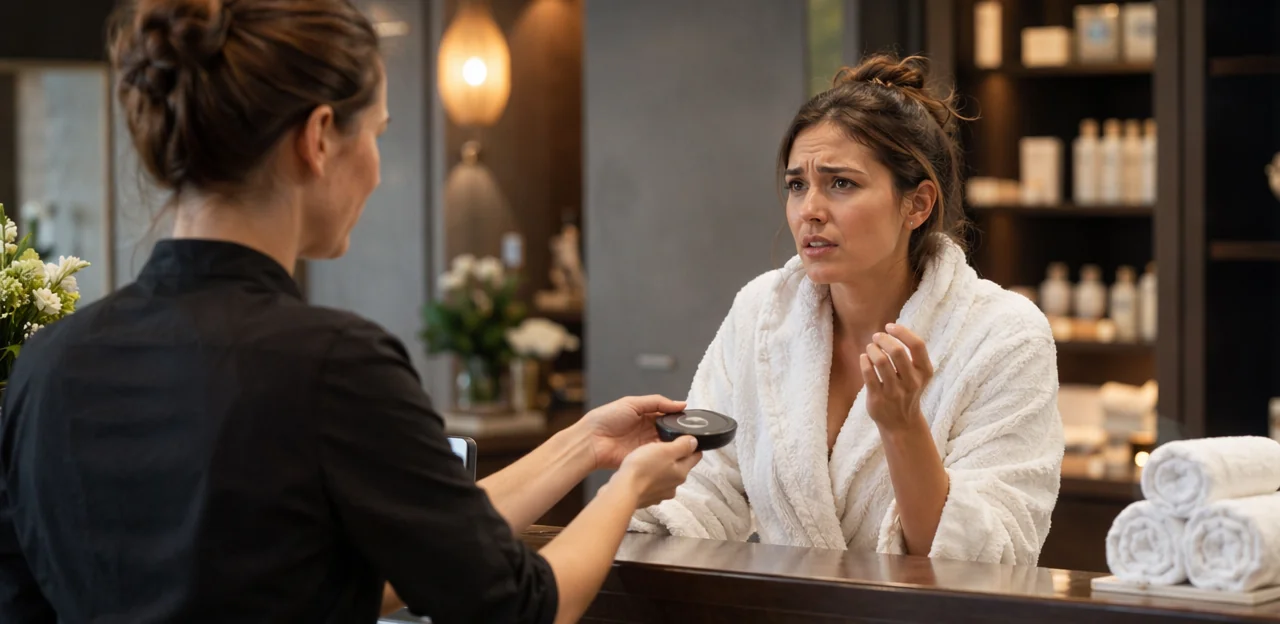
One of the most common spa feedback mistakes is asking when the guest is still transitioning out of relaxation mode. In an NFC feedback spa setup, poor guest journey timing can make feedback feel like part of the payment process rather than a genuine invitation to share.
- Avoid tapping requests during rushed checkout or while guests are dressing, paying, or rebooking.
- Place NFC prompts in calm, intuitive spots such as the tea lounge, exit corridor, or reception after the treatment has fully ended.
- Reduce NFC placement errors by keeping signage visible, uncluttered, and separate from sales-heavy displays.
A simple tap should feel effortless, not transactional.
Making the process too complicated
Even the best NFC feedback spa setup will underperform if the response journey feels like work. Guests are most likely to share feedback right after a treatment, so any extra step increases feedback form friction and drives spa survey abandonment.
- Keep it to 1–3 quick questions plus an optional comment
- Avoid multiple redirects before the form opens
- Never require account creation or mandatory logins
- Use one clear call to action, such as “Tap to rate your treatment”
- Make the next step obvious on mobile with large buttons and minimal text
A simple review flow captures more responses, improves data quality, and respects the calm, effortless experience guests expect from a spa.
Collecting feedback without acting on it
An NFC feedback spa strategy only works when you close the feedback loop. If guests tap to rate their massage, facial, or sauna experience and nothing changes, response rates and trust will drop.
- Share insights quickly: Route comments to therapists, front desk, and managers so teams see patterns in real time.
- Turn feedback into action: Use recurring themes to guide spa service improvement, from treatment timing and pressure preferences to robe quality, music, and temperature.
- Improve communication: If guests mention unclear aftercare or booking instructions, update scripts, signage, and follow-up messages for better client experience optimization.
Tools like Tapsy can help teams capture and act on feedback faster.
Conclusion
In a spa setting, timing matters—and so does feedback. By making it easy for guests to tap and rate moments after a massage, facial, or wellness treatment, an NFC feedback spa strategy captures impressions while they are still fresh, accurate, and actionable. That means better visibility into therapist performance, treatment satisfaction, ambiance, wait times, and service recovery opportunities before a guest leaves with an unresolved concern.
The real value of an NFC feedback spa approach is its simplicity. No long surveys, no app downloads, and no delay between experience and response. A quick tap at the treatment room exit, reception desk, or relaxation lounge can help spas increase response rates, spot recurring issues faster, and create a smoother, more personalized client experience. Over time, these touchpoints can also support stronger retention, better online reputation, and smarter operational decisions.
If your spa wants to turn post-treatment moments into meaningful insight, now is the time to implement a clear tap-to-rate journey. Start with your highest-impact touchpoints, keep questions short, and set up alerts for low scores so your team can respond quickly. For brands looking for a no-app option, tools like Tapsy can help bring NFC and QR feedback into the guest journey. The next step is simple: test, measure, refine—and let every treatment tell you how to improve.
Frequently Asked Questions
- What is NFC feedback for spas?
NFC feedback for spas lets guests tap their phone on an NFC tag to open a short rating or review flow right after a treatment. It is designed to capture feedback while the experience is still fresh, without requiring an app download.
- Why should spas ask for feedback immediately after a treatment?
The first few minutes after a massage, facial, or body treatment are often the best time to collect honest reactions. Guests still remember details like pressure, scent, room temperature, therapist communication, and overall comfort.
- How does a tap-to-rate spa flow usually work?
A guest sees a prompt on a card, stand, mirror decal, or checkout display and taps their phone on the NFC tag. A mobile page opens instantly, and they complete a short rating form or leave a review in seconds.
- Where should spas place NFC touchpoints for the best results?
Strong placement options include treatment room exits, relaxation lounges, front desk counters, lockers, changing areas, and retail displays. Each location supports different types of feedback, from immediate post-service reactions to comments about cleanliness, ambiance, or product recommendations.
- Is NFC better than QR codes for spa feedback?
NFC is usually faster because guests only need to tap their phone, while QR codes require opening the camera first. A combined setup often works best, with NFC at treatment exits and QR as a backup on receipts, lockers, or lounge signage.
- How many questions should a spa feedback form include?
Keep the form short with 1 to 3 questions and an optional comment box. A simple 1–5 rating or emoji scale, large buttons, and a visible submit button help reduce friction and improve completion.
- What kind of questions should spas ask in a post-treatment feedback form?
Use calm, specific prompts such as asking how satisfied the guest was with the treatment or whether the pressure, comfort, and atmosphere felt right. It also helps to ask whether the therapist made the guest feel comfortable, listened to, and cared for.
- How can spas make NFC feedback feel aligned with their brand?
Use branded NFC cards and visuals that match the spa’s logo, colors, typography, and overall tone. Gentle copy, soft design, and elegant placement help the feedback request feel like part of the wellness experience instead of a transactional interruption.
- What operational insights can spas get from NFC feedback data?
Spas can compare feedback by therapist, treatment type, time slot, branch, or room to spot patterns quickly. This helps identify coaching needs, recurring service issues, and location-specific problems such as ambience, cleanliness, or wait times.
- How should spas handle positive feedback from satisfied guests?
After a high rating, direct guests to one clear next step such as a Google review, testimonial form, or referral page. The process should stay simple and compliant, without gating reviews or offering incentives specifically for positive public reviews.
- What should happen when a guest leaves a low rating?
Low ratings should go into a private manager workflow instead of directly to a public review request. Teams can then respond quickly with a check-in, apology, rebooking option, partial refund, or service upgrade to recover the experience.
- How can spa staff introduce tap-to-rate requests naturally?
Staff should present feedback as part of the farewell in a calm, low-pressure way, such as saying, “If you’d like, you can tap here to share how your treatment felt today.” Good timing includes after escorting the guest to reception, during tea checkout, or while confirming the next booking.
- What privacy practices matter in a spa NFC feedback setup?
Guests should be told clearly what the tap collects, why it matters, and whether the response is anonymous or linked to a booking. Spas should collect only the information needed for service improvement and avoid unnecessary sensitive health details.
- Which KPIs should spas track to measure NFC feedback success?
Useful KPIs include tap rate, form completion rate, average rating, review conversion rate, issue resolution speed, and repeat booking lift. These metrics show where friction exists and whether the feedback flow is improving service quality and retention.
- What common mistakes should spas avoid with NFC feedback?
Avoid asking at rushed or awkward moments, such as while guests are dressing, paying, or rebooking. The process should stay simple, and feedback should always lead to action; otherwise trust and response rates can drop over time.