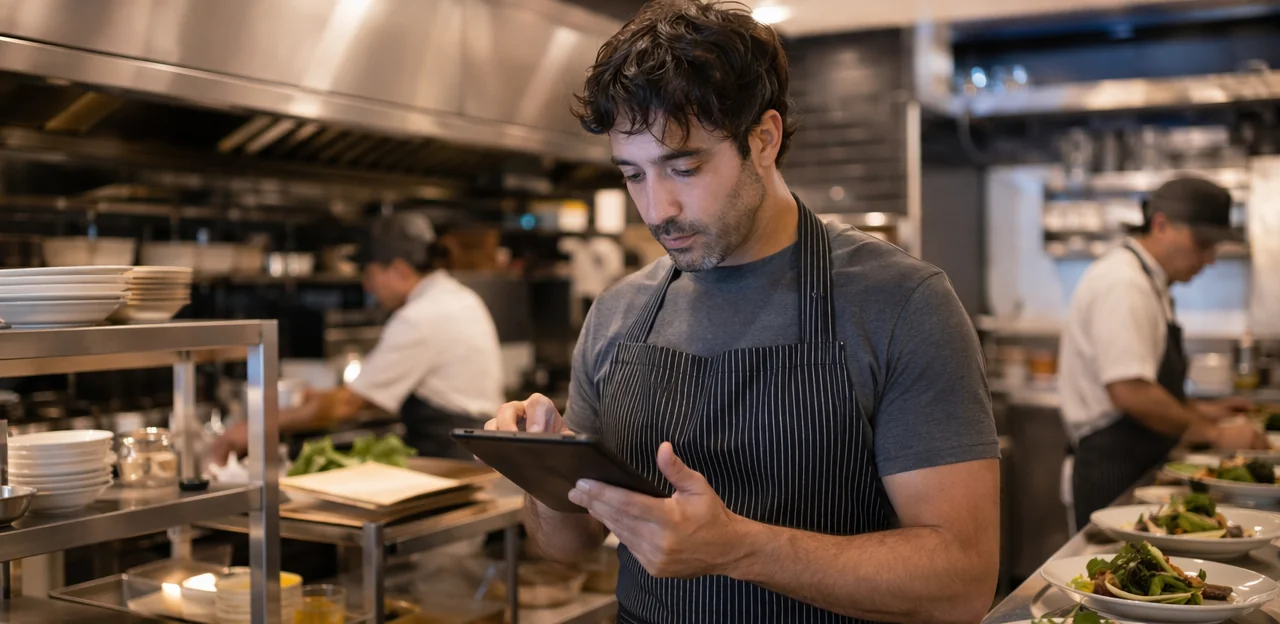
Winning repeat business in hospitality takes more than great food and friendly service. Today’s diners expect restaurants and cafés to remember their preferences, reward their loyalty, and respond quickly when something goes wrong. That’s why more operators are looking beyond points and discounts alone and exploring how restaurant loyalty software can work hand in hand with customer feedback.
When loyalty and feedback are treated as separate systems, valuable insights often get lost. A guest may stop returning after one poor experience, even if they were previously a regular. But when restaurants connect loyalty data with real-time feedback, they gain a clearer view of what keeps customers coming back, what causes churn, and how to improve the guest experience before negative reviews or lost revenue follow.
In this article, we’ll explore how combining restaurant loyalty software with feedback tools can strengthen retention, personalize offers, and support smarter day-to-day restaurant operations. We’ll also look at practical ways restaurants and cafés can collect feedback at key moments, turn insights into action, and use rewards to encourage engagement. Solutions such as Tapsy show how feedback and incentives can be connected in real time, helping hospitality teams build stronger relationships with every visit.
Why loyalty and feedback should work together

The limits of using loyalty data alone
Restaurant loyalty software is excellent at tracking transactions, but loyalty data only tells part of the story. It shows what guests do, not why they do it.
- Purchase frequency reveals how often someone visits, but not whether they return for convenience, habit, or genuine satisfaction.
- Visit history shows patterns over time, but not why a regular guest suddenly lapses or shifts to another location.
- Reward redemptions indicate offer engagement, but not whether rewards drive loyalty or simply discount-seeking behavior.
To turn data into real guest behavior insights, restaurants need feedback alongside loyalty metrics. Short surveys, QR-based prompts, or post-visit check-ins can uncover service issues, menu preferences, and experience drivers. Combining behavior data with feedback helps teams segment guests more accurately and respond before valuable customers churn.
How feedback fills the insight gap
Restaurant loyalty software shows what guests do; restaurant customer feedback explains why they do it. When you connect loyalty data with surveys, ratings, restaurant reviews, and in-app comments, patterns become far more actionable.
- Spot satisfaction drivers: Learn which dishes, staff interactions, rewards, or visit times create repeat visits.
- Catch service issues early: Use guest feedback software to flag slow service, order errors, cleanliness concerns, or poor pickup experiences before they damage retention.
- Refine menu decisions: Identify favorites, unpopular items, dietary requests, and pricing concerns directly from guest comments.
- Understand churn: Feedback reveals why customers stop returning, whether it’s inconsistent service, weak rewards, or disappointing food quality.
Tools like Tapsy can help capture real-time feedback at key touchpoints, making loyalty insights more precise and useful.
The business case for combining both systems
Connecting restaurant loyalty software with feedback tools turns every visit into both a retention opportunity and an operational insight. Instead of treating rewards and guest opinions separately, restaurants can use them together to strengthen customer retention for restaurants and improve day-to-day restaurant operations.
- Increase repeat visits: Reward guests for feedback with points, offers, or bounce-back incentives inside your restaurant loyalty program.
- Reduce churn early: Low ratings can trigger recovery actions before a guest disappears for good.
- Improve targeting: Use sentiment, visit frequency, and purchase behavior to personalize campaigns and win back at-risk customers.
- Support better decisions: Combined data shows which menu items, locations, or service issues affect retention most.
Platforms like Tapsy can help connect real-time feedback with reward-driven engagement.
What restaurant loyalty software should track

Core loyalty metrics that matter
To get real value from restaurant loyalty software, track the restaurant loyalty metrics that show both participation and profit:
- Enrollment rate: Measures how many guests join your program. Low sign-up rates often point to weak staff promotion or a complicated signup flow.
- Active members: Track how many members actually engage over 30, 60, or 90 days.
- Visit frequency: Shows whether loyalty offers are increasing repeat visits.
- Average order value: Compare member vs. non-member spend to see if rewards drive larger checks.
- Reward redemption rate: A healthy reward redemption rate suggests offers are relevant; too low may mean rewards are unclear or unattractive.
- Customer lifetime value: Monitor customer lifetime value to understand long-term revenue from loyal guests, not just short-term redemptions.
Review these metrics monthly and connect them with feedback data to improve offers and guest experience.
Feedback metrics that complement loyalty data
To get more value from restaurant loyalty software, track feedback signals next to spend, visit frequency, and reward redemption. This helps you see why guests return—or stop coming back.
- NPS for restaurants: Measure how likely guests are to recommend you, then compare promoter and detractor scores by loyalty tier, location, or campaign.
- Customer satisfaction restaurant scores: Use quick post-visit ratings on food, speed, service, and cleanliness to spot operational gaps affecting repeat visits.
- Review sentiment: Monitor themes in Google and delivery app reviews to identify patterns behind loyalty decline or growth.
- Complaint categories: Tag issues like wait time, order accuracy, or staff attitude to prioritize fixes.
- Post-visit survey responses: Link survey answers to loyalty IDs for better segmentation and recovery workflows.
Tools like Tapsy can help capture real-time restaurant feedback metrics at key touchpoints.
How to unify customer profiles
To get more value from restaurant loyalty software, build a unified customer profile that combines every guest interaction in one place. Start by connecting these systems:
- POS + loyalty app: link transactions, visit frequency, spend, redemptions, and item preferences through strong POS loyalty integration
- Restaurant CRM: sync contact details, consent status, birthday, channel preferences, and campaign history
- Email + SMS tools: add opens, clicks, offers claimed, and response timing
- Survey and feedback data: attach ratings, complaints, NPS, and comment themes to each guest record
Use a shared customer ID—usually phone number, email, or loyalty ID—to match records accurately. Then segment by behavior and sentiment, such as high-spend guests with low satisfaction. A connected restaurant CRM helps teams personalize offers, recover unhappy guests faster, and analyze retention more accurately.
How to connect loyalty software with feedback workflows

Collect feedback at the right moments
Good feedback depends on good restaurant survey timing. Instead of sending the same request to everyone, use restaurant loyalty software to trigger surveys when the experience is still fresh and the context is clear.
- Right after a visit: Send a short post-visit survey within a few hours of dine-in payment to capture service, food quality, and wait-time impressions.
- After reward redemption: Ask whether the reward felt valuable, easy to use, and motivating. This helps improve both loyalty offers and guest experience.
- After delivery or takeaway orders: Follow up once the order is likely consumed, so guests can rate food condition, accuracy, and delivery speed.
- After inactivity: If a member has not returned in 30–60 days, ask what changed—price, menu appeal, convenience, or service.
A smart customer feedback workflow maps each survey to a specific touchpoint, keeping questions relevant, response rates higher, and insights more actionable.
Trigger automated actions from feedback
The real value of restaurant loyalty software appears when automated customer feedback turns into immediate next steps. Instead of collecting comments and reviewing them later, connect feedback to restaurant marketing automation and service workflows.
- Negative feedback: Set rules so low ratings instantly trigger a service recovery restaurant workflow. Alert the floor manager, create a task, log the issue type, and send a make-good offer such as a discount, bonus points, or a return voucher.
- Positive feedback: When guests leave high scores, automatically ask for a Google review, send a referral incentive, or invite them into a VIP loyalty campaign.
- Neutral feedback: Route these guests into a nurture flow with a targeted offer to improve the next visit.
This approach helps restaurants fix problems before they become public complaints while using positive sentiment to drive reviews, referrals, and repeat visits. Tools like Tapsy can support real-time feedback capture and routing.
Segment guests based on behavior and sentiment
To get more value from restaurant loyalty software, combine purchase history with guest sentiment analysis. This makes restaurant customer segmentation far more useful than grouping guests by spend alone.
Build practical loyalty segmentation such as:
- High-value promoters: Frequent guests with strong spend and positive feedback. Reward them with VIP perks, referral offers, or early access to new menu items.
- At-risk regulars: Guests who used to visit often but now come less and leave lower ratings. Trigger win-back campaigns, manager follow-ups, or personalized offers.
- Discount-driven customers: Guests who redeem every promotion but rarely return without one. Limit blanket discounts and test bundles, points multipliers, or add-on rewards instead.
- Dissatisfied first-time visitors: New guests with poor feedback or negative comments. Prioritize fast service recovery with an apology, bounce-back incentive, or direct outreach.
Tools like Tapsy can help capture real-time feedback, making these segments easier to identify and act on quickly.
Operational benefits of connected loyalty and feedback data

Improve menu, service, and staffing decisions
When restaurant loyalty software is connected with guest feedback and restaurant operations software, teams can make smarter decisions based on real behavior, not guesswork.
- Spot repeat-visit drivers: Link purchase history with loyalty activity to see which dishes, bundles, or dayparts bring guests back. This supports better menu optimization and more targeted promotions.
- Find service breakdowns fast: Compare feedback by shift, channel, server, or location to pinpoint where service quality restaurant issues start—slow table turns, order errors, or poor handoff.
- Adjust staffing with evidence: Match satisfaction scores and loyalty retention with labor schedules to identify understaffed peaks or overstaffed slow periods.
Tools like Tapsy can help capture real-time feedback at key touchpoints.
Strengthen retention and win-back campaigns
Use restaurant loyalty software and feedback data together to spot when regulars are slipping away before they fully churn. Strong restaurant retention strategies start with simple signals:
- Track declining visit frequency, lower spend, missed reward redemptions, or inactive loyalty accounts.
- Review feedback trends to uncover churn reasons, such as slow service, order errors, menu dissatisfaction, or poor value perception.
- Segment guests by behavior and sentiment, then launch targeted win-back campaigns with personalized offers like a favorite-item discount, bonus points, or a “we miss you” message.
- Follow up after recovery offers to measure redemption and repeat visits.
Tools like Tapsy can help capture timely feedback that supports efforts to reduce customer churn.
Measure ROI more accurately
To improve loyalty program ROI, connect your restaurant loyalty software with feedback and sales data so you can track what happens after each offer, survey, or service fix. Focus on metrics that show real business impact:
- Repeat purchase rate: Compare how often guests return before and after joining a campaign or redeeming a reward.
- Review performance: Track whether feedback-driven service improvements lead to higher star ratings and more positive mentions.
- Revenue per guest: Measure average spend, visit frequency, and redemption-driven upsells.
Use restaurant analytics to segment results by offer type, customer group, and location. For example, tools like Tapsy can help connect real-time feedback with reward actions and follow-up outcomes.
How to choose the right restaurant loyalty software

Essential features to look for
When comparing restaurant loyalty software, prioritize tools that connect retention and guest feedback in one workflow. The best restaurant loyalty software should include:
- POS integration: Sync transactions, visits, and rewards automatically for accurate earning and redemption.
- Unified customer profiles: Combine order history, preferences, spend, visit frequency, and feedback in one place.
- Automated campaigns: Trigger birthday offers, win-back messages, and post-visit follow-ups without manual work.
- Built-in survey tools: Collect real-time feedback after dine-in, takeaway, or delivery orders.
- Review monitoring: Track Google and other review sites so teams can respond quickly and spot recurring issues.
- Segmentation: Target VIPs, lapsed guests, families, or high-frequency lunch customers with relevant offers.
- Reporting dashboards: Measure redemptions, repeat visits, campaign ROI, satisfaction trends, and key restaurant software features.
A strong loyalty platform for restaurants may also support QR-based feedback flows, as seen with solutions like Tapsy.
Questions to ask vendors before buying
Use these loyalty software vendor questions to strengthen your restaurant software selection process and avoid costly gaps in your restaurant tech stack:
- Integrations: Does the platform connect with your POS, online ordering, CRM, reservations, and feedback tools?
- Data ownership: Who owns guest profiles, visit history, rewards data, and feedback responses if you switch providers?
- Ease of use: Can managers launch campaigns quickly, and can staff use it with minimal training during busy service?
- Support: What onboarding, account management, and response times are included?
- Scalability: Can the system support multiple locations, brands, and growing customer volumes?
- Compliance: How does it handle GDPR, consent, and secure customer data storage?
- Customization: Can you tailor rewards, surveys, branding, and automations to fit your service model?
The best restaurant loyalty software should improve retention and operational visibility, not add complexity.
Common implementation mistakes to avoid
Avoid these loyalty program mistakes when rolling out restaurant loyalty software:
- Using disconnected systems: If your POS, CRM, loyalty, and survey tools do not share data, you miss the full guest picture. Strong restaurant software implementation starts with integrations that connect purchases, visits, rewards, and feedback.
- Skipping staff training: Even the best platform fails if teams cannot explain rewards, redeem offers, or respond to survey alerts consistently.
- Making rewards too complex: Guests should understand how to earn and redeem in seconds. Keep tiers, rules, and offers simple.
- Designing low-response surveys: Long forms kill participation. Use short, mobile-friendly surveys with clear incentives.
- Ignoring feedback: A smart customer feedback strategy means closing the loop fast, fixing issues, and showing guests their input matters.
Best practices for long-term success

Keep rewards simple and feedback easy
A simple loyalty program removes decision fatigue and gives guests a clear reason to return. With restaurant loyalty software, focus on low-friction actions and fast rewards:
- Offer easy mechanics, such as “buy 5 coffees, get 1 free”
- Give small, instant perks instead of complex tier rules
- Use a short mobile feedback survey with 1–3 taps and an optional comment
- Trigger feedback requests right after payment or pickup
This approach improves participation, reduces drop-off, and strengthens the overall restaurant guest experience. Tools like Tapsy can support quick, no-app feedback flows.
Train staff to support both programs
Strong restaurant staff training helps teams connect rewards and feedback without sounding scripted. Train frontline employees to:
- introduce restaurant loyalty software at natural moments, like payment or pickup
- explain simple guest benefits such as points, birthday rewards, or faster offers
- ask for feedback casually after service: “How was everything today?”
- escalate complaints quickly and empower managers to resolve issues on the spot
This approach improves loyalty program adoption while turning service problems into guest recovery opportunities that protect repeat visits and long-term trust.
Review data regularly and optimize
Set a simple monthly restaurant performance review to turn insights into action and improve results over time with your restaurant loyalty software.
- Track loyalty trends: monitor sign-ups, visit frequency, reward redemptions, churn, and average spend by segment.
- Run feedback analysis: group comments by sentiment, menu issues, service speed, staff experience, and location.
- Measure campaign performance: compare offer open rates, redemptions, repeat visits, and revenue impact.
- Flag operational issues: identify recurring complaints and assign owners, deadlines, and follow-up checks.
This review cycle supports smarter loyalty optimization every quarter.
Conclusion
In a competitive dining market, the restaurants that win repeat business are the ones that listen well and act fast. By connecting guest feedback with restaurant loyalty software, you create a smarter system that does more than reward purchases—it helps you understand preferences, resolve issues early, and build stronger long-term relationships. Feedback shows you what guests value most, while loyalty data helps you personalize offers, improve service, and bring customers back more often.
The key is integration. When feedback and loyalty work together, restaurants can turn real-time insights into targeted rewards, better recovery strategies, and more relevant guest experiences. That means fewer missed opportunities, stronger retention, and a clearer view of what drives satisfaction across locations, teams, and touchpoints. In short, restaurant loyalty software becomes far more powerful when it is informed by timely, actionable feedback.
If you’re evaluating your next steps, start by reviewing your current loyalty program, identifying where feedback is collected, and looking for gaps between customer insight and follow-up action. From there, explore tools that combine rewards, service recovery, and guest engagement in one flow. Solutions like Tapsy can be a useful example of how feedback and incentives can work together in real time. Now is the time to invest in restaurant loyalty software that helps you listen, respond, and grow.
Frequently Asked Questions
- Why should restaurants connect loyalty software with guest feedback?
Loyalty data shows what guests do, such as how often they visit or redeem rewards, but it does not explain why they behave that way. Adding feedback reveals satisfaction drivers, service problems, menu preferences, and churn reasons, which makes retention and operational decisions more effective.
- What are the limits of using restaurant loyalty data by itself?
Transaction and redemption data can show visit frequency, spend, and offer usage, but it cannot explain motivation or dissatisfaction. A regular guest may stop returning after a poor experience, and loyalty data alone may not reveal the cause.
- What feedback metrics should be tracked alongside loyalty metrics?
Useful feedback metrics include NPS for restaurants, customer satisfaction scores, review sentiment, complaint categories, and post-visit survey responses. When linked to loyalty IDs, these signals help explain repeat visits, declining engagement, and service issues.
- Which loyalty metrics matter most for restaurant programs?
Key metrics include enrollment rate, active members, visit frequency, average order value, reward redemption rate, and customer lifetime value. Reviewing these regularly helps restaurants see whether the program is driving participation, repeat visits, and long-term revenue.
- How can a restaurant build a unified customer profile?
A unified profile combines POS data, loyalty activity, CRM details, email and SMS engagement, and survey or feedback records in one place. Using a shared customer ID such as a phone number, email, or loyalty ID helps match records accurately across systems.
- When is the best time to ask restaurant guests for feedback?
The best moments are shortly after a dine-in visit, after a reward redemption, after delivery or takeaway orders, and after a period of inactivity. Timing the survey to a specific touchpoint keeps the questions relevant and improves the usefulness of the responses.
- How can feedback trigger automated actions in a restaurant loyalty workflow?
Low ratings can trigger a service recovery workflow, such as alerting a manager, logging the issue, and sending a make-good offer. High ratings can prompt review requests, referral incentives, or VIP campaign invites, while neutral feedback can feed a nurture campaign.
- How should restaurants segment guests using both behavior and sentiment?
Practical segments include high-value promoters, at-risk regulars, discount-driven customers, and dissatisfied first-time visitors. Combining spend, visit history, reward use, and feedback makes each segment more actionable than using purchase data alone.
- How does connected loyalty and feedback data improve restaurant operations?
It helps teams identify which dishes, bundles, or dayparts drive repeat visits and where service breakdowns happen by shift, channel, server, or location. It also supports staffing decisions by comparing satisfaction and retention patterns with labor schedules.
- How can restaurants use feedback and loyalty data to reduce churn?
Restaurants can watch for declining visit frequency, lower spend, missed redemptions, and inactive accounts, then compare those signals with feedback trends. That makes it easier to launch targeted win-back offers, recovery messages, or manager follow-ups before a guest disappears completely.
- What is the best way to measure loyalty program ROI more accurately?
Connect loyalty, feedback, and sales data so you can track outcomes after offers, surveys, and service recovery actions. Focus on repeat purchase rate, review performance, and revenue per guest, then compare results by offer type, customer segment, and location.
- What features should restaurants look for in loyalty software?
Important features include POS integration, unified customer profiles, automated campaigns, built-in survey tools, review monitoring, segmentation, and reporting dashboards. These capabilities help connect rewards, guest feedback, and performance tracking in one workflow.
- What questions should operators ask loyalty software vendors before buying?
Ask about integrations with POS, online ordering, CRM, reservations, and feedback tools, as well as data ownership if you switch providers. It is also important to review ease of use, onboarding and support, scalability, compliance, and how much the platform can be customized.
- What common mistakes should restaurants avoid when implementing loyalty software?
Common mistakes include using disconnected systems, skipping staff training, making rewards too complex, creating long low-response surveys, and failing to act on feedback. Strong implementation depends on simple rewards, connected data, trained teams, and fast follow-up.
- What long-term practices help loyalty and feedback programs succeed?
Keep rewards simple, make feedback easy to give, and train staff to introduce both naturally during service. A monthly review of sign-ups, visit frequency, redemptions, churn, comments, and campaign results helps teams optimize offers and fix recurring issues over time.