
A single disappointing meal can turn into a damaging one-star post before your team even knows something went wrong. For restaurants and cafés, that gap between a guest’s frustration and a public review is where reputation is won or lost. That’s why restaurant review management is no longer just about replying to comments online after the fact—it’s about spotting issues in real time, recovering service quickly, and protecting guest relationships before negative feedback spreads.
When diners feel ignored, delays pile up, or an order misses the mark, they often share that experience publicly instead of privately. The good news is that many complaints are fixable when staff have the right processes in place. From table-side feedback and manager alerts to service recovery workflows and staff accountability, proactive systems can turn unhappy guests into loyal return customers.
This article will explore how restaurants can identify common service breakdowns early, respond before frustration escalates, and build a stronger operational approach to guest feedback. It will also look at practical tools and strategies—such as real-time feedback solutions like Tapsy—that help teams act fast, reduce negative reviews, and create better dining experiences from the start.
Why restaurant review management begins inside the operation
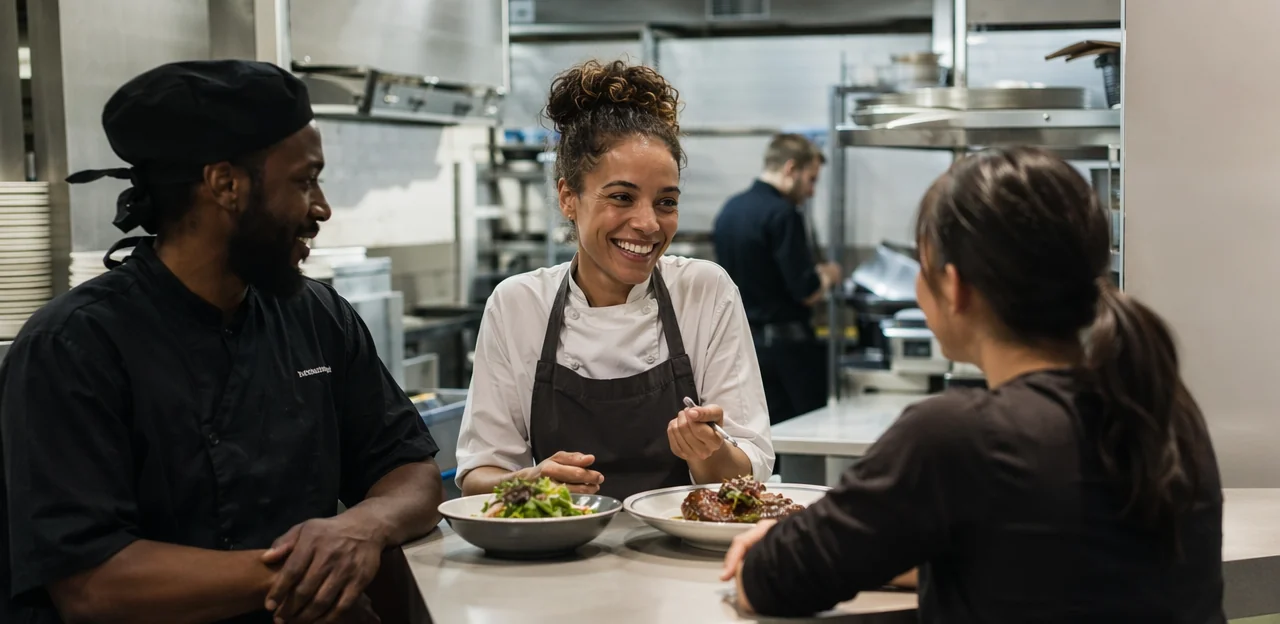
The link between guest experience and public reviews
Online restaurant reviews are usually a public version of what went wrong during the guest experience. Patterns in feedback often point to real operational gaps, not just isolated complaints. Common triggers include:
- Slow service during peak periods
- Order errors caused by unclear handoffs
- Food quality inconsistency across shifts
- Cleanliness problems in dining or restroom areas
- Poor communication when delays or issues happen
Effective restaurant review management starts behind the scenes. If the same issues keep appearing, replying politely online will not protect long-term trust. Strong restaurant reputation management means tracking review themes, identifying root causes, and fixing workflows, staffing, training, or quality checks. Tools like Tapsy can help capture feedback before guests leave, giving teams a chance to recover service before complaints become public.
The cost of unresolved complaints
When a guest leaves unhappy and no one addresses it, the problem rarely disappears—it often becomes one of many negative restaurant reviews. A single ignored complaint can hurt more than one table’s experience:
- Lower ratings: Repeated unresolved issues drag down average star scores.
- Weaker customer retention: Guests who feel ignored are far less likely to return or recommend you.
- Lost revenue: Fewer repeat visits and reduced walk-in trust directly affect sales.
- Reduced visibility: Lower ratings and poor sentiment can weaken local SEO for restaurants, making it harder to appear in map packs and local search results.
Strong restaurant review management starts on-site. Train staff to spot dissatisfaction, empower managers to resolve issues immediately, and use real-time feedback tools such as Tapsy to catch problems before they go public.
Common review triggers in restaurants and cafés
Most restaurant complaints follow a few repeat patterns. Strong restaurant review management starts with spotting these issues early and tracking when they happen.
- Long wait times: Delays for seating, ordering, food delivery, or payment often lead to bad restaurant reviews, especially during peak hours.
- Rude or inattentive service: Tone, slow responses, and poor communication are common service issues in restaurants that guests remember more than the meal itself.
- Billing mistakes: Incorrect charges, unclear fees, or slow bill corrections quickly damage trust.
- Unavailable menu items: Guests get frustrated when signature dishes or promoted specials are sold out.
- Unmet expectations: Cold food, wrong orders, portion size, cleanliness, or value-for-money gaps often trigger negative feedback.
Review complaints by shift, team, and time of day to identify patterns. Tools like Tapsy can help capture feedback before guests post publicly.
How to spot problems before guests leave unhappy

Build real-time feedback into the dining experience
Strong restaurant review management starts before a guest opens Google or Yelp. The goal is to collect real-time guest feedback while the table can still be recovered.
- Train servers to do table touches: Ask simple, timely questions after food arrives: “How is everything tasting?” This surfaces issues early enough to replace a dish or correct an order.
- Add manager check-ins: A quick visit from a manager during the meal helps catch service delays, temperature problems, or unmet expectations before they escalate.
- Use QR surveys at the table or bill folder: Keep your restaurant feedback system short—1 to 3 questions plus an optional comment.
- Send SMS follow-ups shortly after payment: A fast customer satisfaction survey can reach guests while the visit is still fresh.
- Include receipt prompts: Invite diners to share private feedback first, not public criticism.
Tools like Tapsy can help route low scores to staff immediately for faster service recovery.
Train staff to recognize early warning signs
Strong restaurant staff training helps teams spot problems before they become public complaints. In effective restaurant review management, every front-of-house role should know what dissatisfaction looks and sounds like.
- Watch nonverbal cues: long pauses before ordering, untouched food, checking watches, avoiding eye contact, forced smiles, or guests whispering while looking around.
- Listen for hesitation: phrases like “It’s fine,” “We’re still waiting,” or “I don’t want to complain, but…” often signal unresolved issues.
- Identify friction points: slow greeting, drink delays, wrong orders, cold food, missed check-ins, or payment bottlenecks.
Teach staff simple guest complaint handling language:
- Servers: “I’m sorry this missed the mark. Let me fix that right away.”
- Hosts/bartenders: “Thanks for telling me. I’ll get a manager to help immediately.”
Use service recovery training to define escalation: involve a manager for remake requests, repeated delays, billing disputes, or any emotionally upset guest. Tools like Tapsy can also surface issues in real time.
Use operational data to predict review risks
Strong restaurant review management starts before a guest posts anything publicly. Your best early-warning system is often your own restaurant operations data. Use POS reporting and shift-level metrics to spot patterns that regularly turn into negative reviews.
- Ticket times: Repeated delays during lunch, weekends, or specific stations often lead to complaints about slow service.
- Voids, comps, and refunds: Rising counts can signal order errors, inconsistent food quality, or unresolved service issues.
- Refund trends by item or shift: If the same menu item or time block drives refunds, investigate prep, staffing, or handoff problems.
- Staffing gaps: Understaffed shifts often correlate with lower service speed, missed tables, and weaker guest sentiment.
Track these review risk indicators weekly, not just monthly. Combine them with direct guest feedback to identify root causes faster. Tools like Tapsy can help capture in-the-moment complaints, but the prevention work starts by treating operations metrics as a review prevention system.
Create a service recovery process that works

Set clear recovery rules for frontline teams
A strong service recovery process helps staff solve issues before frustration turns into a public complaint. In restaurant review management, the goal is to give frontline teams enough authority to act fast while keeping outcomes fair and consistent.
- Define apology standards: Teach staff to acknowledge the issue, apologize sincerely, and confirm what went wrong without sounding defensive.
- Set recovery thresholds: Clarify when they can offer a replacement dish, refund an item, free dessert, or small discount.
- Escalate at the right time: Require manager involvement for repeat problems, large bills, allergy concerns, or highly upset guests.
- Assign follow-up actions: Log the issue, note the resolution, and check back at the table before the guest leaves.
Consistency strengthens restaurant customer service and improves complaint resolution. Tools like Tapsy can also help route low-score feedback to managers in real time, so teams can recover the experience quickly and fairly.
Respond in the moment with empathy and speed
Strong restaurant review management starts before a guest opens Google or Yelp. Effective restaurant service recovery happens on the spot, with calm, clear action:
- Listen fully: Let the guest explain the issue without interrupting or getting defensive.
- Acknowledge the problem: Use simple language such as, “I’m sorry this happened.”
- Take ownership: Even if the cause is unclear, give a direct customer complaint response that shows accountability.
- Offer a practical fix: Replace the dish, remove an item, expedite service, or involve a manager immediately.
- Confirm satisfaction: Before the guest leaves, check that the solution actually resolved the issue.
This kind of guest recovery can turn a negative moment into trust. If your team uses real-time feedback tools like Tapsy, managers can spot low ratings while the guest is still on-site and step in before frustration becomes a public review.
Document incidents to prevent repeat problems
Strong restaurant review management starts with consistent documentation. Every complaint should be logged in one place so patterns are easy to spot and fix before they turn into public criticism. Use incident tracking inside your restaurant management systems to record:
- Category: slow service, wrong order, food quality, cleanliness, billing, staff attitude
- Shift: breakfast, lunch, dinner, late-night, plus day of week
- Employee: server, host, bartender, kitchen lead, or manager on duty
- Location: table section, drive-thru, patio, counter, restroom, or branch
This structure helps managers see whether issues are tied to one shift, one station, or a training gap. For example, repeated complaints about order accuracy on Friday nights may point to staffing or handoff problems, not isolated mistakes.
Review logs weekly, coach teams with real examples, and track whether fixes reduce repeat incidents. Tools like Tapsy can support fast capture and routing. Better documentation drives operational improvement and fewer negative reviews.
Turn feedback into operational improvements

Identify patterns across channels
Strong restaurant review management starts by connecting every feedback source instead of treating each one separately. Combine multi-channel feedback from the dining room, Google reviews, Instagram comments, delivery apps, and post-visit surveys to spot the same issue appearing in different places.
- Centralize inputs: Log in-person complaints, online reviews, social mentions, delivery app ratings, and survey responses in one dashboard or spreadsheet.
- Tag recurring themes: Use categories like slow service, cold food, order accuracy, staff attitude, cleanliness, and wait times.
- Compare by context: Break down feedback by shift, location, menu item, and delivery partner to improve restaurant review analysis.
- Track frequency and severity: A few low scores may be random; repeated mentions signal an operational problem.
Consistent review monitoring helps restaurants and cafés fix root causes before they become public reputation issues.
Fix root causes, not just symptoms
Strong restaurant review management starts behind the scenes. If the same complaints keep appearing, don’t just reply better, fix the system that created them.
- Address understaffing: Review covers, peak hours, and station load. If wait times spike every Friday night, scheduling is the real issue.
- Improve prep workflows: Map bottlenecks from kitchen prep to table delivery. Better workflow optimization reduces delays, errors, and cold food.
- Increase menu clarity: Rewrite vague dish names and descriptions so guests know what to expect about ingredients, spice level, portions, and allergens.
- Standardize training: Create simple service standards for greetings, upselling, order checks, and recovery steps to support consistent execution.
This is how restaurant operations improvement becomes proactive. Tools like Tapsy can help teams spot recurring patterns early, before they turn into public reviews.
Measure whether changes reduce complaints
To know if your fixes are working, track a small set of restaurant KPIs consistently before and after each operational change. In restaurant review management, the goal is to prove that process improvements lead to better guest sentiment, not just fewer incidents logged.
- Review rating trends: monitor weekly and monthly scores by location, shift, or service type to spot review rating improvement.
- Complaint volume: track total complaints and recurring issue categories such as wait times, order accuracy, or cleanliness.
- Recovery success rate: measure how often staff resolve issues before they become public reviews.
- Repeat visits: use loyalty or POS data to see whether dissatisfied guests return after recovery.
- Response times: track how quickly teams acknowledge and fix problems.
Compare these customer satisfaction metrics over 30, 60, and 90 days. Tools like Tapsy can help capture real-time feedback and make trends easier to measure.
Manage online reviews when issues still go public

How to respond to negative reviews professionally
A strong restaurant review management process includes a clear, brand-safe approach to responding to negative reviews. Use this simple framework:
- Acknowledge the issue calmly and thank the guest for the feedback.
- Show empathy with a specific apology tied to their experience.
- Address the concern briefly with relevant context, not excuses.
- Offer a next step such as a direct contact, refund review, or invitation to return.
- Take it offline to resolve details privately.
Avoid arguing, copy-paste replies, blame, or legalistic language. A professional restaurant review response protects trust, supports online reputation management, and shows future diners that your team listens and acts.
Encourage more positive reviews ethically
A strong restaurant review management strategy focuses on making it easy for happy guests to share honest feedback—without breaking platform rules.
- Ask at the right moment: Request reviews right after a great meal, smooth payment, or resolved issue, while the experience is still fresh.
- Invite satisfied guests naturally: Train staff to ask delighted diners for feedback in a friendly, non-pushy way.
- Simplify review generation: Add QR codes on receipts, table tents, or follow-up messages so guests can leave reviews in seconds.
- Never offer review incentives: Discounts or freebies for public reviews can violate platform policies and damage trust.
Tools like Tapsy can help capture in-the-moment feedback and support compliant ways to get more restaurant reviews and positive customer reviews.
Protect local visibility and brand trust
Strong restaurant review management helps diners find you and trust you before they book. For restaurants, review volume, recency, and response quality all support local search rankings and customer confidence, especially on Google Business Profile for restaurants.
- Increase review volume: A steady flow of authentic reviews signals popularity and relevance to Google.
- Keep reviews recent: Fresh feedback improves visibility in local discovery and reassures guests that standards are current.
- Respond well: Timely, professional replies show accountability and strengthen restaurant brand reputation.
Make review requests part of the dining journey, monitor your Google Business Profile weekly, and resolve issues quickly before they become public complaints. Tools like Tapsy can help capture real-time feedback before a guest posts a negative review.
Build a long-term restaurant review management system

Assign ownership and accountability
Use a clear restaurant review management structure so nothing falls through the cracks:
- GM or owner: Owns review monitoring, escalation decisions, and weekly reporting.
- Shift managers: Handle same-day guest recovery and close the loop on urgent issues.
- Department leads: Coach servers, hosts, and kitchen teams using review trends.
For single-location restaurants, keep one owner and one backup. For multi-unit operators, assign store-level action owners and a regional leader to track the review management workflow and operations accountability across locations.
Create SOPs for feedback and escalation
Clear restaurant SOPs help teams resolve issues before they become public complaints, strengthening restaurant review management across every shift.
- Set response-time targets for each issue type, from minor service delays to food safety concerns.
- Define a complaint escalation process with named owners: server, shift lead, manager.
- Standardize documentation: guest issue, action taken, timestamp, outcome.
- Require follow-up before close of shift to support consistent hospitality operations.
Make review prevention part of company culture
- Set the tone from the top: Strong restaurant leadership should frame restaurant review management as a daily operations priority, not a marketing fix.
- Use pre-shift meetings: Highlight service standards, likely friction points, and one action that supports your guest satisfaction strategy.
- Coach in the moment: Give fast, specific feedback after guest interactions.
- Recognize proactive hospitality: Reward team members who solve issues early and strengthen your hospitality culture.
Conclusion
Effective restaurant review management starts long before a customer posts on Google, Yelp, or TripAdvisor. The most successful restaurants and cafés don’t just react to negative feedback—they build systems to catch friction early, respond quickly, and recover service while the guest is still engaged. From training staff to spot issues, to creating simple in-the-moment feedback channels, to empowering managers to resolve complaints fast, every step helps protect your reputation and strengthen guest loyalty.
The key takeaway is simple: prevention is more powerful than damage control. When you make it easy for diners to share concerns privately, track recurring operational problems, and act on feedback in real time, restaurant review management becomes a growth strategy—not just a defensive one. It improves service consistency, reduces public complaints, and turns unhappy guests into repeat customers.
Now is the time to audit your current process. Review your guest feedback touchpoints, define clear service recovery steps, and equip your team with tools that help surface issues before they escalate. Solutions like Tapsy can help restaurants capture real-time feedback and respond before problems go public. For next steps, create a review response playbook, monitor your most common complaint themes, and invest in systems that support faster recovery and better guest experiences.
Frequently Asked Questions
- What is restaurant review management?
Restaurant review management is the process of preventing, catching, and resolving guest issues before they turn into public complaints. It includes real-time feedback, service recovery, review monitoring, and operational improvements based on recurring patterns.
- Why should restaurants focus on fixing problems before guests post online?
Once frustration becomes a public review, the damage to ratings and trust is harder to undo. Solving issues on-site gives the team a chance to recover the experience, protect the relationship, and reduce negative reviews before they spread.
- What service issues most often lead to negative restaurant reviews?
Common triggers include slow service, order errors, inconsistent food quality, cleanliness problems, poor communication, billing mistakes, and unavailable menu items. Guests also react strongly when expectations are not met, such as cold food or weak value for money.
- How can staff collect guest feedback before diners leave?
Use table touches, manager check-ins, short QR surveys at the table or in the bill folder, receipt prompts, and SMS follow-ups shortly after payment. These methods make it easier for guests to share concerns privately while the visit can still be recovered.
- What are the early warning signs that a guest is unhappy?
Staff should watch for untouched food, long pauses before ordering, checking watches, avoiding eye contact, forced smiles, or guests whispering while looking around. Verbal cues such as 'It's fine,' 'We're still waiting,' or 'I don't want to complain, but...' can also signal unresolved issues.
- How should restaurant staff respond when a guest raises a complaint?
They should listen fully, acknowledge the issue, apologize sincerely, and take ownership without becoming defensive. Then they should offer a practical fix, such as replacing a dish, removing an item, expediting service, or involving a manager right away.
- When should a manager step in during service recovery?
Manager involvement is important for remake requests, repeated delays, billing disputes, allergy concerns, large bills, or any emotionally upset guest. Clear escalation rules help frontline staff act quickly while keeping outcomes fair and consistent.
- What operational data can help predict review risks?
Ticket times, voids, comps, refunds, refund trends by item or shift, and staffing gaps can all reveal patterns that often lead to complaints. Reviewing these metrics weekly helps teams identify root causes before they show up in public reviews.
- What should be included in a restaurant incident log?
Each complaint should be recorded by category, shift, employee, and location. This makes it easier to see whether issues are tied to a certain time, station, role, or branch and to coach teams using real examples.
- How can restaurants turn guest feedback into operational improvements?
Centralize feedback from in-person complaints, online reviews, social comments, delivery apps, and surveys in one place. Then tag recurring themes, compare them by shift or location, and fix root causes such as understaffing, workflow bottlenecks, unclear menu descriptions, or inconsistent training.
- How do you know whether changes are actually reducing complaints?
Track review rating trends, complaint volume, recovery success rate, repeat visits, and response times before and after each change. Comparing those metrics over 30, 60, and 90 days shows whether process improvements are improving guest sentiment.
- What is the best way to respond to a negative restaurant review online?
A strong response acknowledges the issue, thanks the guest, shows empathy, addresses the concern briefly, and offers a next step. It should avoid arguments, blame, copy-paste language, and excuses, then move the detailed resolution offline.
- How can restaurants encourage more positive reviews without breaking platform rules?
Ask satisfied guests at the right moment, such as after a great meal, smooth payment, or a resolved issue. Make reviewing easy with QR codes or follow-up messages, but do not offer discounts or freebies in exchange for public reviews.
- How do reviews affect local visibility for restaurants?
Review volume, recency, and response quality support local search rankings and help build trust with potential guests. Lower ratings and poor sentiment can weaken visibility in map packs and local search results.
- How can Tapsy support restaurant review management?
Tapsy is presented as a real-time feedback tool that helps teams capture guest concerns before they go public. It can route low scores to staff or managers quickly, supporting faster service recovery and better issue tracking.