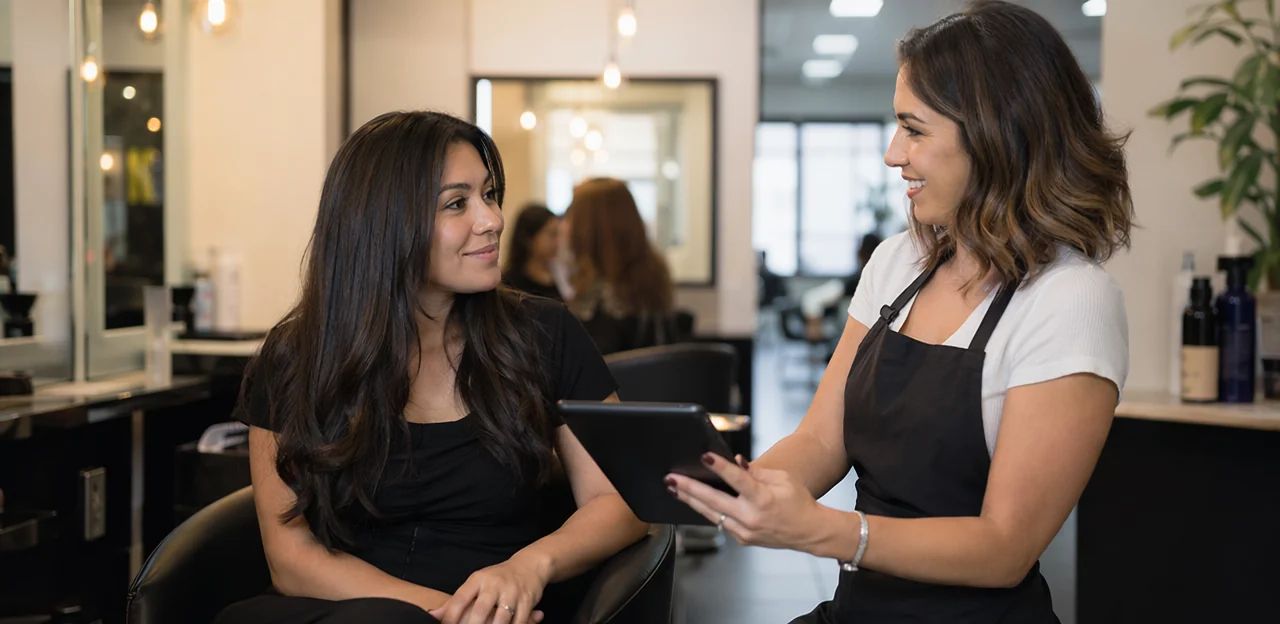
A client may leave your salon with great hair, glowing skin, or perfectly polished nails, but that does not always mean they will come back. In wellness and personal services, retention risks often appear long before a missed appointment or a negative online review. They show up in small frustrations: a rushed consultation, inconsistent service, long wait times, unclear communication, or an experience that simply feels less personal than expected. That is why understanding the true salon customer experience is essential for any business that wants to protect loyalty and grow repeat bookings.
Client feedback offers one of the clearest windows into those hidden warning signs. When collected at the right moments, it can reveal patterns that owners and managers might otherwise miss, from individual staff performance issues to process gaps that quietly push clients away. More importantly, feedback helps salons move from reacting to churn after it happens to preventing it before it starts.
In this article, we will explore how feedback uncovers retention risks, which customer experience signals matter most, and how salons can use those insights to improve service quality, strengthen loyalty, and increase rebooking rates. We will also look at practical ways to capture timely feedback and turn it into meaningful action, including tools like Tapsy that help gather real-time client insights at key touchpoints.
Why salon customer experience directly impacts retention

The link between experience, loyalty, and repeat visits
Every step of the salon customer experience affects whether a client books again. A smooth online booking, warm greeting, short wait, personalized service, and easy checkout all shape trust and satisfaction. When even one touchpoint feels frustrating, client retention can drop.
Strong experiences drive growth because they:
- increase repeat salon visits by making rebooking feel easy and worthwhile
- raise average spend through add-ons, upgrades, and retail recommendations clients trust
- generate referrals when happy clients share their experience with friends
To improve retention, track feedback across the full journey, not just the service itself. Look for patterns in wait times, staff communication, checkout delays, and rebooking friction. Tools like Tapsy can help capture real-time feedback and flag issues before they cost future visits.
What retention risks look like in a salon setting
In a salon, retention risks usually appear as small behavior changes before a client disappears. Tracking these signals helps you spot salon churn early and improve the salon customer experience before loyalty drops.
- Falling rebooking rate: Clients stop booking their next visit before leaving, often after inconsistent service or long wait times.
- Lower visit frequency: Regulars begin stretching appointments from 4 weeks to 6–8 weeks.
- Negative reviews or low ratings: Complaints about staff attitude, results, cleanliness, or delays often predict churn.
- No-shows after a poor visit: A bad appointment can lead to silent drop-off instead of direct complaints.
- Declining retail purchases: When trust weakens, clients buy fewer recommended products.
Measure these trends weekly by stylist, service, and time slot to identify at-risk clients fast.
Why feedback matters more than assumptions
Salon owners often trust instinct, but intuition alone can miss the small issues that quietly damage salon customer experience and reduce repeat bookings. Many clients stay polite in person, then leave frustrated without saying why.
Customer feedback helps uncover hidden friction points such as:
- long or unpredictable wait times
- inconsistent service between stylists or visits
- pricing confusion at checkout
- unclear or rushed staff communication
These details rarely surface through observation alone, but they appear in surveys, follow-ups, and salon reviews. When salons collect and analyze client experience insights regularly, they can fix problems before they turn into churn. A simple real-time tool like Tapsy can help capture fresh feedback at key touchpoints, making service recovery faster and retention risks easier to spot.
Where salons should collect feedback across the client journey

Pre-visit and booking feedback opportunities
The salon customer experience starts long before a client sits in the chair. Pre-visit feedback helps uncover friction in the online booking experience that can quietly damage trust and reduce show-up or rebooking rates.
Focus on feedback from these early touchpoints:
- Website usability: Is pricing clear, mobile-friendly, and easy to navigate?
- Salon appointment booking flow: Are service options, staff selection, and available times simple to understand?
- Response times: How quickly do you reply to booking questions on phone, email, chat, or social?
- Confirmation messaging: Do appointment confirmations include the right date, time, location, and preparation details?
Even small issues—slow pages, confusing forms, or vague confirmations—can make clients doubt professionalism before the service begins. Short post-booking surveys or tools like Tapsy can help salons spot and fix these early retention risks fast.
In-service and post-appointment feedback channels
To improve salon customer experience, collect feedback at moments when clients are most likely to respond and remember details clearly.
- During the appointment: Train stylists to do quick check-ins at key points, such as after consultation, color application, or before finishing. A simple “How is everything feeling so far?” can uncover issues early.
- At checkout: Display a QR code for a fast salon feedback survey with 1–3 questions. Keep it mobile-friendly and under 30 seconds.
- Right after the visit: Send an SMS post-appointment survey within 1–2 hours for the highest response rates.
- Later follow-up: Use email for a slightly longer client satisfaction survey within 24 hours, especially if you want comments on service, atmosphere, and rebooking intent.
Tools like Tapsy can help make QR feedback frictionless and immediate.
Passive feedback from reviews, social media, and behavior
Not every warning sign comes from a survey. A strong salon customer experience strategy also tracks passive signals that reveal retention risks early.
- Monitor online reviews: Google and Yelp comments often highlight recurring issues like wait times, rushed appointments, pricing confusion, or inconsistent results.
- Use social listening for salons: Watch Instagram DMs, story replies, tags, and comments for complaints, praise, or unanswered questions.
- Read customer behavior data: Cancellations, longer rebooking gaps, fewer prepaid package visits, and reduced retail purchases can signal fading loyalty before a client leaves.
Behavioral trends add context to survey scores. A client may rate a visit positively but still stop rebooking regularly. Combining feedback, online reviews, and booking patterns helps salons spot silent churn and act faster with follow-up, recovery offers, or staff coaching.
How feedback reveals the biggest retention risks

Service consistency and quality concerns
Feedback is one of the clearest ways to spot gaps in salon customer experience before they turn into lost clients. When reviews, surveys, or direct comments mention different outcomes from one visit to the next, they often reveal problems with service consistency, uneven training, or unclear standards.
Common warning signs include:
- inconsistent cut, color, or treatment results between appointments
- services that do not match client expectations set during booking or consultation
- rushed appointments that feel impersonal or incomplete
- noticeable differences in salon service quality across stylists or shifts
Consistency matters because trust is built on predictability. Clients return when they know they will receive the same level of care, communication, and results every time.
To act on feedback:
- track comments by stylist, service, and time slot
- standardize consultations and aftercare guidance
- coach team members using recurring feedback themes
- use tools like Tapsy to capture real-time service insights across locations or staff
Operational friction that drives silent churn
Not every lost client leaves a complaint. In many cases, salon customer experience declines because of small operational problems that feel minor internally but frustrating to clients over time. Common retention risks include:
- Long wait times that make appointments feel disorganized
- Scheduling issues such as limited availability, double-booking, or hard-to-use booking systems
- Unclear policies around cancellations, deposits, or late arrivals
- Checkout delays that create a poor final impression
- Poor communication about timing, service changes, or pricing
These moments rarely trigger dramatic feedback on their own. Instead, they build quietly across visits until a client decides another salon feels easier, faster, and more respectful of their time.
To reduce friction, review feedback by touchpoint, not just by stylist or service. Tools like Tapsy can help salons capture issues in real time and improve salon operations before silent churn turns into lost revenue.
Emotional and relationship-based warning signs
Many retention problems in salon customer experience start long before a client stops booking. Feedback often reveals emotional friction: clients feel ignored, rushed, or treated like a transaction instead of a person. That weakens the client relationship and increases churn risk.
Key warning signs include:
- Flat or impersonal tone: Clients notice when staff sound distracted, dismissive, or overly scripted.
- Lack of personalization: A weak personalized salon experience shows up when preferences, past services, or comfort needs are forgotten.
- Poor consultations: If clients feel unheard during consultations, they may leave unsure, disappointed, or mistrustful of recommendations.
- Weak service recovery: Mistakes happen, but poor service recovery—defensiveness, delays, or no follow-up—often causes the real loss.
To reduce risk, track comments about communication, warmth, and trust, not just technical quality. Tools like Tapsy can help salons capture these signals quickly and act before a dissatisfied client disappears.
Turning salon feedback into actionable retention strategies
Prioritize issues by impact and frequency
Strong feedback analysis helps turn raw comments into a practical salon improvement plan. Start by grouping feedback into themes such as wait times, staff attitude, service consistency, cleanliness, pricing, and booking friction. Then rank each issue by two factors: how often it appears and how strongly it affects rebooking, reviews, and spend.
- High impact + high frequency: Fix first. These are the biggest threats to salon customer experience and loyalty.
- High impact + low frequency: Investigate quickly, especially if they involve hygiene, rude service, or billing errors.
- Low impact + high frequency: Improve through process tweaks.
- Low impact + low frequency: Monitor, but don’t overreact.
This approach keeps your customer retention strategy focused on the issues most likely to reduce repeat visits and revenue.
Close the loop with clients and staff
Collecting feedback only improves the salon customer experience if you act on it quickly and consistently. Build a simple process for responding to feedback so every concern gets acknowledged and assigned.
- Reply fast: Thank clients for positive comments and respond to negative feedback within 24 hours.
- Prioritize client follow-up: Contact dissatisfied clients personally, apologize clearly, confirm what went wrong, and offer a practical next step such as a redo, refund, or rebooking support.
- Share insights internally: Give stylists, front desk teams, and managers regular summaries of recurring themes, not just one-off complaints.
- Use feedback for staff coaching: Turn patterns into coaching conversations, service standards, and training opportunities.
Keep accountability clear, but avoid blame. Focus on behaviors, systems, and support needed to improve. Tools like Tapsy can help route issues quickly to the right team.
Build systems that improve the experience over time
Strong salon customer experience results come from repeatable habits, not one-off fixes. Turn feedback into a simple customer experience management system by tightening the moments that most affect retention:
- Use consultation checklists to confirm preferences, sensitivities, timing, and desired outcomes before every service.
- Define clear service standards for greeting, cleanliness, communication, upselling, and checkout so every visit feels consistent.
- Train rebooking scripts that feel helpful, not pushy, such as recommending the next ideal appointment before the client leaves.
- Send wait-time alerts when delays happen to reduce frustration and show respect for clients’ schedules.
- Monitor reviews weekly to spot patterns, coach staff, and prioritize salon process improvement.
Tools like Tapsy can help capture real-time feedback and support faster service recovery.
Metrics salons should track to measure experience and loyalty
Core customer experience KPIs
Track a small set of customer experience KPIs consistently to spot retention risks early and improve salon customer experience:
- CSAT: Measures immediate satisfaction after an appointment. Falling CSAT often signals issues with wait times, staff communication, service quality, or cleanliness.
- NPS for salons: Shows how likely clients are to recommend your salon. A drop in NPS can indicate weakening loyalty, even if bookings still look stable.
- Review ratings: Public ratings reflect brand perception at scale. Watch for repeated complaints in review text, not just the average score.
- Complaint volume: Rising complaints usually point to operational friction. Track categories to find root causes fast.
- Response rates: Low response rates can mean feedback fatigue or poor survey timing. Tools like Tapsy can help capture fresher, in-the-moment feedback.
Retention and revenue indicators
To connect salon customer experience feedback with business results, track the salon retention metrics that move revenue:
- Rebooking rate: Shows whether clients leave ready to return. Low post-visit feedback on service quality, wait time, or checkout often predicts fewer rebookings.
- Repeat visit rate: Measures how many clients come back within a set period. Declining satisfaction scores usually appear before repeat visits drop.
- Client lifetime value: Strong feedback trends often lead to higher client lifetime value through more visits, upgrades, and retail purchases.
- Churn rate: Negative comments and unresolved complaints are early warning signs of client loss.
- Average ticket size: Happy clients spend more on add-ons and premium services.
- Referral rate: Positive feedback and high satisfaction increase your referral rate, turning loyal clients into growth channels.
How to create a simple salon feedback dashboard
Build a feedback dashboard that combines three signals into one weekly or monthly view of salon customer experience:
- Survey data: track CSAT, NPS, service quality, wait time, and stylist-specific feedback.
- Review sentiment analysis: group Google and social reviews into themes like friendliness, cleanliness, pricing, and appointment delays.
- Booking behavior: monitor rebooking rate, no-shows, cancellations, and time between visits.
For useful salon analytics, create a simple scorecard by stylist, service, and location. Review it monthly with the team, highlight recurring issues, and assign clear actions. Keep the dashboard visible so staff can see progress, spot retention risks early, and improve consistently. Tools like Tapsy can help centralize fresh in-person feedback.
Best practices for creating a client-centered salon experience

- Use a salon CRM to store quick client notes after each appointment: preferred stylist, color formula, sensitivities, favorite add-ons, and booking habits.
- Track client preferences in a simple, standardized format so staff can personalize without relying on memory.
- Turn feedback into tailored recommendations, such as suggesting a gloss refresh, product refill, or quieter appointment slot based on past comments.
This creates a more personalized client experience and strengthens salon customer experience without slowing the team down. The key is keeping notes brief, searchable, and easy to apply at check-in and rebooking.
- Build salon staff training into every stage of onboarding so new hires learn your brand voice, service steps, and non-negotiable customer service standards from day one.
- Use role-play to strengthen communication, including greetings, timing updates, product recommendations, and handling sensitive concerns with empathy.
- Prioritize consultation training so stylists ask consistent questions about goals, preferences, budget, and maintenance before starting any service.
- Create clear recovery protocols for delays, mistakes, or discomfort, and use tools like Tapsy to spot issues quickly and protect the salon customer experience.
Creating a feedback culture that supports loyalty
A strong feedback culture improves salon customer experience by making client input part of everyday operations, not just a reaction to complaints.
- Ask consistently: Invite feedback after appointments, at checkout, and through follow-up messages.
- Normalize improvement: Train staff to see feedback as coaching, not criticism.
- Reward responsiveness: Thank clients, resolve issues quickly, and recognize team members who act on insights.
Tools like Tapsy can help collect real-time feedback and trigger fast recovery. When clients feel heard, client loyalty grows, retention improves, and your brand reputation strengthens over time.
Conclusion
In the salon industry, retention problems rarely appear overnight—they show up first in the details of the salon customer experience. A missed greeting, long wait time, inconsistent service quality, or unresolved complaint can quietly push clients toward another provider. That’s why feedback matters so much. When salons collect and act on real-time client input, they can spot dissatisfaction early, recover service issues quickly, and strengthen the moments that lead to repeat bookings.
The key takeaway is simple: feedback is not just a measurement tool; it’s an early warning system for loyalty and retention risks. By tracking patterns across appointments, staff, locations, and service types, salon owners can identify what keeps clients coming back and what may be driving them away. Improving the salon customer experience then becomes a practical, ongoing strategy rather than guesswork.
The next step is to build a consistent feedback loop into your client journey. Review your booking, check-in, treatment, checkout, and follow-up touchpoints, and make it easy for clients to share their experience while it’s still fresh. Tools like Tapsy can help salons capture instant feedback and turn positive experiences into rebooking opportunities.
If you want stronger loyalty, better reviews, and more repeat visits, start by listening more closely. A better salon customer experience begins with the feedback your clients are already ready to give.
Frequently Asked Questions
- Why can a salon lose clients even when the service result looks good?
A good haircut, facial, or manicure does not guarantee loyalty if the overall experience feels frustrating or impersonal. Small issues like rushed consultations, long waits, inconsistent service, or unclear communication can reduce trust and make clients less likely to return.
- What are the earliest signs of retention risk in a salon?
Early warning signs include falling rebooking rates, longer gaps between visits, lower retail purchases, negative reviews, and no-shows after a poor appointment. These changes often appear before a client fully stops booking.
- Why is client feedback more reliable than owner intuition alone?
Clients often stay polite during the visit and leave without explaining what felt wrong. Feedback collected through surveys, follow-ups, and reviews reveals hidden friction such as wait times, pricing confusion, and inconsistent communication that observation may miss.
- At which points in the salon journey should feedback be collected?
Feedback should be gathered before the visit, during the appointment, at checkout, shortly after the service, and through later follow-up. Salons should also monitor passive signals from online reviews, social media, cancellations, and booking behavior.
- How can salons collect pre-visit feedback effectively?
Focus on the booking experience by checking website usability, pricing clarity, service selection, response times, and confirmation messages. Short post-booking surveys can help identify confusing forms, slow pages, or vague appointment details before they affect trust.
- What is the best way to ask for feedback during and after an appointment?
Stylists can do quick in-service check-ins at key moments, such as after the consultation or before finishing. At checkout, a short QR survey works well, while SMS within 1–2 hours and email within 24 hours can capture fresh post-visit feedback.
- What passive feedback signals should salons watch besides surveys?
Salons should monitor Google and Yelp reviews, Instagram messages, comments, tags, and story replies for recurring concerns or praise. Behavioral signals like cancellations, fewer package visits, reduced retail purchases, and longer rebooking gaps also help reveal silent churn.
- How does feedback uncover service consistency problems?
Repeated comments about different results between visits, rushed appointments, or uneven quality across stylists often point to training gaps or unclear standards. Tracking feedback by stylist, service, and time slot helps identify where consistency is breaking down.
- Which operational issues most often push salon clients away quietly?
Common problems include long wait times, scheduling friction, double-booking, unclear cancellation or deposit policies, checkout delays, and poor communication about timing or pricing. These issues may seem minor individually, but they build frustration across multiple visits.
- What emotional warning signs in feedback suggest a client may churn?
Comments about staff sounding flat, distracted, dismissive, or overly scripted can signal weakening relationships. Other risks include forgotten preferences, poor consultations, and weak service recovery after mistakes or discomfort.
- How should salons decide which feedback issues to fix first?
Group feedback into themes and rank each issue by frequency and business impact. Problems that happen often and strongly affect rebooking, reviews, or spend should be addressed first, while lower-impact issues can be monitored or improved gradually.
- What does it mean to close the loop on salon feedback?
Closing the loop means responding quickly, acknowledging concerns, and taking clear follow-up action. That can include thanking clients for positive comments, contacting dissatisfied clients within 24 hours, offering practical solutions, and sharing patterns internally for coaching.
- Which metrics best connect salon experience to loyalty and revenue?
Useful experience metrics include CSAT, NPS, review ratings, complaint volume, and response rates. To connect feedback with business outcomes, track rebooking rate, repeat visit rate, churn rate, client lifetime value, average ticket size, and referral rate.
- How can a salon build a simple feedback dashboard?
Combine survey data, review sentiment, and booking behavior into one weekly or monthly view. A practical dashboard tracks service quality, wait time, stylist-specific feedback, rebooking rate, cancellations, no-shows, and time between visits by stylist, service, and location.
- How can tools like Tapsy support salon retention efforts?
Tools like Tapsy can help salons capture real-time feedback at key touchpoints such as booking, checkout, and post-visit follow-up. That makes it easier to spot issues quickly, support faster service recovery, and identify patterns across staff, services, or locations.