A relaxing spa experience is built on dozens of small details: the warmth of the welcome, the cleanliness of the treatment room, the therapist’s professionalism, the ambiance, and even the ease of booking. When one of those elements falls short, clients notice—and their feedback can reveal exactly where improvement is needed. That’s why reviewing spa customer feedback examples is so valuable for spa owners, managers, and guest experience teams who want to strengthen satisfaction, loyalty, and repeat visits.
In this article, we’ll look at how real-world spa customer feedback examples can uncover hidden friction points across the client journey, from reception delays and inconsistent service quality to facility upkeep and post-treatment follow-up. More importantly, we’ll explore how to interpret that feedback in a practical way, so it leads to meaningful operational changes rather than sitting unused in a survey dashboard.
Whether you manage a day spa, wellness center, salon-spa hybrid, or luxury retreat, understanding what clients are really saying can help you improve both service standards and overall brand perception. We’ll also cover the types of comments and patterns worth tracking, along with simple ways to capture timely insights through tools like Tapsy, which can help collect feedback right at key wellness touchpoints.
Why Spa Customer Feedback Matters for Guest Experience
How feedback reveals operational blind spots
Guest comments often uncover patterns that spa teams normalize or simply do not see day to day. Reviewing spa customer feedback examples helps managers spot friction before it damages loyalty and the overall spa guest experience.
- Scheduling friction: Clients mention confusing booking steps, limited availability, or hard-to-change appointments.
- Unclear communication: Feedback highlights missing pre-treatment instructions, unclear pricing, or inconsistent policy explanations.
- Inconsistent treatment quality: Comments reveal differences between therapists, rooms, or service times.
- Front-desk delays: Guests often notice check-in bottlenecks before managers do.
Strong client feedback for spas turns isolated complaints into improvement priorities. Tools like Tapsy can help capture real-time insights and support continuous operational improvement.
The business value of listening to spa clients
Analyzing spa customer feedback examples helps spas turn everyday comments into measurable growth. Strong feedback practices improve the spa client experience and uncover what drives loyalty.
- Retention: Clients who feel heard are more likely to return after treatments.
- Repeat bookings: Feedback reveals friction points like wait times, booking issues, or inconsistent service.
- Online reputation: Positive reviews highlight strengths to promote, while negative reviews show where service recovery is needed.
- Referrals: Memorable experiences create word-of-mouth growth and stronger trust.
- Revenue: Better service, cleaner facilities, and smoother booking journeys increase spend over time.
Use spa review insights to spot patterns, prioritize fixes, and replicate what clients already love. Tools like Tapsy can help capture feedback while the visit is still fresh.
Common feedback channels spas should monitor
To uncover useful spa customer feedback examples, spas should monitor multiple channels rather than relying on one source alone:
- Post-appointment surveys: Send a short spa feedback survey immediately after treatments to capture fresh impressions on therapist skill, cleanliness, wait times, and ambiance.
- Google reviews: Track spa reviews regularly to spot recurring praise or complaints that influence bookings.
- Social media comments: Watch Instagram, Facebook, and TikTok for unfiltered reactions about service quality and atmosphere.
- SMS follow-ups: Quick text check-ins often earn higher response rates than longer forms.
- Email surveys: Use these for more detailed feedback on the full guest journey.
- In-person conversations: Train staff to note comments shared at reception or checkout.
Tools like Tapsy can help capture feedback on-site while experiences are still fresh.
Spa Customer Feedback Examples by Service Touchpoint
Booking and check-in feedback examples
These spa customer feedback examples often highlight friction before the treatment even begins. Small issues in the spa booking experience can shape the entire visit:
- “The online booking process was confusing.”
This suggests unclear service descriptions, too many steps, or poor mobile usability. Improve by simplifying the booking flow, using plain language, and showing treatment duration, pricing, and availability upfront. - “I got a reminder, but it didn’t clearly say when to arrive or what to bring.”
This points to communication gaps in pre-visit messaging. Appointment reminders should include time, arrival guidance, parking details, cancellation policy, and any preparation instructions. - “Check-in felt rushed and impersonal.”
This may indicate understaffing, weak front-desk training, or no clear arrival process. A calmer welcome, better queue management, and a short orientation can improve first impressions.
Collecting real-time feedback at reception or after booking through tools like Tapsy can help spas spot these issues early and refine the guest journey.
Treatment and therapist feedback examples
These spa customer feedback examples help pinpoint where service quality breaks down and what managers should improve:
- Massage pressure: “The therapist was friendly, but the pressure was much too strong even after I asked for lighter work.” This type of massage customer feedback often reveals listening gaps, weak consultation habits, or inconsistent pressure-control training.
- Facial customization: “My facial felt generic and didn’t reflect my skin concerns.” Comments like this suggest unmet expectations around personalization and product selection.
- Therapist professionalism: “The treatment was relaxing, but the therapist seemed rushed and spoke too casually.” This can highlight coaching needs in communication, etiquette, and service pacing.
- Cleanliness and comfort: “The room was calming, but the towel felt damp and the bed wasn’t fully comfortable.” Feedback here points to operational consistency issues, not just therapist performance.
- Privacy: “I could hear conversations outside the room during my treatment.” This signals environmental problems that affect relaxation and perceived quality.
To act on these spa service feedback examples, track recurring themes by therapist, treatment type, and room. Tools like Tapsy can help capture feedback immediately after the service.
Checkout and post-visit feedback examples
These spa customer feedback examples often highlight issues that happen after a great treatment, when the spa checkout experience should feel effortless and reassuring:
- “I felt pressured to buy products at the desk.”
This suggests a need for softer upselling, clearer staff training, and more consultative language. - “Checkout took too long, even though the spa was quiet.”
Payment delays can point to slow systems, unclear billing steps, or understaffed reception during peak departure times. - “I was recommended three products, but no one explained which one was right for me.”
Unclear product recommendations create confusion and reduce trust. Staff should connect each suggestion to the client’s treatment goals. - “No one followed up after my facial, so I wasn’t sure what to use or when to book again.”
Stronger post-visit spa feedback processes can uncover missed retention opportunities.
Use feedback at checkout and after visits to streamline payment, reduce sales friction, and build stronger client relationships. Tools like Tapsy can help capture these insights while they are still fresh.
How to Interpret Feedback and Find Root Causes

Separate one-off complaints from recurring patterns
To analyze spa feedback effectively, sort comments by frequency, severity, and business impact. A single complaint may reflect an isolated bad day, but repeated themes signal operational issues that need action.
- Frequency: Group similar comments together. If multiple guests mention long wait times, noisy relaxation areas, or uneven therapist quality, you are seeing customer feedback patterns, not random opinions.
- Severity: Prioritize issues involving hygiene, privacy, safety, or staff behavior, even if they appear less often.
- Business impact: Focus first on problems that hurt retention, reviews, and rebooking rates.
In many spa customer feedback examples, recurring complaints about wait times, noise levels, or inconsistent service deserve immediate attention because they directly weaken the calming, premium experience clients expect. Tools like Tapsy can help track these themes in real time.
Identify emotional signals behind client comments
Star ratings show what happened, but comments often reveal how it felt. In spa customer feedback examples, words like “peaceful,” “forgotten,” “hurried,” or “thoughtful” uncover the emotional layer behind the visit. This is where guest sentiment analysis becomes useful.
Look for patterns such as:
- Relaxed: “I finally switched off” signals the atmosphere met spa client expectations.
- Ignored: “No one checked on me” points to gaps in attentiveness.
- Rushed: “The treatment felt shortened” may reflect timing or staffing issues.
- Disappointed: “It wasn’t as calming as expected” highlights unmet promises.
- Delighted: “Every detail felt personal” shows memorable service strengths.
Tag comments by tone, wording, and sentiment so teams can fix friction points and repeat what guests love.
Connect feedback to systems, staffing, and training
Many spa customer feedback examples that mention “rushed treatments” or “inconsistent service” are not isolated staff mistakes. They often reveal operational gaps that need deeper review for real service quality improvement.
- Understaffing: Repeated complaints about delays, short sessions, or hurried therapists may signal unrealistic scheduling or poor shift coverage.
- Weak handoffs: If clients repeat preferences or medical notes, the issue may be reception-to-therapist communication, not attitude.
- Unclear standards: Inconsistent greetings, room setup, or aftercare advice often point to missing service protocols.
- Limited coaching: Feedback about pressure, technique, or personalization can highlight a need for better spa staff training and therapist mentoring.
Instead of fixing one complaint at a time, track patterns by shift, service, and team. Tools like Tapsy can help capture trend-based insights quickly.
Turning Spa Feedback Into Actionable Improvements
Prioritize quick wins and high-impact fixes
When reviewing spa customer feedback examples, start with the changes that are easiest to implement and most noticeable to guests. These quick wins can immediately improve spa customer experience while building momentum for larger spa service improvements.
- Upgrade appointment reminders: Send clear text or email reminders with treatment time, cancellation policy, and parking details.
- Clarify arrival instructions: Tell guests when to arrive, what to bring, and how locker or check-in processes work.
- Fix robe and amenity availability: Make sure robes, slippers, towels, and stocked lockers are consistently ready.
- Reduce front-desk wait times: Adjust staffing during peak hours and streamline check-in steps.
Tools like Tapsy can help capture feedback at reception or exit points, so small operational issues are spotted and resolved faster.
Create service standards from recurring feedback
The best spa customer feedback examples reveal patterns, not just one-off complaints. When the same themes appear repeatedly, turn them into clear spa SOPs and measurable guest experience standards.
- Group feedback by touchpoint: booking, check-in, treatment start, therapist communication, cleanliness, checkout, and follow-up.
- Build checklists: if guests mention room setup or amenity gaps, create opening and reset checklists for every treatment room.
- Write service scripts: standardize greetings, consultation questions, pressure check-ins, and aftercare recommendations.
- Set therapist protocols: define timing, draping, hygiene, product use, and personalization steps.
- Audit consistency: review scores by therapist, shift, or location to spot training needs.
Tools like Tapsy can help capture and compare recurring themes across teams and sites.
Close the loop with clients after changes
Collecting spa customer feedback examples is only useful if guests see that their comments lead to action. Strong responding to spa reviews practices show clients that their opinions matter, while thoughtful customer feedback follow-up builds credibility and loyalty.
- Reply promptly: Thank guests for both positive and negative reviews in a warm, professional tone.
- Acknowledge specifics: Reference the exact issue they mentioned, such as wait times, room temperature, or therapist communication.
- Share improvements made: Let clients know what changed, like updated booking steps, extra staff training, or enhanced cleanliness checks.
- Invite future feedback: Encourage them to return and share their experience again.
This simple loop strengthens trust, improves retention, and motivates more honest, useful feedback over time.
Best Practices for Collecting Better Spa Feedback
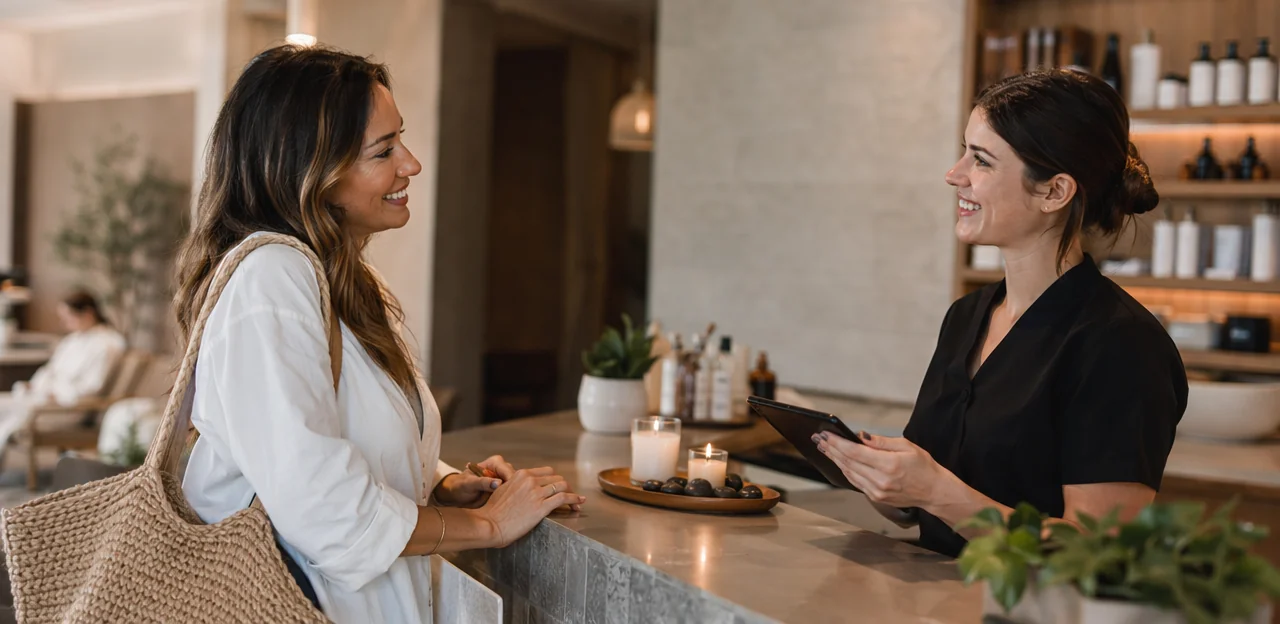
Ask the right survey questions at the right time
To get useful spa customer feedback examples, send a customer feedback form for spa services when the experience is still fresh:
- Right after the visit: Use quick rating-scale spa survey questions like “How satisfied were you with your treatment?” and “How would you rate cleanliness, ambiance, and staff professionalism?”
- A few hours later: Add open-ended prompts such as “What could we improve?” or “What stood out most about your visit?”
- Service-specific questions: Ask targeted questions for massages, facials, or nail services, such as pressure preference, product comfort, or treatment results.
Keep surveys short, clear, and tied to the exact service received. Tools like Tapsy can help capture feedback at the right touchpoint.
Encourage honest feedback without friction
To collect spa feedback consistently, remove every barrier between the guest experience and their response. Many effective spa customer feedback examples succeed because they feel quick, private, and convenient.
- Use mobile-friendly surveys: Send a QR code or SMS link guests can open instantly after treatment.
- Keep forms short: Ask 2–4 focused questions, plus one optional comment box.
- Offer anonymous options: Guests are often more candid when they can share concerns without pressure.
- Personalize follow-ups: A brief message referencing their visit shows you value their opinion and strengthens your guest feedback strategy.
- Capture feedback in the moment: Tools like Tapsy can help gather fast, no-app responses while the experience is still fresh.
Use feedback data to benchmark performance
To turn spa customer feedback examples into measurable progress, build a simple feedback benchmarking system and review it monthly. Track a small set of spa customer satisfaction metrics so you can spot patterns, compare periods, and prove improvement over time:
- Satisfaction scores: Monitor average ratings by service, therapist, location, or shift.
- Review themes: Tag comments for recurring issues like cleanliness, wait time, staff friendliness, or ambiance.
- Repeat visit rates: Measure whether happier guests return more often after service changes.
- Complaint resolution speed: Track how quickly issues are acknowledged and resolved.
Tools like Tapsy can help capture and compare this data across touchpoints in real time.
Common Mistakes Spas Make With Customer Feedback
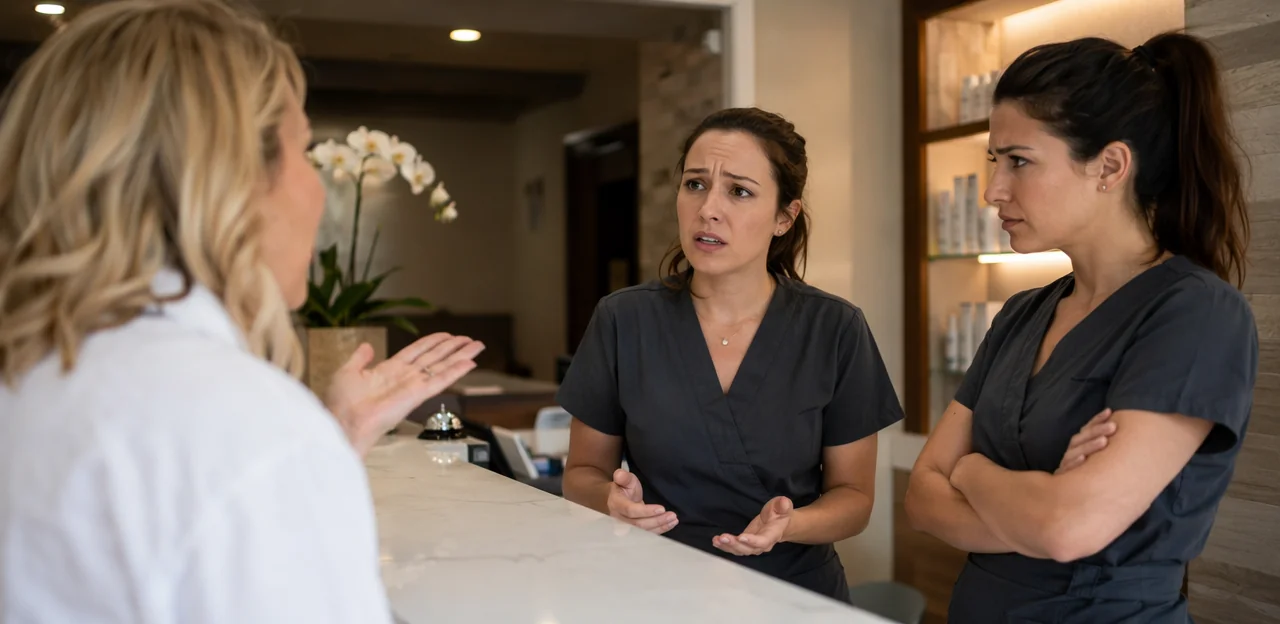
Ignoring neutral feedback and focusing only on complaints
One of the most common spa feedback mistakes is treating “it was fine” as harmless. In many spa customer feedback examples, neutral comments signal early guest experience issues that can later turn into negative reviews.
- Ambiance: “Relaxing, but the music was too loud” points to sensory mismatch.
- Communication: “Staff were polite, but I wasn’t sure what happened next” reveals unclear guidance.
- Perceived value: “Good treatment, just a bit expensive for the experience” suggests pricing or packaging concerns.
Track neutral patterns, not just complaints. Tools like Tapsy can help capture these subtle friction points in real time.
Responding defensively instead of constructively
Among common spa customer feedback examples, defensive replies are one of the fastest ways to damage trust. When a spa argues, blames the guest, or dismisses concerns, future clients may see the brand as unprofessional and unwilling to improve.
Follow these review response best practices:
- Acknowledge the experience without debating the client’s feelings.
- Apologize sincerely for the disappointment or inconvenience.
- Offer a next step such as a direct contact, rebooking support, or service recovery.
- Use feedback internally to strengthen spa reputation management and prevent repeat issues.
Empathetic, solution-focused responses build credibility, protect reputation, and encourage long-term loyalty.
Failing to share feedback insights with the whole team
One of the most common lessons in spa customer feedback examples is that issues rarely belong to one department alone. Strong spa team communication ensures feedback reaches everyone who shapes the visit:
- Front-desk staff: improve check-in speed, booking accuracy, and first impressions
- Therapists: adjust service delivery, pressure, personalization, or aftercare guidance
- Managers: spot patterns, coach staff, and fix operational gaps
- Marketing teams: align promotions and messaging with real client expectations
This is essential for effective customer experience management, because clients notice consistency across the full journey. Tools like Tapsy can help route insights quickly to the right teams.
Conclusion
Ultimately, the best spa customer feedback examples do more than highlight compliments or complaints—they uncover the small friction points that shape the entire guest experience. From comments about reception wait times and treatment consistency to notes on cleanliness, ambiance, and staff communication, each piece of feedback offers a practical opportunity to improve service quality, retention, and reputation.
When spas actively review patterns in feedback, they can identify what matters most to clients, prioritize operational fixes, and create more personalized, memorable visits. The real value lies in turning insights into action: coaching teams, refining booking and check-in processes, improving facility standards, and following up on issues before they affect loyalty.
If you want stronger client satisfaction and repeat bookings, start collecting and reviewing spa customer feedback examples consistently across every touchpoint. Build a simple process for spotting trends, responding quickly, and measuring improvements over time. For teams that want a faster, in-the-moment way to capture guest insights, tools like Tapsy can help gather feedback right at the spa experience touchpoint.
Next, consider creating feedback templates for treatment rooms, reception, and post-visit follow-ups, then track recurring themes monthly. The more intentionally you listen, the easier it becomes to deliver the elevated spa experience your clients expect—and return for.
Frequently Asked Questions
- Why is spa customer feedback important for guest experience?
Spa feedback helps reveal operational blind spots that teams may overlook in daily routines. It shows where friction appears across booking, check-in, treatment quality, cleanliness, communication, and follow-up, so managers can improve satisfaction, loyalty, and repeat visits.
- What kinds of problems can spa feedback uncover before loyalty is affected?
Client comments can expose confusing booking steps, unclear pre-treatment instructions, front-desk delays, and inconsistent service between therapists or rooms. These patterns help spas identify issues early instead of waiting for retention or review scores to decline.
- Which feedback channels should spas monitor regularly?
Spas should watch post-appointment surveys, Google reviews, social media comments, SMS follow-ups, email surveys, and in-person comments at reception or checkout. Using multiple channels gives a fuller picture than relying on one source alone.
- What does feedback about a confusing booking process usually mean?
It often points to unclear service descriptions, too many booking steps, or poor mobile usability. A better approach is to simplify the flow and clearly show treatment duration, pricing, and availability upfront.
- How should spas improve appointment reminders and pre-visit communication?
Reminders should include the appointment time, when to arrive, what to bring, parking details, cancellation policy, and any preparation instructions. Clear pre-visit messaging reduces confusion and helps guests feel more prepared before they arrive.
- What can therapist-related feedback reveal about service quality?
Comments about pressure, personalization, professionalism, or pacing can show listening gaps, weak consultation habits, or training needs. Feedback about comfort, privacy, and room setup may also reveal operational consistency problems beyond individual therapist performance.
- How can spas tell the difference between a one-off complaint and a real pattern?
Sort comments by frequency, severity, and business impact. Repeated mentions of the same issue, such as wait times or noise, usually signal a recurring operational problem, while serious concerns involving hygiene, privacy, safety, or staff behavior should be prioritized even if they appear less often.
- Why do emotional words in spa reviews matter?
Words like "relaxed," "ignored," "rushed," or "delighted" show how the experience felt, not just what happened. Tracking sentiment helps teams understand whether the spa delivered the calm, attentive, and personalized experience guests expected.
- How can spas connect negative feedback to systems instead of blaming one employee?
Repeated complaints about rushed treatments, delays, or inconsistent service often point to understaffing, weak handoffs, unclear standards, or limited coaching. Reviewing patterns by shift, service, and team makes it easier to find root causes and improve operations.
- What are the best quick wins after reviewing spa feedback?
Useful first steps include improving appointment reminders, clarifying arrival instructions, making sure robes and amenities are consistently available, and reducing front-desk wait times. These changes are noticeable to guests and can quickly improve the overall experience.
- How do recurring comments become service standards?
Group feedback by touchpoint, then turn repeated issues into checklists, scripts, and clear therapist protocols. Spas can standardize greetings, consultations, room setup, hygiene steps, aftercare guidance, and consistency checks across shifts or locations.
- What does it mean to close the loop with spa clients?
Closing the loop means replying promptly, acknowledging the specific issue raised, and sharing what changed as a result. This shows clients their feedback matters and helps build trust, credibility, and loyalty.
- When should spas ask for feedback to get better responses?
A short survey works best right after the visit while the experience is still fresh. A few hours later, spas can follow up with open-ended questions and service-specific prompts about massages, facials, or other treatments.
- How can spas make feedback collection feel easy and honest?
Use mobile-friendly surveys, QR codes, or SMS links, and keep forms short with only a few focused questions plus an optional comment box. Anonymous options and personalized follow-ups can also encourage more candid and useful responses.
- What common mistakes do spas make when handling customer feedback?
Common mistakes include ignoring neutral comments, responding defensively to reviews, and failing to share insights across front-desk teams, therapists, managers, and marketing. Neutral feedback often signals early friction, while constructive responses and internal communication help prevent repeat issues.