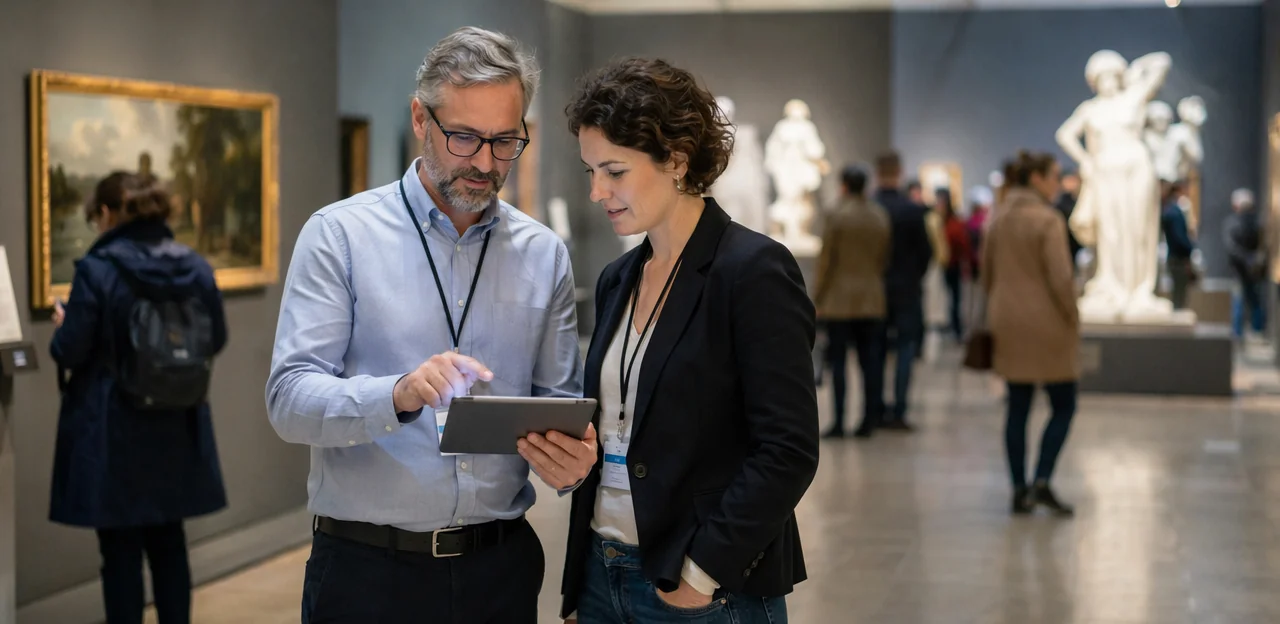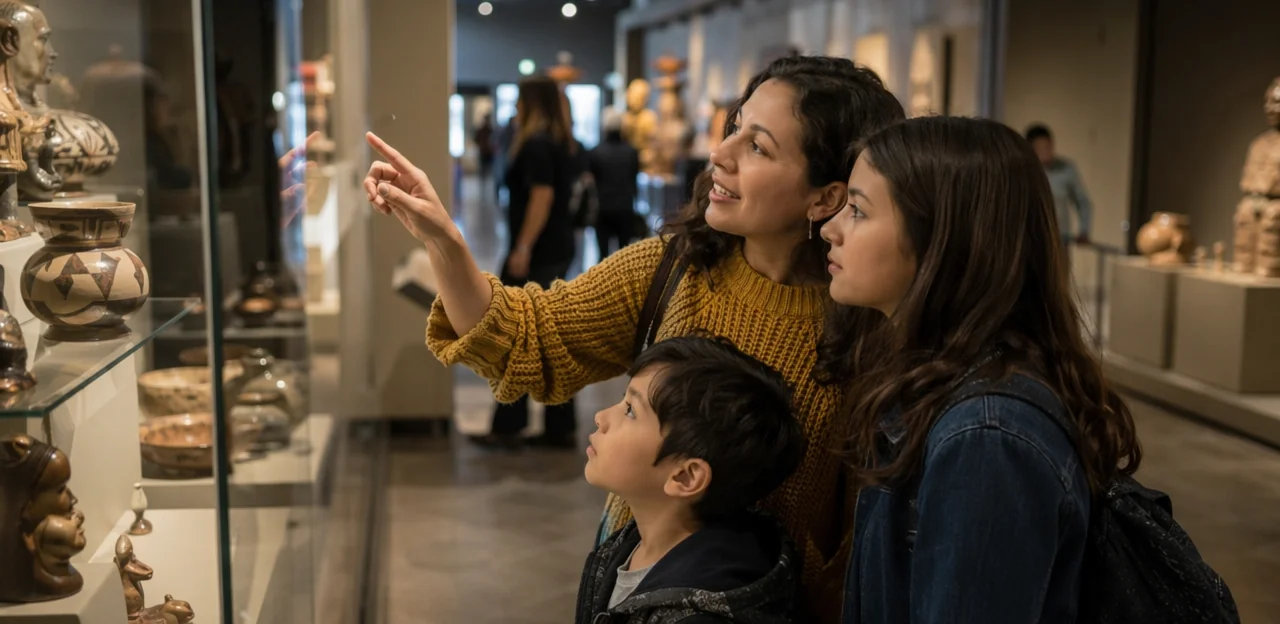
For museums, galleries, heritage sites, and other cultural venues, proving impact is no longer just about counting footfall. Funders increasingly want clear evidence of public value: who engaged, what they experienced, what barriers they faced, and how programmes delivered meaningful outcomes. That is why visitor feedback for funding reports has become such an important part of modern reporting.
Done well, visitor feedback adds depth behind the numbers. It can show how exhibitions inspired learning, how inclusive a venue felt, whether visitors found interpretation clear, and what encouraged repeat visits or deeper participation. It also helps cultural organisations move beyond broad satisfaction scores to capture the stories, sentiment, and practical insights that funders often look for when assessing reach, relevance, and return on investment.
In this article, we’ll explore what cultural venues should collect, from quantitative measures and demographic context to qualitative comments and evidence of social, educational, and community impact. We’ll also look at how to gather feedback at the right moments, how to structure it for stronger reporting, and how simple tools such as Tapsy can help capture real-time insights on site. If you want stronger evidence, clearer reporting, and more compelling cases for support, the right feedback strategy is essential.
Why visitor feedback matters in funding reports

What funders want to see from cultural venues
Grant makers, local authorities, trusts, and sponsors all expect audience evidence for funding because they need proof that a venue delivers measurable public benefit. Strong visitor feedback for funding reports helps show not just attendance, but impact.
Funders typically want evidence of:
- Reach: who visited, how often, and whether you engaged priority or underserved groups
- Relevance: why your programme mattered to local communities and current audiences
- Public value: cultural, social, and wellbeing benefits created
- Inclusion: accessibility, representation, and barriers reduced
- Learning outcomes: what visitors discovered, felt, or did differently
- Return on investment: how funding translated into outcomes, satisfaction, and community impact
This is central to what funders want from museums and effective cultural impact reporting.
Structured visitor feedback for funding reports gives cultural venues a clear way to show accountability beyond attendance figures alone. It turns comments, ratings, and trend data into credible funding report evidence that funders, partners, and trustees can follow.
- Proves outcomes: Link feedback to learning, accessibility, inclusion, and satisfaction goals in museum grant reporting.
- Supports transparency: Show what visitors valued, where problems appeared, and what actions were taken in response.
- Strengthens future bids: Use consistent visitor feedback evidence to demonstrate demand, community benefit, and operational improvement in renewal funding, partnership applications, and capital investment proposals.
- Improves credibility: Collect feedback in a structured, repeatable format so results can be compared over time and across exhibitions or programmes.
The link between visitor experience and measurable impact
Strong visitor feedback for funding reports should show how day-to-day experiences support wider outcomes. By linking visitor experience metrics to funding priorities, cultural venues can demonstrate clear public value, not just satisfaction scores.
- Track ratings alongside outcomes such as wellbeing, learning, accessibility, and sense of belonging.
- Segment feedback by audience type to show progress in inclusion, access, and community engagement.
- Combine customer experience in museums data with behavioural measures like dwell time, event attendance, membership uptake, and repeat visitation.
- Use open-text comments to evidence emotional impact and educational value.
This approach strengthens reporting by turning feedback into proof of measuring cultural impact in practical, funder-friendly terms.
What visitor feedback cultural venues should collect
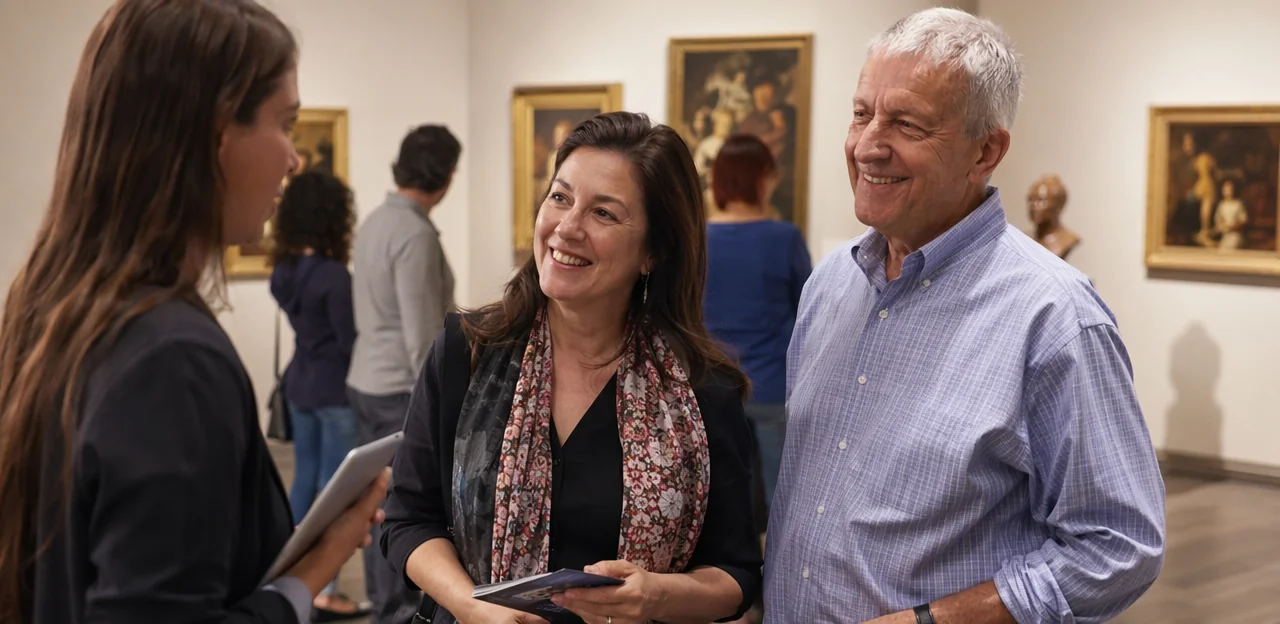
Core quantitative metrics to include
For strong visitor feedback for funding reports, focus on numbers that show both public value and operational performance. Your quantitative visitor feedback should be consistent, easy to benchmark, and tied to clear museum visitor survey questions.
- Visitor satisfaction metrics: overall satisfaction score, experience rating by area, and staff helpfulness scores.
- Likelihood to recommend: use an NPS-style question to show advocacy and community support.
- Visit purpose: capture whether visitors came for a permanent collection, temporary exhibition, school trip, family day out, café, shop, or special event.
- Dwell time: measure how long visitors stay, as this often indicates engagement depth.
- Repeat visits: track first-time vs returning visitors to demonstrate loyalty and ongoing relevance.
- Event attendance: record participation in workshops, talks, tours, and seasonal programming.
- Demographic breakdowns: where appropriate, collect age group, postcode, visitor type, and accessibility needs to evidence reach and inclusion.
Tools such as Tapsy can help venues collect these metrics quickly at key touchpoints.
Qualitative feedback that brings reports to life
Numbers show scale, but visitor feedback for funding reports becomes far more persuasive when supported by real voices and experiences. Strong qualitative visitor feedback helps funders understand not just how many people attended, but what changed for them.
Include a small, well-chosen mix of:
- Open-text comments that explain what visitors valued most
- Visitor testimonials for reports that capture memorable quotes in plain language
- Stories of learning such as a child discovering local history or an adult gaining confidence through creative participation
- Emotional responses that show joy, reflection, inspiration, or a sense of belonging
- Accessibility experiences describing how step-free access, captions, quiet sessions, or staff support improved the visit
- Community benefit examples showing intergenerational connection, local pride, wellbeing, or reduced isolation
For stronger reporting, tag comments by theme and audience type, then pair quotes with relevant metrics. These museum feedback examples add context, credibility, and human impact that funders can quickly understand.
Inclusion, accessibility, and audience development data
For visitor feedback for funding reports, cultural venues should show not just how many people attended, but who felt welcome, represented, and able to take part. Strong audience development data helps demonstrate public value and progress against inclusion goals.
Collect accessibility feedback museums can act on by asking visitors about:
- physical access, seating, signage, toilets, hearing loops, lighting, and sensory needs
- whether interpretation, programming, and displays felt representative of different communities
- practical barriers to attendance, such as ticket price, transport, opening hours, language, or confidence in visiting
- whether the visitor was first-time, returning, local, or from a target underserved group
- how people heard about the venue, especially through schools, community partners, or local networks
Use short surveys, optional demographic questions, and comment boxes to support inclusive visitor research without making people feel profiled. Segment responses by visit type, postcode, and access need to identify gaps. Tools such as QR-based touchpoints, including Tapsy, can help capture feedback in the moment and from harder-to-reach audiences.
Best methods for collecting reliable visitor feedback

On-site, digital, and post-visit feedback channels
A strong visitor feedback for funding reports strategy uses several channels, not just one. The best museum visitor survey methods depend on visitor flow, staff capacity, and audience demographics.
- Paper surveys: useful for heritage sites, older audiences, or low-connectivity venues, but slower to process and harder to analyse.
- Tablet kiosks: ideal at exits, cafés, or galleries for fast, structured digital feedback collection.
- QR codes: low-cost and flexible for exhibitions, signage, and temporary events; best when prompts are short and mobile-friendly.
- Email follow-ups: effective post-visit surveys for members, ticket buyers, and bookers, especially when you want richer responses.
- SMS surveys: good for time-sensitive, high-response follow-up after events or performances.
- App prompts: suit larger venues with loyalty or membership apps.
- Short interviews: valuable for deeper qualitative insight, especially in community or learning programmes.
For example, tools like Tapsy can support QR-based, no-app feedback at key touchpoints.
How to ask better survey questions
Strong visitor feedback for funding reports starts with clear, neutral wording and a direct link to your funder’s outcomes. Good visitor survey question design avoids leading language, asks about one idea at a time, and uses simple scales visitors can answer quickly.
- Match each question to an outcome: learning, enjoyment, access, community, or value.
- Keep questions specific: avoid vague terms like “good” or “successful.”
- Stay unbiased: ask “How much did you enjoy your visit?” instead of “How much did you love your visit?”
- Use consistent scales: for example, 1–5 from “strongly disagree” to “strongly agree.”
Examples of effective museum survey questions and funding outcome questions:
- “I learned something new today.”
- “I enjoyed my visit.”
- “I felt the venue was welcoming and accessible.”
- “This visit helped me feel more connected to my community.”
- “The experience was good value for money.”
Sampling, consent, and data quality considerations
To make visitor feedback for funding reports credible, venues need a fair sample, clear consent, and reliable data.
- Avoid biased samples: collect feedback across different days, times, exhibitions, and audience types. Don’t rely only on highly engaged members or people with extreme views. Good survey sampling for museums should include families, schools, tourists, members, and first-time visitors.
- Improve response rates: keep surveys short, mobile-friendly, and offered at natural touchpoints such as exits or cafés. Staff prompts and simple QR tools, including options like Tapsy, can help increase participation.
- Handle consent and privacy: explain why data is collected, how it will be used, and whether responses are anonymous. Strong GDPR visitor feedback practice means collecting only necessary personal data and storing it securely.
- Protect data quality in visitor research: remove duplicates, track sample sizes, monitor completion rates, and report margins or limitations honestly to funders.
How to align feedback with funding outcomes and KPIs

Mapping feedback to common funder priorities
To make visitor feedback for funding reports more persuasive, translate comments and ratings into the outcomes funders already measure. Instead of reporting feedback in isolation, map each question to clear funding outcomes museums are expected to demonstrate.
- Education: Ask what visitors learned, whether interpretation was clear, and if the visit increased understanding.
- Wellbeing: Capture how the experience made people feel, such as inspired, calm, connected, or uplifted.
- Inclusion: Measure whether visitors felt welcome, represented, and able to access the experience fully.
- Community cohesion: Ask if the venue helped people connect with local stories, groups, or shared identity.
- Tourism impact: Record visitor origin, likelihood to recommend, and whether the visit supported wider local spending.
- Heritage engagement: Track emotional connection, relevance, and motivation to revisit or learn more.
This approach creates stronger museum KPIs for funders and more credible heritage impact measures.
Building a simple reporting framework
A practical visitor feedback reporting framework should be easy to update and consistent across quarterly, annual, and project-based reporting. Start with a simple museum reporting template built around four sections:
- Core metrics
Track response volume, satisfaction scores, NPS or recommendation rate, repeat visit intent, and key audience segments. - Visitor quotes
Add 3–5 short comments that illustrate the data, including both positive feedback and areas for improvement. - Benchmarks
Compare results against previous periods, project targets, similar programmes, or venue-wide averages. - Trend data
Show changes over time by month, season, exhibition, or event.
This creates a clear impact reporting structure that funders can quickly follow. For visitor feedback for funding reports, use the same headings every time so evidence is comparable, credible, and ready to reuse in board papers, grant updates, and evaluation reports.
Turning raw data into evidence of impact
To make visitor feedback for funding reports persuasive, move beyond single scores and focus on patterns that show change, reach, and outcomes. Strong visitor data analysis turns raw responses into clear evidence of impact.
- Track trends over time: compare seasons, exhibitions, events, or pre- and post-programme periods to show improvement or changing needs.
- Segment audiences: break findings down by first-time vs repeat visitors, families, schools, tourists, members, or underserved groups to reveal who benefited most.
- Look for recurring themes: combine ratings with comment analysis to identify consistent strengths, barriers, or service issues.
- Pair numbers with stories: support metrics like satisfaction, accessibility, or learning outcomes with short visitor quotes or case examples.
This approach strengthens reporting visitor insights by showing not just what happened, but why it matters. Tools such as Tapsy can also help capture timely feedback across key touchpoints.
Common mistakes cultural venues should avoid
Collecting too much data without a clear purpose
One of the most common visitor feedback mistakes is asking for more than you will actually use. For visitor feedback for funding reports, every question should support funder requirements, internal decisions, or service improvements.
Prioritise a focused museum data collection strategy by selecting reporting metrics that matter, such as:
- visitor satisfaction
- learning outcomes
- accessibility experience
- likelihood to return or recommend
- demographic data only where required
If a metric does not inform reporting, planning, or action, remove it. Shorter, purpose-led feedback forms usually improve response quality and completion rates.
Relying only on satisfaction scores
High satisfaction is useful, but it rarely proves impact on its own. For strong visitor feedback for funding reports, venues need data that goes beyond satisfaction surveys and shows what changed for visitors and communities.
Include measures such as:
- Learning: what visitors discovered or understood better
- Accessibility: barriers removed and inclusion improved
- Emotional impact: inspiration, connection, or wellbeing
- Behaviour change: repeat visits, referrals, or deeper engagement
- Community value: local relevance, partnerships, and social benefit
This broader approach strengthens measuring museum impact and makes visitor experience reporting far more credible to funders.
Failing to close the loop with action
Collecting comments is not enough. For visitor feedback for funding reports, venues should show clear evidence of acting on visitor feedback and closing the feedback loop. Funders want to see that you are using visitor insights to improve outcomes, not just measuring sentiment.
- Link feedback to changes in programming, interpretation, or audience development plans
- Show operational responses such as staffing adjustments or access improvements
- Report “you said, we did” examples with dates, actions, and early results
Tools like Tapsy can help capture timely insights that support this evidence.
Practical template for visitor feedback in funding reports

Recommended metrics and evidence checklist
Use this visitor feedback checklist to strengthen visitor feedback for funding reports and grant applications with clear, repeatable evidence:
- Volume metrics: total visitors, response rate, repeat visits, group/school visits
- Satisfaction metrics: overall satisfaction score, NPS/recommendation rate, value-for-money rating
- Access metrics: accessibility feedback, ease of booking, wayfinding, inclusivity ratings
- Learning and impact: what visitors learned, emotional response, community relevance
- Operational evidence: staff helpfulness, queue times, cleanliness, issue resolution
- Qualitative proof: quotes, testimonials, case studies, open-text themes
This museum reporting checklist creates robust funding report metrics funders can quickly assess.
Example structure for presenting findings
Use a simple, repeatable museum impact report format so funders can scan evidence quickly. A clear funding report example might include:
- Headline metrics: total responses, satisfaction score, likelihood to return/recommend
- Audience breakdowns: first-time vs repeat visitors, families, schools, local vs tourist
- Key quotes: 3–5 short comments that show learning, access, or community value
- Mini case studies: one concise story with context, feedback, and outcome
- Actions taken: what changed because of visitor feedback for funding reports
This is one of the clearest ways for how to present visitor feedback to funders.
How to create an ongoing feedback cycle
Make feedback a routine, not a one-off survey. A strong museum feedback strategy should support continuous visitor feedback before, during, and after visits, then turn findings into action.
- Set monthly or quarterly review points for trends, recurring issues, and outcomes.
- Share insights across visitor experience, marketing, learning, and leadership teams.
- Link feedback themes to programming, access, interpretation, and service improvements.
- Use a simple dashboard or tool such as Tapsy to keep the visitor insight cycle active and visible.
This also strengthens visitor feedback for funding reports with timely, credible evidence.
Conclusion
In the end, strong visitor feedback for funding reports is about far more than collecting a few satisfaction scores. Cultural venues need evidence that shows impact clearly: who visited, how people experienced exhibitions and events, what barriers they faced, what they valued most, and how likely they are to return or recommend the venue. When this feedback is gathered consistently and tied to outcomes such as accessibility, learning, community engagement, and audience development, it becomes a powerful tool for funders as well as internal decision-making.
The most effective approach is to collect feedback at the right moments, combine quantitative and qualitative insights, and organise responses in a way that supports reporting, benchmarking, and future planning. This helps museums, galleries, heritage sites, and attractions turn everyday visitor comments into credible proof of value.
If you want to strengthen your visitor feedback for funding reports, start by reviewing your current survey questions, identifying gaps in demographic and experience data, and setting up a clear process for analysis and reporting. You may also benefit from simple real-time tools such as Tapsy, which can help capture feedback closer to the visitor experience.
Next, build a practical feedback framework, explore funder reporting guidelines, and create templates your team can use consistently. Better data today leads to stronger stories, stronger cases for support, and better visitor experiences tomorrow.
Frequently Asked Questions
- Why is visitor feedback important in funding reports for museums and cultural venues?
It helps prove public value beyond simple attendance figures. Funders want evidence of reach, relevance, inclusion, learning outcomes, and return on investment, and structured feedback makes those outcomes easier to show.
- What do funders usually want cultural venues to demonstrate with audience feedback?
They typically want to see who engaged, whether priority or underserved groups were reached, and what benefits visitors gained. They also look for evidence of accessibility, learning, community value, and how funding translated into meaningful outcomes.
- Which quantitative metrics should a venue include in a funding report?
Useful metrics include overall satisfaction, area-specific experience ratings, staff helpfulness, likelihood to recommend, visit purpose, dwell time, repeat visits, event attendance, and demographic breakdowns where appropriate. These measures should be consistent and easy to benchmark over time.
- What kind of qualitative feedback makes funding reports more persuasive?
Open-text comments, short testimonials, stories of learning, emotional responses, accessibility experiences, and examples of community benefit add depth to the numbers. Tagging comments by theme and audience type helps connect quotes to measurable outcomes.
- How can cultural venues collect inclusion and accessibility data without making visitors feel profiled?
Use short surveys, optional demographic questions, and comment boxes rather than intrusive forms. Ask about practical barriers, representation, physical access, and how people heard about the venue, then segment responses carefully by visit type, postcode, or access need.
- Which feedback channels work best for museums, galleries, and heritage sites?
A mixed approach works best, using paper surveys, tablet kiosks, QR codes, email follow-ups, SMS surveys, app prompts, and short interviews depending on the audience and setting. The right choice depends on visitor flow, staff capacity, connectivity, and the depth of feedback needed.
- When should visitor feedback be collected for stronger reporting?
Feedback should be gathered at natural touchpoints such as exits, cafés, exhibitions, events, and after visits. An ongoing cycle before, during, and after visits helps capture timely insights and creates stronger evidence over time.
- How do you write better survey questions for funding outcomes?
Keep questions clear, neutral, and linked to specific outcomes such as learning, enjoyment, access, community, or value. Use simple wording, ask about one idea at a time, and apply consistent answer scales so results are easy to compare.
- What are good examples of survey questions for cultural impact reporting?
Strong examples include questions like “I learned something new today,” “I enjoyed my visit,” “I felt the venue was welcoming and accessible,” and “This visit helped me feel more connected to my community.” These questions connect directly to common funder priorities.
- How can venues make visitor feedback samples more reliable?
Collect responses across different days, times, exhibitions, and audience types instead of relying on only highly engaged visitors or extreme opinions. Surveys should stay short, mobile-friendly, and supported by clear consent and honest reporting of sample sizes or limitations.
- How should feedback be linked to funder priorities and KPIs?
Map each question or metric to outcomes such as education, wellbeing, inclusion, community cohesion, tourism impact, or heritage engagement. This makes feedback easier to translate into clear KPIs that funders can assess quickly.
- What is a simple structure for presenting visitor feedback in a funding report?
A practical format includes core metrics, visitor quotes, benchmarks, and trend data. Another clear structure is headline metrics, audience breakdowns, key quotes, a mini case study, and actions taken in response to feedback.
- How do you turn raw visitor responses into evidence of impact?
Look for trends over time, compare exhibitions or seasons, and segment findings by audience group such as first-time visitors, families, schools, tourists, or members. Pair ratings with recurring comment themes and short quotes so the data shows not just what happened, but why it mattered.
- What common mistakes should cultural venues avoid when collecting feedback?
Avoid gathering too much data without a clear purpose, relying only on satisfaction scores, and failing to show what changed as a result of feedback. Strong reporting focuses on useful measures like learning, accessibility, emotional impact, community value, and clear follow-up actions.
- How can tools like Tapsy support visitor feedback collection?
They can help capture real-time feedback at key touchpoints through simple digital methods such as QR-based, no-app responses. That makes it easier to gather structured insights on site, support ongoing review, and keep evidence ready for reporting.