
A great day at the zoo is about more than the animals. For families, it’s the full journey that shapes the experience: clear routes, clean facilities, easy navigation, child-friendly amenities, short queues, and plenty of places to rest, eat, and explore. When any of these elements fall short, even the most exciting exhibits can be overshadowed. That’s why zoo visitor feedback has become such an important tool for attractions looking to improve satisfaction, increase return visits, and deliver a smoother guest experience.
By listening closely to visitors at every stage of the visit, zoos can uncover what really matters to guests and where operational improvements will have the biggest impact. Feedback can reveal whether signage is confusing, facilities are meeting expectations, routes are accessible for prams and wheelchairs, or family needs are being fully supported throughout the day.
This article explores how zoos can measure facilities, visitor routes, and the overall family experience more effectively. It will look at the value of collecting feedback in real time, the types of questions that generate useful insight, and how attractions can turn visitor comments into practical improvements. We’ll also touch on how tools such as Tapsy can help capture in-the-moment feedback at key touchpoints across the visitor journey.
Why Zoo Visitor Feedback Matters for Visitor Experience

The role of feedback in modern zoo operations
Zoo visitor feedback is essential because it turns everyday visits into clear operational insight. For zoos, museums, and attractions, it helps teams understand how different audiences experience routes, facilities, exhibits, and family services in real time.
- Improve visitor experience: Identify pain points such as unclear wayfinding, long queues, limited seating, or inaccessible paths.
- Strengthen customer experience: Learn what families, school groups, tourists, and members value most, then tailor services accordingly.
- Boost operational efficiency: Spot recurring issues in toilets, catering, stroller access, or peak-time congestion before they affect more guests.
- Increase guest satisfaction: Act quickly on feedback and show visitors their views lead to visible improvements.
Tools like Tapsy can help capture touchpoint-level feedback quickly and consistently.
What families, members, and day visitors value most
Different audiences shape zoo visitor expectations, so feedback should track what matters most to each group:
- Families with children: easy routes, buggy-friendly paths, clean toilets, shaded seating, play areas, and simple food options all improve the family experience.
- Members: fast entry, exclusive events, reliable facilities, and consistently good animal viewing encourage repeat visits and stronger visitor satisfaction.
- Tourists and day visitors: clear wayfinding, memorable exhibits, convenient catering, and photo-worthy moments help make the visit feel worthwhile.
- School groups: safe routes, gathering points, lunch spaces, and educational signage support smoother planning.
Using zoo visitor feedback at key touchpoints helps teams identify friction quickly and improve comfort, convenience, and memorable experiences.
How feedback supports reputation, retention, and revenue
Effective zoo visitor feedback does more than highlight problems; it directly shapes growth across the attraction:
- Improve attraction reviews: Capture feedback during or immediately after visits, so teams can fix issues before they become negative public comments.
- Increase guest retention: When families see cleaner facilities, clearer routes, and shorter waits based on their input, they are more likely to return.
- Build visitor loyalty: Use feedback to refine memberships, seasonal events, and family offers that match real visitor needs.
- Grow on-site revenue: Better wayfinding, catering, and retail experiences increase dwell time, food spend, and gift shop purchases.
Real-time tools such as Tapsy can help attractions act faster, protect brand perception, and turn feedback into measurable revenue.
What to Measure: Facilities, Routes, and Family Experience

Measuring facilities that shape comfort and convenience
When reviewing zoo visitor feedback, focus on the practical touchpoints that most affect dwell time, satisfaction, and family comfort. The best-performing zoo facilities are not just available; they are easy to find, clean, and usable at busy times.
- Toilets and baby-changing: measure cleanliness, queue length, stock levels, and accessibility.
- Seating and rest areas: assess quantity, placement near exhibits, comfort, and availability in peak periods.
- Catering and visitor amenities: track wait times, menu suitability for families, pricing perception, and nearby seating.
- Accessibility: review step-free routes, accessible toilets, buggy access, signage, and wheelchair-friendly rest points.
- Shade and shelter: monitor whether visitors can easily find relief from sun or rain.
- Attraction cleanliness: score litter, bin overflow, odours, and overall upkeep.
Use short on-site surveys, QR touchpoint feedback, staff observations, and time-based audits to evaluate each area consistently.
Evaluating routes, wayfinding, and visitor flow
Strong zoo visitor feedback should reveal how easily guests can move through the site and whether the journey feels intuitive or tiring. Assess zoo routes, wayfinding, and visitor flow by collecting feedback at key navigation points and comparing it with observed movement patterns.
- Route clarity: Ask visitors whether the main paths felt obvious, logical, and easy to follow.
- Map usability: Test if maps are readable, family-friendly, and accurate for landmarks, toilets, food, and exits.
- Signage quality: Review whether signs are visible, consistent, and placed before decision points.
- Walking distances: Identify where routes feel too long, especially for families with young children or pushchairs.
- Congestion points: Track bottlenecks near popular exhibits, cafés, play areas, and restrooms.
- Navigation challenges: Monitor confusion around loops, dead ends, accessibility routes, and temporary diversions.
Tools like Tapsy can help capture real-time feedback exactly where friction occurs.
Understanding the family experience from arrival to departure
To improve the family experience, zoos should measure the full family visitor journey, not just exhibit satisfaction. Effective zoo visitor feedback captures how easy, comfortable, and enjoyable the whole day out experience feels for parents, carers, and children.
Key touchpoints to assess include:
- Arrival and parking: space availability, signage, buggy unloading, and walking distance to the entrance
- Entry experience: queue times, ticket scanning, family lanes, and staff helpfulness
- Getting around: buggy access, path quality, shade, toilets, and clear route maps
- Family facilities: play areas, baby-changing rooms, quiet spaces, and child-friendly seating
- Food and rest breaks: menu variety, pricing, high chairs, picnic zones, and wait times
- Departure: gift shop flow, exit congestion, and overall satisfaction
Using quick touchpoint surveys, or tools like Tapsy, helps teams spot friction early and improve the visit before families leave.
Best Methods for Collecting Zoo Visitor Feedback
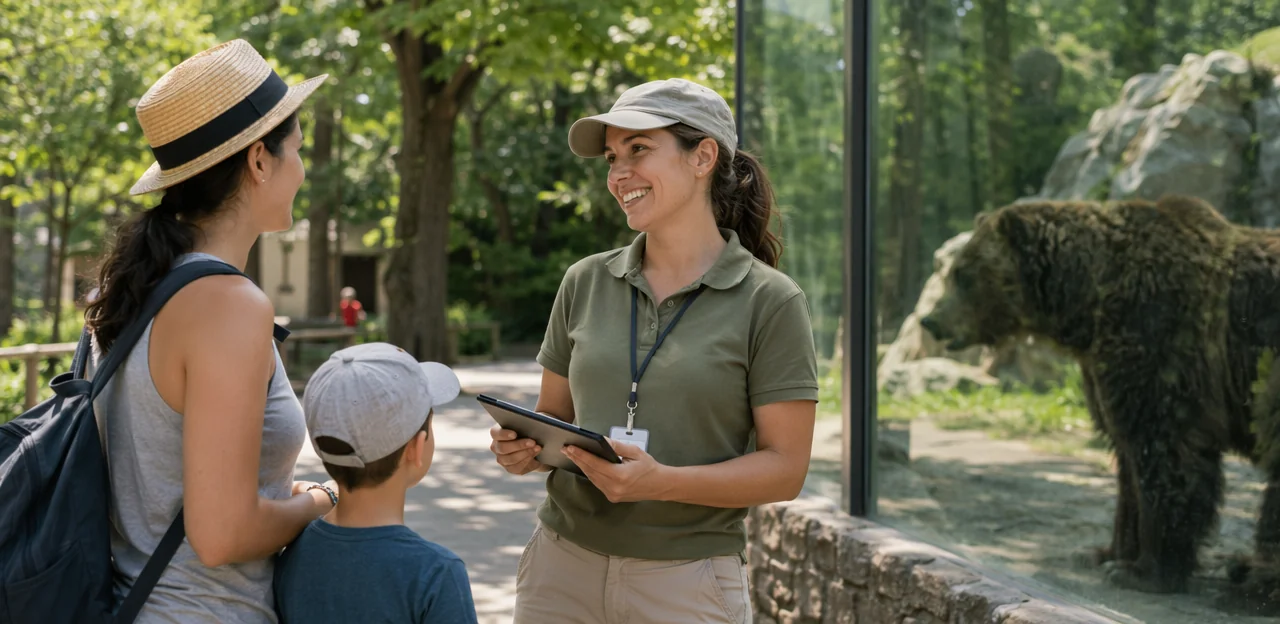
Surveys, kiosks, QR codes, and post-visit emails
To improve zoo visitor feedback, use different channels at different moments of the visit rather than relying on one method alone.
- On-site kiosks: Best at exits, cafés, and play areas for quick sentiment checks. They capture immediate reactions but work best with 1–3 simple questions.
- QR code survey: Ideal at habitats, wayfinding points, toilets, and food outlets to gather location-specific insight while the experience is fresh. Keep mobile forms short to boost completion.
- Visitor surveys by email: Stronger for deeper post-visit feedback on routes, facilities, pricing, and family experience. Send within 24 hours for higher response rates.
- Intercept surveys: Useful for targeted research when you need richer context from families, members, or school groups.
A blended approach gives both fast operational signals and higher-quality strategic insight. Tools like Tapsy can also help collect real-time QR-based feedback at key touchpoints.
Observational research and on-site staff insights
Direct surveys are only one part of effective zoo visitor feedback. Observational research helps teams see what visitors do, not just what they say, while frontline staff insights add context from daily interactions.
- Queue monitoring: Track wait times at entry gates, cafés, toilets, and popular exhibits to spot bottlenecks that families may tolerate without mentioning.
- Heat mapping: Identify crowded zones, underused facilities, and areas where visitors stop, hesitate, or turn back.
- Route tracking: Understand how families move through the site, where they miss signage, and which paths feel too long, confusing, or inaccessible.
- Staff observations: Ask staff to log recurring questions, stroller pinch points, wayfinding confusion, and peak-time stress signals.
Combined, these methods reveal hidden pain points in visitor behavior and help zoos improve layouts, staffing, signage, and family flow. Tools like Tapsy can also capture touchpoint feedback in real time to support these findings.
Review sites, social media, and unsolicited comments
Online channels are a rich source of zoo visitor feedback, especially when you review them systematically rather than anecdotally. Combine online reviews, social media feedback, and direct visitor comments to spot patterns that formal surveys may miss.
- Group comments by theme: facilities, toilets, food outlets, seating, shade, route clarity, accessibility, buggy access, and child-friendly spaces.
- Track repeated friction points: look for phrases such as “hard to find,” “too much walking,” “poor signage,” or “not ideal with toddlers.”
- Separate sentiment by audience: families, school groups, older visitors, and visitors with access needs often describe different pain points.
- Monitor timing and location clues: comments tied to weekends, peak seasons, or specific zones can reveal operational bottlenecks.
- Turn insights into action: update maps, improve signs, add rest points, and fix recurring facility issues.
Tools such as alerts, review tagging, or touchpoint feedback platforms like Tapsy can help organize findings faster.
Turning Feedback Into Actionable Zoo Improvements
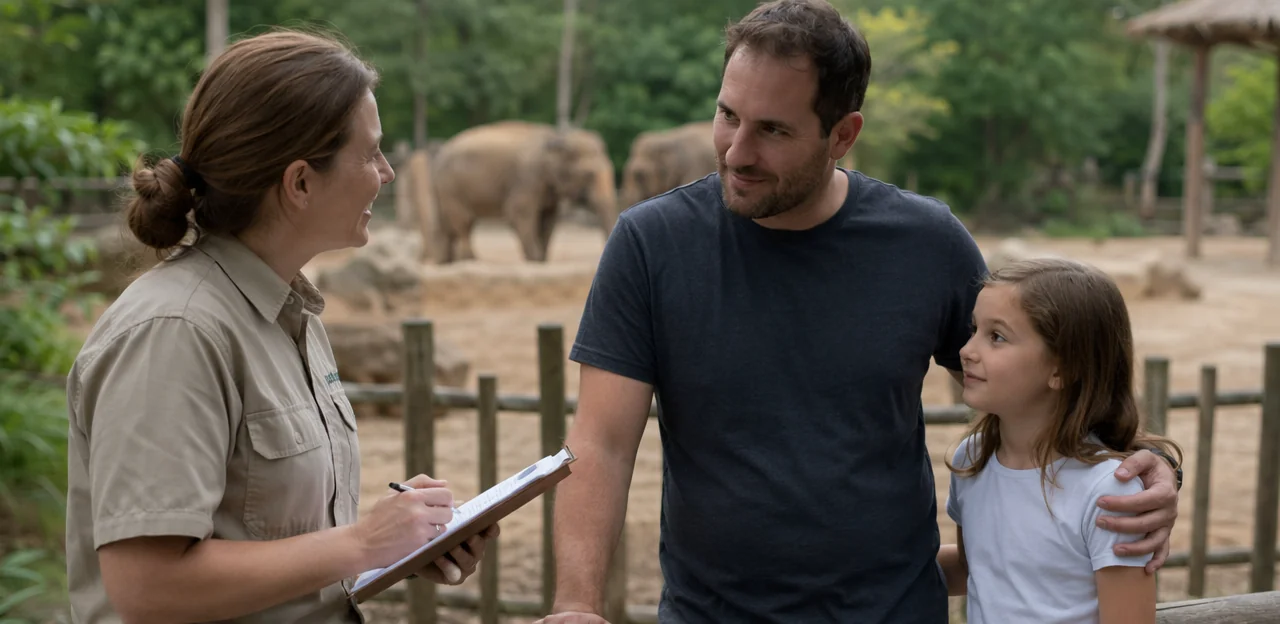
Prioritizing issues by impact and feasibility
To turn zoo visitor feedback into actionable insights, score each issue on two axes: visitor impact and delivery feasibility. This keeps visitor feedback analysis focused on the changes that will improve the day out fastest.
- Quick wins: High impact, low effort
Fix poor signage, add shaded seating, improve buggy parking, or adjust toilet cleaning schedules. - Medium-term projects: High impact, moderate effort
Redesign busy routes, improve wayfinding between habitats, or expand family rest areas during peak periods. - Strategic investments: High impact, high complexity
Major accessibility upgrades, route reconfiguration, or new indoor family facilities.
Also track operational constraints such as budget, staffing, seasonality, and safety requirements. Tools like Tapsy can help capture real-time patterns that support smarter service improvement decisions.
Improving signage, amenities, and family touchpoints
Zoo visitor feedback often highlights small friction points that have a big impact on comfort and dwell time. Turning those insights into action can strengthen family-friendly attractions and improve satisfaction across the whole visit.
- Use recurring wayfinding comments to prioritise signage improvements, such as clearer maps, colour-coded routes, height markers for child visibility, and better directions to toilets, exits, and popular exhibits.
- Review heatmaps and comments to place more benches, shaded seating, and buggy-friendly rest areas where families naturally pause.
- Improve visitor amenities by acting on feedback about long food queues, limited healthy children’s options, or lack of bottle-filling stations.
- Add more rest stops, baby-changing areas, and quiet spaces near high-traffic zones.
- Strengthen child-focused services with play corners, activity trails, and simple real-time feedback tools such as Tapsy.
Closing the loop with visitors and staff
Collecting zoo visitor feedback only creates value when people can see what changed. Closing the feedback loop should be visible, timely, and specific.
- Share “You said, we did” updates on signage, maps, email newsletters, and social channels.
- Highlight practical improvements such as clearer route markers, cleaner toilets, more shaded rest areas, or better buggy access.
- Brief frontline teams on recent feedback trends so they can explain changes confidently and gather context from visitors.
- Recognise staff contributions when issues are resolved quickly, strengthening staff engagement and accountability.
- Use simple touchpoint tools, such as QR feedback points or platforms like Tapsy, to capture comments and trigger fast action.
When visitors see visible improvements, visitor trust grows and participation in future feedback increases.
Key Metrics and KPIs for Measuring Success

Satisfaction, NPS, and effort scores
Three core metrics make zoo visitor feedback easier to track and act on:
- Visitor satisfaction score: Ask guests to rate key moments such as entry, wayfinding, animal viewing areas, toilets, cafés, and play zones. This shows which facilities or routes need attention.
- NPS for attractions: Use the question, “How likely are you to recommend this zoo to friends or family?” to measure advocacy. Pair it with an open comment to learn what drives promoters or detractors.
- Customer effort score: Ask how easy it was to buy tickets, navigate the zoo, find amenities, or manage a family day out.
For best results, collect feedback at touchpoints in real time, so teams can fix friction fast.
Operational metrics linked to the visitor journey
To turn zoo visitor feedback into operational improvements, track clear visitor journey metrics at each touchpoint:
- Queue times: measure waits at entry, ticketing, food outlets, toilets, and popular exhibits.
- Route completion rates: see how many visitors finish key trails, family routes, or educational paths.
- Dwell time: monitor how long guests stay at exhibits, play zones, cafés, and rest areas.
- Complaint volume: group issues by location, time, and type to spot recurring friction points.
- Accessibility issues: record barriers such as steep paths, unclear signage, buggy access, or limited seating.
- Family facility usage: track use of baby-change rooms, picnic areas, stroller parking, and playgrounds.
Real-time tools such as Tapsy can help capture feedback exactly where problems occur.
Benchmarking and tracking improvement over time
To turn zoo visitor feedback into measurable progress, start with a clear baseline for each area of the journey. Track a small set of attraction KPIs consistently, then compare results over time and against peers.
- Set baselines: Record current scores for cleanliness, signage, route clarity, queue times, catering, and family facilities.
- Compare seasonally: Review school holidays, weekends, peak summer days, and wet-weather periods separately to spot true trends in performance tracking.
- Benchmark externally: Use benchmarking visitor experience data from similar zoos, wildlife parks, or family attractions to see whether changes outperform the market.
- Prove impact: Link feedback-led improvements to higher satisfaction, longer dwell time, repeat visits, and fewer complaints.
Building a Long-Term Visitor Feedback Strategy

Creating a continuous feedback program
To get more value from zoo visitor feedback, move beyond seasonal surveys and build a year-round visitor listening program. The goal is to collect insight at key moments, spot issues early, and support continuous improvement across facilities, routes, and family experiences.
- Gather feedback at multiple touchpoints: entry, wayfinding points, cafés, play areas, restrooms, and exits.
- Use short pulse questions regularly, with deeper surveys quarterly.
- Track trends by season, crowd level, and visitor type.
- Route urgent issues to operations teams quickly for action.
- Review results monthly to refine your feedback strategy.
Tools like Tapsy can help capture real-time, touchpoint-based responses.
Balancing visitor needs with conservation and operational goals
Using zoo visitor feedback effectively helps attractions improve comfort and wayfinding without compromising animal welfare or daily zoo operations. A practical approach is to act on issues that support both experience and protection:
- Improve shade, seating, toilets, and buggy-friendly paths in high-traffic areas to better meet visitor needs.
- Use clearer maps, timed routes, and quiet-zone signage to reduce congestion near sensitive habitats.
- Schedule talks, feeding views, and staff presence to support education while protecting conservation goals.
- Review feedback alongside staffing, cleaning, and animal routine data to ensure changes remain operationally realistic.
Common mistakes to avoid when using visitor feedback
To get real value from zoo visitor feedback, avoid these common feedback mistakes:
- Collecting too much data: Long forms reduce response rates and dilute useful visitor insight. Keep surveys short and focused on key touchpoints.
- Using vague questions: Poor survey design leads to unclear answers. Ask specific questions about facilities, routes, signage, rest areas, and food options.
- Ignoring family needs: Families often notice buggy access, toilets, queues, and child-friendly spaces first.
- Failing to act on patterns: If the same issue appears repeatedly, assign ownership and fix it quickly. Tools like Tapsy can help capture and route issues in real time.
Conclusion
In the end, improving the guest journey starts with listening at every stage of the visit. Effective zoo visitor feedback helps attractions understand far more than overall satisfaction: it reveals how visitors feel about facilities, route clarity, accessibility, rest areas, signage, food outlets, and the quality of the family experience. When zoos measure these touchpoints consistently, they can identify friction points, fix issues faster, and create smoother, more memorable days out for guests of all ages.
Just as importantly, zoo visitor feedback gives teams the evidence they need to make smarter operational and strategic decisions. From redesigning pathways and improving amenities to enhancing family-friendly services and staff support, feedback turns assumptions into actionable insights. It also helps attractions build stronger loyalty by showing visitors that their opinions genuinely shape the experience.
The next step is to make feedback collection simple, timely, and easy to act on. Consider using short on-site surveys, QR-based touchpoints, exit feedback, and regular reporting to track trends over time. Solutions such as Tapsy can also support real-time, touchpoint-level feedback collection where the visitor experience actually happens. Start reviewing your current feedback journey, identify your most important visitor moments, and build a system that turns every response into a better zoo experience.
Frequently Asked Questions
- Why is visitor feedback important for zoos?
Visitor feedback turns everyday visits into operational insight. It helps zoos identify pain points such as unclear wayfinding, long queues, inaccessible paths, or weak family facilities, so they can improve satisfaction, return visits, and the overall guest experience.
- What should zoos measure when reviewing facilities?
Zoos should measure toilets and baby-changing areas, seating and rest zones, catering, accessibility, shade and shelter, and overall cleanliness. Useful checks include cleanliness, queue length, stock levels, comfort, placement, and whether facilities remain usable during busy periods.
- How can a zoo evaluate routes and wayfinding effectively?
A zoo can assess route clarity, map usability, signage quality, walking distances, congestion points, and navigation challenges. The strongest approach combines feedback collected at key decision points with observed movement patterns across the site.
- What matters most in the family experience at a zoo?
Families usually value easy routes, buggy-friendly paths, clean toilets, shaded seating, play areas, simple food options, and short queues. The full journey also matters, including parking, entry, getting around, rest breaks, and departure.
- Which visitor groups should zoos consider separately in feedback analysis?
Zoos should look at families with children, members, tourists and day visitors, and school groups as distinct audiences. Each group values different things, such as fast entry for members, safe gathering points for schools, or clear wayfinding and memorable exhibits for tourists.
- What are the best ways to collect zoo visitor feedback during and after a visit?
A blended approach works best. On-site kiosks are useful for quick sentiment checks, QR code surveys capture location-specific feedback while the experience is fresh, post-visit emails support deeper responses, and intercept surveys provide richer context from targeted groups.
- How is observational research different from survey feedback in a zoo setting?
Survey feedback captures what visitors say, while observational research shows what they actually do. Queue monitoring, heat mapping, route tracking, and staff observations can reveal hidden friction points such as hesitation, missed signage, or overcrowded areas that guests may not mention directly.
- How can zoos use online reviews and social media comments productively?
Zoos can group comments by themes such as toilets, food, seating, accessibility, route clarity, and child-friendly spaces. They should also track repeated phrases, separate sentiment by audience type, and look for timing or location clues that point to recurring operational issues.
- How should feedback issues be prioritized for improvement?
A practical method is to score issues by visitor impact and delivery feasibility. This helps teams separate quick wins like better signage or adjusted cleaning schedules from medium-term projects and larger strategic investments such as route redesign or accessibility upgrades.
- What kinds of changes can feedback drive in signage and amenities?
Feedback can guide clearer maps, colour-coded routes, better directions to toilets and exits, and signs placed before decision points. It can also support better placement of benches, shaded seating, buggy-friendly rest areas, baby-changing spaces, quiet areas, and improved food options.
- What does closing the feedback loop mean for a zoo?
Closing the loop means showing visitors and staff what changed as a result of feedback. Zoos can share updates through signage, maps, email newsletters, and social channels, while also briefing frontline teams so improvements are visible and clearly explained.
- Which KPIs are most useful for tracking zoo visitor experience?
Core metrics include visitor satisfaction scores, Net Promoter Score, and customer effort score. These can be supported by operational measures such as queue times, route completion rates, dwell time, complaint volume, accessibility issues, and family facility usage.
- How can zoos benchmark progress over time?
Zoos should start by setting baselines for areas like cleanliness, signage, route clarity, queue times, catering, and family facilities. They can then compare results by season and crowd level, and benchmark against similar zoos, wildlife parks, or family attractions to judge improvement.
- What does a long-term zoo feedback strategy look like?
A strong long-term strategy uses a year-round listening program rather than occasional seasonal surveys. It gathers feedback at multiple touchpoints, uses short pulse questions regularly, runs deeper surveys quarterly, routes urgent issues quickly, and reviews trends monthly.
- What common mistakes should zoos avoid when using visitor feedback?
Common mistakes include collecting too much data, asking vague questions, overlooking family needs, and failing to act on repeated issues. Short, focused surveys and clear ownership of recurring problems make feedback more useful and easier to turn into action.