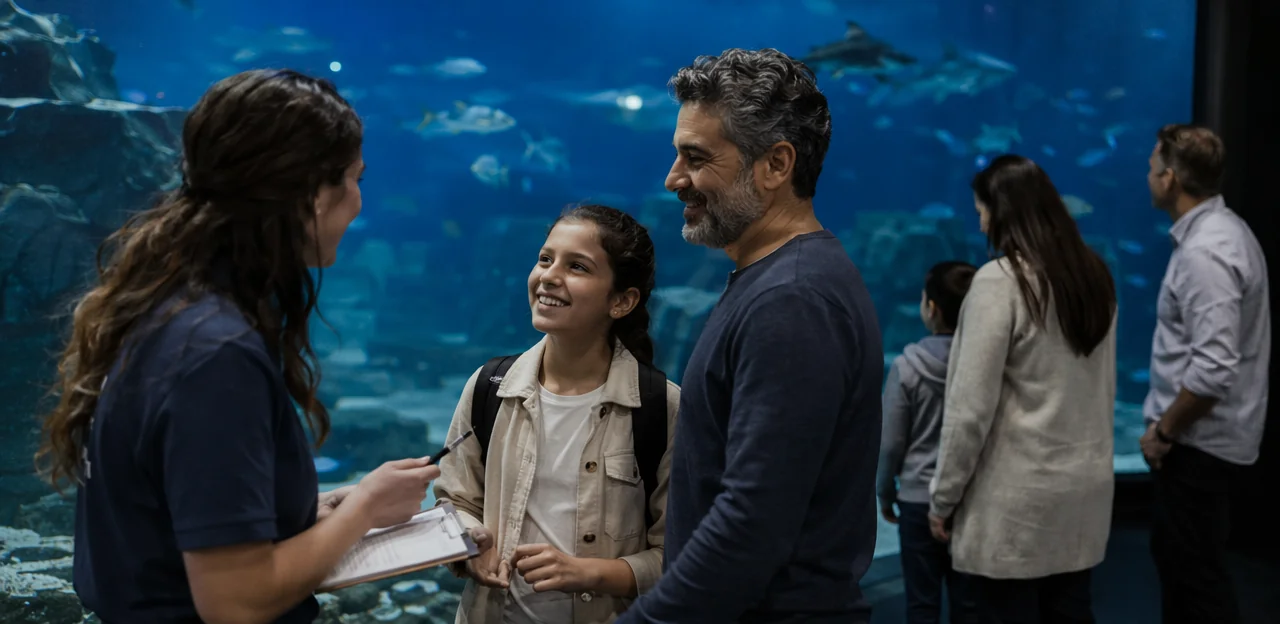
From the glow of a jellyfish gallery to the excitement of a shark tunnel, every aquarium zone shapes how visitors feel, engage, and remember their day. But while attendance numbers and ticket sales show how many people came through the doors, they reveal far less about what actually happened once guests stepped inside. That is where aquarium visitor feedback becomes essential.
By tracking feedback by zone and exhibit, aquariums can move beyond broad satisfaction scores and uncover the real story of the visitor journey. Which displays inspire the strongest reactions? Where do families linger longest? Which areas create confusion, crowding, or missed opportunities for connection? Understanding these patterns helps attraction teams improve exhibit design, staffing, signage, accessibility, and overall guest flow.
This article explores how aquariums can collect and use more meaningful feedback across the full experience, from entrance areas and interactive touchpoints to signature exhibits and exit zones. It will also look at why location-specific insights matter for visitor experience strategy, how real-time feedback can support faster operational improvements, and what museums and attractions can learn from more responsive customer experience models. In some cases, tools such as Tapsy can help capture feedback directly at physical touchpoints, making it easier to understand sentiment while the experience is still fresh.
Why Aquarium Visitor Feedback Matters
The role of feedback in visitor experience strategy
Aquarium visitor feedback is essential because it shows how guests actually experience each zone and exhibit, not just how operators expect them to. It helps teams measure:
- Guest satisfaction at key touchpoints, from entry queues to interactive tanks
- Dwell time patterns, revealing which exhibits hold attention and which are skipped
- Emotional engagement, such as excitement, curiosity, or frustration
- Repeat visitation drivers, including memorable exhibits, staff interactions, and comfort factors
This insight strengthens a smarter visitor experience strategy by linking sentiment to operational action. For example, feedback can highlight unclear wayfinding, crowding near popular habitats, or missed education opportunities. Teams can then adjust staffing, signage, maintenance, and programming based on real visitor needs. Tools like Tapsy can help collect in-the-moment feedback by zone, making responses faster and more precise.
Why zone-level and exhibit-level tracking is more actionable
Overall satisfaction scores only tell you whether guests liked the aquarium; aquarium visitor feedback by location tells you why. With zone-level tracking and exhibit-level feedback, teams can pinpoint what is working in each gallery, habitat, touch pool, tunnel, or featured exhibit.
- Identify strengths clearly: See which exhibits create the most excitement, dwell time, and positive sentiment.
- Spot pain points faster: Uncover issues like crowding in tunnels, unclear signage in galleries, or staff availability at touch pools.
- Prioritize improvements: Direct maintenance, interpretation updates, staffing, or flow changes where they will have the biggest impact.
- Compare experiences accurately: Turn broad survey results into practical aquarium guest insights by zone, time, or audience type.
Tools like Tapsy can help collect this feedback at the exact touchpoint where the experience happens.
Common challenges aquariums face when measuring experience
Collecting aquarium visitor feedback sounds simple, but several obstacles can distort results and weaken customer experience measurement:
- Survey fatigue: Guests often skip long aquarium surveys, especially after a full visit. Keep questions short and zone-specific to improve response rates.
- Incomplete data: Not every exhibit gets equal traffic, so some areas produce too little feedback for reliable decisions. Use multiple collection points across the journey.
- Seasonal crowding: Peak holiday periods can lower response quality and change visitor behavior, making comparisons difficult. Benchmark by season, not just by month.
- Family group behavior: One parent may answer for the whole group, masking children’s reactions or shared frustrations.
- Balancing numbers and comments: Scores show trends, but open-text responses explain why. Review both together to overcome common visitor feedback challenges.
Tools like Tapsy can help capture feedback in real time by zone or exhibit.
How to Collect Feedback Across Aquarium Zones and Exhibits
Best feedback channels for aquariums
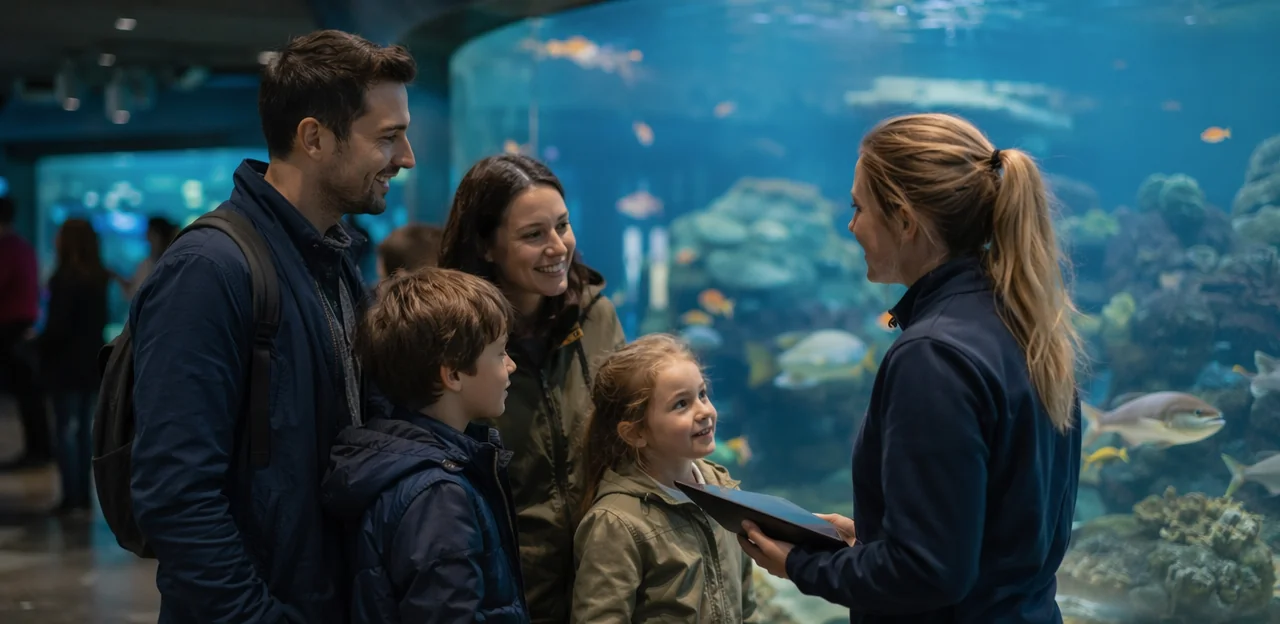
To improve aquarium visitor feedback, use a mix of channels that match the visitor journey and each exhibit zone:
- Post-visit surveys: Best for deeper visitor surveys on overall satisfaction, pricing, amenities, and memorable exhibits. Send by email within 24 hours.
- QR codes near exhibits: Ideal for fast, in-the-moment QR code feedback on signage clarity, crowding, tank visibility, or animal engagement.
- SMS prompts: Work well after ticketed visits or memberships when you already have consented contact details. Great for quick pulse checks.
- Kiosk surveys: Place at exits, cafés, or high-traffic zones to capture immediate reactions before visitors leave.
- Staff-led intercepts: Useful for special exhibits, school groups, or new zones where you want richer qualitative insights.
- Mobile apps: Best for larger venues wanting location-based prompts and repeat feedback from members.
- Online review monitoring: Track recurring issues and sentiment trends across Google and TripAdvisor.
Many teams combine these aquarium feedback tools for both real-time fixes and long-term experience planning.
Designing questions for specific zones and exhibits
Strong aquarium visitor feedback starts with short, location-specific prompts that match what visitors just experienced. Good visitor experience survey design avoids generic questions and focuses on one clear topic per zone.
- Wayfinding: “How easy was it to find the Jellyfish Gallery?” (1–5 rating)
- Educational value: “What did you learn from the coral reef display?” (open text)
- Crowd flow: “Which best describes this area during your visit?” (Multiple choice: calm, slightly busy, crowded, too crowded)
- Accessibility: “Was this zone easy to navigate with your mobility or stroller needs?” (Yes/No + comment)
- Cleanliness: “How would you rate the cleanliness of this exhibit area?” (1–5 rating)
- Interactivity: “Which interactive feature did you use?” (multiple choice)
- Emotional impact: “How did this exhibit make you feel?” (open text or emoji scale)
Use targeted exhibit survey questions and zone feedback questions at exits or touchpoints. Tools like Tapsy can help collect responses in the moment.
Capturing feedback without disrupting the visit
Effective aquarium visitor feedback depends on asking at the right moment. Avoid interrupting high-engagement exhibits; instead, use guest feedback timing at natural pauses such as exit points, cafés, rest areas, or after keeper talks.
To support frictionless feedback collection, keep the journey simple:
- Ask 1–3 short questions tied to the zone just visited
- Use mobile visitor surveys via QR or NFC, with no app download
- Make comments optional, not required
- Trigger longer follow-ups only after the visit
Tailor prompts by audience:
- Families: quick smiley-scale ratings and queue or facility questions
- School groups: teacher-focused prompts on flow, learning value, and group logistics
- Tourists: multilingual surveys and exhibit highlights
- Members: prompts about repeat-visit value, crowding, and special access
Tools like Tapsy can help place short, mobile-friendly feedback points exactly where insight is most useful.
Key Metrics to Track by Zone and Exhibit
Satisfaction, sentiment, and recommendation metrics
To make aquarium visitor feedback actionable, track a small set of clear KPIs at zone and exhibit level:
- CSAT for attractions: Ask visitors to rate their experience immediately after a gallery, tunnel, or feeding show. This gives a simple satisfaction benchmark by location.
- NPS aquarium: Measure how likely guests are to recommend the aquarium overall, then segment results by visitors who spent time in specific zones.
- Visitor sentiment analysis: Analyze open-text comments for positive, neutral, or negative themes such as crowding, signage, cleanliness, or animal visibility.
- Exhibit-specific satisfaction: Score individual habitats, talks, and interactive displays to pinpoint what delights or disappoints.
Together, these metrics help compare zones, uncover underperforming exhibits, and prioritize fixes. Real-time tools such as Tapsy can also capture fresh, location-based feedback.
Operational and behavioral indicators
Operational signals add essential context to aquarium visitor feedback, helping teams see not just what guests say, but what they experience in real time. Track these indicators by zone and exhibit:
- Dwell time analysis: Measure how long visitors stay at tanks, tunnels, and interactive areas to identify high-interest exhibits or confusing layouts.
- Queue experience: Pair actual wait times with visitor-reported queue length perception to spot where waits feel worse than they are.
- Congestion levels: Monitor crowd density in pinch points, viewing windows, and feeding schedules to improve flow and comfort.
- Staff helpfulness: Rate visibility, friendliness, and issue resolution by area.
- Accessibility ratings: Capture feedback on navigation, seating, signage, and stroller or wheelchair access.
- Educational engagement: Track whether signage, talks, and digital content increase learning and interaction.
Together, these aquarium operations metrics turn feedback into clear operational action.
Comparing permanent exhibits, temporary exhibits, and live experiences
Not all zones should be judged by the same standard. Aquarium visitor feedback should reflect the purpose of each experience, because expectations vary widely:
- Permanent exhibits / core galleries: Visitors expect clear wayfinding, strong animal visibility, clean tanks, and reliable interpretation. Here, exhibit benchmarking should focus on consistency over time.
- Seasonal installations: Guests often expect novelty, immersive design, and shareable moments. Temporary exhibit feedback should measure freshness, relevance, and whether the feature justifies repeat visits.
- Feeding demonstrations and talks: Timing, audibility, crowd flow, and presenter quality matter most. Live experience feedback should track punctuality, engagement, and educational value.
- Interactive zones: Benchmark dwell time, usability, queue length, and whether hands-on elements work for different age groups.
Using separate benchmarks by exhibit type prevents misleading comparisons and helps teams act on the right operational issues.
Analyzing Aquarium Visitor Feedback for Actionable Insights
Segmenting feedback by audience type and visit context
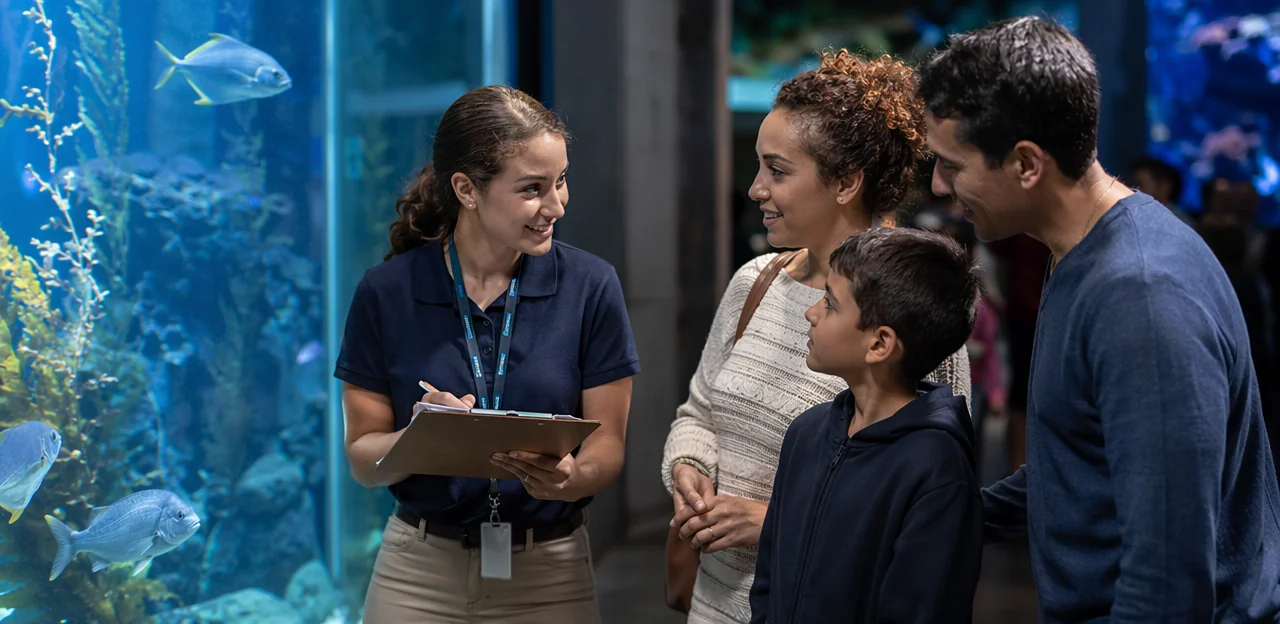
To turn aquarium visitor feedback into useful action, break responses into clear audience and timing segments. This reveals which needs are universal and which are group-specific, improving visitor segmentation, audience insights, and overall aquarium customer experience.
- By audience type: Compare families, members, tourists, school groups, first-time visitors, and repeat guests. Families may flag stroller access and rest areas, while members often notice program value, queue speed, and exhibit freshness.
- By visit context: Analyze scores by daypart (morning, midday, afternoon), season, and attendance level. Crowding, noise, and wait times often rise during peak periods.
- Cross-segment patterns: Look for combinations such as first-time visitors on busy weekends or school groups in high-traffic zones.
- Operational use: Tailor staffing, signage, education content, and amenities to the segments reporting lower satisfaction.
Tools like Tapsy can help capture touchpoint-level feedback in real time for faster response.
Identifying patterns by location, theme, and pain point
To turn aquarium visitor feedback into operational insight, tag every rating and comment to a precise zone, exhibit, or touchpoint. This makes feedback analysis by zone far more useful than reviewing overall satisfaction alone.
- Map feedback to location: assign responses to areas such as entrance, tunnel, touch tanks, café, gift shop, or specific exhibits.
- Categorize recurring themes: label comments by signage, crowding, visibility, noise, maintenance, cleanliness, or staff helpfulness.
- Compare scores and sentiment: combine ratings with comment themes to reveal weak spots and generate stronger exhibit performance insights.
- Use heatmap-style reporting: visualize low-scoring zones by time of day or day of week to spot congestion, poor sightlines, or maintenance patterns.
- Build a visitor experience dashboard: track top issues, trend shifts, and repeat complaints so teams can prioritize fixes quickly.
Tools such as Tapsy can help capture touchpoint-level feedback and surface these patterns in real time.
Turning qualitative comments into improvement priorities
Open-text aquarium visitor feedback often reveals issues that scores alone miss. To turn comments into action, use a simple qualitative feedback analysis process:
- Tag comments by zone and topic
Group feedback by area such as touch pools, shark tunnel, café, toilets, signage, or queueing. Then add issue tags like cleanliness, staff helpfulness, crowding, or visibility. - Identify sentiment themes
Look for repeated positive and negative sentiment themes. For example, “too dark to read exhibit panels” signals signage problems, while “staff made feeding time memorable” highlights a strength worth repeating. - Prioritize fixes using three filters
- Impact: Does it affect satisfaction or dwell time?
- Frequency: How often is it mentioned?
- Feasibility: Can it be fixed quickly and affordably?
Example action plans:
- “Long wait at ray touch tank” → add timed entry and clearer queue signs.
- “Hard to find penguin exhibit” → improve wayfinding maps.
This approach drives targeted customer experience improvements.
Using Feedback to Improve Exhibits and Guest Experience

Improving wayfinding, interpretation, and exhibit design
Aquarium visitor feedback is one of the most practical tools for refining how guests move through and understand each zone. When comments are tracked by exhibit, teams can spot exactly where confusion, crowding, or low engagement occurs and turn that into targeted exhibit design improvements.
- Use feedback on missed routes or bottlenecks to improve wayfinding in aquariums with clearer directional signs, zone maps, and visual cues.
- Update interpretive signage when visitors say labels are too technical, too small, or hard to find.
- Add stronger storytelling, multilingual interpretation, and accessible formats to broaden understanding.
- Adjust lighting, viewing heights, and sightlines where glare or poor angles reduce visibility.
- Refine touchscreens and hands-on elements based on usability feedback to make exhibits more intuitive and engaging.
Enhancing staffing, flow, and service recovery
Zone-level aquarium visitor feedback helps operators act where experience problems actually happen, not where they are assumed to be.
- Use low scores by exhibit or corridor to improve staff deployment, adding team members to busy touchpoints such as entry zones, feeding times, or interactive displays.
- Track repeated congestion complaints to strengthen crowd flow management with timed entry, clearer wayfinding, or one-way routing in narrow areas.
- Flag cleanliness feedback by restroom, café, or touch tank area to optimize cleaning schedules based on real demand.
- Enable fast service recovery by alerting supervisors to negative comments in real time, so they can resolve queue, visibility, or staff interaction issues before they affect the full visit.
Closing the loop with visitors and internal teams
To close the feedback loop, turn aquarium visitor feedback into clear actions and visible updates. Strong internal reporting helps each team see what matters by zone, exhibit, and visitor segment.
- Frontline teams: share weekly summaries on queue times, wayfinding issues, cleanliness, and staff interactions.
- Curators and educators: highlight exhibit-specific comments, common questions, and learning gaps to refine interpretation and talks.
- Leadership: review monthly trends, recurring pain points, and recovery actions to prioritise budget and staffing.
To build visitor trust, communicate improvements back to guests through on-site signage, email updates, and social posts: “You said the touch tank needed clearer guidance—we added new signs.” Tools like Tapsy can help route feedback quickly and support faster follow-up.
Best Practices for a Sustainable Feedback Program

Building a repeatable feedback framework
To turn aquarium visitor feedback into a long-term visitor insight strategy, standardize the process across teams:
- Set a fixed survey cadence by zone, exhibit, and season.
- Use one reporting template with shared KPI definitions for satisfaction, dwell time, and issue resolution.
- Assign clear owners in operations, education, guest services, and marketing.
- Review results monthly to strengthen your feedback program framework and overall experience management.
- Build aquarium visitor feedback programs on clear consent: explain what you collect, why, how long it’s kept, and offer anonymous responses to strengthen data privacy in feedback.
- Use accessible surveys with mobile-friendly layouts, screen-reader support, plain language, and short question paths.
- Add multilingual options and inclusive visitor research outreach across families, schools, tourists, and disabled visitors so insights reflect every audience segment.
Recommended next steps for aquarium teams
- Define goals by zone: tie aquarium visitor feedback to queue times, dwell time, learning, or exhibit satisfaction.
- Choose simple tools: QR, kiosk, or NFC-based prompts at key exhibits; solutions like Tapsy can support touchpoint capture.
- Pilot first: test 2–3 zones, train staff, and refine questions.
- Measure and iterate: track response rates, sentiment, and fixes completed to build an aquarium feedback roadmap, strengthen visitor feedback implementation, and sustain an experience improvement plan.
Conclusion
In conclusion, effective aquarium visitor feedback is one of the most valuable tools for understanding how guests experience each zone, exhibit, and touchpoint throughout their visit. By tracking sentiment at the level of individual habitats, interactive displays, wayfinding areas, cafés, and exit points, aquariums can move beyond broad satisfaction scores and uncover exactly what delights visitors—and what creates friction.
This zone-by-zone approach helps teams identify patterns, prioritize improvements, and make smarter operational decisions. Whether the issue is crowd flow around a popular exhibit, unclear signage, limited seating, or underperforming educational content, timely aquarium visitor feedback gives attractions the insight needed to respond quickly and improve the overall guest journey. It also supports stronger customer experience strategies by connecting feedback to real-world spaces and moments.
The next step is to build a feedback system that captures responses while the experience is still fresh, then turns those insights into action. Museums and attractions can explore touchpoint-based tools, real-time reporting dashboards, and visitor journey analysis frameworks to strengthen performance over time. Solutions like Tapsy can also help collect in-the-moment feedback across physical locations.
If you want to improve satisfaction, encourage repeat visits, and create better exhibit experiences, now is the time to make aquarium visitor feedback a core part of your visitor experience strategy.
Frequently Asked Questions
- Why should aquariums track visitor feedback by zone and exhibit instead of relying on overall satisfaction scores?
Overall scores show whether guests liked the visit, but they do not explain why. Zone-level and exhibit-level feedback reveals where visitors feel excited, confused, crowded, or engaged, so teams can improve signage, staffing, maintenance, accessibility, and flow more precisely.
- What can aquarium visitor feedback help teams measure?
It can measure guest satisfaction at key touchpoints, dwell time patterns, emotional engagement, and drivers of repeat visitation. These insights help connect visitor sentiment to operational decisions across the full guest journey.
- Which feedback channels work best for aquariums?
A strong approach uses multiple channels, including post-visit surveys, QR codes near exhibits, SMS prompts, kiosk surveys, staff-led intercepts, mobile apps, and online review monitoring. Each channel supports a different moment, from in-the-moment reactions to deeper follow-up after the visit.
- How should feedback questions be designed for specific aquarium zones?
Questions should be short, location-specific, and focused on one topic at a time. Useful examples include prompts about wayfinding, educational value, crowd flow, accessibility, cleanliness, interactivity, and emotional impact tied to the zone the visitor just experienced.
- When is the best time to ask visitors for feedback during an aquarium visit?
The best moments are natural pauses such as exit points, cafés, rest areas, or after keeper talks. High-engagement exhibits should not be interrupted, and short prompts of one to three questions help keep feedback collection frictionless.
- How can aquariums collect feedback without disrupting the guest experience?
Use mobile-friendly QR or NFC prompts that require no app download and keep comments optional. Longer follow-up surveys can be sent after the visit, while on-site prompts should stay brief and tied to the zone just visited.
- What metrics should aquariums track by zone or exhibit?
Useful metrics include CSAT, exhibit-specific satisfaction, NPS segmented by zone exposure, and sentiment analysis from open-text comments. Operational and behavioral indicators such as dwell time, queue experience, congestion, staff helpfulness, accessibility, and educational engagement add important context.
- How do operational indicators improve the value of visitor feedback?
Operational indicators show what guests are experiencing in real time, not just what they say afterward. Tracking dwell time, crowd density, wait perception, and staff visibility helps teams connect feedback to practical changes in flow, service, and exhibit operations.
- Should permanent exhibits, temporary exhibits, and live experiences be evaluated the same way?
No, because visitors expect different things from each type of experience. Permanent exhibits should be judged for consistency, temporary installations for novelty and relevance, live talks for timing and presenter quality, and interactive zones for usability, queue length, and age-group suitability.
- How can aquariums segment feedback to find more useful patterns?
Responses can be segmented by audience type, such as families, members, tourists, school groups, first-time visitors, and repeat guests. They can also be analyzed by daypart, season, attendance level, and combinations like first-time visitors on busy weekends to uncover more specific needs.
- What is the best way to analyze feedback by location and pain point?
Each rating and comment should be tagged to a specific zone, exhibit, or touchpoint, then categorized by themes such as signage, crowding, visibility, noise, maintenance, cleanliness, or staff helpfulness. Heatmap-style reporting and dashboards can then highlight low-scoring areas by time of day or day of week.
- How can open-text comments be turned into clear improvement priorities?
Comments should be grouped by zone and topic, then reviewed for repeated positive and negative sentiment themes. Prioritization works best when teams weigh impact on satisfaction or dwell time, frequency of mentions, and how feasible the fix is to implement.
- How can visitor feedback improve wayfinding and exhibit design?
Feedback can show where routes are missed, bottlenecks form, labels are too technical, or sightlines are poor. Teams can respond with clearer directional signs, better zone maps, improved interpretation, accessible formats, and adjustments to lighting, viewing height, or interactive usability.
- How does zone-level feedback support staffing and service recovery?
Low scores in specific areas can guide staff deployment to busy touchpoints like entry zones, feeding times, or interactive displays. Real-time negative comments can also alert supervisors quickly, allowing them to address queue, visibility, cleanliness, or staff interaction issues before they affect more visitors.
- What makes an aquarium feedback program sustainable over time?
A sustainable program uses a repeatable framework with fixed survey cadence, shared KPI definitions, clear team ownership, and regular monthly reviews. It should also include clear consent, anonymous response options, accessible and mobile-friendly surveys, multilingual support, and a pilot phase before wider rollout.