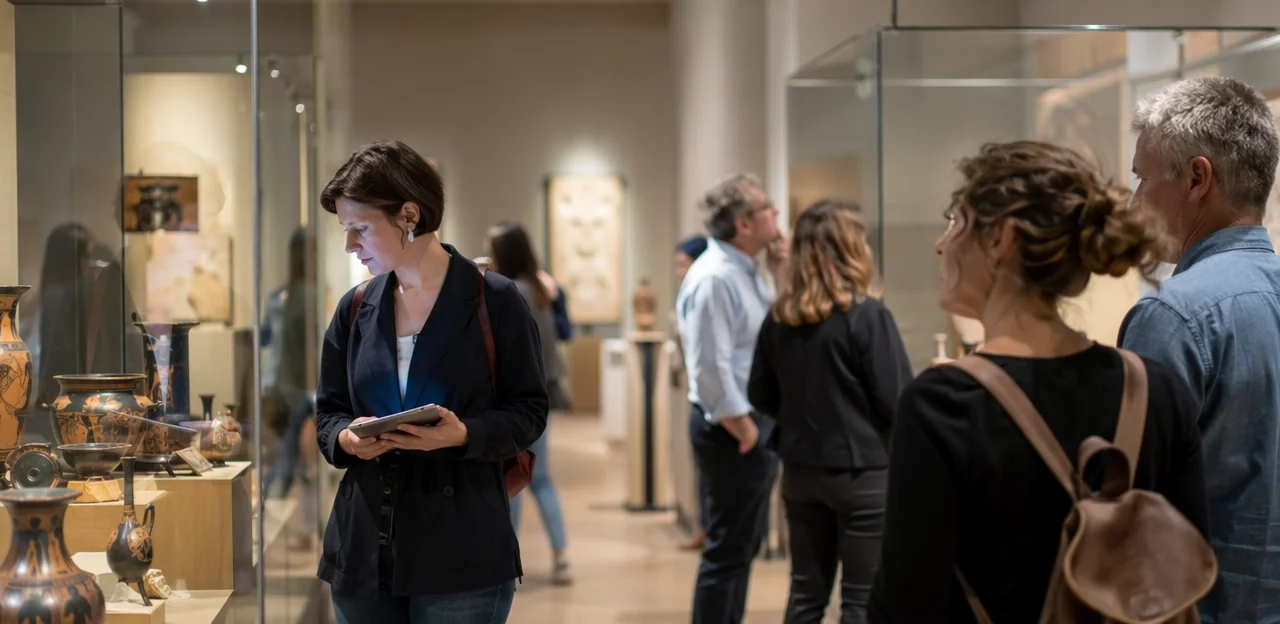
A museum visit is made up of moments: the first impression at the entrance, the clarity of exhibition signage, the atmosphere in a gallery, the interaction with staff, and the feeling visitors take away when they leave. These moments shape how people remember an attraction, but they can also be difficult to measure after the experience has passed. That is why museum guest feedback is so valuable when it is captured in real time, while reactions are still fresh and specific.
For museums and visitor attractions, timely feedback does more than track satisfaction. It helps teams understand what is working, identify friction points across the visitor journey, and respond quickly to issues that could affect reviews, return visits, and reputation. From queueing and wayfinding to accessibility, interpretation, and amenities, every touchpoint contributes to the overall guest experience.
This article explores why capturing feedback in the moment matters, what museums can learn from it, and how modern tools can make the process easier and more actionable. We will also look at practical ways attractions can collect insights at key touchpoints and use them to improve operations, strengthen visitor experience, and build deeper engagement over time, with solutions such as Tapsy offering one example of how real-time feedback can be gathered on-site.
Why in-the-moment museum guest feedback matters

The gap between remembered and real-time experiences
When museums rely on surveys sent hours or days later, museum guest feedback often becomes less precise. Visitors tend to remember the overall visit, but forget the exact exhibit that delighted them, the queue that caused frustration, or the moment signage became confusing. That makes it harder to identify what truly shaped the experience.
- Delayed surveys blur emotional highs like awe, surprise, or delight at a standout exhibit.
- Friction points fade quickly, including wait times, navigation issues, noise, or staff interactions.
- Exhibit-specific reactions get lost, reducing the value of feedback for curators and operations teams.
By collecting real-time visitor feedback and in-the-moment feedback at key touchpoints, museums can act faster, spot patterns sooner, and make improvements that are far more targeted and actionable.
How feedback shapes visitor experience and reputation
Museum guest feedback does more than measure a single visit; it directly influences the overall visitor experience and long-term museum reputation.
- Improves museum visitor satisfaction: Comments reveal pain points such as unclear signage, queue times, accessibility gaps, or exhibit flow, so teams can act quickly.
- Protects online reviews: Resolving concerns early reduces negative public reviews and increases positive ratings across search and travel platforms.
- Drives loyalty: Visitors who feel heard are more likely to return, buy memberships, donate, and recommend the museum to others.
- Builds public trust: Consistent feedback collection shows transparency, responsiveness, and a genuine commitment to community needs.
To make feedback actionable, collect it at key touchpoints and review patterns regularly. Tools like Tapsy can help museums capture in-the-moment insights before issues shape perception.
What museums can learn from attractions and cultural venues
Many visitor attractions already use agile feedback loops to improve experiences in real time. For museums, the key lesson is that museum guest feedback should be captured at the moment of experience, not days later.
- Theme parks track friction points like queues, signage, and staff interactions, then act fast to fix issues before they affect more guests.
- Galleries often gather quick touchpoint feedback on exhibitions, wayfinding, and dwell time to refine layouts and interpretation.
- Heritage sites use live insights to manage crowd flow, accessibility, and visitor comfort.
- Cultural institutions treat culture sector feedback as operational data, not just research.
A stronger guest experience strategy means listening continuously, routing issues quickly, and closing the loop while visitors are still onsite. Tools like Tapsy can support this with real-time, touchpoint-based feedback.
Best ways to collect museum guest feedback across the journey
On-site channels: kiosks, QR codes, SMS, and staff prompts
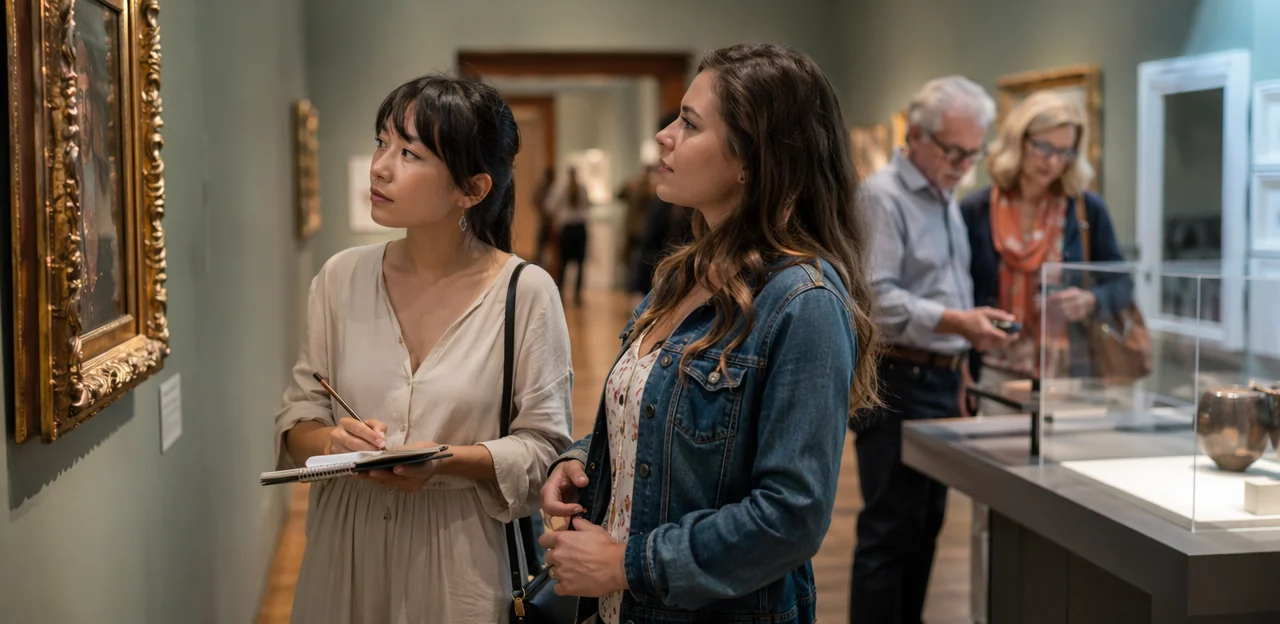
To collect museum guest feedback while the visit is still fresh, use on-site channels that match how people move through the space:
- Touchscreen exit points: Place a museum survey kiosk near exits, cafés, or gift shops for quick ratings and one optional comment.
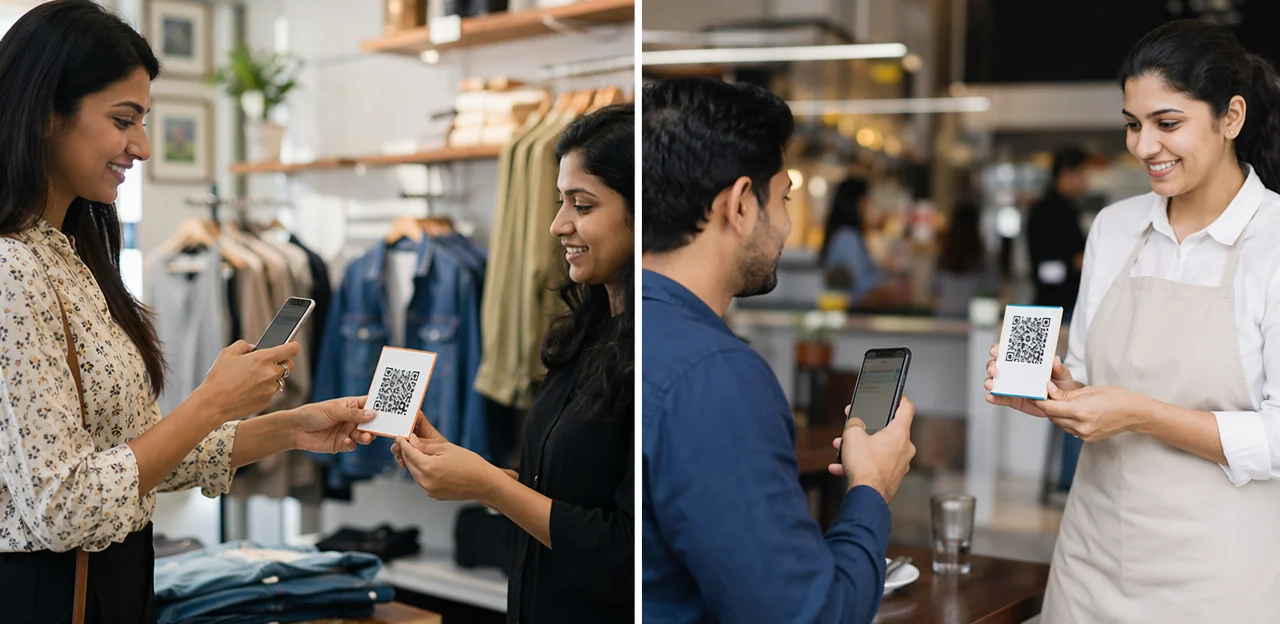
- QR code feedback at exhibits: Add clearly labeled QR codes near major galleries, interactive zones, and temporary exhibitions so visitors can respond in seconds on their own phones.
- SMS follow-ups: Offer a text-message survey after ticket scans, tours, or events for guests who prefer to respond later the same day.
- Front-line staff invitations: Train staff and volunteers to invite feedback at natural moments, such as after a guided tour or family activity.
Keep every route low-friction: 1–3 questions, large buttons, mobile-friendly pages, multilingual options, screen-reader support, and accessible placement. Tools like Tapsy can help streamline QR-based collection across touchpoints.
Capturing exhibit-level and location-specific responses
To improve museum guest feedback, museums need to collect insights exactly where experiences happen. Instead of relying only on exit surveys, place short feedback prompts at key museum touchpoints to identify what is working and where friction appears.
- Ticketing and entry: Ask about queue times, staff helpfulness, and first impressions.
- Wayfinding areas: Capture whether signage, maps, and directions feel clear or confusing.
- Exhibitions: Gather exhibit feedback on interpretation, interactivity, accessibility, and crowd flow.
- Cafes and gift shops: Measure service speed, product quality, pricing, and checkout experience.
- Restrooms: Track cleanliness, maintenance, and availability in real time.
This location-based feedback helps teams pinpoint whether praise is tied to a standout gallery or complaints stem from a specific restroom, café queue, or navigation bottleneck. Tools like QR or NFC touchpoints, such as Tapsy, can make in-the-moment responses easy and actionable.
Post-visit follow-up without losing context
A post-visit survey still matters after guests leave the museum, especially for understanding reflection, recall, and intent to return. The key is to connect it to in-gallery signals so museum guest feedback keeps its context.
- Send museum email feedback fast: aim for 24–48 hours after the visit, while details are still fresh but visitors have had time to process the experience.
- Use in-visit data to personalize: reference the exhibition, event, or touchpoint they engaged with, rather than sending one generic survey.
- Keep the survey short: start with 2–3 quick questions, then offer an optional deeper section for members or highly engaged visitors.
- Improve response rates: use clear subject lines, mobile-friendly design, and a small incentive or member benefit where appropriate.
- Match depth to audience: members may tolerate longer follow-ups; casual visitors usually prefer convenience.
Tools like Tapsy can help connect in-visit feedback with later follow-up for better visitor feedback timing.
What questions museums should ask guests
Core questions that reveal satisfaction and friction
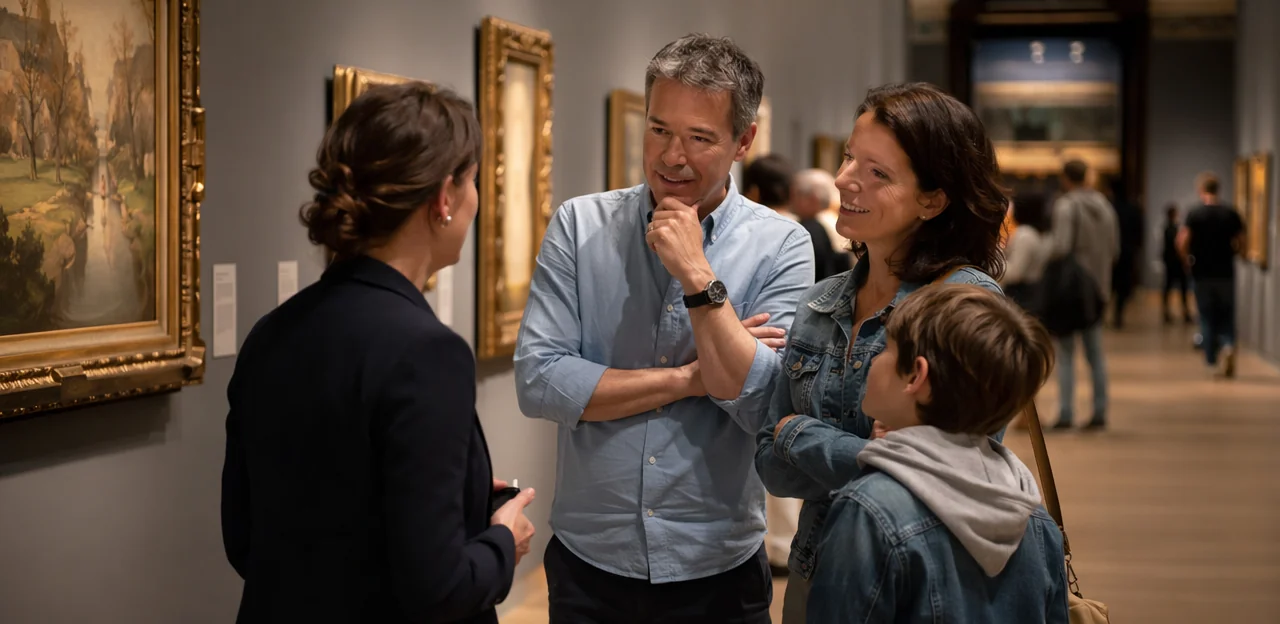
A strong museum guest feedback survey should focus on the moments that shape the visit most. Use a short visitor satisfaction survey with questions such as:
- How welcome did you feel on arrival?
- How helpful and approachable were staff?
- Was it easy to navigate the museum?
- Which exhibits felt most engaging or memorable?
- How would you rate cleanliness in galleries, restrooms, and shared spaces?
- Did the experience feel like good value for money?
- How likely are you to recommend us to others?
These museum survey questions and guest feedback questions work best when limited to 5–7 quick ratings plus one optional comment. Keep surveys useful by asking only what teams can act on immediately.
Using open-text feedback to uncover hidden issues
Ratings show what visitors felt; open-text feedback reveals why. In museums, comment boxes often surface details that scores miss, making museum guest feedback far more actionable.
- Capture nuanced concerns, such as confusing wayfinding, gallery temperature, sound levels, or queue frustration.
- Reveal emotional reactions to exhibits, helping teams understand what inspired, unsettled, or deeply engaged visitors.
- Identify accessibility barriers, including unclear signage, seating gaps, lighting issues, or sensory overload.
- Highlight unexpected positives in museum comments, from a standout staff interaction to a surprising exhibit moment.
These qualitative visitor insights add context to ratings and scores, helping museums prioritise fixes, improve inclusivity, and amplify what visitors genuinely remember.
Segmenting questions by audience type
Effective museum guest feedback starts with asking the right visitors the right questions. Strong museum audience segmentation makes feedback more relevant and easier to act on.
- Families: ask about stroller access, child-friendly exhibits, toilets, and café options to improve family visitor feedback.
- School groups: focus on learning outcomes, group flow, timings, and staff support.
- Tourists: ask about wayfinding, multilingual interpretation, ticketing, and local information.
- Members and donors: explore value, exclusive benefits, events, and connection to the museum mission.
- Accessibility-focused visitors: ask about step-free routes, seating, sensory needs, signage, and the overall accessible museum experience.
Segmented questions produce clearer insights, helping museums prioritize improvements by audience need rather than relying on generic survey data.
Turning museum guest feedback into action
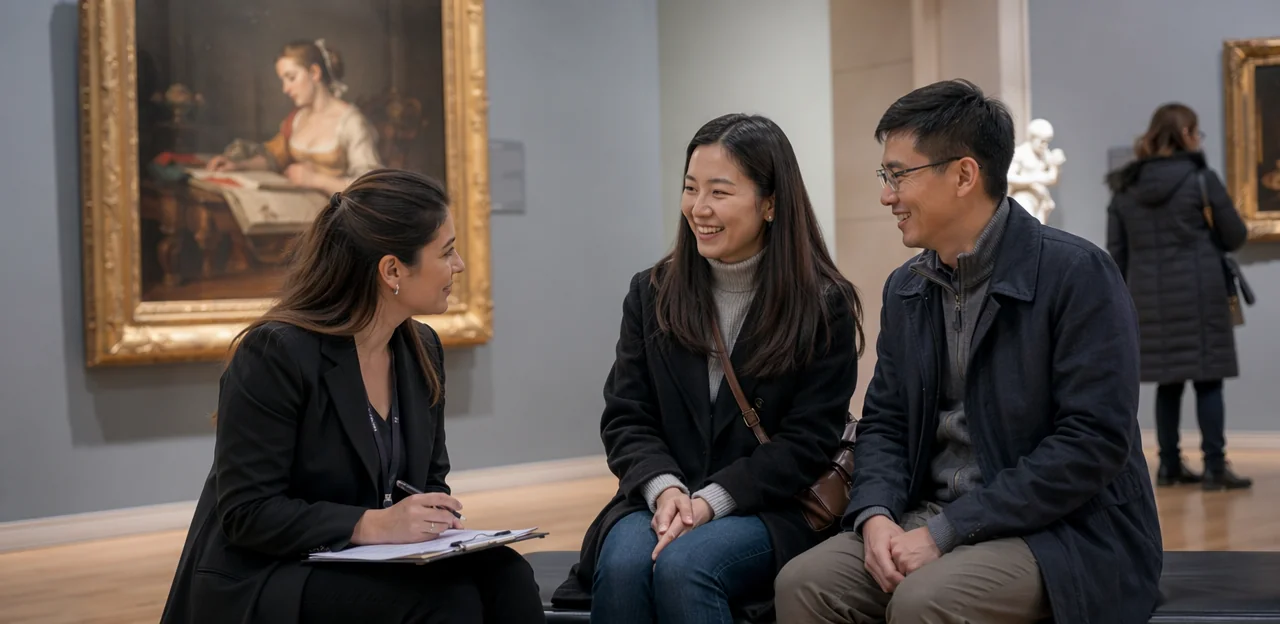
Prioritizing issues by impact and urgency
To act on museum guest feedback effectively, sort comments by both how many visitors are affected and how quickly the issue can be resolved. This helps teams focus on the changes that deliver the fastest visitor experience improvement without losing sight of bigger operational goals.
- Quick wins: Small, low-cost fixes with immediate impact, such as clearer wayfinding, updated gallery signage, or better café queue messaging.
- Operational fixes: Recurring issues that affect daily museum operations, like long entry lines, overcrowded cloakrooms, or inconsistent audio guide availability.
- Staff coaching needs: Feedback about unclear directions, slow responses, or uneven welcome standards should inform frontline training.
- Long-term strategic improvements: Repeated comments about confusing exhibit interpretation, accessibility gaps, or layout flow may require deeper redesign.
Real-time tools such as Tapsy can help museums capture and route museum guest feedback to the right team faster.
Sharing insights across teams
To turn museum guest feedback into action, every department needs access to the same clear picture of visitor sentiment. A shared museum feedback dashboard helps visitor services, curatorial, education, retail, catering, and leadership teams spot patterns quickly and respond together.
- Use one dashboard: Track feedback by touchpoint, gallery, event, shop, café, and time of day.
- Review regularly: Hold short weekly or fortnightly sessions so guest experience teams can discuss trends, urgent issues, and quick wins.
- Assign ownership: Every recurring issue should have a named team lead, deadline, and follow-up check.
- Share cross-functional insights: Curatorial can refine interpretation, education can improve programming, while retail and catering can address service or product gaps.
Tools such as Tapsy can help centralise feedback and route issues faster, but the real value comes from accountability and consistent follow-through.
Closing the loop with visitors and stakeholders
To close the feedback loop, museums need to show that museum guest feedback leads to visible action. Clear, consistent museum communication helps strengthen visitor trust and makes guests more likely to share feedback again.
- On-site signage: Add simple signs such as “You said, we changed…” near entrances, galleries, cafés, or rest areas to highlight improvements.
- Email updates: Send follow-up messages to members, ticket buyers, and donors summarising changes inspired by visitor comments.
- Staff scripts: Equip front-line teams with short phrases like, “We extended seating here based on recent guest feedback.”
- Annual reporting: Include feedback themes, actions taken, and outcomes in public reports for boards, funders, and community stakeholders.
If using real-time tools such as Tapsy, museums can identify issues faster and communicate improvements while the experience is still fresh. This transparency builds credibility and encourages future participation.
Measuring success: KPIs for guest experience in museums
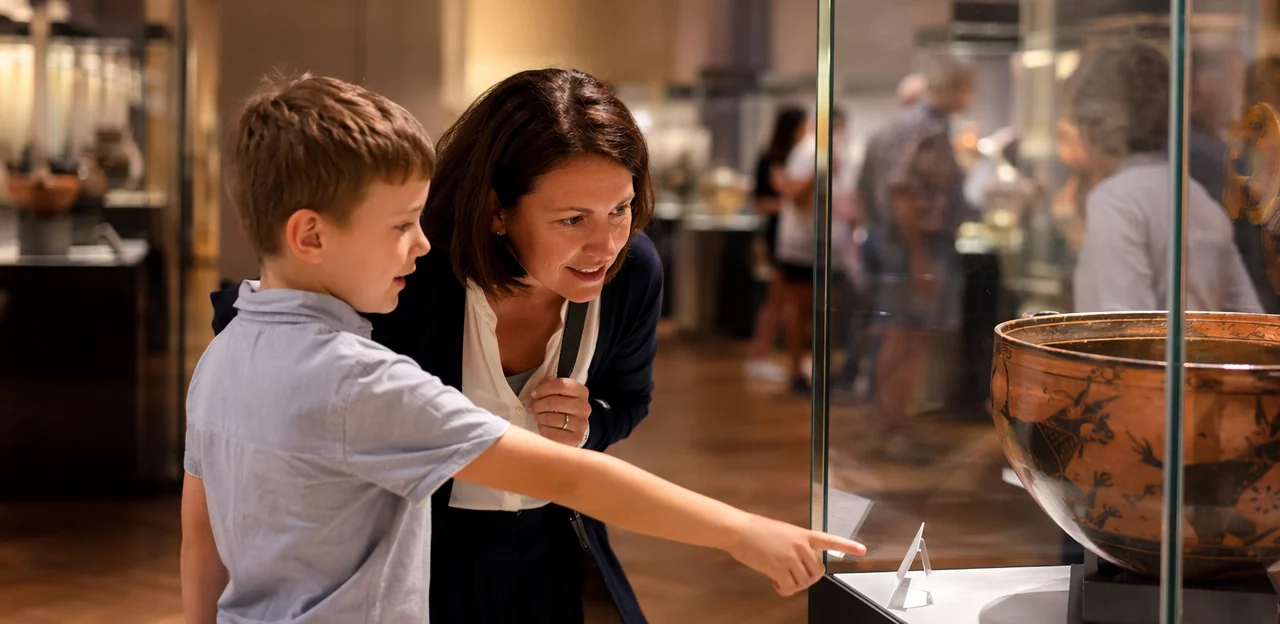
Key metrics to track over time
To turn museum guest feedback into action, monitor a consistent set of museum guest experience metrics:
- Response rate: Shows whether feedback requests are visible, timely, and easy to complete.
- Satisfaction score: A core visitor satisfaction KPI for exhibitions, staff interactions, amenities, and wayfinding.
- Museum NPS: Measures loyalty and likelihood to recommend your museum to others.
- Sentiment trends: Reveals whether comments are becoming more positive or negative over time.
- Complaint volume: Highlights recurring operational issues that need immediate fixes.
- Dwell time: Indicates engagement with galleries, exhibits, and public spaces.
- Repeat visits: Helps assess long-term visitor value and programming appeal.
- Membership conversion: Connects experience quality to revenue and loyalty growth.
Tools like Tapsy can help capture these signals at key touchpoints.
Benchmarking by exhibit, daypart, and audience segment
Broad averages can blur what is really happening. Stronger museum guest feedback programs use museum benchmarking to compare results across:
- Exhibitions: Track exhibit performance metrics such as dwell time, satisfaction, wayfinding clarity, and staff interaction by gallery or show.
- Daypart and visit type: Separate weekdays from weekends, school holidays, evenings, and special events to spot crowding, queue, or atmosphere issues.
- Audience groups: Use visitor segment analysis for members, families, tourists, school groups, and first-time visitors.
This context-rich reporting reveals patterns hidden in top-line scores and helps teams prioritize staffing, signage, programming, and exhibit improvements with far greater precision.
Avoiding common feedback mistakes
Poor museum guest feedback processes often create more noise than insight. Avoid these common feedback survey mistakes:
- Asking too many questions: Keep surveys to 1–3 core questions plus an optional comment. Shorter forms improve completion rates and museum data quality.
- Collecting data without acting on it: Assign owners to review results weekly, flag urgent issues, and close the loop with visible improvements.
- Ignoring accessibility: Use plain language, mobile-friendly formats, large text, and multilingual options so more visitors can respond.
- Relying only on annual surveys: Capture feedback at key touchpoints in real time for fresher, more useful insights.
These visitor feedback best practices lead to clearer trends, faster fixes, and better decisions.
Building a sustainable feedback culture in museums and attractions
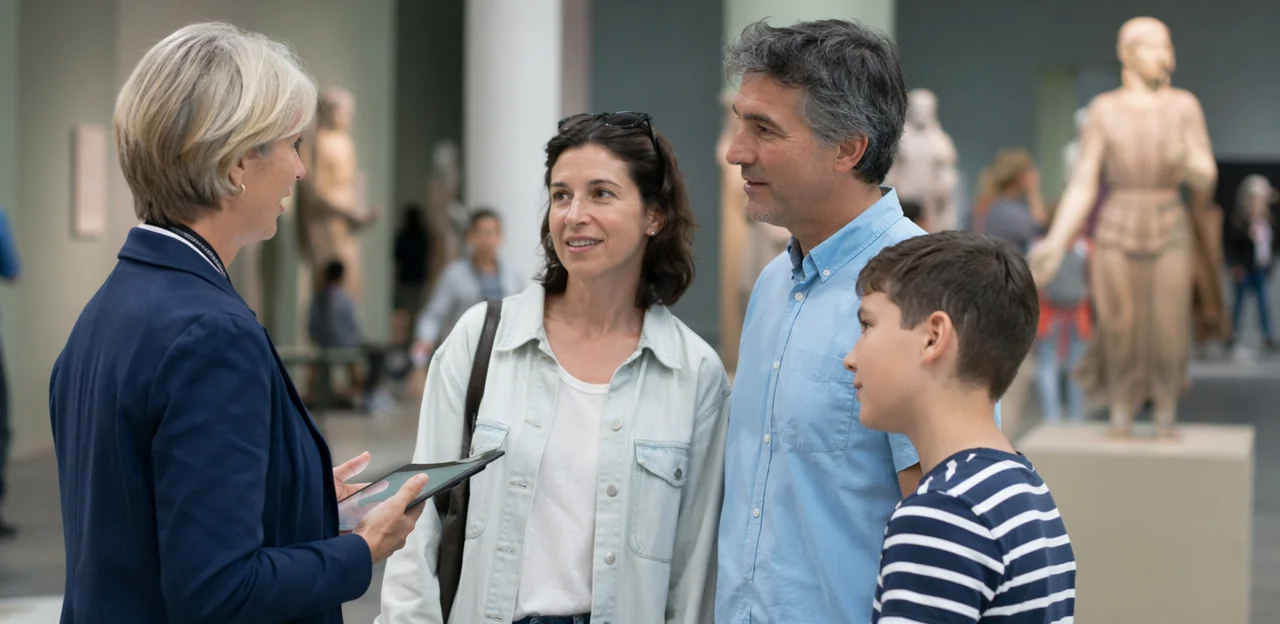
Training staff to support feedback collection
Strong museum staff training turns feedback into part of the daily visitor journey, not an awkward extra ask. To improve museum guest feedback, front-line teams need confidence, context, and simple routines.
- Encourage participation naturally: ask at key moments such as exit points, after tours, or at help desks with a short, friendly prompt.
- Handle complaints empathetically: listen without defensiveness, thank visitors, apologise where appropriate, and explain the next step clearly.
- Spot patterns in sentiment: train teams to log recurring issues like signage confusion, queue frustration, or exhibit accessibility concerns.
A strong feedback culture depends on staff buy-in, clear escalation processes, and regular sharing of insights that improve the front-line visitor experience.
Choosing the right technology and governance
To make museum guest feedback useful, choose tools and rules together:
- Select the right platform: Look for museum feedback software that supports QR, kiosk, SMS, or email collection, real-time alerts, and simple dashboards. Smaller museums may prefer low-cost, easy-to-deploy tools, while larger institutions often need multi-site reporting and role-based access.
- Integrate systems: Strong visitor experience technology should connect with CRM, ticketing, and membership platforms so feedback can be linked to visit type, exhibition, or audience segment.
- Protect privacy: Collect only necessary data, set retention periods, and ensure GDPR-compliant consent.
- Define ownership: Clear feedback data governance should assign who owns data quality, reporting, action plans, and escalation workflows. A solution like Tapsy can fit touchpoint-based feedback capture.
Creating a continuous improvement loop
To turn museum guest feedback into lasting value, museums need a repeatable process rather than one-off surveys. A strong museum guest feedback strategy should follow a simple cycle:
- Listen continuously at key touchpoints such as entry, galleries, cafés, and exits.
- Analyze patterns by theme, location, time, and audience segment.
- Act quickly on recurring issues, from wayfinding confusion to queue management.
- Measure results to see whether changes improve satisfaction and operations.
This approach supports continuous improvement, strengthens visitor experience management, and helps museums adapt faster to changing visitor expectations. Tools like Tapsy can help capture in-the-moment insights and close the loop in real time.
Conclusion
In the end, the most effective museums don’t just collect opinions after a visit—they capture the moment of experience while it’s still fresh. That’s where museum guest feedback becomes truly valuable. By listening at key touchpoints throughout the visitor journey, museums can uncover what inspires guests, where friction appears, and how exhibitions, staff interactions, signage, accessibility, and amenities shape the overall experience.
A strong museum guest feedback strategy helps institutions move beyond assumptions and make informed, visitor-centered decisions. Real-time insights can support faster service recovery, improve exhibit design, strengthen audience engagement, and ultimately encourage repeat visits, memberships, and positive word of mouth. Just as importantly, it gives visitors a voice and shows that their experience matters.
The next step is to make feedback easy, timely, and actionable. Review your current visitor journey, identify the moments that matter most, and choose simple tools that let guests respond instantly. Solutions such as Tapsy can help attractions capture in-the-moment feedback at physical touchpoints without adding friction.
If you’re ready to improve visitor satisfaction, start by auditing your feedback process, testing real-time collection methods, and tracking recurring themes over time. The better you capture museum guest feedback, the better you can create memorable experiences that keep visitors coming back.
Frequently Asked Questions
- Why is real-time guest feedback more useful for museums than surveys sent days later?
Real-time feedback captures reactions while details are still fresh and specific. Delayed surveys often lose exhibit-level reactions, emotional highs, and short-lived friction points such as queues, confusing signage, or staff interactions.
- What can museums improve by collecting feedback during the visit?
Museums can identify issues across entry, wayfinding, exhibitions, accessibility, amenities, and staff interactions. This helps teams improve operations, protect reviews, strengthen visitor satisfaction, and encourage return visits, memberships, and recommendations.
- Which visitor touchpoints are best for collecting in-the-moment feedback?
Useful touchpoints include ticketing and entry, wayfinding areas, exhibitions, cafés, gift shops, restrooms, and exits. Collecting feedback where the experience happens makes it easier to connect praise or complaints to a specific location or moment.
- What on-site methods can museums use to gather guest feedback?
Museums can use touchscreen kiosks, QR codes placed near exhibits, SMS follow-ups after visits or events, and staff or volunteer prompts at natural moments. The most effective methods are quick, low-friction, mobile-friendly, and accessible.
- How many questions should a museum feedback survey include?
Shorter surveys work best, especially on-site. A practical format is 1–3 questions for touchpoint feedback or 5–7 quick ratings plus one optional comment for broader satisfaction checks.
- What questions should museums ask to understand visitor satisfaction and friction?
Good questions cover arrival, staff helpfulness, ease of navigation, exhibit engagement, cleanliness, value for money, and likelihood to recommend. These topics help reveal both overall satisfaction and specific points where the experience breaks down.
- Why should museums include open-text comments in feedback forms?
Open-text responses explain why visitors gave a certain rating and often reveal issues that scores miss. They can uncover details such as wayfinding confusion, temperature or noise concerns, accessibility barriers, and memorable positive staff interactions.
- How should museums adapt feedback questions for different audience groups?
Questions should reflect the needs of each audience segment. Families may be asked about stroller access and child-friendly facilities, school groups about learning outcomes and group flow, tourists about multilingual interpretation, and accessibility-focused visitors about seating, signage, and step-free routes.
- When should a museum send a post-visit survey?
A post-visit survey should usually be sent within 24–48 hours. That timing keeps the visit fresh enough for useful recall while giving visitors a little time to reflect on the experience.
- How can museums turn guest feedback into practical action?
Teams should sort issues by impact and urgency, then separate quick wins from operational fixes, staff coaching needs, and longer-term redesign work. This makes it easier to address recurring problems such as signage confusion, queue issues, or accessibility gaps in a structured way.
- Why is it important to share feedback across departments in a museum?
Visitor experience issues often affect more than one team, so a shared view helps departments respond together. Visitor services, curatorial, education, retail, catering, and leadership can use the same patterns to assign ownership, set deadlines, and follow up consistently.
- How can museums show visitors that feedback led to change?
Museums can use on-site signs, follow-up emails, staff scripts, and annual reporting to explain what changed. Clear messages such as 'You said, we changed…' help build trust and encourage future participation.
- Which KPIs should museums track for guest experience?
Useful KPIs include response rate, satisfaction score, Net Promoter Score, sentiment trends, complaint volume, dwell time, repeat visits, and membership conversion. Tracking these over time helps connect visitor feedback to loyalty, engagement, and operational performance.
- How does benchmarking by exhibit, daypart, or audience segment improve decisions?
Broad averages can hide important differences, so benchmarking adds context. Comparing results by gallery, event, weekday versus weekend, or audience type helps museums spot crowding, staffing, signage, and programming issues with much greater precision.
- What common mistakes should museums avoid in feedback collection?
Common mistakes include asking too many questions, collecting data without acting on it, ignoring accessibility, and relying only on annual surveys. Better results come from short, accessible surveys, regular review, clear ownership, and real-time collection at key touchpoints.