
A great guest experience can unravel in minutes. A long queue, unclear signage, a closed food outlet, or a cleanliness issue may seem minor in isolation, but in a theme park, these moments shape how visitors remember the entire day. The challenge for operators is not just collecting opinions after the fact, but capturing live sentiment quickly enough to fix problems before they escalate.
That is where theme park guest feedback becomes far more than a satisfaction metric. When gathered at the right touchpoints and in real time, it becomes an operational tool that helps teams spot friction, prioritize issues, and respond while guests are still on-site. For visitor attractions, museums, and cultural venues alike, this shift turns feedback from a passive reporting exercise into an active driver of service recovery and experience improvement.
In this article, we will explore how attractions can turn live guest signals into practical operational fixes, from identifying recurring pain points in queues, facilities, and staff interactions to routing issues to the right teams faster. We will also look at how simple, in-the-moment feedback methods, including tools such as Tapsy, can help attractions increase response rates, improve customer experience, and build a more responsive guest operation.
Why theme park guest feedback matters for operations

From comments to live operational intelligence
Theme park guest feedback should be treated as a live operating system, not just a post-visit survey. In high-volume parks, real-time signals from multiple channels reveal issues while teams can still fix them.
- Mobile messages and in-app feedback flag queue frustration, ride downtime, payment errors, or wayfinding problems immediately.
- App reviews and social posts surface recurring pain points such as food delays, cleanliness concerns, or overcrowding.
- Staff reports and in-park responses add frontline context, helping managers verify patterns fast.
This mix of real-time guest feedback creates usable operational intelligence: what is happening, where, and how urgently. For busy attractions handling thousands of guests daily, live signals matter because small issues scale fast. Tools such as Tapsy can help capture feedback at the moment of experience and route alerts to the right team.
Common friction points guests report first
Theme park guest feedback often highlights operational gaps before managers see them on dashboards or walk-throughs. The earliest signals usually cluster around a few repeat visitor attraction pain points:
- Queue delays: Rising guest complaints theme park teams receive about slow-moving lines, unclear wait times, or poor line control often point to staffing or dispatch issues.
- Wayfinding confusion: Repeated comments about hard-to-find rides, restrooms, or food outlets signal signage and map problems.
- Ride downtime communication: Guests tolerate closures better when updates are timely; frustration spikes when information is vague or inconsistent.
- Food service bottlenecks: Long waits, stockouts, and order confusion reveal pressure points in kitchens and peak-time staffing.
- Cleanliness and staff responsiveness: These are fast indicators of slipping standards.
Using live queue management feedback and touchpoint surveys helps teams catch service failures early and act before they spread park-wide.
Fast action turns theme park guest feedback into visible service recovery before frustration spreads. When teams resolve queue bottlenecks, cleanliness issues, ride downtime confusion, or food-service delays in real time, they create measurable guest experience improvement and protect visitor satisfaction.
- Higher satisfaction: Guests feel heard when problems are fixed during the visit, not after it.
- More in-park spending: A smoother day means more time for dining, retail, photos, and upgrades instead of complaints.
- Stronger reviews: Rapid recovery often converts a negative moment into a positive story shared online.
- Better repeat visitation: Consistently responsive operations build trust, loyalty, and stronger brand reputation.
For customer experience theme parks teams, the key is simple: capture live signals, route alerts instantly, and empower frontline staff to act fast. Tools like Tapsy can help close that loop quickly.
How to collect live feedback across the guest journey
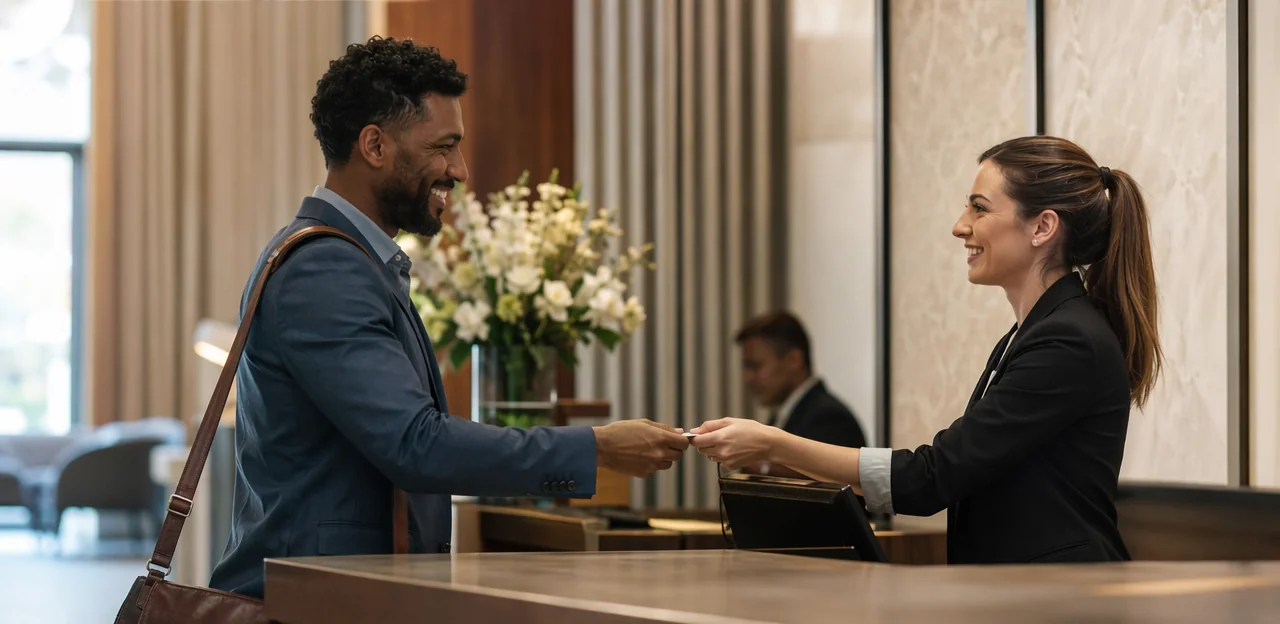
Best channels for real-time guest feedback
Use a mix of guest feedback channels to capture issues when they can still be fixed:
- Pre-visit: SMS surveys after booking and contact center logs reveal confusion around tickets, parking, accessibility, or opening times.
- In-park: QR code feedback points at rides, food outlets, restrooms, and exits are ideal for fast real-time guest feedback. Mobile app prompts work well after ride joins, purchases, or wayfinding events. Kiosk surveys suit high-traffic zones where guests may not want to use phones.
- Post-visit: SMS surveys, app follow-ups, and social listening capture broader sentiment once guests reflect on the day.
- Always on: Frontline staff escalation is critical for immediate operational fixes, from queue issues to cleanliness and safety concerns.
For stronger theme park survey methods, route every signal into one dashboard so theme park guest feedback drives action fast.
Designing low-friction feedback requests
Good theme park guest feedback starts with asking less, but asking smarter. Effective feedback survey design keeps requests short, relevant, and tied to the moment guests just experienced.
- Time it well: Trigger feedback after a ride exit, food purchase, restroom visit, or show end—when details are fresh, not hours later.
- Keep it brief: Use 1–3 customer feedback questions max. Aim for under 15 seconds to complete.
- Use simple scales: A 5-point rating scale is fast, familiar, and easy to compare across locations and teams.
- Add one targeted open-text prompt: Ask “What should we fix here today?” instead of a generic comment box to get actionable data.
- Match context: Ask about wait time at queue exits, cleanliness near facilities, or staff helpfulness at service points.
These in-park survey best practices reduce drop-off and produce clearer operational fixes.
Capturing signals from museums and attractions too
The same listening model used for theme park guest feedback can be adapted for museums, zoos, heritage sites, and galleries, where experience drivers differ. For stronger museum visitor feedback and broader visitor attractions feedback, collect input at moments that reflect how people move and learn:
- Track dwell time and exhibit flow: identify where visitors linger, skip, or bottleneck.
- Measure accessibility clearly: ask about wayfinding, seating, sensory comfort, step-free access, and family needs.
- Assess interpretation quality: test whether labels, guides, audio tours, and digital content felt clear and engaging.
- Map feedback by zone and time: compare galleries, trails, animal habitats, or historic rooms to spot patterns.
This helps teams improve the cultural attraction guest experience with targeted fixes, not generic surveys. Tools like Tapsy can help capture these live, in-context signals.
Turning feedback data into prioritized operational fixes

How to categorize and route issues quickly
Fast theme park guest feedback handling starts with a simple, consistent tagging structure. Use four required tags on every submission to improve feedback categorization, speed up issue routing, and keep your operations workflow clear:
- Location: entrance, ride, queue, restroom, restaurant, shop, parking, hotel area
- Issue type: cleanliness, wait time, staff interaction, food quality, safety, accessibility, technical fault
- Severity: low, medium, high, critical
- Department owner: operations, food and beverage, guest services, maintenance, housekeeping
Set triage rules so urgent issues never sit in a general inbox. For example:
- Critical safety or ride faults → operations or maintenance immediately
- Food complaints → food and beverage manager
- Cleanliness or restroom issues → housekeeping
- Service recovery requests → guest services
Assign one named owner per case, with escalation timers and closure targets. Tools like Tapsy can help automate alerts by tag and location.
Prioritization frameworks for high-impact fixes
To turn theme park guest feedback into action, use a simple scoring model that supports faster operational prioritization and sharper guest feedback analysis. Rate each issue from 1–5 across:
- Guest impact — How strongly does it affect satisfaction or trip enjoyment?
- Frequency — Is it a one-off complaint or a repeated pattern?
- Revenue risk — Could it reduce in-park spend, return visits, or memberships?
- Safety implications — Does it create risk for guests or staff?
- Ease of resolution — Can teams fix it quickly with low cost or effort?
Multiply or total the scores, then sort issues into two groups:
- Urgent fixes: high safety risk, high frequency, or strong revenue impact
- Improvement projects: lower-risk issues that need budget, planning, or cross-team changes
This framework strengthens your service recovery strategy by helping teams address immediate pain points first, while scheduling longer-term upgrades systematically. Tools like Tapsy can help surface these signals in real time.
Examples of live signals becoming real changes
When theme park guest feedback is captured in real time, teams can turn complaints into fast, visible action. Practical guest feedback examples include:
- Queue comfort fixes: If guests repeatedly mention heat exposure, operations can add shade sails, misting fans, or water stations in high-wait areas. These are simple but high-impact theme park improvements.
- Clearer wayfinding: Confusion about ride entrances, showtimes, or dining locations can trigger updates to digital signage and mobile map messaging the same day.
- Smarter staffing: Live alerts about slow entry, restroom lines, or food waits help managers reallocate staff during peak periods for faster service.
- Food service adjustments: If feedback shows frequent stockouts or long lunch delays, kitchens can increase prep capacity, simplify menus, or open extra service points.
- Ride downtime communication: When guests report frustration around closed attractions, parks can improve ETA screens, push notifications, and nearby alternative recommendations.
These operational fixes theme park teams make are most effective when feedback is routed instantly to the right department.
Building cross-functional response systems

Who should own guest feedback action plans
Closing the loop on theme park guest feedback works best when feedback ownership is shared, but accountability is clear:
- Guest experience leaders set priorities, service standards, and escalation rules within overall guest experience management.
- Operations managers turn live feedback into daily fixes across queues, staffing, cleanliness, food service, and ride flow.
- Frontline supervisors coach teams in real time and confirm that immediate recovery actions happen on the ground.
- Maintenance teams own fault-related issues such as broken fixtures, signage, lighting, or ride-area defects.
- Marketing or insights staff identify patterns, report trends, and measure whether fixes improve satisfaction.
Use a simple governance model: one executive owner, one operational lead per issue type, clear SLAs, and regular cross-functional operations reviews.
Closing the loop with staff and guests
To close the feedback loop, turn theme park guest feedback into clear updates that both teams and visitors can see.
- Strengthen staff communication: Share daily briefings with frontline teams on what changed, why it matters, and the expected response. Example: “Queue complaints increased at Ride A, so we added shade, updated wait-time signs, and assigned one extra host.”
- Use fast service recovery: Send simple messages such as, “We’re sorry your dining wait was longer than expected. We’ve alerted the team and added extra support during peak times.”
- Show visible fixes in-park: Add signs like “You asked, we improved seating here” or reopen cleaned rest areas faster.
Tools like Tapsy can help route issues quickly and support faster follow-up.
Using dashboards and alerts for daily decision-making
A strong guest feedback dashboard turns theme park guest feedback into clear daily actions. Attraction operators should track live metrics such as satisfaction score, queue complaints, cleanliness mentions, ride downtime feedback, food service ratings, and issue volume by zone or time of day.
- Set real-time alerts for sudden score drops, repeated keywords like “dirty” or “unsafe,” and spikes in complaints at specific rides or venues.
- Review dashboards in opening, mid-day, and closing huddles to assign fixes before problems spread.
- Use theme park reporting cadences that include hourly frontline checks, daily summaries, and weekly trend reviews.
Tools like Tapsy can help route urgent issues to the right team fast.
Measuring the impact of operational improvements

KPIs that connect feedback to outcomes
To make theme park guest feedback useful, track guest experience KPIs that link operational issues to revenue, retention, and reputation. Focus on a small set of feedback metrics and review them by ride, zone, time of day, and team.
- Response time: How quickly staff acknowledge a problem. Faster responses reduce frustration and protect in-park spend.
- Issue resolution time: Measures how long it takes to fix complaints such as ride downtime, food delays, or restroom issues. Shorter resolution times improve recovery and lower complaint escalation.
- Queue satisfaction: One of the most important visitor satisfaction metrics because wait times directly affect perceived value and repeat intent.
- Cleanliness scores: Tie these to dwell time, food and retail conversion, and overall satisfaction.
- App ratings: Reveal friction in maps, mobile ordering, and wait-time tools that influence guest flow and spend.
- Complaint volume and sentiment: Track both total complaints and emotional tone to spot high-risk pain points early.
- Repeat visits: The clearest business outcome metric; compare repeat rate against satisfaction by attraction or visit segment.
Tools like Tapsy can help capture live signals at key touchpoints and route issues to the right teams quickly.
How to test whether fixes are working
Collecting theme park guest feedback is only useful if you confirm that changes improve the guest journey. Build a simple validation process that shows whether a fix solved the real problem.
- Run before-and-after comparisons: Measure the same touchpoint before the change and again after rollout. Track wait-time ratings, cleanliness scores, staff helpfulness, and complaint volume to measure operational improvements clearly.
- Use location-based feedback trend analysis: Compare results by ride, food outlet, queue zone, restroom, or entrance. Strong feedback trend analysis helps you see whether improvements are working everywhere or only in certain areas.
- Pilot test first: Try the fix in one land, one queue, or one shift before scaling. This makes A/B testing guest experience more practical, especially when comparing updated signage, staffing levels, or mobile ordering processes.
- Benchmark by season: Compare results against similar periods, not just the previous week. School holidays, weekends, and peak summer traffic can distort results.
If you use live capture tools such as Tapsy, you can monitor touchpoint-level shifts faster and validate fixes in near real time.
Best practices and common mistakes in theme park guest feedback programs
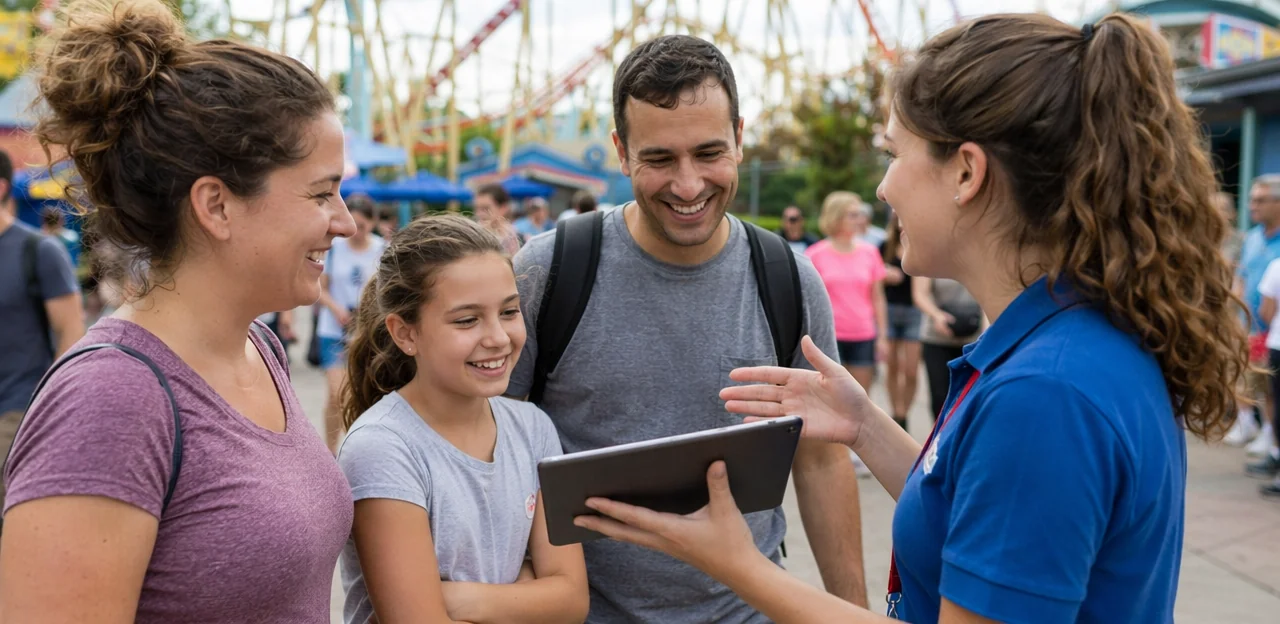
What successful attractions do consistently
High-performing parks treat theme park guest feedback as a live operational tool, not a quarterly report. Their guest feedback best practices usually include:
- Collect feedback continuously at key moments: entry, queues, food outlets, rides, restrooms, and exit.
- Empower frontline teams to fix simple issues immediately, such as unclear signage, cleanliness gaps, or long waits.
- Act fast on small problems before they become negative reviews or lost spend.
- Review patterns across the full guest journey to spot repeat friction points, not just isolated complaints.
This listening-and-action loop strengthens theme park customer experience and supports continuous improvement attractions can measure over time. Tools like Tapsy can help capture in-the-moment signals at physical touchpoints.
Mistakes that limit actionability
Common feedback program mistakes often make theme park guest feedback harder to act on than it should be:
- Over-surveying guests: Too many requests create survey fatigue, lowering response quality and participation.
- Collecting data without ownership: Every issue type needs a clear team owner, response SLA, and escalation path.
- Ignoring open-text comments: Free-text often reveals the real operational cause behind low scores, from queue confusion to restroom cleanliness.
- Treating all complaints equally: Prioritize by severity, frequency, location, and revenue or safety impact.
- Failing to close the loop: Tell guests and staff what changed based on feedback to build trust and increase future response rates.
Avoid these customer feedback pitfalls by designing for action, not just collection.
Conclusion: make live feedback part of daily operations
To improve operational excellence and build lasting guest loyalty, operators should stop treating theme park guest feedback as a monthly reporting exercise and start using it as a live operating system. Real-time signals help teams spot friction early, prioritize fixes, and protect the guest experience before small issues become public complaints.
- Capture feedback at key touchpoints: queues, food outlets, restrooms, exits, and exhibits
- Route urgent issues instantly to the right team for faster recovery
- Review patterns daily across parks, museums, and attractions to guide staffing, maintenance, and service changes
With the right process, every comment becomes a practical input for better decisions and stronger loyalty.
Conclusion
In today’s attractions landscape, the teams that win are the ones that treat theme park guest feedback as an operational tool, not just a reporting metric. When feedback is captured in the moment—at ride exits, food outlets, queues, restrooms, and guest services—it becomes a live signal for what needs attention now. That means shorter response times, faster issue recovery, better staffing decisions, cleaner facilities, smoother guest flow, and ultimately stronger satisfaction and loyalty.
The real value of theme park guest feedback lies in turning patterns into action. A single complaint may be anecdotal, but repeated signals around wait times, signage, cleanliness, accessibility, or staff interactions point directly to operational fixes that improve the guest experience at scale. For museums, attractions, and theme parks alike, this creates a continuous improvement loop that helps teams solve problems before they damage reputation or repeat visits.
The next step is simple: audit your key guest touchpoints, define which live signals matter most, and build a process for routing issues to the right teams in real time. If you’re exploring tools to support this, solutions like Tapsy can help attractions collect on-site feedback without adding friction. Start small, measure results, and keep refining—because every better guest experience begins with listening well and acting fast.
Frequently Asked Questions
- What is theme park guest feedback used for beyond satisfaction measurement?
It can function as live operational intelligence rather than only a post-visit score. When collected in real time, it helps teams spot friction, prioritize issues, and fix problems while guests are still on-site.
- Which guest issues usually appear first in live feedback at theme parks?
The earliest signals often cluster around queue delays, wayfinding confusion, ride downtime communication, food service bottlenecks, cleanliness, and staff responsiveness. These issues tend to surface before managers notice them through dashboards or walk-throughs.
- Why does acting on feedback during the visit matter so much?
Fast action can prevent small frustrations from shaping the entire day negatively. It also supports higher satisfaction, stronger reviews, more in-park spending, and better repeat visitation because guests see that problems are being addressed immediately.
- What are the best channels for collecting real-time guest feedback across the journey?
Useful channels include SMS surveys after booking, contact center logs, QR code feedback points, mobile app prompts, kiosk surveys, post-visit follow-ups, social listening, and frontline staff escalation. Using multiple channels helps capture issues at the moment they can still be fixed.
- How should a low-friction in-park feedback request be designed?
Keep it short, relevant, and tied to the moment the guest just experienced. A strong approach is to ask 1–3 questions, use a simple 5-point scale, and include one targeted open-text prompt such as asking what should be fixed today.
- Can the same feedback approach work for museums and other attractions?
Yes, the same listening model can be adapted for museums, zoos, heritage sites, and galleries. In those settings, teams should focus more on exhibit flow, accessibility, interpretation quality, and feedback by zone and time.
- How should guest feedback be categorized so teams can act quickly?
Each submission should be tagged with location, issue type, severity, and department owner. That structure makes routing faster and helps operations, food and beverage, guest services, maintenance, or housekeeping know exactly what they own.
- What is a practical way to prioritize which issues to fix first?
A simple scoring model can rate each issue on guest impact, frequency, revenue risk, safety implications, and ease of resolution. Teams can then separate urgent fixes from longer-term improvement projects and focus first on high-risk or high-frequency problems.
- What are examples of live guest signals turning into operational changes?
Repeated complaints about heat in queues can lead to shade, misting fans, or water stations. Feedback about confusing entrances or showtimes can trigger same-day updates to signage and mobile maps, while food delays can prompt staffing changes or extra service points.
- Who should own action plans for guest feedback in a theme park?
Ownership should be shared, but accountability must be clear. Guest experience leaders set priorities, operations managers drive daily fixes, frontline supervisors confirm recovery actions, maintenance handles faults, and marketing or insights teams track patterns and results.
- How can parks close the loop with both staff and guests?
Teams should communicate what changed, why it changed, and what response is expected. This can include daily staff briefings, direct service recovery messages to guests, and visible in-park signs showing that feedback led to improvements.
- What should a daily guest feedback dashboard track?
A useful dashboard should monitor satisfaction score, queue complaints, cleanliness mentions, ride downtime feedback, food service ratings, and issue volume by zone or time of day. Real-time alerts for score drops, repeated keywords, or complaint spikes help managers act before problems spread.
- Which KPIs best connect feedback to operational and business outcomes?
Key measures include response time, issue resolution time, queue satisfaction, cleanliness scores, app ratings, complaint volume and sentiment, and repeat visits. Reviewing them by ride, zone, time of day, and team makes it easier to link operational fixes to guest outcomes.
- How can teams verify whether an operational fix is actually working?
They should compare the same touchpoint before and after the change using measures like wait-time ratings, cleanliness scores, staff helpfulness, and complaint volume. Pilot testing in one area first and benchmarking against similar seasonal periods also makes results more reliable.
- What common mistakes make a guest feedback program less actionable?
The biggest problems include over-surveying guests, collecting data without clear ownership, ignoring open-text comments, treating all complaints equally, and failing to close the loop. Programs work better when they are designed for action, with clear owners, prioritization rules, and visible follow-up.