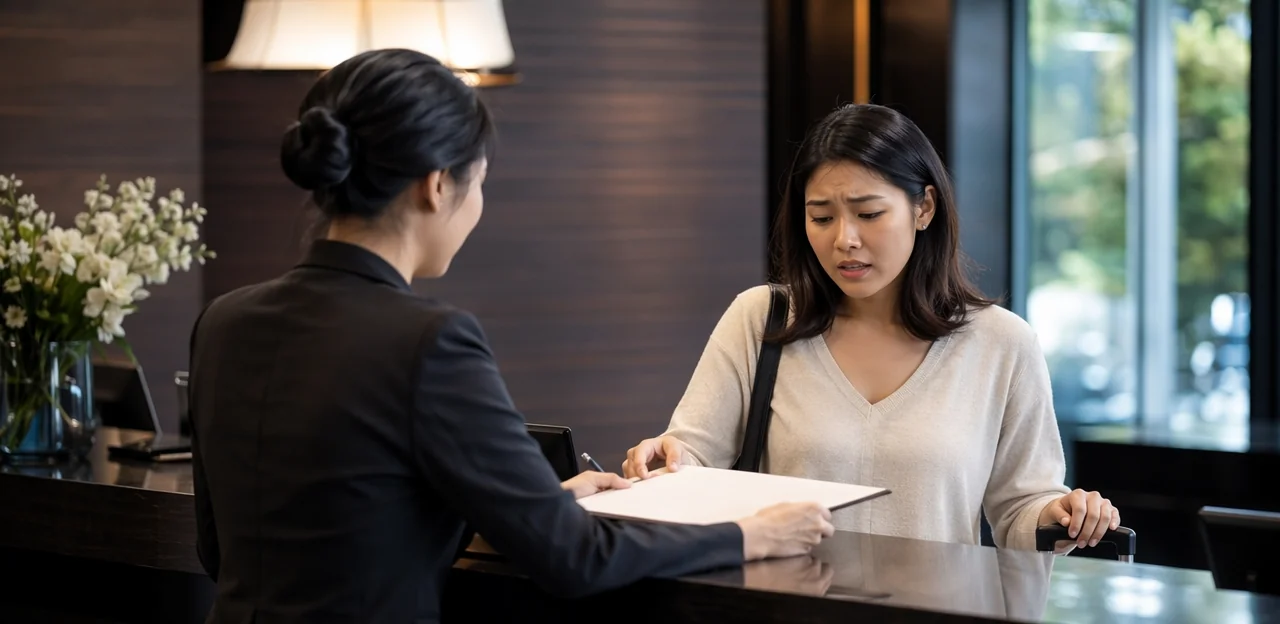
A busy café can serve great coffee, remember names, and create a welcoming atmosphere—yet still miss the small moments that decide whether a customer simply returns or becomes a vocal fan. That’s where smart café customer feedback strategies make a measurable difference. When you capture honest opinions at the right time, you gain more than ratings; you uncover what keeps guests coming back, what turns them away, and what inspires them to recommend your café to friends, family, and followers.
Today, feedback is no longer just about comment cards or online reviews posted days later. The most effective cafés gather insights in real time, respond quickly to service issues, and use what they learn to improve everything from wait times and menu choices to staff interactions and loyalty offers. In some cases, tools like Tapsy can help cafés collect in-the-moment feedback and encourage repeat visits with simple rewards.
This article explores practical café customer feedback ideas that help transform everyday transactions into relationship-building opportunities. From in-store prompts and QR-based surveys to service recovery tactics and follow-up incentives, you’ll discover actionable ways to strengthen customer experience, increase retention, and turn regulars into loyal advocates for your brand.
Why café customer feedback matters for loyalty and growth

How feedback shapes the customer experience
Café customer feedback gives you a direct view of what guests notice first and remember most. When you listen closely, small comments often uncover the biggest friction points in customer experience in cafés:
- Ordering: Guests may mention confusing signage, unclear specials, or slow checkout flows.
- Wait times: Repeated comments about delayed drinks or long queues highlight staffing or process gaps.
- Menu clarity: Questions about ingredients, pricing, or dietary options signal where menus need simplification.
- Cleanliness: Feedback about tables, restrooms, or condiment stations points to missed operational checks.
- Staff interactions: Comments reveal whether service feels warm, rushed, or inconsistent.
Acting on this input quickly helps cafés remove frustration, improve consistency, and create smoother visits. Tools like Tapsy can help capture in-the-moment feedback, making it easier to fix issues fast and increase repeat visit rates.
The link between regulars, retention, and advocacy
Repeat visits are the clearest sign that your café customer feedback process is working. When guests see that you remember preferences, fix recurring issues, and improve service based on their input, trust grows into customer loyalty for cafés.
That loyalty supports stronger restaurant customer retention and turns regulars into vocal advocates by driving:
- More positive online reviews from customers who feel heard
- Word-of-mouth referrals to friends, coworkers, and neighbors
- A stronger local reputation built on consistency and responsiveness
To make this happen:
- Track common feedback themes from repeat guests
- Act on them quickly and visibly
- Thank customers for suggestions and show what changed
Tools like Tapsy can help cafés capture real-time feedback and respond before disappointment becomes a lost customer or public complaint.
Common feedback blind spots in café operations
Many teams collect café customer feedback on drinks and service, but miss the operational details that quietly erode loyalty. These hidden gaps matter because small frustrations repeated over time can stall growth, reduce repeat visits, and hurt word of mouth.
- Mobile ordering friction: unclear pickup times, missing modifiers, or poor handoff communication
- Pickup flow: crowded counters, no clear queue, and orders called too softly during rushes
- Seating comfort: unstable tables, limited outlets, poor lighting, or cramped layouts
- Noise levels: loud music, espresso machines, and echo-heavy rooms that discourage longer stays
- Consistency across shifts: different drink quality, greeting standards, or speed between morning and evening teams
Strong restaurant operations feedback should be collected at each touchpoint, not just after payment. Tools like Tapsy can help capture in-the-moment issues before they become negative reviews.
Best ways to collect café customer feedback

In-person feedback tactics that feel natural
To improve café customer feedback without making guests feel surveyed, keep requests short, timely, and easy to answer. The best in-person customer feedback happens during natural service moments:
- Table touches: Have servers or managers stop by once, shortly after food arrives, and ask one simple question like, “How’s everything tasting today?”
- Cashier prompts: At checkout, train staff to use concise questions such as, “Was everything great with your visit?” or “Anything we could improve?”
- Comment cards: Keep cards brief with 2–3 checkboxes and one optional comment line, then place them near the till or on tables.
- Manager check-ins: A quick visit near the end of the meal helps catch issues before guests leave unhappy.
If you want to learn how to collect café customer feedback effectively, focus on one question at a time, ask with warmth, and avoid interrupting conversations. Tools like Tapsy can also support quick, on-the-spot responses after payment.
Digital channels: QR codes, email, SMS, and receipts
To scale café customer feedback, make it easy for guests to respond on the channels they already use. The best digital customer feedback for restaurants systems remove steps and ask for feedback while the visit is still fresh.
- Use a QR code feedback survey at the table or counter: Place codes on table tents, bill holders, takeaway bags, and menus so guests can scan in seconds.
- Send follow-up emails: Reach loyalty members after a visit with a short survey and a clear subject line.
- Use SMS for speed: Text messages often get faster opens than email, especially for same-day feedback requests.
- Add links to digital and printed receipts: A simple “Tell us how we did” CTA can capture post-purchase responses.
- Prompt in your app: If you have online ordering or loyalty features, trigger a one-tap rating after checkout.
Keep surveys short, mobile-first, and incentive-backed. Tools like Tapsy can help cafés collect instant QR feedback without adding friction.
Social media, reviews, and community listening
Direct surveys are essential, but they only show what guests choose to tell you. To strengthen café customer feedback, pair them with public signals from platforms where people speak more candidly.
- Monitor Google and Yelp regularly: Track recurring themes in online reviews for cafés, such as wait times, drink consistency, staff friendliness, and cleanliness.
- Watch Instagram comments and tags: Guests often share honest reactions to presentation, atmosphere, and service in real time.
- Check local Facebook groups, Reddit threads, and neighborhood forums: These spaces reveal unfiltered sentiment, competitor comparisons, and community expectations.
- Look for patterns, not one-offs: A single complaint may be noise; repeated mentions point to operational issues worth fixing.
This is where social listening for restaurants becomes practical: collect comments weekly, categorize them, and compare them against survey responses. If surveys say service is strong but reviews mention slow tableside attention, you’ve uncovered a gap worth addressing fast.
Questions to ask for useful and actionable insights

Core feedback questions every café should use
Strong café customer feedback starts with short, specific prompts that reveal what to fix next. Use customer feedback questions for cafés that tie directly to daily operations, staffing, and menu decisions, such as:
- Product quality: “Was your drink or food fresh, accurate, and served at the right temperature?”
- Speed: “How satisfied were you with wait time from ordering to pickup or table service?”
- Friendliness: “Did our team make you feel welcomed and valued today?”
- Cleanliness: “How clean were the tables, counter, restrooms, and service area?”
- Atmosphere: “Did the music, seating, noise level, and overall vibe suit your visit?”
- Value: “Did today’s experience feel worth the price you paid?”
These café survey questions work best with a rating plus an optional comment box, making patterns easier to spot and act on quickly.
Segmenting questions by dine-in, takeaway, and regulars
Strong café customer feedback starts with asking the right questions for the right visit type. A one-size-fits-all form misses useful detail.
- Dine-in guests: Ask about table service, wait times, food temperature, cleanliness, music, and overall atmosphere. These factors shape the full in-store experience.
- Takeaway customers: Focus on order accuracy, packaging, pickup speed, drink quality on arrival, and ease of ordering. This makes takeaway customer feedback more relevant and actionable.
- Regular customers: Go deeper than satisfaction scores. Ask whether quality feels consistent, which staff interactions stand out, what keeps them returning, and what might improve loyalty.
Using segmented forms helps uncover repeat customer insights that occasional visitors cannot provide. Tools like Tapsy can help trigger different feedback flows by touchpoint, making responses more precise and useful.
Balancing ratings with open-ended responses
The best café customer feedback strategy blends fast scores with customer context.
- Use star ratings for quick, high-volume checks on food, speed, cleanliness, and friendliness. They make a customer satisfaction survey easy to complete and simple to track over time.
- Use NPS-style questions like “How likely are you to recommend us?” to measure loyalty and spot guests who may become advocates.
- Use open comments when you need the “why” behind the score. Open-ended customer feedback reveals patterns ratings alone miss, such as slow peak-hour service or confusing menu options.
Together, quantitative and qualitative feedback give a fuller picture: numbers show trends, comments explain causes. Tools like Tapsy can help cafés capture both in the moment, while the experience is still fresh.
How to turn feedback into operational improvements

Organizing feedback into clear themes
To analyze café customer feedback effectively, group every comment into consistent categories. This turns scattered opinions into clear action points and helps teams spot patterns faster.
- Service: friendliness, attentiveness, order accuracy, staff knowledge
- Menu: taste, portion size, pricing, dietary options, seasonal items
- Speed: wait times for ordering, drinks, food, and checkout
- Cleanliness: tables, restrooms, counters, and dish presentation
- Ambiance: music, lighting, seating comfort, noise levels
- Technology: online ordering, Wi-Fi, QR menus, payment experience
Simple tagging makes café customer feedback easier to review by shift, location, or daypart. Over time, these tags reveal recurring complaints and high-impact wins. Using structured feedback themes for restaurants also helps managers prioritize fixes, assign ownership, and track whether changes actually improve the guest experience.
Prioritizing fixes that guests notice fastest
Use café customer feedback to rank issues on a simple impact vs. effort grid. Start with changes guests feel immediately, because fast visible wins help improve café customer experience and build trust that feedback matters.
- High impact, low effort first
- Speed up line flow with clearer queue signs, a second register, or pickup labels.
- Reduce drink accuracy mistakes with repeat-back ordering and final checks.
- Improve staff communication by greeting guests quickly and giving realistic wait-time updates.
- Upgrade seating comfort with stable tables, clean cushions, and better spacing.
- Track the result
- Compare feedback scores before and after each fix.
- Watch for gains in satisfaction, repeat visits, and fewer complaints.
These practical restaurant service improvements create noticeable momentum fast.
Closing the loop with customers and staff
Collecting café customer feedback only matters if guests and employees see what happens next. Closing the loop strengthens trust, improves service, and increases future participation.
- Respond to reviews promptly: Thank guests for positive comments and address negative ones calmly, with a clear next step. Effective responding to customer feedback shows you listen, not just monitor.
- Acknowledge suggestions: When customers share ideas, reply with appreciation—even if you cannot act on every request.
- Share trends with the team: Use simple weekly updates to improve restaurant staff communication, such as recurring comments about wait times, menu clarity, or cleanliness.
- Make action visible: Tell guests when changes come from feedback, online or in-store. Tools like Tapsy can help surface trends quickly.
Visible action encourages more honest input because people believe their voice matters.
Feedback ideas that turn regulars into loyal advocates

Rewarding feedback without biasing responses
Use customer feedback incentives that thank guests for participating without pushing them toward positive ratings. For café customer feedback, keep rewards small, consistent, and available for any honest response.
- Offer low-pressure perks like loyalty points, a free add-on next visit, or entry into a monthly drawing.
- Tie rewards to completion, not score: “Share your feedback and get 10 loyalty points.”
- Keep surveys short so guests respond quickly and authentically.
- Avoid wording like “Leave us a 5-star review for a reward,” which can distort results and damage trust.
- Test simple café loyalty program ideas such as bonus stamps after feedback or a future-visit coffee upgrade.
Tools like Tapsy can help deliver this smoothly at the point of service.
Personalizing service based on repeat guest insights
Use café customer feedback as a living record of what regulars love, skip, and mention repeatedly. When teams combine comments with simple guest preference tracking, they can deliver more personalized café service that feels thoughtful rather than scripted.
- Note repeat orders, milk choices, seating preferences, and favorite menu items in your POS or feedback tool.
- Flag recurring comments like “loves less syrup” or “prefers faster takeaway pickup” to guide future recommendations.
- Train staff to use these insights naturally: suggest a new roast similar to a guest’s usual order or remember their favorite pastry.
- Tools like Tapsy can help capture in-the-moment preferences and patterns.
Small acts of recognition build emotional loyalty and turn regulars into advocates.
Creating advocacy moments customers want to share
When you act quickly on café customer feedback, you create experiences people naturally talk about online and offline. Turn insights into visible improvements that fuel brand advocacy for cafés and stronger word-of-mouth marketing for restaurants:
- Make feedback-led menu tweaks visible: Add a note like “Back by customer request” to popular items or seasonal drinks.
- Host community moments: Use guest suggestions to plan latte art nights, local artist pop-ups, or neighborhood tasting events.
- Deliver surprise recoveries: If a service issue happens, respond fast with a sincere apology, remake, or small treat that exceeds expectations.
Tools like Tapsy can help capture real-time feedback, making it easier to fix issues before they become negative reviews.
Measuring success and building a sustainable feedback system

Key metrics to track after collecting feedback
Turn café customer feedback into action with clear customer feedback metrics and consistent restaurant KPI tracking:
- Repeat visit rate: Shows whether feedback improvements actually bring guests back.
- Review volume and average rating: Measure brand perception and public trust.
- Complaint resolution time: Tracks how quickly your team recovers poor experiences.
- Survey response rate: Reveals how effective your feedback requests are.
- Customer satisfaction trends: Monitor score changes by shift, location, or menu item.
Together, these KPIs connect guest comments to revenue, retention, reputation, and operational performance.
Setting a weekly and monthly review process
Make café customer feedback part of your routine with a simple feedback management process:
- Weekly: Review comments every Monday, group issues by theme, and assign one owner per item using your restaurant operations checklist.
- Test quickly: Choose 1–2 fixes each week, such as adjusting queue flow, retraining on greetings, or updating signage.
- Monthly: Compare scores, repeat complaints, and wins across shifts or locations, then share results with the team.
- Report clearly: Track action taken, owner, deadline, and outcome.
Consistency turns feedback into an operating habit, not a one-off project.
Avoiding common mistakes in café feedback programs
To make café customer feedback useful, avoid these common restaurant feedback mistakes:
- Don’t ask too much: Keep surveys short and focused to improve response rates.
- Don’t ignore negative comments: Respond quickly, fix issues, and close the loop with guests when possible.
- Don’t skip staff training: Teach teams how to invite feedback, handle complaints, and act on insights.
- Don’t collect feedback without action: Review patterns regularly and assign clear owners for improvements.
These customer feedback best practices help cafés build trust, improve operations, and turn feedback into long-term loyalty.
Conclusion
Turning occasional visitors into true brand advocates starts with listening with purpose. The most effective café customer feedback strategies are simple, timely, and easy for guests to act on—whether that means quick post-purchase surveys, table-side QR prompts, comment cards, loyalty follow-ups, or real-time service recovery when something goes wrong. When cafés consistently collect feedback, respond quickly, and show customers that their opinions lead to visible improvements, they build trust, strengthen relationships, and create more reasons for guests to return.
The real value of café customer feedback is not just in gathering opinions—it’s in using those insights to improve service, refine menu offerings, personalize experiences, and reward loyalty. Small actions, repeated consistently, can turn a satisfied customer into someone who recommends your café to friends, posts positive reviews, and keeps coming back.
Now is the time to audit your current feedback process and choose one or two ideas you can implement this week. Start small, measure what works, and build from there. If you want a faster, in-the-moment way to capture feedback and encourage repeat visits, tools like Tapsy can help streamline the process. For next steps, create a feedback response plan, review trends monthly, and explore customer experience tools that make listening—and acting—part of everyday operations.
Frequently Asked Questions
- Why is customer feedback so important for a café?
Customer feedback shows what guests notice most, from ordering and wait times to cleanliness and staff interactions. It helps cafés fix friction points quickly, improve consistency, and create better reasons for customers to return and recommend the business.
- What café problems can feedback uncover besides drink quality?
Feedback can reveal hidden operational issues such as mobile ordering friction, confusing pickup flow, unstable seating, loud noise levels, and inconsistent service across shifts. These small frustrations often build up over time and weaken loyalty if they are not addressed.
- What are the best in-person ways to ask café guests for feedback?
Natural moments work best, such as a quick table touch after food arrives, a short cashier prompt at checkout, or a brief manager check-in near the end of the visit. Comment cards can also help if they stay short and easy to complete.
- How can a café collect digital feedback without adding friction?
Use QR codes on tables, counters, menus, takeaway bags, or bill holders so guests can respond quickly. Email, SMS, receipt links, and app prompts also work well when surveys are short, mobile-friendly, and sent while the visit is still fresh.
- Should cafés rely only on surveys to understand customer sentiment?
No, surveys should be paired with public feedback sources like Google, Yelp, Instagram comments, local Facebook groups, Reddit threads, and neighborhood forums. Looking for repeated themes across both private and public channels gives a more complete picture.
- What questions should every café include in a feedback survey?
Useful core questions cover product quality, wait time, staff friendliness, cleanliness, atmosphere, and value for money. These work best as simple ratings with an optional comment box so teams can spot patterns and understand the reason behind low scores.
- How should feedback questions differ for dine-in, takeaway, and regular customers?
Dine-in questions should focus on service, food temperature, cleanliness, music, and atmosphere. Takeaway questions should focus on order accuracy, packaging, pickup speed, and drink quality on arrival, while regulars can be asked about consistency, standout staff interactions, and what would deepen loyalty.
- What is the benefit of combining star ratings, NPS-style questions, and open comments?
Star ratings make it easy to track trends in speed, cleanliness, friendliness, and food quality at scale. NPS-style questions help measure loyalty and advocacy, while open comments explain why guests gave a certain score and reveal issues numbers alone can miss.
- How can a café organize customer feedback so it leads to action?
Group comments into clear categories such as service, menu, speed, cleanliness, ambiance, and technology. Tagging feedback this way makes it easier to review by shift, location, or daypart and helps managers assign ownership to the right improvements.
- Which fixes should a café prioritize first after reviewing feedback?
Start with high-impact, low-effort changes that guests notice immediately, such as clearer queue signs, better pickup labeling, repeat-back ordering, realistic wait-time updates, and more stable seating. Then compare feedback before and after the change to see whether satisfaction and repeat visits improve.
- What does it mean to close the loop on café feedback?
Closing the loop means responding to reviews, acknowledging suggestions, sharing trends with staff, and making improvements visible to guests. When customers and employees can see what changed, trust grows and people are more likely to keep giving honest input.
- How can a café reward feedback without biasing responses?
Offer small, consistent rewards for completing feedback rather than for leaving a positive rating. Low-pressure incentives like loyalty points, a free add-on next visit, or entry into a monthly drawing help encourage participation without distorting the results.
- How can feedback help personalize service for regular café guests?
Feedback can be used to note repeat orders, milk preferences, favorite seats, and recurring comments such as wanting less syrup or faster takeaway pickup. Staff can then use those insights naturally to make better recommendations and create a more thoughtful experience.
- What kinds of feedback-driven moments can turn regulars into advocates?
Visible menu changes based on guest requests, community events inspired by customer suggestions, and fast service recovery after a problem can all create shareable moments. When guests see that their input leads to real action, they are more likely to talk positively about the café online and offline.
- What metrics should a café track to measure whether its feedback system is working?
Key metrics include repeat visit rate, review volume, average rating, complaint resolution time, survey response rate, and customer satisfaction trends. Reviewing these weekly and monthly helps connect guest feedback to retention, reputation, and operational performance.