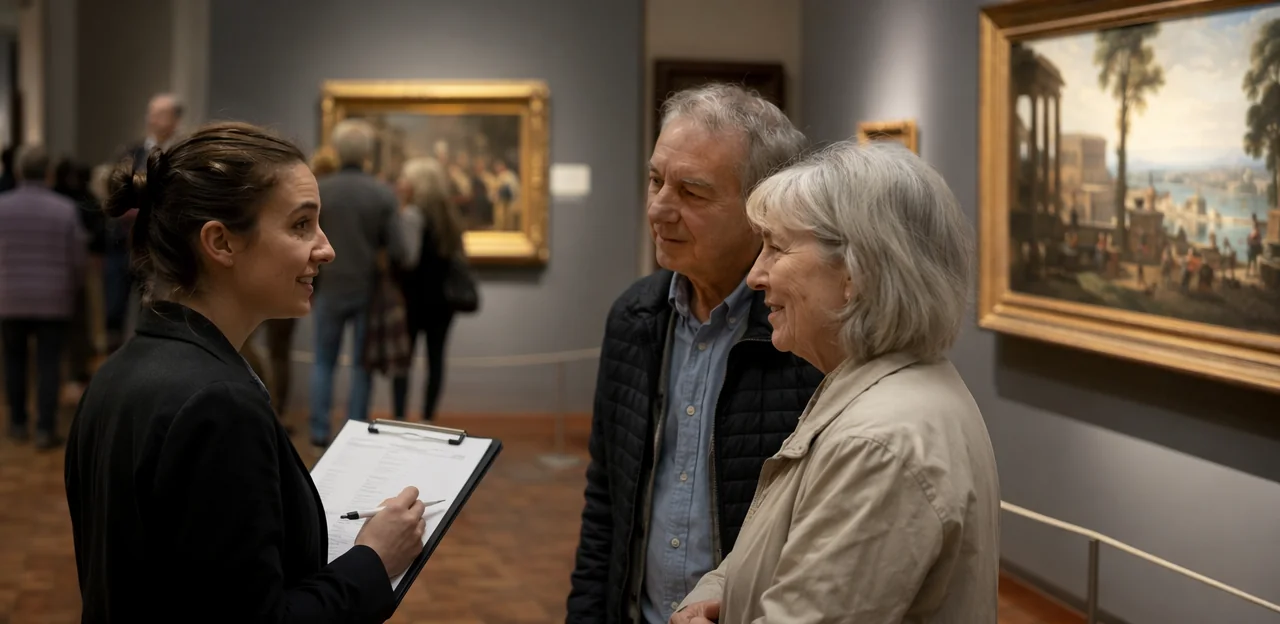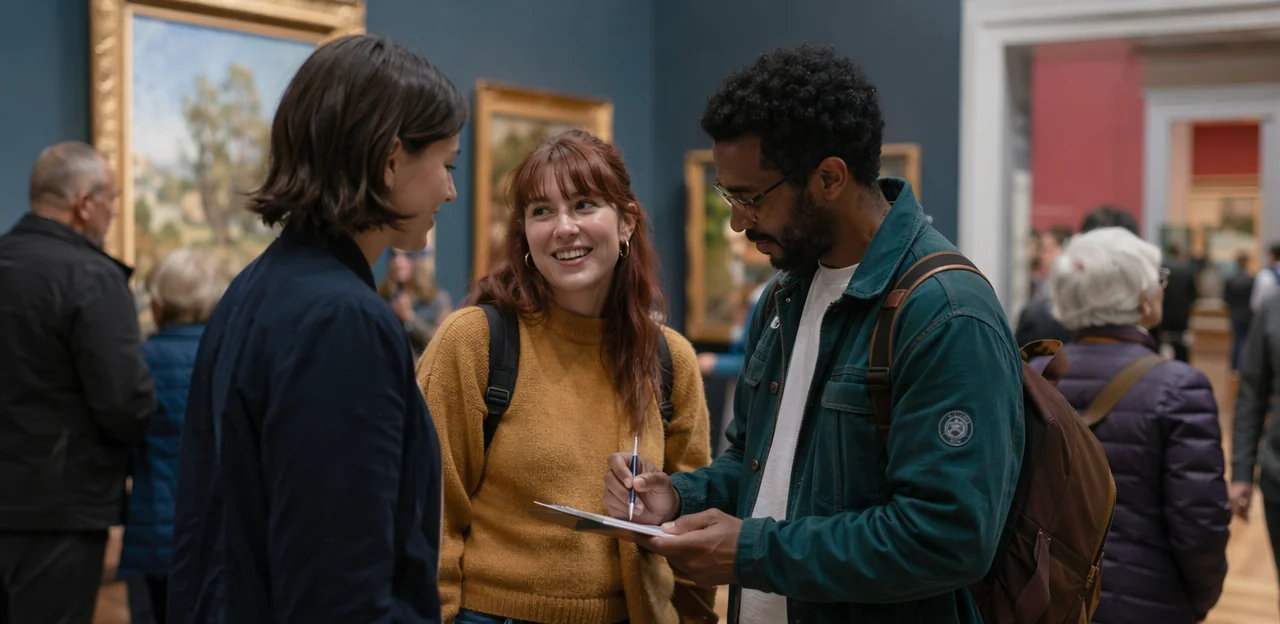
A great exhibition can be remembered for its storytelling, atmosphere, and emotional impact—but just as easily undermined by confusing signage, long queues, poor wayfinding, or inaccessible facilities. For museums, galleries, heritage sites, and visitor attractions, the difference between a good visit and a memorable one often lies in the details. That’s why cultural venue feedback is no longer a nice-to-have; it’s an essential part of creating experiences that truly resonate with visitors.
When feedback is collected thoughtfully and acted on quickly, it becomes far more than a box-ticking exercise. It can reveal what visitors value most, where friction occurs, and which moments shape satisfaction, loyalty, and word-of-mouth recommendations. From exhibition flow and guided tours to cafés, gift shops, and accessibility touchpoints, every comment offers insight into how the overall experience can be improved.
This article explores how cultural organisations can turn everyday visitor comments into meaningful action. We’ll look at how to gather feedback at the right moments, identify patterns that matter, respond to issues before they escalate, and use insights to guide operational and programming decisions. We’ll also touch on practical tools, including solutions like Tapsy, that help venues capture real-time feedback where the experience happens.
Why cultural venue feedback matters for museums and attractions
How feedback shapes the visitor experience
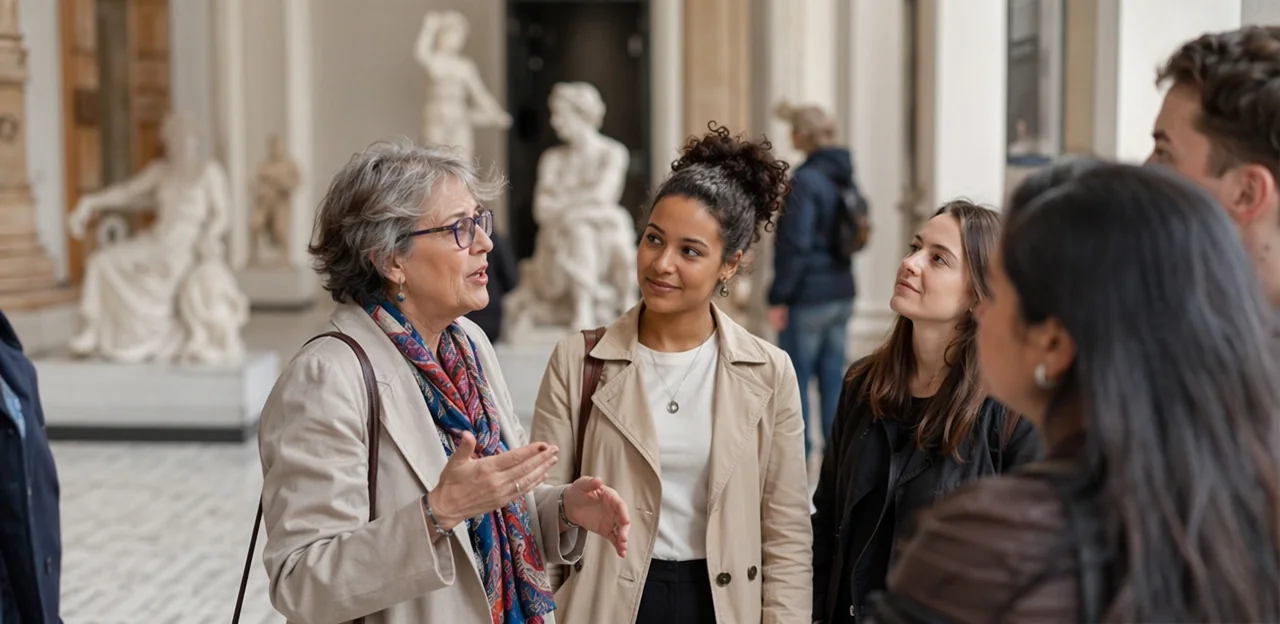
Cultural venue feedback is the structured collection of visitor opinions, behaviours, and frontline insights used to improve every stage of the journey. It matters because the best understanding of visitor needs comes from multiple sources, not guesswork.
- Comments and reviews reveal emotional reactions to exhibitions, events, and staff interactions.
- Surveys uncover patterns in accessibility, amenities, pricing, wayfinding, and satisfaction.
- Frontline observations help teams spot friction points visitors may never report directly.
- Museum visitor feedback links issues to specific touchpoints, from ticketing and cafés to galleries and restrooms.
To improve the visitor experience, gather feedback in real time, categorise it by location or service, and act quickly on recurring themes.
The business and mission value of listening
Acting on cultural venue feedback turns comments into measurable value for both operations and purpose. When teams use museum customer feedback to improve exhibitions, signage, accessibility, and service, they strengthen customer experience while advancing cultural and educational goals.
- Grow audiences: identify what attracts first-time, family, local, and repeat visitors, then refine programming and marketing.
- Build reputation and trust: visible improvements show visitors their voices matter, supporting public trust and positive word-of-mouth.
- Improve inclusivity: feedback highlights barriers in language, access, pricing, and wayfinding.
- Protect revenue and retention: better experiences increase shop, café, donation, and membership renewal outcomes.
- Boost audience engagement: act quickly on insights, then communicate what changed.
Common feedback challenges cultural venues face
Many teams collect cultural venue feedback, but struggle to turn it into meaningful change. Common feedback challenges include:
- Low response rates: Long surveys sent after a visit often miss the moment, so fewer visitors respond.
- Vague visitor comments: Notes like “too crowded” or “confusing” lack the detail needed to improve specific touchpoints.
- Siloed data: Feedback from ticketing, front-of-house, exhibitions, cafés, and social channels often sits in separate systems, limiting visibility across museum operations.
- Staff resistance: Teams may see feedback as criticism rather than a tool for improvement.
- Turning insight into action: Qualitative comments need tagging, ownership, and follow-up plans to become practical fixes.
Tools like Tapsy can help capture faster, more contextual feedback at key moments.
How to collect better cultural venue feedback
Choose the right feedback channels
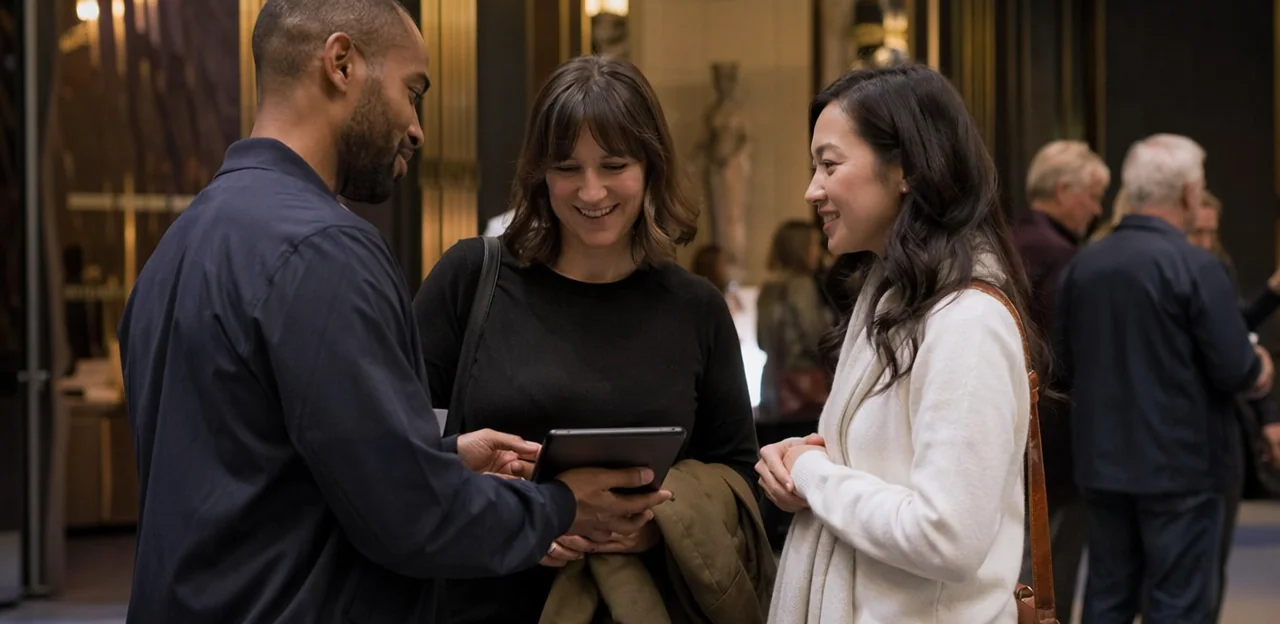
To collect cultural venue feedback effectively, use a mix of channels that match different visitor habits and moments in the journey:
- Post-visit visitor surveys: Send short surveys within 24 hours while the experience is still fresh. Keep them focused on exhibitions, staff, facilities, and overall satisfaction.
- QR codes on-site: Place codes at exits, galleries, cafés, and rest areas so visitors can respond in seconds. Tools like Tapsy can help capture feedback at the exact touchpoint.
- Email follow-ups: Ideal for members, ticket buyers, and event attendees who may give more detailed responses.
- Kiosk prompts: Use quick rating screens at exits for high-volume, low-friction input.
- Social media listening and online reviews: Monitor mentions, hashtags, and online reviews to spot recurring praise or pain points.
- In-person conversations: Front-line staff can gather rich qualitative insights that structured visitor surveys may miss.
Ask questions that produce actionable insights
To make cultural venue feedback useful, keep every prompt short, specific, and tied to a location or moment in the visit. Strong visitor survey design avoids vague questions like “Did you enjoy your visit?” and instead asks what can be improved.
- Wayfinding: “How easy was it to find the exhibition entrance, toilets, or café?”
- Exhibitions: “Which display felt unclear, crowded, or hard to engage with?”
- Staff helpfulness: “Did a team member resolve your question quickly?”
- Accessibility: “Did lifts, seating, signage, or step-free routes meet your needs?”
- Pricing: “Did admission, food, or shop pricing feel fair for the experience?”
- Facilities: “How would you rate cleanliness, seating, lighting, and restrooms?”
Use 1–3 focused feedback questions, add one optional comment box, and tag responses by touchpoint. Tools like Tapsy can help capture these actionable insights in the moment.
Capture feedback from diverse audiences
To make cultural venue feedback genuinely useful, collect input from the full mix of people who use your space. Relying on one channel or one audience segment can skew decisions and miss barriers others face.
- Offer multiple formats: combine short in-person prompts, QR surveys, paper forms, email follow-ups, and staff-led conversations for more inclusive feedback.
- Make it accessible: use large print, plain language, screen-reader-friendly forms, multilingual options, and easy-to-reach feedback points to support accessible visitor feedback.
- Tailor by audience: ask families about facilities and flow, tourists about wayfinding, members about value, school groups about learning, older visitors about comfort, and disabled audiences about access.
- Review responses by segment: strong audience research compares themes across visitor types, rather than treating all comments as one group.
Tools such as Tapsy can help capture quick, touchpoint-based feedback while experiences are still fresh.
How to analyze comments and identify what matters most

Group feedback into themes and touchpoints
To make cultural venue feedback useful, organise every comment by both theme and visitor touchpoint. This makes feedback analysis faster and helps teams spot recurring issues instead of reacting to isolated remarks.
- Themes: exhibitions, ticketing, queues, cleanliness, interpretation, retail, food and drink, accessibility
- Touchpoints: website booking, arrival, entrance, gallery spaces, toilets, café, shop, exit
A simple comment categorization method is to tag each response with:
- What it relates to — for example, “queue” or “accessibility”
- Where it happened — such as entrance, exhibition room, or café
- Sentiment — positive, neutral, or negative
This structure shows which visitor touchpoints create the most friction. For example, complaints about interpretation in one gallery or repeated queue issues at peak times become much easier to prioritise and fix.
Separate quick wins from strategic issues
To make cultural venue feedback useful, sort comments by impact, frequency, cost, and fit with visitor expectations. This helps you prioritize feedback without treating every issue as equally urgent.
- Quick wins: low-cost, high-impact fixes that can be made fast, such as clearer signage, better queue communication, cleaner facilities, or improved staff scripts.
- Strategic issues: bigger investments that shape your long-term visitor experience strategy, such as accessibility upgrades, exhibition flow redesign, staffing models, or digital wayfinding.
A simple way to decide:
- High frequency + high impact = act first
- Low cost + clear benefit = ideal quick wins
- High cost + strong alignment with visitor expectations = plan as strategic priorities
- Low impact + low frequency = monitor, don’t rush
Tools like Tapsy can help teams spot patterns faster by capturing feedback at key touchpoints in real time.
Use data and sentiment together
To get real value from cultural venue feedback, combine scores with context. Ratings and NPS-style measures show how many visitors are satisfied, while comments and review trends explain why.
- Track the numbers: Monitor overall ratings, NPS, repeat-visit intent, and recommendation likelihood by exhibition, event, or touchpoint.
- Layer in sentiment analysis: Use sentiment analysis to group review language into themes such as staff helpfulness, signage, queues, accessibility, or café service.
- Read qualitative comments closely: Open-text responses often reveal specific pain points that scores alone miss, such as confusing layouts or poor audio quality.
- Compare trends over time: Look for recurring issues, sudden dips, or improvements after operational changes.
This blended view of customer feedback data gives teams a fuller picture of visitor satisfaction and helps prioritise fixes with the biggest experience impact.
Turning cultural venue feedback into visible improvements
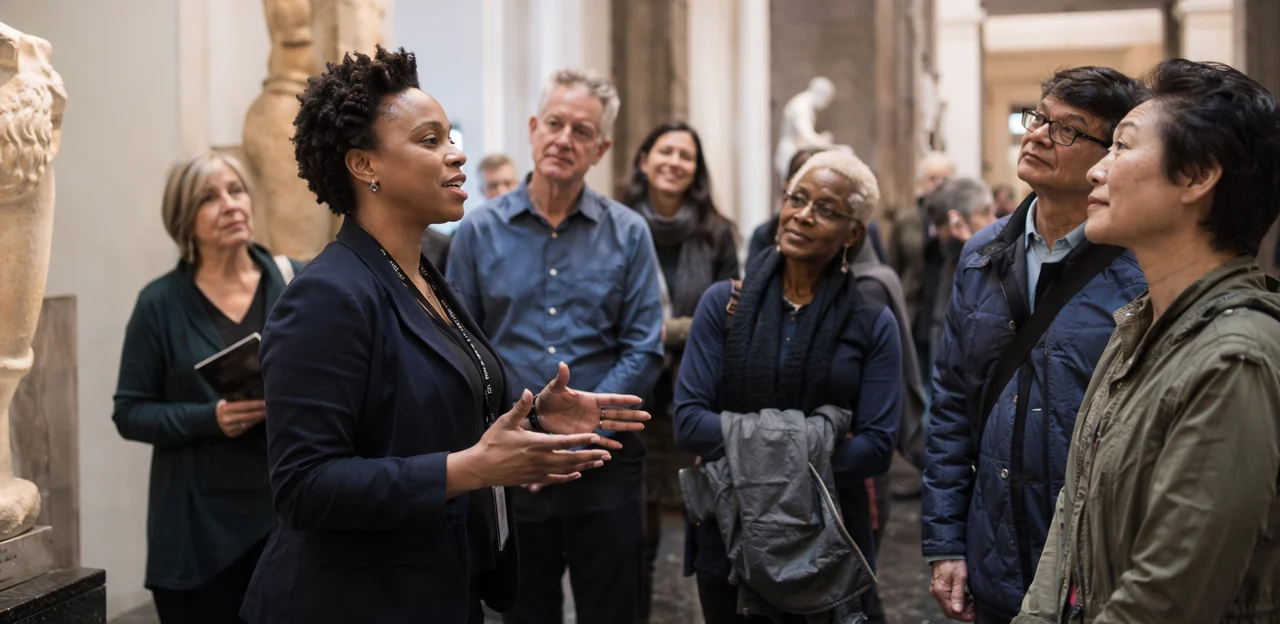
Improve exhibits, services, and facilities
Effective cultural venue feedback should lead to visible, practical changes across the whole visit. Use comments and ratings to prioritise museum improvements that remove friction and help improve visitor experience for every audience.
- Refine interpretation: If visitors say labels are too dense or unclear, shorten text, add plain-language summaries, and improve multilingual or child-friendly interpretation.
- Upgrade signage: Feedback about confusion can highlight where to add clearer directional signs, gallery maps, and entrance or exit markers.
- Improve visitor facilities: Repeated comments about limited seating, toilet cleanliness, baby changing, or step-free access should trigger fast operational fixes.
- Streamline services: Use feedback to reduce ticketing queues, improve café speed at peak times, and adjust staffing where bottlenecks appear.
- Support families and accessibility: Add buggy parking, sensory resources, hearing loops, and clearer accessibility information based on real visitor needs.
Tools such as Tapsy can help capture feedback at these touchpoints in real time.
Empower staff to act on visitor comments
To turn cultural venue feedback into real change, every team should own part of the response. Frontline staff hear issues first, curators can improve interpretation and flow, visitor services can fix recurring friction points, and leadership can remove blockers and set priorities.
- Share feedback by team: Route comments to the people best placed to act, from gallery staff to café, retail, and exhibitions.
- Use feedback in staff training: Build common themes into onboarding, role-play scenarios, and refresher sessions so teams know how to respond confidently.
- Set clear service standards: Translate comments into practical expectations for welcome, accessibility, signage, queue handling, and complaint resolution.
- Review progress regularly: Track actions taken and outcomes to support ongoing customer experience improvement.
Tools such as Tapsy can help capture and route real-time feedback to the right teams quickly.
Close the feedback loop with visitors
Collecting cultural venue feedback is only half the job. To close the feedback loop, visitors need to see that their comments led to real improvements. Clear visitor communication builds trust, increases future participation, and shows that responding to feedback is part of your venue’s culture.
Use multiple channels to share updates:
- On-site signage: Add simple “You said, we did” boards near entrances, galleries, cafés, or queue points.
- Email updates: Include recent improvements in post-visit emails, newsletters, and booking confirmations.
- Social media: Share quick before-and-after changes, accessibility upgrades, or programming updates.
- Membership communications: Tell members how their input shaped exhibitions, events, or facilities.
Keep messages specific, timely, and easy to understand. If you use tools like Tapsy, connect real-time feedback collection with visible follow-up so visitors can see action happen faster.
Best practices for building a feedback-driven culture

Create a repeatable feedback process
To make cultural venue feedback useful, build a simple feedback process your team can repeat every week:
- Collect consistently: Gather comments at key touchpoints such as entrances, exhibitions, cafés, tours, and exits using short surveys, QR codes, or staff prompts.
- Review on a schedule: Check results daily for urgent issues and weekly for trends, themes, and recurring pain points.
- Assign clear owners: Route feedback to the right team—front of house, curatorial, facilities, or marketing—with deadlines for action.
- Track outcomes: Log actions taken, measure changes, and report progress monthly.
This turns visitor insight into continuous improvement and stronger customer experience management. Tools like Tapsy can help streamline collection and routing.
Set KPIs and measure progress
To turn cultural venue feedback into action, define a small set of measurable goals and review them consistently. Strong visitor experience KPIs should connect comments to operational outcomes and long-term loyalty.
- Satisfaction scores: Track CSAT or NPS by exhibition, tour, café, and facilities.
- Repeat visitation: Measure return visits, event rebooking, and frequency by visitor segment.
- Complaint resolution time: Monitor how quickly issues are acknowledged and closed.
- Review ratings: Compare Google, TripAdvisor, and social review trends over time.
- Accessibility feedback: Flag recurring barriers in signage, navigation, seating, and inclusive services.
- Membership renewal indicators: Watch renewal rates, upgrades, and post-visit conversion.
These feedback metrics give a clearer picture of museum performance and help teams prioritise improvements.
Avoid common mistakes when acting on feedback
Strong cultural venue feedback processes depend on discipline, not knee-jerk reactions. Avoid these common feedback mistakes:
- Do not overreact to one comment: A single complaint may highlight an issue, but museum management should look for patterns across time, touchpoints, and audience segments before changing exhibitions or services.
- Do not ignore silent audiences: Regular visitors, families, non-members, and accessibility users may not always speak up. Build a visitor insight strategy that captures feedback from both vocal and quiet groups.
- Do not collect data without action: Assign owners, deadlines, and follow-up reviews so insight leads to visible improvements.
- Do not lose sight of mission: Balance visitor preferences with curatorial, educational, and institutional goals. Tools like Tapsy can help teams gather timely, location-based insight.
Conclusion: from comments to stronger cultural experiences

A practical roadmap for long-term improvement
Turning cultural venue feedback into lasting progress requires a simple, repeatable process. Rather than treating comments as isolated reactions, build them into your ongoing visitor attraction strategy so every insight leads to smarter decisions and better visitor experiences over time.
A practical roadmap looks like this:
- Collect better feedback at the right moments
Ask for feedback when memories are still fresh: after exhibitions, guided tours, café visits, ticketing, or at exit points. Keep questions short and specific, focusing on areas such as signage, accessibility, staff helpfulness, flow, and overall satisfaction. Tools such as QR or NFC touchpoints can make this easier; for example, platforms like Tapsy help venues capture feedback in the moment without adding friction. - Analyze patterns, not just individual comments
One complaint may be an exception, but repeated themes reveal operational priorities. Group feedback by location, time, event, exhibition, or visitor type. Look for recurring issues such as crowding, unclear wayfinding, long waits, or underperforming facilities. - Prioritize changes by impact and feasibility
Not every issue needs a major investment. Start with quick wins that improve the visitor journey fast, such as clearer signs, better queue management, or staff briefing updates. Then plan larger improvements for recurring structural problems. - Involve staff across departments
Front-of-house teams, curators, retail, café staff, and operations all see different parts of the visitor journey. Share feedback regularly so teams understand what visitors value most and where friction occurs. This creates ownership and speeds up improvement. - Communicate results to visitors
Let visitors know their input matters. Use signage, email follow-ups, or social posts to highlight changes made because of feedback. This builds trust, encourages future participation, and strengthens your reputation for listening.
When this cycle becomes routine, feedback stops being reactive and becomes a powerful driver of continuous improvement.
Conclusion
In the end, great visitor experiences are rarely built on assumptions—they’re built on listening. When museums, galleries, heritage sites, and attractions treat cultural venue feedback as an ongoing source of insight, they can spot friction points faster, improve exhibitions and tours more effectively, and create more inclusive, memorable visits. From wayfinding and accessibility to staff interactions, programming, and amenities, every comment offers a chance to refine the experience in ways that matter to real visitors.
The most successful organisations don’t just collect feedback; they act on it. That means gathering input at key touchpoints, identifying patterns, responding quickly to issues, and closing the loop with visible improvements. Over time, a strong cultural venue feedback strategy can increase satisfaction, encourage repeat visits, strengthen word-of-mouth, and support smarter operational and curatorial decisions.
Now is the time to turn visitor voices into action. Review your current feedback process, identify where insights are being missed, and build a system that captures responses while experiences are still fresh. If you’re looking for a practical way to do that, tools like Tapsy can help collect real-time feedback across exhibitions, tours, and venue touchpoints. For next steps, explore visitor journey mapping, accessibility audits, and customer experience dashboards to turn feedback into lasting improvement.
Frequently Asked Questions
- What is cultural venue feedback?
Cultural venue feedback is the structured collection of visitor opinions, behaviours, and frontline insights used to improve every stage of the visit. It can include comments, reviews, surveys, and staff observations linked to touchpoints such as ticketing, galleries, cafés, and restrooms.
- Why does feedback matter so much for museums, galleries, and attractions?
Small issues like confusing signage, long queues, poor wayfinding, or inaccessible facilities can weaken an otherwise strong visit. Feedback helps teams understand what visitors value, where friction happens, and which moments influence satisfaction, loyalty, and recommendations.
- What are the most common challenges when collecting visitor feedback?
Common problems include low response rates, vague comments, siloed data across departments, staff resistance, and difficulty turning insights into action. These issues make it harder to identify patterns and assign clear follow-up steps.
- Which feedback channels work best in a cultural venue?
A mix of channels works best because visitors respond in different ways at different moments. Useful options include post-visit surveys, on-site QR codes, email follow-ups, kiosk prompts, social media and review monitoring, and in-person conversations with staff.
- When should a venue ask visitors for feedback?
The best time is when the experience is still fresh, such as after exhibitions, guided tours, café visits, ticketing, or at exit points. Short surveys sent within 24 hours and on-site prompts at key touchpoints help capture more relevant detail.
- How can feedback questions be made more actionable?
Questions should be short, specific, and tied to a location or moment in the visit. Instead of asking broad questions, ask about wayfinding, exhibition clarity, staff helpfulness, accessibility, pricing, or facilities, then add one optional comment box.
- How do venues collect feedback from diverse audiences more effectively?
Use multiple formats such as QR surveys, paper forms, email follow-ups, staff-led conversations, and in-person prompts. Feedback should also be accessible through large print, plain language, screen-reader-friendly forms, multilingual options, and easy-to-reach collection points.
- What is the best way to organize visitor comments?
Comments should be grouped by both theme and touchpoint so teams can see where issues happen and what they relate to. A simple structure is to tag each response by topic, location, and sentiment, such as positive, neutral, or negative.
- How can a venue decide between quick wins and larger strategic changes?
Sort feedback by impact, frequency, cost, and fit with visitor expectations. Low-cost, high-impact fixes like clearer signage or better queue communication can be handled quickly, while bigger issues like accessibility upgrades or exhibition flow redesign need longer-term planning.
- Why should teams use ratings and comments together?
Scores show how many visitors are satisfied, while comments explain why they feel that way. Combining ratings, repeat-visit intent, recommendation likelihood, and qualitative comments gives a fuller picture of what needs attention.
- What kinds of improvements can feedback lead to inside a venue?
Feedback can guide changes to interpretation, signage, seating, restroom cleanliness, baby changing, step-free access, queue management, café speed, and staffing at busy times. It can also support family-friendly and accessibility-focused improvements such as buggy parking, sensory resources, hearing loops, and clearer access information.
- How should staff be involved in acting on visitor comments?
Feedback should be shared with the teams best placed to respond, including front-of-house, curatorial, café, retail, and leadership. It can also be built into training, service standards, and regular progress reviews so improvement becomes part of daily operations.
- What does it mean to close the feedback loop with visitors?
Closing the feedback loop means showing visitors that their comments led to visible changes. Venues can do this through on-site 'You said, we did' signage, email updates, social posts, and membership communications that explain specific improvements.
- Which KPIs are useful for measuring progress from feedback?
Useful measures include satisfaction scores such as CSAT or NPS, repeat visitation, complaint resolution time, review ratings, accessibility feedback trends, and membership renewal indicators. These metrics help connect visitor comments to operational performance and loyalty outcomes.
- How can tools like Tapsy support a feedback process?
Tools like Tapsy are described as a way to capture real-time, touchpoint-based feedback where the experience happens. They can help venues gather contextual responses faster, spot patterns, and route feedback to the right teams more quickly.