A great meal can win a customer once, but a great experience keeps them coming back. For restaurants and cafés, the challenge is getting honest feedback while the visit is still fresh—and giving guests a reason to share it. That’s where restaurant feedback rewards come in. A simple offer like a free coffee, a percentage discount, or a small loyalty perk can dramatically increase response rates, helping operators collect more useful insights without making the process feel transactional.
When designed well, these incentives do more than boost survey participation. They help restaurants spot service issues earlier, recover unhappy guests before they leave a negative review, and create a smoother path to repeat visits. The key is choosing rewards that feel valuable to customers while still making sense for margins and day-to-day operations.
In this article, we’ll explore how feedback rewards work in restaurant settings, which incentives tend to drive the best results, and how to avoid common mistakes like over-discounting or attracting low-quality responses. We’ll also look at smarter ways to capture feedback at the right moment, including touchpoint-based options such as Tapsy, which can help restaurants turn real-time guest input into stronger loyalty and better operational decisions.
Why restaurant feedback rewards matter for growth and retention

How feedback incentives increase response rates
Clear, simple restaurant feedback rewards give guests a reason to act now instead of ignoring a survey link for later. In restaurants and cafés, response rates rise when the reward feels immediate, relevant, and effortless to claim.
- Reciprocity matters: When a guest receives a small perk—like free coffee, a dessert upgrade, or 10% off their next visit—they’re more likely to return the favor by sharing honest feedback.
- Low friction wins: The best customer feedback incentives require minimal effort. A short QR survey at the table or receipt is far more effective than a long email form.
- Timing is critical: Strong restaurant survey incentives work best right after payment or just before guests leave, when the experience is still fresh.
Tools like Tapsy can help restaurants pair instant feedback with immediate rewards.
The link between guest feedback and restaurant operations
Strong guest feedback restaurant systems do more than measure satisfaction—they directly improve restaurant operations. When feedback is collected consistently and tied to specific touchpoints, managers can spot patterns early and act faster.
- Service bottlenecks: Repeated complaints about slow ordering, payment delays, or table turnover reveal where workflows need fixing.
- Menu issues: Comments about portion size, unclear descriptions, or inconsistent food quality help refine dishes and update menus.
- Wait time problems: Feedback highlights peak-hour pressure points, helping teams adjust staffing and pacing.
- Staff training opportunities: Trends in comments show where coaching is needed, from upselling to handling complaints.
With restaurant feedback rewards, more guests share useful input, giving operators better data to improve restaurant service. Tools like Tapsy can help capture real-time feedback at key moments.
Why rewards support loyalty and repeat visits
A small, well-timed reward can turn feedback into a second transaction. Restaurant feedback rewards work because they give guests an immediate reason to return—whether that is a free coffee on the next visit, a dessert upgrade, or a limited-time discount.
- Drive another purchase: A redeemable reward creates a clear path to a repeat visits restaurant strategy without giving away too much margin.
- Strengthen brand affinity: Guests feel heard when their opinion leads to a thank-you perk, which supports stronger restaurant loyalty.
- Improve retention: For customer retention restaurants efforts, feedback rewards help re-engage casual diners before they forget your brand.
- Complement loyalty programs: Tie rewards to points, member-only offers, or sign-up incentives to make your existing loyalty system more active and measurable.
Choosing the right feedback reward: free coffee, discounts, or other perks
When free coffee works best
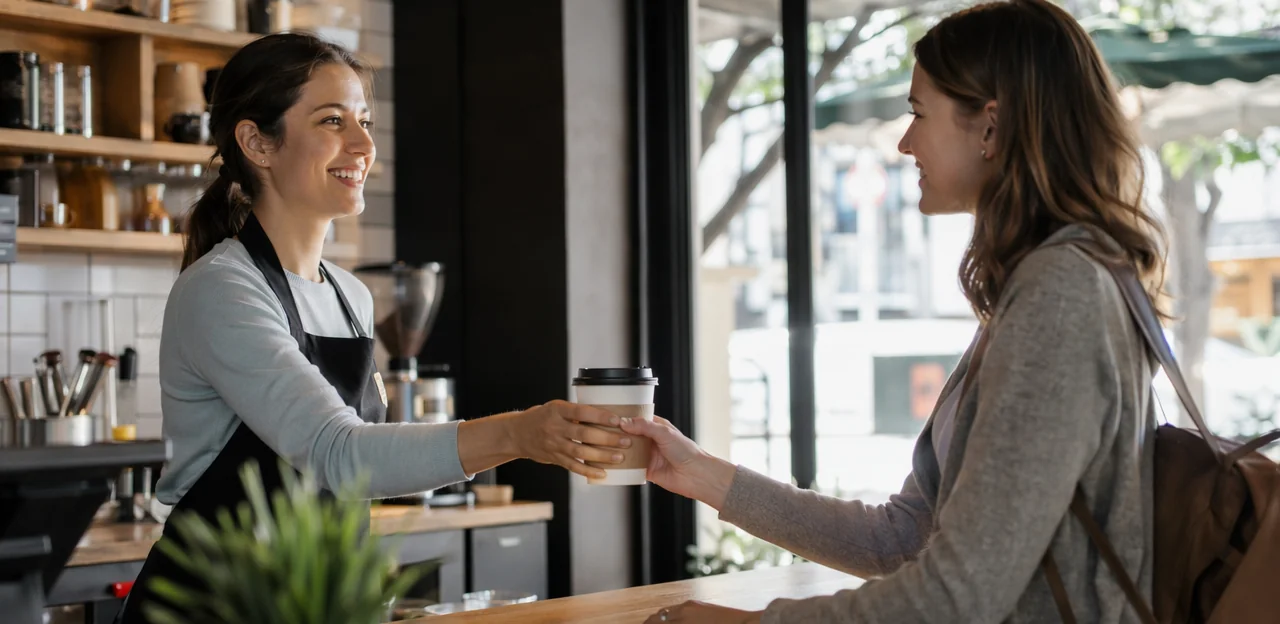
A free coffee incentive is one of the most effective restaurant feedback rewards for cafés, breakfast spots, and quick-service restaurants because it feels valuable to guests while staying affordable for operators. Coffee usually has strong margins, especially drip or standard brewed options, so the perceived value is often higher than the actual redemption cost.
It works best when you design the offer carefully:
- Use simple redemptions: Offer a free small coffee on the next visit to encourage return traffic rather than same-visit giveaways.
- Protect margins: Limit the reward to house coffee, not premium add-ons, unless upselling is part of the goal.
- Drive extra spend: Guests redeeming a coffee often add a pastry, breakfast item, or sandwich, making it one of the smartest low cost restaurant incentives.
- Match the format to the venue: For cafe feedback rewards, coffee feels relevant, immediate, and easy to fulfill.
Tools like Tapsy can help deliver and track these reward flows efficiently.
When discounts make more sense
For many operators, restaurant feedback rewards work best as a discount rather than a free item. A feedback discount offer can feel more valuable on larger checks, making it especially effective for full-service restaurants, family dining, or higher-ticket orders where guests are already planning a return visit.
- Use percentage-off discounts (for example, 10% off) when average order values vary, so the reward scales naturally.
- Use fixed-value restaurant discounts (such as $5 or $10 off) when you want tighter cost control and easier forecasting.
- Set a minimum spend to protect margins, like “$10 off orders over $60.”
- Cap redemption windows to 14–30 days to encourage faster repeat visits.
- Avoid over-discounting: keep most offers in the 10–15% range unless your margins and upsell rates support more.
As a restaurant incentive strategy, discounts are strongest when tied to profitable menu items, slower days, or off-peak times.
Alternative incentives that feel smarter and more sustainable
Not every guest needs a discount to respond. The best restaurant feedback rewards balance strong perceived value with low real cost, making them more sustainable over time.
- Loyalty points: A low-cost way to strengthen repeat visits and build better restaurant loyalty rewards.
- Free dessert or side: Often feels more generous than a small discount, while protecting margins better than free drinks.
- Priority offers: Early access to specials, tasting nights, or limited menus can be powerful smart incentives with almost no direct cost.
- Charity donations: Donating a small amount per response appeals to values-driven guests and can lift participation.
- Contest entries: A monthly prize draw keeps reward costs predictable while still motivating action.
- Personalized rewards: Tailor offers based on visit history, such as a favorite pastry or family meal add-on.
When comparing customer incentive ideas, ask: does it feel valuable to the guest, and is it affordable to repeat at scale? Tools like Tapsy can help restaurants test and track which incentives perform best.
How to design a profitable and ethical feedback rewards program
Set clear goals, rules, and redemption limits
A successful restaurant feedback rewards strategy starts with a specific objective. Define what your feedback rewards program should achieve before choosing the incentive:
- Increase survey completion: offer a small reward, such as free coffee, for fast, high-volume responses.
- Recover unhappy guests: reserve stronger offers for low ratings so managers can resolve issues and win customers back.
- Boost repeat traffic: use bounce-back discounts that encourage a second visit within a set period.
Then create simple restaurant promotion rules that protect margins and avoid confusion:
- Set clear expiration dates to create urgency.
- Limit rewards to one-time use per guest or receipt.
- Add a minimum purchase threshold for higher-value offers.
- Explain where and when the offer applies, including dine-in, takeaway, or specific dayparts.
Strong survey reward redemption rules keep the offer easy for guests and sustainable for your team.
Avoid biased reviews and stay compliant
Not all restaurant feedback rewards are treated the same. Offering a free coffee or small discount for private feedback is usually safer than rewarding a customer for posting a public rating or review. That distinction matters for restaurant review compliance.
Best practices:
- Reward feedback, not positivity: Offer the incentive for completing an internal survey, not for leaving a 5-star review.
- Avoid review gating: Don’t send happy guests to Google and unhappy guests to a private form. This can violate platform rules and distort ratings.
- Be transparent: If a customer is encouraged to post publicly after receiving a benefit, check the platform’s incentivized reviews policy and disclose the incentive when required.
- Follow local laws and platform terms: Review FTC guidance, Google policies, and any regional consumer protection rules.
- Use ethical feedback incentives: Tools like Tapsy can route private feedback first, helping restaurants improve service without pressuring guests into biased public reviews.
Match rewards to customer segments and visit types
Effective restaurant feedback rewards work best when incentives reflect why guests visit and how often they return. A smart customer segmentation restaurant approach helps you offer rewards people will actually redeem.
- Dine-in guests: Offer a free coffee, dessert, or appetizer on the next visit to encourage repeat traffic.
- Takeout customers: Use bounce-back discounts or add-on deals, such as 10% off their next pickup order.
- Delivery customers: Focus on convenience-based rewards like free delivery, a menu upgrade, or a future order credit.
- First-time guests: Give a low-friction incentive, such as a small discount, to turn trial into a second visit.
- Regulars: Use stronger personalized restaurant offers like loyalty points, VIP perks, or exclusive menu items.
As a restaurant retention strategy, match reward value to customer frequency, average spend, and order channel. Tools like Tapsy can help trigger more relevant rewards based on real-time feedback and visit behavior.
Best practices for collecting feedback across the customer journey

Use the right channels: receipts, QR codes, SMS, email, and apps
The best restaurant feedback survey channel depends on timing, convenience, and how much detail you need. To improve participation and make restaurant feedback rewards feel seamless, match the method to the guest moment:
- Printed receipts: Good for quick post-visit prompts, but completion rates are often lower because guests must type in a URL later.
- QR code feedback restaurant: Best for tables, counters, and takeaway bags. It captures feedback while the experience is fresh, which usually improves response rates and data accuracy.
- SMS survey restaurant: Ideal after online orders or bookings. SMS gets strong open rates and works well for short surveys and instant reward delivery.
- Email: Better for longer-form feedback and loyalty follow-up, but usually gets slower responses.
- Apps: Useful for chains with active loyalty users, but friction is higher if guests must log in.
Tools like Tapsy can help restaurants collect fast, no-app feedback at key touchpoints.
Ask better questions to get actionable insights
To make restaurant feedback rewards effective, ask fewer, smarter questions. A short guest satisfaction survey gets more completions and gives clearer signals your team can act on quickly.
Use focused restaurant survey questions such as:
- Food quality: “How satisfied were you with the taste and freshness of your meal?”
- Speed: “Was your food and service delivered in a reasonable time?”
- Cleanliness: “How clean was the dining area, table, and restroom?”
- Staff friendliness: “How welcoming and helpful was our team?”
- Value: “Did your experience feel worth the price you paid?”
Add one optional open-text prompt like: “What is one thing we could improve today?” These customer feedback questions help pinpoint operational issues without overwhelming guests. Keep surveys to 3–5 questions, mobile-friendly, and easy to finish in under a minute.
Time requests for maximum response and redemption
Getting post visit survey timing right has a direct impact on feedback quality, reward use, and repeat traffic. For the best restaurant customer feedback timing, match the request to the service type:
- Dine-in: Ask within 30–60 minutes after payment or table close. The experience is still fresh, but guests have left the table and can answer without interruption.
- Pickup: Send the survey 15–45 minutes after collection so guests have time to taste the food.
- Delivery: Trigger it 30–90 minutes after delivery, allowing for eating time and a more accurate rating.
This timing improves survey response rate restaurant campaigns because guests remember details clearly. It also makes restaurant feedback rewards more effective: immediate offers like free coffee or next-visit discounts feel relevant, are redeemed faster, and increase the chance of a return visit.
Measuring ROI from restaurant feedback rewards

Track the metrics that matter
To improve restaurant feedback rewards, measure the KPIs that connect guest input to revenue and retention:
- Survey completion rate restaurant: Shows how many guests actually finish your feedback form. If it’s low, shorten questions or simplify the reward claim.
- Redemption rate: Tracks how often guests use the free coffee, discount, or perk they earned.
- Repeat visit rate: A core restaurant KPI for judging whether incentives bring customers back.
- Average order value: Reveals whether reward users spend more on return visits.
- Customer satisfaction: Monitor ratings, sentiment, and recurring complaints.
- Issue resolution speed: Faster recovery often improves feedback reward ROI and prevents negative reviews.
Tools like Tapsy can help connect feedback, rewards, and operational follow-up in one flow.
Calculate reward cost versus customer lifetime value
To make restaurant feedback rewards profitable, compare the cost of incentives with the value of extra visits they create.
- Estimate incentive cost: Add the true cost of a free coffee, discount, or perk, not just menu price. Include food cost, labor, and redemption rate.
- Calculate retention lift: Measure how many rewarded guests return versus non-rewarded guests.
- Use a simple formula:
Restaurant marketing ROI = (incremental profit from repeat visits - incentive cost) / incentive cost - Estimate customer lifetime value restaurant:
Average visit profit × visits per year × average customer lifespan
If a $2 coffee reward drives one extra visit worth $12 gross profit, the offer likely works. Tools like Tapsy can help track feedback, redemptions, and repeat behavior in one flow.
Use feedback data to improve operations and marketing
Restaurant feedback rewards work best when responses lead to action, not just more survey data. Use restaurant analytics to spot patterns and turn guest input into measurable gains:
- Menu changes: Identify low-rated dishes, portion complaints, or demand for new items.
- Staffing decisions: Track comments by shift, wait time, and service speed to schedule better.
- Service recovery: Flag low scores fast so managers can resolve issues before they become public reviews.
- Local marketing: Use location, visit time, and preferences to tailor nearby offers and promotions.
- Loyalty campaigns: Reward guests based on behavior and sentiment for more effective, feedback driven marketing.
This creates a clear loop between insight, action, and operational improvement restaurant performance.
Common mistakes restaurants make with feedback incentives
Offering rewards that are too costly or too weak
One of the most common restaurant incentive mistakes is mispricing restaurant feedback rewards.
- Too generous: A large discount may boost responses but weaken margins and train guests to wait for deals.
- Too weak: A token reward may not feel worth the effort, reducing participation.
A smart discount strategy restaurant teams can use is to offer low-cost, high-perceived-value perks, such as free coffee, dessert add-ons, or loyalty points—more profitable rewards than broad discounts.
Creating friction in the survey or redemption process
Small obstacles can undermine restaurant feedback rewards fast. Common survey friction points include:
- Long forms that feel like work
- Unclear instructions or too many steps
- Broken links or slow mobile pages
- Difficult coupon redemption restaurant processes at checkout
When the process feels frustrating, guests skip feedback and leave with a worse customer experience restaurant impression. Keep surveys short, mobile-friendly, and make rewards instant, simple, and easy for staff to honor.
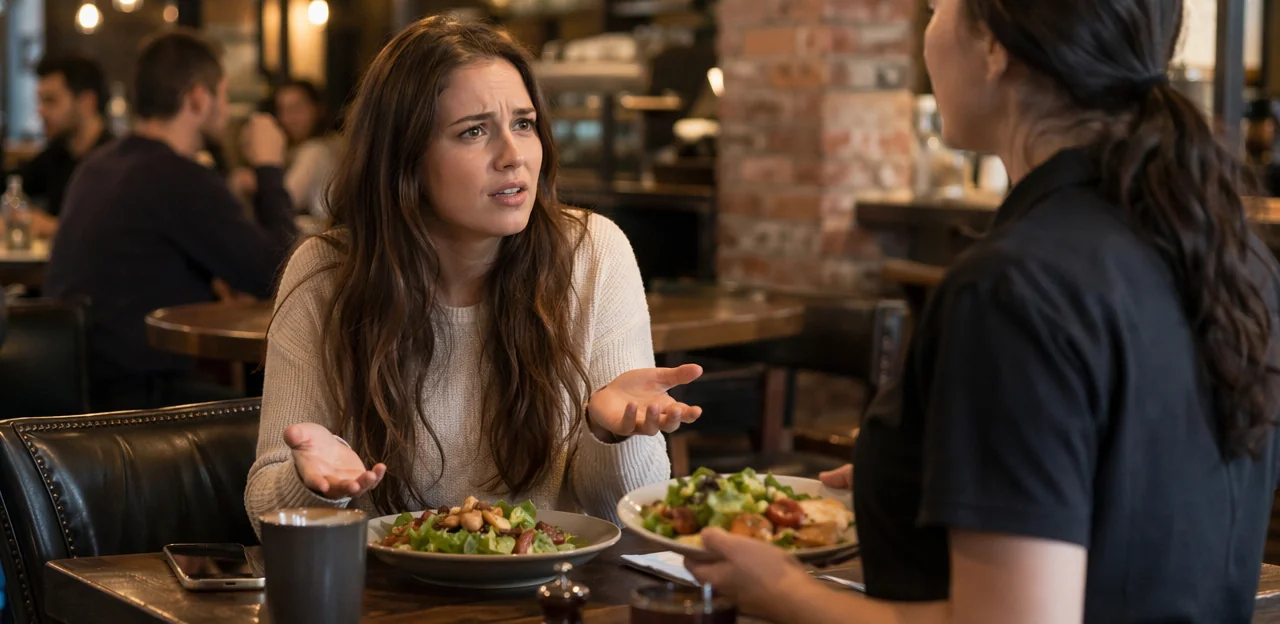
Ignoring complaints after offering restaurant feedback rewards can do more harm than good. If guests share a bad experience and hear nothing back, trust drops fast.
- Build a clear negative feedback response process within 24 hours.
- Use customer complaint follow up to apologize, explain the fix, and invite the guest back.
- Strong service recovery restaurant habits turn criticism into retention and reveal repeat operational issues your team must fix.
Conclusion
In a competitive dining market, the best restaurant feedback rewards do more than boost survey responses—they help you improve service, strengthen loyalty, and bring guests back sooner. Whether it’s a free coffee, a percentage discount, loyalty points, or a small surprise perk, the most effective incentives feel immediate, relevant, and easy to redeem. When paired with short, well-timed feedback requests, these rewards can increase participation without hurting margins.
The key is to design restaurant feedback rewards that match the guest experience and your business goals. Keep rewards simple, track redemption rates, and use feedback data to spot operational issues, refine menus, improve service speed, and recover unhappy guests before they leave a negative review. Smart incentives should support both customer satisfaction and long-term retention.
Now is the time to review your current feedback flow and test a reward strategy that encourages honest responses and repeat visits. Start with one or two offers, measure results, and optimize based on what your guests actually value. If you want a more seamless way to collect in-the-moment feedback and connect it to rewards, platforms like Tapsy can help streamline the process.
For next steps, create a simple reward matrix, define your key feedback touchpoints, and monitor performance monthly so your restaurant feedback rewards keep delivering value.
Frequently Asked Questions
- What are restaurant feedback rewards?
Restaurant feedback rewards are small incentives offered to guests in exchange for completing private feedback, such as a survey. Common examples include free coffee, percentage discounts, loyalty points, or a small perk on a future visit.
- Why do feedback incentives help restaurants get more responses?
They give guests a clear reason to act right away instead of ignoring the request. Response rates tend to improve when the reward feels immediate, relevant, and easy to claim through a low-friction format like a short QR survey.
- When is the best time to ask restaurant guests for feedback?
Timing should match the service type. For dine-in, ask within 30–60 minutes after payment; for pickup, 15–45 minutes after collection; and for delivery, 30–90 minutes after delivery.
- Is free coffee a good reward for restaurant feedback?
Free coffee works especially well for cafés, breakfast spots, and quick-service restaurants. It often has strong margins, feels valuable to guests, and can encourage another visit where customers may buy additional items.
- When should a restaurant use a discount instead of a free item?
Discounts are often a better fit for full-service restaurants, family dining, or higher-ticket orders. They can feel more valuable on larger checks, especially when paired with minimum spend rules and short redemption windows.
- What are some smart alternatives to free coffee or discounts?
Restaurants can use loyalty points, a free dessert or side, priority access to specials, charity donations, contest entries, or personalized rewards. These options can feel valuable while staying more sustainable over time.
- How can a restaurant keep feedback rewards profitable?
Start with a clear goal, such as increasing survey completion, recovering unhappy guests, or driving repeat visits. Then set simple rules like expiration dates, one-time use limits, and minimum purchase thresholds to protect margins.
- Can restaurants reward guests for leaving public reviews?
Rewarding private feedback is presented as safer than rewarding public ratings or reviews. Restaurants should reward feedback completion rather than positivity, avoid review gating, and follow platform policies, FTC guidance, and local consumer protection rules.
- How should rewards differ for dine-in, takeout, and delivery customers?
Dine-in guests often respond well to next-visit offers like a free coffee, dessert, or appetizer. Takeout customers may prefer bounce-back discounts or add-on deals, while delivery customers may value free delivery, a menu upgrade, or future order credit.
- Which feedback channels work best for restaurants?
QR codes are strong for tables, counters, and takeaway bags because they capture feedback while the experience is still fresh. SMS works well after online orders or bookings, email suits longer follow-up, receipts are simple but often lower-converting, and apps can add friction if login is required.
- What questions should a restaurant include in a feedback survey?
Keep the survey short and focused on food quality, speed, cleanliness, staff friendliness, and value. Adding one optional open-text question, such as what could be improved, helps uncover operational issues without overwhelming guests.
- What metrics should restaurants track to measure feedback reward performance?
Key metrics include survey completion rate, reward redemption rate, repeat visit rate, average order value, customer satisfaction, and issue resolution speed. These measures connect guest feedback to revenue, retention, and service improvement.
- How do you calculate ROI for restaurant feedback rewards?
Compare the true cost of the incentive with the incremental profit from repeat visits it generates. A simple formula is: ROI = (incremental profit from repeat visits - incentive cost) / incentive cost.
- What common mistakes make feedback incentive programs less effective?
Frequent problems include offering rewards that are too generous or too weak, creating long or confusing surveys, and making redemption difficult at checkout. Ignoring complaints after collecting feedback can also damage trust and reduce the value of the program.
- How can tools like Tapsy support restaurant feedback rewards?
Tapsy is described as a touchpoint-based option that helps restaurants collect real-time feedback and connect it with immediate rewards. It can also support tracking reward flows, capturing input at key moments, and helping teams act on guest feedback more quickly.