
A bad hotel review rarely starts at checkout. More often, it begins with a small issue that goes unnoticed or unresolved: a noisy room, slow check-in, poor Wi-Fi, housekeeping delays, or a disappointing breakfast experience. When hotels only hear about these problems after the guest has left, they lose the opportunity to fix the stay, protect their reputation, and strengthen guest loyalty. That is why hotel review prevention is no longer just a reputation management tactic—it is an operational priority.
Real-time issue alerts give hotel teams the chance to spot dissatisfaction while the guest is still on-site and take action before frustration turns into a public complaint. Instead of reacting to negative reviews on third-party platforms, hotels can intervene early with faster service recovery, better communication, and more personalized support.
In this article, we’ll explore how real-time alerts help hotels reduce negative reviews, improve service recovery workflows, and create better guest experiences across key touchpoints—from check-in and guest rooms to dining, amenities, and event spaces. We’ll also look at how solutions like Tapsy can help hospitality teams capture in-stay feedback instantly, route issues to the right staff, and turn potential complaints into opportunities to impress guests.
Why Real-Time Alerts Matter for Hotel Review Prevention

How bad reviews develop during the guest journey
Negative hotel reviews rarely start with one major failure. More often, they build across the guest journey when a small issue is ignored or handled poorly. Effective hotel review prevention means catching problems before frustration hardens into a public complaint.
- A minor inconvenience appears: slow check-in, weak Wi-Fi, room noise, or a housekeeping miss.
- The guest reports it: expectations are still reasonable, and recovery is possible.
- Response is delayed or unclear: no update, no ownership, or inconsistent communication increases irritation.
- The issue remains unresolved: the guest feels dismissed, not just inconvenienced.
- Checkout becomes the tipping point: instead of sharing feedback privately, the guest posts negative hotel reviews online.
Real-time alerts and fast follow-up help hotels resolve manageable issues before they become reputation damage.
The link between fast response and service recovery
In hospitality, timing shapes perception. A delayed fix gives frustration time to grow, while a real-time response shows guests that the hotel is attentive, accountable, and committed to service recovery. That speed is central to hotel review prevention because many negative reviews happen when guests feel ignored, not just inconvenienced.
- Act immediately: A quick apology, room change, housekeeping revisit, or amenity replacement can restore trust before checkout.
- Reduce emotional friction: Fast action lowers stress and helps protect hotel guest satisfaction during the stay.
- Improve review outcomes: Guests who see genuine effort are more likely to leave a balanced or even positive post-stay review.
Tools like Tapsy can help hotels catch issues early and respond before they become public complaints.
Which hotel issues should trigger alerts first
For effective hotel review prevention, prioritize hotel issue alerts tied to problems that most often turn into public complaints if left unresolved. In daily hotel operations, the first alerts should include:
- Room cleanliness issues: dirty bathrooms, linens, odors, or missed housekeeping
- Noise complaints: neighboring rooms, hallways, bars, or event spaces disrupting sleep
- Maintenance failures: broken air conditioning, plumbing, Wi-Fi, locks, or hot water
- Check-in delays: long queues, missing reservations, or rooms not ready on arrival
- Event-related disruptions: AV failures, overcrowding, poor signage, or service delays affecting group guests
These high-impact guest complaints should trigger immediate routing to the right team and a clear response time. Tools like Tapsy can help surface these issues in real time before they become damaging reviews.
How Real-Time Issue Alert Systems Work in Hotels
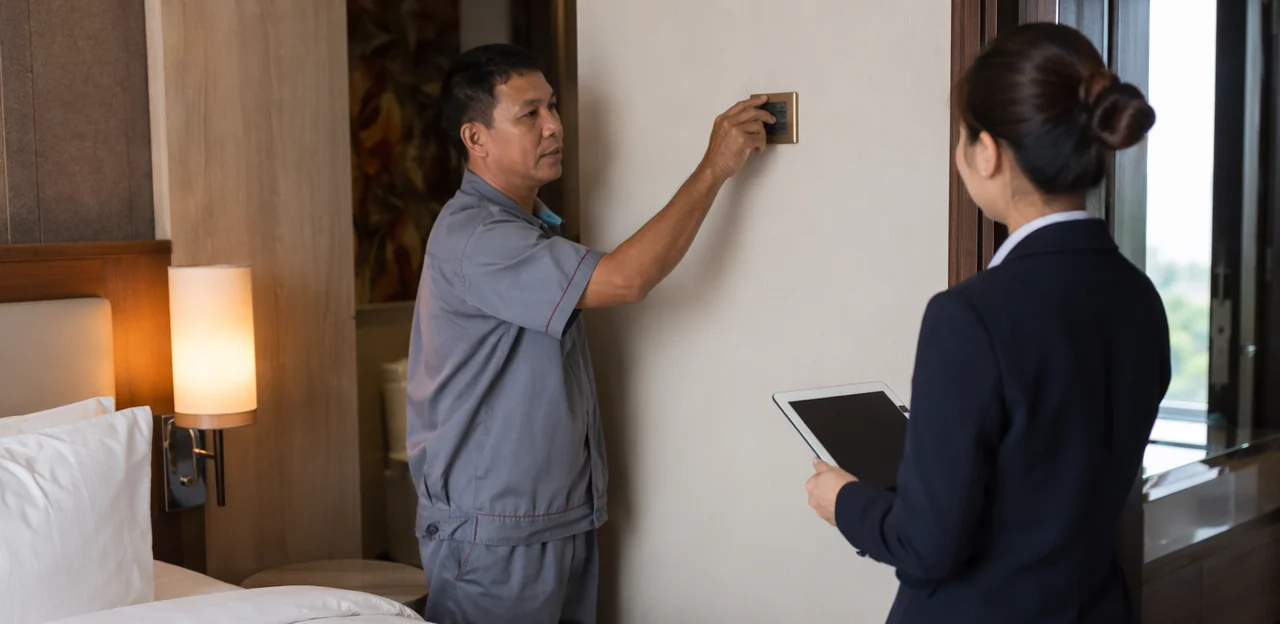
Key alert sources across the guest experience
For effective hotel review prevention, alerts should be triggered from every major guest touchpoint, not just post-stay surveys. Useful sources include:
- SMS surveys to capture fast reactions after check-in, dining, or service interactions
- QR feedback forms in rooms, lobbies, spas, and restaurants for instant in-stay feedback
- Front desk notes that flag complaints, special requests, or unresolved service issues
- Housekeeping apps that surface cleanliness concerns, delays, or repeat room requests
- Maintenance systems for HVAC, plumbing, Wi-Fi, or safety-related issues
- Hotel messaging channels where guests report problems in real time
- Event staff reports for meetings, conferences, and banquet service disruptions
The best guest feedback tools centralize these alerts so teams can assign ownership, respond quickly, and resolve issues before they become negative reviews.
Routing alerts to the right teams instantly
Fast alert routing is essential for hotel review prevention because every minute matters once a guest reports a problem. Build rules into your hotel workflow automation so alerts are triaged by urgency, location, and guest value.
- Front desk: check-in delays, billing questions, room moves, or complaints needing immediate guest contact
- Housekeeping: cleanliness issues, missing amenities, linen requests, or turnover problems
- Engineering: HVAC, plumbing, lighting, Wi-Fi, or in-room equipment failures
- Food and beverage: breakfast quality, room service delays, restaurant service, or minibar issues
- Management: VIP guests, safety concerns, repeated complaints, or unresolved service failures
For stronger hotel staff communication, include room number, issue category, sentiment score, and response deadline in every alert. Tools like Tapsy can help hotels trigger and assign alerts in real time before frustration turns into a public review.
Using escalation rules and response time thresholds
To make real-time alerts effective, hotels need clear service level agreements tied to issue type, severity, and location. This creates accountability and strengthens hotel review prevention by ensuring problems are handled before checkout.
- Set target hotel response times for common issues, such as 5 minutes for noise complaints, 10 minutes for housekeeping requests, and immediate escalation for safety concerns.
- Build an issue escalation path so unresolved tickets move automatically from frontline staff to supervisors, then to the duty manager.
- Trigger manager notifications when an alert stays open beyond its defined timeframe or when multiple complaints come from the same room, floor, or service area.
- Review response data weekly to refine staffing, workflows, and thresholds.
Tools like Tapsy can help route alerts in real time and support faster service recovery.
Building a Proactive Review Management and Service Recovery Process

Creating closed-loop feedback workflows
A strong closed-loop feedback process helps hotels act before frustration turns into a public complaint. For effective hotel review prevention, build a workflow that ensures every issue is owned, fixed, and tracked:
- Capture feedback instantly at key touchpoints such as check-in, rooms, breakfast, and checkout using SMS, QR codes, or tools like Tapsy.
- Assign alerts automatically to the right team based on issue type, urgency, and location.
- Resolve quickly with clear service-level targets for housekeeping, maintenance, or front desk teams.
- Confirm with the guest that the fix worked before checkout, closing the loop in real time.
- Log every case in your review management system for reporting, root-cause analysis, and staff coaching.
This structure strengthens guest issue resolution and prevents recurring service failures from falling through the cracks.
Training staff to recover service effectively
Strong hotel staff training turns real-time alerts into fast, confident action. For effective hotel review prevention, every team member should know how to respond the same way under pressure.
- Lead with empathy: Train staff to acknowledge frustration first: “I’m sorry this affected your stay.”
- Take ownership: Avoid passing blame between departments. One employee should own the issue until it is resolved.
- Use communication scripts: Simple frameworks help with consistent guest complaint handling while still sounding human.
- Set compensation guidelines: Define when to offer a room move, drink voucher, discount, or late checkout.
- Empower frontline teams: Good service recovery training gives staff authority to fix common problems immediately.
Tools like Tapsy can support this by sending alerts early, so trained staff can recover service before checkout.
Following up before checkout to prevent public complaints
A pre-checkout follow-up gives hotels one last chance to fix problems before guests turn to review sites. A short message or call on the final day can confirm whether earlier issues were resolved, uncover hidden frustration, and support stronger guest retention.
- Ask directly if everything was resolved: Reference any reported issue, such as noise, housekeeping, or Wi-Fi, so the guest feels heard.
- Invite honest feedback privately: A simple “Is there anything we can still improve before you leave?” can surface lingering dissatisfaction.
- Act immediately: If a concern remains, empower staff to offer a fast service recovery.
This step is essential for hotel review prevention because it shifts complaints into private resolution instead of public criticism. Tools like Tapsy can help trigger real-time alerts and make it easier to prevent bad reviews before checkout.
Applying Real-Time Alerts Across Rooms, Amenities, and Events
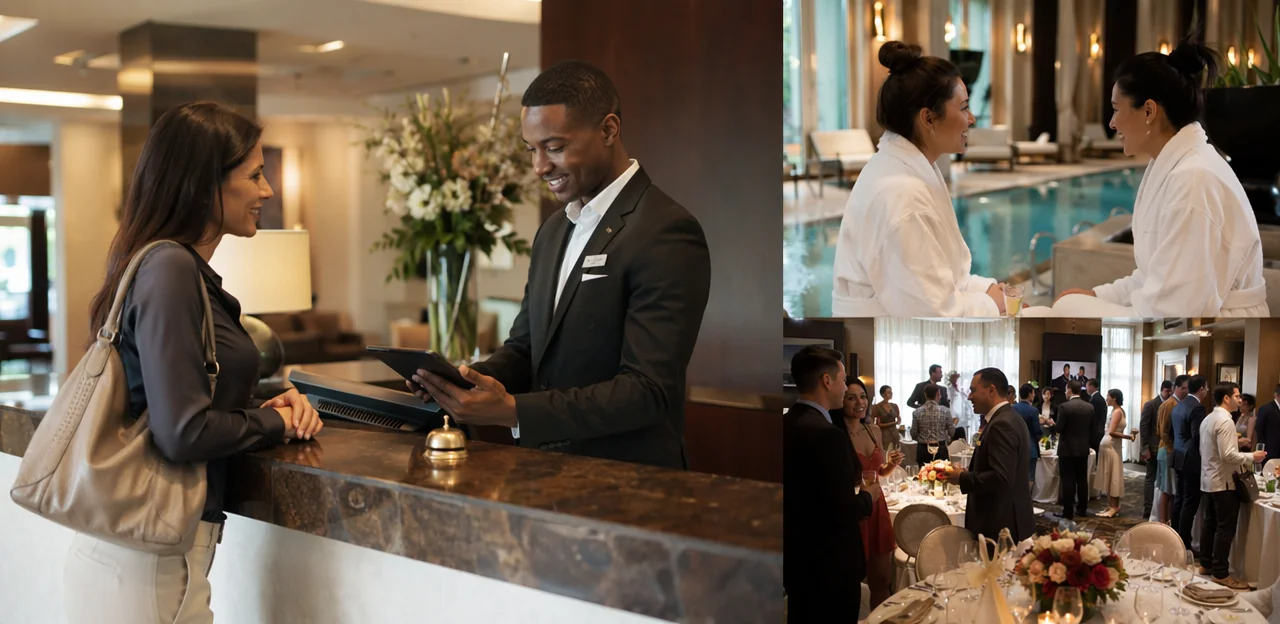
Room stay issues: cleanliness, comfort, and maintenance
Many bad reviews start with unresolved hotel room issues that could have been fixed during the stay. Real-time alerts support stronger hotel review prevention by helping teams act before frustration builds.
- Housekeeping misses: If a guest reports hair in the bathroom, missing towels, or an unmade bed, housekeeping alerts should trigger an immediate revisit and supervisor check.
- HVAC problems: Complaints about rooms being too hot, cold, or stuffy should go straight to engineering for fast diagnosis or a room move.
- Broken amenities: Faulty TVs, showers, locks, or Wi-Fi need clear escalation paths and visible maintenance response times.
- Noise and readiness delays: Alerts about loud neighbors or late room readiness let front desk teams offer alternatives, updates, or compensation.
Tools like Tapsy can help route these issues instantly.
Amenity and dining experience recovery
Real-time hospitality feedback helps hotels fix amenity and dining issues while guests are still on-site, which is essential for hotel review prevention. Instead of learning about problems in a public review, teams can resolve them at the moment they happen and protect the overall guest experience across key hotel amenities.
- Spas and pools: Trigger alerts for long check-in queues, towel shortages, noise, or cleanliness concerns so staff can respond immediately.
- Restaurants and bars: Flag slow service, incorrect orders, or food quality complaints for quick table visits, replacements, or manager recovery.
- Gyms: Surface equipment faults, overcrowding, or hygiene issues before frustration builds.
- Concierge desks: Monitor wait times and missed requests, then reassign staff during peak periods.
Tools like Tapsy can route instant alerts to the right team, speeding up recovery before dissatisfaction turns into a bad review.
Event experience alerts for meetings, weddings, and group stays
For meetings, weddings, and group bookings, one missed detail can damage the entire event experience and trigger public complaints from both guests and planners. Real-time alerts help teams protect group guest satisfaction and support stronger hotel review prevention.
- Track banquet timing: Alert managers when room setup, meal service, or agenda transitions fall behind schedule.
- Flag AV issues instantly: Route microphone, projector, lighting, or Wi-Fi problems to on-site technical staff before they disrupt the program.
- Monitor room blocks: Catch check-in delays, inventory mismatches, or VIP room issues early.
- Watch catering quality: Escalate complaints about temperature, presentation, or dietary errors immediately.
- Strengthen planner communication: Notify event leads when negative feedback appears so they can update organizers fast.
In hotel event management, tools like Tapsy can help surface issues at the moment they happen.
Metrics, Technology, and ROI for Hotel Review Prevention

KPIs that show whether alerts are working
Track hotel KPIs that prove alerts are driving faster service recovery and stronger hotel review prevention outcomes:
- Response time: How quickly staff acknowledge an alert after a guest reports an issue.
- Resolution time: Time taken to fully fix the problem.
- Issue recurrence: Whether the same room, department, or problem type keeps appearing.
- In-stay satisfaction: Real-time guest satisfaction metrics collected after recovery.
- Complaint volume: Total complaints per occupied room or per 100 stays.
- Recovery success rate: Percentage of alerted issues resolved before checkout.
- Review scores: Monitor post-stay ratings and review score improvement trends after alert adoption.
Tools like Tapsy can help hotels capture and measure these signals in real time.
Choosing the right hospitality technology stack
For effective hotel review prevention, choose hospitality technology that connects guest data and operations in one workflow. Look for platforms that combine a hotel CRM, PMS, messaging, ticketing, guest feedback software, surveys, and analytics so teams can spot and resolve issues before checkout.
Prioritize solutions with:
- Real-time alerts for low scores, negative comments, or urgent service categories
- Two-way integrations between PMS, CRM, and service tools to avoid data silos
- Automated routing so housekeeping, maintenance, or front desk teams get instant tickets
- Guest-level analytics to identify repeat issues, recovery speed, and satisfaction trends
Tools like Tapsy can also support in-stay feedback capture at key touchpoints.
Calculating ROI from fewer bad reviews and better retention
To measure hotel ROI from faster issue resolution, track the revenue protected before complaints become public reviews:
- Link alerts to review outcomes: compare stays with resolved in-stay issues vs. unresolved ones, then measure review score improvements and fewer 1–3 star posts. This strengthens online reputation management and lifts conversion on OTAs and direct booking channels.
- Quantify retention gains: monitor whether recovered guests book again, join loyalty programs, or book direct next time. Even a small increase in repeat guest loyalty can compound revenue over time.
- Include cost savings: faster fixes reduce refunds, discounts, chargebacks, and staff time spent on escalated service recovery.
For hotel review prevention, tools like Tapsy can help hotels capture issues early and turn recovery speed into measurable revenue impact.
Best Practices and Common Mistakes to Avoid

Best practices for launching an alert-driven program
To make an issue alert program effective, keep the rollout simple and operational:
- Start with top complaint categories: Focus first on issues that most often lead to poor feedback, such as cleanliness, noise, Wi-Fi, maintenance, and check-in delays.
- Define clear ownership: Assign each alert type to a specific team or manager so nothing sits unresolved.
- Set response standards: Create target response times, escalation rules, and approved service recovery actions for consistent execution.
- Review trends weekly: Use alert data to spot repeat problems, coach teams, and refine your hospitality operations strategy.
These hotel best practices strengthen hotel review prevention by fixing problems before checkout. Tools like Tapsy can help route alerts in real time.
Mistakes that weaken review prevention efforts
Common review prevention mistakes often come from poor follow-through, not poor intent. Strong hotel review prevention depends on fast action, clear ownership, and consistent documentation.
- Collecting feedback without action: If guests report issues and nothing happens, trust drops fast and negative reviews become more likely.
- Overcomplicating workflows: Long forms, unclear escalation paths, or too many approval steps slow guest complaint management.
- Missing overnight coverage: Many serious hotel service gaps happen after hours, when response teams are thinner.
- Failing to document resolutions: Without records, recurring issues stay hidden and teams repeat the same mistakes.
Simple alert tools such as Tapsy can help route issues instantly and track recovery.
A practical action plan for hotel leaders
- Audit guest pain points: Review recent complaints, low survey scores, and operational delays by touchpoint—check-in, rooms, breakfast, housekeeping, and checkout. This creates a stronger hotel management strategy based on real friction.
- Deploy real-time alerts: Set triggers for low ratings, urgent categories, and negative comments, routing them instantly to the right manager or department.
- Train teams on response standards: Build a clear service recovery plan with ownership, response times, escalation rules, and recovery options.
- Track and improve: Measure alert response time, resolution rate, and repeat issues weekly to strengthen hotel review prevention over time.
Tools like Tapsy can help streamline in-stay alerts and recovery workflows.
Conclusion
In hospitality, the difference between a loyal guest and a damaging public complaint often comes down to timing. Hotels that rely on post-stay surveys alone miss the critical window to fix problems while the guest is still on property. Real-time issue alerts change that by helping teams spot service failures early, respond faster, and recover the experience before frustration turns into a negative review.
Effective hotel review prevention starts with making feedback easy to give at key touchpoints, from check-in and guest rooms to dining areas, spas, and event spaces. When low ratings or urgent comments trigger immediate alerts, staff can take meaningful action, whether that means resolving maintenance issues, addressing cleanliness concerns, offering a room change, or simply showing the guest they’ve been heard. Over time, these insights also reveal repeat pain points and help improve operations across the entire guest journey.
For hotels focused on stronger reputation management and better guest experience outcomes, now is the time to build a proactive feedback and service recovery process. Review your current guest feedback flow, identify where real-time alerts are missing, and invest in tools that support faster intervention. Solutions like Tapsy can help capture in-stay feedback and route issues to the right team before checkout. The next step is simple: act earlier, recover faster, and make hotel review prevention part of everyday operations.
Frequently Asked Questions
- How do bad hotel reviews usually start?
They often begin with a small problem that goes unnoticed or unresolved during the stay, such as noise, weak Wi-Fi, slow check-in, or a housekeeping miss. When the response is delayed or unclear, frustration builds and can turn into a negative public review after checkout.
- Why are real-time issue alerts important for hotels?
Real-time alerts let hotel teams detect dissatisfaction while the guest is still on-site. That gives staff a chance to recover the experience quickly instead of reacting later on third-party review platforms.
- Which guest issues should hotels prioritize first in an alert system?
Hotels should start with issues most likely to become public complaints if left unresolved. These include room cleanliness problems, noise complaints, maintenance failures, check-in delays, and event-related disruptions.
- What guest touchpoints can generate real-time alerts in a hotel?
Useful alert sources include SMS surveys, QR feedback forms, front desk notes, housekeeping apps, maintenance systems, hotel messaging channels, and event staff reports. Using multiple touchpoints helps hotels capture in-stay feedback across the full guest journey.
- How should hotels route alerts to the right teams?
Alerts should be triaged by urgency, location, and guest value, then sent to the department best equipped to act. Front desk can handle room moves and billing questions, housekeeping can address cleanliness issues, engineering can fix HVAC or plumbing, food and beverage can resolve dining complaints, and management should receive VIP, safety, or repeated issues.
- What information should be included in each hotel issue alert?
Each alert should include practical details that help staff respond without delay. The recommended fields are room number, issue category, sentiment score, and a response deadline.
- What are escalation rules and response time thresholds in hotel service recovery?
They are predefined service standards that set how quickly teams should respond and when unresolved issues should move to higher levels of management. Examples given include 5 minutes for noise complaints, 10 minutes for housekeeping requests, and immediate escalation for safety concerns.
- What does a closed-loop feedback process look like in a hotel?
It starts by capturing feedback at key touchpoints, then automatically assigning the issue to the right team. Staff resolve the problem, confirm with the guest that the fix worked before checkout, and log the case for reporting, root-cause analysis, and coaching.
- How should hotel staff be trained to handle guest complaints effectively?
Staff should be trained to lead with empathy, take ownership, and use simple communication scripts that sound human. Hotels should also define compensation guidelines and give frontline teams authority to solve common problems immediately.
- Why is pre-checkout follow-up useful for preventing negative reviews?
A final message or call before departure gives the hotel one more chance to confirm that earlier issues were resolved. It can also uncover hidden dissatisfaction and shift complaints into private resolution instead of public criticism.
- How can real-time alerts improve room, amenity, and dining experiences?
They help teams act while the guest is still present, whether the issue involves dirty bathrooms, missing towels, HVAC problems, broken in-room amenities, pool towel shortages, slow restaurant service, or incorrect orders. Fast routing makes it easier to revisit the room, send engineering, replace an item, or have a manager recover the experience.
- How do real-time alerts help with meetings, weddings, and group stays?
They help teams catch banquet timing delays, AV failures, room block problems, catering issues, and planner communication gaps as they happen. That protects the event experience for both attendees and organizers before one mistake affects the whole group.
- Which KPIs show whether a hotel alert program is working?
Key metrics include response time, resolution time, issue recurrence, in-stay satisfaction, complaint volume, recovery success rate, and post-stay review scores. Together, these show whether alerts are improving service recovery and reducing unresolved guest problems.
- What should hotels look for in a technology stack for review prevention?
Hotels should look for systems that connect PMS, CRM, messaging, ticketing, surveys, guest feedback software, and analytics in one workflow. Important capabilities include real-time alerts, two-way integrations, automated routing, and guest-level analytics.
- What common mistakes weaken hotel review prevention efforts?
The main mistakes are collecting feedback without taking action, overcomplicating workflows, missing overnight coverage, and failing to document resolutions. These gaps slow response, hide recurring problems, and make negative reviews more likely.