
A great meal can be undone by one small issue, and by the time a guest fills out a survey hours later, the moment to fix it may already be gone. That is why restaurant guest feedback is not just about what you ask—it is about when you ask it. In busy restaurants and cafés, timing can make the difference between a recoverable service hiccup and a negative online review, a lost regular, or missed insight into what is really happening on the floor.
Many operators focus on survey length, assuming shorter forms always lead to better response rates. While brevity matters, it is often timing that has the bigger impact on participation, accuracy, and usefulness. Feedback collected during or immediately after a dining experience is fresher, more specific, and far more actionable than responses gathered long after the bill is paid.
This article explores why timing matters more than survey length, how well-timed feedback improves guest experience and restaurant operations, and what restaurants can do to capture insights at the right moment. It will also look at practical ways to reduce friction, increase response rates, and turn feedback into faster service recovery—whether through simple in-venue prompts or real-time tools such as Tapsy.
Why Timing Is the Real Driver of Better Restaurant Guest Feedback
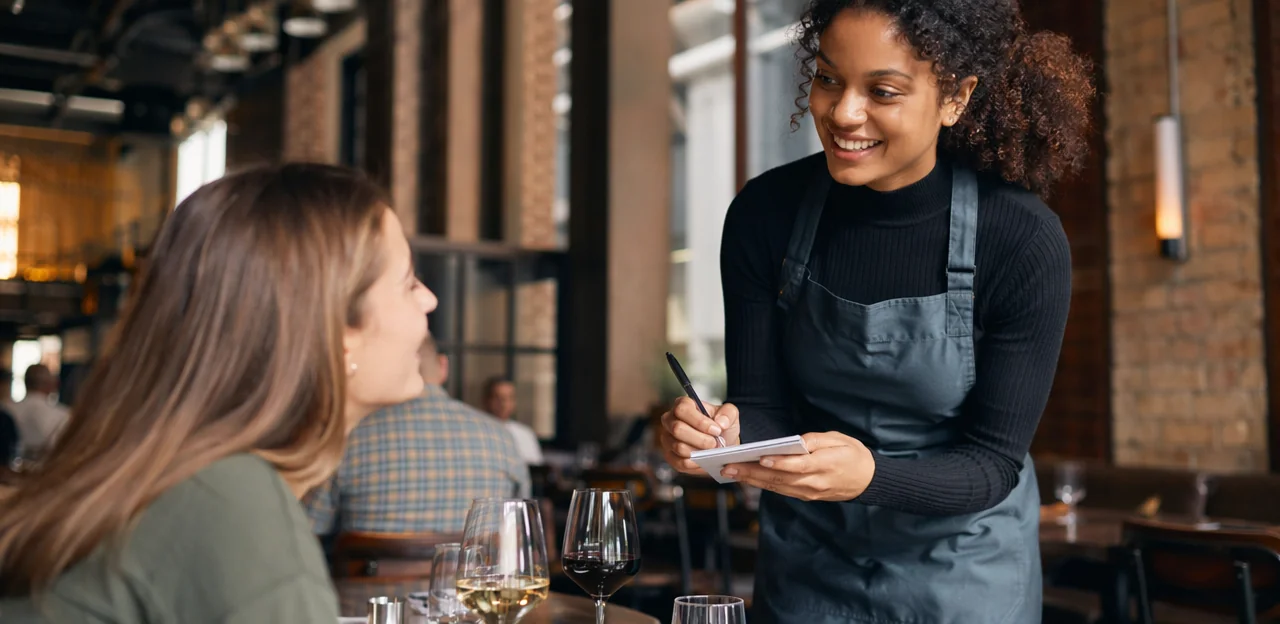
How timing shapes response rates and answer quality
Feedback timing has a direct impact on both survey response rates and the usefulness of restaurant guest feedback.
- Too early: Asking while guests are still eating or waiting for the bill can feel intrusive. They may ignore the request or give rushed answers before the full experience is complete.
- Too late: If the survey arrives hours or days later, details fade. Guests remember the overall mood, but forget specifics about service speed, food quality, or cleanliness.
- Wrong touchpoint: Sending a request at an inconvenient moment, like during payment stress or after a delivery delay, can skew answers.
The best window is usually shortly after the key experience ends—fresh enough for accuracy, but late enough to avoid interruption. Tools like Tapsy can help capture feedback at the right moment and touchpoint.
Why survey length matters less than relevance and context
Many restaurants obsess over survey length, assuming shorter always means better completion rates. In reality, a guest feedback survey performs best when it appears at the right moment and feels directly connected to the dining experience.
A slightly longer survey can still work well if guests see clear value in answering it. For restaurant guest feedback, timing and context often matter more than shaving off one or two questions.
- Ask while the visit is still fresh, such as right after payment or shortly after leaving.
- Keep questions relevant to that specific touchpoint: food, service, wait time, or cleanliness.
- Use smart customer survey design to show only the most useful follow-up questions.
Tools like Tapsy can help collect timely feedback at the moment it matters most.
The cost of collecting feedback at the wrong time
When restaurant guest feedback is requested too late, too early, or at the wrong touchpoint, restaurants lose more than responses—they lose usable insight.
- Missed insights: Guests forget specific moments that shaped the guest experience, so feedback becomes vague instead of actionable.
- Lower review volume: If you ask after interest has faded, fewer diners respond, limiting visibility into real service patterns.
- Skewed data: Poor timing often over-represents extreme experiences, giving teams an inaccurate view of daily performance and hurting decision-making in restaurant operations.
- Delayed service recovery: Complaints shared after the guest leaves are far harder to fix, reducing the chance to recover trust in the moment.
To improve timing, collect feedback at key journey stages—ordering, dining, and payment—so teams can act fast and strengthen service recovery.
Mapping Feedback Timing to the Restaurant Guest Journey
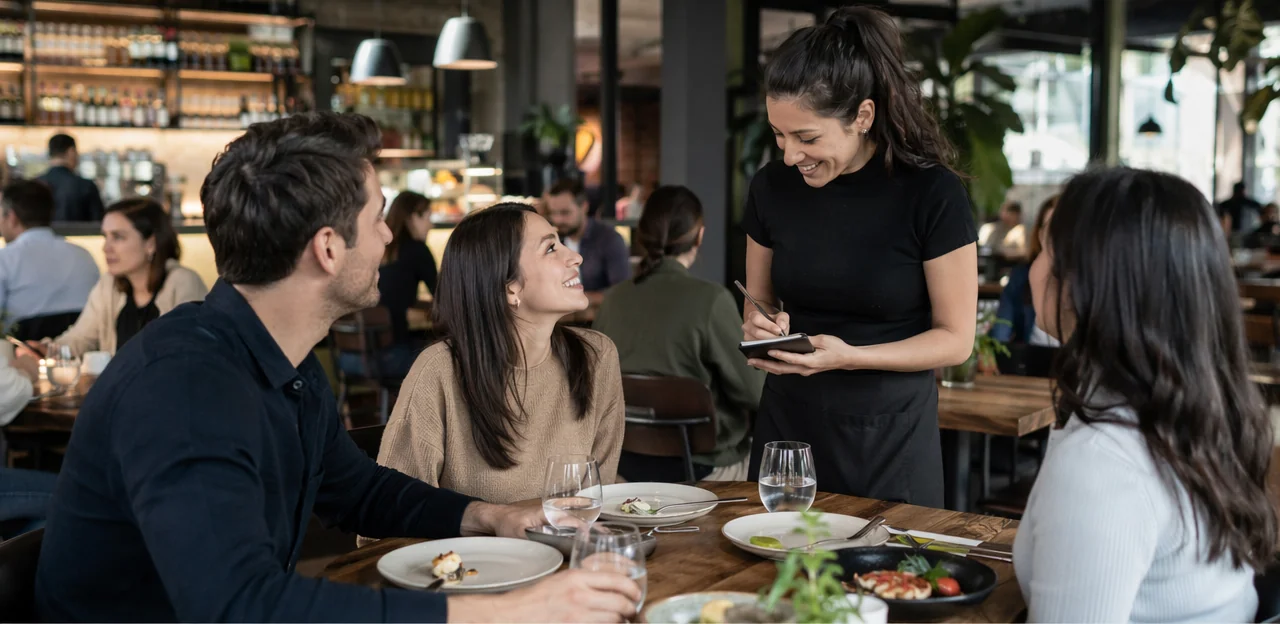
During the visit: capturing issues before the guest leaves
The most effective restaurant guest feedback happens while the meal is still in progress. Timely, in-restaurant feedback helps teams spot problems early, improve guest satisfaction, and prevent negative reviews after the visit.
- Table touches: Train managers or servers to check in shortly after food arrives. A simple “How is everything tasting?” can uncover issues before the table disengages.
- QR code prompts: Add a discreet QR code to menus, table tents, or receipts so guests can share real-time feedback in seconds.
- Kiosk prompts: At counter-service locations, use payment or pickup kiosks to ask one quick satisfaction question.
- Staff check-ins: Empower staff to escalate complaints immediately and offer fast recovery, such as a remake, replacement, or small gesture.
Tools like Tapsy can support instant alerts and faster service recovery.
Right after the meal: the ideal post-visit feedback window
The first few hours after a visit are often the sweet spot for collecting restaurant guest feedback. At that point, the experience is still vivid, but guests have finished eating and are more willing to respond than they are mid-meal.
- Dine-in: Send a post-dining survey within 1–3 hours, while service, food quality, and wait times are still easy to recall.
- Takeaway: Ask for feedback soon after the expected pickup or delivery completion, when temperature, packaging, and order accuracy can still be judged clearly.
- Café visits: A fast follow-up works best because these visits are shorter and details fade quickly.
Strong customer feedback timing improves response quality, helps teams act on issues faster, and increases the chance of useful, specific comments. Tools like Tapsy can help capture this feedback at the right moment.
Delayed follow-up: when waiting too long hurts insight quality
When delayed surveys arrive days after a meal, restaurant guest feedback becomes less precise and less useful. As customer memory fades, guests often remember the general feeling of the visit but forget the details that help teams improve service.
- Memory decay reduces specifics: guests may forget wait times, server interactions, or which dish disappointed them.
- Emotional distance softens urgency: what felt frustrating in the moment may seem minor later, leading to vague answers.
- Competing priorities get in the way: busy schedules mean rushed responses, skipped comments, or no reply at all.
The result is weaker feedback quality and less actionable data. To improve accuracy, send surveys within a few hours of the visit, or use instant table-side or receipt-based prompts while the experience is still fresh.
Choosing the Best Feedback Timing for Different Restaurant Formats
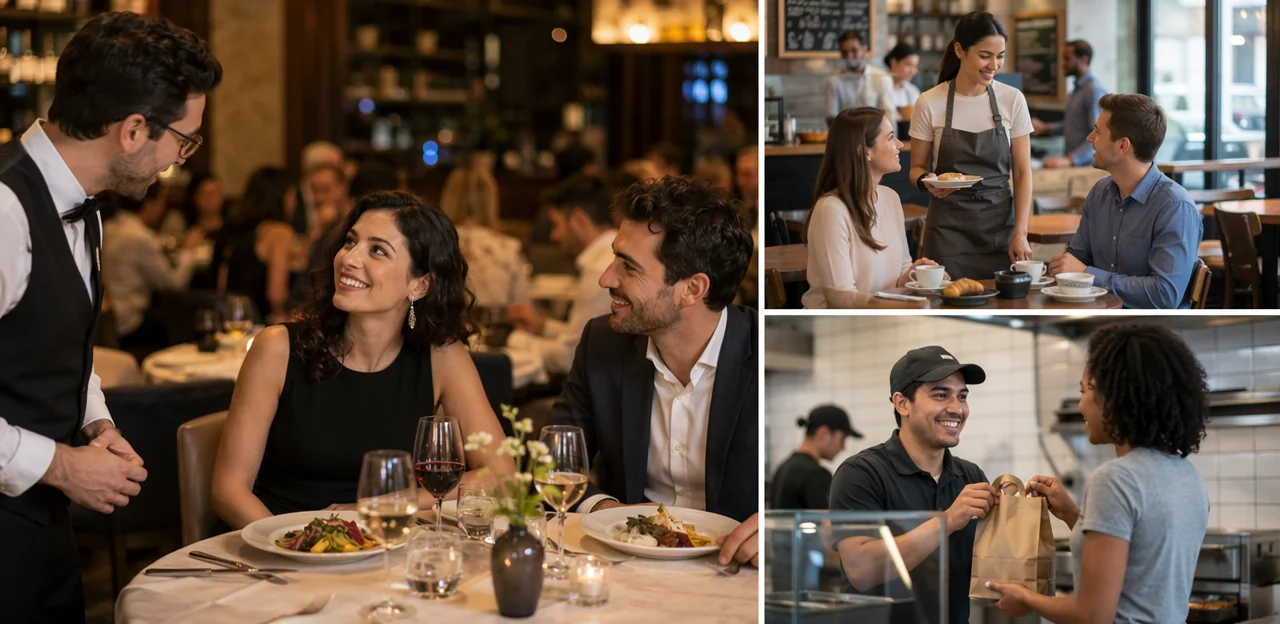
Full-service restaurants and fine dining
In a full-service restaurant, timing restaurant guest feedback is less about speed and more about context. For fine dining feedback, avoid interrupting key moments like wine service, entrée delivery, or intimate conversation. A stronger guest experience strategy is to ask at natural transition points:
- Mid-meal check-in: After mains are served and guests have had a few bites, so service issues can still be fixed.
- Pre-dessert or bill stage: Ideal for feedback on pacing, attentiveness, and ambiance once most of the experience has unfolded.
- Post-visit follow-up: Send a short survey within 2–6 hours to capture reflections on the full evening.
Tools like Tapsy can help trigger touchpoint-based feedback without disrupting service.
Quick-service restaurants, cafés, and takeaway
In a quick service restaurant, café, or takeaway setting, timing is everything. Short visit cycles mean restaurant guest feedback should be captured immediately, not hours later when details are forgotten.
- Add feedback links to mobile receipts so guests can respond right after payment.
- Use app notifications a few minutes after pickup or delivery to improve response rates.
- Place QR codes on packaging, counters, or collection screens for instant takeaway survey access.
- Keep café customer feedback forms to 1–3 questions focused on speed, accuracy, and product quality.
Fast-moving brands can also use tools like Tapsy to collect no-app feedback at the moment of service.
Delivery and online ordering experiences
For restaurant guest feedback tied to delivery, timing should follow the actual guest experience, not the checkout click. In effective restaurant survey design, send the request only after confirmed receipt so guests can evaluate the full online ordering experience.
- Trigger delivery feedback after proof of delivery, handoff confirmation, or “order received” status.
- Wait a few minutes so guests can assess food temperature, packaging, and presentation.
- Ask specifically about order accuracy, missing items, and food condition on arrival.
- Separate kitchen issues from courier delays to make feedback actionable for operations.
Tools like Tapsy can help capture feedback at the right moment and route issues quickly.
How to Design Feedback Requests That Feel Timely, Not Annoying
Match the channel to the moment
Choosing the right feedback channels is just as important as keeping surveys short. For better restaurant guest feedback, match the request to when the guest is most likely to respond:
- SMS survey: Best for fast follow-up within minutes or hours of the visit. SMS feels immediate, so use it for short, mobile-friendly questions after dine-in or delivery.
- Email feedback request: Better for later reflection, such as the next day. Email supports longer comments, itemized visit details, and loyalty follow-ups.
- App notifications: Ideal for regular guests who already use your ordering or loyalty app. Send them soon after payment or pickup.
- QR codes: Great for in-the-moment feedback at the table, counter, or exit.
- Receipt links: Useful at checkout, when the experience is still fresh.
Tools like Tapsy can help restaurants capture timely, touchpoint-based responses.
Ask the right questions for the stage of the experience
Good restaurant guest feedback starts with matching the survey questions to the moment. If a guest is still at the table, keep questions short and operational so staff can fix issues immediately.
- In-the-moment guest feedback questions:
- Is everything prepared correctly?
- How is the service speed so far?
- Do you need anything before your meal continues?
These questions support fast service recovery before a bad experience turns into a negative review.
After the visit, a customer satisfaction survey can go deeper into overall impressions and future intent.
- Post-visit survey questions:
- How satisfied were you with your visit overall?
- How likely are you to return?
- Would you recommend us to others?
Tools like Tapsy can help restaurants capture both types of feedback at the right time.
Reduce friction without sacrificing useful insight
Shorter isn’t always better. Strong survey design removes effort while preserving the context behind restaurant guest feedback.
- Lead with the easiest, highest-value question first: start with an overall rating, then follow with one quick reason. This builds momentum and captures a usable signal even if guests stop early.
- Design for phones first: a mobile-friendly survey should use large tap targets, minimal typing, fast loading, and one question per screen.
- Use selective branching: only show follow-up questions when relevant. For example, a low score can trigger service or food quality questions, while a high score can prompt a review request.
- Trim decisions, not insight: apply feedback form optimization by removing duplicate questions and keeping optional comments for nuance.
Tools like Tapsy can support this with no-app, touchpoint-based feedback flows.
Turning Timely Feedback Into Better Restaurant Operations
Use fast feedback loops for service recovery
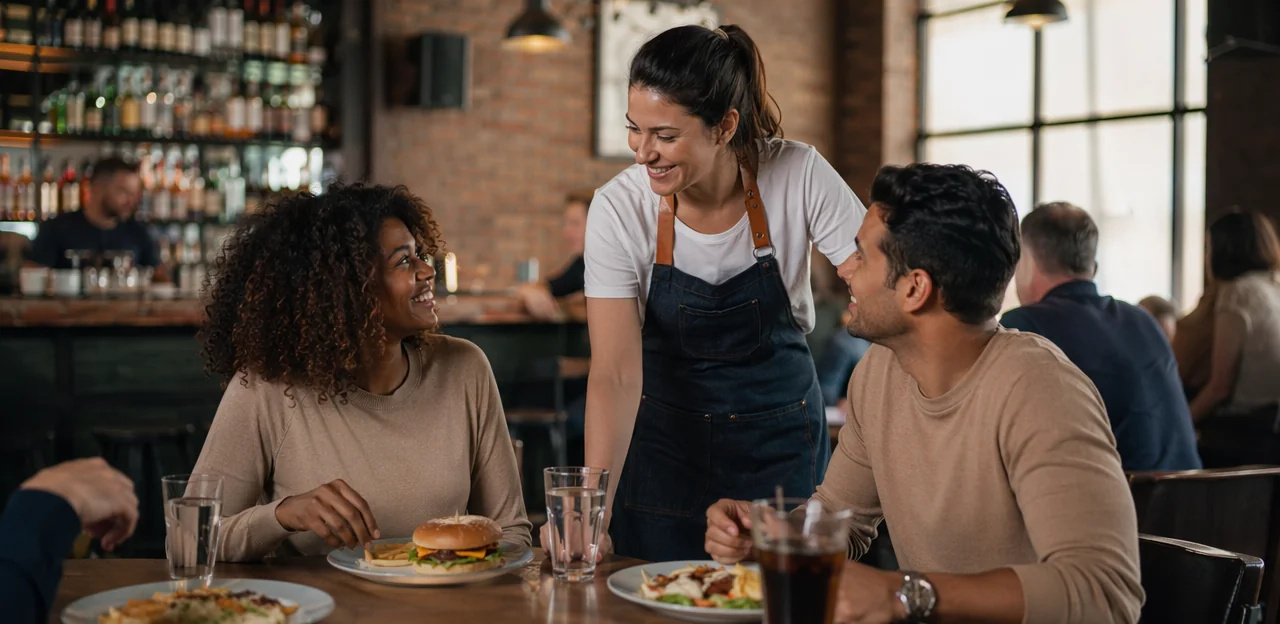
Fast feedback loops turn restaurant guest feedback into immediate action, which is critical for effective service recovery. When low ratings arrive minutes after the meal, managers still have a chance to fix the experience before the guest posts a public review or decides not to return.
- Set instant alerts for poor scores, complaint keywords, or low-star responses.
- Respond within the same shift with an apology, clarification, or practical fix such as a remake, refund, or manager follow-up.
- Assign ownership so the right team member handles food, service, or billing issues quickly.
- Close the loop by confirming the resolution and thanking the guest for speaking up.
This approach strengthens restaurant management, reduces negative word of mouth, and improves guest retention. Tools like Tapsy can help capture and route feedback in real time.
Spot patterns across food, service, and atmosphere
Timely restaurant guest feedback gives managers a clearer view of what is happening on the floor before small issues become repeat complaints. When comments are captured close to the dining experience, teams can spot patterns faster and turn them into useful operational insights.
- Wait times: Identify recurring delays at seating, ordering, or payment by shift, daypart, or staff coverage.
- Menu items: Track which dishes earn praise, get sent back, or create confusion around taste, temperature, or portion size.
- Cleanliness: Use fresh customer experience data to catch repeat concerns about tables, restrooms, or dining areas.
- Staffing and consistency: Compare feedback across teams to uncover gaps in training, service speed, and execution.
Combined with restaurant analytics, this helps leaders prioritize fixes that improve service and protect guest satisfaction.
Connect feedback data to staff coaching and process improvement
To turn restaurant guest feedback into better service, operators should link comments and scores directly to daily coaching and operational decisions. Patterns in feedback often reveal where staff training and process improvement will have the biggest impact on restaurant performance.
- Coach by theme: If guests mention slow greetings or unclear menu explanations, use those examples in pre-shift training and role-play.
- Adjust scheduling: Repeated low scores during peak hours may signal understaffing, weak floor coverage, or kitchen bottlenecks.
- Fix workflows: Comments about long waits, order mistakes, or cold food can point to handoff issues between front and back of house.
- Track results: Review feedback trends weekly to see whether training changes improve scores over time.
Tools like Tapsy can help capture real-time insights at key dining touchpoints.
Best Practices and Common Mistakes in Restaurant Feedback Timing
Best practices for building a timing-first feedback strategy
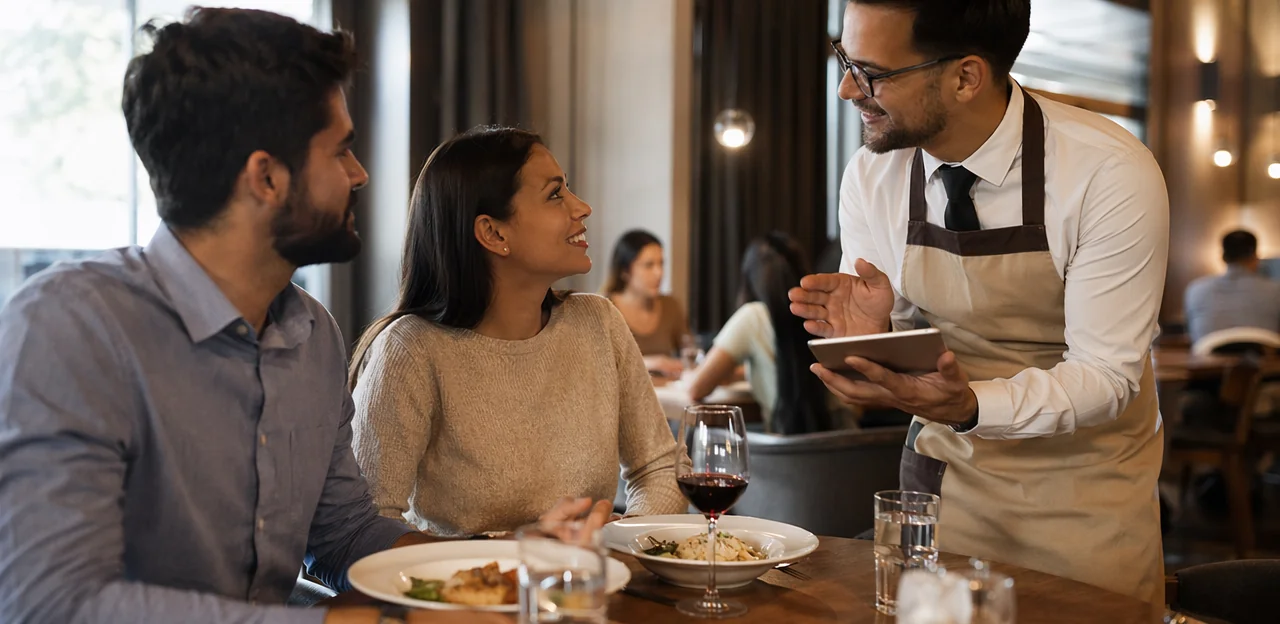
Use these restaurant survey best practices to make timing work harder for your team:
- Define clear trigger points: Ask for restaurant guest feedback right after key moments like ordering, payment, pickup, or table service recovery.
- Segment by visit type: Dine-in, delivery, takeaway, and large-group visits need different timing and questions for a stronger feedback strategy.
- Test send times: Compare immediate requests with 30–60 minute follow-ups to find the best guest feedback timing for response rates and quality.
- Align with operational goals: If you want faster service recovery, ask sooner; if you want broader experience insights, ask after the full visit.
Tools like Tapsy can help capture feedback at the right touchpoint in real time.
Common mistakes restaurants should avoid
Avoid these common survey mistakes if you want better restaurant guest feedback and higher response quality:
- Over-surveying loyal guests: Your regulars may be happy to help, but asking too often leads to fatigue and lower engagement. Space requests out and trigger them at meaningful moments.
- Sending generic requests: Vague, one-size-fits-all surveys create customer feedback errors. Reference the visit type, order channel, or location to make requests feel relevant.
- Ignoring channel preferences: Some guests respond better by SMS, email, QR code, or receipt link. Match the request to how they interacted with your restaurant.
- Failing to act on feedback: Collecting feedback without visible follow-up damages trust. Use alerts or tools like Tapsy to spot issues quickly and respond while the experience is still fresh.
How to measure success and keep improving
To improve restaurant guest feedback timing, track the right feedback metrics consistently and review them by send time, channel, and visit type:
- Open rates: Show whether your request reaches guests at the right moment.
- Completion rates: Measure survey performance and reveal if timing affects drop-off.
- Sentiment trends: Monitor comment tone alongside scores to spot experience patterns.
- Recovery outcomes: Track how often low-score alerts lead to resolved issues.
- Repeat visits: Connect feedback timing to return rates and loyalty behavior.
- Review improvements: Compare public ratings and review volume after timing changes.
Use these guest satisfaction KPIs monthly, test one timing adjustment at a time, and keep what drives stronger response quality and better guest outcomes.
Conclusion
In restaurant operations, the biggest advantage rarely comes from asking more questions, it comes from asking at the right moment. Timely restaurant guest feedback gives teams a chance to understand the dining experience while it is still fresh, accurate, and actionable. Whether it is a slow table turn, a missing item, or exceptional service worth recognizing, feedback collected in the moment helps restaurants respond faster and improve outcomes before a guest leaves unhappy.
That is why survey length matters less than relevance and timing. Short, well-placed prompts typically generate stronger participation, better-quality insights, and more immediate opportunities for service recovery. For restaurants and cafés, this approach not only improves the guest experience but also supports staff coaching, operational efficiency, and stronger long-term loyalty.
If you want better results from your restaurant guest feedback strategy, start by reviewing when and where you ask for input. Focus on key touchpoints, keep surveys simple, and make it easy for guests to respond in seconds. For teams looking to capture real-time insights at physical touchpoints, tools like Tapsy can help streamline the process.
Take the next step by auditing your current survey flow, testing shorter formats, and tracking response rates by timing. The right restaurant guest feedback system can turn quick insights into meaningful improvements.
Frequently Asked Questions
- Why does timing matter more than survey length for restaurant guest feedback?
Timing has a bigger effect on response quality, participation, and usefulness than simply removing a question or two. Feedback collected during or shortly after the visit is fresher, more specific, and easier for teams to act on.
- When is the best time to ask diners for feedback?
The best window is usually shortly after the key experience ends. That often means during the visit for service recovery or within a few hours after payment, pickup, or delivery when details are still easy to recall.
- What happens if a restaurant asks for feedback too early?
If guests are still eating or waiting for the bill, the request can feel intrusive. They may ignore it or give rushed answers before the full experience is complete.
- Why is delayed feedback less useful for restaurant operations?
When surveys arrive days later, guests tend to remember the overall feeling but forget specifics like wait times, server interactions, or food quality issues. That makes feedback less actionable and slows service recovery.
- Can a slightly longer survey still work if the timing is right?
Yes, a slightly longer survey can still perform well when it appears at the right moment and feels relevant to the experience. Relevance and context often matter more than making every survey as short as possible.
- How can restaurants collect feedback during the meal without annoying guests?
Use natural touchpoints such as a manager or server check-in shortly after food arrives. Discreet QR codes on menus, table tents, or receipts can also let guests respond quickly without interrupting the meal.
- What is the ideal post-visit survey timing for dine-in, takeaway, and cafés?
For dine-in, sending a survey within 1–3 hours works well because the visit is still vivid. Takeaway feedback should be requested soon after pickup or delivery completion, and café follow-ups should be especially fast because those visits are shorter and details fade quickly.
- How should feedback timing differ for full-service restaurants and fine dining?
In full-service and fine dining settings, timing should follow the flow of the experience rather than push for speed. Good moments include a mid-meal check-in after guests have tried their mains, the pre-dessert or bill stage, and a short follow-up within 2–6 hours.
- What feedback timing works best for quick-service restaurants, cafés, and takeaway?
These formats need immediate feedback because visit cycles are short. Mobile receipts, app notifications after pickup or delivery, and QR codes on packaging or counters help capture reactions while speed, accuracy, and product quality are still fresh.
- When should delivery and online ordering feedback be sent?
Send the request after confirmed receipt, handoff confirmation, or an order received status so guests can judge the full experience. Waiting a few minutes also gives them time to assess temperature, packaging, presentation, and order accuracy.
- Which feedback channel should a restaurant use at different moments?
SMS works well for fast follow-up within minutes or hours, while email is better for later reflection and longer comments. QR codes and receipt links fit in-the-moment feedback, and app notifications suit guests already using an ordering or loyalty app.
- What questions should restaurants ask during the visit versus after the visit?
During the visit, questions should be short and operational, such as whether everything is prepared correctly or whether service speed is acceptable. After the visit, surveys can focus on overall satisfaction, likelihood to return, and willingness to recommend.
- How can restaurants reduce survey friction without losing useful insight?
Start with the easiest high-value question, such as an overall rating, and then ask one quick reason. Mobile-friendly design, one question per screen, and selective branching help keep effort low while preserving useful context.
- How does timely feedback improve service recovery and staff coaching?
Fast feedback lets managers respond within the same shift with an apology, clarification, remake, refund, or follow-up before the issue becomes a public complaint. Over time, patterns in comments can also guide coaching, scheduling changes, and workflow improvements.
- What mistakes should restaurants avoid when building a feedback timing strategy?
Common mistakes include over-surveying loyal guests, sending generic requests, ignoring channel preferences, and collecting feedback without acting on it. Restaurants should also measure open rates, completion rates, sentiment trends, recovery outcomes, repeat visits, and review changes to keep improving.