
In hospitality, every guest interaction leaves a trace, and the smartest hotels know that feedback is more than a score at checkout. It is a direct window into service quality, operational gaps, and the moments that shape reviews, loyalty, and repeat bookings. For managers and owners, knowing how to collect, interpret, and act on guest input can make the difference between a one-time stay and a long-term relationship.
That is why understanding hotel guest feedback best practices is no longer optional. From capturing in-stay concerns before they become public complaints to using post-stay insights to improve staffing, housekeeping, amenities, and communication, a strong feedback strategy helps hotels protect their reputation while improving the guest experience at every touchpoint.
In this article, we will explore the most effective hotel guest feedback best practices for modern accommodation businesses. You will learn how to gather feedback at the right time, choose the right channels and software, respond in ways that build trust, and turn insights into measurable operational improvements. We will also touch on how tools such as Tapsy can support real-time feedback collection, helping teams resolve issues while guests are still on property.
Why Guest Feedback Matters in Hotel Operations

The Business Value of Guest Feedback
The importance of guest feedback goes far beyond service scores. For hotels, it is a strategic asset that directly affects revenue, retention, and hotel reputation management.
- Boosts occupancy: Strong feedback improves review ratings and search visibility, helping more travelers choose your property.
- Increases repeat bookings: Acting on guest comments shows responsiveness, which builds loyalty and encourages return stays.
- Protects online reputation: Early issue detection helps resolve problems before they become damaging public reviews.
- Improves RevPAR: Better experiences support stronger pricing power, higher conversion rates, and more upsell opportunities.
- Builds brand trust: Consistently listening and responding signals reliability and guest-first management.
Effective hotel guest feedback best practices turn comments into operational insight. Tools like Tapsy can help capture real-time feedback and support faster service recovery.
Common Feedback Sources Hotels Should Monitor
Strong hotel guest feedback best practices start with tracking multiple hotel feedback channels, not just online reviews. Focus on these key guest review sources:
- Post-stay surveys: Send within 24–48 hours of checkout to capture fresh, structured insights on rooms, service, and amenities.
- Front desk conversations: Train staff to log recurring compliments, complaints, and requests during check-in, stay, and checkout.
- Review sites: Monitor Google, TripAdvisor, Booking.com, and Expedia for reputation trends and public service issues.
- Social media: Watch mentions, tags, comments, and direct messages for unfiltered guest sentiment.
- In-stay messaging: Use SMS, WhatsApp, or tools like Tapsy to catch issues early and recover service before departure.
- Direct email feedback: Categorize emails by theme to spot operational patterns quickly.
What Managers and Owners Can Learn From Feedback Trends
Recurring guest comments turn hotel feedback analysis into a practical decision-making tool. As part of strong hotel guest feedback best practices, leaders should look for patterns rather than isolated complaints.
- Staffing: Repeated mentions of slow service or unfriendly interactions may signal understaffing, weak training, or poor shift coverage.
- Cleanliness: Frequent notes about rooms, bathrooms, or shared areas highlight housekeeping gaps that need immediate attention.
- Amenities: Comments about Wi-Fi, breakfast, parking, or gym access reveal which features most affect guest satisfaction trends.
- Check-in and communication: Long waits, unclear policies, or missed updates often point to process and messaging issues.
- Pricing perception: If guests say rates feel too high, review whether value matches expectations.
Tools like Tapsy can help surface these trends in real time.
How to Collect Better Guest Feedback at Every Stage
Pre-Stay and On-Property Feedback Opportunities
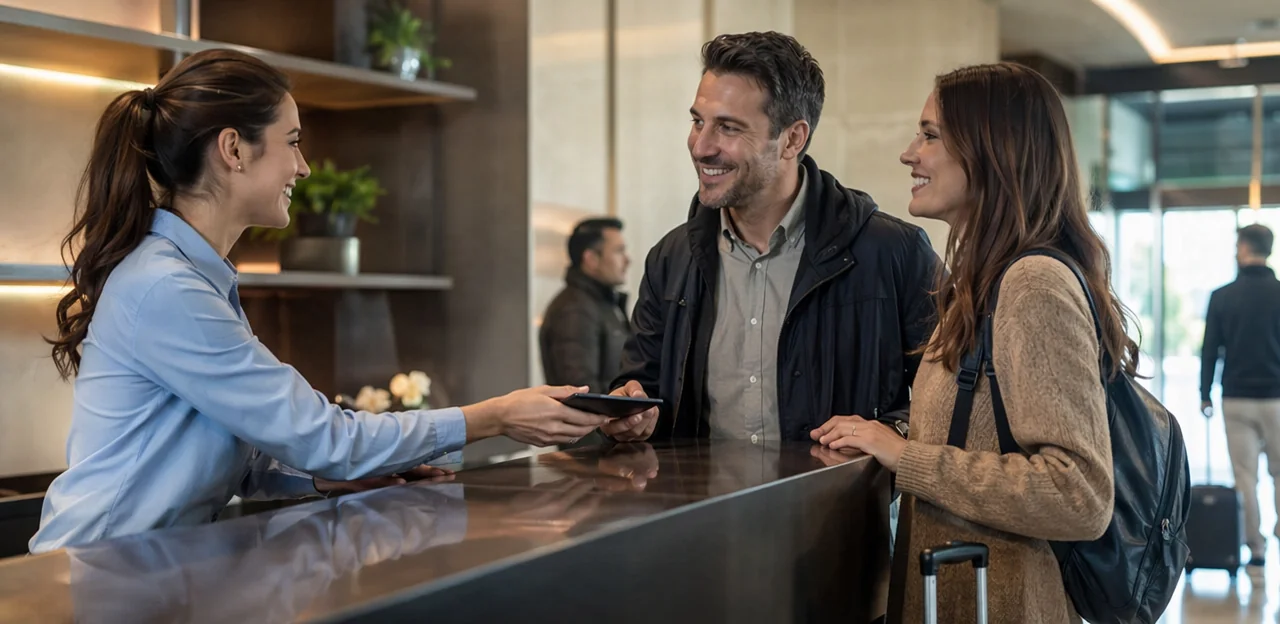
One of the most effective hotel guest feedback best practices is to collect insights before arrival and act on real-time guest feedback during the stay. This helps teams solve problems before checkout, when recovery is still possible.
- Before arrival: Use confirmation emails or SMS to ask about room preferences, arrival time, special requests, and stay expectations. This improves hotel guest communication and helps staff personalize service from day one.
- During the stay: Send a short SMS or in-app check-in after the first night asking if everything meets expectations.
- At key touchpoints: Place QR codes in rooms, reception, dining areas, and spa spaces so guests can quickly report issues like noise, cleanliness, or Wi-Fi problems.
- Through staff check-ins: Train front desk and housekeeping teams to ask simple, timely questions and log concerns immediately.
Tools like Tapsy can support fast, no-app feedback collection and issue routing.
Post-Stay Surveys That Increase Response Rates
Strong hotel guest feedback best practices start with a simple, well-timed follow-up. To improve completion rates and collect honest insights, use these hotel survey best practices:
- Send fast: Deliver the post-stay guest survey within 24 hours of checkout, while details are still fresh.
- Keep it short: Aim for 3–5 questions and under 2 minutes to complete.
- Ask clear questions: Use a mix of rating-scale questions and one open-text prompt like “What could we have improved?”
- Personalize the message: Include the guest’s name, stay dates, or room type to make the survey feel relevant.
- Optimize for mobile: Use responsive design, large tap targets, and no-login access to reduce friction.
- Focus on action: Ask about key touchpoints such as check-in, room cleanliness, staff service, and checkout.
Tools like Tapsy can also support more seamless feedback collection across the guest journey.
How to Ask the Right Questions
Strong surveys do more than collect generic scores—they reveal what managers can fix. As part of hotel guest feedback best practices, structure your hotel customer satisfaction survey with a mix of question types:
- Use rating scales for trend tracking: Ask 1–5 or 1–10 questions on check-in, room cleanliness, sleep quality, staff helpfulness, and checkout. Keep scales consistent so results are easy to compare over time.
- Add open-ended follow-ups: After low or neutral ratings, ask “What could we have improved?” This turns broad scores into actionable detail.
- Include department-specific prompts: Ask targeted guest feedback questions for housekeeping, front desk, food and beverage, maintenance, and amenities to pinpoint operational issues.
- Keep it short and relevant: Focus on the touchpoints that most affect guest experience and recovery.
Tools like Tapsy can also help collect real-time, touchpoint-specific feedback while issues can still be resolved.
Best Practices for Responding to Hotel Guest Feedback

Responding to Positive Reviews and Comments
A strong positive guest review response should feel personal, specific, and warm. As part of your hotel guest feedback best practices, avoid copy-paste replies and show guests you truly noticed their experience.
- Start with genuine thanks: Use the guest’s name if available and reference their stay.
- Reinforce specific strengths: Mention what they praised, such as breakfast quality, front desk service, or room cleanliness.
- Highlight your team: Thank the staff or department involved to reinforce service culture internally.
- Invite them back naturally: Encourage a return stay with a friendly, low-pressure line tied to their experience.
- Keep it human: When responding to hotel reviews, vary your wording so replies never sound automated.
If you use tools like Tapsy, review patterns can also help you identify strengths worth consistently reinforcing in responses.
Handling Negative Feedback Professionally
A strong negative hotel review response should protect trust, show accountability, and demonstrate your hotel guest feedback best practices in action. Use this simple framework for handling guest complaints professionally:
- Acknowledge the issue quickly
Thank the guest for sharing their experience and reference the specific concern. - Apologize when appropriate
Offer a sincere, non-defensive apology for the inconvenience or disappointment caused. - Explain the next step
Briefly state what you are reviewing, correcting, or escalating internally. - Move sensitive details offline
Invite the guest to continue via phone or email to resolve billing, staff, or safety matters privately. - Protect brand credibility
Stay calm, avoid blame, and show future guests that your hotel listens and acts.
Tools like Tapsy can help teams catch issues earlier, before they become public reviews.
Setting Internal Response Standards
Strong hotel guest feedback best practices depend on clear internal rules that every property follows. Create a simple review response policy and document it in your hotel feedback management process.
- Set response time goals: Aim to acknowledge urgent in-stay issues within 15–30 minutes, online reviews within 24 hours, and post-stay survey complaints within one business day.
- Assign ownership by department: Housekeeping handles cleanliness comments, front desk manages check-in and service issues, maintenance owns facility problems, and managers oversee escalations.
- Define escalation paths: Safety, discrimination, billing disputes, or repeated complaints should move immediately to the duty manager or GM.
- Standardize tone guidelines: Responses should be polite, empathetic, specific, and solution-focused—never defensive or generic.
Tools like Tapsy can help route feedback quickly to the right team.
Turning Feedback Into Operational Improvements

Identifying Patterns and Root Causes
A core part of hotel guest feedback best practices is turning comments into clear operational signals. Instead of reacting to every complaint equally, organize feedback using a simple framework:
- By theme: group comments into categories such as cleanliness, check-in, Wi-Fi, breakfast, maintenance, or staff attitude.
- By severity: flag issues as low, medium, or high impact based on guest inconvenience, safety risk, or revenue impact.
- By frequency: track how often the same issue appears across rooms, shifts, departments, or properties.
This approach improves guest feedback reporting by showing whether a complaint is isolated or part of a wider trend. For hotel service improvement, review patterns weekly, compare by location and time, and assign owners to recurring issues. Tools like Tapsy can help capture touchpoint-level feedback in real time.
Using Feedback to Train Staff and Improve Service
Guest comments should directly shape hotel staff training and daily management routines. As part of strong hotel guest feedback best practices, managers should turn patterns in reviews, surveys, and in-stay comments into clear coaching actions that drive service quality improvement.
- Use comments in coaching: Review real examples in team huddles and one-to-ones to show what great service looks like and where standards slipped.
- Recognize top performers: Share positive mentions publicly to reinforce desired behaviors and motivate consistency.
- Update SOPs: If guests repeatedly mention slow check-in, housekeeping misses, or unclear communication, revise procedures and retrain teams.
- Practice service recovery: Use negative feedback in role-play sessions so staff can improve apology, escalation, and resolution skills.
Tools like Tapsy can help capture timely, actionable feedback for faster coaching and accountability.
Closing the Loop With Guests and Teams
One of the most important hotel guest feedback best practices is to close the feedback loop quickly and visibly. When guests and employees see that comments lead to action, trust grows and guest experience improvement becomes part of daily operations.
- Update guests directly: Send a short follow-up email or message explaining what was fixed, changed, or improved after their feedback.
- Share wins with staff: Highlight recurring issues, completed fixes, and positive outcomes in team briefings so employees understand their impact.
- Make changes visible: Use signage, digital messages, or in-room notes such as “You asked, we improved” to show progress.
- Track and report results: Monitor response times, repeat complaints, and satisfaction scores to prove feedback is driving measurable change.
Tools like Tapsy can help teams act on feedback in real time.
Choosing Software to Manage Hotel Guest Feedback
Key Features to Look For in Feedback Tools
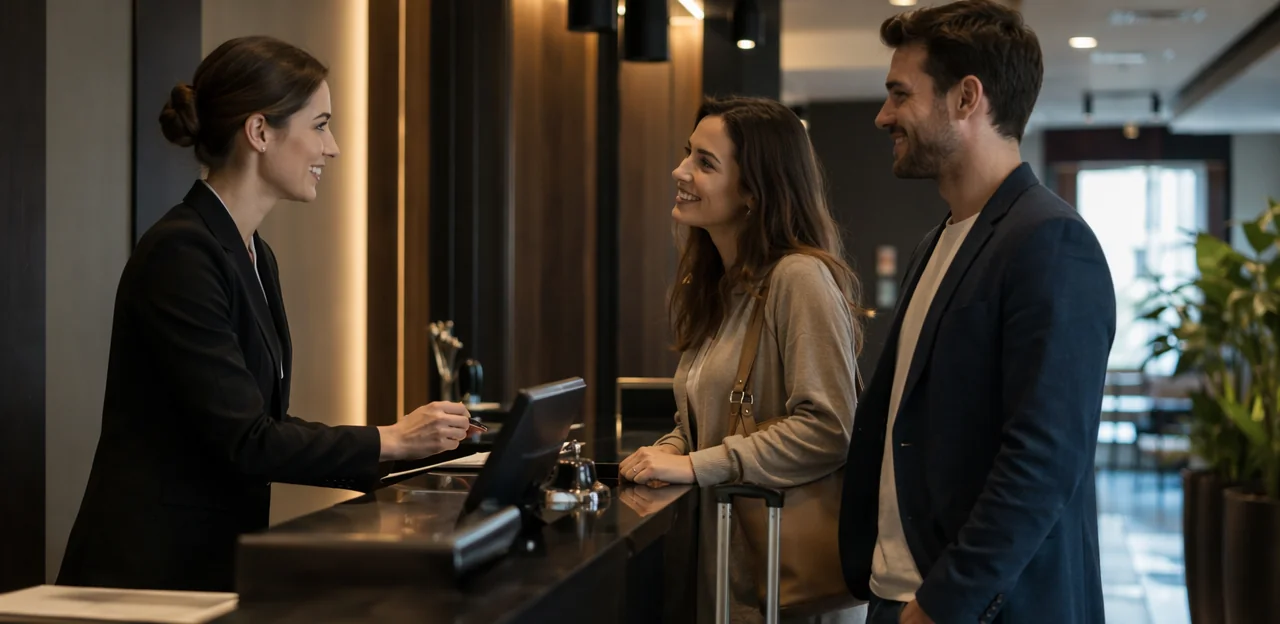
Choosing the right hotel guest feedback software is central to strong hotel guest feedback best practices. Prioritize tools that help teams act quickly, not just collect comments.
- Survey automation: Trigger pre-stay, in-stay, and post-stay surveys automatically.
- Review aggregation: Pull feedback from Google, TripAdvisor, OTAs, and direct channels into one place.
- Sentiment analysis: Spot recurring issues and positive themes without reading every response manually.
- Dashboards and reporting: Track satisfaction trends, response rates, and property-level performance.
- Real-time alerts: Notify managers instantly about low scores or urgent service complaints.
- Mobile access: Let staff review and resolve issues on the go.
- PMS/CRM integrations: Connect feedback to guest profiles for better recovery and personalization.
The best hotel review management software turns insight into action fast.
How Software Supports Faster Decisions
Strong hotel guest feedback best practices depend on speed, visibility, and follow-through. The right tools turn scattered comments into clear action by combining data in one place and automating responses.
- A centralized guest feedback dashboard lets managers view ratings, complaints, and trends across rooms, departments, and properties in real time.
- Automated alerts and workflows route low scores or urgent issues to the right team immediately, reducing delays and manual handoffs.
- Benchmarking reports help owners compare locations, shifts, or service areas to spot recurring weaknesses and top performers.
- During hospitality software selection, prioritize platforms that offer live reporting, issue tagging, and task automation.
Solutions like Tapsy can help teams act before minor problems become negative reviews.
Questions Owners Should Ask Before Investing
Before choosing a platform, owners should evaluate whether it supports their hotel guest feedback best practices and long-term business goals. Use these questions during software selection for hotels:
- Is it easy for staff and guests to use? Complicated tools reduce adoption and response rates.
- Will it scale with the property or group? Check support for multiple departments, locations, and growing feedback volume.
- What support and training are included? Fast onboarding and responsive help reduce disruption.
- Does it integrate with PMS, CRM, and reputation tools? Strong integrations improve workflows and reporting.
- Who owns the data? Confirm access to raw feedback, guest insights, and export options.
- How will it prove hotel technology ROI? Look for measurable gains in satisfaction, recovery speed, reviews, and repeat bookings.
Metrics, KPIs, and Long-Term Feedback Strategy

Core Metrics Hotels Should Track
To apply hotel guest feedback best practices, monitor a focused set of hotel guest satisfaction metrics and hotel KPIs:
- Survey response rate: Percentage of guests who complete feedback requests; shows reach and engagement.
- Review volume: Number of reviews collected across channels; higher volume improves trend accuracy.
- Average rating: Overall score by property, stay type, or channel; track weekly and monthly.
- Sentiment by department: Measure feedback for front desk, housekeeping, food service, and maintenance to pinpoint issues.
- Issue resolution time: Time taken to close complaints; shorter times support service recovery.
- Repeat guest indicators: Return bookings, loyalty sign-ups, and direct rebooking rates signal lasting satisfaction.
Benchmarking Performance Across Properties or Time Periods
A core part of hotel guest feedback best practices is comparing results in context, not in isolation. Strong hotel performance benchmarking helps both groups and independents spot what is improving, slipping, or outperforming expectations.
- Compare feedback by season, weekday vs. weekend, and peak vs. low-demand periods.
- Segment by guest type: leisure, business, group, family, or direct vs. OTA bookings.
- Break down scores by room type, amenity package, or location.
- Use guest experience analytics to track sentiment, issue themes, and recovery speed over time.
Tools like Tapsy can support touchpoint-level comparisons across properties.
Building a Sustainable Feedback Culture
To make hotel guest feedback best practices stick, owners and managers must turn feedback into a daily habit, not a one-time project. A strong feedback culture in hospitality supports faster service recovery and long-term continuous improvement in hotels.
- Review guest feedback in daily stand-ups and shift handovers.
- Assign owners to recurring issues, with deadlines and follow-up checks.
- Include feedback trends in weekly leadership reviews and monthly KPI reporting.
- Use insights to guide staffing, training, maintenance, and investment decisions.
- Consider tools like Tapsy for real-time, touchpoint-level feedback that teams can act on immediately.
Conclusion
In today’s competitive hospitality landscape, listening to guests is no longer optional—it is a core part of operational excellence. The most effective hotel guest feedback best practices combine timely collection, simple feedback channels, active monitoring, and fast service recovery. When managers and owners make it easy for guests to share concerns during their stay, they gain the opportunity to resolve issues before they turn into negative reviews, lost loyalty, or missed revenue.
Strong feedback processes also go beyond collecting scores. They help teams identify recurring pain points, coach staff, improve service standards, and create better guest experiences across every touchpoint—from check-in to checkout. Most importantly, successful hotel guest feedback best practices turn feedback into action, helping properties build trust, strengthen reputation, and increase repeat bookings.
The next step is to review your current feedback journey and identify where guests can share input more easily and where your team can respond faster. Consider using tools, templates, or real-time platforms such as Tapsy to capture in-stay feedback and act on it while it still matters. Whether you start with QR-based touchpoints, post-stay surveys, or team response workflows, the key is to begin now. Put the right hotel guest feedback best practices in place, and you’ll create a more responsive, profitable, and guest-focused hotel.
Frequently Asked Questions
- Why is guest feedback important for hotel managers and owners?
Guest feedback is a direct source of insight into service quality, operational gaps, and the moments that influence reviews, loyalty, and repeat bookings. It can help protect online reputation, improve occupancy, support stronger pricing power, and build trust when hotels respond and act consistently.
- Which guest feedback channels should hotels monitor most closely?
Hotels should track post-stay surveys, front desk conversations, review sites, social media, in-stay messaging, and direct email feedback. Monitoring multiple channels gives a fuller picture of guest sentiment than relying on public reviews alone.
- When is the best time to collect hotel guest feedback?
Feedback should be collected before arrival, during the stay, and after checkout. Pre-stay questions help personalize service, in-stay feedback allows teams to fix problems while guests are still on property, and post-stay surveys capture structured insights while the experience is still fresh.
- How can hotels gather real-time feedback during a guest stay?
Hotels can use SMS, WhatsApp, in-app check-ins, staff conversations, and QR codes placed in rooms and shared spaces. These methods make it easy for guests to report issues such as noise, cleanliness, or Wi-Fi problems before they become public complaints.
- What makes a post-stay hotel survey more likely to get responses?
The survey should be sent quickly, ideally within 24 hours of checkout, and kept short enough to finish in under two minutes. Clear questions, mobile-friendly design, no-login access, and a personalized message also help reduce friction and improve completion rates.
- What questions should hotels include in a guest satisfaction survey?
A useful survey combines rating-scale questions with at least one open-text prompt such as asking what could have been improved. It should focus on key touchpoints like check-in, room cleanliness, sleep quality, staff helpfulness, amenities, and checkout.
- How should hotels respond to positive guest reviews?
Responses should thank the guest genuinely, mention specific details from their stay, and acknowledge the team or department they praised. A warm invitation to return works best when it feels natural and not scripted.
- What is the best way to handle negative hotel feedback?
Start by acknowledging the issue quickly and apologizing when appropriate without sounding defensive. Then explain the next step, move sensitive details offline if needed, and keep the tone calm and solution-focused to protect trust and credibility.
- What response time standards should a hotel set for guest feedback?
Urgent in-stay issues should be acknowledged within 15 to 30 minutes, online reviews within 24 hours, and post-stay survey complaints within one business day. Clear ownership by department and defined escalation paths help teams meet these standards consistently.
- How can managers turn guest comments into operational improvements?
Feedback should be grouped by theme, severity, and frequency so teams can spot patterns instead of reacting to isolated comments. Weekly reviews, assigned owners, and follow-up actions make it easier to address recurring issues in areas like cleanliness, check-in, Wi-Fi, or staffing.
- How can guest feedback be used to train hotel staff?
Managers can use real guest comments in team huddles, one-to-ones, and role-play exercises to coach service recovery and reinforce standards. Positive mentions can also be shared publicly to recognize top performers and encourage consistency.
- What does closing the feedback loop mean in a hotel?
Closing the feedback loop means showing both guests and staff that feedback led to visible action. Hotels can follow up with guests about what was fixed, share progress in team briefings, and highlight improvements through signage or in-room messages.
- What features should owners look for in hotel guest feedback software?
Useful tools should support survey automation, review aggregation, sentiment analysis, dashboards, real-time alerts, mobile access, and PMS or CRM integrations. The goal is to help teams act quickly on feedback, not just collect it.
- How can software like Tapsy support hotel feedback management?
Tapsy is presented as a tool that can help collect real-time feedback, support no-app issue reporting, and route concerns to the right team quickly. It can also help surface trends and enable service recovery while guests are still on property.
- Which KPIs should hotels track to measure feedback performance over time?
Hotels should monitor survey response rate, review volume, average rating, sentiment by department, issue resolution time, and repeat guest indicators such as return bookings or loyalty sign-ups. Comparing these metrics by season, guest type, room type, or property helps reveal what is improving and what needs attention.