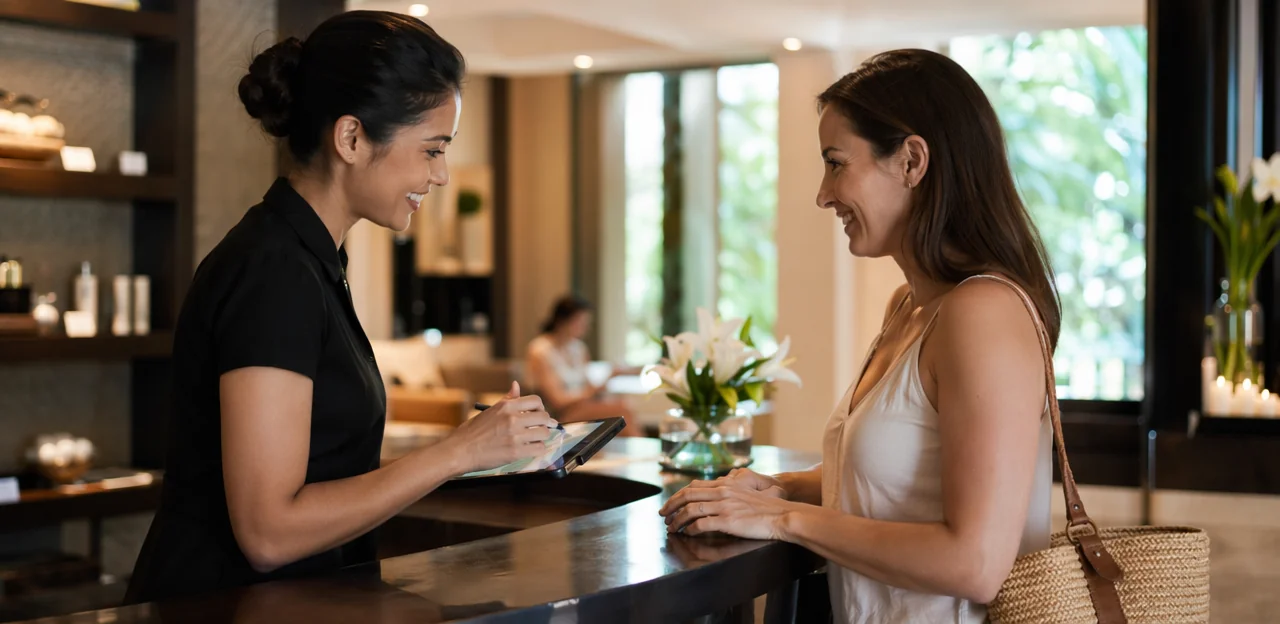
A memorable spa experience is about far more than a single treatment. Guests notice everything—from the quality of the massage or facial to the warmth of the staff, the ease of booking, and the atmosphere that helps them truly unwind. That’s why asking the right spa feedback questions is essential for any wellness business that wants to improve service, strengthen guest loyalty, and stand out in a competitive market.
Well-designed feedback questions help spa owners and managers move beyond vague impressions and uncover what clients really think about treatments, therapist professionalism, cleanliness, ambience, wait times, and the overall booking journey. When you collect the right insights, you can identify service gaps early, refine operations, and create a more consistent and rewarding guest experience.
In this article, we’ll explore how to create effective spa feedback questions across the areas that matter most: treatments, staff interactions, ambience, and booking. You’ll learn which questions generate useful responses, how to structure surveys for higher completion rates, and how feedback can support both day-to-day operations and long-term client experience improvements. If you use real-time tools such as Tapsy, you can also capture guest impressions while the experience is still fresh, making feedback even more actionable.
Why Spa Feedback Questions Matter for Guest Experience and Operations
How feedback improves spa service quality
Structured spa feedback questions turn guest opinions into clear operational improvements. When spas collect feedback consistently across treatments, staff, ambience, and booking, they can strengthen service quality in spas by spotting patterns early and acting fast.
- Identify strengths: Positive spa customer feedback shows which therapists, treatments, and amenities guests value most.
- Fix service gaps: Low scores reveal issues like rushed consultations, noise, delays, or inconsistent treatment delivery.
- Improve consistency: Standardized questions help managers compare shifts, therapists, and service types fairly.
- Align with expectations: Feedback highlights whether pressure, personalization, cleanliness, and results match what clients expected.
Tools like Tapsy can help capture real-time insights and support faster service recovery.
The link between surveys, retention, and revenue
Well-designed spa feedback questions do more than measure satisfaction—they directly support growth. When you consistently collect feedback on treatments, staff, ambience, and booking, you can improve spa guest satisfaction at every touchpoint.
- Increase repeat bookings: Spot service gaps early and fix them before they affect client retention spa metrics.
- Earn stronger reviews: Satisfied guests are more likely to leave positive public feedback, improving trust and visibility.
- Drive referrals: Memorable experiences backed by follow-up surveys encourage word-of-mouth recommendations.
- Boost profitability: Better experiences reduce churn, raise rebooking rates, and improve package or membership uptake.
One of the key spa survey benefits is turning guest insight into operational decisions that protect revenue.
When to ask for feedback in the spa journey
Collecting spa feedback questions at the right moments gives you more accurate insights across the customer journey spa experience. Focus on these key touchpoints:
- After booking: Send a short spa booking feedback form to assess how easy it was to book, choose treatments, and understand pricing.
- After check-in: Ask about welcome quality, wait times, and first impressions of cleanliness and ambience.
- Post-treatment: A timely post treatment survey captures feedback on therapist skill, comfort, results, and product recommendations while the experience is still fresh.
- After membership or package use: Check in after several visits to understand consistency, value, and loyalty drivers.
Using QR or SMS tools like Tapsy can help capture feedback instantly at each stage.
Essential Spa Feedback Questions for Treatments and Results
Questions about treatment quality and effectiveness
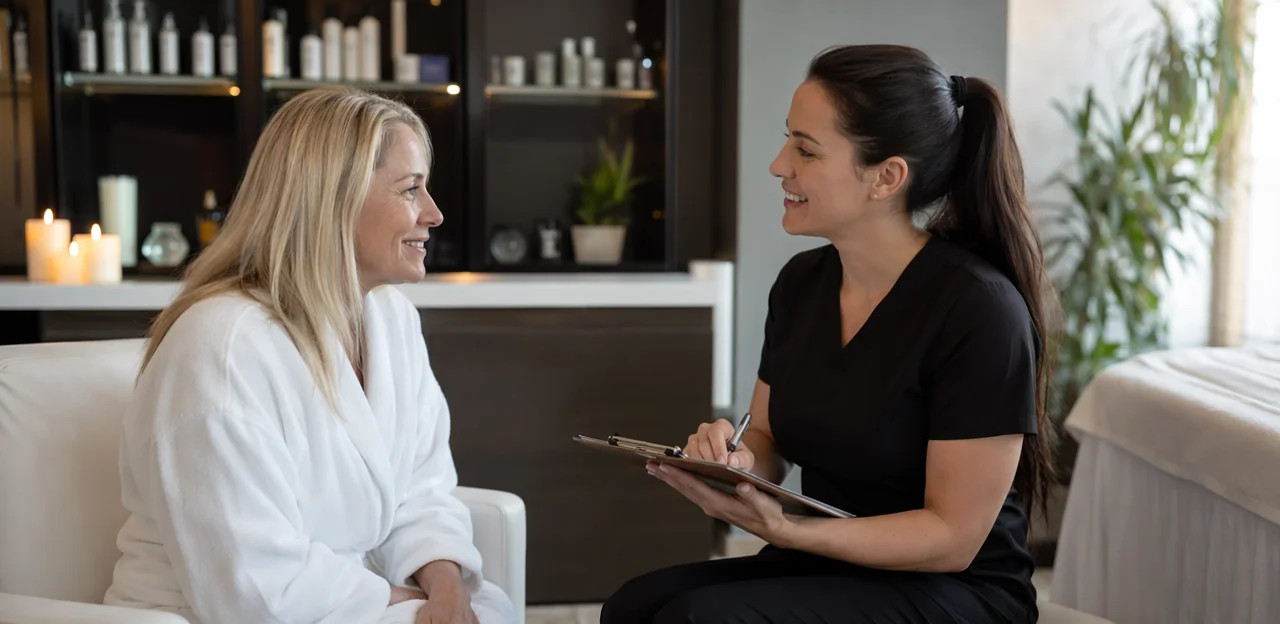
Use spa feedback questions that assess both the treatment experience and the outcome guests noticed afterward. The best surveys combine service quality, comfort, and perceived results.
- Massage feedback form questions
- How satisfied were you with the pressure, technique, and therapist communication?
- Did the massage address your areas of tension or discomfort?
- How relaxed or physically improved did you feel after the session?
- Facial survey questions
- Was the skin analysis and product selection appropriate for your needs?
- How comfortable was the treatment, including cleansing, exfoliation, and extractions?
- Did you notice visible results such as hydration, brightness, or smoother skin?
- Body treatment feedback questions
- How satisfied were you with the scrub, wrap, or detox treatment process?
- Did your skin feel softer, refreshed, or more nourished afterward?
- Would you book this treatment again based on the results?
Keep treatment feedback questions short and specific so you can compare results by service type and improve treatment protocols.
Questions about comfort, personalization, and expectations
Strong spa feedback questions should reveal whether the service felt tailored, comfortable, and aligned with the guest’s goals. In a treatment satisfaction survey, focus on the details that shape a personalized spa experience:
- Goal alignment: “Did your treatment match the results you hoped for, such as relaxation, pain relief, or skin improvement?”
- Comfort preferences: “Was the room temperature, music, lighting, and table setup comfortable for you throughout the treatment?”
- Pressure and technique: “Was the massage pressure or treatment intensity right for your preference?”
- Wellness needs: “Did your therapist adapt the service to your health concerns, sensitivities, or wellness priorities?”
- Expectation check: “Before the treatment began, did you feel your goals and preferences were clearly understood?”
These spa questionnaire examples help teams spot gaps in consultation, customization, and delivery. To make feedback more useful, include a rating scale plus one open-ended prompt like, “What could have made your treatment feel more personalized?”
Questions that reveal opportunities for service improvement
The most useful spa feedback questions go beyond satisfaction and uncover what should change next. A strong client feedback form spa should combine ratings with open ended feedback questions to spot recurring issues, unmet expectations, and gaps in your treatment menu.
- Rating-based questions
- How would you rate your treatment results on a scale of 1–5?
- How well did the service match what was promised during booking?
- How satisfied were you with treatment duration, pressure, technique, and product quality?
- How likely are you to book this treatment again?
- Open-ended questions
- What, if anything, fell short of your expectations today?
- Was there a service, add-on, or treatment you wanted but could not find?
- What would have made your experience more comfortable, effective, or personalized?
- Are there any new treatments or wellness packages you would like us to offer?
Review patterns weekly to prioritize spa service improvement opportunities and update offerings based on real client demand.
Spa Feedback Questions About Staff, Communication, and Professionalism
Questions about therapist expertise and trust
Include spa feedback questions that reveal whether guests felt confident in their therapist’s ability, conduct, and care. Strong staff feedback questions help identify training gaps and reinforce high standards of professionalism in spa services.
- Did the therapist demonstrate clear knowledge of the treatment and explain each step well?
- Did you feel the therapist listened to your preferences, concerns, or health information?
- How professional was the therapist in communication, appearance, and behavior?
- Did the therapist make you feel safe, comfortable, and well cared for throughout the treatment?
- Did the therapist inspire confidence through technique, hygiene, and attention to detail?
- Would you trust this therapist for future treatments or recommend them to others?
For better spa therapist evaluation, pair rating-scale questions with one open comment field to capture specific praise or concerns. This makes feedback more actionable for coaching and quality improvement.
Questions about communication before, during, and after treatment
Strong spa feedback questions should reveal whether guests felt informed, heard, and supported at every stage of the visit. To evaluate client communication spa performance, ask targeted questions such as:
- Before treatment: Was the consultation thorough? Did staff explain treatment options, benefits, risks, and aftercare clearly?
- During treatment: Did the therapist check in appropriately, explain each step, and respond quickly to discomfort or questions?
- After treatment: Were aftercare instructions easy to understand and tailored to your needs?
Include consultation feedback questions that measure whether staff listened carefully to preferences, health concerns, and pressure or privacy requests. Good spa staff communication also includes responsiveness across phone, email, text, or in-person interactions. Tools like Tapsy can help collect this feedback in real time, making it easier to spot communication gaps and improve guest confidence.
Questions about friendliness, empathy, and overall service attitude
Use spa feedback questions in this section to understand how guests felt about every human interaction, not just the treatment itself. Strong guest experience questions should reveal whether the team was warm, respectful, and genuinely attentive.
- Did our team greet you in a friendly and welcoming way?
- How courteous and professional were the spa staff throughout your visit?
- Did your therapist or front-desk team listen carefully to your needs or concerns?
- Did you feel valued, comfortable, and cared for during your appointment?
- How well did staff respond if you had a question, request, or issue?
For a better customer service survey spa format, combine rating-scale questions with one open comment box. A focused staff friendliness survey helps identify coaching needs, recognize standout employees, and improve service consistency across the guest journey.
Spa Feedback Questions for Ambience, Cleanliness, and Facilities
Questions about atmosphere and relaxation
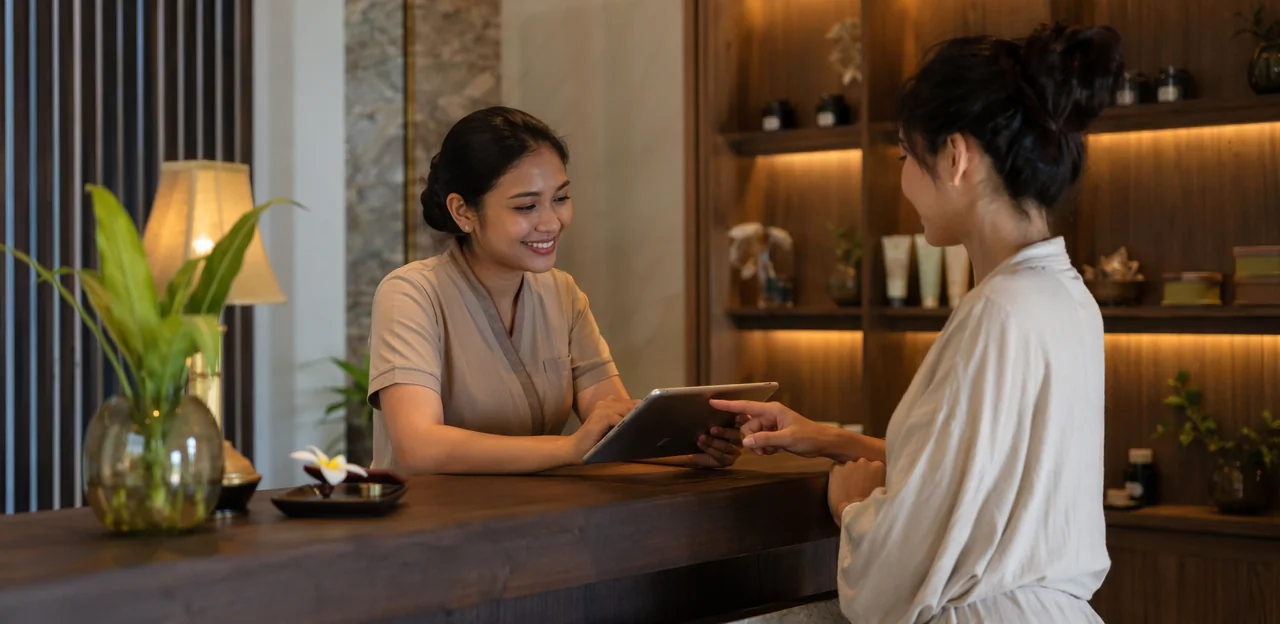
Use spa feedback questions to measure how the environment supports comfort before, during, and after treatment. Strong spa ambience feedback should cover the sensory details that shape the guest mood:
- Music: Was the volume soothing? Did the style match the treatment?
- Lighting: Did guests find the lighting soft, warm, and appropriate for relaxation?
- Scent: Was the aroma pleasant, subtle, and consistent throughout the space?
- Noise levels: Were outside sounds, staff conversations, or equipment disruptive?
- Overall environment: Did the space feel calm, clean, private, and restorative?
A well-designed relaxation experience survey with targeted spa atmosphere questions helps teams spot small issues that can weaken the overall spa experience.
Questions about cleanliness and hygiene standards
Cleanliness strongly shapes trust, comfort, and rebooking intent, so your spa feedback questions should cover every visible hygiene touchpoint. For an effective spa cleanliness survey, include questions such as:
- How clean and well-prepared was the treatment room on arrival?
- Did robes, towels, and linens feel fresh, spotless, and properly stored?
- How would you rate the cleanliness of restrooms, changing areas, and showers?
- Did equipment, beds, tools, and surfaces appear sanitized between guests?
- Were hand sanitizer, wipes, or other visible hygiene measures easy to notice?
- Did cleanliness standards make you feel safe and relaxed throughout your visit?
These hygiene feedback questions help turn wellness facility feedback into clear operational improvements.
Questions about amenities and facility usability
Include spa feedback questions that evaluate how easy, comfortable, and accessible shared spaces feel throughout the visit. Strong spa facilities feedback helps identify friction points beyond the treatment room.
- Ask guests to rate lockers, changing areas, lounges, steam rooms, and saunas for cleanliness, comfort, temperature, and availability.
- Use amenities survey questions to assess refreshment quality, towel supply, robe sizing, and whether seating felt sufficient during busy periods.
- Gather input on signage by asking how easy it was to find treatment rooms, relaxation areas, showers, and exits.
- Prioritize spa accessibility feedback with questions about step-free access, locker usability, lighting, handrails, and staff support for mobility needs.
For faster, location-specific responses, tools like Tapsy can capture feedback at each facility touchpoint.
Spa Feedback Questions for Booking, Check-In, and Digital Experience
Questions about online booking and appointment scheduling
Use spa feedback questions to uncover friction before guests arrive. A strong booking experience survey should measure how simple it was to book, whether the site worked smoothly, and if confirmation details were clear.
- Ease of booking: Ask if guests could find treatments, pricing, and available time slots quickly.
- Website usability: Measure page speed, navigation clarity, and checkout simplicity.
- Mobile experience: Include online booking feedback on mobile responsiveness, form length, and payment ease on phones.
- Appointment availability: Use a spa appointment survey to learn whether preferred dates, times, and therapists were available.
- Confirmation messaging: Ask if emails or texts arrived promptly and clearly explained time, location, preparation, and cancellation policies.
Tools like Tapsy can help capture this feedback quickly after booking.
Questions about check-in, wait times, and front desk service
Arrival shapes the guest’s entire perception, so spa feedback questions should uncover friction before treatments even begin. Use focused prompts such as:
- How easy was the check-in process from arrival to confirmation?
- Did the receptionist greet you warmly and explain next steps clearly?
- Were forms, waivers, or payment steps quick and easy to complete?
- How long did you wait before being assisted, and was the wait acceptable?
- Did any delay affect your relaxation or treatment experience?
- What was your first impression of the spa’s reception area?
These check in survey questions generate useful front desk feedback and spa wait time feedback. If you collect responses in real time, tools like Tapsy can help teams spot and resolve reception issues faster.
Questions about follow-up communication and rebooking
Strong spa feedback questions should uncover whether your follow-up process encourages repeat visits and keeps communication helpful, not intrusive. Include prompts like:
- Did you receive a timely reminder before your appointment?
- How satisfied were you with client communication after appointment, such as aftercare tips or thank-you messages?
- Was the spa follow up survey easy to complete and relevant to your treatment?
- Did post-visit messages include useful membership offers, packages, or loyalty benefits?
- How easy was it to book your next appointment right away?
- What could improve the rebooking process on-site, by phone, or online?
These questions generate practical rebooking feedback you can use to refine reminders, automate personalized offers, and reduce booking friction.
How to Design, Analyze, and Act on Spa Survey Responses
Best practices for writing effective spa survey questions
Use these survey design best practices to improve response quality and make your spa feedback questions more useful:
- Keep wording simple and specific: Ask about one topic at a time, such as massage pressure, therapist professionalism, or booking ease.
- Use balanced rating scales: Consistent 1–5 or 1–10 scales reduce confusion and support better comparison.
- Keep surveys concise: Focus on the most important spa survey questions to avoid fatigue.
- Mix question types: Combine ratings with one or two open-ended prompts to strengthen customer feedback form design and uncover details behind scores.
How to analyze feedback and spot trends
Use your spa feedback questions to turn raw responses into clear action points:
- Review ratings by theme: Track scores for treatments, staff, ambience, and booking to see where satisfaction drops.
- Categorize comments: Tag feedback by issue type, such as wait times, cleanliness, therapist technique, or front-desk service, to improve feedback analysis spa workflows.
- Compare performance: Use survey response analysis to benchmark locations, shifts, or individual therapists.
- Spot recurring issues: Look for repeated complaints or low-score patterns that reveal staffing gaps, scheduling friction, or facility problems.
Tools like Tapsy can help surface real-time spa operations insights.
Turning feedback into service and experience improvements
Use spa feedback questions to turn comments into clear action:
- Prioritize fixes by volume, severity, and revenue impact; address recurring pain points first.
- Train staff using real guest examples to improve treatment consistency, communication, and recovery skills.
- Update SOPs when patterns appear, such as room setup, cleanliness checks, or post-treatment follow-up.
- Improve booking flows by simplifying forms, reducing steps, and clarifying availability, pricing, and cancellation policies.
- Practice closing the feedback loop with fast follow-ups, service recovery, and updates that show guests their input helped improve guest experience and support ongoing spa operations improvement.
Conclusion
In the end, well-crafted spa feedback questions do far more than collect opinions—they help you understand the full guest journey, from booking and arrival to treatment quality, staff professionalism, and the overall ambience of your space. When your survey questions are specific, timely, and easy to answer, you gain the insight needed to improve service standards, resolve issues faster, and create experiences guests want to return for.
By focusing on the key touchpoints—treatments, team interactions, atmosphere, and booking convenience—you can turn everyday feedback into practical operational improvements. The best spa feedback questions uncover what delights clients, what creates friction, and where your business can refine the guest experience to build loyalty and stronger reviews.
Now is the time to review your current survey approach and make sure it reflects the experience you want to deliver. Start by shortening overly long forms, asking clearer questions, and tracking patterns in responses over time. If you want to go further, consider tools and resources that help capture real-time feedback at the right moment—platforms like Tapsy can be a useful example for collecting actionable guest insights more efficiently.
Use your feedback data as a roadmap, and your spa can continuously evolve into a more memorable, client-centered experience.
Frequently Asked Questions
- Why are spa feedback questions important for guest experience and operations?
They turn guest opinions into clear operational improvements across treatments, staff, ambience, and booking. Consistent feedback helps identify strengths, uncover service gaps early, and improve consistency across therapists, shifts, and service types.
- How can spa surveys support retention and revenue?
Well-designed surveys help spot issues before they reduce repeat bookings or loyalty. They also support stronger reviews, more referrals, better rebooking rates, and improved uptake of packages or memberships.
- When should a spa ask guests for feedback?
Useful moments include after booking, after check-in, after treatment, and after several visits tied to a package or membership. Asking at these touchpoints gives more accurate insight into the full guest journey.
- What are the best questions to ask about treatment quality and results?
Ask about the quality of the technique, comfort during the service, and the results guests noticed afterward. For example, questions can cover massage pressure, whether a facial matched skin needs, or whether a body treatment left skin feeling refreshed and nourished.
- How do you measure whether a spa treatment felt personalized?
Focus on whether the treatment matched the guest's goals, preferences, and wellness needs. Questions about room comfort, pressure or intensity, health sensitivities, and whether goals were clearly understood before treatment help reveal personalization gaps.
- Should a spa use rating scales, open-ended questions, or both?
Using both is the strongest approach. Rating scales make it easier to compare results across services, while open-ended questions reveal what fell short, what felt missing, and what changes guests want.
- What should spas ask to evaluate therapist professionalism and trust?
Questions should cover treatment knowledge, listening skills, communication, hygiene, behavior, and whether the guest felt safe and well cared for. It is also useful to ask whether the guest would trust that therapist again or recommend them to others.
- How can a spa assess communication before, during, and after treatment?
Ask whether the consultation was thorough, whether treatment options and aftercare were explained clearly, and whether the therapist checked in appropriately during the service. Good communication also includes responsiveness through phone, email, text, and in-person interactions.
- What feedback questions help measure staff friendliness and empathy?
Useful questions ask whether the team was welcoming, respectful, attentive, and responsive to requests or concerns. Combining a few rating questions with one comment box helps identify both coaching needs and standout service.
- How should a spa collect feedback about ambience and relaxation?
Ask about music, lighting, scent, noise levels, privacy, and whether the environment felt calm and restorative. These details shape the guest mood and can reveal small issues that weaken the overall experience.
- What should be included in a spa cleanliness and hygiene survey?
Cover treatment room readiness, freshness of robes and linens, restroom and shower cleanliness, and whether tools and surfaces appeared sanitized between guests. Visible hygiene measures also matter because they affect how safe and relaxed guests feel.
- How can spas evaluate facilities and amenities beyond the treatment room?
Ask guests to rate lockers, changing areas, lounges, steam rooms, and saunas for comfort, cleanliness, temperature, and availability. It is also helpful to ask about signage, refreshment quality, seating, robe sizing, and accessibility features such as handrails or step-free access.
- What should a spa ask about online booking and appointment scheduling?
Questions should measure how easy it was to find treatments, pricing, time slots, and therapist availability. It is also important to assess website usability, mobile booking experience, checkout simplicity, and whether confirmation messages clearly explained appointment details and policies.
- How do check-in and wait time questions improve the spa experience?
They help uncover friction at arrival, such as slow reception, confusing forms, or delays that affect relaxation before treatment begins. Asking about first impressions of the reception area and the warmth of the greeting gives a clearer view of the front-desk experience.
- How should spas analyze survey responses and turn them into improvements?
Review scores by theme, categorize comments by issue type, compare performance across locations or staff, and look for recurring low-score patterns. Then prioritize fixes by volume, severity, and revenue impact, train staff using real examples, update procedures, and close the feedback loop with timely follow-up.