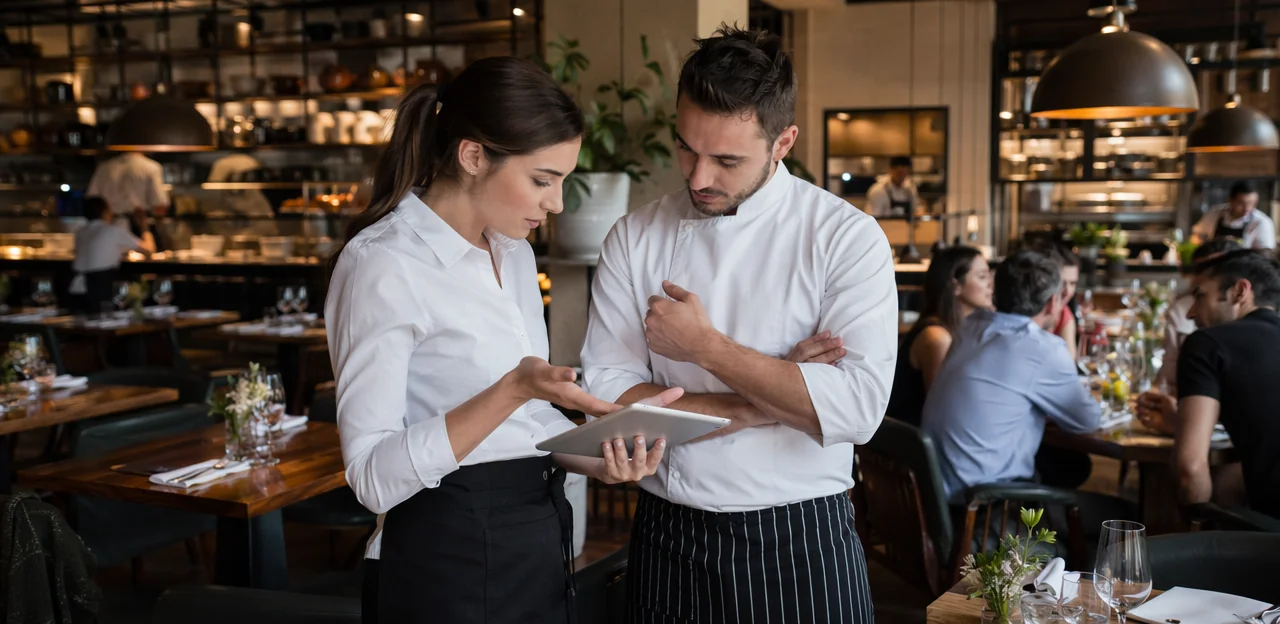
A busy service can hide patterns that matter. One table leaves delighted, another waits too long for drinks, and a third has a great meal but a frustrating handoff at payment. For restaurant operations teams, those moments are more than isolated incidents—they are signals. When feedback is captured by table and shift, it becomes far easier to see where service breaks down, which teams are excelling, and what needs attention before small issues turn into poor reviews or lost repeat business.
That is where restaurant operations feedback becomes especially valuable. Instead of relying on end-of-week summaries or broad guest satisfaction scores, operators can pinpoint trends tied to specific dining areas, time slots, and service periods. A lunch rush may reveal staffing gaps, while certain tables may consistently surface concerns about wait times, noise, or cleanliness. With the right process, teams can move from reactive problem-solving to faster, data-led decisions.
In this article, we’ll explore how restaurants and cafés can use feedback by table and shift to improve service quality, support managers on the floor, identify recurring operational issues, and strengthen the overall guest experience. We’ll also touch on how real-time tools such as Tapsy can help teams capture and act on feedback while the experience is still unfolding.
Why restaurant operations feedback matters in daily service
What restaurant operations feedback includes
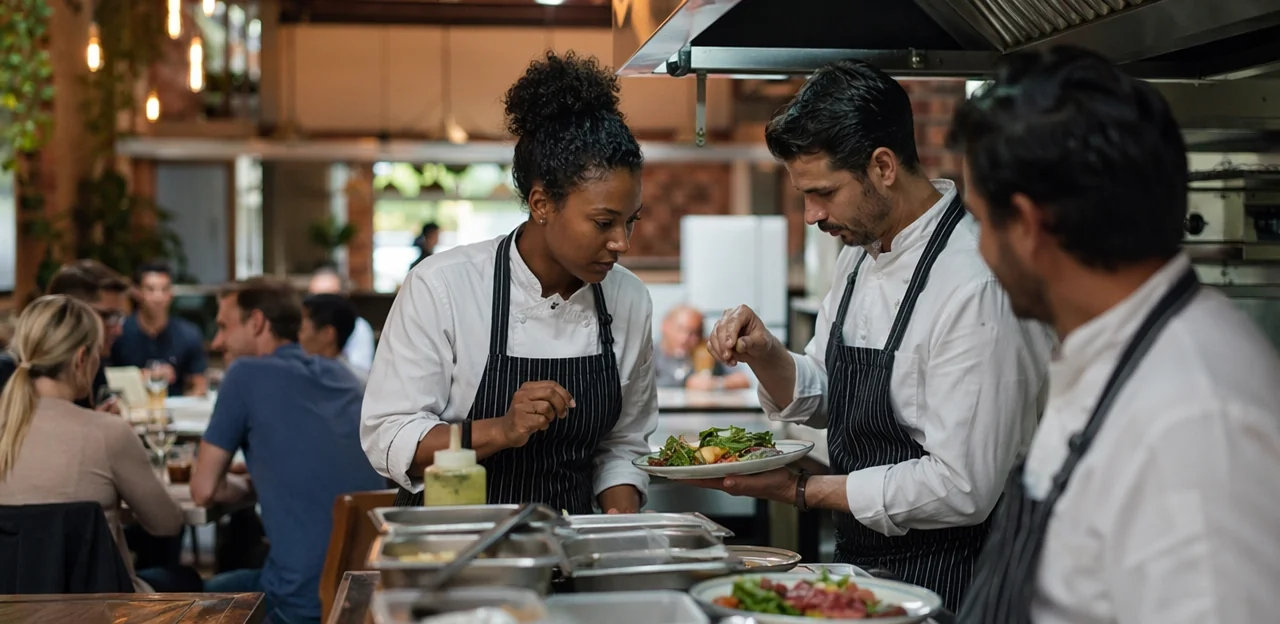
Restaurant operations feedback goes beyond star ratings to show what happened during service, where, and when. It typically includes:
- Dine-in service flow: wait times, table turns, order accuracy, and pacing between courses
- Speed: time to greeting, drinks, food delivery, and bill payment
- Food quality: temperature, taste, presentation, and consistency
- Staff interactions: friendliness, attentiveness, upselling, and problem handling
- Cleanliness: tables, restrooms, floors, menus, and overall dining environment
- Issue resolution: how quickly and effectively complaints were acknowledged and fixed
When teams collect guest feedback restaurant data by table and shift, they get sharper insight than general reviews provide. This table-level and shift-level restaurant service feedback helps managers spot patterns, coach specific teams, fix recurring bottlenecks, and respond before small issues become negative public reviews.
Why table and shift data reveal hidden problems
High-level scores can look healthy while the same issues repeat in specific parts of service. Restaurant operations feedback becomes far more useful when you segment it into feedback by table and shift views.
- By table location: Window seats, patio tables, or tables near the kitchen may show recurring complaints about noise, temperature, delays, or cleanliness.
- By server section: Table-level feedback can reveal whether one section struggles with handoff speed, staffing balance, or training gaps.
- By shift: Strong restaurant shift analysis often uncovers patterns such as slow lunch service, weekend wait-time spikes, or dinner-order accuracy issues.
- By day type: Weekday and weekend feedback often reflect different traffic, staffing, and guest expectations.
This breakdown helps teams fix root causes, not just react to averages. Tools like Tapsy can make these patterns easier to spot in real time.
How feedback supports restaurants and cafés operations teams
For any restaurant operations team, fast, table-level insight turns guest sentiment into action. Strong restaurant operations feedback helps managers spot patterns by shift, server, or dining area and respond before small issues become public complaints.
- Improve consistency: Compare feedback by table and shift to identify recurring gaps in speed, food quality, cleanliness, or service.
- Reduce complaints: Real-time alerts let restaurants and cafés operations teams recover poor experiences during service, not after a bad review.
- Increase repeat visits: When guests feel heard and issues are fixed quickly, they are more likely to return.
- Support faster decisions: Clear restaurant performance insights help managers adjust staffing, coach teams, or escalate kitchen issues immediately.
Tools like Tapsy can make this process faster by capturing and routing live feedback at the moment it matters.
How to collect feedback by table and shift effectively

Best feedback collection methods for dine-in service
For stronger restaurant operations feedback, use channels that match the guest moment and service style:
- QR code restaurant survey: Best for fast, in-the-moment responses. Place codes on table tents, menus, or bill holders so guests can share issues before they leave.
- Digital receipts: Ideal for casual dining and cafés with card payments. Add a short survey link to capture feedback after checkout without slowing service.
- Tabletop prompts: Great for boosting restaurant feedback collection during slower meals, especially when guests have time to respond.
- SMS follow-ups: Useful when you collect opt-ins through reservations or loyalty programs. Best for same-day feedback by shift.
- Kiosk surveys: Effective near exits in high-volume venues.
- Staff-led requests: Best in full-service settings where servers can ask at the right moment.
Tools like Tapsy can support no-app, table-level dine-in feedback tools.
How to tag feedback by table, server, and shift
Use restaurant integrations to remove manual sorting and make restaurant operations feedback instantly reportable. When your feedback tool connects with POS, reservations, and table management systems, each response can be tagged automatically for cleaner analysis.
- Table number: Match the feedback trigger or check ID to the active table
- Time period and shift: Auto-assign lunch, dinner, late-night, weekday, or weekend based on timestamp
- Staff member: Use server assignment from the POS or floor plan to tag the responsible team member
- Order details: Pull in items ordered, modifiers, bill size, and ticket status through POS feedback integration
- Service channel: Separate dine-in, takeaway, delivery, bar, or terrace feedback
This kind of feedback tagging restaurant workflow helps teams spot service issues faster. Tools like Tapsy can support touchpoint-level feedback collection with clearer operational context.
Questions that generate actionable operational insights
Use restaurant operations feedback surveys to capture fast, comparable data by table and shift. The best restaurant survey questions are short, specific, and tied to measurable service standards.
- Wait times: “How satisfied were you with the time to be seated, greeted, and served?”
- Food accuracy: “Was your order delivered correctly, including modifiers and temperature?”
- Friendliness: “How would you rate the friendliness and attentiveness of the team?”
- Cleanliness: “How clean was your table, dining area, and restroom?”
- Resolution quality: “If an issue came up, how well was it resolved?”
Use a 1–5 scale to create reliable guest satisfaction metrics restaurant teams can benchmark across lunch, dinner, weekdays, and weekends. These operational feedback questions help identify staffing gaps, training needs, and recurring service breakdowns quickly.
How to analyze feedback for operational improvements

Identify patterns by shift, daypart, and service type
To turn restaurant operations feedback into action, compare responses across shifts, dayparts, and order channels instead of reviewing scores in one blended view. This makes restaurant shift feedback far more useful for diagnosing root causes.
- Lunch vs. dinner: Use daypart analysis restaurant teams can trust to see whether lunch complaints center on speed, limited staffing, or rushed handoffs, while dinner feedback may reveal longer ticket times, pacing issues, or table-turn pressure.
- Weekday vs. weekend: Compare sentiment, wait-time comments, and issue categories to spot when higher traffic exposes staffing gaps, host stand bottlenecks, or inconsistent manager coverage.
- Dine-in vs. pickup: Separate feedback by service type to identify whether problems come from in-room hospitality, packaging accuracy, pickup delays, or poor handoff communication.
Track these patterns weekly, then adjust schedules, prep levels, and training based on where service performance restaurant teams slip most often. Tools like Tapsy can help capture this feedback in real time by table and shift.
Use table-level feedback to improve floor operations
Patterns in restaurant operations feedback become much more useful when you map them to specific tables or zones. If the same section generates low scores or repeat complaints, the issue may be operational rather than staff-related.
Use table-level restaurant insights to spot problems such as:
- Noise hotspots: tables near kitchens, bars, speakers, or entry doors often receive poorer restaurant seating feedback
- Temperature discomfort: guests near patios, vents, windows, or drafty doors may report being too hot or too cold
- Traffic flow issues: tables beside service stations, restrooms, or busy walkways can feel crowded and disruptive
- Poor visibility: some seats may have weak lighting, blocked views, or feel disconnected from the atmosphere
- Server coverage gaps: one zone may consistently wait longer for greetings, check-ins, or bill delivery
For stronger floor operations restaurant decisions, review feedback by table, shift, and server section together. Tools like Tapsy can help teams capture this feedback in real time and act before patterns hurt repeat visits.
Turn feedback into measurable KPIs
To make restaurant operations feedback useful, convert table- and shift-level comments into clear, trackable KPIs. This helps managers spot patterns, prioritize fixes, and measure whether changes actually improve service.
- Guest satisfaction KPI: Track average satisfaction scores by table, server section, daypart, or shift to identify where experience drops.
- Complaint rate: Measure complaints per 100 covers to see when service or kitchen issues spike.
- Recovery rate: Monitor how often reported problems are resolved before guests leave.
- Response time: Track the time between feedback submission and staff action; faster responses often improve outcomes.
- Repeat issue frequency: Flag recurring themes like slow drinks, cold food, or cleanliness problems.
These restaurant KPI feedback metrics create a practical view of restaurant operations metrics. Review them weekly, compare by shift, and assign actions such as coaching, staffing changes, or process updates. Tools like Tapsy can help capture and route real-time feedback for faster reporting.
Using feedback to improve staffing, training, and service recovery

Adjust staffing based on shift-level guest feedback
Use restaurant operations feedback to spot when service quality drops by shift, not just by day or location. Patterns in wait times, order accuracy, or staff friendliness can guide smarter restaurant staffing optimization and stronger restaurant labor planning.
- Review feedback by lunch, dinner, late-night, and weekend shifts to identify recurring pressure points.
- Match low scores with sales volume, ticket times, and table-turn data to confirm whether understaffing caused the issue.
- Schedule your most experienced servers, hosts, or expediters during peak periods where feedback shows slower service or uneven guest experiences.
- Rebalance newer team members across calmer shifts to improve training without hurting service speed.
- Use tools like Tapsy to capture real-time trends that support better shift-level feedback staffing decisions.
This approach helps reduce bottlenecks, improve consistency, and protect guest satisfaction during busy hours.
Build targeted coaching for managers and frontline teams
Use restaurant operations feedback to coach each role on the behaviors guests actually notice, rather than relying on generic training. When feedback is grouped by table, shift, and team member, patterns become clear and coaching gets more effective.
- Hosts: coach greeting speed, wait-time communication, and first-impression warmth.
- Servers: use restaurant staff training feedback to improve menu knowledge, check-back timing, upselling, and order accuracy. This supports better server coaching restaurant programs.
- Bartenders: focus on drink consistency, pace, and guest acknowledgment during busy periods.
- Runners: coach food delivery speed, table identification, and dish accuracy.
- Managers: use recurring themes for pre-shift huddles, recognition, and 1:1 follow-ups, strengthening manager coaching hospitality.
Tools like Tapsy can help surface real-time trends so coaching stays specific, timely, and measurable.
Improve service recovery before negative reviews spread
Fast action is the core of effective restaurant service recovery. When teams collect real-time guest feedback by table and shift, they can spot issues while the guest is still on-site and fix them before frustration becomes a public complaint.
- Set instant alerts for low ratings, complaint keywords, or repeat issues tied to a table, server, or shift.
- Assign ownership immediately so a manager or supervisor can apologize, replace a dish, adjust the bill, or offer a make-good on the spot.
- Use closed-loop follow-up to confirm the guest feels heard and the issue was resolved before they leave.
- Track patterns in restaurant operations feedback to identify recurring problems like slow ticket times, food quality dips, or staffing gaps.
This approach supports negative review prevention restaurant teams can measure and improve over time. Tools like Tapsy can help route alerts quickly.
The role of integrations and technology in restaurant feedback workflows

Connect feedback tools with POS and operations systems
To make restaurant operations feedback truly useful, connect survey data to the systems your team already uses. Strong restaurant technology integrations help operators link guest sentiment with what actually happened during service.
- Sync POS and feedback tools to compare scores by table, server, check size, menu item, or voids.
- Connect CRM and reservation platforms to identify repeat guests, VIPs, and visit history behind each response.
- Integrate labor and scheduling systems to spot patterns by shift, staffing level, or manager on duty.
- Use unified restaurant operations software dashboards to track service issues alongside sales, wait times, and labor performance.
Tools like Tapsy can support real-time feedback capture within a broader connected stack.
Automate alerts, dashboards, and reporting
To make restaurant operations feedback useful in real time, build simple workflows that surface issues before they become patterns. Automation helps teams review feedback by table, shift, and service period without digging through spreadsheets.
- Set automated guest feedback alerts to trigger when a table leaves a low score, negative comment, or repeated issue during a specific shift.
- Route notifications instantly to the shift lead or manager so they can follow up before the next rush.
- Use a restaurant feedback dashboard to track trends by lunch, dinner, weekday, weekend, server team, or location.
- Standardize weekly summaries with restaurant reporting tools so daily huddles and operations meetings focus on clear action points, not manual data collection.
Platforms like Tapsy can support this kind of real-time workflow.
Choose tools that fit restaurants and cafés
When comparing feedback software for restaurants, prioritize platforms that support fast, practical restaurant operations feedback at the table, counter, and shift level. Look for:
- Ease of use: Staff should be able to review and act on feedback quickly, and guests should submit feedback in seconds.
- Integration quality: Choose tools that connect with POS, CRM, ticketing, or messaging systems to speed up follow-up.
- Reporting depth: Strong dashboards should break down trends by table, shift, location, and issue type.
- Real-time visibility: Instant alerts help teams recover service before a bad review is posted.
- Business fit: The best café operations tools and restaurant guest experience platform options should work for both single-site venues and multi-unit groups.
Platforms like Tapsy can be useful when real-time, touchpoint-level feedback matters.
Best practices for building a feedback-driven restaurant operations culture

Create a repeatable review process for every shift
Build a simple restaurant feedback process into routine operations so restaurant operations feedback turns into action, not backlog:
- Daily: Run a 10-minute shift review restaurant huddle after each service. Flag low scores, service delays, food quality issues, and recovery actions needed before the next shift.
- Weekly: Use an operations meeting restaurant to spot patterns by table, shift, and team member, then assign owners and deadlines.
- Monthly: Review trend lines, repeat complaints, and resolved issues to measure progress and update training, staffing, or SOPs.
Share insights across teams without blame
To make restaurant operations feedback useful, share patterns by table, shift, or station in a way that improves systems rather than singles out people. A strong feedback culture hospitality teams trust should focus on coaching and clarity.
- Review trends in pre-shift huddles, not individual callouts
- Frame issues as process gaps: staffing, handoff timing, menu knowledge, or table coverage
- Pair every insight with one action owners can test next shift
- Use simple dashboards or tools like Tapsy to support better restaurant team communication and a repeatable service improvement process
Measure results and refine continuously
Close the loop on restaurant operations feedback by tracking what changed after each action. To measure guest feedback impact and support restaurant operations improvement, compare the same tables, shifts, or service moments before and after changes.
- Set a baseline for scores, complaint themes, wait times, and recovery speed
- Recheck results 1–2 weeks after staffing, menu, or process updates
- Validate improvements by matching higher ratings with fewer repeated issues
- Keep a continuous improvement restaurant cycle by reviewing fresh guest input weekly and adjusting again
Tools like Tapsy can help teams monitor these patterns in real time.
Conclusion
In fast-moving service environments, the best decisions come from feedback that is specific, timely, and easy to act on. By tracking insights by table and shift, restaurant teams can move beyond generic survey data and uncover exactly where operational issues begin—whether that’s slower service during peak hours, recurring kitchen delays on certain shifts, or table-level patterns tied to layout, staffing, or guest flow. That’s what makes restaurant operations feedback so valuable: it turns everyday guest input into clear operational direction.
When teams use this data consistently, they can coach staff more effectively, improve shift planning, resolve service gaps before they affect more guests, and create a better dining experience overall. Instead of reacting after negative reviews appear online, managers can spot trends early and make targeted improvements where they matter most.
The next step is to build a simple feedback process that captures insights in real time, routes issues quickly, and makes reporting easy for managers to review by shift, table, and location. Tools like Tapsy can help restaurants collect real-time, touchpoint-level feedback without adding friction for guests.
If you’re ready to improve service quality and make smarter operational decisions, start by auditing your current feedback workflow and exploring solutions designed for actionable restaurant operations feedback.
Frequently Asked Questions
- What is restaurant operations feedback?
Restaurant operations feedback captures what happened during service, where it happened, and when. It can include wait times, order accuracy, food quality, staff interactions, cleanliness, and how well issues were resolved.
- Why should restaurants track feedback by table and shift instead of only using overall satisfaction scores?
Overall scores can hide repeated problems in specific areas or time periods. Feedback by table and shift helps teams spot patterns tied to dining zones, server sections, lunch or dinner service, and weekday versus weekend traffic.
- What kinds of service problems can table-level feedback reveal?
Table-level feedback can uncover noise hotspots, temperature discomfort, traffic flow issues, poor visibility, and server coverage gaps. It is especially useful when the same tables or zones repeatedly generate similar complaints.
- How can shift-level feedback improve restaurant staffing decisions?
Shift-level feedback shows when service quality drops during lunch, dinner, late-night, or weekend periods. Managers can compare low scores with sales volume, ticket times, and table turns to decide where more experienced staff or better coverage are needed.
- What are the best ways to collect dine-in feedback during service?
Useful options include QR code surveys, digital receipts, tabletop prompts, SMS follow-ups, kiosk surveys, and staff-led requests. The best method depends on the service style and when guests are most likely to respond without adding friction.
- How should feedback be tagged so it is useful for operations teams?
Feedback should be tagged by table number, time period or shift, staff member, order details, and service channel. When connected to POS, reservation, and table management systems, this tagging can happen automatically and make reporting much easier.
- Which survey questions create actionable operational insights for restaurants?
Short questions about wait times, food accuracy, friendliness, cleanliness, and issue resolution are the most practical. Using a 1–5 scale makes responses easier to compare across shifts, dayparts, and service periods.
- How can restaurants analyze feedback to find root causes instead of just reviewing averages?
Teams should compare responses across lunch versus dinner, weekday versus weekend, and dine-in versus pickup. Looking at these segments separately helps identify whether problems come from staffing, pacing, packaging, handoffs, or in-room hospitality.
- What KPIs can be built from table- and shift-level feedback?
Useful KPIs include average guest satisfaction by table or shift, complaint rate per 100 covers, recovery rate, response time, and repeat issue frequency. These metrics help managers track whether coaching, staffing changes, or process updates are improving service.
- How does real-time feedback support service recovery before a bad review is posted?
Real-time feedback lets teams detect low ratings or complaint keywords while the guest is still on-site. A manager can then apologize, replace a dish, adjust the bill, or offer a make-good and confirm the issue was resolved before the guest leaves.
- How can managers use feedback to coach hosts, servers, bartenders, runners, and managers more effectively?
Feedback grouped by table, shift, and team member makes coaching specific to the behaviors guests notice. Hosts can be coached on greeting speed, servers on attentiveness and order accuracy, bartenders on pace and consistency, runners on delivery accuracy, and managers on follow-up and recognition.
- Why is it useful to connect feedback tools with POS and other restaurant systems?
Integrations help link guest sentiment to what actually happened during service. Teams can compare feedback with table, server, check size, menu item, staffing level, manager on duty, and other operational data without relying on manual sorting.
- What should restaurants automate in their feedback workflow?
Restaurants should automate alerts for low scores or repeated issues, route notifications to the shift lead or manager, and use dashboards for trend tracking. Weekly summaries are also helpful so operations meetings focus on actions instead of manual data collection.
- What should restaurants look for when choosing feedback software?
The most useful tools are easy for guests to use and easy for staff to act on quickly. Strong options also offer solid integrations, detailed reporting by table and shift, real-time visibility, and a fit for either single-site venues or multi-unit groups.
- How can a restaurant build a feedback-driven operations culture without creating blame?
Teams can review patterns in daily huddles, weekly operations meetings, and monthly trend reviews while focusing on process gaps instead of individual callouts. Sharing one clear action for the next shift and checking results after changes helps create a repeatable improvement cycle.