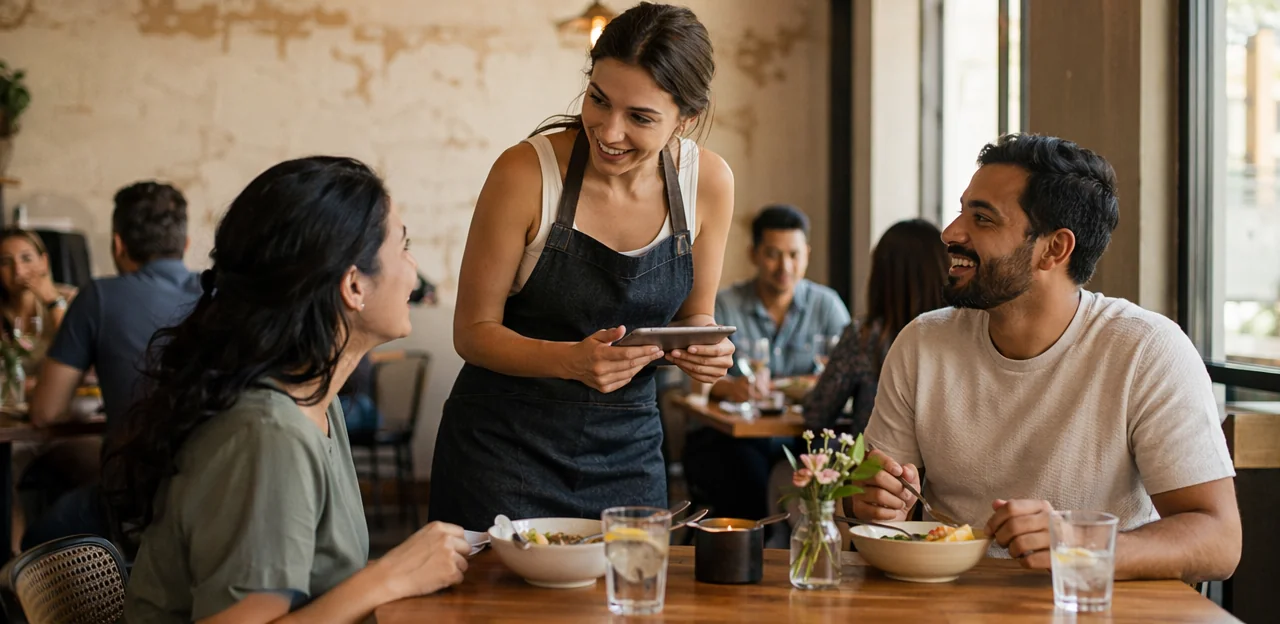
A single one-star review can do more than bruise a restaurant’s reputation—it can influence booking decisions, reduce walk-ins, and undermine the hard work happening in the kitchen and on the floor. In an industry where every shift depends on consistency, even one unresolved guest issue can quickly become a very public problem. That’s why restaurant review prevention is no longer just a marketing concern; it’s an essential part of daily operations.
The good news is that many negative reviews are preventable when restaurants create simple, private ways for guests to share concerns before they leave disappointed. Instead of discovering problems after they’ve been posted online, operators can capture honest feedback in the moment, respond quickly, and recover the experience while it still matters. Tools like Tapsy, for example, make it easier to collect real-time feedback at key dining touchpoints without adding friction for guests.
In this article, we’ll explore how private feedback channels help restaurants and cafés spot service issues earlier, reduce the likelihood of public complaints, and turn unhappy diners into returning customers. We’ll also look at practical ways to build feedback into the guest journey, train teams to act on it, and strengthen both reputation management and overall event or dining experience.
Why private feedback matters for restaurant review prevention

How one-star reviews impact restaurants and cafés
A single unresolved bad experience can damage far more than one sale. For restaurants and cafés, one-star reviews often influence how future diners compare options, especially when they are choosing where to book or walk in nearby.
- Fewer bookings: Low ratings reduce confidence, so diners are less likely to reserve a table.
- Lower walk-in traffic: People searching “best café near me” often avoid venues with visible complaints.
- Weaker reputation: Negative reviews can shape public perception faster than positive ones build it.
- Local SEO impact: Poor ratings and weak review signals can hurt map visibility and click-through rates.
- Lost trust: Guests may assume service, hygiene, or food quality issues are ongoing.
Strong restaurant review prevention and proactive restaurant reputation management help catch issues early. Tools like Tapsy can support private feedback before frustration becomes public.
Why guests post public complaints instead of speaking up in person
Many diners don’t complain during service because the moment feels awkward, rushed, or uncertain. That gap often turns into negative restaurant reviews later, when frustration is easier to express online.
- Discomfort: Guests may not want to seem rude, picky, or demanding in front of friends, family, or staff.
- Time pressure: If they are leaving quickly, they may skip mentioning a problem and post about it later.
- Staff availability: Busy servers can seem hard to approach, making small issues feel not worth raising.
- Fear of confrontation: Some guests avoid direct conflict entirely, which shapes customer complaint behavior.
For effective restaurant review prevention, restaurants should offer simple private guest feedback options, such as a QR code on the bill or table. Tools like Tapsy can make sharing concerns fast, discreet, and actionable before a review goes public.
The role of private feedback in modern review management
A private feedback system acts as an early-warning layer in effective review management. Instead of discovering problems later on Google, Yelp, TripAdvisor, or social media, restaurants can capture guest dissatisfaction while the experience is still fresh and fix it fast. This makes restaurant review prevention far more practical and proactive.
- Catch issues in real time: Ask for feedback at the table, after payment, or at exit points.
- Route problems quickly: Send low ratings or negative comments directly to a manager for immediate recovery.
- Resolve before guests post publicly: A fast apology, replacement, or refund can often prevent bad reviews.
- Spot patterns: Repeated complaints about wait times, temperature, or staff attitude reveal operational gaps.
Tools like Tapsy can help restaurants collect instant private feedback and act before frustration becomes a one-star review.
Build a private feedback system guests will actually use

Best feedback channels for dine-in, takeout, and delivery
Use the feedback channel that fits the service moment, so guests can respond quickly before frustration turns public. That’s a core part of restaurant review prevention.
- Dine-in: Use a QR code feedback prompt on table tents, bill folders, or receipts. This works well for quick in-the-moment ratings on food, service, and cleanliness. Kiosk prompts near exits also suit fast-casual restaurants.
- Takeout: Add receipt links or bag stickers to a short restaurant feedback survey. Guests can respond after checking order accuracy and food quality at home.
- Delivery: Send SMS customer feedback soon after drop-off for the highest response rates. Follow with email requests for longer comments or loyalty offers.
Tools like Tapsy can help restaurants collect private feedback at the right touchpoint and resolve issues early.
What to ask in a private feedback form
For effective restaurant review prevention, keep your private form short and focused. A simple restaurant customer survey with 4–6 high-value guest feedback questions improves completion rates and surfaces issues early.
- How would you rate the service today?
- How was the food quality, taste, and temperature?
- Was the restaurant clean, including tables and restrooms?
- How satisfied were you with wait time for seating, food, or payment?
- How did our staff make you feel during your visit?
- Is there anything we could fix right now? (optional comment box)
Use rating scales plus one optional open text field to capture quick service recovery insights without overwhelming guests. Tools like Tapsy can help collect this feedback in the moment, while the experience is still fresh.
When to request feedback for the highest response rate
Timing has a direct impact on restaurant survey response rate and effective restaurant review prevention. Ask too late, and details fade; ask too soon, and guests may still be distracted.
- Regular dining: Request post-dining feedback immediately after payment or within 1–3 hours of the visit. This captures honest reactions while food quality, service, and wait times are still fresh.
- Takeaway or delivery: Send a same-day follow-up shortly after the order is expected to be finished, not the next morning.
- Catering: Ask the organiser for quick feedback the same day, then send a fuller survey within 24 hours for detailed comments.
- Events and private functions: Strong event feedback timing means collecting impressions right after the event ends, while also offering a same-day follow-up for planners.
Tools like Tapsy can help capture private feedback in the moment before frustration turns into a public one-star review.
Turn complaints into service recovery before reviews go public

How to triage negative feedback quickly
A fast negative feedback response starts with a simple triage system that helps teams prioritize the right issue first. For effective restaurant complaint management, sort every complaint by:
- Urgency
- Immediate risk: food safety concerns, allergen mistakes, harassment, or unsafe event conditions
- Same-shift issue: billing errors, missing orders, major service failures
- Lower urgency: minor ambience or preference complaints
- Severity
- High: issue could harm a guest, trigger a refund, or damage reputation
- Medium: strong dissatisfaction, such as long waits or cold food
- Low: isolated inconvenience with easy recovery
- Location
- Dining room, takeaway counter, bar, kitchen, patio, or private event space
This service recovery process speeds up routing to the right manager and supports restaurant review prevention before frustration becomes a public post. Tools like Tapsy can help teams capture and route location-based issues in real time.
Response workflows for managers and frontline teams
A clear manager response workflow helps teams resolve problems before they become public complaints and supports consistent restaurant review prevention.
- Frontline staff should handle immediate, fixable issues: wrong orders, refill delays, table cleanliness, temperature concerns, or minor service lapses. Empower them to apologize, correct the issue fast, and offer a small recovery gesture when appropriate.
- Shift supervisors or managers should take over for repeated complaints, billing disputes, allergy concerns, staff conduct issues, or any situation involving compensation, safety, or a dissatisfied guest who may leave upset.
- Use a defined guest issue escalation path: server → shift lead → manager → owner/regional lead for serious operational, legal, or reputational risks.
To strengthen restaurant operations, document every case in a shared log: date, location, issue type, action taken, owner, and outcome. Tools like Tapsy can help route alerts in real time, but accountability still depends on clear ownership and follow-through.
How to recover trust without sounding defensive
When a guest shares a complaint privately, the goal is customer service recovery, not winning an argument. A calm, human reply is central to restaurant review prevention.
- Start with empathy: Thank them for speaking up and acknowledge the impact. Say, “I’m sorry your visit felt rushed,” instead of “We were very busy.”
- Use a clear restaurant apology response: Apologize for the experience, not just their feelings. Avoid excuses, blame, or scripted language that sounds dismissive.
- Offer a practical resolution: Match the fix to the issue—replace a dish, refund part of the bill, invite them back, or speak with the manager directly.
- Explain the next step: Briefly share what you will do to prevent it happening again, such as retraining staff or checking service timing.
- Follow up quickly: A short message within 24–48 hours helps guests feel heard and can prevent negative reviews before frustration goes public.
Tools like Tapsy can help collect and act on feedback in the moment.
Use feedback data to improve restaurant operations and event experience

Spot recurring issues across service, food, and ambiance
Private feedback becomes useful when you look for patterns, not isolated complaints. Group comments by category, shift, daypart, server, menu item, and table location to uncover root causes behind recurring service issues.
- Service: Track mentions of slow greetings, long ticket times, missing check-backs, or payment delays to reveal staffing gaps or weak handoffs.
- Food: Compare complaints by dish to spot menu execution problems, inconsistent prep, temperature issues, or items that regularly disappoint.
- Ambiance: Review notes about noise, lighting, odors, restroom cleanliness, or crowded entryways to identify environment-related friction.
- Reservations: Monitor feedback about wait times, overbooking, or poor host communication to fix reservation bottlenecks.
This kind of guest experience data supports faster restaurant operations improvement and stronger restaurant review prevention. Tools like Tapsy can help capture and organize this feedback in real time.
Improve event experience for private dining and group bookings
Private dining and large parties create high expectations, so small failures can quickly turn into public complaints. A simple private dining feedback process supports restaurant review prevention by catching issues before guests leave unhappy.
Focus feedback on the moments that matter most:
- Timing: Were courses, speeches, or service delivered on schedule?
- Coordination: Did the host feel supported from booking to event close?
- Communication: Were dietary needs, guest counts, and last-minute changes handled clearly?
- AV and setup: Did microphones, screens, music, or lighting work as promised?
- Seating and space: Was the layout comfortable and appropriate for the group?
- Package expectations: Did food, drinks, staffing, and inclusions match what was sold?
Tracking this event experience improves group booking satisfaction, protects high-value revenue, and helps teams fix operational gaps fast. Tools like Tapsy can capture in-the-moment event feedback discreetly during service.
Create a continuous improvement loop with staff
Private feedback only helps with restaurant review prevention if it becomes part of everyday team habits. Share insights in a constructive, specific way so employees feel supported, not blamed.
- Review feedback weekly: group comments by theme such as wait times, food quality, cleanliness, or service tone.
- Coach with examples: use real guest comments in short staff coaching sessions, then agree on one or two clear actions per shift.
- Recognize wins too: highlight positive feedback to reinforce strong behaviors and improve restaurant team performance.
- Track changes over time: monitor complaint volume, repeat issues, and ratings by shift, location, or service period to measure continuous improvement.
- Close the loop: if you change staffing, training, or processes, check whether complaints drop over the next few weeks.
Tools like Tapsy can help capture and organize this feedback quickly.
Encourage more balanced reviews without gating or manipulation

What restaurants should avoid in review requests
To support restaurant review prevention without creating bigger risks, avoid tactics that violate any restaurant review policy:
- Review gating: Don’t ask happy guests to post publicly while sending unhappy guests to a private form only. Many platforms prohibit review gating.
- Selective solicitation: Don’t target only regulars, VIPs, or clearly satisfied tables to skew ratings.
- Fake reviews: Never ask staff, friends, or agencies to post dishonest reviews.
- Incentivized reviews: Avoid discounts, freebies, or contest entries in exchange for positive public reviews unless platform rules clearly allow it.
Instead, practice ethical review management: invite all guests to share honest feedback, collect private input consistently, and use tools like Tapsy to resolve issues before they become one-star reviews.
How to invite honest public reviews from satisfied guests
After giving guests a private way to share concerns, make your public review request simple, neutral, and compliant. A strong guest review strategy asks all diners for honest feedback rather than filtering only happy customers.
- Ask every guest consistently by email, SMS, receipt, or QR code after the visit.
- Use clear wording like: “If you enjoyed your experience, please leave us an honest review.”
- Never offer rewards for positive reviews or pressure guests to post.
- Add direct links to Google, TripAdvisor, or Facebook to reduce friction and increase positive reviews naturally.
- Use private feedback first, then a review invite, as part of your restaurant review prevention process.
Tools like Tapsy can help streamline this flow.
How private feedback supports local SEO and brand trust
Private feedback helps restaurants fix issues before they become public complaints, making restaurant review prevention a practical part of daily operations. Better guest experiences often lead to stronger ratings, which can improve local SEO for restaurants by sending positive quality signals to Google and review platforms.
- Higher click-through rates: Better star ratings and fresher positive reviews make your listing more appealing in local search.
- Stronger online reputation: Resolving problems privately reduces one-star reviews and improves overall review sentiment.
- More restaurant brand trust: Guests are more likely to return and recommend a venue that responds quickly and professionally.
Tools like Tapsy can help collect in-the-moment feedback before frustration turns into public damage.
Measure success and refine your restaurant review prevention strategy

Key metrics to track
Track a small set of review management metrics and guest satisfaction metrics to spot issues before they become public complaints:
- Private feedback response rate: How many guests submit feedback after dining or an event
- Complaint resolution time: Average time to acknowledge and fix issues
- One-star review frequency: Number of 1-star reviews per week or month
- Average star rating: Overall trend across Google, TripAdvisor, and similar platforms
- Repeat visits: A core restaurant KPI showing recovery and loyalty
- Event rebooking rate: Essential for private dining and event experience performance
These restaurant KPIs support smarter restaurant review prevention.
Tools and workflows for small teams
Keep restaurant review prevention simple with lightweight systems your team will actually use:
- Shared inbox: Route private feedback from email, web forms, and QR surveys into one inbox so managers can reply fast.
- Survey tools: Use short, mobile-friendly forms as practical restaurant review tools to catch issues before guests post publicly.
- CRM notes: Log repeat complaints, VIP preferences, and recovery actions in one place.
- Simple dashboards: Track volume, response time, and common issues weekly.
This small restaurant workflow makes feedback management software easier to manage. Tools like Tapsy can also help capture in-the-moment feedback.
A 30-day action plan for implementation
- Days 1–7: Build your restaurant action plan. Choose key touchpoints, set up a simple QR or table-side survey, and define alert triggers to implement feedback system fast.
- Days 8–14: Train staff to invite feedback, resolve issues on the spot, and escalate complaints consistently.
- Days 15–21: Launch feedback collection and apply clear response standards for low scores within one hour.
- Days 22–30: Review results weekly, track patterns, and refine your restaurant review prevention strategy. This keeps restaurant review prevention proactive, not reactive.
Conclusion
In the end, preventing one-star reviews is less about damage control and more about creating a system that catches problems before they go public. Strong restaurant review prevention starts with listening at the right moments: after ordering, after payment, during service delays, and at other high-friction touchpoints where guest sentiment can shift quickly. When restaurants make it easy for diners to share private feedback first, teams can resolve issues in real time, recover unhappy guests, and protect their online reputation.
The key takeaway is simple: act early, respond fast, and treat feedback as an operational tool—not just a marketing metric. Private feedback channels, staff training, service recovery processes, and regular review monitoring all work together to reduce negative public reviews and improve the overall guest experience. For restaurants and cafés, this proactive approach turns complaints into coaching opportunities and disappointed diners into loyal return customers.
If you want to strengthen your restaurant review prevention strategy, start by auditing your current guest journey and identifying where frustration is most likely to happen. Then implement a simple private feedback flow and set clear internal alerts for low ratings. Tools like Tapsy can help capture in-the-moment feedback through QR or NFC touchpoints, making it easier to spot and solve issues before they escalate. Take the next step by building a feedback-first culture—and turn every service moment into a chance to improve.
Frequently Asked Questions
- How can private feedback help restaurants prevent one-star reviews?
Private feedback gives guests a simple way to raise concerns before they leave and post publicly. That allows staff or managers to respond in real time, fix the issue, and recover the experience while it still matters.
- Why do diners often post negative reviews online instead of complaining in person?
Many guests feel awkward speaking up during service, especially in front of friends, family, or staff. Others are in a hurry, cannot easily find a staff member, or want to avoid confrontation, so they share their frustration later online.
- What are the best private feedback channels for dine-in, takeout, and delivery?
For dine-in, QR codes on table tents, bill folders, or receipts work well for quick ratings. For takeout, receipt links or bag stickers help guests comment after checking the order at home, while delivery feedback is best collected through SMS shortly after drop-off, with email used for longer follow-up.
- What should a restaurant include in a private feedback form?
A strong form stays short and focused, usually with 4 to 6 questions. It should cover service, food quality and temperature, cleanliness, wait times, staff interaction, and include an optional comment box for anything that needs fixing right away.
- When is the best time to ask guests for feedback?
For regular dining, ask immediately after payment or within 1 to 3 hours of the visit so details are still fresh. For takeaway and delivery, send the request the same day after the meal is likely finished, and for catering or events, collect quick feedback the same day with a fuller follow-up within 24 hours.
- How should restaurants triage negative feedback quickly?
Complaints should be sorted by urgency, severity, and location. Immediate risks like food safety or allergen mistakes need urgent attention, while billing issues, long waits, and minor ambiance concerns can be prioritized based on impact and routed to the right person.
- Which issues should frontline staff handle, and when should a manager step in?
Frontline staff should resolve simple, immediate problems such as wrong orders, refill delays, table cleanliness, or minor temperature issues. Managers or supervisors should take over when complaints involve billing disputes, allergy concerns, repeated failures, staff conduct, compensation, safety, or a guest likely to leave upset.
- How can a restaurant apologize without sounding defensive?
Start with empathy, thank the guest for speaking up, and apologize for the experience rather than making excuses. Then offer a practical fix, explain the next step, and follow up within 24 to 48 hours so the guest feels heard.
- How can feedback data improve restaurant operations over time?
The most useful approach is to look for patterns across shifts, dayparts, servers, menu items, and locations. Grouping comments by service, food, ambiance, and reservations helps reveal recurring problems such as slow greetings, cold dishes, noisy spaces, or booking bottlenecks.
- How should restaurants collect feedback for private dining and group bookings?
Feedback for events should focus on timing, coordination, communication, AV and setup, seating, and whether the package matched what was sold. Collecting impressions during or right after the event helps teams catch issues quickly and protect high-value group business.
- What does a continuous improvement loop with staff look like?
Teams should review feedback weekly, group comments by theme, and use real examples in short coaching sessions. It also helps to recognize positive feedback, track changes over time, and check whether operational fixes reduce complaints in the following weeks.
- What review request practices should restaurants avoid?
Restaurants should avoid review gating, selective solicitation, fake reviews, and offering rewards for positive public reviews unless platform rules clearly allow it. A safer approach is to invite all guests to share honest feedback and use private channels consistently to resolve issues early.
- How can restaurants ask satisfied guests for public reviews ethically?
Ask every guest consistently through email, SMS, receipts, or QR codes rather than targeting only happy tables. Keep the wording neutral, invite honest reviews, and provide direct links to platforms like Google, TripAdvisor, or Facebook without offering incentives.
- How does private feedback support local SEO and brand trust?
Fixing problems privately can reduce one-star reviews and improve overall review sentiment. Better ratings and fresher positive reviews can make listings more appealing in local search, while fast and professional responses help build guest trust.
- What metrics and first steps should a small restaurant use to launch a review prevention process?
Track private feedback response rate, complaint resolution time, one-star review frequency, average star rating, repeat visits, and event rebooking rate. A practical 30-day rollout starts with choosing feedback touchpoints and alerts, then training staff, launching collection, and reviewing patterns weekly to refine the process.