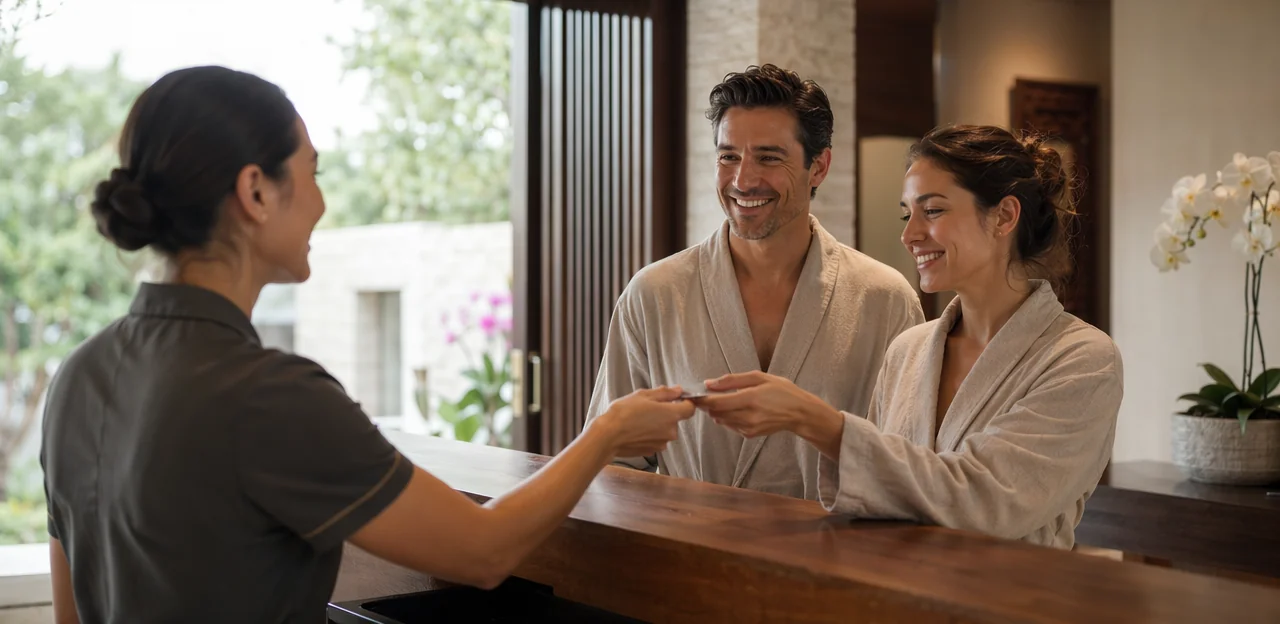
A great salon experience does not end at the mirror. Long after the appointment is over, a client’s decision to return, recommend your business, or book their next service often depends on how heard and valued they feel. That is why salon feedback has become such a powerful driver of growth. When salons actively collect and act on client insights, they do more than improve service quality—they build stronger relationships that keep chairs filled.
This is where salon loyalty feedback plays a critical role. By understanding what clients love, what frustrates them, and what would make their next visit even better, salon owners can create experiences that encourage repeat bookings and word-of-mouth referrals. Feedback helps uncover small service gaps before they turn into lost customers, while also revealing the moments that inspire long-term loyalty.
In this article, we’ll explore how salon feedback supports loyalty, referrals, and rebooking across the full client journey. You’ll learn why timely feedback matters, how it strengthens the client experience, and how salons can use simple tools—including real-time solutions like Tapsy—to turn everyday client insights into stronger retention and sustainable business growth.
Why salon loyalty feedback matters for business growth
How feedback connects client experience to retention
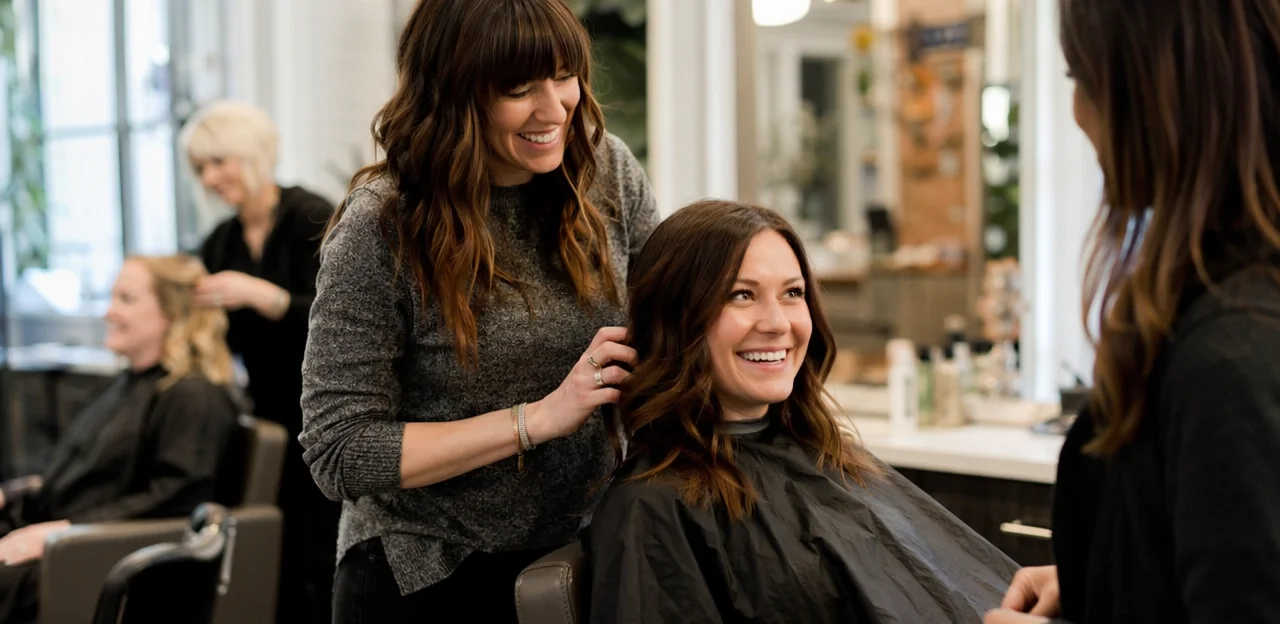
Salon loyalty feedback shows exactly which parts of the salon client experience drive repeat visits. When clients share what they value most, salons can spot the habits that support long-term client retention salon efforts:
- Service consistency: Guests return when cuts, color, treatments, and staff performance feel reliably high quality.
- Communication: Feedback reveals whether consultations are clear, expectations are set well, and follow-up feels personal.
- Convenience: Comments often highlight booking ease, wait times, reminders, parking, and checkout speed.
- Emotional connection: Clients stay loyal when they feel remembered, understood, and genuinely cared for.
Because feedback captures sentiment early, it acts as a leading indicator of satisfaction and retention. Tools like Tapsy can help salons collect real-time insights and fix issues before they affect rebooking or referrals.
The link between satisfaction, trust, and repeat bookings
Strong salon customer satisfaction creates trust, and trust is what turns first-time visitors into repeat salon clients. When clients consistently receive great results, clear communication, and attentive care, they feel confident booking their next appointment before they leave.
- Personalized service matters: Remembering preferences, past treatments, and product sensitivities makes each visit feel tailored and increases salon rebooking.
- Responsiveness builds confidence: Acting quickly on feedback, fixing small issues, and following up after appointments shows clients their experience matters.
- Feedback supports loyalty: Using salon loyalty feedback helps salons spot what clients value most and improve weak points before they affect retention.
A simple rebooking prompt at checkout, paired with a personalized recommendation, can significantly increase repeat appointments.
Why referrals often start with a feedback-worthy experience
Salon referrals usually begin when a client has a moment worth talking about. That could be a stylist remembering preferences, a flawless color correction, or a fast, thoughtful recovery when something goes wrong. These moments create trust, and trust fuels recommendations.
A strong salon loyalty feedback process helps salons identify and repeat what clients love while fixing issues before they become negative reviews. That strengthens word of mouth marketing salon efforts and supports a smarter salon review strategy.
- Create memorable moments: Personal touches, consistency, and expert advice give clients a story to share.
- Resolve issues quickly: A sincere apology, correction, or follow-up can turn disappointment into advocacy.
- Ask at the right time: Prompt happy clients to leave reviews and recommend your salon to friends, family, and online audiences.
What types of feedback salons should collect

Post-appointment surveys and quick rating requests
A short post appointment survey helps salons capture honest reactions while the visit is still fresh. When the process takes less than a minute, clients are far more likely to respond, giving you useful customer feedback salon teams can act on quickly.
- Ask 3–5 simple questions about service quality, wait times, staff friendliness, cleanliness, and overall satisfaction.
- Use a one-tap rating plus an optional comment box to reduce friction.
- Send the salon feedback survey by SMS or email within a few hours of the appointment.
- Trigger alerts for low scores so managers can follow up before dissatisfaction turns into churn or negative reviews.
This kind of salon loyalty feedback helps improve the experience, recover at-risk clients, and identify what drives repeat bookings and referrals. Tools like Tapsy can help streamline fast, low-friction feedback collection.
Online reviews, social comments, and direct messages
Public and private digital channels give salons a clear view of both reputation and operational gaps. Salon loyalty feedback becomes especially useful when you compare salon online reviews, comments, tags, and DMs side by side.
- Track Google reviews salon profiles weekly for repeated praise or complaints about wait times, pricing, stylists, cleanliness, or booking.
- Review social media feedback salon mentions, story replies, and direct messages for issues clients may not post publicly.
- Tag feedback by theme: service quality, front-desk experience, retail upsells, rebooking, and atmosphere.
- Respond quickly and professionally to public reviews, then fix root causes internally.
- Share recurring insights with the team so patterns turn into training and service improvements.
Tools like Tapsy can also help capture feedback earlier, before frustration becomes a negative review.
In-person conversations and front-desk insights
Some of the most useful salon loyalty feedback comes from quick, natural conversations. Stylists and reception teams can capture rich in salon feedback by asking simple, specific questions during checkout, rebooking, and casual small talk.
- At checkout: Ask, “How did your cut/color feel today?” or “Was there anything we could improve?”
- During rebooking: Note why a client books sooner, later, or not at all. Timing often reveals satisfaction, budget, or scheduling concerns.
- At the front desk: Train reception to listen for patterns about wait times, pricing, product recommendations, and overall front desk client experience.
Document every insight in the client profile or CRM, including preferences, concerns, and follow-up actions. Consistent tracking turns informal salon service feedback into service improvements, personalized outreach, and stronger retention.
How to use feedback to improve loyalty and retention

Identify patterns that affect rebooking behavior
To improve salon retention, don’t treat reviews and survey responses as isolated comments. Use client feedback analysis to spot repeat issues that quietly weaken your salon rebooking strategy and reduce return visits.
Look for patterns such as:
- Scheduling friction: complaints about limited appointment times, long waits, or difficult online booking
- Inconsistent results: recurring mentions of uneven service quality between visits or stylists
- Pricing confusion: feedback showing surprise about add-ons, unclear service tiers, or mismatch between quote and final bill
- Poor consultation quality: clients saying they felt rushed, unheard, or unsure about the outcome
Group feedback by theme, staff member, service type, and time of day to identify where drop-off happens. Then connect those themes to rebooking rates. For example, salon loyalty feedback may reveal that clients who report weak consultations are less likely to book again. Tools like Tapsy can help capture real-time insights at key touchpoints.
Personalize services based on client preferences
Salon loyalty feedback becomes most valuable when it is turned into clear, usable client notes. Instead of treating feedback as a one-time survey response, use it to build a more personalized salon experience at every visit.
- Record details such as preferred stylist approach, pressure level, color tone, fragrance sensitivities, and favorite add-on services.
- Track salon client preferences for products, including which shampoos, treatments, or styling products delivered the best results.
- Note communication habits, such as whether a guest prefers text reminders, email promotions, or a quieter, low-conversation appointment.
- Use feedback to customize services, from adjusting consultation style to recommending retail products that match hair type, skin concerns, or maintenance goals.
When clients feel remembered rather than processed, trust grows. That recognition strengthens satisfaction, increases rebooking, and supports long-term beauty business loyalty through experiences that feel thoughtful, relevant, and personal.
Close the feedback loop with visible action
Collecting comments is only the first step. Salon loyalty feedback creates real value when clients can see that you respond to salon feedback and make improvements quickly. Action matters more than asking alone.
- Acknowledge feedback fast: Thank clients for sharing, especially after a poor visit. A prompt reply shows respect and reduces frustration.
- Fix issues quickly: If feedback mentions wait times, unclear pricing, or service inconsistency, assign ownership and correct it right away. Strong customer feedback action can prevent churn and negative reviews.
- Tell clients what changed: Share updates through email, SMS, social posts, or in-salon signage such as “You asked, we improved our consultation process.”
This visibility is essential for salon trust building. Clients are more likely to rebook and refer others when they see their opinions lead to real changes. Tools like Tapsy can help capture feedback in real time so teams can act before small issues grow.
Turning feedback into more referrals and stronger reputation

Encourage happy clients to share reviews and recommendations
Positive moments are the best time to turn salon loyalty feedback into public proof and new bookings. Keep your approach ethical, personal, and pressure-free:
- Ask right after praise: When a client says they love the cut, color, or service, thank them and ask for salon reviews while the experience is fresh.
- Use easy channels: Send a short SMS or email with a direct review link, or offer a QR code at checkout.
- Keep scripts simple:
- “I’m so glad you’re happy. If you have a minute, we’d really appreciate a review.”
- “Your feedback means a lot—would you be open to sharing a testimonial?”
- Invite referrals naturally: For salon referral marketing, say, “If you know someone who’d love this service, we’d be grateful for a recommendation.”
Short, authentic client testimonials salon pages also build trust and support rebooking.
Resolve negative feedback before it harms loyalty
Fast, empathetic recovery turns a bad visit into proof that you care. When salons treat salon loyalty feedback as an early warning system, they can reduce churn, protect reputation, and sometimes win back trust stronger than before.
- Respond quickly: Aim to address complaints the same day, especially negative salon reviews posted publicly.
- Lead with empathy: Thank the client, acknowledge the frustration, and avoid defensiveness in every salon complaint response.
- Take it offline when needed: For detailed issues, invite the client to continue by phone, text, or email, then confirm the resolution publicly.
- Offer fair recovery: A redo, refund, or service credit can support effective service recovery salon processes.
- Track patterns: Repeated complaints about timing, cleanliness, or staff behavior signal operational fixes, not one-off problems.
Tools like Tapsy can help capture issues early, before they become public.
Use feedback themes in marketing and messaging
Recurring comments in salon loyalty feedback show what clients actually remember and recommend. Use those patterns to sharpen your salon marketing strategy and make your messaging more credible.
- Turn praise into website copy: If clients repeatedly mention “expert colorists,” “calming atmosphere,” or “easy online booking,” feature those phrases on service pages, your homepage, and booking CTAs.
- Build salon social proof: Pull short, specific testimonials into Instagram captions, Google Business posts, email banners, and landing pages.
- Strengthen client experience marketing: Group feedback into themes like expertise, friendliness, cleanliness, speed, or convenience, then align each theme with a campaign.
- Match messaging to audience needs: Promote precision and trust for new clients, and comfort and consistency for rebooking campaigns.
Tools like Tapsy can help salons capture fresh feedback themes faster.
Best practices for building a salon feedback system

Choose the right tools and timing for feedback collection
To turn salon loyalty feedback into action, use simple, low-friction systems and ask at the right moment:
- SMS surveys: A short SMS survey salon message sent 1–3 hours after the appointment often gets the highest response rates while the visit is still fresh.
- Email follow-ups: Send within 24 hours for slightly longer feedback, especially if you want comments on service, atmosphere, and rebooking intent.
- Booking software prompts: Add quick rating requests at checkout or inside appointment confirmation and post-visit flows.
- CRM notes: Store preferences, complaints, and praise in your salon CRM feedback records so staff can personalize future visits.
The best salon feedback tools make feedback immediate, trackable, and easy to act on. Tools like Tapsy can also support real-time, touchpoint-based feedback collection.
Train staff to request and handle feedback consistently
To turn salon loyalty feedback into daily practice, build simple team standards every stylist and front-desk employee follows. Strong salon staff training helps create a reliable feedback culture salon clients can trust.
- Standardize the ask: Give staff 2–3 approved questions, such as “How did your service feel today?” and “Is there anything we could improve next time?”
- Document every comment: Log praise, preferences, complaints, and rebooking barriers in the client profile or CRM.
- Set escalation rules: Flag service issues, hygiene concerns, or repeat complaints to a manager the same day.
- Review patterns weekly: Use team meetings to coach your customer service salon team and improve consistency.
Tools like Tapsy can also help capture and route feedback quickly.
Track metrics that show loyalty impact
To prove salon loyalty feedback is driving growth, monitor a small set of salon retention metrics tied to revenue:
- Rebooking rate salon: Measure the percentage of clients who book their next appointment before leaving.
- Repeat visit frequency: Track how often clients return within 30, 60, or 90 days.
- Referral rate: Count how many new clients come from existing client recommendations.
- Review volume and sentiment trends: Watch both the number of reviews and whether feedback becomes more positive over time.
- Client lifetime value salon: Calculate average total spend per client across visits.
Review these metrics monthly to connect feedback improvements with stronger retention, referrals, and predictable revenue.
Common mistakes salons should avoid with feedback
Collecting too much feedback without acting on it
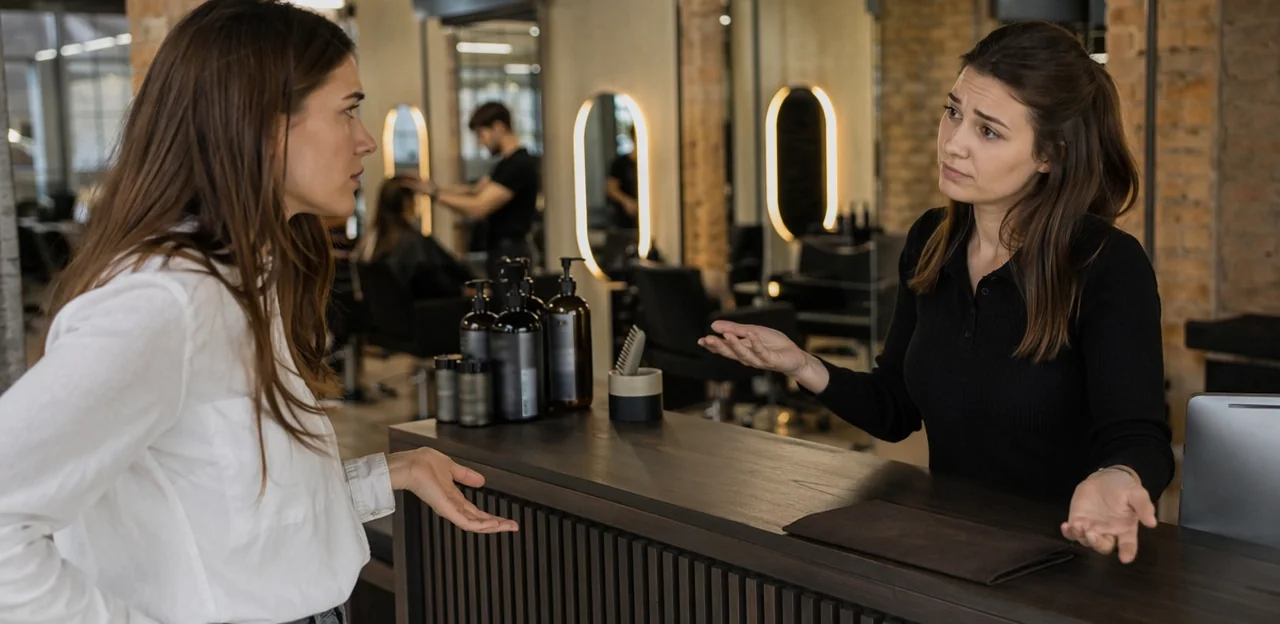
One of the most common feedback strategy mistakes is asking clients too many questions, too often. This creates survey fatigue salon teams can easily overlook, reducing response rates and weakening trust in your salon loyalty feedback process. Instead, focus on a few high-value questions and a clear follow-up plan.
- Ask 2–4 meaningful questions tied to rebooking, service quality, and referrals
- Review salon customer insights weekly
- Assign actions for low scores or repeated complaints
If you never use the data, clients stop seeing feedback as worthwhile.
Ignoring silent churn and only listening to vocal clients
Not every unhappy guest complains—many simply disappear. This silent churn salon problem can quietly drain revenue and create lost salon clients before staff notice. Use salon loyalty feedback alongside booking data to spot warning signs early:
- missed rebooking windows after regular appointments
- longer gaps between visits
- drop-offs by stylist, service, or location
A smart client retention strategy is to trigger proactive outreach: a check-in text, service recovery offer, or personalized rebooking incentive before loyalty fades. Tools like Tapsy can help capture feedback before clients leave for good.
Treating feedback as criticism instead of opportunity
When teams view comments as personal attacks, growth stalls. Build a feedback mindset salon culture by framing every suggestion as useful data that strengthens salon service quality and supports salon loyalty feedback goals.
- Train staff to separate the message from emotion and look for patterns, not blame.
- Use feedback in coaching sessions to improve consultations, timing, and service recovery.
- Review recurring issues to refine booking flows, follow-up, and team standards.
This continuous improvement salon approach reduces defensiveness, builds confidence, and creates stronger client relationships that lead to rebooking and referrals.
Conclusion
In a competitive salon market, loyalty is built on more than great services alone—it grows from listening, responding, and improving at every client touchpoint. That’s why salon loyalty feedback is so valuable. It helps salons understand what clients love, identify friction before it leads to churn, and create experiences that naturally encourage rebooking and word-of-mouth referrals.
When feedback is collected consistently, salons can personalize follow-ups, recover service issues quickly, and reward satisfied clients in ways that strengthen long-term relationships. Over time, this turns one-time appointments into repeat visits, repeat visits into trusted relationships, and trusted relationships into enthusiastic referrals. In other words, salon loyalty feedback becomes a practical strategy for improving retention, client experience, and revenue at the same time.
The next step is simple: make feedback part of your everyday salon journey. Use short post-appointment surveys, review requests, and in-salon touchpoints to capture insights while the experience is still fresh. If you want a more streamlined way to gather real-time feedback and encourage repeat engagement, tools like Tapsy can help.
Start by reviewing your current feedback process, identifying gaps, and building a plan to act on what clients share. The salons that listen best are often the ones clients return to—and recommend most.
Frequently Asked Questions
- What is salon loyalty feedback?
Salon loyalty feedback is the client input salons collect about what they loved, what frustrated them, and what would improve their next visit. It helps identify the service, communication, convenience, and personal touches that influence retention, referrals, and rebooking.
- How does client feedback help a salon increase repeat bookings?
Feedback shows which parts of the experience support trust, such as consistent results, clear consultations, and attentive follow-up. When salons act on those insights and pair checkout with a simple rebooking prompt and personalized recommendation, repeat appointments are more likely.
- Why do referrals often start with a feedback-worthy salon experience?
Clients tend to recommend a salon when they experience something memorable, like a stylist remembering preferences, a strong result, or a thoughtful recovery after a problem. Feedback helps salons identify those moments and repeat them more consistently.
- What kinds of feedback should salons collect after appointments?
Useful sources include short post-appointment surveys, one-tap ratings, online reviews, social comments, direct messages, and in-person conversations at checkout or rebooking. Front-desk observations and stylist notes also add valuable context when they are documented in the client profile or CRM.
- When is the best time to ask salon clients for feedback?
A short SMS survey sent 1 to 3 hours after the appointment often works well because the visit is still fresh. Email follow-ups within 24 hours are also useful when salons want slightly more detailed comments.
- What should a salon include in a post-appointment survey?
A strong survey keeps friction low by asking 3 to 5 simple questions about service quality, wait times, staff friendliness, cleanliness, and overall satisfaction. A one-tap rating with an optional comment box makes it easier for clients to respond quickly.
- How can salons use feedback to find problems that reduce rebooking?
Salons can group comments by theme, staff member, service type, and time of day to spot recurring issues. Common patterns include scheduling friction, inconsistent results, pricing confusion, and weak consultations, all of which can be compared with rebooking behavior.
- How does personalization based on feedback improve retention?
When salons turn feedback into client notes, they can remember preferences like stylist approach, color tone, fragrance sensitivities, favorite add-ons, and communication style. That makes each visit feel more tailored and helps clients feel remembered rather than processed.
- What does it mean to close the feedback loop in a salon?
Closing the feedback loop means acknowledging client comments, fixing issues quickly, and showing what changed. Salons can communicate improvements through email, SMS, social posts, or in-salon signage so clients see that their input led to action.
- How should salons encourage happy clients to leave reviews or refer friends?
The best time to ask is right after a client expresses satisfaction with the service. Salons can make it easy with a direct review link by SMS or email, a QR code at checkout, and a simple, pressure-free request for a review or recommendation.
- What is the right way to handle negative salon feedback?
Respond quickly, lead with empathy, and avoid sounding defensive. For more detailed issues, move the conversation offline, offer a fair recovery such as a redo, refund, or service credit when appropriate, and track repeated complaints to fix root causes.
- How can salons use feedback themes in marketing?
Recurring client language can be turned into stronger website copy, social proof, and campaign messaging. If people consistently mention expertise, a calming atmosphere, or easy online booking, those themes should appear on service pages, social posts, and booking calls to action.
- What tools and systems help salons collect feedback consistently?
Simple systems like SMS surveys, email follow-ups, booking software prompts, and CRM notes help make feedback immediate and trackable. Real-time tools such as Tapsy are also mentioned as a way to capture touchpoint-based feedback and help teams act before issues grow.
- Which metrics show whether feedback is improving salon loyalty?
Key metrics include rebooking rate, repeat visit frequency, referral rate, review volume and sentiment trends, and client lifetime value. Reviewing them monthly helps connect service improvements with stronger retention, referrals, and revenue.
- What common feedback mistakes should salons avoid?
Salons should avoid asking too many questions without acting on the answers, because that creates survey fatigue and weakens trust. They should also avoid listening only to vocal clients and treating feedback as criticism instead of using it to improve consultations, service consistency, and follow-up.