In the spa industry, loyalty is rarely built on discounts alone. Guests return when they feel understood, cared for, and consistently delighted at every touchpoint—from booking and check-in to treatment quality and follow-up communication. That’s why spa loyalty program feedback has become such a valuable tool for wellness businesses looking to increase retention and encourage more frequent rebooking.
When spas actively collect and act on guest feedback, they gain more than satisfaction scores. They uncover what truly motivates repeat visits, which rewards feel meaningful, where service gaps weaken trust, and how the client experience can be refined to strengthen long-term relationships. In other words, feedback turns loyalty programs from generic perks into personalized retention strategies that actually work.
This article explores how spas can use client insights to improve loyalty offers, recover service issues before they lead to churn, and create smoother, more memorable experiences that inspire guests to book again. It will also look at practical ways to gather feedback at the right moments, connect it to reward and rebooking efforts, and use tools such as Tapsy to capture real-time sentiment directly at key service touchpoints. For wellness brands focused on guest experience and sustainable growth, feedback may be the missing link between one-time visits and lasting loyalty.
Why feedback matters in a spa loyalty strategy
The link between guest feedback and repeat visits
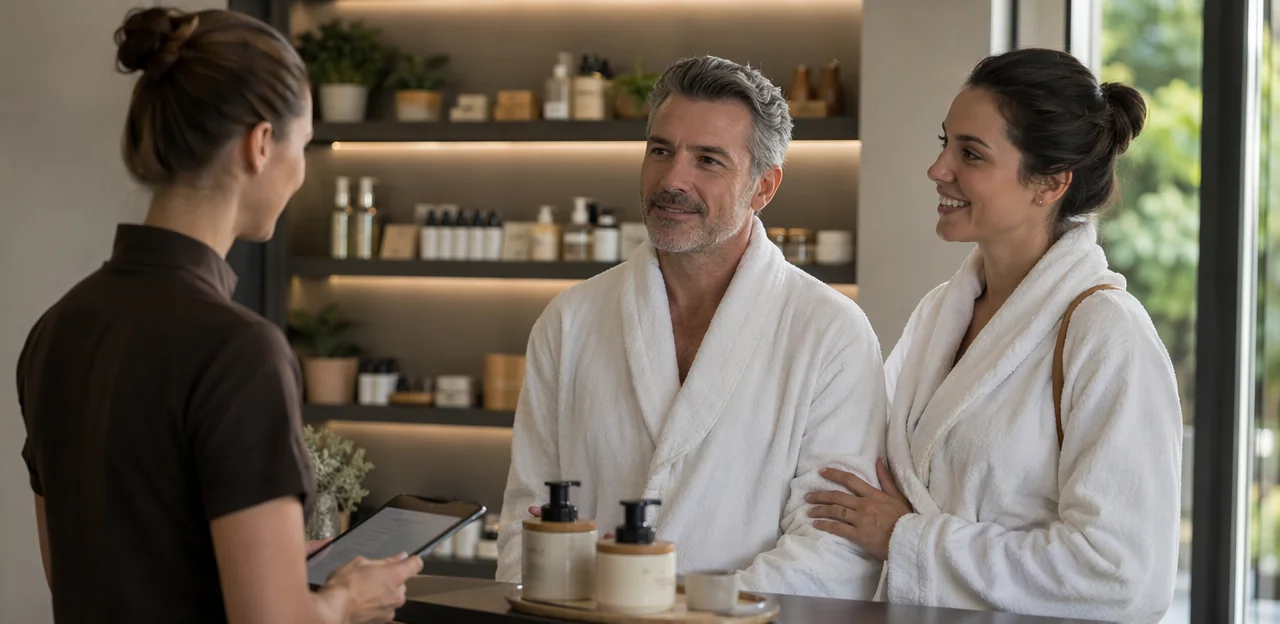
Guest feedback shows spas exactly what drives satisfaction, what causes friction, and what makes clients hesitate to return. When spa loyalty program feedback is collected consistently, it becomes a practical retention tool, not just a survey metric.
- Identify return drivers: Learn which elements guests value most, such as therapist quality, ambiance, cleanliness, or booking convenience.
- Remove friction fast: Spot issues like long wait times, unclear membership benefits, or difficult scheduling before they reduce spa repeat bookings.
- Personalize loyalty offers: Use feedback to shape rewards around what guests actually want, from preferred treatments to upgrades and recovery perks.
- Strengthen service recovery: Acting quickly on complaints improves trust and supports guest retention spa efforts.
Tools like Tapsy can help capture real-time insights and trigger timely follow-up that encourages rebooking.
How loyalty programs benefit from real client insights
Effective spa loyalty program feedback turns guesswork into strategy. Instead of assuming guests want generic discounts, spas can use client feedback insights to build a spa rewards program around what clients actually use, redeem, and return for.
- Identify preferred rewards: Learn whether guests value free add-ons, service upgrades, product samples, or member-only pricing.
- Refine tiers and perks: Feedback shows which status benefits feel motivating and which ones go unnoticed.
- Improve redemption options: If clients prefer simple, flexible rewards over complex point systems, adjust the experience accordingly.
- Support loyalty program optimization: Combine feedback with booking and visit behavior to spot what drives rebooking.
Tools like Tapsy can help capture timely feedback at key service moments, making loyalty design more responsive and evidence-based.
Common gaps feedback can uncover
Spa loyalty program feedback often reveals the hidden friction points that weaken retention and repeat bookings. Common issues include:
- Unclear benefits: If guests do not understand how points, tiers, or perks work, loyalty program engagement drops quickly.
- Difficult redemption: Complicated booking rules, blackout dates, or limited reward choices can make benefits feel frustrating instead of valuable.
- Weak personalization: Spa customer feedback may show that offers feel generic rather than tailored to treatment history, preferences, or visit frequency.
- Inconsistent service: Even strong rewards cannot offset a poor or uneven spa client experience across therapists, locations, or shifts.
- Poor post-visit follow-up: Missed thank-you messages, rebooking reminders, or reward updates can reduce momentum after a visit.
Using real-time tools like Tapsy can help teams spot and fix these gaps faster.
What feedback to collect and where to find it

Direct feedback channels that reveal loyalty opportunities
Use multiple channels to collect spa loyalty program feedback, because each one uncovers a different retention signal:
- Post-treatment surveys: Ask targeted spa survey questions right after the service to measure satisfaction, therapist performance, upgrade interest, and rebooking intent.
- SMS check-ins: Short follow-ups capture fast, honest post-visit spa feedback and can reveal whether guests need a recovery offer or reminder to book again.
- Email questionnaires: Longer forms help identify preferences, package appeal, and reasons members do or do not return.
- Front-desk conversations: Staff can capture in-the-moment objections, booking hesitation, and service highlights that influence loyalty.
- Membership cancellation forms: Essential for collecting spa membership feedback on pricing, usage barriers, scheduling issues, and benefit gaps.
Tools like Tapsy can help capture this feedback quickly at key touchpoints.
Indirect signals from reviews and booking behavior
Not all spa loyalty program feedback comes from surveys. Indirect signals often reveal how guests truly feel and whether loyalty efforts are working.
- Spa online reviews: Track recurring themes in ratings and comments to spot service strengths, friction points, and upgrade opportunities.
- Referral patterns: A rise in referred bookings often signals trust, satisfaction, and stronger emotional loyalty.
- No-show trends: Frequent missed appointments may indicate weak engagement, poor reminder timing, or low perceived value.
- Package usage: Low redemption can suggest confusing offers, while high usage points to relevant benefits and better program fit.
- Rebooking rates: Your rebooking rate spa is one of the clearest indicators of retention and post-visit satisfaction.
Using client behavior analytics alongside review sentiment helps connect operations to loyalty performance. Tools such as Tapsy can help capture timely feedback before negative patterns affect retention.
Questions that generate actionable answers
To improve spa loyalty program feedback, ask customer feedback questions that reveal what guests value and what blocks repeat visits. A focused spa loyalty survey should include:
- Reward value: “Which reward feels most worthwhile—discounts, upgrades, free add-ons, or exclusive access?”
- Service quality: “How would you rate therapist expertise, cleanliness, ambiance, and overall treatment quality?”
- Booking convenience: “How easy was it to book, reschedule, and redeem loyalty benefits?”
- Personalization: “Did our offers, treatment suggestions, and communications match your preferences?”
- Likelihood to return: “How likely are you to rebook in the next 30 days?” and “What would increase that likelihood?”
These guest satisfaction metrics help spas refine reward structure, reduce friction, and tailor experiences. Tools like Tapsy can help capture this feedback in real time at key touchpoints.
How to use feedback to improve loyalty programs

Refining rewards, tiers, and redemption rules
Spa loyalty program feedback should directly shape how members earn, progress, and redeem. If guests say your points system feels confusing, simplify it: use clear earn rates, fewer exclusions, and visible progress tracking. Feedback can also reveal when spa membership tiers are too hard to reach, causing drop-off before rebooking.
Use guest comments and redemption data to refine:
- Point structure: Replace complex category-based earning with simple rules like “1 point per $1 spent.”
- Tier thresholds: Lower spending or visit requirements if members say top levels feel unrealistic.
- Loyalty program rewards: Add perks guests actually value, such as priority booking, complimentary add-ons, birthday treatments, or faster check-in.
- Reward redemption experience: Remove blackout dates, hidden fees, and confusing expiration terms.
For example, if members report frustration redeeming points on weekends, allow partial redemptions during peak times. Tools like Tapsy can help spas capture these friction points in real time and adjust programs faster.
Personalizing offers based on preferences and visit history
When spa loyalty program feedback is combined with booking data and treatment notes, spas can turn generic promotions into timely, relevant outreach. This is the foundation of effective spa personalization: using what clients say and do to shape offers they actually want.
- Use client preference tracking to log favorite therapists, pressure preferences, scent sensitivities, preferred appointment times, and treatment goals.
- Match feedback themes to recommendations, such as suggesting recovery massage packages to guests who mention muscle tension or sleep-focused rituals to clients discussing stress.
- Create personalized loyalty offers around birthdays, anniversaries, or seasonal habits, like a complimentary add-on for a client who books facials every spring.
- Build win-back campaigns based on visit gaps and past satisfaction, offering a relevant incentive tied to the last loved service rather than a blanket discount.
Tools like Tapsy can help collect fresh feedback at key moments, making personalization more accurate and actionable.
Improving communication throughout the guest journey
Spa loyalty program feedback helps spas refine spa guest communication at every stage of the visit, making loyalty benefits clearer and rebooking more likely.
- Before appointments: Use feedback to improve booking confirmations and rebooking reminders. Guests often respond better when messages include practical details, loyalty point balances, and a simple explanation of perks like upgrades or member-only offers.
- During the visit: Train staff to explain rewards naturally at check-in, after treatments, or at checkout. If feedback shows confusion, simplify loyalty program messaging and highlight the next milestone or benefit.
- After appointments: Send follow-ups based on guest preferences, including thank-you notes, satisfaction check-ins, and personalized rebooking prompts tied to loyalty rewards.
Tools like Tapsy can support real-time feedback collection, helping spas adjust messaging quickly and create a smoother, more loyalty-driven guest journey.
Turning better experiences into more rebookings
Reducing friction in booking and rebooking
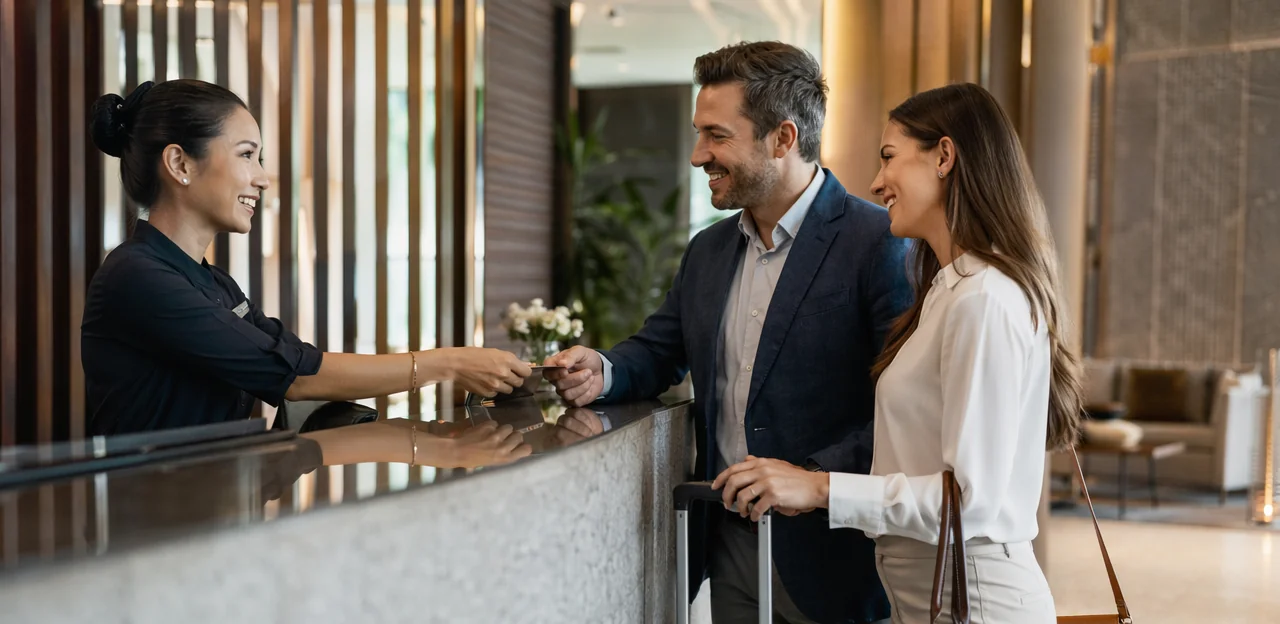
Spa loyalty program feedback can quickly reveal where the spa booking experience breaks down and why guests fail to return. Use feedback to pinpoint friction in key moments:
- Online booking: confusing menus, too many steps, poor mobile usability, or unclear service descriptions
- Front desk: long waits, inconsistent recommendations, or difficulty confirming changes
- Availability: limited preferred time slots or poor visibility into therapist options
- Checkout and rebooking: rushed payment flows or no clear prompt to book the next visit
Turn those insights into a stronger spa rebooking strategy by simplifying appointment scheduling spa tools, training staff to suggest the next visit, and adding one-click rebooking. Tools like Tapsy can help capture real-time feedback at these touchpoints. Smoother booking increases satisfaction, trust, and repeat visits.
Training staff to act on feedback in real time
Effective spa loyalty program feedback depends on every team member knowing how to respond in the moment:
- Therapists should spot repeat comments about pressure, ambience, timing, or add-ons and flag patterns after each treatment. This strengthens spa staff training and helps personalize future visits.
- Reception teams need clear scripts for fast issue handling, from delays to booking errors. Strong service recovery spa processes can turn a complaint into a positive rebooking opportunity.
- Managers should review daily trends, coach teams on recurring issues, and authorize recovery offers quickly.
Train the team to pair resolution with a front desk loyalty upsell, such as bonus points, a treatment upgrade, or a members-only rebooking incentive before the guest leaves.
Creating memorable moments that increase retention
Guest comments often reveal that emotional loyalty is built through small, repeatable details, not just the treatment itself. Using spa loyalty program feedback, spas can identify which moments most improve the spa guest experience and turn them into consistent client retention strategies.
- Refine welcome rituals, such as herbal tea, calming scents, or a personalized greeting.
- Use feedback to improve treatment customization based on pressure, music, temperature, or product preferences.
- Track which surprise perks, like mini upgrades or birthday touches, drive stronger wellness customer loyalty.
- Strengthen follow-up care with aftercare tips, rebooking reminders, and tailored offers.
Tools like Tapsy can help capture these insights in real time at key touchpoints.
Measuring the impact of spa loyalty program feedback
Key metrics to track after feedback-driven changes
Use a focused set of spa retention metrics and loyalty program KPIs to see whether spa loyalty program feedback is improving behavior and revenue:
- Rebooking rate: A core spa rebooking metric that shows whether guests return after service recovery or personalized offers.
- Repeat visit frequency: Measures how often members come back, signaling stronger habit and loyalty.
- Loyalty enrollment: Tracks whether feedback-triggered invitations convert satisfied guests into members.
- Reward redemption: High redemption suggests rewards are relevant and motivating.
- Average spend: Reveals whether loyalty members buy more treatments, upgrades, or retail.
- Review sentiment: Indicates if operational fixes are improving guest perception.
- Churn reduction: Confirms fewer clients are dropping off after negative or neutral experiences.
How to test and compare improvements
Use spa loyalty program feedback to run small, repeatable experiments instead of making broad changes all at once. For effective loyalty program testing, try one variable at a time:
- Offers: 10% off next treatment vs. free add-on upgrade
- Messages: SMS reminder vs. email follow-up
- Perks: bonus points vs. priority booking
Track results with spa marketing analytics, including redemption rate, rebooking rate, average spend, and member retention. Then compare performance across segments such as new members, high-value guests, lapsed clients, or frequent spa visitors.
This approach supports smarter offer optimization over time. Tools like Tapsy can help capture real-time feedback that makes each test more accurate and actionable.
Building a feedback loop for ongoing retention growth
To turn insights into long-term results, build a simple customer feedback loop around your spa loyalty program feedback:
- Collect feedback consistently after visits, redemptions, and rebookings using short surveys, SMS, or QR prompts.
- Spot patterns and prioritize fixes by focusing on issues that most affect repeat visits, member satisfaction, and upgrade uptake.
- Train teams on action steps so front desk, therapists, and managers know how to respond, recover service, and promote loyalty benefits clearly.
- Review results monthly by tracking rebooking rate, reward usage, and guest sentiment.
This repeatable retention improvement process supports smarter decisions, stronger loyalty, and sustainable spa business growth.
Best practices and common mistakes to avoid

Best practices for ethical, guest-friendly feedback collection
Strong spa loyalty program feedback starts with respect. Use these feedback collection best practices to protect spa client trust and support a smarter guest experience strategy:
- Ask at the right moment: Request feedback shortly after a treatment or at checkout, while details are fresh.
- Keep frequency light: Avoid surveying every visit; rotate requests so loyal guests do not feel pressured.
- Get clear consent: Explain why you’re collecting feedback and how it improves future visits and rewards.
- Protect privacy: Collect only necessary data and store it securely.
- Make it effortless: Use short mobile-friendly forms, QR codes, or tools like Tapsy for fast, no-app responses.
When feedback feels easy, transparent, and optional, trust grows alongside loyalty.
Mistakes that weaken loyalty and rebooking efforts
Common loyalty program mistakes often start with collecting spa loyalty program feedback and then failing to act on it. That breaks trust fast and worsens spa retention challenges.
- Asking, then ignoring: If guests share concerns but see no improvement, they are less likely to rebook.
- Overcomplicated rewards: Confusing point systems or hard-to-redeem perks reduce participation.
- Generic promotions: Sending the same offer to every client misses personal preferences and treatment history.
- Delayed follow-up: Waiting days to respond after a visit or cancellation weakens rebooking momentum.
- Poor negative review handling: A strong negative review response spa process should address issues quickly, empathetically, and with a clear recovery step.
A simple action plan for spa owners and managers
Use this 90-day loyalty action plan to turn spa loyalty program feedback into stronger retention:
- Weeks 1–2: Audit feedback channels
Review post-visit surveys, online reviews, SMS, front-desk notes, and therapist comments. Check where response rates are low or feedback arrives too late. - Weeks 3–4: Identify top issues
Group feedback into themes like booking friction, wait times, membership value, or service consistency. Focus on the top 2–3 issues affecting spa business retention. - Month 2: Update loyalty benefits
Add perks guests actually mention, such as faster rebooking, birthday upgrades, or bonus points after feedback. - Month 2–3: Train staff
Share common concerns, coach teams on recovery scripts, and encourage feedback requests at checkout. - Month 3: Measure results
Track rebooking rate, loyalty redemptions, repeat visits, and satisfaction trends. Tools like Tapsy can help capture real-time insights. These are practical spa management tips that support long-term growth.
Conclusion
In today’s wellness market, loyalty is built on more than points and perks—it’s built on listening. When spas actively collect and act on guest insights, they create experiences that feel more personal, responsive, and worth repeating. That’s why spa loyalty program feedback is so valuable: it helps you understand what guests love, where friction exists, and which incentives actually encourage rebooking.
By using feedback to refine treatments, improve service recovery, personalize offers, and reward engagement, spas can turn one-time visitors into long-term members. Just as importantly, feedback closes the loop between guest expectations and business decisions, making loyalty programs more relevant and effective over time. The result is stronger retention, higher rebooking rates, and a guest experience that keeps improving.
The next step is to make spa loyalty program feedback a consistent part of your client journey—from post-treatment surveys to reward-triggered follow-ups and rebooking prompts. Start by reviewing your current feedback channels, identifying common guest themes, and aligning loyalty rewards with what clients value most. If you want a simple way to capture real-time feedback and connect it to rewards, tools like Tapsy can help streamline the process.
Now is the time to turn guest opinions into lasting loyalty. Build a smarter feedback loop, optimize your program, and give clients more reasons to come back again and again.
Frequently Asked Questions
- Why is feedback so important for spa loyalty programs?
Feedback shows what guests value most, what causes friction, and what makes them hesitate to return. It helps spas move beyond generic discounts and build loyalty offers around real preferences, service quality, and rebooking intent.
- How can spa feedback increase repeat bookings?
Feedback helps identify obstacles such as long wait times, confusing benefits, or difficult scheduling that reduce return visits. When spas fix those issues quickly and follow up with relevant offers or reminders, rebooking becomes more likely.
- What kinds of loyalty rewards do spa guests usually find meaningful?
Useful rewards can include free add-ons, service upgrades, product samples, member-only pricing, priority booking, birthday treatments, or faster check-in. The best choice depends on what guests actually say they value and redeem.
- What common problems can guest feedback uncover in a spa rewards program?
Feedback often reveals unclear benefits, difficult redemption rules, weak personalization, inconsistent service, and poor post-visit follow-up. These issues can lower engagement and weaken trust even if the program offers attractive perks.
- Which feedback channels should spas use to improve loyalty and retention?
Strong options include post-treatment surveys, SMS check-ins, email questionnaires, front-desk conversations, and membership cancellation forms. Each channel captures different signals, from immediate satisfaction to longer-term reasons for churn or rebooking hesitation.
- Can spas learn about loyalty performance without relying only on surveys?
Yes, indirect signals can be very useful. Online reviews, referral patterns, no-show trends, package usage, and rebooking rates all help show whether guests feel engaged and whether loyalty efforts are working.
- What questions should a spa ask to get actionable loyalty feedback?
Good questions focus on reward value, service quality, booking convenience, personalization, and likelihood to return. Asking what would increase the chance of rebooking can also reveal practical improvements and better incentive ideas.
- How can spas use feedback to improve points, tiers, and redemption rules?
If guests find the program confusing, spas can simplify earn rates, reduce exclusions, and make progress easier to track. Feedback can also show when tier thresholds feel unrealistic or when blackout dates and expiration terms make rewards frustrating to use.
- How does personalization improve spa loyalty offers?
Personalization uses guest preferences, visit history, and treatment notes to shape more relevant outreach. That can include matching offers to favorite services, preferred therapists, seasonal habits, birthdays, or past satisfaction patterns instead of sending the same promotion to everyone.
- What role does communication play in loyalty and rebooking?
Clear communication helps guests understand their benefits before, during, and after the visit. Booking confirmations, point balance reminders, simple perk explanations, thank-you messages, and personalized rebooking prompts can all make loyalty feel more useful and timely.
- How can spas reduce friction in the booking and rebooking process?
Spas can simplify online booking, improve mobile usability, clarify service descriptions, and make therapist availability easier to see. At checkout, staff can prompt the next visit and support one-click rebooking to reduce effort and keep momentum high.
- How should spa staff respond to feedback in real time?
Therapists, reception teams, and managers should each have a clear role in spotting issues, resolving them quickly, and documenting patterns. Fast service recovery paired with a relevant loyalty incentive, such as bonus points or an upgrade, can help turn a negative moment into a rebooking opportunity.
- Which metrics should spas track after making feedback-driven loyalty changes?
Key metrics include rebooking rate, repeat visit frequency, loyalty enrollment, reward redemption, average spend, review sentiment, and churn reduction. Together, these measures show whether changes are improving retention, guest perception, and revenue-related behavior.
- What is the best way to test loyalty program improvements before making big changes?
Test one variable at a time, such as one offer, one message channel, or one perk. Then compare results across metrics like redemption rate, rebooking rate, average spend, and retention for different guest segments.
- How can Tapsy support spa feedback and loyalty efforts?
Tapsy is presented as a tool for capturing real-time feedback at key service touchpoints. It can help spas collect timely sentiment, support faster follow-up, and connect guest insights to loyalty design, service recovery, and rebooking efforts.