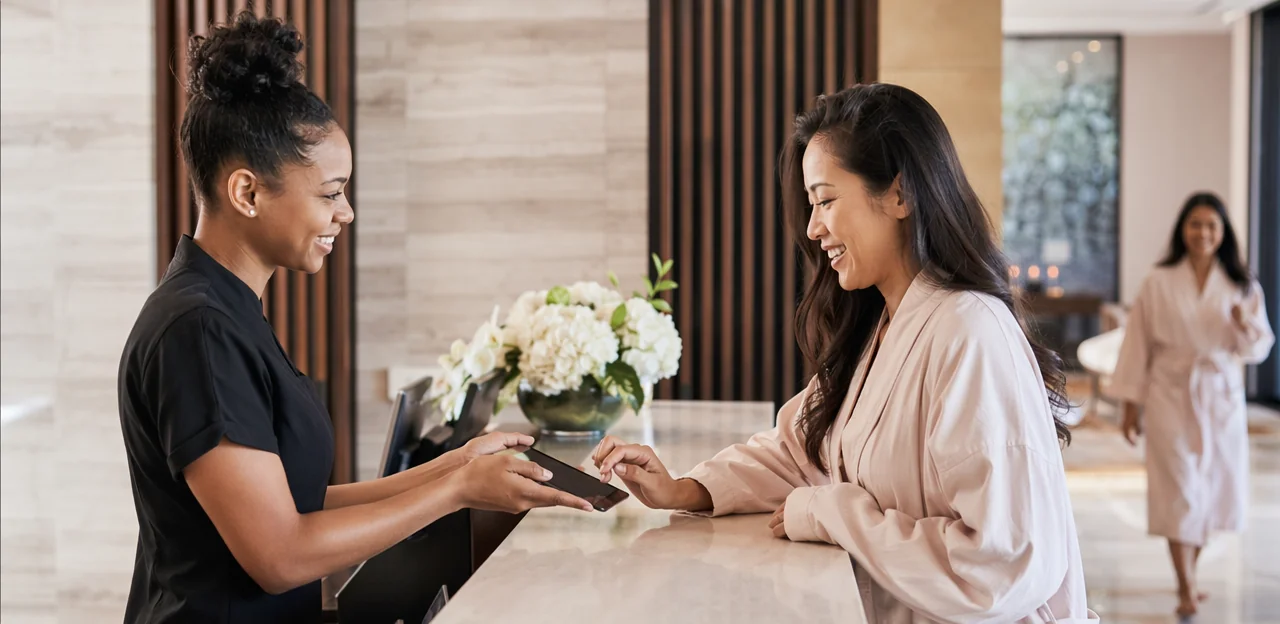
A single disappointing moment can undo an otherwise exceptional spa visit. A long wait at reception, a treatment room that feels less than spotless, or a therapist-client mismatch may seem minor in the moment, but if those issues go unnoticed, they can quickly turn into damaging online reviews. In an industry built on trust, comfort, and personal care, preventing negative feedback starts long before a guest posts publicly.
That is why spa review prevention depends on collecting client feedback while the experience is still fresh and actionable. When spas create simple, timely ways for guests to share concerns during or immediately after their visit, they gain the chance to resolve issues in real time, recover the experience, and protect their reputation. Instead of learning about a problem days later on Google or Tripadvisor, teams can respond when it still matters.
This article will explore how spas can use timely client feedback to improve guest experience, reduce the risk of bad reviews, and strengthen long-term loyalty. It will also cover the best moments to ask for feedback, what questions to ask, how to route issues to the right staff members, and how tools like Tapsy can help spas capture and act on feedback before dissatisfaction becomes public.
Why Timely Feedback Matters for Spa Review Prevention

How bad reviews develop after spa visits
Negative spa reviews rarely come from one issue alone. They usually build when small frustrations go unaddressed during the visit. For effective spa review prevention, spas should watch for these common triggers:
- Unmet expectations: The treatment, ambience, or results do not match what was promised online or at booking.
- Service delays: Long waits at check-in, late therapists, or rushed treatments can leave guests feeling undervalued.
- Staff communication issues: Unclear explanations, impersonal service, or poor handling of concerns often fuel spa guest complaints.
- Cleanliness concerns: Untidy locker rooms, treatment spaces, or shared facilities quickly damage trust.
- Unresolved complaints: If a guest leaves without a solution, frustration often turns into negative spa reviews later.
Real-time feedback tools, such as Tapsy, can help teams catch issues before guests post publicly.
The link between feedback timing and review outcomes
When spas ask for timely client feedback during checkout or within minutes of the appointment, they create a critical window to fix problems before they become public complaints. This is the core of effective spa review prevention: respond while the experience is still fresh and recovery is still possible.
- Catch issues early: Delays in service, therapist mismatch, room temperature, or cleanliness concerns can be addressed immediately.
- Recover the experience: A sincere apology, quick follow-up, or small service recovery can often prevent bad reviews.
- Improve review management for spas: Private, real-time feedback helps teams resolve concerns internally instead of discovering them later on Google or Yelp.
Use short SMS, QR, or checkout surveys with instant alerts for low ratings. Tools like Tapsy can help spas collect and act on feedback in real time.
Business impact of proactive guest listening
Proactive feedback collection is a practical spa review prevention strategy because it helps teams fix issues before frustration turns into a public complaint. When spas gather input during or immediately after treatments, they can protect the guest experience, respond faster, and strengthen spa reputation management.
- Protects reputation: Resolve concerns about cleanliness, wait times, or service quality before guests leave negative reviews.
- Supports client retention: Quick follow-up shows clients they are heard, increasing loyalty and reducing churn.
- Drives repeat bookings: Positive recovery experiences often lead to rebooking, referrals, and stronger lifetime value.
- Builds trust: Consistent listening makes clients feel valued, which improves confidence in your brand.
Use short, timely surveys at key touchpoints, and consider tools like Tapsy to capture fresh feedback and act fast.
Build a Client Feedback System Across the Spa Journey
Key feedback touchpoints before, during, and after appointments
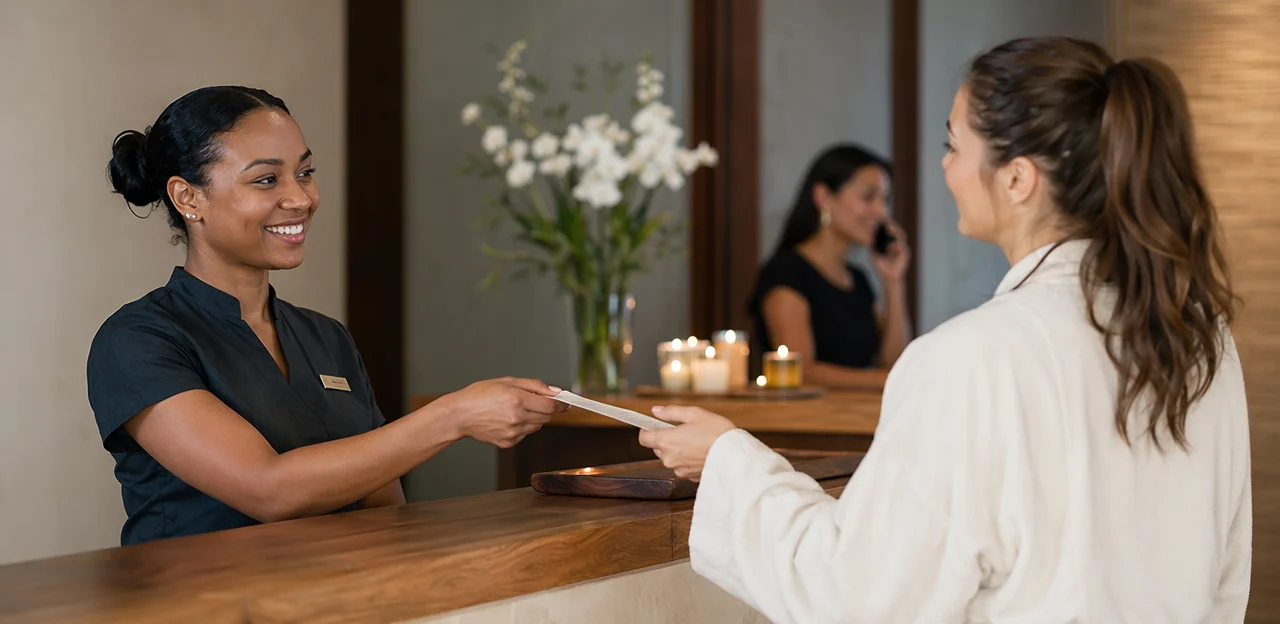
To make spa review prevention effective, spas need a client feedback system that captures concerns at the right moment across the spa customer journey. Focus on these high-impact guest experience touchpoints:
- At booking: Ask one quick question in the confirmation flow, such as treatment goals, preferences, or concerns. This helps staff personalize service before arrival.
- At check-in: Give clients an easy way to flag wait times, cleanliness, noise, or reception issues before they affect the visit.
- During treatment: Encourage therapists to check in briefly on comfort, pressure, temperature, and expectations. Small adjustments can prevent dissatisfaction from building.
- At treatment completion: Request immediate feedback while the experience is fresh, ideally before the client leaves.
- Post-visit follow-up: Send a short SMS or email survey within 2–24 hours to catch unresolved issues privately before they become public reviews.
Tools like Tapsy can help collect fast, in-the-moment feedback at these touchpoints.
Best channels for collecting spa client feedback
Choosing the right channel is central to spa review prevention because clients respond best when feedback feels easy and timely. A strong spa feedback survey strategy often uses more than one option:
- SMS feedback: Best for speed and high response rates after appointments. Use short surveys for quick ratings and issue flags.
- Email: Better for longer follow-up questions, package feedback, or loyalty insights, but responses are usually slower.
- QR codes: Ideal at reception, treatment exits, or lounges for instant, no-app feedback. Tools like Tapsy can make this simple.
- In-person check-ins: Great for catching concerns before clients leave, especially after premium treatments.
- Kiosks: Useful in high-traffic spas where staff are busy, but keep questions minimal.
- Private client surveys: Best for sensitive topics like therapist preference, cleanliness, or comfort.
Match channels to client habits and staff workflows: use SMS feedback for convenience, QR for on-site moments, and private client surveys for deeper, discreet insight.
Questions that uncover issues before they become reviews
For effective spa review prevention, keep your spa satisfaction survey short, specific, and easy to answer right after the visit. The best customer feedback questions uncover friction early without making clients fill out a long form.
- How satisfied were you with your treatment today?
A simple rating highlights overall experience gaps fast. - Was everything clean, comfortable, and relaxing throughout your visit?
This surfaces environment issues that often lead to negative reviews. - Did our team make you feel welcomed, listened to, and cared for?
Helpful for spotting service quality concerns. - Was any part of your visit disappointing or below expectations?
One of the most useful service recovery questions for identifying problems before clients post publicly. - Would you like us to follow up about your experience?
This creates a direct path for recovery.
Tools like Tapsy can help spas collect these answers in real time and act before dissatisfaction turns into a review.
Turn Feedback Into Fast Service Recovery

How staff should respond to unhappy clients in real time
Strong spa review prevention starts with a clear, immediate response process. Effective spa complaint handling should feel calm, personal, and solution-focused:
- Front desk teams: Acknowledge the issue right away, thank the client for speaking up, and apologize without becoming defensive. Confirm the concern and log it for client experience management.
- Therapists: Listen with empathy, avoid excuses, and offer a practical fix when possible, such as adjusting pressure, room temperature, music, or treatment timing.
- Managers: Step in quickly for escalated concerns, take ownership, and provide appropriate service recovery—for example, a treatment adjustment, partial refund, or rebooking.
Set a goal to respond within minutes, not hours. Tools like Tapsy can help teams capture live feedback and route issues before they become negative reviews.
Escalation paths for serious guest experience issues
Clear guest issue escalation rules help teams resolve problems before they turn into public complaints. For strong spa review prevention, staff should know exactly when to involve a supervisor, manager, or owner.
- Billing disputes: Escalate immediately when charges are unclear, duplicated, or challenged after explanation at the front desk.
- Safety concerns: Report slips, allergic reactions, sanitation issues, harassment, or equipment problems to management at once.
- Treatment dissatisfaction: If a guest reports pain, poor results, or a therapist mismatch, a supervisor should step in before checkout.
- Event-related failures: In event experience management, escalate delays, booking errors, group coordination issues, or missing amenities that affect multiple guests.
Use a simple alert workflow, or tools like Tapsy, to flag urgent wellness service complaints in real time and assign ownership fast.
Follow-up messages that reduce public complaints
A fast, thoughtful follow-up after complaint can turn frustration into trust and support effective spa review prevention. Keep every message personal, calm, and solution-focused.
- Start with a sincere apology: Use clear language such as, “I’m sorry your visit didn’t meet the standard you expected.”
- Reference the specific issue: Mention the treatment, timing, staff interaction, or cleanliness concern so the client feels heard.
- Offer a practical resolution: Depending on the problem, provide a redo, refund, service credit, or manager callback. This strengthens your review prevention strategy.
- Move the discussion offline: Invite them to continue by phone or email for private complaint resolution, for example: “We’d appreciate the chance to make this right privately.”
Tools like Tapsy can help spas catch concerns early and respond before they become public reviews.
Train Teams to Support Review Management and Client Experience

Create a feedback-first culture in the spa
A strong feedback culture starts with leadership. Managers should make client input part of daily operations, not just something reviewed after a negative post appears online. For effective spa review prevention, train teams to invite honest comments in the moment and respond without defensiveness.
- Build feedback prompts into check-in, treatment follow-up, and checkout
- Include complaint handling in spa team training so staff see concerns as service recovery opportunities
- Review patterns in feedback during daily huddles to improve review management
- Reward employees for resolving issues quickly, not for avoiding complaints
Tools like Tapsy can help spas capture real-time feedback before frustration turns into bad reviews.
Scripts for front desk and service providers
Simple, human spa staff scripts help teams collect feedback early and support spa review prevention before small issues turn into public complaints. Use short prompts in your guest experience training:
- At check-in: “Welcome in. If anything feels off during your visit, please tell us right away so we can make it better.”
- Mid-service check: “How is the pressure, temperature, and comfort so far? I’m happy to adjust anything.”
- At checkout: “Thanks for visiting us today. We always ask for client feedback—was everything up to your expectations?”
- If there’s a concern: “Thank you for telling me. I’m sorry that missed the mark. Let me fix this for you now.”
Tools like Tapsy can also help capture quick, in-the-moment feedback.
Use feedback data for coaching and quality improvement
To strengthen spa review prevention, spas should turn client comments and ratings into clear coaching opportunities. Use feedback analytics to spot patterns by:
- Service: identify recurring complaints tied to massages, facials, or add-ons
- Provider: highlight coaching needs while recognizing top performers
- Shift: uncover issues linked to staffing levels, wait times, or handoffs
- Location: compare cleanliness, ambiance, and service consistency across sites
This approach supports ongoing quality improvement in daily spa operations. Review trends weekly, share findings with team leads, and create targeted action plans. Tools like Tapsy can help organize real-time feedback so managers can reduce repeat issues and improve the overall client experience.
Use Technology to Prevent Bad Reviews at Scale

Automate feedback requests without losing personalization
Automated feedback requests work best when they feel timely, specific, and human. For strong spa review prevention, use your spa CRM to trigger personalized surveys based on the client journey, not a generic batch send.
- Use client details: Include the guest’s name, therapist, and service type, such as a facial or deep tissue massage.
- Set smart timing rules: Send surveys 1–3 hours after treatment, or the next morning for longer services, so feedback feels respectful.
- Segment by visit type: First-time guests, members, and high-value clients may need different messaging.
- Flag low scores instantly: Route negative feedback to staff for fast recovery before it becomes a public review.
Tools like Tapsy can support fast, no-app feedback collection at the right moment.
Set alerts for low scores and urgent complaints
Real-time visibility is essential for spa review prevention. When a guest submits poor feedback during or right after a treatment, real-time feedback alerts help managers step in before frustration turns into a public complaint.
- Set low survey score alerts for ratings below your chosen threshold, such as 3 stars or less.
- Trigger instant notifications for urgent issues like cleanliness, staff attitude, wait times, or billing problems.
- Route alerts to the right person so reception, therapists, or managers can respond fast.
- Follow up immediately with an apology, a fix, or a recovery offer.
This quick action supports negative review prevention by resolving problems while the client is still on-site. Tools like Tapsy can help automate this process.
Track metrics that show review prevention success
To measure spa review prevention, track a small set of review management metrics and client satisfaction KPIs consistently:
- Response rate: How many clients complete your feedback request after a visit.
- Complaint resolution time: Measure how quickly staff acknowledge and fix issues.
- Repeat visit rate: A strong sign that concerns were handled well and trust was restored.
- Review volume: Monitor whether more satisfied clients are leaving public reviews.
- Rating trends: Watch weekly or monthly average ratings for early warning signs.
- Recovered at-risk clients: Count clients who gave low private feedback but later rebooked or improved their rating.
Good spa performance tracking turns feedback into action. Tools like Tapsy can help teams capture real-time sentiment and spot issues before they become negative reviews.
Best Practices for Ethical Review Management in Wellness Businesses

Encourage honest feedback without pressuring clients
For effective spa review prevention, invite feedback in a way that feels transparent, optional, and respectful. Ethical requests protect trust and support stronger wellness business reviews over time.
- Ask every client consistently, not just visibly happy guests, to support ethical review management.
- Offer two clear paths: a public review on major platforms and a private channel for concerns or suggestions.
- Use neutral language such as “We’d love your honest client feedback” instead of asking for only positive reviews.
- Never offer rewards in exchange for favorable ratings or try to screen out unhappy clients.
- Simple tools like Tapsy can help collect fresh, private feedback quickly and route issues internally before they escalate.
Handle reviews professionally when prevention fails
Even with strong spa review prevention, some public complaints will happen. What matters next is how you respond to negative reviews.
- Reply promptly and calmly: Thank the client, acknowledge their experience, and avoid sounding defensive.
- Protect privacy: Never discuss treatment details, health information, or booking specifics in public.
- Show accountability: Use clear language such as “We’re sorry to hear this” and explain that the issue is being reviewed.
- Take it offline: Invite the guest to contact a manager directly so you can resolve the matter privately.
- Demonstrate improvement: Strong professional review responses reassure future clients that your spa takes feedback seriously and protects your spa online reputation.
If you use tools like Tapsy to gather feedback early, fewer issues reach review sites.
Adapt strategies for memberships, packages, and spa events
Spa review prevention should match the client journey, not rely on one generic survey. Expectations are different when experiences unfold across multiple visits or touchpoints.
- Memberships: Collect membership client feedback regularly, not just after one appointment. Track trends in therapist consistency, booking ease, and perceived value over time.
- Packages: For spa package reviews, ask for quick feedback after each element—massage, facial, lounge, and checkout—so one weak step does not spoil the whole package.
- Group bookings and event experience: Capture sentiment at key moments like arrival, treatment timing, refreshments, and departure to protect the full event experience.
- Use real-time tools such as Tapsy to flag issues before clients post public reviews.
Conclusion
In today’s wellness market, protecting your reputation starts long before a guest posts a public complaint. The most effective approach to spa review prevention is simple: ask for feedback while the experience is still fresh, make it easy for clients to respond, and act quickly when something feels off. From treatment quality and cleanliness to wait times, staff communication, and checkout flow, timely feedback helps spas spot friction points early and resolve concerns before they turn into damaging reviews.
Just as importantly, real-time insights help teams improve the overall guest journey, strengthen trust, and create more consistent five-star experiences. When clients feel heard in the moment, they are far more likely to give your spa a second chance—and far less likely to share frustration publicly. That’s what makes spa review prevention not just a reputation strategy, but a client experience strategy too.
The next step is to build a simple feedback process into your existing touchpoints, such as reception, treatment rooms, and post-service follow-ups. Consider using tools like Tapsy to capture instant, no-app feedback and flag issues quickly. Audit your current review risks, train staff on service recovery, and track recurring themes over time. The faster you listen and respond, the better you can protect your brand and turn feedback into long-term loyalty.
Frequently Asked Questions
- Why is timely client feedback so important for preventing bad spa reviews?
Timely feedback gives spa teams a chance to fix problems while the visit is still fresh and recoverable. If issues like delays, cleanliness concerns, or a therapist mismatch are addressed right away, they are less likely to become public complaints later.
- What usually causes negative reviews after a spa visit?
Negative reviews often build from small frustrations that go unresolved during the visit. Common triggers include unmet expectations, service delays, poor staff communication, cleanliness concerns, and complaints that are never properly handled.
- When should a spa ask guests for feedback?
The best moments are at booking, check-in, during treatment, at treatment completion, and in a short follow-up 2 to 24 hours after the visit. These touchpoints help catch concerns early and keep feedback actionable.
- Which feedback channels work best for spa clients?
SMS works well for fast post-appointment responses, while email is better for longer follow-up questions. QR codes are useful on-site, in-person check-ins help catch issues before guests leave, kiosks can support busy locations, and private surveys are helpful for sensitive topics.
- What questions should a spa include in a short feedback survey?
Useful questions cover overall satisfaction, cleanliness and comfort, whether the team felt welcoming and attentive, whether anything was disappointing, and whether the client wants follow-up. These prompts are short but specific enough to uncover issues before they turn into reviews.
- How should front desk staff respond when a guest raises a concern?
Front desk teams should acknowledge the issue immediately, thank the guest for speaking up, and apologize without becoming defensive. They should confirm the concern, log it clearly, and help move the issue toward a practical resolution.
- What can therapists do during a service to reduce the risk of complaints?
Therapists can check in briefly on pressure, temperature, comfort, and expectations during the treatment. Small adjustments made in the moment can prevent dissatisfaction from building and improve the overall experience.
- When should a spa escalate a guest issue to a manager or supervisor?
Serious issues should be escalated quickly, especially billing disputes, safety concerns, treatment dissatisfaction involving pain or poor results, and event-related failures affecting multiple guests. Clear escalation rules help staff know when management needs to step in before checkout.
- What should a follow-up message say after a client complaint?
A good follow-up starts with a sincere apology and references the specific issue so the client feels heard. It should also offer a practical resolution, such as a redo, refund, service credit, or manager callback, and invite the conversation offline.
- How can a spa create a feedback-first culture among staff?
Managers should make feedback part of daily operations by building prompts into check-in, treatment follow-up, and checkout. Teams should be trained to see complaints as service recovery opportunities, review patterns in daily huddles, and be recognized for resolving issues quickly.
- What are some simple scripts staff can use to ask for feedback?
At check-in, staff can invite guests to speak up if anything feels off so it can be fixed quickly. During service, therapists can ask about pressure, temperature, and comfort, and at checkout, teams can ask whether everything met expectations and respond immediately if it did not.
- How can spas use feedback data to improve service quality?
Feedback can be reviewed by service, provider, shift, and location to spot recurring patterns. Weekly trend reviews and targeted action plans help managers coach staff, improve consistency, and reduce repeat issues.
- How should automated feedback requests be set up without feeling generic?
Automated requests should be tied to the client journey and include details like the guest's name, therapist, and service type. Timing should also be thoughtful, such as 1 to 3 hours after treatment or the next morning for longer services, with different messaging for different visit types.
- What metrics show whether a spa's review prevention strategy is working?
Useful metrics include feedback response rate, complaint resolution time, repeat visit rate, review volume, rating trends, and the number of at-risk clients who later rebook or improve their rating. Tracking these consistently helps teams turn feedback into measurable action.
- What is the ethical way to encourage reviews and handle public complaints?
Spas should ask all clients consistently, use neutral language, and offer both a public review option and a private channel for concerns. They should never pressure guests or offer rewards for positive ratings, and when a public complaint appears, they should reply calmly, protect privacy, show accountability, and move the discussion offline.