
In today’s dining landscape, great food and friendly service are only part of what keeps guests coming back. For independent restaurants and small chains, every table turn, takeaway order, and online review can shape reputation, revenue, and long-term loyalty. That’s why having a clear restaurant feedback strategy is no longer optional—it’s a practical way to understand what guests really experience and respond before small issues become lasting damage.
A strong feedback approach helps restaurants move beyond occasional comment cards or passive review monitoring. It creates a system for collecting timely insights, spotting recurring operational problems, improving service consistency, and turning guest opinions into meaningful action. Whether the challenge is slow service, order accuracy, staff communication, or overall atmosphere, the right strategy can reveal what matters most to customers.
This article explores how independent restaurants and growing small chains can build a restaurant feedback strategy that is simple, actionable, and cost-effective. We’ll look at the best moments to collect feedback, how to encourage more responses, what to measure, and how to use guest insights to improve customer experience and daily operations. Where relevant, tools like Tapsy can also support real-time, touchpoint-based feedback collection that helps teams act faster.
Why Restaurant Feedback Matters for Growth
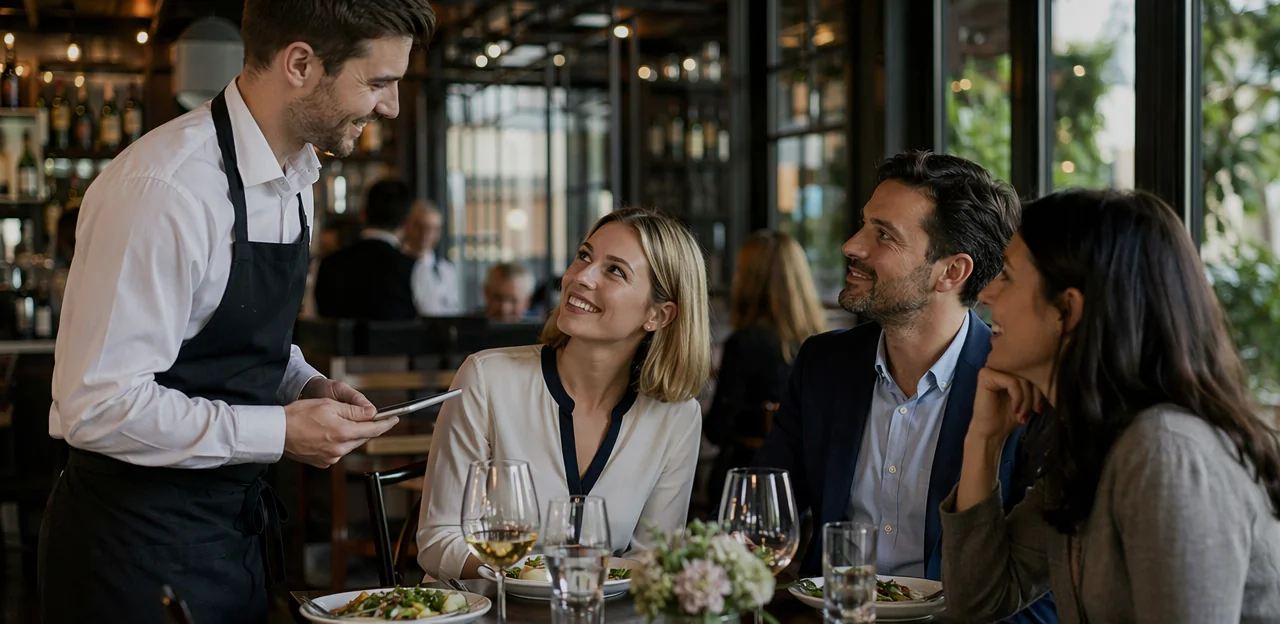
Guest feedback shows exactly which moments shape the restaurant customer experience: food quality, wait times, staff warmth, order accuracy, and value. When independent restaurants listen closely, they can turn insights into stronger guest loyalty and more repeat customers.
- Spot satisfaction drivers: Track which comments appear most often to learn what keeps guests coming back.
- Fix issues fast: Small operators can act on feedback quicker than large brands, improving service before problems become bad reviews.
- Strengthen referrals: Guests who feel heard are more likely to recommend your restaurant to friends and post positive reviews.
A smart restaurant feedback strategy helps smaller restaurants compete through better hospitality, faster improvements, and more personal service.
How feedback supports restaurant operations
A strong restaurant feedback strategy helps owners spot patterns that daily service can hide. Comments about wait times, food quality, cleanliness, and staff interactions often point directly to gaps in restaurant operations and opportunities to improve service quality.
- Wait times: reveal bottlenecks in seating, ordering, kitchen pacing, or payment flow
- Food quality: highlights consistency issues, prep errors, or supplier problems
- Cleanliness: exposes missed checklists in dining areas, restrooms, or kitchen routines
- Staff interactions: shows where training, communication, or shift handovers need work
Turn feedback into operational improvements by tagging issues, reviewing trends weekly, and assigning actions to both front-of-house and back-of-house teams. Tools like Tapsy can help capture real-time input at key touchpoints.
Independent operators often face the same customer feedback challenges: not enough time, too many channels, and no simple process for turning comments into action. A practical restaurant feedback strategy should reduce complexity, not add to it.
- Limited staff time: Busy teams cannot manage long surveys or manual follow-up.
- Inconsistent feedback collection: Comments come from receipts, social media, review sites, and casual conversations, making patterns hard to spot.
- Low response rates: Guests ignore generic surveys, especially after they leave.
- Difficulty acting on data: Without a clear owner or routine, useful insights get lost.
For small restaurant management, the fix is a repeatable feedback collection system: use one or two channels, ask short questions, review responses weekly, and assign actions immediately.
How to Build a Restaurant Feedback Strategy

Set clear goals for your feedback program
A strong restaurant feedback strategy starts with clear priorities. Before collecting comments, decide what you want feedback to improve and how success will be measured. This keeps your team focused and turns guest opinions into operational action.
Define customer feedback goals around your biggest business needs, such as:
- Service speed: reduce wait times for seating, ordering, or food delivery
- Food consistency: improve taste, portion size, and presentation across shifts
- Online ratings: increase average review scores on Google or Tripadvisor
- Guest retention: encourage more repeat visits and loyalty sign-ups
Tie each goal to specific restaurant KPIs so feedback supports real outcomes. For example:
- Lower average ticket-to-table time by 15%
- Raise review ratings from 4.1 to 4.5 stars
- Cut complaints about order accuracy by 20%
- Increase repeat customer visits over 90 days
Tools like Tapsy can help capture real-time feedback at key touchpoints, making it easier to track progress against these goals.
Choose the right feedback channels
A strong restaurant feedback strategy uses the channels your guests will actually respond to, not every option at once. Match each method to your service style, audience, and team capacity:
- In-person conversations and table touches: Best for full-service restaurants where managers can spot issues and recover service immediately.
- QR code feedback: Ideal for fast-casual, cafés, food halls, and busy dining rooms. A short restaurant survey on menus, table tents, or payment stations captures fresh feedback with minimal staff effort.
- Email follow-ups: Useful for reservations, events, and loyalty members when you already collect guest data.
- SMS requests: Effective for high open rates, but keep messages short and only use them with clear consent.
- Receipts: Great for takeaway and counter service; add a survey link or QR code.
- Review platforms and online reviews: Essential for public reputation, but slower for service recovery.
If staff time is limited, prioritize low-friction tools like QR code feedback or a simple platform such as Tapsy to capture and route issues quickly.
Ask better questions to get useful insights
A strong restaurant feedback strategy starts with better wording. Generic prompts like “How was everything?” rarely produce useful answers. Instead, use short, specific customer survey questions that point to operational fixes.
- Food quality: “Was your food served at the right temperature?” or “Did your meal match the menu description?”
- Speed of service: “How long did you wait before ordering?” or “Was your food delivered within a reasonable time?”
- Cleanliness: “How clean was your table, restroom, or dining area?”
- Value: “Did the meal feel worth the price you paid?”
- Overall experience: “What is the one thing we could improve before your next visit?”
Good guest feedback questions should focus on one topic at a time, avoid vague language, and make responses easy to compare across shifts or locations. Smart restaurant survey design often combines a rating scale with one optional comment box, helping independent restaurants and small chains spot patterns and act quickly.
Best Ways to Collect Guest Feedback Consistently

In-store and on-premise feedback methods
A strong restaurant feedback strategy should capture in-restaurant feedback while the experience is still fresh. The best methods are simple, visible, and timed to the guest journey:
- Table touch feedback: Managers or servers can make brief table visits during the meal to spot issues early and fix them before guests leave.
- Comment cards: Keep them short, with 2–4 questions and space for one open comment. Drop them with the bill to improve completion rates.
- Kiosk prompts: Place quick rating stations near exits or counters for immediate reactions after dining.
- QR codes on menus or receipts: Let guests scan and respond in seconds; tools like Tapsy can support fast, no-app collection.
Timing matters: mid-meal feedback helps service recovery, while right-after-visit responses often produce more accurate overall impressions.
Digital feedback after the visit
A strong restaurant feedback strategy should extend beyond the table. Post-visit outreach often captures more thoughtful, detailed responses because guests have time to reflect on service, food quality, and value.
- Email survey: Send a short post-dining survey within 2–24 hours of the visit. Keep it to 3–5 questions and include one open comment field.
- SMS feedback: Use text messages for faster response rates. A simple rating link works well for casual dining and takeaway orders.
- Loyalty app prompts: Ask members for quick feedback after points are added or a receipt is logged.
- Reservation follow-ups: If guests booked online, trigger an email survey after the reservation closes.
This approach helps restaurants spot issues early, recover unhappy guests directly, and reduce the chance of negative public reviews.
Encouraging more responses without annoying guests
A strong restaurant feedback strategy increases your survey response rate by making customer feedback collection fast, relevant, and easy to complete. Focus on low-effort touchpoints that support better guest engagement:
- Keep surveys short: Ask 1–3 core questions, with one optional comment box.
- Make them mobile-friendly: Use QR codes on receipts, table tents, or takeaway packaging so guests can respond in seconds.
- Train staff on the ask: Encourage servers to invite feedback politely at natural moments, such as after payment or as guests leave.
- Offer low-friction incentives: Small rewards like a future discount, free side, or loyalty points can lift participation without feeling pushy.
- Time requests well: Send follow-ups soon after the visit, while the experience is still fresh.
Tools like Tapsy can help streamline in-the-moment responses.
Turning Feedback Into Better Customer Experience

How to analyze feedback for patterns and priorities
A strong restaurant feedback strategy turns comments into clear action. Start by tagging every review, survey response, and direct complaint by theme:
- Food: taste, portion size, consistency, menu variety
- Service: speed, friendliness, order accuracy
- Atmosphere: noise, seating comfort, lighting
- Cleanliness: tables, restrooms, dining area
- Value: pricing, promotions, perceived quality
This type of feedback analysis helps independent restaurants spot recurring issues instead of reacting to one-off opinions. Next, prioritize improvements using three filters:
- Frequency: How often does the issue appear?
- Severity: Does it damage the guest experience immediately?
- Business impact: Could it affect repeat visits, reviews, or average spend?
Track these themes alongside restaurant performance metrics such as table turns, complaint volume, and review scores. Tools like Tapsy can also help capture faster customer experience insights at key touchpoints.
Responding to complaints and negative reviews effectively
A strong restaurant feedback strategy depends on fast, calm, and thoughtful follow-up. Whether handling a direct complaint or responding to negative reviews, use a consistent process:
- Reply quickly: Aim to acknowledge private complaints within hours and public reviews within 24–48 hours.
- Lead with empathy: Thank the guest, recognize their frustration, and avoid defensive language.
- Take accountability: If your team missed the mark, say so clearly and explain what you will fix.
- De-escalate privately: For complex issues, invite the guest to continue by phone or email so details are handled respectfully.
- Protect brand reputation: Keep public responses polite, brief, and professional so future diners see your standards.
An effective customer complaint response should also include a practical recovery step, such as a remake, refund, or invitation to return. Tools like Tapsy can help catch issues early, supporting better restaurant reputation management before complaints become damaging reviews.
Closing the loop with staff and guests
A strong restaurant feedback strategy only works when insights lead to visible action. Closing the feedback loop helps managers improve operations, supports better staff training, and strengthens guest trust.
- Share trends weekly: Give managers and frontline teams a simple summary of top praise points, recurring complaints, and location-specific patterns.
- Turn feedback into coaching: Use real guest comments in pre-shift huddles to reinforce service standards, menu knowledge, and recovery steps.
- Recognize wins publicly: Celebrate positive mentions of servers, hosts, or kitchen teams to boost morale and repeat great behavior.
- Tell guests what changed: Use table talkers, social posts, email updates, or signage to say, “You asked, we improved.”
When guests see cleaner dining rooms, faster service, or updated menus based on their input, they are more likely to trust your brand and share feedback again. Tools like Tapsy can help make this process faster and more visible.
Feedback Strategy Tips for Independent Restaurants and Small Chains
What independent restaurants should focus on first
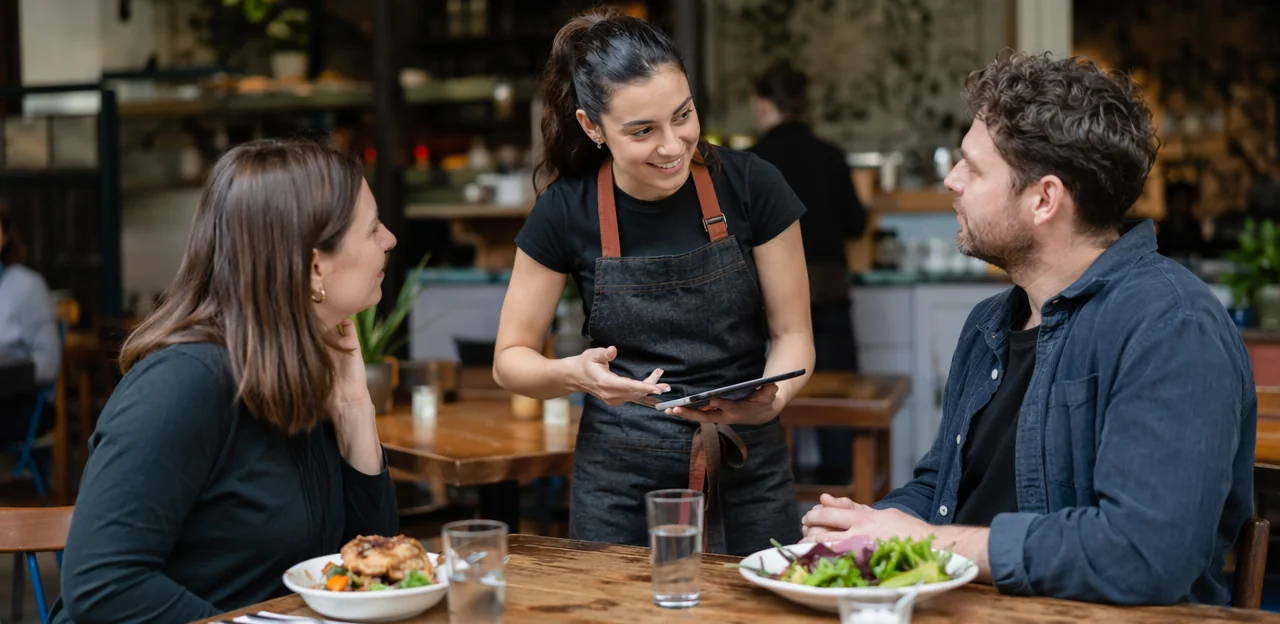
For most single-location operators, an effective restaurant feedback strategy should stay lean and repeatable. The best independent restaurant strategy is to collect just enough feedback to act quickly, without creating extra admin work.
- Use one or two channels only: for example, Google reviews plus a simple QR code survey at the table or receipt.
- Create a basic review routine: check feedback daily, reply to public reviews, and flag urgent service issues immediately.
- Set 3 monthly priorities max: focus on recurring themes like wait times, food consistency, or staff friendliness.
This approach makes small restaurant feedback manageable and useful. In local restaurant marketing, consistency beats complexity: fewer tools, clear habits, and steady improvements usually deliver better results than an overbuilt system.
For small chain restaurants, consistency should come from structure, not rigidity. A strong restaurant feedback strategy gives every location the same core system while preserving room for local action.
- Use shared survey templates with a common set of questions on food, service, speed, cleanliness, and value.
- Standardize reporting categories so teams can compare multi-location feedback across sites and spot brand-wide trends quickly.
- Create response guidelines for refunds, apologies, follow-up timing, and escalation paths to keep service recovery consistent.
- Leave space for local notes so managers can tag neighborhood-specific issues such as parking, lunch rush patterns, local events, or delivery delays.
This balance helps owners benchmark performance while still capturing the location-level insights that drive smarter decisions.
Tools and metrics to track success
A strong restaurant feedback strategy works best when you track a few clear customer satisfaction metrics consistently:
- Review volume: shows whether enough guests are leaving feedback.
- Average rating: tracks overall sentiment across Google, Yelp, and delivery apps.
- Response rate: measures how often your team replies to reviews.
- Complaint resolution time: shows how quickly issues are handled.
- Repeat visit rate: links feedback efforts to loyalty and revenue.
- Common issue categories: such as service speed, food quality, cleanliness, or staff attitude.
For practical restaurant analytics, start with a spreadsheet or dashboard fed by POS integrations, survey tools, and review management tools. Review management platforms can centralize ratings and responses, while tools like Tapsy can help capture real-time feedback before a bad experience becomes a public review.
Common Mistakes to Avoid and Final Action Plan

- Common feedback strategy mistakes can quietly undermine a strong restaurant feedback strategy:
- Asking too many questions, which lowers response rates and creates restaurant survey errors
- Collecting feedback but failing to act on it, causing trust and customer experience problems
- Ignoring negative reviews instead of responding and fixing root causes
- Failing to train staff on service recovery
- Tracking too many metrics without clear priorities or accountability
A simple 30-day implementation plan
- Week 1: Define goals, key touchpoints, and your customer feedback system.
- Week 2: Set up QR, table, takeaway, and receipt feedback collection; tools like Tapsy can help streamline feedback implementation.
- Week 3: Train staff to invite feedback, handle complaints, and log patterns.
- Week 4: Review trends, assign owners, and act on 1–2 quick wins.
This restaurant action plan turns your restaurant feedback strategy into measurable improvements fast.
What long-term success looks like
A mature restaurant feedback strategy turns guest input into a reliable restaurant growth strategy:
- Build stronger guest relationships by responding quickly and showing customers their feedback matters.
- Use patterns in comments and ratings to drive continuous improvement in service, menu, and staffing.
- Resolve issues early, boosting guest satisfaction and generating more positive reviews.
- Track trends monthly to support smarter decisions, stronger retention, and sustainable growth.
Conclusion
A strong restaurant feedback strategy is no longer optional for independent restaurants and small chains—it is a practical way to protect guest satisfaction, improve operations, and grow repeat business. By collecting feedback at the right moments, making it easy for guests to respond, and acting quickly on what you learn, restaurants can spot service gaps early, recover poor experiences before they become public reviews, and make smarter decisions across food quality, staff performance, speed of service, and overall customer experience.
The most effective restaurant feedback strategy is simple, consistent, and action-driven. That means choosing the right channels, tracking trends by location or shift, training teams to respond, and closing the loop with guests whenever possible. Over time, this creates a stronger reputation, better loyalty, and a clearer view of what your customers truly value.
Now is the time to review your current process and strengthen your restaurant feedback strategy with clear goals, fast response workflows, and measurable KPIs. Start by auditing your guest touchpoints, identifying common pain points, and testing tools that support real-time feedback collection. If you want a streamlined way to capture in-the-moment insights, a solution like Tapsy can be a useful example to explore. The sooner you listen better, the faster you can improve every guest experience.
Frequently Asked Questions
- What is a restaurant feedback strategy for independent restaurants and small chains?
A restaurant feedback strategy is a clear system for collecting guest opinions, spotting patterns, and turning them into action. It helps smaller operators improve service, food quality, speed, cleanliness, and overall guest experience before issues become damaging reviews.
- Why does guest feedback matter for restaurant growth?
Guest feedback shows which parts of the experience most affect loyalty, repeat visits, and referrals. It helps restaurants identify what guests value, fix problems faster, and strengthen their reputation through better hospitality and more consistent service.
- Which operational problems can restaurant feedback reveal?
Feedback can uncover bottlenecks in wait times, ordering, kitchen pacing, payment flow, food consistency, cleanliness routines, and staff communication. Comments often point directly to gaps in front-of-house and back-of-house operations that are easy to miss during busy service.
- What are the most common feedback challenges for small restaurant teams?
Small teams often struggle with limited staff time, low response rates, too many feedback channels, and no simple process for acting on comments. A practical setup reduces complexity by using only one or two channels, short questions, weekly reviews, and clear ownership.
- How should a restaurant set goals for its feedback program?
Start by choosing priorities tied to business needs, such as service speed, food consistency, online ratings, or guest retention. Then connect each goal to measurable KPIs, like lowering ticket-to-table time, improving review scores, reducing order accuracy complaints, or increasing repeat visits.
- Which feedback channels work best for different restaurant formats?
In-person table touches work well for full-service restaurants because managers can recover service immediately. QR code surveys fit fast-casual, cafés, food halls, and busy dining rooms, while receipts help takeaway and counter service, and email or SMS can support reservations, events, and loyalty programs.
- What kinds of survey questions produce more useful restaurant feedback?
Short, specific questions work better than vague prompts. Good examples focus on one topic at a time, such as food temperature, menu accuracy, wait time, cleanliness, value, or the one thing that should improve before the next visit.
- When is the best time to ask restaurant guests for feedback?
Mid-meal feedback is useful when you want to catch problems early and recover service before the guest leaves. Right-after-visit or post-visit requests often produce more accurate overall impressions, especially when sent within 2 to 24 hours.
- How can a restaurant collect more feedback without annoying guests?
Keep requests short, mobile-friendly, and easy to complete in seconds. Ask at natural moments, such as after payment or shortly after the visit, and consider low-friction incentives like a future discount, free side, or loyalty points.
- How should restaurant managers analyze feedback to find priorities?
Tag comments by themes such as food, service, atmosphere, cleanliness, and value. Then prioritize issues by frequency, severity, and business impact, and compare them with metrics like review scores, complaint volume, and table turns.
- What is the right way to respond to complaints and negative reviews?
Reply quickly, lead with empathy, and avoid defensive language. A strong response acknowledges the issue, takes accountability when appropriate, offers a practical recovery step like a remake or refund, and moves complex cases to a private channel.
- What does closing the feedback loop look like in a restaurant?
Closing the loop means sharing trends with staff, using guest comments in coaching, recognizing positive mentions, and showing guests what changed. Weekly summaries, pre-shift huddles, and visible updates like signage or social posts help turn feedback into trust and better performance.
- What should an independent restaurant focus on first when building a feedback process?
Start lean with one or two channels, such as Google reviews and a simple QR code survey. Build a basic routine to check feedback daily, reply to public reviews, flag urgent issues, and focus on no more than three monthly priorities.
- How should small chains balance consistency with local flexibility?
Use shared survey templates, standard reporting categories, and clear response guidelines across all locations. At the same time, give local managers room to tag neighborhood-specific issues like parking, lunch rush patterns, local events, or delivery delays.
- Which metrics and tools should restaurants use to track feedback success?
Useful metrics include review volume, average rating, response rate, complaint resolution time, repeat visit rate, and common issue categories. A spreadsheet or dashboard can combine data from POS integrations, survey tools, review management tools, and real-time feedback tools such as Tapsy.