A great meal can be undone by one missed opportunity: asking for feedback at the wrong moment. Restaurants and cafés often invest time in creating customer surveys, only to see disappointing participation because the request arrives too late, too early, or when guests are distracted. If you want to improve your restaurant survey response rate, timing is often the fastest and most overlooked place to start.
In hospitality, feedback is most valuable when the experience is still fresh. A guest who has just paid, finished dessert, or stepped out of a busy lunch rush is far more likely to respond than someone who receives a generic survey email hours later. The right timing not only increases completion rates, but also leads to more accurate, actionable insights about food quality, service speed, cleanliness, and overall guest satisfaction.
This article explores how restaurants and cafés can choose better survey moments across dine-in, takeaway, and delivery journeys. It will cover why timing matters, which touchpoints tend to perform best, how to avoid survey fatigue, and how simple tools such as QR-based feedback options or platforms like Tapsy can help capture in-the-moment responses more effectively.
Why Timing Matters for Restaurant Feedback Performance
How timing influences guest attention and completion
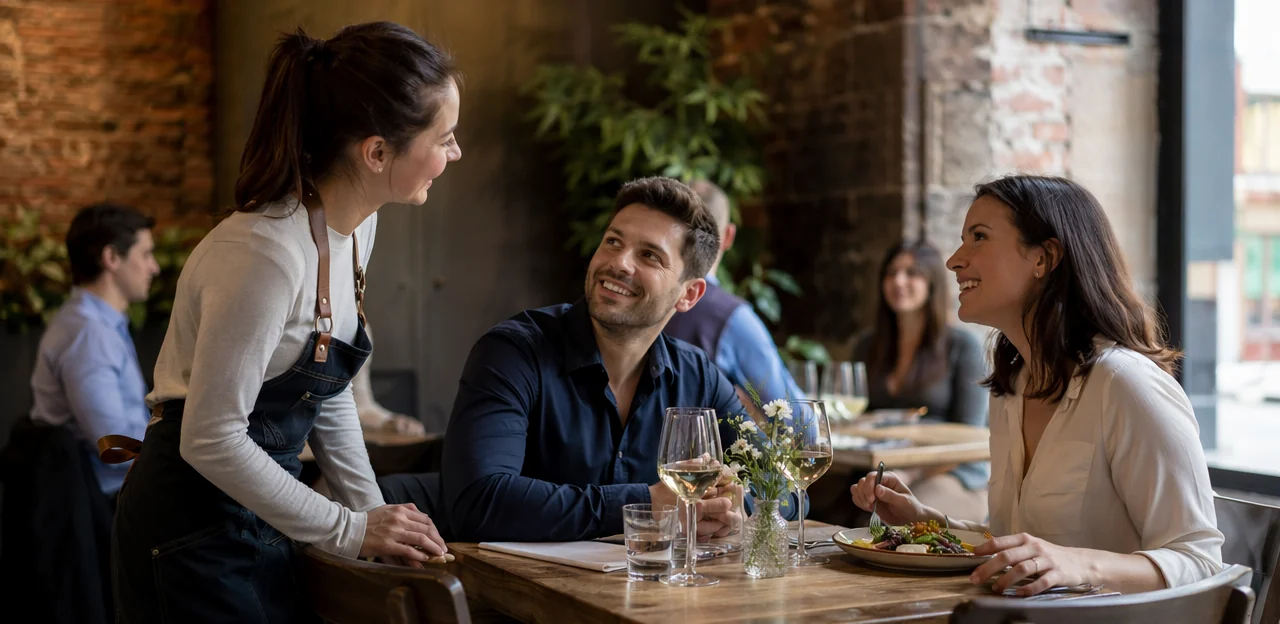
Survey timing has a direct impact on your restaurant survey response rate because guests are most likely to respond when the experience is still easy to recall and simple to act on.
- Send while memory is fresh: Request feedback soon after dining so guests remember service speed, food quality, and atmosphere clearly.
- Match convenient moments: Avoid busy commute, work, or late-night hours. Mid-afternoon or shortly after payment often works better.
- Reduce perceived effort: When a survey arrives at the right moment, it feels quick and relevant rather than like another task.
Strong guest feedback timing improves opens, clicks, and completions. Tools like Tapsy can help capture feedback immediately at the table or payment point, when attention is highest.
The cost of sending surveys too early or too late
Poor survey response timing can quietly damage your restaurant survey response rate and the quality of insights you collect. Two common restaurant survey mistakes are:
- Sending too early: If the survey arrives before guests finish eating or paying, it feels intrusive. They may ignore it, rush through answers, or rate an incomplete experience.
- Sending too late: If you wait days after the visit, details fade. That hurts customer feedback accuracy and lowers motivation to respond.
To improve results, send surveys shortly after payment or as guests leave. Tools like Tapsy can help capture feedback in the moment, while the experience is still fresh and actionable.
What better timing improves beyond response rate
Improving restaurant survey response rate is only the first win. Sending surveys at the right moment—such as just after payment or shortly after pickup—can also improve:
- Survey completion rate: Guests are more likely to finish short surveys while the experience is still fresh.
- Review generation: Prompting happy diners at the right time increases the chance they leave a public review.
- Restaurant customer satisfaction insights: Timely feedback captures accurate reactions to food, service, wait times, and cleanliness.
- Restaurant operations insights: Better-timed responses help managers spot shift-based issues, peak-hour bottlenecks, and location-specific problems faster.
Tools like Tapsy can help restaurants collect in-the-moment feedback and act on it quickly.
Choose the Best Survey Timing by Service Type

Best timing for dine-in restaurants and cafés
To improve your restaurant survey response rate, send feedback requests when the visit is still vivid but guests are no longer occupied.
- Seated dining: Send a post-visit survey within 30 minutes to 2 hours after payment. This is the best dine-in survey timing for full-service restaurants because guests can reflect on food, service, and atmosphere without being interrupted at the table.
- Quick-service visits: Aim for 10 to 30 minutes after the order is completed. Fast-casual and takeaway guests respond best once they have started eating and can judge speed, accuracy, and quality.
- Café orders: For a café customer survey, send within 15 to 60 minutes, depending on whether the order was dine-in or takeaway. Coffee, pastries, and service impressions fade quickly, so shorter timing works better.
If you collect feedback on-site, tools like Tapsy can help capture responses while the experience is freshest.
Best timing for takeout and delivery feedback
Timing matters because off-premise guests experience your brand in stages. To improve restaurant survey response rate, send your post-order survey only after the meal can be fairly judged.
- Takeout orders: Send the survey 20–45 minutes after scheduled pickup. This gives guests time to get home, check order accuracy, and start eating. If you send it too early, they may not know whether items are missing or food quality held up in transit.
- Delivery orders: Base delivery survey timing on the actual drop-off time, not order confirmation. A good window is 30–60 minutes after delivery, allowing time for food arrival, packaging review, temperature checks, and consumption.
- Use smart triggers: Tie surveys to “picked up” or “delivered” status updates. Tools like Tapsy can help automate timely takeout customer feedback requests at the right moment.
This approach captures fresher, more accurate feedback without interrupting the meal.
How daypart and weekday patterns affect responses
Strong timing starts with restaurant daypart analysis. Guest habits change by meal period, so the best time to send surveys should match when diners are most likely to notice and complete them.
- Breakfast: Send shortly after the visit. Morning guests often decide quickly and respond best before the workday gets busy.
- Lunch: Keep surveys short and send within 30–60 minutes, since lunch diners are usually time-constrained and completion rates drop later.
- Dinner: Early evening follow-ups often perform well because guests have more time to reflect and respond.
- Late-night: Delay until the next morning; opens may be low immediately after a late visit.
For weekday vs weekend survey response, weekdays often bring routine-driven behavior, while weekends vary more by group dining, family schedules, and longer stays. Track open and completion rates by daypart and day to improve your restaurant survey response rate and align outreach with real guest routines.
Match the Right Channel to the Right Moment

SMS surveys for fast, high-intent responses
A well-timed SMS survey for restaurants works best right after the dining experience—typically within 5 to 30 minutes of payment, pickup, or delivery. At that point, the visit is still fresh, and guests are more likely to respond quickly, which can lift your restaurant survey response rate.
Why SMS often outperforms email or app-based requests for immediate feedback:
- Higher visibility: Texts are usually opened within minutes.
- Less friction: A short text message survey feels faster than logging into an app or inbox.
- Stronger intent: Guests who just finished their meal can give more accurate, in-the-moment feedback.
To avoid overwhelming guests:
- Send only one restaurant feedback SMS per visit
- Keep it to 1–3 questions
- Use clear opt-in and timing rules
- Reserve SMS for high-value moments, like after payment or delivery confirmation
Tools like Tapsy can also help capture fast feedback at the right touchpoint without adding extra friction.
Email surveys for richer post-visit feedback
A restaurant email survey works best when you need more detailed answers than a quick table-side form can capture. The right email survey timing is usually 4–24 hours after the visit: close enough that the experience is still fresh, but late enough for guests to reflect and leave more thoughtful comments. This can improve your restaurant survey response rate among diners who ignore on-site prompts but respond later.
Use email when targeting:
- Loyalty members who already expect brand communication
- Guests completing longer surveys with multiple service, food, and atmosphere questions
- Diners likely to give richer written feedback after they leave
To increase opens and clicks in your customer feedback email:
- Personalize the subject line and visit reference
- Keep the survey mobile-friendly
- Explain the time needed upfront
- Offer a small incentive when appropriate
Tools like Tapsy can complement email by capturing instant feedback on-site, then supporting broader follow-up later.
QR codes, receipts, and in-store prompts
On-site invitations work best when they appear at a natural pause in the visit, not during a busy service moment. To improve your restaurant survey response rate, place prompts where guests already stop and decide what to do next.
- Receipts: Add a short receipt survey CTA near the total or thank-you message with one clear benefit, such as a discount on the next visit.
- Table tents: Use a simple QR code restaurant survey prompt after food is served or once payment arrives.
- Kiosks and counters: Ask for in-store customer feedback right after checkout, when the experience is still fresh.
- Keep it frictionless: Link to a mobile-friendly survey with 1–3 questions, no login, and no app download.
Tools like Tapsy can help restaurants collect quick, in-the-moment feedback at tables, counters, or exits without interrupting the guest experience.
Build a Timing Strategy That Increases Responses

Create trigger-based survey workflows
To improve restaurant survey response rate, send surveys when the experience is freshest—not hours later in a generic batch. Survey automation for restaurants helps you match outreach to real guest actions, making feedback requests feel timely and relevant.
- After transaction completion: Trigger a short dine-in survey immediately after payment, while service, food, and atmosphere are still top of mind.
- After delivery confirmation: Send a delivery-specific survey 10–30 minutes after the order is marked delivered so guests can rate packaging, accuracy, and temperature.
- After loyalty activity: When a customer redeems points or completes a repeat visit, trigger-based surveys can ask about value, rewards, and overall satisfaction.
- From POS events: Use POS survey integration to launch surveys based on order type, spend level, location, or server shift.
Tools like Tapsy can support in-the-moment feedback at key touchpoints.
Use segmentation to time surveys more precisely
Strong customer segmentation for surveys helps you ask at the moment each guest is most likely to respond, improving your restaurant survey response rate without sending more messages.
- Guest type: Send first-time diners a short survey within a few hours while the experience is still fresh. For regulars, wait until the next day and ask slightly broader questions about consistency and loyalty.
- Visit frequency: Frequent guests can handle less frequent outreach, such as every third or fourth visit, while occasional visitors may need a prompt follow-up after each qualifying visit.
- Order channel: Dine-in guests often respond best right after payment, while delivery and takeout customers should receive surveys after the order arrives and they have had time to eat.
- Location: Use branch-level timing based on traffic patterns, staffing, and service style across different restaurant guest segments.
This creates more effective personalized survey timing and better-quality feedback.
Set smart follow-up reminders without causing fatigue
A strong follow-up survey strategy can lift your restaurant survey response rate without annoying guests. The key is to use thoughtful survey reminder timing and clear limits.
- Send the first reminder 24–48 hours after the initial invite. This catches guests while the visit is still fresh but avoids feeling pushy.
- Cap reminders at 1–2 total. More than that can quickly reduce survey fatigue and hurt future engagement.
- Space reminders 3–5 days apart. This gives guests enough breathing room while still recovering missed responses.
- Use suppression rules aggressively. Stop reminders if a guest has already responded, unsubscribed, redeemed an offer, or recently received another feedback request.
- Prioritize by guest value or visit type. For example, follow up on first-time diners or high-value orders, but suppress frequent guests who have been surveyed recently.
Tools like Tapsy can help automate reminder caps and suppression logic across touchpoints.
Optimize Survey Design to Support Better Timing

Keep surveys short when timing is immediate
When you ask for feedback right after a meal, guests are often walking out, paying, or checking their phones. That’s why a short restaurant survey performs better than a long form. Keeping it brief can lift your restaurant survey response rate because it feels easy to finish in the moment.
- Limit the survey to 3–5 questions
- Make it a mobile-friendly survey with large buttons and minimal typing
- Aim for under two minutes from open to submit
- Prioritize tap-based ratings over open-ended fields, especially for SMS and QR-based outreach
This approach supports better survey completion optimization and captures fresher, more accurate feedback. Tools like Tapsy can help streamline quick QR feedback flows.
Ask the right questions for the guest moment
To improve your restaurant survey response rate, match restaurant survey questions to what guests can accurately recall at that moment:
- Immediately after dining: ask short, specific post-dining feedback questions about food quality, order accuracy, service speed, cleanliness, and staff friendliness.
- 24–72 hours later: ask broader questions about value, likelihood to return, loyalty, and brand perception.
- Keep timing aligned with memory: operational details fade fast, while emotional impressions and overall satisfaction often surface later.
This approach strengthens customer experience survey design by making questions feel relevant, easier to answer, and more useful for both service recovery and long-term improvement.
Use incentives carefully to lift participation
The right survey incentives for restaurants can improve your restaurant survey response rate, but only when the reward is small, relevant, and balanced. Use incentives to increase survey participation without encouraging rushed or overly positive answers.
- Offer low-value rewards like a free coffee add-on, modest discount, or loyalty points.
- Use sweepstakes for broader reach when margins are tight, but keep entry simple and transparent.
- Reward completion, not positive ratings, to avoid biased feedback.
- Limit one incentive per visit or receipt to reduce duplicate or low-quality responses.
- Pair incentives with short, well-timed surveys right after dining. Tools like Tapsy can help deliver instant feedback prompts with controlled rewards.
A smart feedback incentive strategy should support honest, useful responses—not just volume.
Measure, Test, and Improve Your Survey Timing

Track the metrics that matter most
To improve timing, monitor the customer feedback KPIs that show where guests drop off and where engagement improves:
- Open rate: Measures how many guests notice and open your survey invite.
- Click-through rate: Shows whether your message and timing drive action.
- Completion rate: Reveals if the survey is short, relevant, and easy to finish.
- Response quality: Track comment depth, specificity, and usefulness.
- Restaurant survey response rate: Your top benchmark for overall participation.
Use these survey response metrics in your restaurant survey analytics dashboard to compare channels, shifts, and send times, then double down on what performs best.
Run timing tests across channels and locations
To improve restaurant survey response rate, don’t rely on one schedule everywhere. Use restaurant survey testing to compare timing by channel, branch, and service type.
- A/B test survey timing by sending surveys at different times, such as 10 minutes after dine-in payment vs. 2 hours later.
- Compare channels: SMS, email, receipt QR, or table-side prompts.
- Test reminder intervals, like no reminder vs. a 24-hour follow-up.
- Segment results by lunch, dinner, delivery, takeaway, or location.
Track opens, clicks, and completions to optimize survey send time based on what performs best.
Turn feedback data into operational improvements
A stronger restaurant survey response rate matters most when timing helps you spot patterns you can act on fast. Use better-timed responses to guide restaurant operations improvement by tracking issues by shift, daypart, table zone, or delivery window:
- Service: identify slow greeting, long ticket times, or weak handoffs
- Staffing: match team levels to peak complaint periods
- Food quality: flag recurring issues with temperature, consistency, or presentation
- Delivery operations: uncover late arrivals, packaging failures, or missing items
Strong guest feedback analysis helps teams respond quickly, fix root causes, and close the feedback loop with guests through updates, recovery offers, or follow-up.
Conclusion
Improving your restaurant survey response rate often comes down to one simple factor: asking at the right moment. When surveys are timed to match the guest journey—such as right after payment, shortly after pickup, or soon after delivery—feedback feels easy, relevant, and worth giving. Pair that timing with short mobile-friendly surveys, clear incentives, and well-timed reminders, and you create a smoother path to higher participation and more useful insights.
The key takeaway is that better timing does more than increase volume. It improves feedback quality, helps teams spot service issues faster, and gives restaurant operators a clearer view of what drives satisfaction, loyalty, and repeat visits. In other words, a stronger restaurant survey response rate leads to better decisions across service, staffing, and guest experience.
Now is the time to review your current survey workflow and test small improvements. Start by mapping your customer touchpoints, identifying the best feedback moments, and tracking which timing windows produce the highest response rates. If you want to streamline in-the-moment feedback collection, tools like Tapsy can help restaurants capture responses on-site and act quickly.
For next steps, build a simple timing test, monitor your results weekly, and explore resources on survey design, QR feedback collection, and restaurant operations optimization. Small timing changes can deliver a measurable lift in your restaurant survey response rate.
Frequently Asked Questions
- Why does timing have such a big impact on restaurant survey response rates?
Guests are more likely to respond when their experience is still fresh and easy to remember. Sending a survey at a convenient moment also makes it feel quick and relevant instead of like another task. Better timing improves both completion rates and the accuracy of feedback about food, service, cleanliness, and satisfaction.
- What happens if a restaurant sends a survey too early or too late?
If a survey arrives before the meal or payment is finished, it can feel intrusive and capture an incomplete experience. If it arrives days later, guests may forget important details and feel less motivated to reply. Both mistakes reduce response rates and weaken feedback quality.
- When is the best time to send a survey after a dine-in visit?
For seated dining, a strong window is 30 minutes to 2 hours after payment. That gives guests time to leave the table without being interrupted while keeping the visit vivid in memory. For quick-service visits, 10 to 30 minutes after the order is completed tends to work better.
- How soon should cafés ask for customer feedback?
Cafés should usually send surveys within 15 to 60 minutes, depending on whether the order was dine-in or takeaway. Coffee, pastries, and service impressions fade quickly, so shorter timing is often more effective. The goal is to ask after the guest can judge the experience but before details disappear.
- What is the right survey timing for takeout orders?
A useful window for takeout is 20 to 45 minutes after the scheduled pickup time. That gives guests time to get home, check order accuracy, and begin eating. Sending earlier can lead to feedback before they know whether anything is missing or if the food held up well.
- When should delivery surveys be sent?
Delivery surveys should be based on the actual drop-off time, not the order confirmation. A good timing window is 30 to 60 minutes after delivery so guests can assess packaging, temperature, accuracy, and the meal itself. This produces more complete and fair feedback.
- How do breakfast, lunch, dinner, and late-night visits change the best send time?
Breakfast surveys should go out soon after the visit before the workday gets busy. Lunch surveys should be short and sent within 30 to 60 minutes because midday guests are often rushed. Dinner follow-ups often perform well in the early evening, while late-night visits may be better surveyed the next morning.
- Should restaurants use SMS or email for feedback requests?
SMS works best for fast, high-intent responses right after payment, pickup, or delivery, usually within 5 to 30 minutes. Email is better for richer post-visit feedback and longer surveys, typically 4 to 24 hours after the visit. The right choice depends on whether speed or detail matters more.
- How can QR codes, receipts, and in-store prompts improve survey participation?
These prompts work best at natural pauses, such as checkout, payment, or when guests review the receipt. A clear QR code or receipt call to action should lead to a mobile-friendly survey with 1 to 3 questions and no login or app download. Keeping the process frictionless makes in-the-moment responses more likely.
- What does a trigger-based survey workflow look like for a restaurant?
A trigger-based workflow sends surveys based on guest actions instead of generic batch timing. Common triggers include payment completion, delivery confirmation, loyalty activity, or POS events such as order type, spend level, location, or server shift. This makes outreach feel more relevant and timely.
- How can segmentation help restaurants time surveys more precisely?
Segmentation lets restaurants adjust timing by guest type, visit frequency, order channel, and location. First-time diners may get a short survey within a few hours, while regulars may respond better the next day with broader questions. Delivery and takeout guests should also be timed differently from dine-in guests.
- How many reminder messages should restaurants send without causing survey fatigue?
A practical approach is to send the first reminder 24 to 48 hours after the initial invite and cap reminders at 1 to 2 total. Reminders should be spaced 3 to 5 days apart and stopped if the guest has already responded, unsubscribed, redeemed an offer, or recently received another request. Clear limits help protect future engagement.
- How short should an immediate post-meal survey be?
Immediate surveys should usually be limited to 3 to 5 questions and take under two minutes to complete. Large buttons, mobile-friendly design, and tap-based ratings work better than heavy typing, especially for SMS and QR-based outreach. Short surveys fit the moment when guests are leaving, paying, or checking their phones.
- What questions should be asked right away versus a day or two later?
Right after dining, ask specific questions about food quality, order accuracy, service speed, cleanliness, and staff friendliness. After 24 to 72 hours, broader topics like value, likelihood to return, loyalty, and brand perception are more appropriate. This matches the type of memory guests still recall accurately.
- What should restaurants measure and test to improve survey timing?
Key metrics include open rate, click-through rate, completion rate, response quality, and overall survey response rate. Restaurants should test different send times, channels, reminder intervals, service types, and locations to see what performs best. Better-timed feedback can then be used to spot issues in service, staffing, food quality, and delivery operations more quickly.