A single unhappy guest can now influence hundreds of future bookings with just a few taps. In an industry where trust is everything, hotel online reviews play a major role in shaping reputation, occupancy, and revenue. But while public reviews matter, they often arrive too late—after a poor experience has already damaged the guest relationship and the hotel’s image.
That’s why private feedback should come first. When hotels give guests an easy way to share concerns during their stay, they create an opportunity to resolve issues in real time, improve satisfaction, and reduce the chances of negative reviews appearing online. A complaint about room cleanliness, noise, Wi-Fi, or slow service is far more valuable when it reaches staff directly, while there is still time to fix it.
This article explores why a proactive feedback strategy is essential for modern hospitality businesses, how private guest input supports stronger review management, and why early intervention leads to better guest experiences overall. It will also look at practical ways hotels can collect in-stay feedback more effectively, including touchpoint-based tools such as Tapsy, which help teams capture and act on guest sentiment before checkout.
The Growing Influence of Hotel Online Reviews

Why reviews shape booking decisions
Hotel online reviews are often the final trust signal before a traveler clicks “Book now.” Across OTAs, Google, and metasearch platforms, strong ratings and recent comments directly influence visibility, click-through rates, and conversion.
- Build trust fast: Travelers compare cleanliness, service, location, and value through hotel reviews before they ever visit your website.
- Improve click-through rates: Higher star ratings and stronger review volume help listings stand out in crowded search results.
- Lift conversions: Positive, detailed feedback reduces booking hesitation and reassures guests they’re making the right choice.
- Protect revenue: Even a small drop in rating can lower demand, reduce pricing power, and push guests toward competitors.
To improve guest review impact, collect private in-stay feedback first, resolve issues quickly, and encourage satisfied guests to share public reviews after checkout.
What modern guests expect from review management
Today’s guest expectations go far beyond a generic reply to hotel online reviews. Effective review management in hospitality now depends on speed, honesty, and meaningful follow-up.
- Fast responses: Guests expect hotels to acknowledge feedback quickly, especially after complaints. Delayed replies can signal indifference and damage trust.
- Transparency: In hospitality review management, guests want clear explanations, not scripted apologies. Be open about what happened and what you are doing to improve.
- Personalization: Responses should reflect the guest’s actual experience, using specific details rather than copy-paste templates.
- Service recovery: Modern guests value action over words. Private feedback channels during or right after a stay help teams resolve issues before they become negative public reviews.
Tools like Tapsy can support faster, private issue resolution.
The risks of relying only on public feedback
Relying only on public feedback means hotels often discover problems when it is already too late to fix the guest experience. By the time hotel online reviews appear on Google, TripAdvisor, or OTAs, the guest has checked out, frustration has grown, and recovery options are limited.
- Service issues go unresolved: Staff miss the chance to fix noise, cleanliness, or check-in problems during the stay.
- Reputation damage spreads fast: Negative hotel reviews can influence future bookings before your team even responds.
- Recovery opportunities are lost: A quick apology, room change, or service gesture could have prevented a public complaint.
- Online reputation management becomes reactive: Hotels end up defending their brand instead of improving the experience in real time.
Using private, in-stay feedback tools such as Tapsy helps teams act before complaints become public.
Why Private Feedback Should Come Before Public Reviews

Private feedback helps hotels solve problems sooner
Private guest feedback gives hotel teams a chance to fix issues while the stay is still in progress, not days later when hotel online reviews are already live. When guests can share concerns directly during or immediately after checkout, staff can spot patterns, respond faster, and protect the overall experience.
Key ways this improves operations:
- Catch problems early: Identify issues like noise, cleanliness, Wi-Fi, or slow check-in before frustration builds.
- Enable fast service recovery: Route low scores or urgent comments to the right team so they can act quickly.
- Reduce public complaints: Guests are less likely to post negative reviews when they feel heard and supported.
- Improve future stays: Repeated guest feedback highlights recurring operational gaps that need permanent fixes.
To make private guest feedback effective, use short, easy feedback prompts at key touchpoints and set alerts for negative responses. Tools like Tapsy can help hotels collect in-stay feedback in real time and trigger immediate follow-up.
A private-first approach improves guest experience
A private-first feedback process gives guests a safe, direct way to raise concerns before they turn into negative hotel online reviews. When people can share issues in the moment, they feel heard, valued, and confident that the hotel wants to make things right.
This improves both guest experience and hotel guest satisfaction because teams can respond while the stay is still in progress. For example:
- Resolve room, noise, cleanliness, or service issues before checkout
- Show empathy quickly with a personal response or practical fix
- Turn frustration into trust through fast service recovery
- Encourage happier guests to leave public reviews after resolution
The key is to make customer feedback easy and immediate through channels like SMS, QR codes, or in-stay forms. Tools such as Tapsy can help hotels collect real-time feedback and alert staff to problems early, giving teams a chance to recover the experience before it affects reputation.
Resolved issues can lead to better public reviews
When hotels address problems quickly and empathetically, frustrated guests often reconsider how they share their experience online. A delayed room fix or missed amenity can still end in positive hotel reviews if the recovery feels personal, fair, and fast. This is why private feedback should come before public hotel online reviews.
- Respond in real time: Resolve complaints during the stay, not after checkout.
- Acknowledge the issue clearly: A sincere apology and ownership build trust fast.
- Offer a practical fix: Room changes, service recovery, or a small gesture can improve guest satisfaction.
- Follow up after resolution: Ask if the guest is now happy before inviting them to review.
This approach strengthens review generation because guests remember how the hotel handled the problem, not just the problem itself. Tools like Tapsy can help hotels capture private feedback early and turn service recovery into stronger public sentiment.
How Hotels Can Build a Private-First Feedback System

Collect feedback at the right moments
Timing matters as much as the questions you ask. A well-placed guest feedback survey helps hotels resolve issues early, improve service recovery, and protect future hotel online reviews.
Use these key touchpoints:
- Post-check-in message: Send a short message within a few hours of arrival to confirm everything is going smoothly. This is ideal for catching room, Wi-Fi, or cleanliness issues before frustration builds.
- During-stay surveys: Mid-stay feedback works best for longer bookings. Keep the survey brief and action-focused so staff can respond while the guest is still on property.
- Checkout prompts: Ask for private feedback at reception, on a kiosk, or via QR code during checkout. This captures fresh impressions while giving your team one last chance to recover the experience.
- Post-stay emails: Send post-stay feedback requests within 24 hours. Good hotel survey timing keeps details fresh and increases response rates.
Tools like Tapsy can help collect feedback at these moments without adding friction.
Use the right channels and tools
To collect private feedback before it turns into public hotel online reviews, make it easy for guests to respond on the channels they already use. The best hotel feedback tools reduce friction and capture issues while staff can still fix them.
- SMS and email: Send short post-check-in or pre-checkout surveys through guest messaging. Keep links mobile-friendly and limit questions to the essentials.
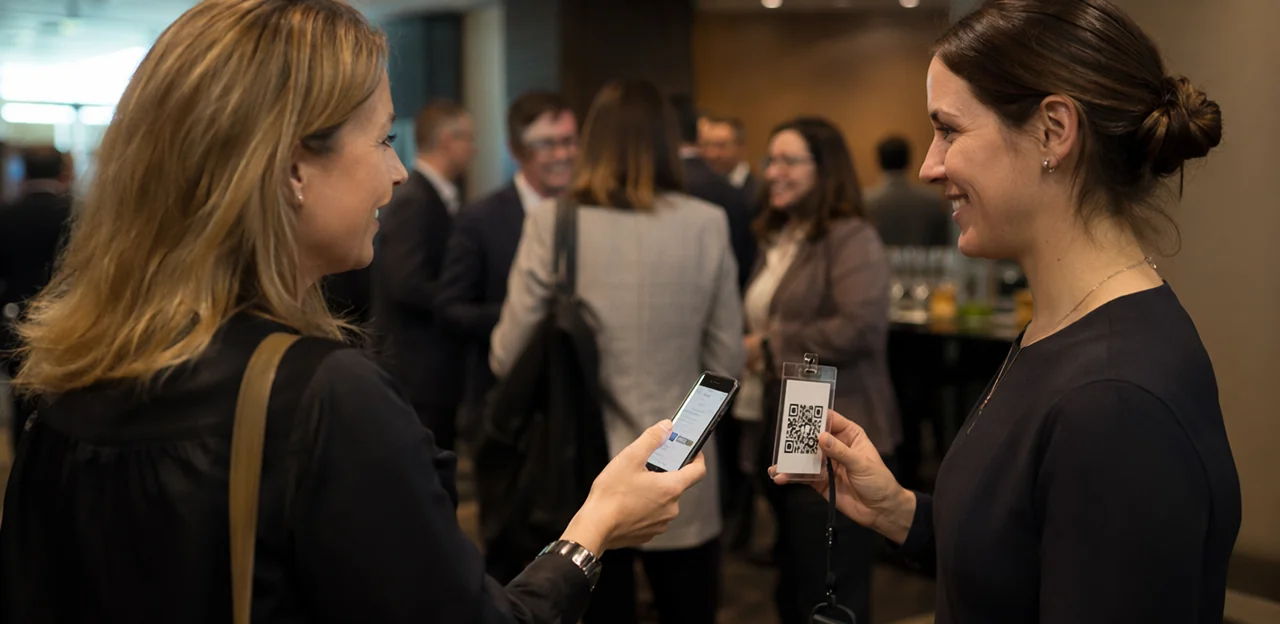
- QR codes: Place codes in rooms, lifts, breakfast areas, and reception so guests can report problems instantly.
- In-room tablets or TV portals: Ideal for quick service ratings, housekeeping requests, and maintenance alerts.
- Hotel apps: Useful for loyalty guests who already engage digitally during their stay.
- PMS or hotel CRM-integrated platforms: Connect feedback to booking data, room type, and stay stage for faster follow-up and better segmentation.
Tools like Tapsy can also help hotels capture real-time QR-based feedback and route issues to the right team before checkout.
Route issues to the right team quickly
Fast routing is the backbone of effective guest complaint management. When guests share private feedback during their stay, hotels can act before frustration turns into negative hotel online reviews.
A simple service recovery workflow should send alerts based on issue type, urgency, and location:
- Front desk: Handle room moves, billing concerns, key card problems, and direct guest communication.
- Housekeeping: Respond immediately to cleanliness issues, missing amenities, linen requests, or room readiness problems.
- Hotel operations: Resolve maintenance, Wi-Fi, noise, HVAC, or facility-related complaints through task-based workflows.
- Management: Step in for repeated issues, VIP guests, compensation decisions, or high-risk service failures.
To improve response times, assign clear ownership, set escalation rules, and track resolution status in one dashboard. Tools like Tapsy can help trigger real-time alerts from in-stay feedback, so the right team sees the issue instantly and can recover the experience before checkout.
Turning Private Feedback Into Stronger Review Management

Separate service recovery from review requests
A strong review request strategy starts with fixing the stay, not chasing stars. When guests report an issue, hotels should handle guest recovery privately and promptly so the focus stays on resolution, not reputation. This supports ethical review management and builds trust.
- Resolve problems first: contact the guest directly, apologize, and take clear action.
- Do not ask for a review during recovery: combining complaint handling with a public review request can feel manipulative.
- Invite feedback later: once the issue is resolved, ask all guests for honest hotel online reviews without pressure.
- Avoid review gating: never filter out unhappy guests before offering a review opportunity.
Tools like Tapsy can help hotels capture private in-stay feedback early, giving teams time to recover issues before checkout.
Encourage authentic reviews after positive experiences
To get more hotel reviews without risking compliance issues, ask only after a genuinely positive moment, such as a smooth checkout or a well-handled service recovery. Keep every review invitation neutral, simple, and optional.
- Send the request within 24–48 hours while the stay is still fresh.
- Thank the guest first, then invite them to share honest feedback on your preferred review platform.
- Never offer incentives in exchange for positive ratings or filter who can leave public feedback.
- Use short prompts like: “If you enjoyed your stay, we’d appreciate your honest review.”
This approach helps generate authentic guest reviews and strengthens trust in your hotel online reviews over time.
Respond to public reviews with insight from private feedback
A stronger approach to hotel online reviews starts behind the scenes. Private feedback reveals recurring issues, root causes, and service gaps before they become patterns in public ratings. Use those reputation insights to make responding to hotel reviews more specific, credible, and useful.
- Spot repeat themes: If private comments repeatedly mention slow check-in or breakfast delays, address those issues clearly in your public replies.
- Coach staff better: Turn feedback trends into targeted training for front desk, housekeeping, or food service teams.
- Strengthen your review response strategy: Reference improvements already made, showing guests you act on feedback.
- Plan long term: Track trends over time to guide operational fixes and protect reputation at scale.
Tools like Tapsy can help hotels capture this insight earlier in the guest journey.
Common Mistakes Hotels Should Avoid
Ignoring low-level complaints until they escalate
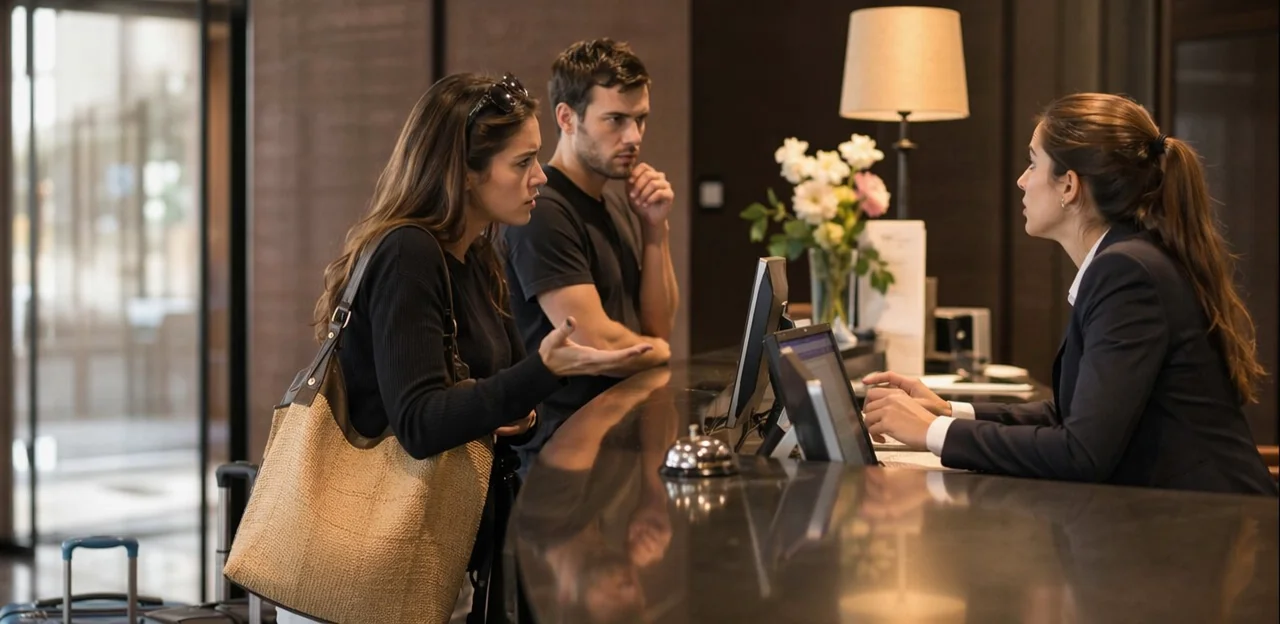
Small, repeated guest issues rarely stay small. A bit of hallway noise, a missed housekeeping detail, or slow check-in can quickly turn into negative guest feedback and damaging hotel online reviews when guests feel ignored.
To prevent minor hotel complaints from escalating:
- Track patterns early: Log recurring noise, cleanliness, and front-desk delay reports by shift or location.
- Respond during the stay: Give staff authority to offer quick fixes such as room changes, re-cleaning, or queue support.
- Create private feedback channels: Simple in-stay touchpoints, such as QR-based tools like Tapsy, help surface guest issues before checkout.
- Close the loop: Follow up to confirm the problem was resolved.
Using review gating or manipulative tactics
Review gating happens when hotels ask happy guests to post publicly while steering unhappy guests into private channels only. This may seem helpful, but it can violate platform policies, weaken review compliance, and damage trust in your hotel online reviews strategy.
To stay aligned with ethical hospitality marketing:
- Invite all guests to leave a review, regardless of sentiment.
- Use private feedback first to resolve issues quickly, not to suppress negative opinions.
- Never offer incentives only for positive public reviews.
- Check Google, TripAdvisor, and OTA rules regularly to avoid compliance risks.
- Use tools like Tapsy to capture in-stay feedback early, so service recovery happens before checkout rather than through manipulative filtering.
Failing to measure feedback trends
Collecting private feedback is only useful if hotels turn it into patterns they can act on. Without tracking feedback trends, teams end up reacting to isolated complaints instead of fixing root causes that later appear in hotel online reviews.
- Use guest sentiment analysis to monitor whether comments are improving or declining by touchpoint, such as check-in, housekeeping, breakfast, or checkout.
- Track recurring themes like cleanliness, noise, Wi-Fi, or staff attitude to spot operational gaps early.
- Measure response times and resolution outcomes as core hotel KPIs to ensure issues are handled quickly and effectively.
- Review results weekly to identify what drives repeat complaints and where service recovery works best.
Tools like Tapsy can help capture and compare this data in real time.
Best Practices for Long-Term Guest Experience and Reputation Growth
Train staff to treat feedback as an operational asset
Strong hospitality staff training helps teams see feedback as a daily tool for improvement, not criticism. This shifts private input into a practical guest experience strategy that protects hotel online reviews and strengthens hotel service quality.
- Train staff to log feedback by theme: service delays, room issues, communication gaps.
- Teach managers to turn recurring comments into weekly action plans.
- Role-play service recovery so teams resolve problems quickly and consistently.
- Review feedback trends in team meetings and assign clear ownership.
Tools like Tapsy can help route real-time issues to the right team before checkout.
Use feedback data to improve the full guest journey
Hotels should combine private insights with hotel online reviews to improve every stage of the guest journey and strengthen the overall hotel customer experience:
- Booking: spot friction in pricing, website speed, or confirmation emails
- Arrival: track wait times, check-in clarity, and first impressions
- Stay: use real-time feedback data to fix room, cleanliness, or service issues fast
- Checkout: identify billing confusion or departure delays
- Post-stay: compare private feedback with public reviews to find recurring themes
Tools like Tapsy can help capture in-stay feedback before problems become public.
Create a sustainable review and feedback loop
A strong review management strategy starts before checkout and continues after departure:
- Collect private, in-stay feedback consistently to spot issues while staff can still fix them.
- Resolve complaints quickly, then follow up to confirm the guest feels heard.
- Ask for public hotel online reviews only after a positive recovery or satisfied stay, keeping requests ethical and pressure-free.
- Track recurring themes to improve operations and strengthen hotel reputation management over time.
This continuous loop builds trust, better ratings, and stronger guest loyalty.
Conclusion
In hospitality, timing matters. By putting private feedback before public posting, hotels gain the chance to resolve issues while the guest is still on-site, protect their reputation, and create better experiences that naturally lead to stronger hotel online reviews. Instead of waiting for complaints to appear on Google, TripAdvisor, or OTA platforms, teams can identify service gaps early, recover quickly, and turn disappointment into loyalty.
The key takeaway is simple: public reviews should be the outcome of a great stay, not the first place guests feel heard. A private-first feedback strategy helps hotels uncover operational problems, empower staff to respond in real time, and encourage more balanced, authentic hotel online reviews from satisfied guests. Over time, this improves review quality, guest trust, and long-term brand performance.
If your property wants to strengthen guest experience and reputation management, now is the time to build a smarter feedback journey. Start by reviewing your current review process, adding in-stay feedback touchpoints, and training teams to act on issues before checkout. Tools like Tapsy can help hotels capture real-time guest feedback and intervene before negative sentiment becomes public.
For next steps, explore your review response workflows, audit guest touchpoints, and invest in systems that turn feedback into action. Better hotel online reviews start long before checkout.
Frequently Asked Questions
- Why should hotels prioritize private feedback before online reviews?
Private feedback gives hotel teams a chance to resolve problems while the guest is still on-site. That can improve satisfaction, reduce negative public reviews, and protect reputation before complaints spread across Google, TripAdvisor, or OTAs.
- How do hotel online reviews affect bookings and revenue?
Online reviews act as a major trust signal before travelers book. Strong ratings and recent positive comments can improve visibility, click-through rates, and conversions, while even a small drop in rating can reduce demand and pricing power.
- What kinds of guest issues should be captured through private in-stay feedback?
Hotels should capture issues such as room cleanliness, noise, Wi-Fi problems, slow check-in, billing concerns, and service delays. These are most valuable when staff receive them early enough to fix the experience before checkout.
- What do modern guests expect from hotel review management?
Guests expect fast responses, transparency, personalization, and meaningful follow-up. They want clear explanations and real action, not generic apologies or delayed replies that suggest indifference.
- What are the risks of relying only on public review platforms for feedback?
If hotels wait for public reviews, they often learn about problems after the guest has already left. That means service recovery is limited, reputation damage may already be visible, and teams are forced into reactive brand defense instead of real-time improvement.
- How can a private-first approach improve the guest experience?
A private-first process gives guests an easy and safe way to raise concerns in the moment. When teams respond quickly with empathy and practical fixes, frustration can turn into trust and the overall stay can still end positively.
- Can resolving a complaint during the stay lead to better public reviews later?
Yes, quick and fair service recovery can change how guests describe their stay online. Guests often remember how a hotel handled the issue, especially when the response included ownership, a practical fix, and follow-up after resolution.
- When should hotels ask guests for private feedback?
Useful moments include shortly after check-in, during the stay for longer bookings, at checkout, and within 24 hours after departure. Good timing helps hotels catch issues early, keeps details fresh, and improves response rates.
- Which channels work best for collecting hotel feedback before checkout?
Hotels can use SMS, email, QR codes, in-room tablets, TV portals, hotel apps, and PMS or CRM-integrated platforms. The best option is the one that makes feedback quick, mobile-friendly, and easy to route to the right team.
- How should hotels route guest complaints to the right department?
Hotels should create a workflow based on issue type, urgency, and location. Front desk can handle room moves and billing, housekeeping can address cleanliness and amenities, operations can fix maintenance or Wi-Fi issues, and management can step in for repeated or high-risk problems.
- Should hotels ask for a public review while they are still handling a complaint?
No, review requests should be kept separate from service recovery. Hotels should resolve the issue first, confirm the guest feels heard, and only later invite honest feedback without pressure.
- What is review gating, and why should hotels avoid it?
Review gating is when hotels encourage happy guests to post publicly while directing unhappy guests only into private channels. That can violate platform policies, create compliance risks, and weaken trust in the hotel's review strategy.
- How can hotels encourage authentic reviews after a positive stay?
Hotels should send a neutral, optional request within 24 to 48 hours after checkout or after a positive recovery. The invitation should thank the guest and ask for an honest review, without incentives or filtering by sentiment.
- Why is it important to measure feedback trends instead of isolated complaints?
Trend tracking helps hotels identify root causes behind recurring issues such as cleanliness, noise, Wi-Fi, or staff attitude. It also helps teams monitor response times and resolution outcomes so they can improve operations consistently.
- How can tools like Tapsy support a private-first hotel feedback strategy?
Tools like Tapsy are presented as ways to collect real-time in-stay feedback through touchpoints such as QR codes and to trigger alerts for quick follow-up. That helps teams capture guest sentiment early, route issues faster, and act before negative sentiment becomes public.