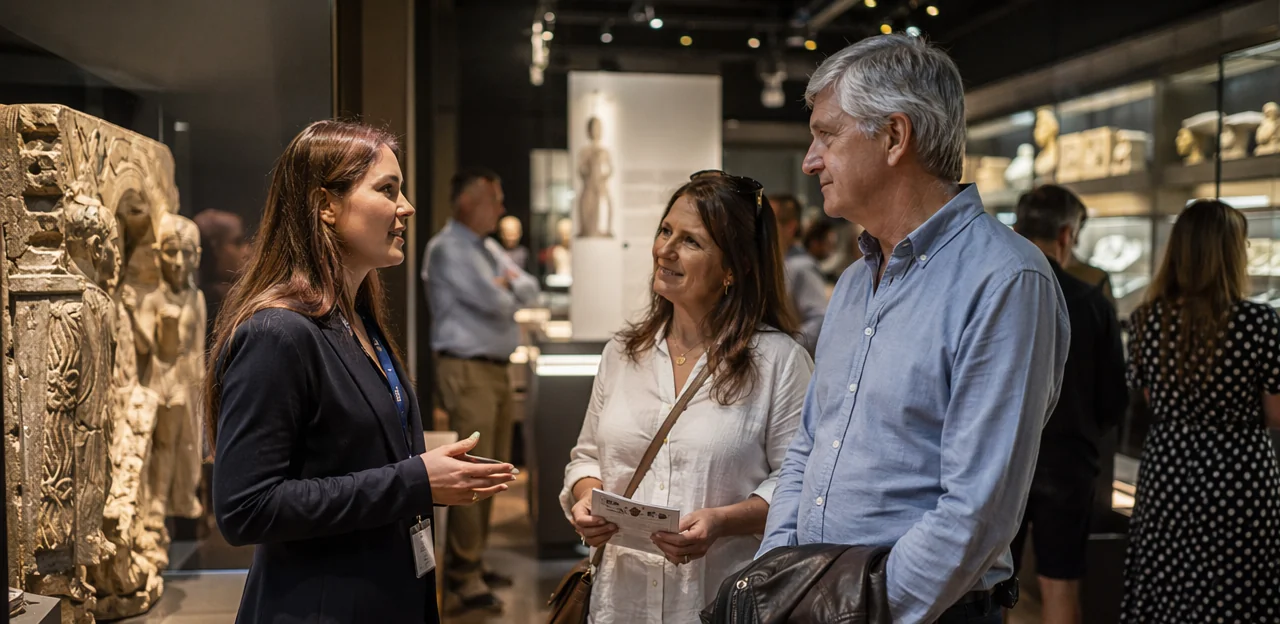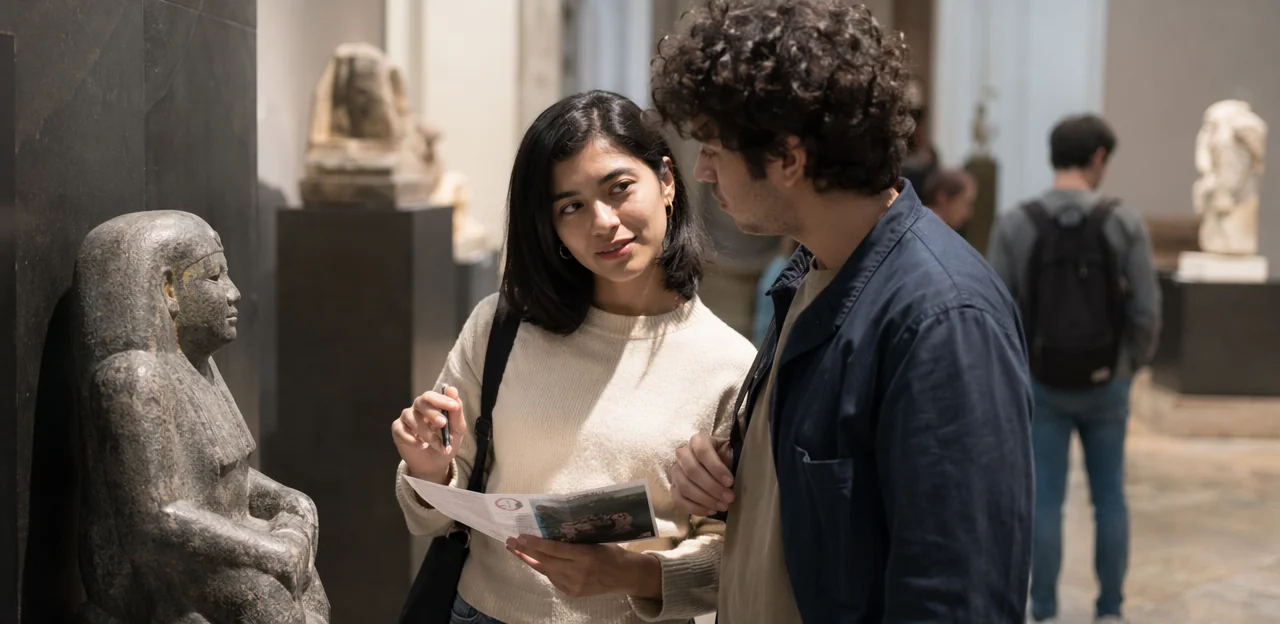
What do visitors really think when they walk through a museum’s doors, pause at an exhibit, or leave feeling inspired—or underwhelmed? The answer is often hiding in plain sight: in their own words. From comment cards and online reviews to post-visit surveys and social media reactions, visitor feedback offers a rich, often underused source of museum audience insights that can help institutions better understand expectations, emotions, and experience gaps.
For museums and attractions, these comments reveal far more than simple satisfaction scores. They can uncover which exhibitions resonate most, where wayfinding causes frustration, how families, tourists, and members experience spaces differently, and what drives repeat visits. When analysed effectively, this feedback becomes a powerful tool for improving visitor experience, shaping programming, and making more confident, evidence-based decisions.
This article explores what visitor comments can reveal about audience behaviour, sentiment, and needs—and how museums can turn unstructured feedback into meaningful insight. We’ll look at the value of qualitative data, the role of AI and analytics in spotting patterns at scale, and how tools such as Tapsy can support real-time feedback collection. Whether you manage a local museum or a major cultural attraction, understanding your audience starts with listening more closely.
Why visitor comments matter for museum audience insights
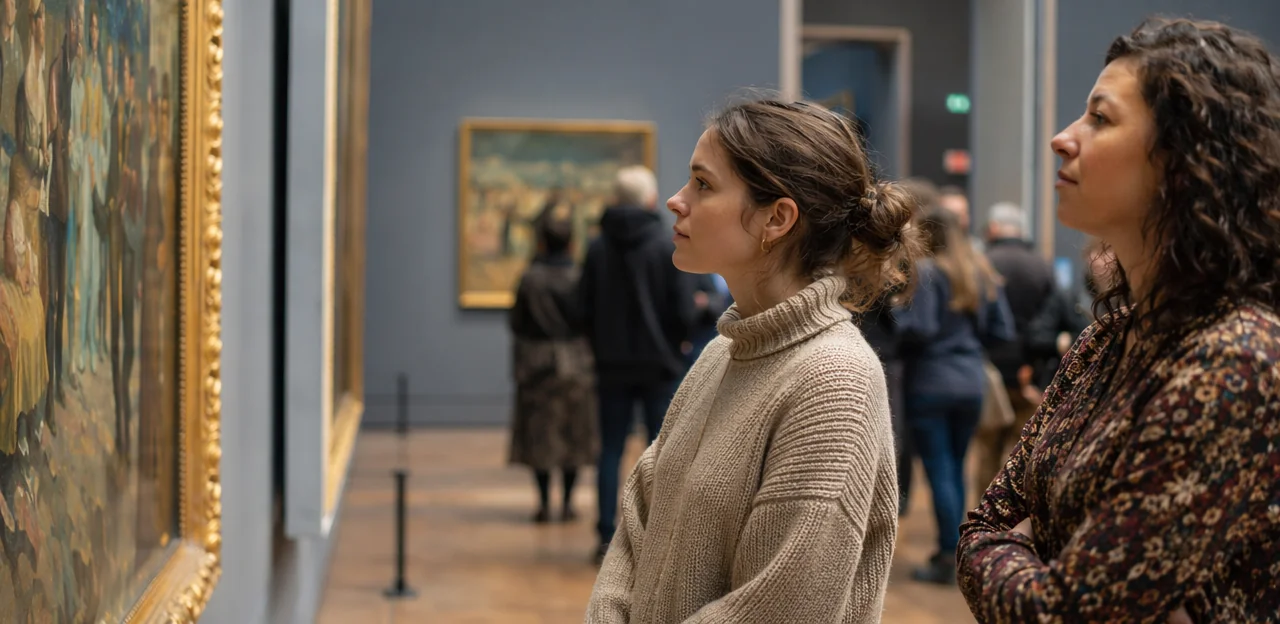
Comments reveal the voice behind visitor data
Open-text responses turn raw metrics into museum audience insights you can act on. Ticketing data shows who came, dwell time shows where they lingered, and surveys quantify satisfaction, but comments explain why visitors felt delighted, confused, or disappointed.
- Capture emotion: Words reveal excitement, frustration, surprise, or boredom that ratings alone flatten.
- Surface expectations: Visitors often describe what they hoped to find, from clearer wayfinding to more family-friendly interpretation.
- Expose unmet needs: Comments highlight barriers such as accessibility gaps, crowded spaces, unclear signage, or pricing concerns.
- Add context to trends: If footfall drops in one gallery, visitor feedback analysis can uncover whether layout, lighting, or storytelling is the issue.
For museums, reviewing comment themes regularly helps teams prioritise practical improvements, refine exhibits, and respond faster to audience needs.
What museums can learn from unsolicited feedback
Unsolicited feedback often delivers the clearest museum audience insights because it captures reactions in visitors’ own words, without survey bias. Reviews, social posts, emails, and on-site comments help teams spot what audiences truly notice, value, or find frustrating.
- Online reviews: Reveal recurring themes in exhibitions, pricing, accessibility, and staff interactions.
- Social media posts: Show emotional reactions, shareable moments, and emerging issues in real time.
- Email feedback: Often contains detailed context, making it useful for understanding complaints or praise.
- On-site comments: Highlight immediate pain points such as signage, queues, or facilities.
Tracking museum visitor comments across these channels helps identify patterns early. For audience feedback museums can act on, categorise comments by topic, urgency, and sentiment, then use findings to improve visitor experience before small issues become reputational problems.
From anecdotal remarks to strategic insight
Individual comments can feel anecdotal, but patterns turn them into museum audience insights that support better decisions. Using museum analytics to group recurring themes helps teams move from isolated feedback to clear action.
- Programming: Repeated requests for family activities, quieter events, or deeper specialist talks can shape future schedules.
- Interpretation: Comments about confusing labels or unclear wayfinding highlight where text, signage, or digital guides need improvement.
- Staffing: Frequent mentions of long waits or difficulty finding help can inform rota planning and frontline training.
- Accessibility: Recurring barriers around seating, language, sensory overload, or step-free access reveal priority fixes.
- Visitor journey: Feedback across arrival, ticketing, galleries, cafés, and exits uncovers friction points and opportunities for smoother experiences.
This is where strong visitor experience insights become operational improvements, not just observations.
How to collect and organize visitor comments effectively

Key feedback sources across the visitor journey
To collect visitor feedback effectively, museums should capture comments at multiple touchpoints rather than relying on one channel. Strong museum feedback sources include:
- Post-visit surveys: Email or SMS surveys sent shortly after the visit reveal overall satisfaction, learning outcomes, and likelihood to return.
- On-site kiosks or QR/NFC prompts: Quick responses gathered in galleries, cafés, or exits capture in-the-moment reactions while details are fresh.
- Online reviews: Google, TripAdvisor, and similar platforms highlight recurring praise and pain points visible to future visitors.
- Social media mentions: Comments and tags often reveal emotional responses, shareability, and audience sentiment.
- Contact forms and emails: Useful for detailed suggestions, complaints, and accessibility concerns.
- Frontline staff notes: Visitor-facing teams often hear candid feedback that never reaches formal channels.
Combining these sources gives richer museum audience insights.
Creating a central feedback system
To turn scattered comments into useful museum audience insights, museums need one searchable hub for every response source: on-site surveys, email, social media, reviews, kiosks, and staff notes. A strong approach to feedback management museums use helps teams spot patterns faster and act with confidence.
- Combine all channels into a single platform to build centralized visitor data
- Tag feedback consistently by exhibition, location, date, visitor type, and sentiment
- Compare trends over time to see whether issues are seasonal, campaign-driven, or ongoing
- Segment audiences such as families, members, tourists, and school groups to understand different needs
- Share dashboards across teams so curators, visitor services, and marketing work from the same evidence
Tools such as Tapsy can support real-time collection and analysis, helping museums respond before small issues become recurring complaints.
Preparing qualitative data for analysis
To turn raw feedback into useful museum audience insights, build a simple, consistent workflow for qualitative data analysis museums teams can repeat:
- Tag each comment with themes such as wayfinding, interpretation, staff, accessibility, or facilities.
- Remove duplicates and errors by cleaning repeated entries, correcting obvious typos, and standardising date, language, and response formats.
- Anonymize personal data before analysis by deleting names, email addresses, phone numbers, or any identifying details.
- Group comments by context so patterns are easier to spot:
- location within the museum
- exhibition or event
- audience type, such as families, members, tourists, or school groups
Strong museum data organization makes later coding, sentiment review, and reporting faster. Tools like spreadsheets, CMS exports, or platforms such as Tapsy can help centralise and structure comments efficiently.
Using AI and analytics to uncover patterns in feedback

Sentiment analysis for museums and attractions
Sentiment analysis museums tools use AI to read thousands of visitor comments and automatically label them as positive, negative, or neutral. This turns scattered feedback into clear museum audience insights, helping teams understand what visitors consistently love and where friction appears.
Key benefits include:
- Spot strengths fast: Identify recurring praise for exhibitions, staff friendliness, café quality, or family activities.
- Catch pain points early: Flag repeated complaints about queues, signage, pricing, accessibility, or overcrowding.
- Prioritise action: Focus staff time on the issues with the strongest negative sentiment and highest frequency.
- Track changes over time: Measure whether updates improve sentiment after a new exhibit launch or operational change.
For effective AI visitor feedback analysis, combine sentiment scores with themes, locations, and visitor segments. For example, negative sentiment around wayfinding may be strongest among first-time visitors. Platforms such as Tapsy can support real-time feedback capture and AI-powered analysis, making insights more actionable.
Topic detection and theme clustering
To turn thousands of reviews into usable museum audience insights, teams increasingly rely on text analytics museums tools that group similar comments into clear patterns. Instead of reading feedback one by one, museums can quickly spot the most common visitor comment themes and act faster.
- Topic detection identifies recurring subjects such as queues, signage, accessibility, exhibitions, pricing, cafés, or staff interactions.
- Theme clustering groups related phrases together, so comments like “hard to find galleries” and “poor wayfinding” appear under a signage theme.
- Volume tracking shows which issues are mentioned most often and whether they rise after a new exhibition launch or peak-season rush.
- Cross-analysis links themes with sentiment, visitor type, or time of visit, helping teams prioritise what matters most.
This makes feedback more actionable: improve queue flow, clarify signs, review ticket value, or coach frontline teams. Platforms such as Tapsy can support this by surfacing patterns in real time.
Balancing automation with human interpretation
AI can surface patterns quickly, but strong museum audience insights come from combining automation with staff expertise. In AI and analytics museums workflows, models may misread irony, regional phrases, multilingual comments, or culturally specific references, leading teams to act on the wrong signal.
To improve accuracy, build human review visitor feedback into the process:
- Check sentiment outliers manually: Review comments flagged as highly positive or negative to catch sarcasm or humour.
- Add frontline context: Ask visitor services, educators, and curators whether themes reflect a temporary issue, exhibition style, or audience mix.
- Validate cultural language: Ensure translators or culturally aware team members assess idioms, slang, and nuanced wording.
- Compare with operational data: Cross-check AI findings against attendance patterns, dwell time, complaints, or exhibit changes.
Used this way, AI speeds analysis, while human interpretation protects meaning. Tools such as Tapsy can help collect and organise feedback, but museum teams should always make the final call.
What visitor comments reveal about audience experience

Exhibitions, interpretation, and storytelling
Visitor comments are a direct source of museum audience insights, showing how people actually experience displays rather than how curators intend them to be understood. Strong exhibition feedback often reveals whether interpretation is clear, emotionally resonant, and accessible to different audiences.
Key themes to track include:
- Engagement: Do visitors describe exhibits as immersive, interactive, or visually compelling?
- Clarity: Are labels, timelines, and multimedia easy to follow, or do comments mention confusion?
- Inclusivity: Do visitors feel represented through language, perspectives, accessibility, and cultural context?
- Memorability: Which stories, objects, or moments are repeatedly mentioned?
Use this feedback to refine text panels, improve wayfinding, simplify complex narratives, and test alternative formats. Tools such as Tapsy can help museums capture real-time responses and strengthen the overall museum audience experience.
Operational friction points visitors notice most
Visitor comments often highlight the same operational issues, and these pain points strongly influence visitor experience museums deliver day to day. In many cases, small frustrations shape overall satisfaction more than exhibition quality.
- Ticketing and entry: confusing booking flows, unclear timed-entry rules, and slow check-in create stress before the visit begins.
- Queues and crowding: long waits at entrances, cafés, cloakrooms, or popular galleries reduce comfort and dwell time.
- Wayfinding: poor signage, unclear maps, and hard-to-find facilities leave visitors feeling disoriented.
- Facilities: comments frequently mention toilets, seating, temperature, accessibility, and family amenities.
- Pricing: complaints about admission, parking, food, or add-ons often affect perceived value.
These patterns are central to museum audience insights and provide practical museum operational insights. Real-time tools such as Tapsy can help teams spot and resolve friction before it turns into negative reviews.
Accessibility, inclusion, and belonging
Visitor comments are a rich source of museum audience insights, often revealing barriers that standard surveys miss. Analysing museum accessibility feedback helps museums identify where the inclusive visitor experience breaks down and what action to take.
- Physical access: Comments can highlight issues with entrances, lifts, seating, toilets, wayfinding, and exhibition layouts.
- Sensory needs: Visitors may flag lighting, noise, crowded galleries, or a lack of quiet spaces and sensory-friendly interpretation.
- Language and communication: Feedback often shows where multilingual signage, captions, plain English, or alternative formats are needed.
- Representation and welcome: Comments can reveal whether people feel seen, respected, and genuinely invited into the space.
Turn patterns into practical improvements, then communicate changes clearly so visitors know their voices shaped a more inclusive museum.
Turning museum audience insights into action
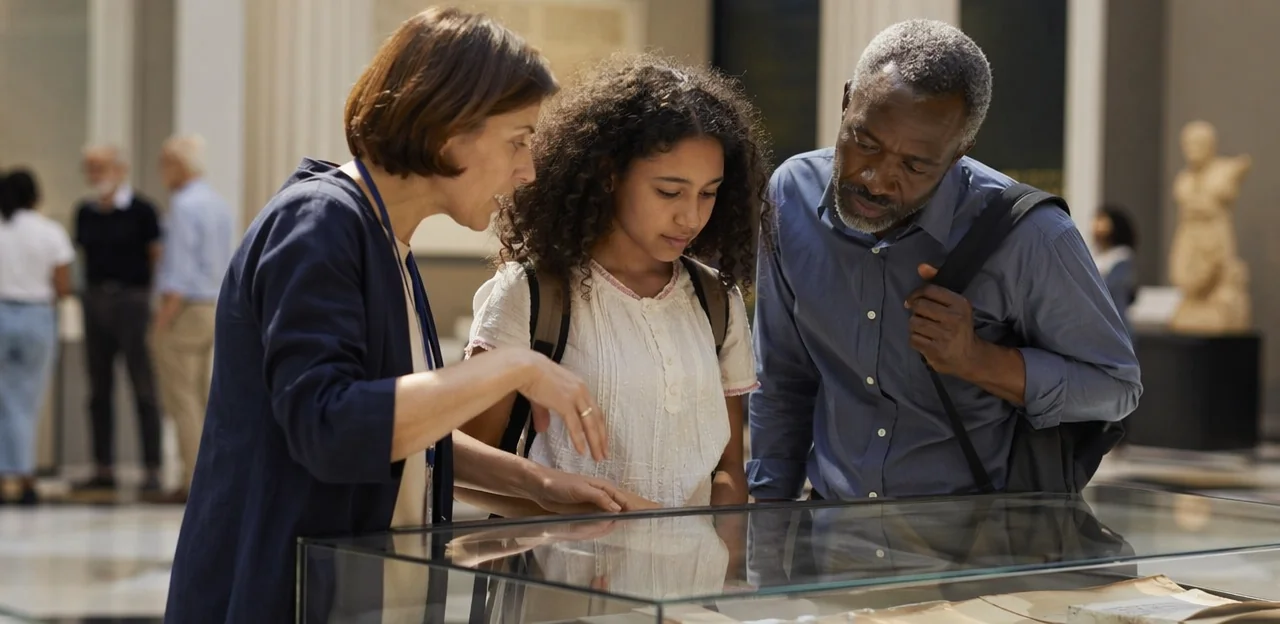
Prioritizing changes based on impact
To turn museum audience insights into action, rank feedback using a simple scoring framework so teams focus on what matters most:
- Frequency: How often does the same issue appear across comments, surveys, and reviews?
- Sentiment: Is the feedback mildly negative or strongly emotional, suggesting a bigger experience gap?
- Audience importance: Does it affect key groups such as families, members, schools, or first-time visitors?
- Operational feasibility: Can the change be delivered quickly, affordably, and with available staff?
Assign each theme a score, then prioritize high-frequency, high-impact, easy-to-implement fixes first. This creates actionable audience insights that support a smarter museum improvement strategy and deliver visible visitor experience gains faster.
Sharing insights across departments
To turn museum audience insights into action, feedback must be visible beyond a single team. Shared dashboards, regular review meetings, and tagged comment themes help every department align around the same visitor needs.
- Curatorial teams can identify which stories, labels, or displays resonate most.
- Visitor services can spot recurring friction points and improve on-site support.
- Marketing can refine campaigns using real visitor language and motivations.
- Learning teams can adapt programmes to audience interests, questions, and accessibility needs.
- Leadership can connect trends to budgets, priorities, and long-term museum audience strategy.
This kind of cross-functional visitor insights process helps museums make faster, more consistent decisions across the visitor journey.
Measuring results after changes are made
To turn museum audience insights into action, track outcomes before and after each intervention using consistent museum performance analytics. Build a simple baseline, then review trends weekly or monthly.
- Measure visitor satisfaction with post-visit surveys, star ratings, and sentiment scores from visitor comments.
- Monitor whether key complaint themes—such as queues, signage, pricing, or staff helpfulness—decline over time.
- Track behavioural signals, including repeat visits, membership renewals, dwell time, and recommendation intent (for example, NPS or “would you recommend?” responses).
- Segment results by exhibition, audience type, day, or channel to see what changed and where.
- If using real-time tools such as Tapsy, compare issue-resolution speed and sentiment recovery alongside longer-term satisfaction trends.
Best practices and challenges in feedback-led decision making

Avoiding bias in visitor comment analysis
To turn comments into reliable museum audience insights, museums need to manage feedback bias museums often face and address common audience research challenges:
- Don’t overvalue extremes: Very positive or very negative comments are more likely to be submitted. Balance them against overall visit data.
- Include quieter audiences: Collect feedback in multiple formats, languages, and touchpoints to hear from families, older visitors, and international guests.
- Check sample quality: Avoid drawing conclusions from small, seasonal, or channel-specific samples. Compare trends across time, segments, and locations before acting.
Protecting privacy and using data ethically
To turn museum audience insights into action responsibly, museums should build privacy and ethics into every stage of analysis:
- Minimise data collection: only gather what is necessary, and remove names or identifiers where possible to support visitor data privacy.
- Be transparent: clearly explain when comments may be analysed by AI, how findings are used, and who can access them.
- Apply ethical review: test for bias, avoid profiling vulnerable groups, and combine AI outputs with human judgement.
Strong ethical AI museums practices build trust as feedback analysis scales.
Building a culture of continuous listening
To turn museum audience insights into action, make feedback review a routine, not a one-off project. A strong museum visitor insight strategy helps teams spot shifting expectations early and respond with confidence.
- Schedule weekly or monthly reviews of comments, ratings, and recurring themes
- Share findings across front-of-house, curatorial, learning, and leadership teams
- Prioritise quick wins alongside longer-term improvements
- Track what changes were made and how visitors respond
This approach builds continuous audience listening, keeping museums audience-focused, agile, and better equipped to adapt as needs evolve.
Conclusion
Ultimately, visitor comments are far more than anecdotal feedback—they’re a rich, continuous source of museum audience insights. When museums listen closely to what visitors say about interpretation, accessibility, flow, staff interactions, and emotional impact, they gain a clearer picture of what is working, what is missing, and where experience design can improve. These insights help institutions move beyond assumptions and make evidence-based decisions that strengthen engagement, relevance, and return visits.
The most effective organisations treat comments not as a passive record, but as active intelligence. By combining qualitative feedback with AI and analytics, museums and attractions can uncover recurring themes, spot friction points earlier, and respond with greater confidence. In this way, museum audience insights become a practical tool for improving exhibitions, refining visitor journeys, and building stronger relationships with diverse audiences.
The next step is to create a consistent process for collecting, analysing, and acting on feedback across every touchpoint. Review your current channels, identify gaps in how comments are captured, and explore tools that support real-time analysis and service recovery—such as Tapsy, where relevant. For teams looking to go further, audience segmentation frameworks, sentiment analysis dashboards, and visitor experience benchmarking can all add valuable depth. Start listening more intentionally today, and turn every visitor comment into a smarter decision tomorrow.
Frequently Asked Questions
- Why are visitor comments more useful than satisfaction scores alone for museums?
Comments explain why visitors felt delighted, confused, frustrated, or disappointed, while scores only show the rating outcome. They also reveal expectations, unmet needs, and context behind trends such as low footfall or poor gallery performance.
- What types of visitor feedback should museums collect?
Museums can gather feedback from post-visit surveys, on-site kiosks, QR or NFC prompts, online reviews, social media mentions, contact forms, emails, and frontline staff notes. Using multiple sources gives a fuller view of the visitor journey and captures both immediate reactions and detailed follow-up comments.
- What can unsolicited feedback reveal that structured surveys may miss?
Unsolicited feedback often captures reactions in visitors’ own words without survey bias. It can highlight what people truly notice, value, or find frustrating, including issues around pricing, accessibility, staff interactions, signage, and shareable moments.
- How can museums turn scattered comments into usable insights?
A central feedback system helps combine surveys, reviews, social posts, emails, kiosks, and staff notes into one searchable hub. Museums should tag feedback consistently by exhibition, location, date, visitor type, and sentiment so teams can compare patterns over time and act faster.
- How should qualitative visitor comments be prepared for analysis?
Each comment should be tagged with themes such as wayfinding, interpretation, staff, accessibility, or facilities. Museums should also remove duplicates and errors, standardize formats, anonymize personal data, and group comments by context like location, exhibition, or audience type.
- What is sentiment analysis in a museum feedback context?
Sentiment analysis uses AI to label visitor comments as positive, negative, or neutral. This helps museums quickly identify recurring praise and repeated pain points, then track whether sentiment improves after operational or exhibition changes.
- How is topic detection different from sentiment analysis?
Sentiment analysis focuses on whether feedback is positive, negative, or neutral, while topic detection identifies what visitors are talking about. Topic detection and theme clustering can group comments about queues, signage, pricing, accessibility, cafés, or staff interactions into clear patterns.
- Why should museums combine AI analysis with human review?
AI can misread sarcasm, humor, regional language, multilingual comments, or culturally specific references. Human review helps validate outliers, add frontline context, check cultural nuance, and compare findings with operational data such as attendance, dwell time, or complaints.
- What visitor experience problems do museum comments most often highlight?
Common friction points include confusing booking flows, unclear timed-entry rules, long queues, crowding, poor signage, hard-to-find facilities, limited seating, temperature issues, and pricing concerns. These operational frustrations can shape overall satisfaction as much as exhibition quality.
- How can visitor comments improve exhibitions and interpretation?
Comments show whether exhibits feel engaging, clear, inclusive, and memorable to different audiences. Museums can use that feedback to refine labels, timelines, multimedia, text panels, wayfinding, and storytelling formats.
- What can feedback reveal about accessibility and inclusion in museums?
Comments can uncover barriers related to entrances, lifts, seating, toilets, layout, lighting, noise, crowded spaces, language, captions, plain English, and alternative formats. They also show whether visitors feel represented, respected, and genuinely welcomed in the space.
- How should museums decide which feedback issues to fix first?
A simple scoring framework can rank issues by frequency, sentiment strength, audience importance, and operational feasibility. High-frequency, high-impact, and easy-to-implement fixes should usually be prioritized first to deliver visible improvements quickly.
- Which museum teams should use visitor comment insights?
Curatorial, visitor services, marketing, learning, and leadership teams all benefit from shared feedback insights. Shared dashboards and regular review meetings help each department align decisions around the same visitor needs and evidence.
- How can museums measure whether changes based on feedback are working?
Museums can compare results before and after changes using post-visit surveys, star ratings, sentiment scores, and complaint theme trends. They can also track repeat visits, membership renewals, dwell time, recommendation intent, and segment results by exhibition, audience type, day, or channel.
- What are the main risks when analyzing visitor comments?
Museums need to avoid overvaluing extreme comments, drawing conclusions from small or seasonal samples, and missing quieter audiences who use different languages or channels. They also need to protect privacy by minimizing personal data, being transparent about AI use, and applying ethical review with human judgment.