
For busy travellers, every minute matters. Whether they are rushing through an airport, waiting on a platform, or navigating a crowded mobility hub, they rarely have time for long surveys or complicated feedback forms. Yet their experiences hold valuable insights for operators looking to improve service, reduce friction, and build stronger customer relationships. That is where passenger feedback rewards can make a measurable difference.
By offering simple, relevant incentives in exchange for quick feedback, travel brands can encourage more travellers to share their thoughts in the moments that matter most. Instead of relying on delayed reviews or low-response surveys, operators can capture real-time sentiment at key touchpoints and turn feedback into a driver of both service improvement and loyalty.
This article explores how passenger feedback rewards help travel and mobility hubs increase participation, gather better-quality insights, and create a more responsive passenger experience. It will also look at the types of incentives that work best for time-poor audiences, how reward-led feedback supports retention strategies, and how tools such as Tapsy can help deliver seamless, low-friction feedback journeys in fast-moving environments.
Why passenger feedback rewards matter in travel and mobility hubs
The challenge of collecting feedback from time-poor passengers
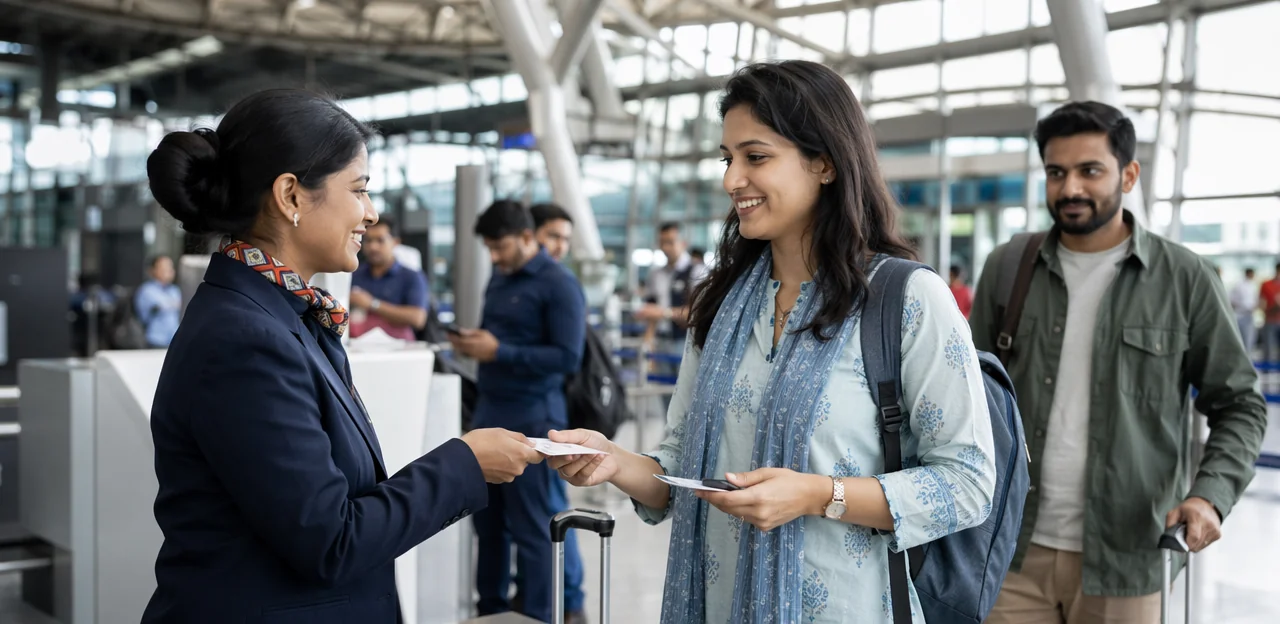
For airports, rail stations, public transport operators, and mobility hubs, capturing useful feedback from busy travellers is difficult because most passengers are moving with purpose, watching departure times, managing luggage, or dealing with delays. That creates major travel feedback challenges and weakens passenger survey response rates.
- Poor timing: Requests sent during boarding, transfers, or peak congestion are easy to ignore.
- Wrong channel choice: Long emails or app-based surveys often miss passengers who want fast, frictionless interactions.
- Survey fatigue: Travellers already receive too many generic requests, so motivation drops quickly.
- Low context recall: If feedback is collected too late, details become vague and less actionable.
This is why passenger feedback rewards work best when paired with short, in-the-moment surveys at key touchpoints, using simple mobile-friendly channels such as QR or NFC.
How incentives increase participation and data quality
Well-designed passenger feedback rewards work because they align with basic human psychology: people respond to convenience, reciprocity, and clear value. When travellers feel their time is respected, they are far more likely to complete surveys and share useful details.
- Reciprocity: A small perk, voucher, or loyalty credit encourages passengers to “give back” with honest input.
- Convenience: Fast, mobile-friendly forms paired with instant feedback incentives reduce friction for busy travellers.
- Perceived value: Relevant customer feedback rewards feel worthwhile, increasing survey participation across more passenger segments.
To improve data quality, keep rewards modest and the survey short. This lifts completion rates without attracting rushed answers, while optional comment fields often generate richer, more specific insights. The result is broader, more representative passenger feedback you can act on confidently.
The link between feedback, loyalty, and retention
Passenger feedback rewards work best when they support a wider loyalty and retention strategy, not just survey completion. When travellers receive a small, relevant incentive, operators gain more than responses—they create another reason to return, engage, and trust the brand.
- Increase passenger loyalty: Tie rewards to loyalty points, upgrades, or future-trip credits to encourage repeat usage.
- Strengthen trust: Acting quickly on negative feedback shows passengers their time and opinions matter.
- Improve service recovery: Use real-time feedback to resolve issues before they damage satisfaction or trigger churn.
- Support customer retention travel goals: Track which rewards drive repeat bookings, app engagement, or membership sign-ups.
Platforms like Tapsy can help connect feedback, rewards, and recovery into one retention-focused journey.
Best reward types for passenger feedback programs
Points, vouchers, and loyalty-based incentives
The best passenger feedback rewards are easy to understand, low-friction to redeem, and aligned with travel frequency.
- Loyalty points: Ideal for airlines and long-distance rail, where repeat travel is common. Loyalty points work well for frequent flyers and commuters who already value tier progress and future perks.
- Travel vouchers: Best for occasional travellers who may not belong to a loyalty programme. Travel vouchers suit rail operators, coach services, and multimodal brands because they offer simple, immediate value.
- Fare credits: Strong for transit systems and mobility apps, where small balances can be applied directly to the next trip. Fare credits encourage quick repeat usage.
- Lounge discounts: Effective for airlines and premium rail services targeting business travellers.
- Partner offers: Useful for multimodal ecosystems, linking feedback to cafés, parking, ride-hailing, or hotel benefits.
Tools like Tapsy can help deliver these incentives instantly after feedback.
Instant rewards versus prize draws
When designing passenger feedback rewards, the best choice often depends on traveller mindset: speed, certainty, and minimal friction.
- Instant rewards such as a coffee voucher, Wi-Fi upgrade, loyalty points, or small discount usually drive higher participation because the value is immediate and guaranteed.
- Prize draw incentives can appear more exciting and cost-efficient at scale, but they often reduce response rates because the outcome is delayed and uncertain.
For busy travellers, an effective survey reward strategy usually favours guaranteed micro-rewards over sweepstakes. They are easier to understand, require less mental effort, and create a stronger sense of fairness.
A practical approach is to use instant rewards for routine feedback and reserve prize draw incentives for larger campaigns or lower-priority touchpoints. Platforms like Tapsy can support this kind of fast, low-friction reward flow.
Choosing rewards that match passenger context
Effective passenger feedback rewards work best when they reflect where people are in the journey, who they are, and what the hub environment allows. Relevance is what turns generic traveller incentives into truly personalized rewards for different passenger segments.
- Commuters: Offer fast, practical value such as coffee vouchers, transit credits, priority gate access, or parking discounts during peak hours.
- Business travellers: Focus on time-saving perks like lounge passes, Wi-Fi upgrades, express security benefits, or ride-hailing credits between meetings.
- Leisure passengers: Use experience-led rewards, including retail discounts, family meal deals, attraction offers, or duty-free coupons.
- App-based mobility users: Match rewards to multimodal behavior with e-scooter minutes, bike-share credits, or discounted onward rides.
Journey stage matters too: pre-departure rewards reduce stress, while arrival-based offers encourage immediate redemption. Tools like Tapsy can help trigger these context-aware rewards at the right touchpoints.
How to design a low-friction feedback experience for busy travellers

Best timing and channels for feedback requests
To improve response rates, match feedback request timing to moments when the experience is still fresh but the traveller is not under pressure. For passenger feedback rewards to work well, keep asks short, relevant, and easy to complete.
- Post-journey feedback: Send within 30 minutes to 24 hours after arrival, when details are still clear.
- After disruption: Ask soon after delays, cancellations, or missed connections to capture useful recovery insights.
- At key touchpoints: Trigger surveys after check-in, security, boarding, lounge use, baggage claim, or hub exit.
Use a mix of travel survey channels based on context:
- SMS and email for post-trip follow-up
- App notifications for active travellers
- QR codes, kiosks, and in-hub signage for instant, on-site feedback
Tools like Tapsy can support quick QR-based feedback at physical touchpoints.
Keeping surveys short, mobile-friendly, and relevant
To improve survey completion rates, design feedback flows for people in transit, not people with spare time. Busy travellers are far more likely to engage with passenger feedback rewards when surveys feel fast, useful, and easy on a phone.
- Keep short passenger surveys to 3–5 essential questions.
- Use adaptive logic so travellers only see follow-up questions relevant to their journey, delay, or service touchpoint.
- Apply strong mobile survey design: large tap targets, one-question screens, fast load times, and no app download.
- Show a clear time estimate upfront, such as “Takes 30 seconds,” to reduce uncertainty and abandonment.
- Trigger surveys in context, like after boarding, lounge use, or baggage collection, while the experience is still fresh.
Tools such as Tapsy can support quick, no-app feedback at key travel touchpoints.
Building trust with transparency and privacy safeguards
In regulated travel settings, passenger trust is the foundation of effective passenger feedback rewards. Travellers are far more likely to respond when terms are simple, consent is explicit, and data privacy travel practices are easy to understand.
- Explain the reward clearly: state eligibility, redemption steps, expiry dates, and any limits upfront.
- Be transparent about data use: show what data is collected, why it is needed, and whether it supports service recovery, analytics, or loyalty follow-up.
- Use active consent: separate survey participation from marketing opt-ins and avoid pre-ticked boxes.
- Highlight privacy protections: reference encryption, access controls, retention periods, and compliance with relevant travel regulations.
Strong survey transparency reduces friction, improves completion rates, and helps operators collect reliable feedback without undermining confidence.
Using passenger feedback rewards to improve experience and operations
Turning feedback into service improvements
Passenger feedback rewards work best when feedback is tied to clear operational action. Incentivized responses can reveal recurring friction points and turn them into measurable service improvement priorities.
- Track patterns in queue times, cleanliness issues, confusing wayfinding, accessibility barriers, delay communication, and staff interactions.
- Tag feedback by location, time, route, and touchpoint to generate practical travel operations insights.
- Set alerts for low scores so teams can respond quickly at stations, gates, platforms, or onboard.
- Share fixes back with passengers through signage, email, or app updates.
Closing the loop strengthens passenger experience because travellers see their input leading to visible changes, not disappearing into a survey database. Tools like Tapsy can help capture and route real-time, rewarded feedback efficiently.
Supporting disruption management and service recovery
Passenger feedback rewards are especially powerful during delays, cancellations, and overcrowding, when travellers are most motivated to respond. Used well, they turn frustration into useful insight and support faster service recovery.
- Capture travel disruption feedback in the moment: Use short mobile surveys at gates, platforms, or post-journey messages while details are still fresh.
- Incentivise constructive passenger complaints: Offer small rewards such as loyalty points, lounge vouchers, or future travel credits to increase response rates and reduce silent churn.
- Prioritise urgent issues: Route low scores and disruption-related comments directly to frontline teams for quick follow-up.
- Rebuild goodwill: Pair a sincere apology with a relevant incentive to show passengers they were heard.
Tools like Tapsy can help collect real-time feedback and trigger timely recovery actions.
Personalization opportunities across loyalty ecosystems
Passenger feedback rewards do more than lift response rates—they create fresh, consented data that strengthens the entire loyalty ecosystem. When linked to trip stage, route, service type, and sentiment, feedback helps brands build a more personalized passenger experience and turn interactions into actionable customer insights travel teams can use.
- Enrich profiles: Add preferences, pain points, accessibility needs, and channel choices to loyalty records.
- Improve segmentation: Group travellers by behaviour, trip purpose, disruption sensitivity, or reward responsiveness.
- Trigger relevant actions: Send lounge offers after airport wait complaints, rail upgrades to frequent commuters, or recovery perks after poor service scores.
- Coordinate across partners: Airlines, rail, parking, and airport retail can align communications using shared feedback signals.
Tools like Tapsy can help capture this data in real time at key travel touchpoints.
Measuring the success of a passenger feedback rewards strategy
Core metrics to track
To measure whether passenger feedback rewards are working, track a focused set of feedback metrics and survey KPIs:
- Response rate: The percentage of travellers who start the survey after seeing the invitation. This shows how appealing your timing, channel, and incentive are.
- Completion rate: How many respondents finish the survey. Low completion often signals friction or too many questions.
- Cost per response: Total reward and campaign cost divided by completed responses. Use this to keep incentives efficient.
- Feedback quality: Monitor comment depth, relevance, and actionable insights, not just volume.
- NPS travel: Measures likelihood to recommend your airport, station, or service.
- CSAT: Captures immediate satisfaction with a specific journey touchpoint.
- Repeat travel and loyalty engagement: Track whether respondents return, redeem rewards, or join loyalty programmes.
Testing reward value and survey design
To improve passenger feedback rewards, use A/B testing surveys to identify what busy travellers actually respond to. Test one variable at a time, then scale what performs best against both response rates and operational priorities.
- Incentive type: lounge access, loyalty points, vouchers, or instant discounts
- Reward amount: compare small guaranteed rewards versus higher-value prize draws
- Timing: ask immediately after security, boarding, arrival, or post-trip
- Wording: test short, benefit-led prompts against more formal survey invitations
- Channel: compare SMS, email, QR codes, app notifications, or kiosk prompts
Strong survey design testing should also track completion time, drop-off points, and redemption rates. This supports ongoing reward optimization based on traveller behavior, route patterns, and service improvement goals.
Common mistakes to avoid
When designing passenger feedback rewards, avoid these common pitfalls that reduce insight quality and trust:
- Over-incentivizing responses: Large rewards can create survey incentive mistakes, encouraging rushed submissions instead of honest input.
- Ignoring response quality: If incentives attract people only chasing perks, you risk low-quality feedback that skews decisions.
- Offering irrelevant rewards: Generic prizes may not appeal to busy travellers. Choose rewards tied to travel convenience, such as lounge discounts, Wi-Fi access, or loyalty points.
- Adding reward redemption friction: Complicated claims, long forms, or delayed delivery discourage participation and damage the experience.
- Failing to act on feedback: Rewards alone are not enough. Close the loop by fixing issues and showing passengers their input leads to improvements.
Balance participation rates with meaningful, actionable insight.
Implementation roadmap for travel and mobility brands

Launching a pilot program in one hub or route
Start your passenger feedback rewards rollout small, with one terminal, station zone, route, or app journey where traffic is steady and pain points are easy to measure. A focused feedback pilot program helps validate incentives, response rates, and operational workflows before wider investment.
- Choose one test area with clear passenger volume and service ownership.
- Set one goal: higher survey completion, faster issue recovery, or better satisfaction scores.
- Offer a simple reward such as lounge entry, coffee vouchers, loyalty points, or fare credits.
- Keep feedback short: 2–3 questions at key touchpoints.
- Track results weekly to refine your travel customer feedback program and broader mobility hub strategy.
Tools like Tapsy can support QR/NFC-based pilot execution.
Aligning teams across experience, loyalty, and operations
To make passenger feedback rewards effective, teams must work from one shared framework rather than separate KPIs. Strong cross-functional collaboration ensures incentives drive both response rates and measurable service improvements.
- Customer experience teams define priority journey moments, feedback triggers, and recovery actions.
- Marketing and loyalty teams align rewards with brand value, segmentation, and loyalty program management goals.
- Digital teams optimise QR, app, email, or kiosk journeys to reduce friction.
- Operations teams act on low scores quickly and close the loop with visible fixes.
A joined-up customer experience strategy should combine reward redemption, feedback themes, and operational outcomes in one dashboard. Tools like Tapsy can help connect touchpoint feedback with instant reward delivery.
Scaling with automation and continuous improvement
To scale passenger feedback rewards without adding operational complexity, build a system that is automated, personalised, and measurable:
- Use survey automation to send short feedback requests after key moments such as check-in, lounge use, boarding, or baggage collection.
- Connect rewards and responses through CRM integration travel workflows, so frequent flyers, families, and business travellers receive relevant incentives instead of generic offers.
- Set journey-based triggers to launch instant rewards, service recovery alerts, or follow-up surveys based on score, route, or touchpoint.
- Support continuous improvement by reviewing redemption, response quality, and satisfaction trends regularly.
Platforms like Tapsy can help operationalise this across physical travel touchpoints while supporting compliant, real-time engagement.
Conclusion
In a fast-moving travel environment, the most effective feedback strategies are the ones that respect passengers’ time while delivering clear value in return. That is why passenger feedback rewards matter: they help travel and mobility hubs collect more timely insights, improve response rates, and create better experiences without adding friction for busy travellers. When incentives are simple, relevant, and easy to redeem, passengers are far more likely to share honest feedback at the moments that matter most.
The real advantage of passenger feedback rewards goes beyond survey completion. They help operators identify service gaps faster, recover negative experiences before they escalate, and strengthen loyalty through more responsive, passenger-centric journeys. From terminals and lounges to boarding points and transit connections, rewarding feedback can turn everyday touchpoints into opportunities for retention, service improvement, and stronger brand trust.
Now is the time to review your current feedback journey and ask whether it is truly designed for today’s traveller. Start by simplifying feedback collection, aligning rewards with passenger needs, and measuring which incentives drive the best engagement. For organizations looking to modernize this process, tools like Tapsy can support real-time, touchpoint-based feedback and reward flows. Explore your passenger data, test incentive models, and build a smarter passenger feedback rewards strategy that keeps travellers engaged and coming back.
Frequently Asked Questions
- What are passenger feedback rewards?
Passenger feedback rewards are simple incentives offered in exchange for quick traveller feedback. They are designed to encourage responses at important journey moments while respecting limited time and attention.
- Why do rewards help increase survey participation among busy travellers?
Rewards work because they combine convenience, reciprocity, and clear value. When travellers see that a short survey leads to an immediate and relevant benefit, they are more likely to respond and provide useful detail.
- Which travel environments benefit most from passenger feedback rewards?
Airports, rail stations, public transport operators, and broader mobility hubs can all benefit. These settings involve time-poor passengers, frequent touchpoints, and operational issues that are easier to capture through fast, in-the-moment feedback.
- What kinds of rewards are most effective for passenger feedback programs?
Effective options include loyalty points, travel vouchers, fare credits, lounge discounts, and partner offers. The best choice depends on travel frequency, passenger type, and how easily the reward can be redeemed.
- Are instant rewards better than prize draws for traveller surveys?
For busy travellers, instant rewards usually perform better because they are guaranteed, easy to understand, and require less mental effort. Prize draws can suit larger campaigns or lower-priority touchpoints, but delayed and uncertain outcomes often reduce response rates.
- How should rewards be matched to different passenger segments?
Commuters tend to value practical perks such as coffee vouchers, transit credits, or parking discounts. Business travellers respond well to time-saving benefits like lounge access or Wi-Fi upgrades, while leisure passengers may prefer retail discounts, meal deals, or attraction offers.
- When is the best time to ask passengers for feedback?
The best timing is when the experience is still fresh but the traveller is not under heavy pressure. Good moments include within 30 minutes to 24 hours after arrival, soon after disruptions, or at touchpoints such as check-in, boarding, lounge use, baggage claim, or hub exit.
- Which channels work best for low-friction passenger feedback collection?
Useful channels include SMS, email, app notifications, QR codes, kiosks, and in-hub signage. The right choice depends on context, but mobile-friendly and on-site options are especially effective when travellers need a fast interaction.
- How long should a passenger survey be?
A short survey of 3 to 5 essential questions is recommended, and pilot programs can be even shorter at 2 to 3 questions. Large tap targets, one-question screens, fast loading, and no app download help keep completion rates high.
- How can travel brands build trust when offering rewards for feedback?
Trust improves when reward terms are clear, consent is explicit, and data use is explained in simple language. Operators should state eligibility, redemption steps, expiry dates, privacy protections, and keep marketing opt-ins separate from survey participation.
- How can rewarded feedback improve service recovery during delays or cancellations?
Short surveys sent during or soon after disruptions can capture fresh details about what went wrong. Low scores and disruption-related comments can then be routed to frontline teams quickly, while a relevant incentive and apology help rebuild goodwill.
- What metrics should be tracked to measure success?
Key metrics include response rate, completion rate, cost per response, and feedback quality. It is also useful to track NPS, CSAT, repeat travel, reward redemption, and loyalty engagement to see whether feedback activity supports retention.
- What should be tested when optimizing a passenger feedback reward strategy?
Test one variable at a time, such as incentive type, reward amount, timing, wording, or channel. Strong testing should also review completion time, drop-off points, and redemption rates so changes improve both participation and operational value.
- What common mistakes should operators avoid?
Avoid over-incentivizing, because large rewards can attract rushed or low-quality responses. Irrelevant rewards, complicated redemption steps, and failing to act on feedback can also damage trust and reduce the usefulness of the program.
- How can a travel brand start implementing passenger feedback rewards?
Start with a pilot in one terminal, station zone, route, or app journey where traffic is steady and outcomes are easy to measure. Set one clear goal, offer a simple reward, keep the survey short, track results weekly, and align customer experience, loyalty, digital, and operations teams as the program grows.