Every museum wants to create memorable visits, but knowing what to improve first is rarely straightforward. Should you focus on queue times, signage, exhibit flow, staff interactions, accessibility, or the café and shop experience? With limited budgets and rising visitor expectations, making the wrong call can waste resources and leave the biggest pain points unresolved.
That’s where museum visitor insights become essential. When museums move beyond assumptions and start using real feedback, behavioral data, and analytics, they can see what truly shapes satisfaction, dwell time, repeat visits, and word-of-mouth recommendations. Instead of reacting to the loudest complaint or the latest trend, teams can prioritize improvements based on evidence and impact.
This article explores how museums and attractions can turn visitor data into clear action plans. We’ll look at which signals matter most, how to identify high-impact opportunities, and how AI and analytics can help uncover patterns that are easy to miss. We’ll also cover practical ways to balance quick wins with longer-term strategic improvements, so teams can strengthen the visitor experience without becoming overwhelmed. For organizations seeking more real-time feedback and analysis, tools like Tapsy can also support a more proactive approach.
Why Museum Visitor Insights Matter for Better Decision-Making
What museum visitor insights include
Museum visitor insights are the patterns, opinions, and behaviors that show what visitors value, where friction happens, and what should improve first. Strong museum analytics combine multiple sources, including:
- Surveys: direct feedback on satisfaction, accessibility, exhibits, pricing, and amenities
- Ticketing data: booking channels, visit times, membership use, and repeat visits
- Footfall patterns: where visitors go, peak periods, and underused spaces
- Dwell time: which galleries, displays, or interactive zones hold attention longest
- Reviews and social comments: recurring praise, complaints, and sentiment trends
- Staff feedback: frontline observations about questions, confusion, and bottlenecks
- Digital behavior: website searches, app usage, abandoned bookings, and campaign clicks
When visitor data museums collect is viewed together, qualitative context and quantitative evidence create a fuller picture of visitor needs and clearer priorities.
Common challenges museums face when setting priorities
Setting museum improvement priorities is rarely straightforward. Many institutions must balance urgent fixes with long-term goals, often without clear evidence of what will matter most to visitors.
- Limited budgets: Funding is often tight, so even worthwhile upgrades compete for the same resources across museum operations.
- Competing stakeholder opinions: Curators, leadership, front-of-house teams, trustees, and funders may all define “priority” differently.
- Aging infrastructure: Older buildings, outdated signage, accessibility gaps, and legacy systems can absorb budgets before visitor-facing improvements happen.
- Seasonal demand: Busy holiday periods and school breaks can distort what seems most urgent in a visitor experience strategy.
This is where museum visitor insights help. By using real visitor feedback, behavior data, and trend analysis, museums can reduce guesswork and focus first on changes with the greatest impact.
The link between insights and visitor experience outcomes
Strong museum visitor insights help teams focus on the changes that matter most across the museum visitor journey. When museums prioritize improvements based on real visitor needs, they can deliver better outcomes without compromising curatorial or educational intent.
- Increase museum satisfaction: Fix the highest-friction moments first, such as wayfinding, queueing, or unclear interpretation.
- Boost repeat visits and membership growth: Identify what drives return intent, then strengthen programming, family-friendly offers, and member benefits.
- Improve accessibility: Use insight data to spot barriers in signage, language, sensory needs, and physical access.
- Protect revenue: Prioritize upgrades that improve dwell time, donations, retail, and café spend.
- Support mission-led decisions: Balance commercial wins with learning, inclusion, and collection care.
Tools like Tapsy can help capture real-time signals that make prioritization faster and more evidence-based.
How to Gather the Right Data Across the Visitor Journey

Collecting feedback at key touchpoints
To turn museum visitor insights into clear priorities, collect museum feedback across the full journey. Strong visitor journey mapping helps teams spot where friction appears most often and what affects the overall museum customer experience.
- Before the visit: Review website searches, event pages, accessibility information, ticketing drop-offs, and booking flow exits to find confusion before arrival.
- On arrival: Capture quick feedback at parking, wayfinding points, entry queues, bag checks, and ticket scanning to understand first impressions.
- During the visit: Ask for short pulse responses in exhibitions, interactive zones, cafés, shops, restrooms, and family facilities to identify service or content gaps in real time.
- After the visit: Use post-visit surveys, email follow-ups, and review analysis to measure satisfaction, recall, and likelihood to return.
Tools like Tapsy can help gather real-time feedback at specific locations.
Using operational and behavioral data
Surveys explain why people felt dissatisfied, but museum visitor insights become far more actionable when paired with museum operational data and visitor behavior analysis. Look for patterns such as:
- Ticket scans: identify entry bottlenecks, late-arrival peaks, and underused time slots.
- Queue times: reveal where waiting is hurting satisfaction before complaints appear.
- Heatmaps and dwell time: show crowded galleries, overlooked exhibits, and spaces where visitors lose momentum.
- Retail and café sales: highlight missed revenue when traffic is high but conversion is low.
- Staffing patterns: expose mismatches between visitor demand and team deployment.
Combined, these signals strengthen museum footfall analytics and help teams prioritize fixes with the biggest operational impact first. Tools such as Tapsy can complement this by adding real-time feedback to the data picture.
Applying AI and analytics to spot patterns faster
AI helps museums turn scattered comments into clear museum visitor insights. Instead of manually reading every survey, review, and support message, teams can use AI for museums to process feedback at scale and highlight what matters most.
- Cluster recurring issues: AI groups similar complaints, such as confusing signage, long queues, or poor café service.
- Track sentiment trends: With sentiment analysis museums can see whether visitor mood is improving or declining by exhibit, day, or audience segment.
- Reveal hidden drivers: Combining reviews with visitor analytics and behavioral data shows which factors most influence satisfaction, dwell time, and repeat visits.
This helps museums prioritize fixes by impact, not guesswork. Tools such as Tapsy can also support real-time feedback capture and faster issue detection.
A Practical Framework to Prioritize What to Improve First

Score issues by impact, effort, and urgency
Once you’ve gathered museum visitor insights, the next step is deciding what to fix first. A simple prioritization framework helps turn feedback into practical action by scoring each issue across five factors:
- Visitor impact – How strongly does this affect satisfaction, dwell time, or likelihood to return?
- Operational effort – How much staff time, coordination, or process change is required?
- Cost – Is this a low-cost adjustment or a major investment?
- Strategic relevance – Does it support core goals such as accessibility, family engagement, or membership growth?
- Time sensitivity – Does it need immediate attention because it affects safety, peak-season traffic, or reputation?
Use a simple 1–5 scale for each factor, then rank issues by:
- High impact + low effort = quick wins
- High impact + high urgency = immediate priorities
- High strategic relevance + moderate cost = planned projects
This approach strengthens museum improvement planning by helping teams focus on the visitor experience improvements that matter most. Tools such as real-time feedback platforms like Tapsy can also help surface urgent issues faster.
Separate quick wins from strategic investments
Use museum visitor insights to sort issues by effort, cost, and visitor impact. This helps teams act fast on obvious friction points while building a case for longer-term change.
Start with quick wins museums can implement in weeks, not years:
- Improve wayfinding museums rely on most: clearer directional signs, entrance labels, floor maps, and multilingual prompts
- Add better queue communication, such as expected wait times, timed-entry reminders, and “what happens next” signage
- Fix small but repeated pain points surfaced in feedback, like unclear ticketing instructions or hard-to-find amenities
These low-cost changes often reduce confusion immediately and improve flow without major disruption.
Reserve strategic investment for bigger structural issues:
- Gallery redesigns to improve navigation, dwell time, or accessibility
- New digital tools, apps, or analytics platforms
- Larger museum capital improvements such as entrance reconfiguration or exhibit infrastructure upgrades
A simple rule: if the problem is frequent and easy to fix, do it now. If it requires cross-department planning, budget approval, or construction, treat it as a strategic project. Tools like Tapsy can help capture real-time patterns to validate both priorities.
Balance visitor needs with mission and feasibility
Strong museum decision making starts with a simple principle: not every visitor request should become a priority. Use museum visitor insights to identify what matters most to audiences, then test those needs against your institution’s mission, resources, and operational limits.
A practical museum strategy is to score potential improvements against four filters:
- Public value: Will this change meaningfully improve comfort, clarity, or enjoyment for a large share of visitors?
- Conservation impact: Could it put collections, historic spaces, or environmental controls at risk?
- Educational fit: Does it support interpretation, learning outcomes, and the museum’s core purpose?
- Operational feasibility: Can current staff, budget, and systems realistically deliver it well?
For example, longer opening hours may be popular, but staffing constraints may make better wayfinding, clearer labels, or timed-entry adjustments more achievable first steps. Likewise, accessibility in museums should never be treated as optional; prioritize changes that improve physical access, sensory inclusion, and multilingual interpretation. Tools such as real-time feedback platforms like Tapsy can help museums capture needs quickly and spot improvements that are both high-impact and feasible.
High-Impact Areas Museums Should Evaluate First
Arrival, queues, and first impressions
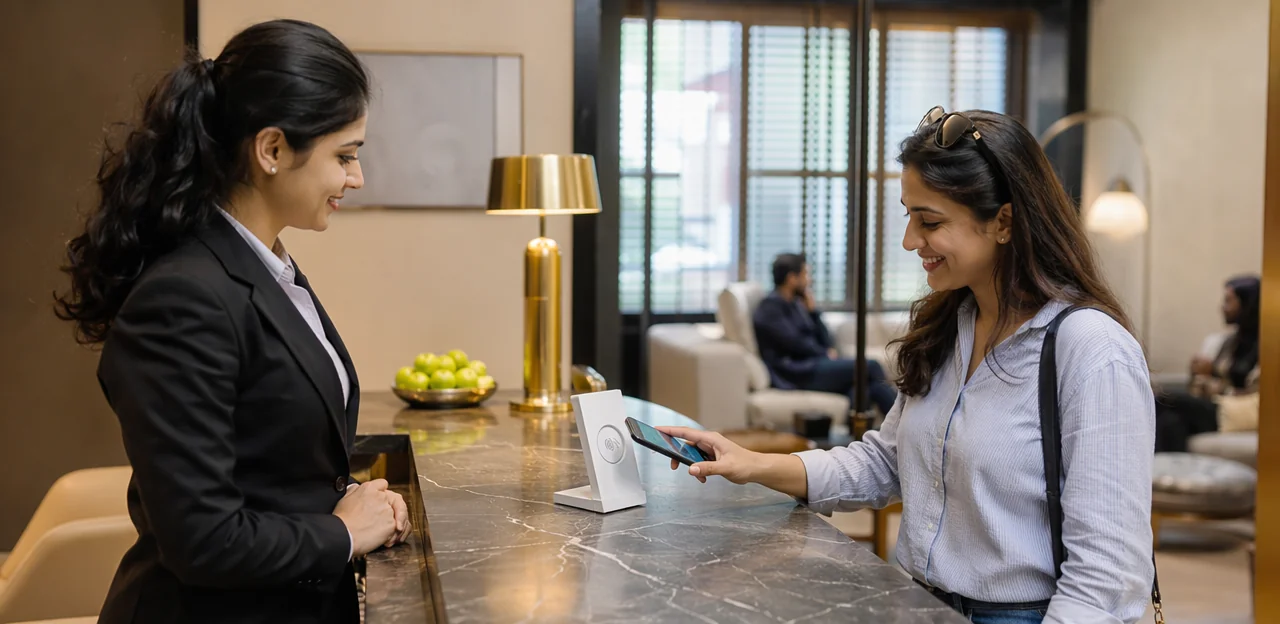
For many guests, the visit is judged before they see a single exhibit. Museum visitor insights often show that parking, wayfinding, museum queues, security checks, and the museum ticketing experience heavily influence overall satisfaction because they set the emotional tone for everything that follows.
Prioritize reviewing:
- Parking and arrival flow: Is signage clear, accessible, and stress-free?
- Ticketing speed: Measure wait times, mobile booking uptake, and bottlenecks at peak hours.
- Security and entry: Keep checks efficient, well-explained, and welcoming.
- Front-of-house interactions: A warm greeting can offset minor delays and improve visitor first impressions.
Use real-time feedback at entry points, queue-time tracking, and staff observation to identify friction early. Tools like Tapsy can help capture immediate arrival feedback while issues are still fixable.
Wayfinding, interpretation, and accessibility
Poor navigation can quietly damage the visit. Museum visitor insights often reveal that when people cannot find galleries, rest areas, or exits easily, satisfaction drops before they even reach the exhibits. Prioritize fixes that affect the widest range of visitors:
- Strengthen museum wayfinding: use clear sightlines, consistent icons, color-coded zones, and decision-point signage at entrances, lifts, and junctions.
- Improve interpretive signage: replace jargon-heavy labels with plain language, readable fonts, strong contrast, and layered content for different levels of interest.
- Reduce language barriers: offer multilingual labels, maps, and mobile guides for international and local audiences.
- Close museum accessibility gaps: audit step-free routes, seating, lighting, hearing support, tactile elements, and digital accessibility.
Tools like Tapsy can help capture real-time feedback on where visitors get lost or excluded.
Amenities, dwell time, and commercial touchpoints
Strong museum visitor insights often show that comfort-led upgrades can lift satisfaction, extend dwell time museums track closely, and increase spend.
- Seating and rest areas: Place benches near galleries, family zones, and transition spaces. Older visitors and families stay longer when they can pause without leaving the route.
- Restrooms: Clean, easy-to-find restrooms reduce friction and prevent early exits. Track complaint volume, queue times, and wayfinding gaps.
- Cafes: Well-positioned cafes encourage breaks that lengthen visits and improve energy levels, especially for multigenerational groups.
- Shops: A strong museum retail experience depends on flow. Put retail near natural pause points, not just the exit.
- Prioritization tip: Use heatmaps, queue data, and real-time feedback tools such as Tapsy to identify which museum amenities most affect comfort and secondary spend.
How to Turn Insights Into Action and Measure Results

Build an evidence-based improvement roadmap
Turn museum visitor insights into a practical museum action plan by sequencing fixes based on impact, effort, and urgency. A strong experience improvement roadmap helps leadership approve changes because it connects visitor pain points to cost, ownership, and measurable results.
- Group priorities into phases: quick wins, medium-term upgrades, and strategic investments.
- Assign clear owners: operations, exhibitions, front-of-house, digital, or marketing leads.
- Set timelines and budgets: define delivery dates, required resources, and approval thresholds.
- Track success with KPIs: use museum KPI tracking for satisfaction scores, dwell time, complaints, repeat visits, and conversion rates.
- Review monthly: adjust the roadmap as new evidence emerges.
Test, learn, and refine with continuous feedback
Use museum visitor insights to trial improvements on a small scale before investing in a full rollout. A simple museum testing process helps teams reduce risk and focus on what actually improves the visitor experience.
- Pilot one change at a time: test new signage, gallery layouts, audio guides, or queue management in a single space.
- Compare results: measure dwell time, satisfaction scores, repeat visits, and staff observations before and after the change.
- Create a visitor feedback loop: collect real-time comments, short surveys, and frontline feedback to confirm whether the update is working.
This approach supports continuous improvement museums can sustain, ensuring successful ideas are validated before scaling further.
Measure success with the right KPIs
To turn museum visitor insights into clear priorities, track a focused set of museum KPIs that connect experience, access, and income:
- Visitor satisfaction metrics: overall satisfaction, NPS, and exhibit-specific feedback
- Queue times: entry, ticketing, cloakroom, café, and popular exhibitions
- Repeat visitation: returning guests by segment, season, or exhibition type
- Membership conversion: percentage of visitors who become members
- Dwell time: time spent in galleries, interactive zones, and retail areas
- Accessibility feedback: ease of navigation, signage, sensory support, and staff helpfulness
- Revenue per visitor: admissions, retail, food and beverage, and upsells
Use museum performance analytics to compare these KPIs by day, audience type, and location, so you improve the biggest friction points first.
Common Mistakes to Avoid When Using Museum Visitor Insights

Relying on one data source only
One of the most common visitor insight mistakes is acting on a single signal. Strong museum visitor insights come from triangulating evidence, not just one metric.
- Surveys show stated opinions, but can miss silent segments.
- Anecdotal feedback highlights emotion, but may overrepresent extremes.
- Attendance numbers reveal volume, not why visitors behave that way.
A better museum data strategy combines museum survey analysis, footfall, dwell time, ticketing, and staff observations before prioritizing improvements.
Prioritizing loud complaints over broad patterns
Avoid letting the noisiest feedback dictate your roadmap. Strong museum visitor insights come from balancing urgency with scale:
- Use visitor complaint analysis to measure how often an issue appears, not just how loudly it is reported.
- Segment museum audience insights by families, members, school groups, and tourists.
- Prioritize fixes that affect the largest groups or highest-value audiences.
This leads to more consistent experiences and smarter, data-driven museum decisions.
- Close the loop visibly: Share which museum visitor insights led to changes through signage, email updates, social posts, or “You said, we did” displays. This is essential for closing the feedback loop.
- Brief your team first: Strong museum staff engagement helps frontline teams explain improvements confidently and reinforce the message in person.
- Show impact, not promises: When visitors see feedback acted on, visitor trust grows and participation increases. Tools like Tapsy can help surface and communicate real-time improvements.
Conclusion
In the end, improving the visitor experience starts with knowing where change will have the greatest impact. The most effective museums don’t try to fix everything at once—they use museum visitor insights to identify the moments that matter most, from ticketing and wayfinding to exhibit engagement, amenities, and post-visit satisfaction. By combining visitor feedback with behavioral data and analytics, museums can move beyond assumptions and make smarter, faster decisions rooted in real audience needs.
Prioritization is what turns data into action. When teams focus first on high-friction touchpoints, recurring complaints, and opportunities that influence satisfaction, dwell time, and return visits, improvement efforts become more strategic and measurable. That’s the real value of museum visitor insights: they help museums allocate limited time and budgets where they will improve the visitor journey most.
The next step is to build a simple, repeatable process for collecting feedback, reviewing trends, and acting on findings. Start with a clear framework, benchmark key experience metrics, and revisit them regularly. If you’re exploring tools to capture real-time feedback and AI-powered analytics, solutions like Tapsy can support that process. Now is the time to turn museum visitor insights into meaningful improvements that keep audiences engaged, satisfied, and eager to return.
Frequently Asked Questions
- What are museum visitor insights?
Museum visitor insights are the patterns, opinions, and behaviors that reveal what visitors value, where friction happens, and what should be improved first. They come from combining feedback, operational data, and behavioral signals to create a clearer picture of visitor needs.
- Which data sources should museums combine to set better priorities?
Useful sources include surveys, ticketing data, footfall patterns, dwell time, reviews, social comments, staff feedback, and digital behavior such as website searches or abandoned bookings. Looking at these together gives both qualitative context and quantitative evidence for stronger decisions.
- Why is it difficult for museums to decide what to improve first?
Museums often face limited budgets, competing stakeholder opinions, aging infrastructure, and seasonal demand shifts. These factors can make urgent fixes and long-term goals compete unless priorities are grounded in evidence.
- How do visitor insights improve museum outcomes?
They help museums focus on the changes that most affect satisfaction, repeat visits, accessibility, and revenue-related behaviors such as dwell time, donations, retail, and café spend. They also support mission-led decisions by balancing visitor needs with learning, inclusion, and collection care.
- When should museums collect feedback during the visitor journey?
Feedback should be collected before the visit, on arrival, during the visit, and after the visit. This helps teams identify confusion in booking flows, first-impression issues at entry, in-visit friction in galleries or amenities, and post-visit satisfaction or return intent.
- How is operational data different from survey feedback in museums?
Survey feedback explains why visitors felt satisfied or dissatisfied, while operational data shows what is happening in practice. Ticket scans, queue times, heatmaps, dwell time, sales, and staffing patterns reveal bottlenecks and missed opportunities that surveys alone may not show.
- How can AI help museums analyze visitor feedback faster?
AI can group recurring issues, track sentiment trends, and reveal hidden drivers behind satisfaction, dwell time, and repeat visits. This helps museums process large volumes of comments and connect feedback with behavioral data more efficiently.
- What is a simple framework for prioritizing museum improvements?
A practical framework scores each issue by visitor impact, operational effort, cost, strategic relevance, and time sensitivity using a simple scale. High-impact, low-effort items become quick wins, while urgent high-impact issues and strategically important projects can be planned separately.
- What counts as a quick win versus a strategic investment in a museum?
Quick wins are low-cost, frequent problems that can be fixed quickly, such as clearer signage, better queue communication, or easier-to-find amenities. Strategic investments are larger changes like gallery redesigns, new digital tools, or major entrance and exhibit infrastructure upgrades.
- Should museums act on every visitor request?
No, requests should be tested against public value, conservation impact, educational fit, and operational feasibility. Popular ideas may still be less practical than smaller changes that better match staffing, budget, and mission.
- Which museum areas usually deserve attention first?
Arrival, queues, ticketing, wayfinding, interpretation, accessibility, restrooms, seating, cafés, and shops are often high-impact areas. These touchpoints shape first impressions, comfort, navigation, and how long visitors stay.
- How can museums turn visitor insights into an action plan?
Group priorities into phases such as quick wins, medium-term upgrades, and strategic investments, then assign owners, budgets, and timelines. Progress should be reviewed regularly using KPIs so the roadmap can adapt as new evidence appears.
- What is the best way to test improvements before a full rollout?
Pilot one change at a time in a specific space, such as new signage, queue management, or an updated layout. Then compare results using satisfaction, dwell time, repeat visits, and staff observations before deciding whether to scale it.
- Which KPIs should museums track to measure success?
Key measures include visitor satisfaction, NPS, queue times, repeat visitation, membership conversion, dwell time, accessibility feedback, and revenue per visitor. Comparing these by day, audience type, and location helps identify the biggest friction points.
- What mistakes should museums avoid when using visitor insights?
Common mistakes include relying on only one data source and letting the loudest complaints outweigh broader patterns. A stronger approach combines multiple signals, segments audiences, and prioritizes issues based on frequency, scale, and impact.