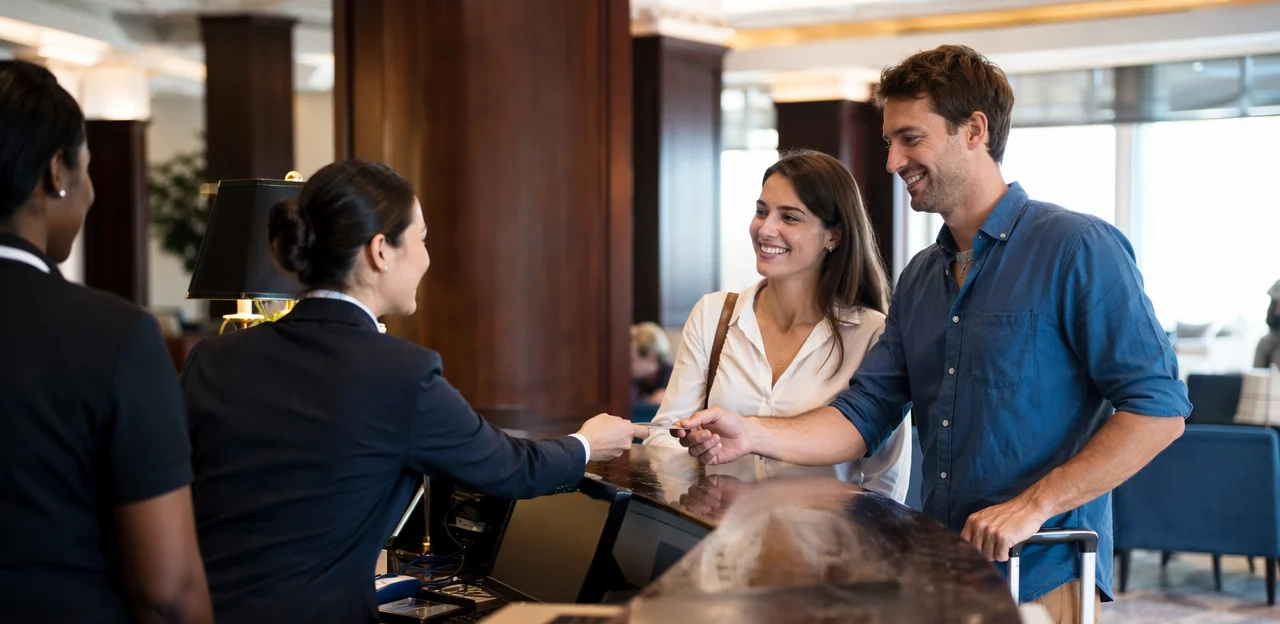
A guest’s experience doesn’t end at checkout, and neither does a hotel’s opportunity to build lasting relationships. In today’s competitive hospitality market, where travelers can compare countless options in seconds, listening to what guests say at every stage of their stay has become essential. Thoughtful, timely feedback gives hotels more than a snapshot of satisfaction; it reveals what truly drives hotel guest loyalty, from smooth check-ins and spotless rooms to responsive service and memorable personal touches.
When hotels actively collect, analyze, and act on guest feedback, they can resolve problems faster, exceed expectations more consistently, and create experiences that encourage guests to return. Even small operational improvements based on real guest insights can have a powerful impact on repeat bookings, positive reviews, and long-term retention. Tools such as Tapsy, for example, can help hotels capture real-time feedback during the stay, making it easier to address issues before they affect the overall experience.
This article explores how hotel guest feedback supports stronger loyalty and retention, why real-time service recovery matters, and which strategies hotels can use to turn guest opinions into meaningful improvements that keep visitors coming back.
Why guest feedback matters for hotel guest loyalty
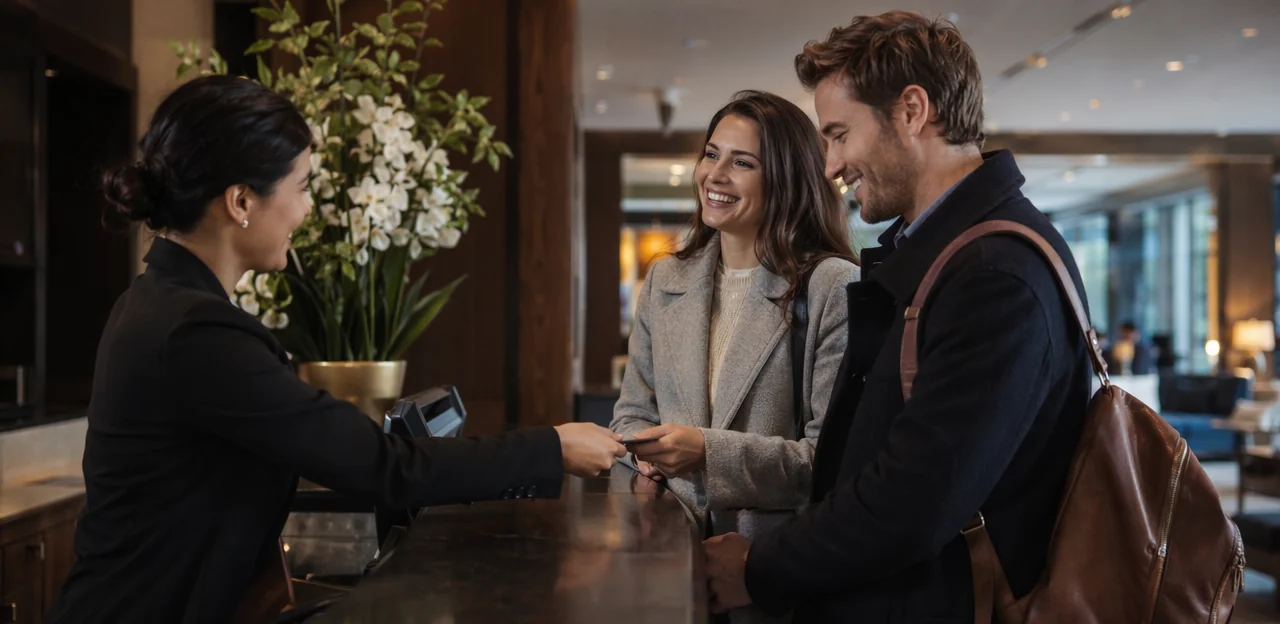
The link between feedback, satisfaction, and repeat bookings
Guest feedback shows hotels exactly what shapes guest satisfaction—from check-in speed and room cleanliness to breakfast quality and staff responsiveness. When teams track patterns in comments and ratings, they can identify what builds trust and what creates friction.
- Spot loyalty drivers: Learn which moments make guests feel valued, comfortable, and likely to return.
- Fix friction fast: Resolve recurring issues like noise, Wi-Fi problems, or slow service before they damage the stay.
- Strengthen trust: Acting on feedback proves the hotel listens, which is essential for hotel guest loyalty.
- Increase lifetime value: Satisfied guests are more likely to make repeat bookings, leave positive reviews, and recommend the property.
Tools like Tapsy can help hotels capture in-stay feedback early, so problems are solved before checkout.
Today’s guest expectations are shaped by fast, seamless experiences across every industry, and hotels are expected to keep up. To strengthen the hotel guest experience and drive hotel guest loyalty, brands need to consistently deliver on a few essentials:
- Personalization: Guests expect tailored offers, room preferences, and relevant communication.
- Speed: Fast check-in, quick issue resolution, and prompt service now matter as much as price.
- Cleanliness: Visible hygiene standards remain a core trust factor.
- Service consistency: Guests want the same quality across every stay, team, and property.
- Digital convenience: Mobile messaging, contactless options, and easy feedback channels are now key hospitality trends.
Collecting feedback at each touchpoint helps hotels spot gaps early, fix recurring issues, and adapt faster than competitors. Tools like Tapsy can support real-time insight collection while guests are still on-site.
The business impact of listening to guests
Guest feedback is more than a satisfaction metric; it is a practical growth strategy that strengthens hotel guest loyalty and protects profitability. When hotels act on feedback quickly, they improve service recovery, reduce friction, and create experiences guests want to repeat and recommend.
- Boost online hotel reviews: Resolve issues during or right after a stay to prevent negative public reviews and encourage satisfied guests to post positive ones.
- Increase referrals: Guests who feel heard are more likely to recommend your property to friends, family, and colleagues.
- Drive direct bookings: Better experiences and stronger trust reduce reliance on OTAs and support more repeat direct reservations.
- Improve guest retention: Use recurring feedback themes to fix operational gaps and personalize future stays.
- Grow hotel revenue: Higher retention, better reviews, and more referrals lead to stronger occupancy and lifetime value.
Tools like Tapsy can help hotels capture in-stay feedback before problems affect revenue.
How hotels can collect meaningful guest feedback
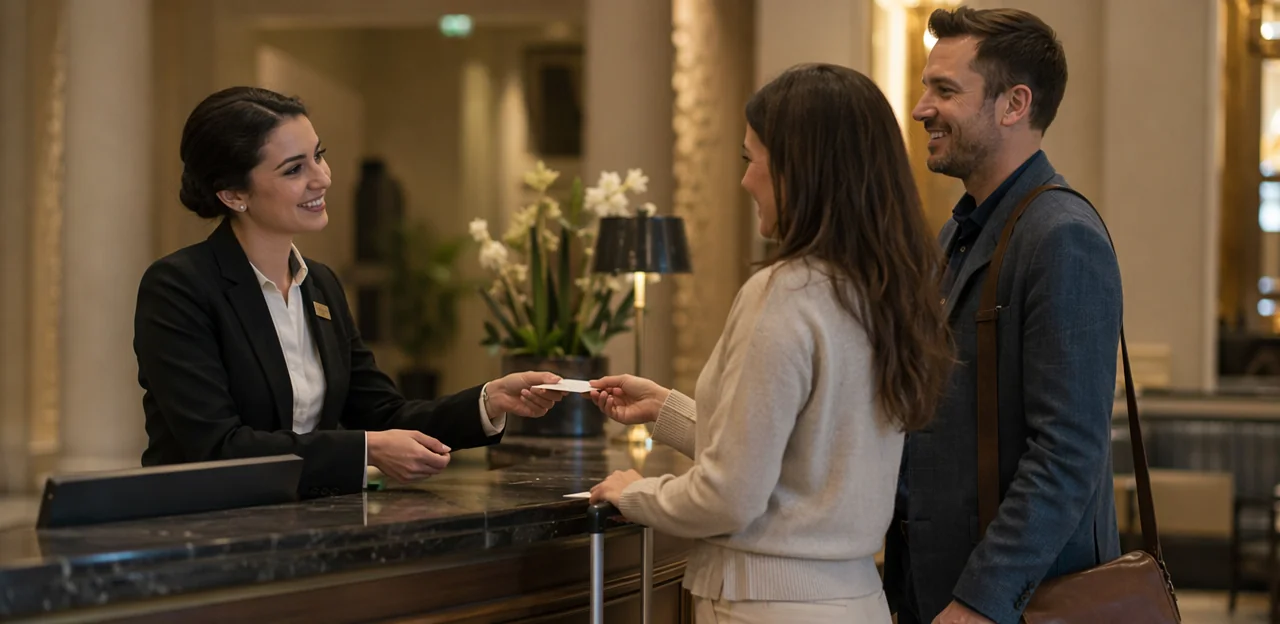
Best feedback channels across the guest journey
Using the right guest feedback channels at each stage helps hotels capture timely insights and strengthen hotel guest loyalty.
- Pre-arrival surveys: Send a short survey before check-in to learn preferences, arrival times, and special requests. This personalizes the stay from the start.
- In-stay messaging: Use SMS, WhatsApp, or QR touchpoints to collect real-time feedback while issues can still be fixed. Tools like Tapsy can support fast, no-app responses.
- Front desk conversations: Train staff to ask simple, open-ended questions at check-in and checkout for immediate, human insight.
- Post-stay email: A well-timed post-stay survey captures detailed reflections while the experience is still fresh.
- Hotel review sites: Monitor hotel review sites to spot patterns guests may not share privately.
- Loyalty program interactions: Ask members for feedback during reward redemptions, upgrades, or return-stay offers.
Questions that uncover actionable loyalty insights
Use hotel survey questions that go beyond satisfaction and reveal what actually drives hotel guest loyalty. A strong mix includes rating scales for trend tracking and open-text prompts for deeper guest insights.
- Service gaps: “How would you rate check-in, room cleanliness, Wi-Fi, breakfast, and staff responsiveness?”
- Emotional drivers: “Did you feel welcomed, valued, and cared for during your stay?”
- Booking preferences: “What influenced your booking decision most: price, location, loyalty perks, reviews, or amenities?”
- Return intent: “How likely are you to stay with us again, and why?”
- Barriers to return: “What nearly stopped you from booking again?”
Pair 1–10 scores, yes/no questions, and comment boxes to strengthen customer feedback analysis and uncover clear retention opportunities.
How to increase response rates without annoying guests
To improve survey response rates without creating friction, build a smarter hotel feedback strategy around relevance and convenience:
- Ask at the right moment: Send requests shortly after check-in, after key service moments, or right after checkout while the experience is still fresh.
- Keep surveys short: Aim for 1–3 questions with an optional comment box. Long forms reduce completion.
- Personalize guest communication: Use the guest’s name, stay details, or service touchpoints to make outreach feel helpful, not automated.
- Explain the value: Tell guests how feedback will be used, such as improving breakfast service, room cleanliness, or check-in speed.
- Make it easy on mobile: Use mobile-friendly links, QR codes, or tools like Tapsy for fast, no-app responses.
- Offer multilingual options: Guests are more likely to respond when they can reply in their preferred language.
Done well, this supports stronger hotel guest loyalty and repeat bookings.
Turning feedback into better guest experiences
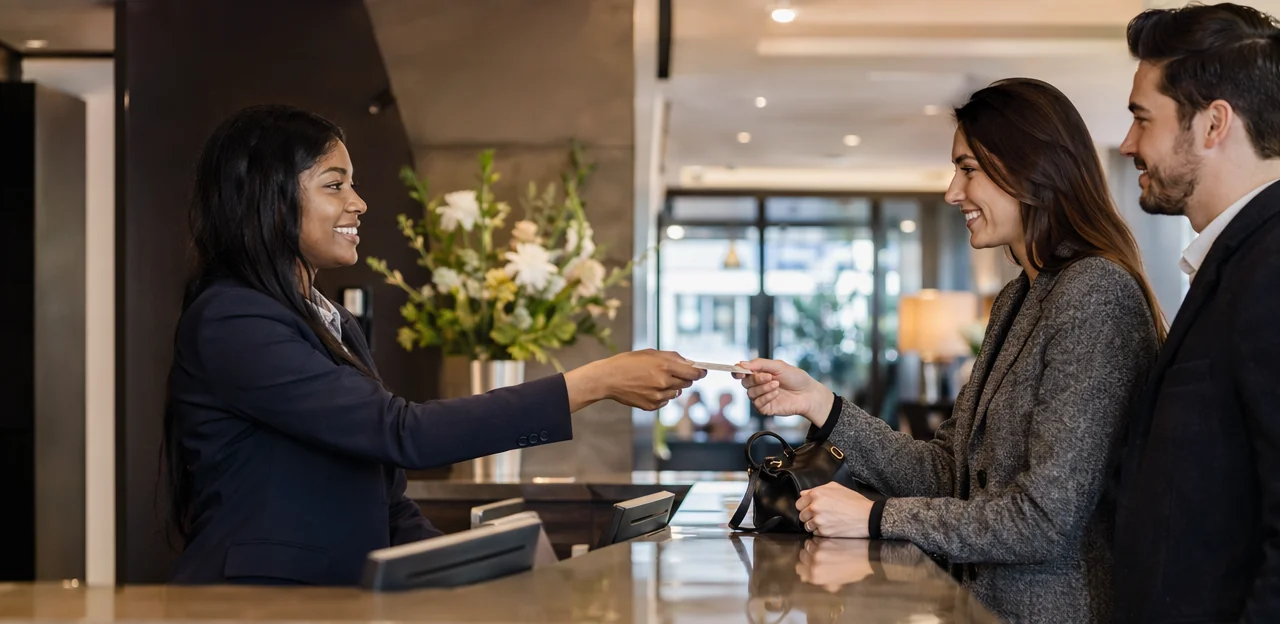
Identifying recurring pain points and service gaps
To improve hotel guest loyalty, hotels need to look beyond one-off comments and identify patterns across feedback. Group guest complaints and compliments by touchpoint to reveal recurring service gaps and opportunities for hotel operations improvement.
- Check-in: Track mentions of long queues, unclear communication, or slow room readiness.
- Housekeeping: Look for repeated issues with cleanliness, missing items, noise, or delayed room servicing.
- Amenities: Monitor feedback on Wi-Fi reliability, gym upkeep, parking, pools, and in-room features.
- Dining: Spot trends in breakfast waits, food quality, menu variety, and service speed.
- Staff interactions: Compare praise and complaints about friendliness, problem-solving, and responsiveness.
Prioritize fixes based on frequency and guest impact. A slow check-in or inconsistent cleanliness can damage the entire stay more than minor amenity issues. Real-time tools like Tapsy can help hotels capture touchpoint-level insights quickly, resolve problems faster, and turn feedback into stronger repeat booking performance.
Using feedback to personalize the stay
Guest feedback becomes far more valuable when hotels turn it into action. By tracking guest preferences from previous stays, teams can create a personalized guest experience that feels thoughtful rather than generic.
- Room choices: Note preferences such as high floors, quiet rooms, extra pillows, or proximity to elevators.
- Amenities: Use past comments to prepare preferred minibar items, allergy-friendly products, or gym and spa recommendations.
- Communication style: Some guests want SMS updates, while others prefer email or minimal contact. Matching that preference improves comfort.
- Special touches: A birthday note, favorite snack, or fast check-in for repeat visitors shows true hotel personalization.
This kind of recognition strengthens emotional connection, which is essential for hotel guest loyalty. Guests are more likely to return when they feel known, valued, and understood. Tools like Tapsy can help hotels capture and organize feedback in real time for smarter personalization.
Closing the loop with guests after feedback
Collecting feedback is only half the job; guest follow-up is what turns comments into stronger relationships and better hotel guest loyalty. A timely response shows guests they were heard, valued, and taken seriously.
- Acknowledge quickly: Confirm receipt of feedback and reference the specific issue or praise.
- Apologize when needed: A sincere, direct apology is essential for effective service recovery, especially after a poor stay.
- Explain what changed: Tell guests what action was taken, such as retraining staff, fixing maintenance issues, or improving check-in processes.
- Thank them genuinely: Guests who share feedback help your hotel improve, so recognize their time and honesty.
This kind of follow-up rebuilds customer trust and can turn a negative experience into a second chance. When appropriate, pair the message with a thoughtful offer, such as a return-stay incentive. Tools like Tapsy can help hotels capture issues early and support faster follow-up.
How feedback strengthens loyalty and retention strategies

Improving loyalty programs with guest insights
Guest feedback shows hotels which benefits actually drive hotel guest loyalty and which perks go unused. Instead of relying on assumptions, teams can use comments, surveys, and redemption data to shape hotel loyalty programs around real guest preferences.
- Refine guest rewards: Identify whether guests value room upgrades, late checkout, dining credits, spa offers, or flexible discounts most.
- Improve tier benefits: Feedback reveals if elite perks feel meaningful or too hard to access, helping hotels adjust thresholds and privileges.
- Expand redemption options: Guests are more likely to return when points can be used in practical, appealing ways.
- Strengthen loyalty strategy: Segment feedback by traveler type, stay purpose, or booking channel to personalize offers.
Tools like Tapsy can help capture timely insights and connect feedback with more relevant, rewarding experiences.
Creating memorable moments that drive return stays
Guest feedback helps hotels spot the small details that turn a good visit into a memorable guest experience. Comments often reveal what guests value most, from being greeted by name to faster check-in or a thoughtful welcome amenity. These insights support smarter guest retention strategies by showing where teams can consistently exceed expectations.
- Recognition: Note preferences, special occasions, and past stay details to personalize future visits.
- Convenience: Use feedback to remove friction points like slow check-in, unclear parking, or delayed room service.
- Thoughtful touches: Surprise guests with upgrades, local recommendations, or follow-up service recovery gestures.
When hotels act on feedback quickly and consistently, hotel guest loyalty grows naturally. Positive, personal experiences build emotional connection, leading to more repeat hotel stays and stronger long-term retention.
Segmenting guests based on feedback and behavior
Effective guest segmentation turns raw survey responses, stay history, and booking patterns into smarter retention actions. Hotels can group guests by both purpose and preference to strengthen hotel guest loyalty and improve campaign relevance.
- Business travelers: prioritize fast check-in, strong Wi-Fi, quiet rooms, and flexible breakfast times.
- Families: respond well to larger rooms, kid-friendly dining, activity bundles, and early check-in.
- Couples: value privacy, spa packages, romantic upgrades, and late checkout.
- Frequent guests: expect recognition, exclusive perks, and personalized repeat guest marketing offers.
Using this insight, teams can tailor hospitality marketing emails, loyalty rewards, and post-stay offers to each segment. Tools like Tapsy can help capture real-time preferences, making retention campaigns more timely, personalized, and effective.
Measuring the success of a guest feedback strategy

Key metrics tied to loyalty and repeat bookings
Track a focused set of hotel KPIs to understand what drives hotel guest loyalty and revenue growth:
- Net Promoter Score (NPS): Shows how likely guests are to recommend your property, a strong predictor of future repeat stays.
- Review ratings: Public ratings reflect trust and influence booking decisions, especially for first-time guests.
- Repeat booking rate: Measures how often guests return; rising numbers usually signal stronger satisfaction and loyalty.
- Direct booking share: Higher direct bookings often indicate stronger brand preference and lower reliance on OTAs.
- Complaint resolution time: Faster recovery protects the guest experience and reduces churn after service issues.
- Guest lifetime value: Reveals the long-term revenue impact of loyal guests, helping hotels prioritize retention efforts.
Tools like Tapsy can help capture real-time feedback and improve response speed.
How to track improvements over time
To turn guest comments into measurable results, track feedback trends in a consistent way across your portfolio:
- By property: compare satisfaction scores, complaint themes, and response times across locations.
- By season: review peak vs. off-peak periods to spot staffing, pricing, or service issues.
- By department: monitor housekeeping, front desk, food and beverage, and maintenance separately.
- By guest segment: compare business travelers, families, couples, and loyalty members to see what drives hotel guest loyalty.
Build monthly hotel reporting dashboards with KPIs such as sentiment, issue resolution time, and repeat-stay intent. Tools like Tapsy can help centralize this data and support continuous improvement.
Common mistakes hotels should avoid
Avoid these common feedback mistakes if you want stronger hotel guest loyalty:
- Collecting feedback but not acting on it: Asking for opinions and then doing nothing quickly damages guest trust. Guests expect visible improvements or personal follow-up.
- Over-surveying guests: Too many emails, pop-ups, or lengthy forms create fatigue and lower response quality. Keep feedback requests short and well-timed.
- Ignoring negative hotel reviews: Unanswered complaints suggest the hotel does not care. Respond promptly, acknowledge the issue, and explain what will change.
- Failing to share insights across teams: If housekeeping, front desk, and management work in silos, recurring issues continue.
Tools like Tapsy can help hotels capture and route feedback in real time.
Building a feedback-driven hotel culture

Training staff to value and use guest feedback
To strengthen hotel guest loyalty, train teams to treat feedback as a daily service tool, not a complaint log. Strong hotel staff training should help employees ask for input confidently, read patterns without becoming defensive, and act on insights quickly.
- Teach frontline staff to request feedback at key moments, such as check-in, breakfast, and checkout.
- Coach managers to review comments in team huddles and turn trends into clear service actions.
- Reinforce a guest service culture where every response, follow-up, and recovery reflects strong hospitality management.
Consistent staff behavior is what turns feedback into repeat bookings.
- Share feedback across cross-functional hospitality teams so each department improves its part of the guest journey:
- Housekeeping: spot recurring cleanliness or maintenance issues
- Front desk: reduce wait times and improve service recovery
- Food and beverage: refine breakfast quality, speed, and menu choices
- Marketing: align promotions with what guests actually value
- Leadership: prioritize training, staffing, and investment decisions
When every team works from the same insights, hotels deliver stronger service consistency, fewer friction points, and a more seamless stay—key drivers of hotel guest loyalty and repeat bookings.
Making feedback part of long-term growth
Treat guest feedback as a continuous hospitality growth strategy, not a one-off survey after checkout. To strengthen hotel guest loyalty, hotels should:
- review feedback trends weekly, not just individual complaints
- turn recurring insights into staff training, service updates, and recovery standards
- close the loop with guests so they see their input leads to action
This ongoing approach improves brand reputation, builds trust, and supports long-term guest loyalty. Tools like Tapsy can help capture real-time insights that drive sustainable repeat bookings and stronger guest relationships.
Conclusion
In a competitive hospitality market, guest feedback is no longer just a reputation tool—it is a direct driver of hotel guest loyalty and repeat bookings. When hotels actively listen to guests, respond quickly to concerns, and use insights to improve every stage of the stay, they create experiences that feel personal, responsive, and memorable. That is what turns one-time visitors into returning guests.
The key takeaway is simple: timely feedback helps hotels identify service gaps, recover negative experiences before they escalate, and refine the moments that matter most, from check-in to checkout. It also gives teams the data they need to personalize future stays, strengthen relationships, and build trust over time. When guests feel heard and valued, hotel guest loyalty grows naturally.
The next step is to make feedback collection more immediate, actionable, and consistent across all touchpoints. Consider reviewing your current guest feedback process, training staff on service recovery, and tracking trends that influence repeat bookings. Tools such as Tapsy can also help hotels capture real-time in-stay feedback and act before a poor experience turns into a lost customer.
If you want to improve retention, boost satisfaction, and increase direct repeat bookings, start by turning guest feedback into a core part of your loyalty strategy.
Frequently Asked Questions
- How does guest feedback help increase hotel loyalty?
Guest feedback shows which parts of the stay make guests feel valued, comfortable, and likely to return. When hotels act on that input, they fix friction faster, build trust, and create more consistent experiences that support loyalty.
- Why is real-time in-stay feedback more useful than waiting until checkout?
Real-time feedback lets hotels solve problems while the guest is still on-site, before the issue shapes the full stay. That can improve service recovery, reduce negative reviews, and protect repeat booking potential.
- What guest experience factors most strongly influence repeat bookings?
Key drivers include fast check-in, room cleanliness, responsive service, personalization, and consistent quality across stays. Digital convenience, such as easy messaging and simple feedback channels, also matters because guests expect seamless service.
- Which feedback channels should hotels use across the guest journey?
Useful channels include pre-arrival surveys, in-stay messaging, front desk conversations, post-stay emails, hotel review sites, and loyalty program interactions. Using different channels at different moments helps hotels capture timely and relevant insights.
- What questions should hotels ask to uncover loyalty insights?
Hotels should ask about service quality, emotional experience, booking decision factors, return intent, and barriers to booking again. A mix of rating scales, yes or no questions, and open comment boxes makes the feedback more actionable.
- How can hotels improve survey response rates without annoying guests?
Keep requests short, ask at the right moment, and make the survey easy to complete on mobile. Personalized outreach, a clear explanation of why the feedback matters, and multilingual options can also increase responses without creating fatigue.
- How can hotels turn guest comments into operational improvements?
Hotels can group feedback by touchpoint, such as check-in, housekeeping, dining, amenities, and staff interactions, to find recurring pain points. Then they should prioritize fixes based on how often the issue appears and how much it affects the stay.
- How does feedback support a more personalized hotel stay?
Feedback helps hotels remember room preferences, amenity needs, communication style, and special occasions from previous stays. Using those details for future visits makes the experience feel more thoughtful and strengthens emotional connection.
- What does it mean to close the loop with guests after feedback?
Closing the loop means acknowledging the feedback, apologizing when needed, explaining what action was taken, and thanking the guest. This follow-up helps rebuild trust and can turn a negative experience into a reason to return.
- How can guest feedback improve a hotel loyalty program?
Feedback reveals which rewards guests actually value, such as upgrades, late checkout, dining credits, spa offers, or flexible discounts. Hotels can use those insights to refine tier benefits, improve redemption options, and personalize offers by guest type.
- Why is guest segmentation important when using feedback for retention?
Different guest groups value different things, so one retention approach will not fit everyone. Segmenting by traveler type, stay purpose, and behavior helps hotels tailor rewards, marketing, and service improvements more effectively.
- What metrics should hotels track to measure whether feedback is improving loyalty?
Important metrics include Net Promoter Score, review ratings, repeat booking rate, direct booking share, complaint resolution time, and guest lifetime value. Tracking these over time shows whether service changes are improving retention and revenue.
- How should hotels monitor feedback trends over time?
Hotels should compare results by property, season, department, and guest segment to spot patterns clearly. Monthly dashboards with sentiment, issue resolution time, and repeat-stay intent help teams measure progress consistently.
- What common mistakes weaken a hotel feedback strategy?
Major mistakes include collecting feedback without acting on it, over-surveying guests, ignoring negative reviews, and failing to share insights across departments. These gaps reduce trust and allow recurring problems to continue.
- How can tools like Tapsy support better guest feedback management?
Tools like Tapsy can help hotels capture real-time in-stay feedback, organize insights by touchpoint, and support faster follow-up. That makes it easier to resolve issues early, personalize future stays, and strengthen repeat booking performance.