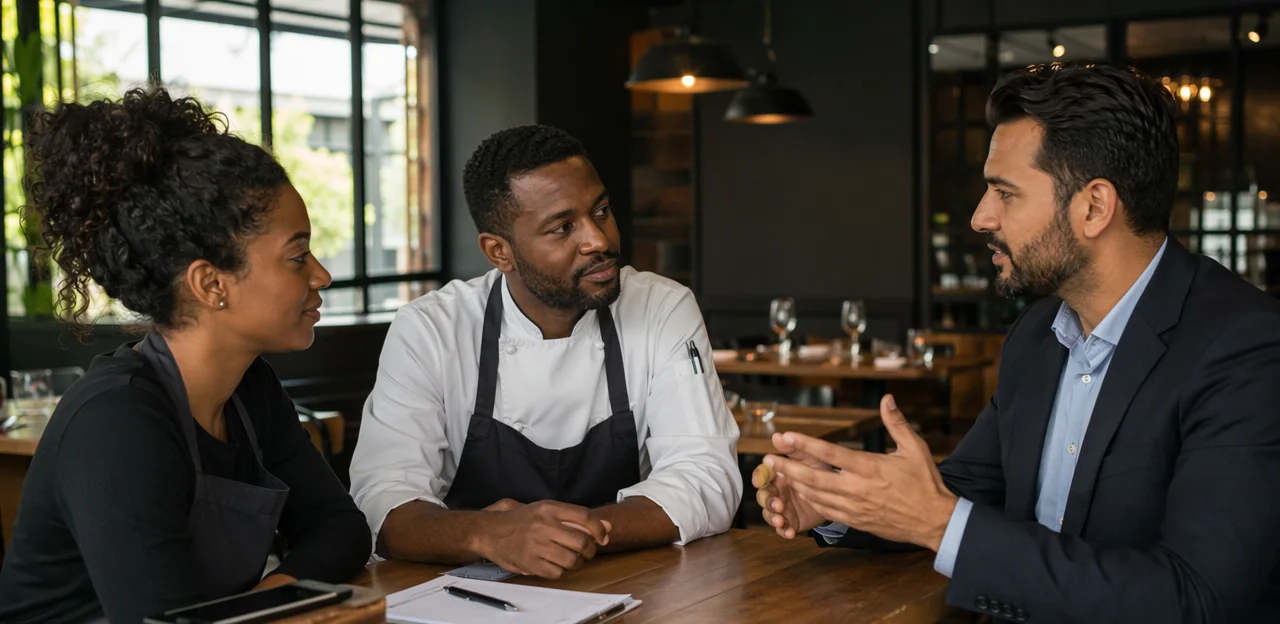
A busy dining room can look flawless on the surface while the same complaints quietly build in the background: slow table turns, missing items, cold food, inattentive service, or inconsistent experiences across shifts. The challenge for restaurant operators is not just collecting comments, but spotting the patterns hidden inside them before they damage loyalty, reviews, and revenue. That is where restaurant feedback analytics becomes essential.
By combining customer comments, survey responses, ratings, and review data, AI can detect recurring service issues far faster than manual review ever could. Instead of relying on scattered anecdotes, restaurants and cafés can identify the root causes behind repeat complaints, understand which problems affect guest satisfaction most, and prioritize the fixes that matter.
This article explores how AI-powered restaurant feedback analytics helps hospitality teams move from reactive damage control to proactive service recovery. We will look at how recurring themes are uncovered, how sentiment and trend analysis support better operational decisions, and how restaurants can use these insights to improve staff performance, streamline service, and protect their brand reputation. We will also touch on how modern tools, including platforms like Tapsy, can support real-time feedback capture and faster issue resolution before negative experiences turn into public reviews.
Why restaurant feedback analytics matters for restaurants and cafés

The cost of missed recurring service issues
When the same restaurant customer complaints appear again and again, the cost goes far beyond one unhappy table. Unresolved recurring service issues such as long wait times, wrong orders, rude staff interactions, poor cleanliness, or inconsistent food quality can quickly erode trust and reduce repeat visits.
- Ratings decline: Repeated complaints often surface in public reviews, lowering average scores and hurting discoverability.
- Loyalty drops: Guests may forgive a one-off mistake, but patterns push them to choose competitors.
- Revenue suffers: Fewer return visits, lower spend, and negative word of mouth directly impact sales.
This is why restaurant feedback analytics matters. Instead of reacting to isolated comments, operators should identify trends by shift, location, menu item, or team. Tools like Tapsy can help surface patterns early, enabling faster service recovery before complaints become costly habits.
Common feedback sources operators should track
Strong restaurant feedback analytics starts with collecting signals from every guest touchpoint, not just one review site. Prioritize these channels:
- Google reviews and Yelp: Essential for restaurant reviews analysis, since they reveal recurring complaints about wait times, food quality, or staff behavior.
- Delivery app ratings: Uber Eats, DoorDash, and similar platforms highlight packaging, order accuracy, and delivery-related service issues.
- Post-visit surveys: Best for structured guest feedback data and deeper restaurant survey analytics on service, menu satisfaction, and likelihood to return.
- Social media comments: Instagram, Facebook, and TikTok often expose real-time sentiment before it appears in formal reviews.
- Email complaints: Rich in detail and useful for identifying high-friction service failures.
- In-store feedback forms: Capture immediate, location-specific issues while the experience is still fresh.
What decision-makers want from analytics
For owners and managers, restaurant feedback analytics should answer clear operational questions they can act on fast. The goal is not more data, but better decisions across teams, shifts, and locations.
- Which locations generate the most complaints? Use multi-location restaurant analytics to compare stores by complaint volume, category, and trend over time.
- Which issues repeat by shift or daypart? Strong restaurant operations analytics should reveal patterns tied to lunch rushes, late-night service, staffing gaps, or handoff problems.
- What problems hurt satisfaction and retention most? Prioritize issues that consistently lower ratings, reduce return visits, or trigger negative reviews.
- Which teams recover problems best? Track response speed, resolution rates, and follow-up outcomes for stronger customer satisfaction insights.
Platforms like Tapsy can help surface these patterns in real time.
How AI analyzes restaurant feedback at scale

From unstructured comments to usable insights
Most guest feedback arrives as messy, free-text comments spread across surveys, reviews, QR forms, and social channels. Restaurant feedback analytics turns that raw input into patterns teams can actually use.
With natural language processing for restaurants, AI can:
- Categorize comments automatically into topics such as wait times, staff attitude, food temperature, cleanliness, or billing
- Detect recurring themes by grouping similar phrases, even when guests describe the same issue differently
- Measure sentiment and urgency to flag complaints that need fast service recovery
- Convert text into structured issue data so managers can track trends by shift, location, or daypart
This kind of AI feedback analysis helps operators move beyond reading comments one by one. Instead, unstructured feedback analysis reveals which service issues happen most often, where they occur, and how frequently. Teams can then assign owners, prioritize fixes, and monitor whether changes reduce complaint volume over time.
Sentiment analysis, topic clustering, and trend detection
At the core of restaurant feedback analytics, AI turns large volumes of comments into clear operational signals:
- Sentiment analysis restaurant reviews: Natural language processing scores each review, survey response, or chat message as positive, neutral, or negative. It also detects emotion around specific issues such as rude staff, slow service, cold food, or billing errors.
- Topic clustering feedback: Machine learning groups similar complaints even when guests use different wording. For example, “waited too long,” “service was slow,” and “no one came to our table” can be clustered under one service-speed theme.
- Feedback trend detection: Analytics then tracks how often each issue appears over time and compares patterns by location, menu item, shift, delivery channel, or dine-in experience.
This helps managers spot recurring service issues faster, prioritize fixes, and measure whether changes actually reduce complaints. Platforms like Tapsy can support this with real-time, location-aware feedback analysis.
Examples of recurring issues AI can uncover
With restaurant feedback analytics, AI can spot trends that managers may miss in day-to-day operations. By grouping comments, ratings, and timestamps, it improves service issue detection and reveals clear restaurant complaint patterns such as:
- Slow lunch service: repeated mentions of long waits between ordering and food arrival, especially on weekdays from 12–2 p.m.
- Missing delivery items: frequent complaints about forgotten sauces, sides, or drinks tied to specific shifts or packaging workflows.
- Rude front-of-house interactions: recurring negative sentiment around greetings, seating, or how complaints are handled.
- Inconsistent drink quality: patterns showing cocktails, coffee, or soft drinks vary by staff member, time, or location.
- Poor table turnover during peak hours: feedback linked to delays in clearing, resetting, and seating tables efficiently.
Used well, AI for restaurant operations helps teams prioritize fixes, retrain staff, adjust scheduling, and prevent repeat complaints before they damage reviews or loyalty.
Using analytics to improve service recovery and operations

Prioritizing issues by frequency and business impact
Effective restaurant feedback analytics should do more than list complaints; it should rank what needs action first. Use a simple scoring model that combines volume, sentiment, and revenue risk to improve restaurant issue prioritization.
- Frequency: Track how often an issue appears across reviews, surveys, and staff notes. Repeated mentions of slow service or cold food signal systemic problems.
- Sentiment impact: Measure how strongly each issue pulls down guest satisfaction using customer experience metrics such as sentiment score, star rating changes, and complaint severity.
- Business impact: Prioritize issues linked to negative reviews, refunds, discounts, chargebacks, or lower repeat-visit rates.
This is where service recovery analytics becomes practical: fix high-frequency, high-impact issues first, assign owners, and monitor whether complaints decline over time. Tools like Tapsy can help surface these patterns in real time.
Turning feedback themes into operational fixes
Restaurant feedback analytics becomes most valuable when repeated complaints translate into clear action. Use clustered themes to prioritize high-impact operational fixes from feedback:
- Adjust staffing: If guests frequently mention slow greeting times or long ticket waits during specific hours, rebalance schedules or add support roles at peak periods.
- Target retraining: Turn recurring service complaints into restaurant staff training insights, such as upselling etiquette, order accuracy, or handling allergen questions.
- Simplify the menu: If feedback shows confusion, long prep times, or inconsistent dishes, reduce low-performing items and standardize popular ones.
- Improve workflows: Rework prep stations, handoff points, or expo processes when analytics link delays to kitchen bottlenecks.
- Upgrade packaging and standards: For delivery issues, test sturdier packaging, sealing methods, and revised service standards for temperature, presentation, and response times.
This is practical restaurant process improvement driven by real guest patterns.
Closing the loop with guests after a bad experience
Strong restaurant feedback analytics turns complaints into fast, organized action. Instead of treating every issue the same, AI helps teams prioritize urgent cases, trigger outreach, and improve customer feedback follow-up across email, SMS, review sites, and in-store channels.
- Flag high-risk complaints first: Analytics detects negative sentiment, repeat issues, or mentions of delays, rude service, or food quality concerns.
- Trigger immediate outreach: Managers can send a timely apology, refund offer, or invitation to return before frustration becomes a public review.
- Personalize the guest complaint response: Past visits, order history, and feedback themes help staff tailor replies instead of sending generic messages.
- Keep responses consistent: Shared templates and channel tracking support better service recovery in restaurants and ensure no guest is overlooked.
Tools like Tapsy can support real-time follow-up workflows when speed matters most.
Key metrics and dashboards to track

Core KPIs for feedback performance
To make restaurant feedback analytics actionable, track a focused set of KPIs that connect guest comments to operational fixes:
- Review sentiment score: Measures positive, neutral, and negative language across reviews and surveys to reveal overall guest mood.
- Issue frequency: Counts how often problems like slow service, cold food, or rude staff appear.
- Response time: Shows how quickly managers acknowledge feedback before it escalates.
- Review rating trends: Tracks star-rating movement over time to spot improvement or decline.
- Complaint resolution rate: Measures the percentage of issues fully resolved.
- Repeat complaint rate: Highlights recurring failures that service recovery did not fix.
- Location-level service scores: Compare branches, shifts, or teams to identify underperforming sites.
Tools like Tapsy can help centralize these restaurant feedback metrics in real time.
Segmenting insights by location, shift, and channel
Effective restaurant feedback analytics becomes far more useful when operators break patterns down into specific contexts. Instead of seeing “slow service” as one broad issue, segmentation reveals where it starts:
- Store level: location-based feedback analysis highlights whether one site has staffing, training, or layout problems.
- Daypart or team: shift-level restaurant analytics can uncover recurring lunch rush bottlenecks, weak handoffs, or inconsistent manager coverage.
- Channel: Comparing dine-in with delivery feedback insights shows whether complaints stem from in-house service, packaging, third-party delays, or order accuracy.
- Menu category: Spotting issues by item type helps identify prep-time, quality, or kitchen workflow problems.
Tools like Tapsy can support this by capturing real-time, context-aware feedback across touchpoints.
Building dashboards managers will actually use
A strong restaurant feedback analytics setup only works if managers can understand it in seconds and act on it fast. The best restaurant manager dashboards keep reporting practical, not overwhelming:
- Use simple visuals: traffic-light scores, trend lines, and top-issue lists beat crowded charts.
- Add spike alerts: notify teams when complaints about wait times, food temperature, or staff attitude suddenly rise.
- Compare trends clearly: show today vs. last week, this location vs. brand average, and recurring issues by shift or daypart.
- Make reports action-oriented: every view in your restaurant analytics dashboard should answer “what needs fixing now?”
- Standardize feedback reporting tools: store-level teams need quick wins, while brand leaders need cross-location patterns and priorities.
Best practices for implementing restaurant feedback analytics

Start with clear goals and clean data sources
A strong restaurant feedback analytics program starts with one question: what outcome matters most?
- Improve ratings by identifying the service moments that drive low reviews
- Reduce complaints by spotting repeat issues across shifts, locations, or menu items
- Increase loyalty by linking feedback to return visits and guest preferences
- Strengthen service recovery by flagging negative comments early and routing them fast
From there, build a practical feedback analytics strategy: connect review sites, QR surveys, table feedback, POS-linked comments, email follow-ups, and social messages. Effective restaurant data collection depends on standardized fields, consistent tagging, and one reporting format. Good customer feedback management makes AI insights more accurate, actionable, and easier for managers to trust.
Combine AI insights with human review
AI can surface patterns fast, but restaurant feedback analytics works best when managers add judgment before acting. A strong human in the loop analytics process helps teams separate real service problems from noise.
- Validate recurring themes: Use restaurant insight validation to confirm that repeated complaints reflect an operational issue, not a one-off bad shift or unusual guest expectation.
- Review edge cases manually: AI review moderation can miss sarcasm, slang, cultural phrasing, or local nuances that change the meaning of a comment.
- Add frontline context: Managers should compare AI findings with staffing levels, menu changes, delivery delays, or special events before escalating a trend.
This extra review reduces false alarms and leads to smarter service recovery.
Create accountability for action
Restaurant feedback analytics only drives change when insights become assigned tasks, deadlines, and follow-up routines. Build restaurant accountability systems that turn recurring complaints into clear operational ownership:
- Assign an owner to each issue category, such as wait times, food quality, cleanliness, or staff attitude.
- Set response timelines by severity, with urgent service failures reviewed the same shift and recurring trends addressed weekly.
- Track outcomes using KPIs like complaint volume, repeat mentions, recovery time, and guest satisfaction after fixes.
- Create review cadences in pre-shift huddles and weekly manager meetings to support continuous improvement restaurants need.
This structure turns actionable feedback insights from restaurant feedback analytics into measurable operational change.
Choosing the right AI feedback analytics approach

Features to look for in a solution
When evaluating restaurant feedback analytics tools, prioritize features that turn raw comments into clear operational actions:
- Review aggregation: A strong review aggregation platform should pull feedback from Google, Yelp, delivery apps, surveys, and social channels into one view.
- Sentiment tagging and issue categorization: The best restaurant feedback software uses AI to label comments by tone and topic, such as wait times, food quality, or staff attitude.
- Trend alerts and location comparisons: Look for automatic alerts when complaints spike and dashboards that compare performance across sites.
- Integrations and dashboards: Choose AI analytics tools for restaurants that connect with POS or CRM systems and offer customizable dashboards for managers and operators.
Questions to ask before adoption
Use this quick checklist during restaurant analytics platform evaluation and AI software selection:
- Is it easy for managers and frontline teams to use? Ask for a live demo and test reporting workflows.
- How accurate is the analysis? Check how the platform handles sarcasm, duplicate feedback, and false sentiment tags in restaurant feedback analytics.
- Does it support multiple languages well? Essential for diverse guests and tourist-heavy locations.
- What are the privacy and data ownership policies? Confirm GDPR/consent handling, storage practices, and who owns guest data.
- How much implementation effort is required? Review onboarding time, integrations with POS/CRM, and staff training needs.
- Can it scale from one site to many? Strong restaurant technology adoption depends on support for both single-location operators and multi-unit brands.
What success looks like after implementation
When restaurant feedback analytics is working well, the results should be visible in both guest sentiment and daily operations:
- Reduced recurring complaints: AI groups repeat issues—such as slow table turns, order errors, or inconsistent food temperature—so teams can fix root causes, not just symptoms.
- Faster service recovery: Managers can spot negative trends sooner and intervene before frustration turns into a bad review.
- Better ratings and loyalty: Stronger restaurant customer experience improvement leads to higher review scores, more repeat visits, and stronger word of mouth.
- Smarter decisions: Guest satisfaction analytics helps operators prioritize staffing, training, and menu or process changes based on real patterns, not guesswork.
Conclusion
In a fast-moving hospitality environment, recurring service problems rarely come from a single bad shift—they come from patterns hidden across reviews, surveys, and guest comments. That’s why restaurant feedback analytics has become essential for restaurants and cafés that want to move from reactive damage control to proactive service recovery. By using AI to detect repeated complaints about wait times, order accuracy, staff attentiveness, menu availability, or cleanliness, operators can uncover the root causes behind guest dissatisfaction and act before those issues harm loyalty or online ratings.
The real value of restaurant feedback analytics is not just in collecting more data, but in turning that data into clear, actionable priorities. When teams can spot trends early, assign accountability, and measure whether changes actually improve the guest experience, they create stronger operations and more consistent service.
Now is the time to evaluate how your business captures, analyzes, and responds to guest feedback. Start by centralizing feedback sources, defining key service metrics, and exploring AI-powered tools that surface recurring issues automatically. Solutions like Tapsy can help restaurants gather real-time feedback and support faster service recovery. If you want better guest experiences, stronger retention, and smarter operational decisions, investing in restaurant feedback analytics is the next logical step.
Frequently Asked Questions
- What is restaurant feedback analytics?
Restaurant feedback analytics combines comments, survey responses, ratings, and reviews to identify patterns in guest experience. It helps operators move beyond isolated anecdotes and find recurring service issues that affect loyalty, ratings, and revenue.
- Why is AI useful for finding recurring service issues in restaurants and cafés?
AI can analyze large volumes of guest feedback much faster than manual review. It detects repeated complaints, groups similar comments, and helps teams identify root causes before problems spread into public reviews and lost repeat visits.
- Which feedback sources should restaurants track for better analytics?
Restaurants should collect signals from Google reviews, Yelp, delivery app ratings, post-visit surveys, social media comments, email complaints, and in-store feedback forms. Using multiple sources gives a fuller view of issues like wait times, order accuracy, food quality, and staff behavior.
- How does AI turn free-text guest comments into usable operational insights?
AI uses natural language processing to categorize comments into topics such as wait times, cleanliness, food temperature, billing, or staff attitude. It also converts unstructured text into trackable issue data so managers can compare patterns by shift, location, or daypart.
- What is the difference between sentiment analysis, topic clustering, and trend detection?
Sentiment analysis scores feedback as positive, neutral, or negative and can detect emotion around specific issues. Topic clustering groups differently worded comments into the same theme, while trend detection tracks how often those issues appear over time and across locations or channels.
- What kinds of recurring problems can AI uncover in restaurant feedback?
AI can reveal patterns such as slow lunch service, missing delivery items, rude front-of-house interactions, inconsistent drink quality, and poor table turnover during peak hours. These patterns often become clearer when comments are grouped with ratings and timestamps.
- How should managers decide which service issues to fix first?
A practical approach is to rank issues by frequency, sentiment impact, and business impact. Problems that appear often, strongly lower satisfaction, and contribute to refunds, negative reviews, or lower repeat visits should be prioritized first.
- How can feedback themes be turned into operational improvements?
Recurring themes can guide staffing changes, targeted retraining, menu simplification, workflow adjustments, and delivery packaging improvements. The goal is to connect repeated complaints to specific fixes rather than treating each comment as a separate incident.
- How does feedback analytics support better service recovery after a bad guest experience?
Analytics can flag high-risk complaints, identify repeat issues, and trigger faster follow-up through channels like email, SMS, review sites, or in-store workflows. It also helps teams personalize responses using past visits, order history, and known complaint themes.
- Which KPIs are most useful for tracking restaurant feedback performance?
Useful KPIs include review sentiment score, issue frequency, response time, review rating trends, complaint resolution rate, repeat complaint rate, and location-level service scores. These metrics connect guest feedback to operational performance and help teams measure whether fixes are working.
- Why should restaurants segment feedback by location, shift, and channel?
Segmentation shows where a problem actually starts instead of treating it as one broad issue. It can reveal whether complaints come from a specific store, lunch rush, delivery workflow, dine-in experience, or menu category.
- What makes a restaurant feedback dashboard useful for managers?
The most useful dashboards are simple, fast to read, and action-oriented. Clear visuals, spike alerts, trend comparisons, and top-issue lists help managers understand what needs fixing now without getting lost in too much reporting.
- What are the best practices for implementing restaurant feedback analytics?
Start with clear goals such as improving ratings, reducing complaints, increasing loyalty, or strengthening service recovery. Then connect clean data sources, standardize fields and tagging, combine AI findings with human review, and assign owners and timelines for action.
- Why is human review still important when AI analyzes restaurant feedback?
Managers add context that AI may miss, such as sarcasm, slang, unusual guest expectations, staffing shortages, menu changes, or special events. Human review helps confirm whether a detected pattern reflects a real operational issue or just temporary noise.
- What should operators look for when choosing an AI feedback analytics solution?
Key features include review aggregation, sentiment tagging, issue categorization, trend alerts, location comparisons, integrations with POS or CRM systems, and customizable dashboards. Operators should also evaluate ease of use, analysis accuracy, language support, privacy policies, implementation effort, and scalability across one or many locations.