A spotless room is one of the clearest signals of quality in hospitality, yet cleanliness problems often surface too late—after checkout, in a negative review, or through a complaint that has already damaged the guest experience. For hotels, that delay can be costly. Small housekeeping misses, recurring maintenance issues, or inconsistent room standards can quickly turn into reputational problems if they are not identified and resolved in time.
That is why hotel room cleanliness feedback matters so much. When hotels collect feedback during the stay, rather than relying only on post-stay surveys, they gain an earlier view of what guests are actually experiencing behind the door of each room. A missed bathroom detail, unpleasant odor, stained linen, or poorly cleaned surface can be flagged while there is still time to act, recover the situation, and protect satisfaction.
This article explores how hotels can use cleaner, faster feedback loops to spot cleanliness issues earlier, improve service recovery, and strengthen overall guest experience. It will also look at practical ways to capture in-stay feedback, identify patterns across rooms or properties, and turn guest insights into operational improvements—with tools such as Tapsy offering one example of how real-time reporting can help teams respond before minor issues become public complaints.
Why early cleanliness feedback matters in hotels
The link between cleanliness, trust, and guest satisfaction
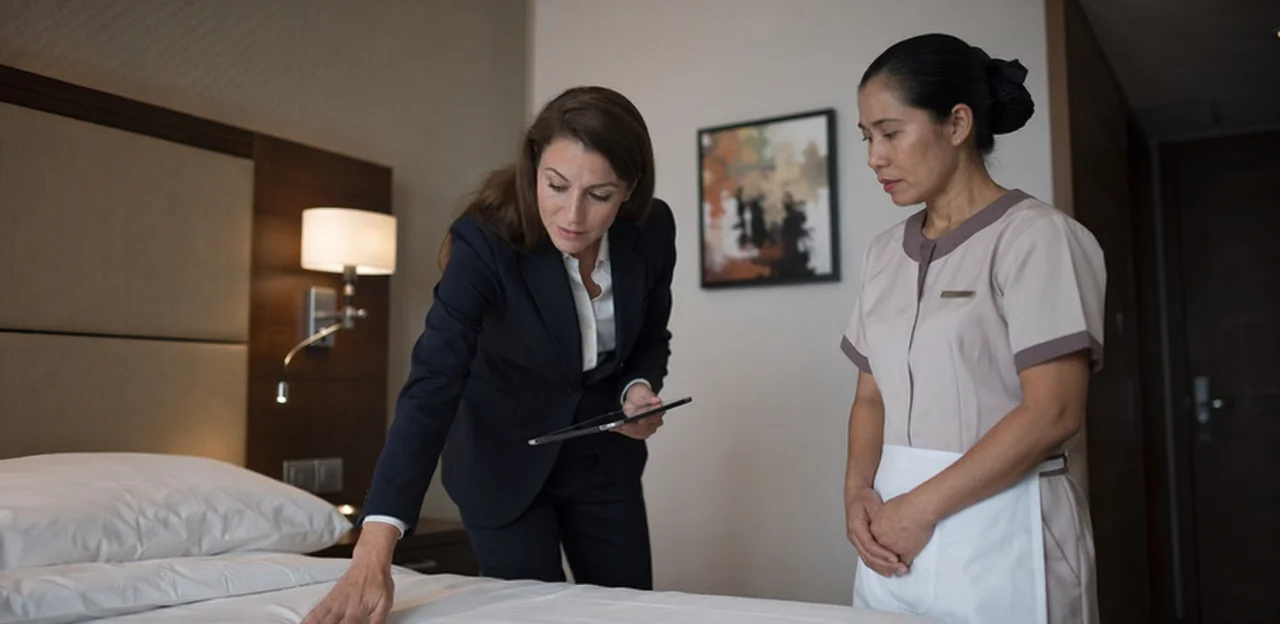
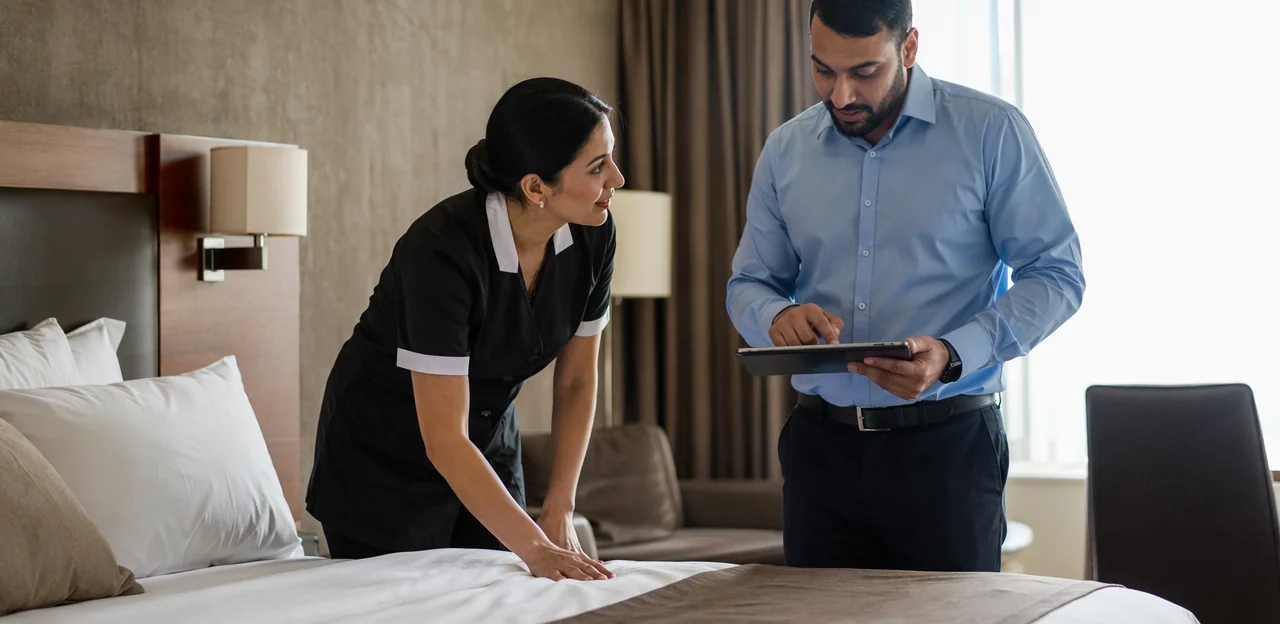
Room condition shapes first impressions fast. For many travelers, hotel room cleanliness feedback is the clearest signal of whether a property is well managed, safe, and worth recommending. Strong hotel housekeeping standards directly influence guest satisfaction hotel cleanliness, review scores, and repeat bookings.
Even small misses can damage trust, including:
- hair in the bathroom
- dusty surfaces
- stained linens
- missed trash removal
These issues may seem minor operationally, but guests often see them as signs of wider neglect.
To protect confidence and satisfaction:
- collect in-stay cleanliness feedback, not just post-stay surveys
- flag recurring room or floor-level issues for housekeeping supervisors
- set response-time targets for re-cleans and inspections
Tools like Tapsy can help hotels catch these issues before checkout.
How delayed feedback turns minor issues into major complaints
When hotel room cleanliness feedback arrives only at checkout or in public reviews, the recovery window is already closed. A missed bathroom detail, stale odor, or unemptied bin may start small, but without fast action it can escalate into compensation requests, staff escalations, and negative hotel reviews cleanliness issues that damage future bookings.
- Late discovery increases refund risk: guests who feel ignored are more likely to demand discounts or refunds.
- Public complaints spread faster: unresolved issues often appear in review sites, harming trust and weakening hotel complaint prevention efforts.
- Operations become reactive: teams must investigate after departure instead of fixing problems in real time.
Using in-stay tools such as Tapsy can help hotels catch and resolve issues before they grow.
Where cleanliness feedback fits into service recovery
Hotel room cleanliness feedback should sit at the very start of service recovery hotels workflows, because it signals risk before a complaint becomes a bad review or lost repeat booking. When guests can report issues in real time, teams can act while the stay is still recoverable.
- Capture feedback early: ask for room-condition input soon after check-in, not just at checkout.
- Trigger alerts fast: route low cleanliness scores directly to housekeeping or the duty manager.
- Standardize the response: revisit the room, apologize, confirm resolution, and log the issue.
- Track patterns: use guest experience hotel feedback to spot recurring rooms, shifts, or housekeeping gaps.
Tools like Tapsy can help hotels collect and route these signals instantly.
What hotel room cleanliness feedback should actually measure
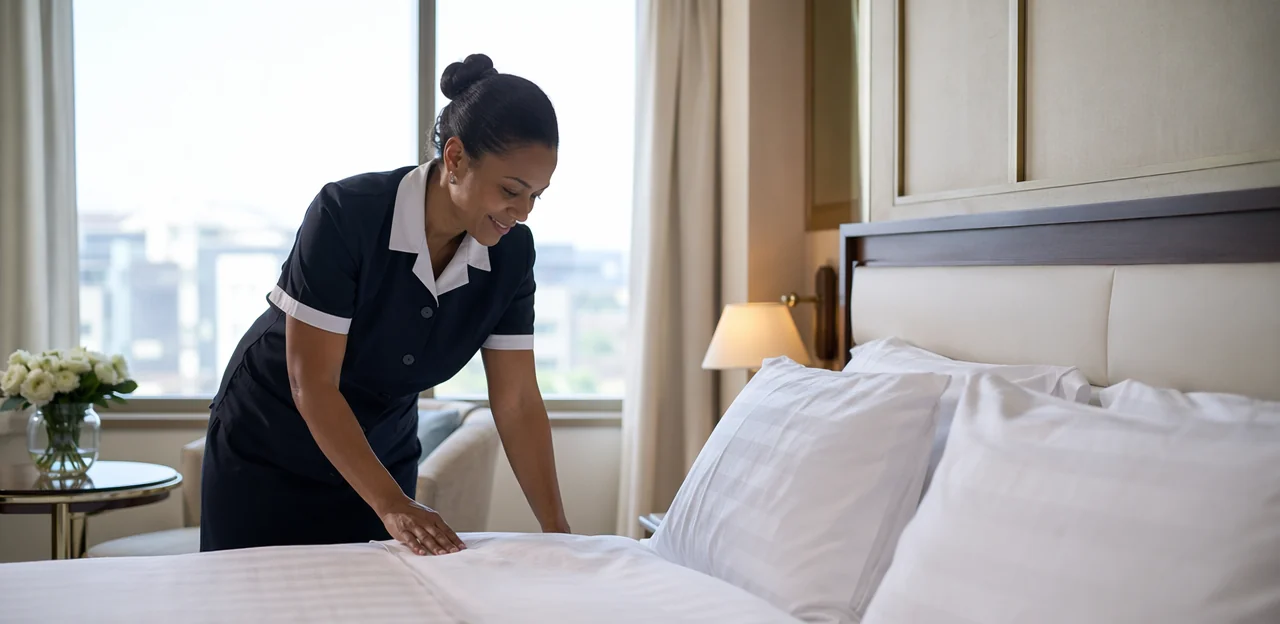
Core room cleanliness signals to track
To make hotel room cleanliness feedback useful, focus on a small set of repeatable signals that fit your hotel room cleanliness checklist and broader housekeeping quality metrics:
- Bathroom condition: check toilet, sink, shower, mirrors, grout, and drain cleanliness.
- Bed linen quality: track stains, hair, wrinkles, odors, and whether sheets feel freshly changed.
- Dust levels: monitor bedside tables, headboards, lamps, vents, TV units, and corners.
- Odors: flag musty smells, smoke residue, mildew, or strong chemical scents.
- Floor cleanliness: review carpets, tiles, under-bed areas, and visible debris or sticky spots.
- Amenities restocking: confirm towels, toiletries, cups, coffee supplies, and tissue are fully replenished.
- Maintenance-linked cleanliness issues: note mold, peeling sealant, rust, stained caulking, or damaged fixtures that make rooms look dirty.
For faster action, route low-scoring items to housekeeping or maintenance immediately using real-time tools such as Tapsy.
Subjective versus objective cleanliness feedback
Hotels need to separate objective standards from subjective impressions when reviewing hotel room cleanliness feedback. A room may pass inspection, yet still feel unclean to a guest because of odor, lighting, worn furnishings, or missed details.
- Objective cleanliness checks support hotel quality assurance housekeeping by measuring clear standards, such as:
- dust-free surfaces
- sanitized bathroom fixtures
- fresh linens
- emptied bins
- restocked amenities
- Subjective feedback captures the guest perception of cleanliness, including whether the room feels fresh, hygienic, and well cared for.
Using both helps hotels spot problems earlier and more accurately. Operational audits reveal process gaps, while guest comments uncover perception issues that checklists miss. Tools like in-stay QR feedback, such as Tapsy, can help teams catch both types of signals before checkout.
Leading indicators that reveal problems earlier
Hotels rarely need to wait for public reviews to spot cleanliness issues. The most useful early warning indicators hotel operations teams should track often appear during the stay, especially when hotel room cleanliness feedback is collected in real time.
- Repeated requests for extra cleaning: often signal rushed room turns, missed checklists, or inconsistent housekeeping standards.
- Room change requests: can reveal deeper issues such as odor, dust, bathroom condition, or poor inspection before check-in.
- Front desk mentions: even informal complaints logged by reception can expose recurring problem rooms, floors, or shifts.
- Low in-stay ratings: weak scores in an in-stay guest feedback hotel system often surface hidden issues before guests post online.
Review these patterns daily by room type, floor, and housekeeping team. Tools like Tapsy can help capture and route alerts fast, making early intervention much easier.
Best ways to collect cleanliness feedback during the guest journey
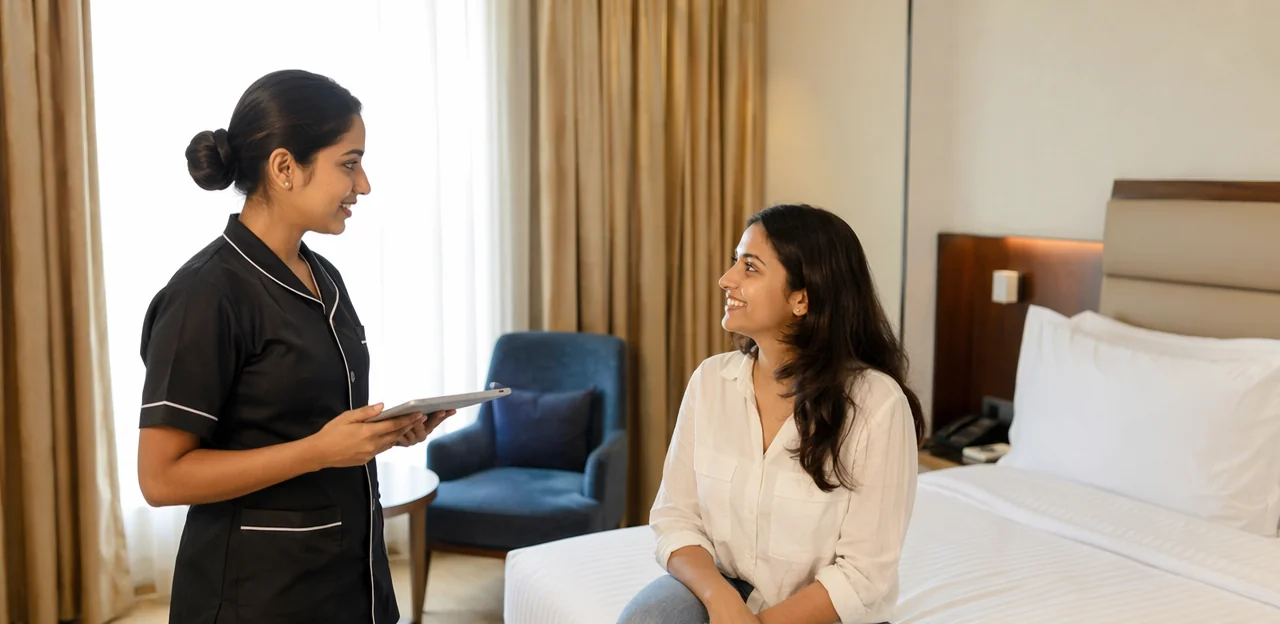
Pre-checkout and in-stay feedback channels
To catch housekeeping issues before they become public complaints, hotels need fast, low-friction hotel guest feedback channels that guests can use during the stay. The goal is simple: collect hotel room cleanliness feedback while staff still have time to fix the problem.
- SMS surveys: Send a short text a few hours after check-in with one cleanliness question and a direct reply option.
- QR codes in rooms: Place codes on desks, bathroom mirrors, or welcome cards so guests can report dust, odors, or missed items instantly.
- Messaging apps: Enable WhatsApp, web chat, or guest messaging for photo-supported issue reporting.
- Mobile check-in platforms: Add a one-tap cleanliness rating after digital check-in or room access.
- Post-first-night pulse survey: A brief in-stay hotel survey after night one can reveal recurring housekeeping gaps early.
Tools like Tapsy can help route urgent alerts to the right team in real time.
Front desk, housekeeping, and service touchpoints
Not all hotel room cleanliness feedback appears in post-stay surveys. Guests often mention issues casually during check-in, after a housekeeping visit, or when passing reception, making front desk guest feedback and housekeeping guest communication essential early-warning sources.
- Train staff to listen for soft signals: comments like “the bathroom could use another clean” or “the room smelled a bit musty” should be treated as actionable data.
- Log every verbal cleanliness comment consistently: use a shared system with room number, issue type, time, and resolution status.
- Create simple handoff rules: front desk alerts housekeeping immediately, and housekeeping confirms when the room has been rechecked.
- Review patterns weekly: repeated mentions about dust, odors, linens, or bathrooms often reveal process gaps before they become negative reviews.
Tools like Tapsy can also help capture in-stay issues at key service touchpoints in real time.
How to ask for feedback without creating friction
To improve hotel room cleanliness feedback, make the process fast, timely, and easy to answer:
- Ask at the right moment: Request feedback during the stay or shortly after housekeeping service, not only at checkout. This helps teams fix issues before they become public complaints.
- Keep surveys short: Follow hotel survey best practices by limiting the flow to 1–3 questions, plus one optional comment box. Shorter surveys typically improve guest feedback response rates hotel teams care about.
- Use clear, specific wording: Ask direct questions such as “Was your room clean on arrival?” or “Did housekeeping meet your expectations today?” Avoid vague satisfaction language.
- Design for quick responses: Use tap-friendly rating scales, issue categories like bathroom, linens, or dust, and an easy way to request follow-up.
- Close the loop: Tools like Tapsy can route low cleanliness scores to staff in real time for faster service recovery.
How hotels can analyze feedback to spot problems earlier
Finding patterns across rooms, floors, and shifts
To turn hotel room cleanliness feedback into action, hotels should analyze it by operational segment, not just by individual complaint. Strong hotel feedback analysis helps reveal whether issues are isolated or part of wider housekeeping performance trends.
- Group by room type: Compare standard rooms, suites, and family rooms to spot where turnover pressure or amenities create more complaints.
- Review by floor or zone: Repeated feedback from one floor may point to staffing gaps, equipment shortages, or maintenance issues.
- Track by housekeeping team: Identify which teams consistently meet standards and which need coaching.
- Compare shifts and dayparts: Late check-ins may expose missed inspections from earlier shifts, while morning departures can create rushed cleaning cycles.
- Layer in weekday patterns: If complaints rise on weekends or peak checkout days, adjust staffing and supervisor checks accordingly.
Tools like Tapsy can help capture and route this feedback in real time.
Combining guest comments with operational data
To get more value from hotel room cleanliness feedback, hotels should connect comments to the operational context behind each stay. This turns isolated complaints into clear patterns and supports stronger hotel operational data analysis.
- Match feedback to housekeeping inspection scores: If guests report dust, hair, or bathroom issues in rooms that also passed with low-margin housekeeping inspection scores, your checklist or auditing standards may need tightening.
- Review room assignment history: Repeated complaints tied to the same room, floor, or room type often point to layout, ventilation, or deep-cleaning gaps.
- Link maintenance tickets: Odors, mold, stains, or poor bathroom cleanliness may actually stem from unresolved leaks or ventilation faults.
- Compare turnaround times and staffing levels: Fast room flips and short-staffed shifts often correlate with missed details.
Tools like Tapsy can help capture in-stay feedback quickly, making root-cause analysis faster and more actionable.
Using sentiment and tagging to prioritize action
Raw hotel room cleanliness feedback is useful, but it becomes far more actionable when hotels combine sentiment scoring with clear issue tags. Guest feedback sentiment analysis hotel teams use can quickly separate comments that signal immediate operational risk from those that reflect personal preference.
- Tag by issue type: hair in bathroom, stained linens, odor, missed minibar cleaning, dusty surfaces
- Tag by severity: critical, moderate, low-priority
- Add sentiment signals: strongly negative comments often indicate urgent service recovery needs
This helps teams distinguish a serious cleanliness failure—such as a dirty toilet or used towels—from minor requests like a preference for extra pillows. With effective hotel issue tagging, urgent cases can trigger instant alerts to housekeeping or the duty manager, while lower-priority items can be grouped into routine follow-up. Tools like Tapsy can support this by routing in-stay feedback to the right team faster.
Turning cleanliness feedback into faster service recovery
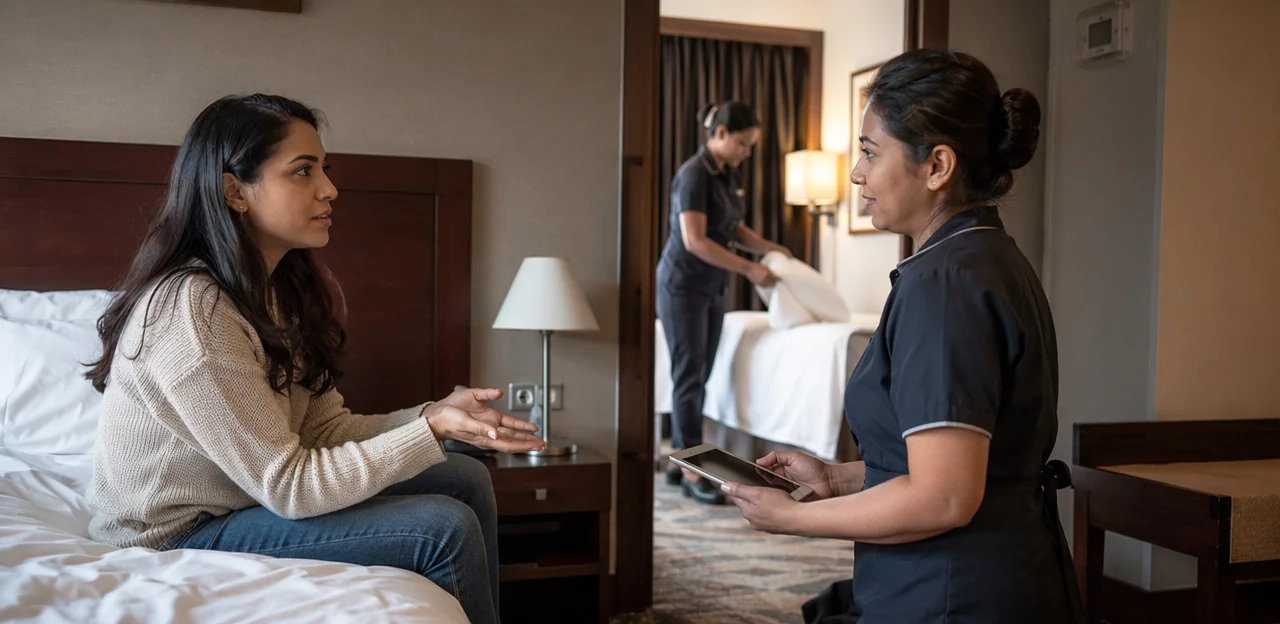
Creating response workflows for urgent room issues
To act on hotel room cleanliness feedback before it becomes a negative review, hotels need a fast, structured routing process. A strong housekeeping escalation workflow should assign every issue to one owner, with backup coverage and a response clock.
- Dirty bathrooms or missed cleaning: route instantly to housekeeping supervisors for room re-cleaning.
- Odors or linen problems: alert housekeeping plus maintenance when the cause may be HVAC, plumbing, or dampness.
- Ownership: assign the front desk or duty manager to confirm completion and update the guest.
- Response goals: set targets such as 5 minutes to acknowledge, 15–20 minutes to inspect, and 30 minutes to resolve or offer alternatives.
This strengthens the hotel service recovery process. Tools like Tapsy can help trigger real-time alerts to the right team.
Closing the loop with guests before checkout
When hotel room cleanliness feedback highlights a problem, the fastest way to protect reputation is to respond before the guest leaves. To close the loop guest feedback effectively:
- Acknowledge the issue immediately: A sincere apology shows the guest they have been heard and taken seriously.
- Resolve it fast: Send housekeeping, offer a room move, or provide a practical recovery option without delay.
- Confirm satisfaction afterward: A quick follow-up call or message ensures the fix met expectations and gives you one more chance to recover the stay.
This simple hotel guest recovery strategy can reduce negative reviews, improve review scores, and rebuild trust while the guest is still on property. Tools like Tapsy can help teams act on issues in real time.
Coaching teams using feedback, not blame
Use hotel room cleanliness feedback as a coaching tool, not a scoreboard for punishment. When managers treat comments as operational insight, teams become more open, consistent, and motivated.
- Turn patterns into training: If guests repeatedly mention dust, missed amenities, or bathroom details, build short housekeeping training hotel refreshers around those exact gaps.
- Improve the process, not just the person: Check room checklists, inspection timing, staffing levels, and handoff routines to remove repeat failure points.
- Recognize wins publicly: Highlight attendants or supervisors who improve scores or prevent complaints to reinforce a strong hotel quality improvement culture.
- Review feedback weekly: Use brief team huddles and tools like Tapsy to spot trends early and coach in real time.
Building a long-term cleanliness feedback strategy

KPIs hotels should monitor regularly
Track hotel room cleanliness feedback with a small set of actionable hotel cleanliness KPIs and guest experience metrics hotel teams can review weekly:
- Cleanliness satisfaction score: average rating for room hygiene after check-in and during stay.
- Issue resolution time: how quickly housekeeping fixes reported cleanliness problems.
- Repeat cleanliness complaints: flags rooms, floors, or teams with recurring issues.
- Room re-clean rate: percentage of rooms needing a second clean before guest approval.
- Review sentiment trends: monitor cleanliness-related words in reviews to spot rising risks early.
Tools like Tapsy can help capture these signals in real time.
- Guest feedback platforms capture hotel room cleanliness feedback during the stay, not after checkout, so teams can fix issues before they become negative reviews. Tools like hotel guest feedback software can collect room-specific comments via SMS, QR codes, or in-room prompts.
- Housekeeping management technology connects reports directly to room attendants and supervisors, reducing delays.
- CRM systems, automated alerts, and live dashboards help hotels spot repeat complaints, track response times, and identify patterns by floor, shift, or property.
- Solutions such as Tapsy can also trigger real-time cleanliness alerts at key guest touchpoints.
How to sustain improvement across properties
For multi-property hotel operations, consistency starts with a shared framework for hotel room cleanliness feedback:
- Standardize categories: Use the same tags across every hotel, such as bathroom hygiene, linen quality, odors, dust, and turnaround delays.
- Benchmark locations: Compare properties by issue frequency, severity, and resolution speed to spot outliers early.
- Share best practices: Turn top-performing teams’ checklists, training habits, and inspection routines into group-wide playbooks.
- Align hotel brand standards cleanliness goals: Review feedback trends against brand expectations so every property improves to the same standard.
Tools like Tapsy can help centralize this visibility.
Conclusion
In hospitality, small cleanliness issues can quickly become major reputation risks when they go unnoticed until checkout or, worse, appear in a public review. That is why a strong hotel room cleanliness feedback process matters so much. By collecting guest input in real time, hotels can identify recurring housekeeping gaps, respond faster to isolated problems, and give staff the chance to recover the experience before dissatisfaction grows.
The most effective approach is simple: make feedback easy to share, monitor it consistently, and route urgent concerns to the right team immediately. When hotels treat hotel room cleanliness feedback as an operational tool rather than a post-stay formality, they gain clearer visibility into room standards, team performance, and service recovery opportunities. Over time, this leads to cleaner rooms, better guest trust, and stronger review scores.
Now is the time to review your current feedback journey. Audit where guests can report cleanliness concerns, set alert rules for low ratings, and track patterns by room type, floor, or property. If you want to streamline this process, tools like Tapsy can help hotels capture in-stay feedback and act on issues earlier. For next steps, explore your housekeeping KPIs, service recovery workflows, and guest experience dashboards to build a faster, more proactive cleanliness strategy.
Frequently Asked Questions
- Why is in-stay room cleanliness feedback more valuable than post-stay surveys?
In-stay feedback gives hotel teams time to fix problems while the guest is still on property. That makes it possible to recover the experience before a complaint turns into a negative review, refund request, or lost repeat booking.
- What kinds of room cleanliness issues should hotels ask guests to report?
Hotels should focus on repeatable signals such as bathroom condition, bed linen quality, dust levels, odors, floor cleanliness, and amenities restocking. They should also capture maintenance-linked issues like mold, rust, peeling sealant, or damaged fixtures that make a room feel dirty.
- How can small housekeeping misses damage guest trust?
Guests often see details like hair in the bathroom, dusty surfaces, stained linens, or missed trash removal as signs of wider neglect. Even if the issue seems minor operationally, it can quickly reduce confidence in the property's standards, safety, and overall quality.
- What is the difference between objective and subjective cleanliness feedback?
Objective feedback measures clear standards such as sanitized bathroom fixtures, fresh linens, emptied bins, and restocked amenities. Subjective feedback captures whether the room feels fresh, hygienic, and well cared for, which can be influenced by odor, lighting, worn furnishings, or small missed details.
- Which early warning signs can reveal cleanliness problems before checkout?
Useful early indicators include repeated requests for extra cleaning, room change requests, verbal mentions at the front desk, and low in-stay ratings. Reviewing these signals daily by room type, floor, and housekeeping team helps hotels spot patterns before they become public complaints.
- What are the best ways to collect cleanliness feedback during a hotel stay?
Hotels can use SMS surveys, QR codes in rooms, messaging apps, mobile check-in platforms, and short post-first-night pulse surveys. The most effective channels are fast, low-friction, and easy for guests to use while staff still have time to respond.
- How should hotels ask for cleanliness feedback without annoying guests?
The request should come at the right moment, such as shortly after check-in or after housekeeping service. Keep it short with 1 to 3 questions, use clear wording, offer simple rating options, and include an easy way for guests to request follow-up.
- Why should front desk and housekeeping teams log verbal cleanliness comments?
Guests often mention problems casually instead of filling out a survey, so verbal comments can be an important early-warning source. Logging each comment with the room number, issue type, time, and resolution status helps teams identify recurring gaps and respond consistently.
- How can hotels analyze cleanliness feedback to find recurring operational issues?
Hotels should group feedback by room type, floor, zone, housekeeping team, shift, daypart, and weekday pattern. This makes it easier to see whether complaints are isolated or connected to staffing gaps, rushed turnovers, equipment shortages, or weak inspections.
- What operational data should be combined with guest cleanliness feedback?
Hotels should connect guest comments with housekeeping inspection scores, room assignment history, maintenance tickets, turnaround times, and staffing levels. This helps reveal root causes, such as ventilation faults, unresolved leaks, rushed room flips, or checklist standards that are too loose.
- How do sentiment scoring and issue tagging help prioritize room problems?
Tagging feedback by issue type, such as stained linens, odors, or dusty surfaces, helps teams sort comments quickly. Adding severity and sentiment makes it easier to separate urgent failures that need immediate service recovery from lower-priority preferences or routine follow-up.
- What should a hotel response workflow look like for urgent cleanliness complaints?
Each issue should be routed to a clear owner with backup coverage and a response clock. Dirty bathrooms or missed cleaning should go to housekeeping supervisors, odor or linen issues may also involve maintenance, and the front desk or duty manager should confirm completion with the guest.
- How can hotels close the loop with guests before checkout?
They should acknowledge the issue immediately, apologize sincerely, and provide a practical fix such as a re-clean, room move, or another recovery option. A quick follow-up call or message after the fix helps confirm the guest is satisfied and reduces the chance of a negative review.
- How should managers use cleanliness feedback to coach teams effectively?
Feedback should be treated as operational insight rather than a reason to blame staff. Managers can turn repeated issues into targeted training, improve checklists and handoff routines, review trends in weekly huddles, and recognize attendants or supervisors who improve results.
- Which KPIs should hotels track to build a long-term cleanliness feedback strategy?
Useful KPIs include cleanliness satisfaction score, issue resolution time, repeat cleanliness complaints, room re-clean rate, and review sentiment trends related to cleanliness. Reviewing these regularly helps hotels monitor standards, spot rising risks early, and compare performance across rooms, teams, or properties.