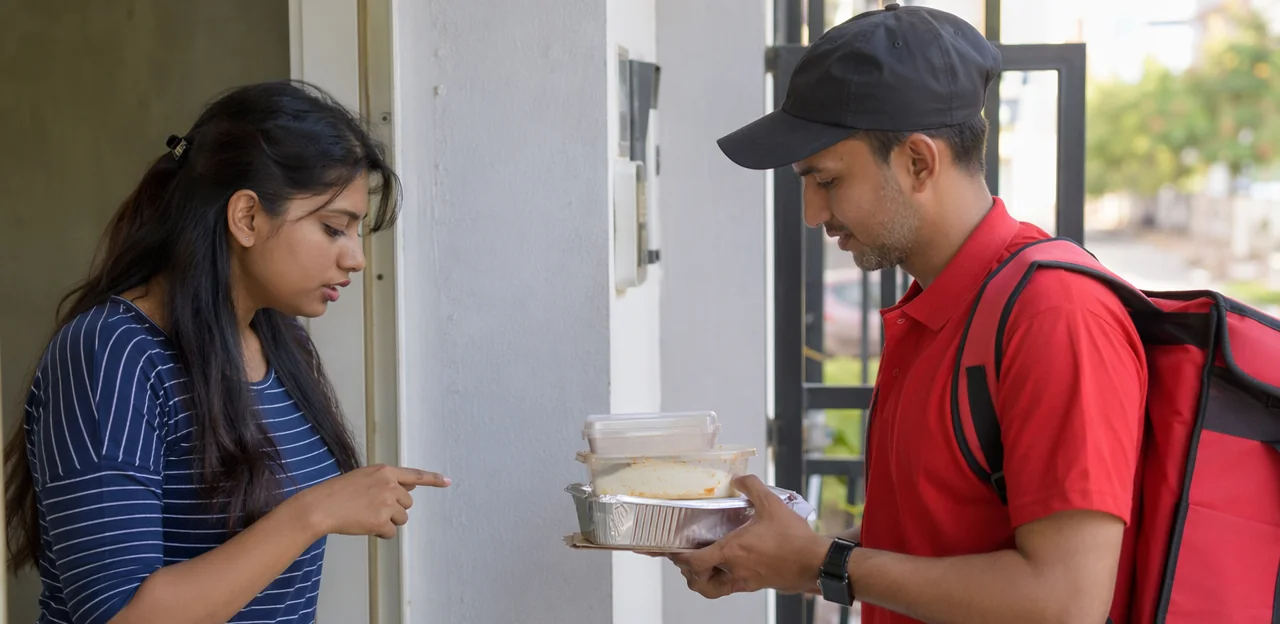
A great meal can be undone by slow service, a missed order, or a table that wasn’t cleared in time. In restaurants and cafés, small moments shape the entire guest experience, which is why feedback is one of the most valuable tools for improving service standards. The challenge is not just collecting opinions, but turning them into clear, actionable insights that teams can actually use.
That’s where strong restaurant feedback examples become so useful. Well-written feedback helps managers spot recurring issues, coach staff more effectively, and recognize what is already working well. Whether the goal is to improve speed of service, food quality, cleanliness, communication, or overall guest satisfaction, the right examples can guide better conversations and better outcomes.
In this article, we’ll explore practical restaurant feedback examples that help teams raise service standards across daily operations. You’ll see examples for positive feedback, constructive criticism, customer complaints, and internal team coaching, along with tips for using feedback to strengthen consistency and guest loyalty. We’ll also touch on how real-time tools such as Tapsy can help restaurants capture in-the-moment insights before a poor experience turns into a public review.
Why restaurant feedback matters for service standards
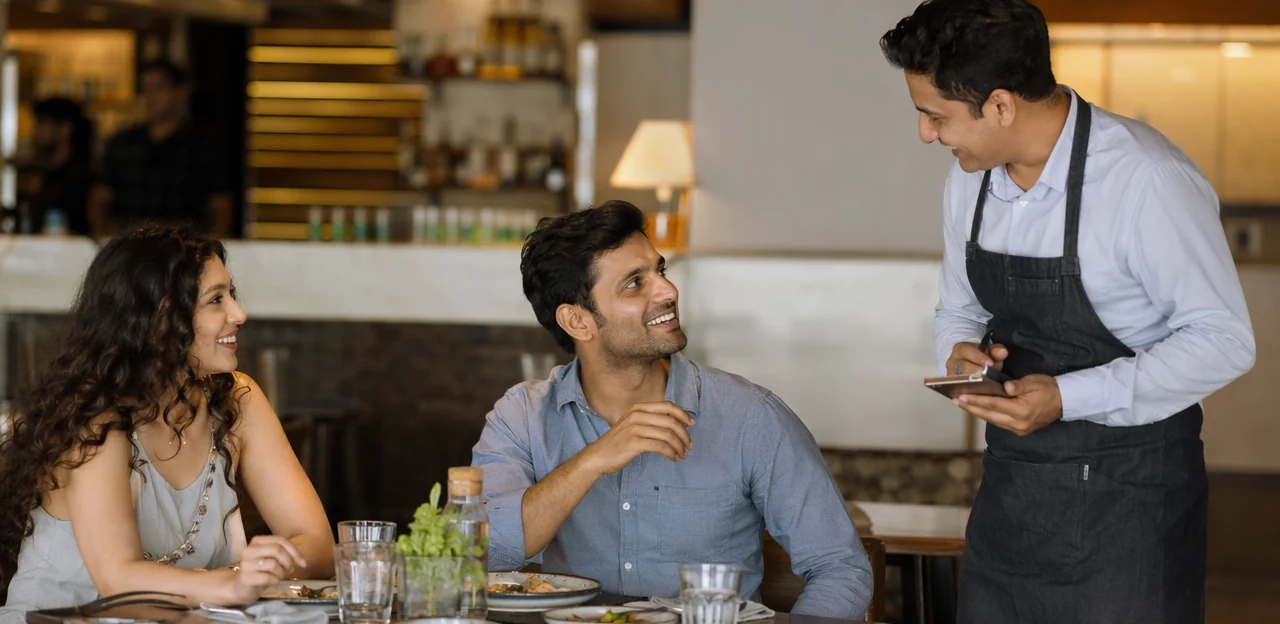
How guest feedback shapes the dining experience
Guest feedback restaurant teams collect through comments, reviews, and surveys gives a clear view of what diners actually experience, not just what managers assume is happening. Strong restaurant feedback examples often reveal patterns that directly affect the restaurant customer experience, such as:
- Service quality: Was staff friendly, attentive, and accurate?
- Food consistency: Did dishes match expectations every visit?
- Wait times: Were ordering, seating, and delivery delays frustrating guests?
- Overall satisfaction: Would guests return or recommend the venue?
Actionable feedback helps teams spot recurring issues, coach staff, refine workflows, and protect reputation. Tools like Tapsy can help capture in-the-moment responses, making it easier to fix problems before they turn into negative public reviews.
The link between feedback and operational improvement
Strong restaurant feedback examples do more than measure satisfaction—they highlight patterns that drive restaurant operations improvement and protect service standards restaurant teams work hard to maintain.
- Staffing: Repeated comments about slow greetings or delayed check-ins often signal understaffed shifts.
- Table turnover: Feedback about long waits between courses or slow bill delivery can reveal bottlenecks affecting seat availability.
- Kitchen coordination: Notes about cold food, missing items, or uneven timing point to expo and back-of-house issues.
- Cleanliness: Recurring mentions of restrooms, sticky tables, or clutter show where cleaning routines need tightening.
- Communication: Confusion around specials, allergens, or order accuracy often indicates training gaps.
Tools like Tapsy can help teams capture real-time feedback and act before issues repeat.
What makes feedback actionable for managers
Actionable customer feedback tells managers what happened, where, and what to fix. Vague opinions like “service was bad” are hard to use. Specific comments create clear next steps and better restaurant management tips for daily operations.
- Vague: “The experience was disappointing.”
Actionable: “We waited 18 minutes before anyone took our drink order during Friday dinner service.”
Use: staffing adjustments or table-check timing. - Vague: “Food wasn’t great.”
Actionable: “My burger arrived cold, but fries were hot.”
Use: kitchen handoff training or pass timing review. - Vague: “Ordering was confusing.”
Actionable: “The QR menu wouldn’t load on my phone.”
Use: system updates or menu access fixes.
Strong restaurant feedback examples help managers turn comments into training, process changes, and faster service recovery.
Restaurant feedback examples by common service scenario

Positive restaurant feedback examples worth reinforcing
Positive restaurant feedback examples are more than compliments—they show managers exactly what guests want repeated every shift. Common good restaurant review examples often highlight:
- Friendly staff: “The server was warm, attentive, and made us feel welcome from the moment we walked in.”
- Fast service: “Our food arrived quickly, even during a busy lunch rush.”
- Menu knowledge: “The team explained ingredients clearly and gave excellent recommendations.”
- Atmosphere: “The restaurant felt clean, relaxed, and inviting, with great music and lighting.”
Managers should treat this praise as coaching material, not just nice-to-have feedback. Use positive comments to:
- Recognize specific team behaviors in pre-shift meetings.
- Turn praise into standards, such as greeting within 30 seconds or confidently recommending two menu items.
- Share winning examples across shifts so strong habits spread consistently.
- Track repeated praise themes to identify what differentiates the guest experience.
Tools like Tapsy can help capture these in-the-moment insights, making it easier to reinforce best practices before they slip.
Negative restaurant feedback examples that reveal service gaps
Negative restaurant feedback examples are most useful when teams connect each complaint to a fixable operational issue. These common restaurant complaint examples can highlight where standards are slipping:
- “We waited 25 minutes before anyone took our order.”
Signals understaffing, poor table coverage, weak shift planning, or slow handoff between front-of-house and kitchen. - “I asked for no onions, but the dish came out wrong.”
Points to order-entry errors, unclear POS modifiers, or poor communication between servers and kitchen staff. - “The server seemed dismissive and rude when we asked for help.”
Suggests training gaps, burnout, weak supervision, or unclear service expectations. - “Our meals arrived cold, even though the restaurant wasn’t busy.”
Often reveals expo delays, poor heat retention, timing issues, or breakdowns in kitchen workflow. - “The restroom and table area were not clean.”
Indicates missed cleaning checks, unclear ownership, or inconsistent opening and closing routines.
Tracking these restaurant feedback examples by shift, role, and time of day helps managers spot patterns faster. Tools like Tapsy can help capture issues in the moment so teams can act before complaints turn into public reviews.
Neutral and mixed feedback examples with hidden insights
Not every review is clearly positive or negative. Some of the most useful restaurant feedback examples are mixed comments that highlight what worked and what felt inconsistent. These reviews often uncover operational gaps that simple star ratings miss.
- “The food was excellent, but service felt rushed.”
This suggests strong kitchen performance but possible front-of-house pressure, especially during peak hours. - “We love this location, but our last visit was much slower than usual.”
Among the best restaurant review examples for spotting shift-based inconsistency, staffing shortages, or training gaps. - “Friendly staff and good coffee, but the tables were not very clean.”
A valuable customer feedback examples restaurant teams can use to separate hospitality strengths from cleanliness issues.
To act on mixed feedback:
- Track comments by shift, daypart, and location.
- Look for repeated “but” statements that reveal hidden friction.
- Compare praise and complaints together instead of reviewing them separately.
Tools like Tapsy can help teams capture this feedback in the moment, making it easier to identify patterns before they become recurring public complaints.
How to collect better feedback across restaurant touchpoints

In-person, digital, and post-visit feedback channels
Strong restaurant feedback examples use a mix of channels so guests can respond when it feels easiest.
- Comment cards: Great for quick, in-person feedback and easy for all age groups. The downside is low completion rates and manual data entry.
- QR code surveys: Fast, low-cost, and ideal for a restaurant feedback survey at the table or receipt. They work best when the survey is short; some guests ignore codes.
- SMS follow-ups: High open rates and timely responses after a visit. Use carefully, as too many texts can feel intrusive.
- Email surveys: Useful for detailed feedback and trend tracking, but often get lower response rates.
- Online reviews: Public and influential, but harder to control.
- Social media messages: Personal and immediate, though harder to organize.
To collect customer feedback restaurant teams can act on, combine instant channels with post-visit follow-ups. Tools like Tapsy can help capture real-time QR feedback and flag issues quickly.
Questions that generate useful restaurant feedback
Strong restaurant feedback examples start with clear, specific prompts that make it easy for guests to share what happened during their visit. Use focused restaurant survey questions instead of broad “How was everything?” prompts.
- Service speed: “How satisfied were you with the wait time for seating, ordering, and food delivery?”
- Staff friendliness: “Did our team make you feel welcomed, listened to, and well looked after?”
- Food quality: “How would you rate the taste, temperature, freshness, and presentation of your meal?”
- Cleanliness: “How clean were your table, dining area, and restrooms during your visit?”
- Value: “Did your experience feel worth the price you paid?”
Add one open-ended customer satisfaction questions restaurant prompt, such as: “What is one thing we could improve before your next visit?”
Using integrations to centralize guest feedback
Connecting your tools makes restaurant feedback examples far more useful because comments, ratings, and review trends live in one workflow instead of scattered across platforms. Strong restaurant integrations help managers spot service issues faster and act on them with less manual work.
- POS systems link feedback to order time, server, item, or shift, revealing patterns behind complaints or praise.
- Review platforms pull Google and other public reviews into one dashboard for easier response tracking.
- CRM tools connect guest profiles with visit history, so follow-up feels personal and targeted.
- Survey software captures post-visit sentiment automatically and feeds results into your reporting stack.
With the right feedback management software restaurant teams can automate alerts, compare locations, and prioritize fixes. Tools like Tapsy can also capture in-the-moment feedback before guests leave.
How managers should respond to restaurant feedback examples

Responding to positive feedback to build loyalty
When you respond to positive restaurant reviews, aim to sound specific, warm, and memorable. The best restaurant feedback examples show guests you noticed what they valued and that your team cares.
- Thank the guest with detail: Mention the dish, visit time, or atmosphere they praised.
Example: “Thanks for your kind words, Mia. We’re glad you loved the truffle pasta and that our Friday dinner service felt welcoming.” - Highlight team members: Name the server, barista, or chef when appropriate.
Example: “We’ll share this with Daniel and our kitchen team — they’ll be thrilled to know their service stood out.” - Encourage a return naturally: Invite them back with a relevant suggestion.
Example: “We’d love to welcome you back for brunch next weekend — our new pastry menu just launched.”
These restaurant review response examples feel personal, strengthen loyalty, and increase repeat visits.
Responding to negative feedback without escalating issues
When you respond to negative restaurant reviews, use a calm, repeatable structure that protects your brand and shows accountability. Strong restaurant feedback examples usually follow four steps:
- Acknowledge the concern
Thank the guest for sharing and name the issue clearly: slow service, cold food, or a billing mistake. - Apologize appropriately
Offer a sincere apology without sounding defensive. Keep it simple and specific. - Offer a resolution
Explain what you’ll do next, such as reviewing the shift, retraining staff, or inviting the guest to reconnect. - Move offline when needed
For complex complaints, share a direct contact method to continue privately.
Good restaurant complaint response examples avoid blame, arguments, or overexplaining. Tools like Tapsy can also help teams catch issues early and resolve them before they become public reviews.
Turning feedback into staff coaching moments
Use restaurant feedback examples as coaching tools, not blame tools. The goal is better habits, stronger confidence, and consistent guest experiences.
- In pre-shift meetings: share one positive and one improvement example from the previous shift. Keep it specific: “Guests praised fast drink refills,” or “Two tables mentioned slow greeting times.” Then set one clear focus for the shift.
- In one-on-ones: connect feedback to behaviors staff can control, such as eye contact, check-back timing, or order accuracy. This makes restaurant staff training practical and fair.
- In training sessions: role-play real scenarios from guest comments so teams can practice better responses.
For effective service coaching restaurant team leaders should praise publicly, coach privately, and focus on repeatable actions. Tools like Tapsy can help capture timely examples while details are still fresh.
Turning feedback into measurable restaurant improvements

Spotting patterns in reviews and survey data
To analyze restaurant feedback effectively, group comments and ratings into clear categories so recurring problems stand out. Using restaurant feedback examples from reviews, QR surveys, and comment cards helps teams move from vague complaints to specific action.
- By theme: service speed, food quality, cleanliness, accuracy, atmosphere, or value
- By shift: lunch, dinner, weekend rush, or late-night service
- By location: dining room, patio, drive-thru, or specific branch
- By menu item: dishes linked to repeat complaints, returns, or low ratings
- By employee interaction: greeting, order-taking, upselling, problem resolution, or checkout
This approach reveals restaurant review trends faster and helps managers prioritize fixes by frequency and impact. Tools like Tapsy can make it easier to compare feedback by shift, location, and touchpoint in real time.
Creating service standards from recurring feedback
The best restaurant feedback examples reveal patterns, not just one-off complaints. When the same issue appears repeatedly, operators should convert it into measurable restaurant service standards for each team.
- Group feedback by theme
- Host stand: long waits, weak greetings, poor seating flow
- Servers: slow check-ins, missed upsells, order accuracy
- Kitchen: ticket times, food temperature, plating consistency
- Turn patterns into SOPs
- Write simple restaurant SOP examples such as:
- Greet every guest within 30 seconds
- Check back within 2 minutes of food drop
- Expo verifies temperature and modifiers before service
- Write simple restaurant SOP examples such as:
- Build training checklists and benchmarks
- Add each SOP to onboarding, shift huddles, and audits
- Track targets like wait time, remake rate, and table-touch frequency
Tools like Tapsy can help capture recurring feedback in real time, making standards easier to refine.
Metrics to track after making changes
After applying insights from restaurant feedback examples, track a small set of restaurant KPIs consistently to confirm whether service improvements are actually working:
- Review ratings: Monitor average star ratings on Google, Yelp, and delivery platforms to spot reputation changes.
- Repeat visits: Measure return-customer rate, loyalty redemptions, or revisit frequency to see if guests come back more often.
- Complaint volume: Track the number of service, food, and cleanliness complaints weekly. A drop usually signals better execution.
- Table turn time: Measure how long tables stay occupied without hurting experience. Faster, smoother service should improve efficiency.
- Guest satisfaction scores: Use post-visit surveys, CSAT, or NPS as core guest satisfaction metrics restaurant teams can compare by shift or location.
Tools like Tapsy can help capture real-time feedback and monitor these trends more accurately.
Best practices for restaurants and cafés using feedback long term

Building a feedback-friendly team culture
- Normalize feedback in daily routines: Review restaurant feedback examples in pre-shift huddles and discuss what went well and what needs attention.
- Celebrate visible progress: Recognize team members when guest comments improve, reinforcing a positive customer feedback culture.
- Build accountability: Assign clear follow-ups for recurring issues so everyone supports a stronger restaurant team culture and sees feedback as a growth tool, not personal criticism.
Avoiding common mistakes when handling feedback
To get value from restaurant feedback examples, avoid these common restaurant review management mistakes:
- Don’t ignore reviews: reply promptly so guests feel heard.
- Avoid defensive responses: thank guests, acknowledge the issue, and explain the fix.
- Don’t overreact to one complaint: look for patterns before changing processes.
- Close the loop: share feedback with staff and follow up with guests after handling customer complaints restaurant-side.
Tools like Tapsy can help teams catch issues early.
A simple feedback workflow for ongoing improvement
Use a repeatable restaurant feedback process to turn insights into action:
- Collect feedback at key moments using comment cards, QR surveys, or tools like Tapsy.
- Review responses daily and group themes such as speed, friendliness, or order accuracy.
- Assign each issue to the right manager or shift lead.
- Act with coaching, process fixes, or staffing changes.
- Revisit weekly to compare results and refine service standards.
Using consistent restaurant feedback examples supports a continuous improvement restaurant culture.
Conclusion
Strong service standards do not happen by chance—they are built through consistent listening, fast action, and clear team accountability. The best restaurant feedback examples show how guest comments can do more than highlight problems; they can reveal training gaps, uncover operational bottlenecks, and confirm what your team is already doing well. From feedback on wait times and food quality to cleanliness, staff attitude, and order accuracy, each insight gives restaurants and cafés a practical way to improve the guest experience.
Most importantly, effective restaurant feedback examples are specific, timely, and tied to action. When teams review patterns, respond quickly, and use feedback to coach staff, they create a stronger service culture and reduce the risk of negative public reviews. Over time, this leads to better consistency, higher customer satisfaction, and more repeat visits.
If you are ready to raise service standards, start by collecting feedback at key moments in the dining journey, setting up a simple review process, and turning common comments into measurable improvements. For businesses that want real-time, in-the-moment guest insights, tools like Tapsy can help streamline feedback collection and service recovery. Explore more restaurant operations resources, guest experience strategies, and feedback tools to turn today’s comments into tomorrow’s competitive advantage.
Frequently Asked Questions
- Why is guest feedback so important for restaurant service standards?
Guest feedback shows what diners actually experience, not just what managers think is happening. It helps teams identify patterns in service quality, food consistency, wait times, and overall satisfaction so they can improve daily operations and protect the guest experience.
- What makes restaurant feedback actionable instead of too vague to use?
Actionable feedback explains what happened, where it happened, and what needs fixing. Comments like exact wait times, cold food, or a QR menu not loading give managers clear next steps for staffing, training, or process changes.
- What are some examples of positive restaurant feedback worth reinforcing with staff?
Useful positive feedback often mentions friendly staff, fast service, strong menu knowledge, or a clean and inviting atmosphere. Managers can use these comments in pre-shift meetings to recognize specific behaviors and turn them into repeatable standards.
- What can negative restaurant feedback reveal about operations?
Negative feedback often points to fixable issues such as understaffing, order-entry mistakes, weak communication, kitchen timing problems, or missed cleaning routines. Tracking complaints by shift, role, and time of day helps managers find recurring service gaps faster.
- How should restaurants interpret mixed feedback like 'the food was great, but service felt rushed'?
Mixed feedback can reveal inconsistency that a star rating alone may miss. It helps separate strengths from friction points, such as strong kitchen performance but front-of-house pressure, and is especially useful when tracked by shift, daypart, or location.
- Which feedback channels work best for restaurants and cafés?
A mix of channels works best because guests respond differently depending on timing and convenience. Comment cards, QR code surveys, SMS follow-ups, email surveys, online reviews, and social media messages each capture different types of feedback and should be combined for better coverage.
- What questions should a restaurant ask to collect more useful feedback?
Specific prompts work better than broad questions because they guide guests to describe what happened. Good topics include service speed, staff friendliness, food quality, cleanliness, value, and one open-ended question such as what could be improved before the next visit.
- How can integrations make restaurant feedback easier to manage?
Integrations bring comments, ratings, and trends into one workflow instead of leaving them scattered across platforms. POS systems, review platforms, CRM tools, and survey software can connect feedback to shifts, orders, guest history, and reporting so managers can act faster.
- How should managers respond to positive restaurant reviews?
The best responses are warm, specific, and personal. Thank the guest with detail, mention the dish, visit, or atmosphere they praised, highlight team members when appropriate, and invite them back naturally.
- What is the best way to reply to negative restaurant reviews without making things worse?
Use a simple structure: acknowledge the concern, apologize clearly, offer a resolution, and move the conversation offline if needed. Avoid blame, arguments, or long explanations, and focus on accountability and next steps.
- How can restaurant managers turn feedback into staff coaching?
Feedback works best as a coaching tool when it is tied to behaviors staff can control, such as greeting speed, check-back timing, eye contact, or order accuracy. Managers can share one positive and one improvement example in pre-shift meetings, use one-on-ones for private coaching, and role-play real scenarios in training.
- How do restaurants spot patterns in reviews and survey responses?
Group feedback by theme, shift, location, menu item, or employee interaction so recurring issues stand out. This makes it easier to move from isolated complaints to clear priorities such as service speed, cleanliness, food temperature, or order accuracy.
- How do recurring guest comments become service standards or SOPs?
When the same issue appears repeatedly, teams should group it by area such as host stand, servers, or kitchen and turn it into a measurable standard. Examples include greeting every guest within 30 seconds, checking back within 2 minutes of food drop, or having expo verify temperature and modifiers before service.
- Which metrics should restaurants track after making service improvements?
Track a small set of KPIs consistently, including review ratings, repeat visits, complaint volume, table turn time, and guest satisfaction scores. These measures help show whether changes are improving both the guest experience and operational performance.
- What does a simple ongoing restaurant feedback workflow look like?
A practical workflow is to collect feedback at key moments, review responses daily, assign issues to the right manager or shift lead, act through coaching or process fixes, and revisit results weekly. This repeatable process supports continuous improvement and stronger accountability across the team.