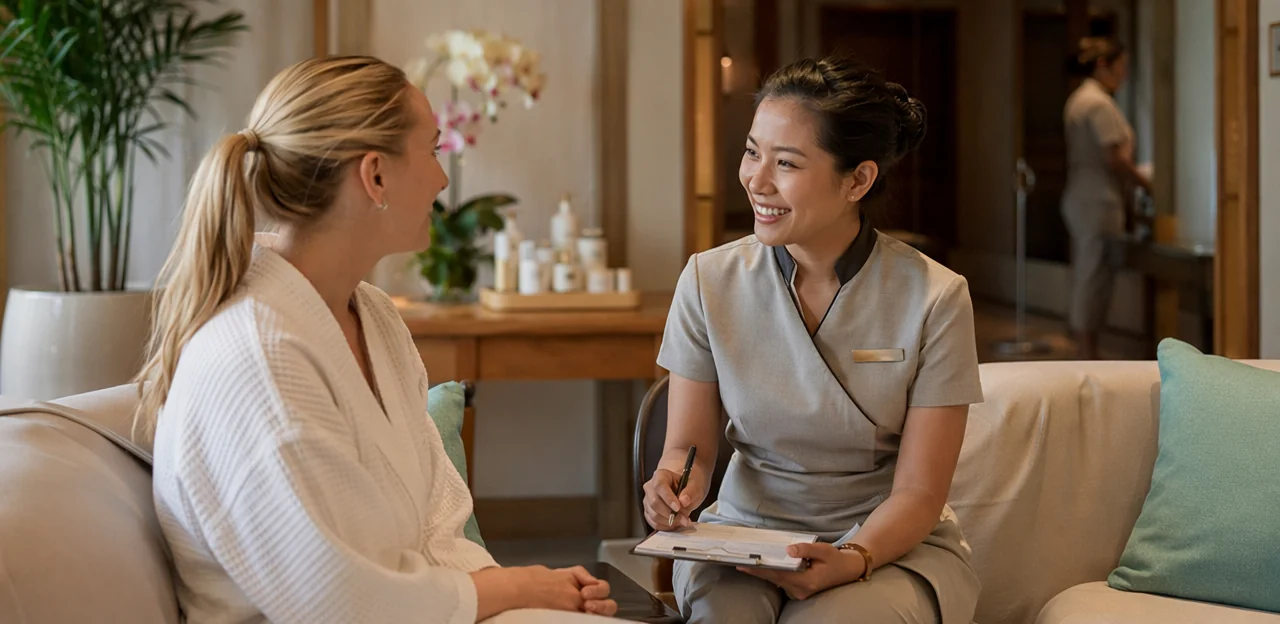
A premium spa experience can elevate a hotel stay from memorable to truly exceptional—but it can also become a hidden source of disappointment when service, ambiance, scheduling, or treatment quality fall short of guest expectations. In luxury hospitality, where every touchpoint shapes perception, understanding what guests think and feel about spa services is no longer optional. That is where hotel spa feedback becomes a powerful driver of guest satisfaction, service recovery, and long-term brand loyalty.
For hotels aiming to refine their wellness offering, feedback provides more than simple ratings. It reveals whether guests value therapist professionalism, booking convenience, cleanliness, atmosphere, personalized treatments, and post-visit care. More importantly, it helps teams identify issues early enough to resolve them before they turn into negative reviews or lost repeat business. Real-time tools such as Tapsy can support this process by capturing in-stay insights directly at hospitality touchpoints.
This article explores how hotels can collect meaningful spa and wellness feedback, turn guest comments into actionable improvements, and use those insights to enhance the overall premium guest experience. It will also look at the role of timely feedback in strengthening operations, protecting reputation, and delivering the high-end, seamless wellness journey today’s guests expect.
Why hotel spa feedback matters for guest experience
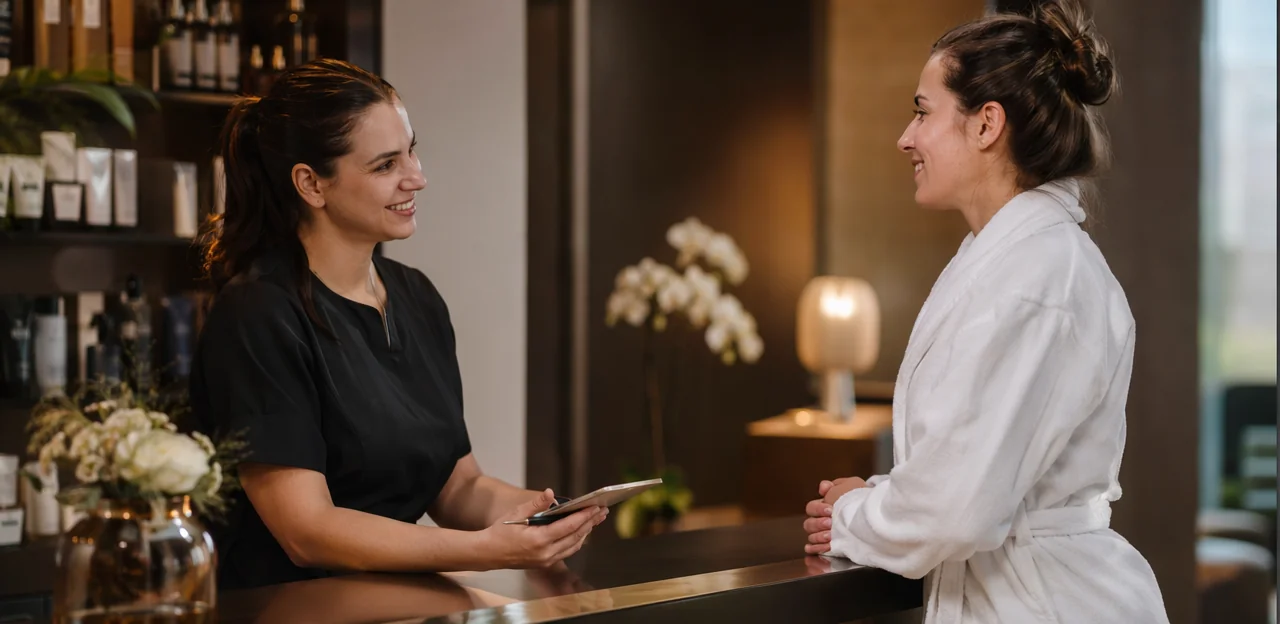
The role of spa services in premium hotel positioning
Spa and wellness amenities are a major driver of premium guest experience because they signal quality, exclusivity, and care beyond the room itself. For many travelers, hotel wellness services shape whether a property feels truly upscale or simply expensive.
- A strong luxury hotel spa experience elevates brand perception through personalized treatments, calm design, and attentive service.
- These touchpoints raise guest expectations around cleanliness, privacy, therapist expertise, and seamless booking.
- They also increase perceived value, helping justify premium rates and encouraging longer stays, upgrades, and repeat visits.
That is why hotel spa feedback matters more in premium segments: small service gaps can quickly damage a luxury promise. Real-time feedback tools, including options like Tapsy, help hotels identify issues early and protect brand reputation.
How spa feedback shapes satisfaction, loyalty, and reviews
Hotel spa feedback is a powerful signal of overall stay quality because wellness services often define whether a premium experience feels memorable or disappointing. When hotels track spa comments closely, they can improve guest satisfaction and protect revenue-driving relationships.
- Higher satisfaction: Fast fixes for therapist quality, cleanliness, booking delays, or ambience prevent small issues from overshadowing the stay.
- Stronger repeat bookings: A consistently excellent spa experience supports hotel guest loyalty, especially among leisure, luxury, and wellness-focused travelers.
- Better ratings and referrals: The spa review impact extends beyond the spa itself, influencing hotel-wide online scores and word-of-mouth recommendations.
Using real-time tools such as Tapsy can help teams capture in-the-moment feedback and recover service issues before checkout.
Common gaps revealed by wellness guest feedback
Effective hotel spa feedback often highlights the same service weak points that can quietly erode a premium stay. Through consistent guest feedback analysis, hotels can spot patterns early and protect spa service quality before they affect reputation.
- Booking friction: unclear availability, slow confirmations, or difficult rescheduling
- Therapist consistency: uneven technique, rushed treatments, or weak consultation standards
- Cleanliness: treatment rooms, robes, lockers, and wet areas not meeting luxury expectations
- Privacy and noise: overheard conversations, crowded relaxation zones, or poor sound control
- Personalization gaps: generic treatments that ignore preferences, health notes, or guest history
Tracking recurring hotel wellness complaints helps managers prioritize training, staffing, and facility improvements. Tools like Tapsy can support faster in-stay issue detection and service recovery.
How hotels can collect better spa and wellness feedback
Best feedback channels across the guest journey
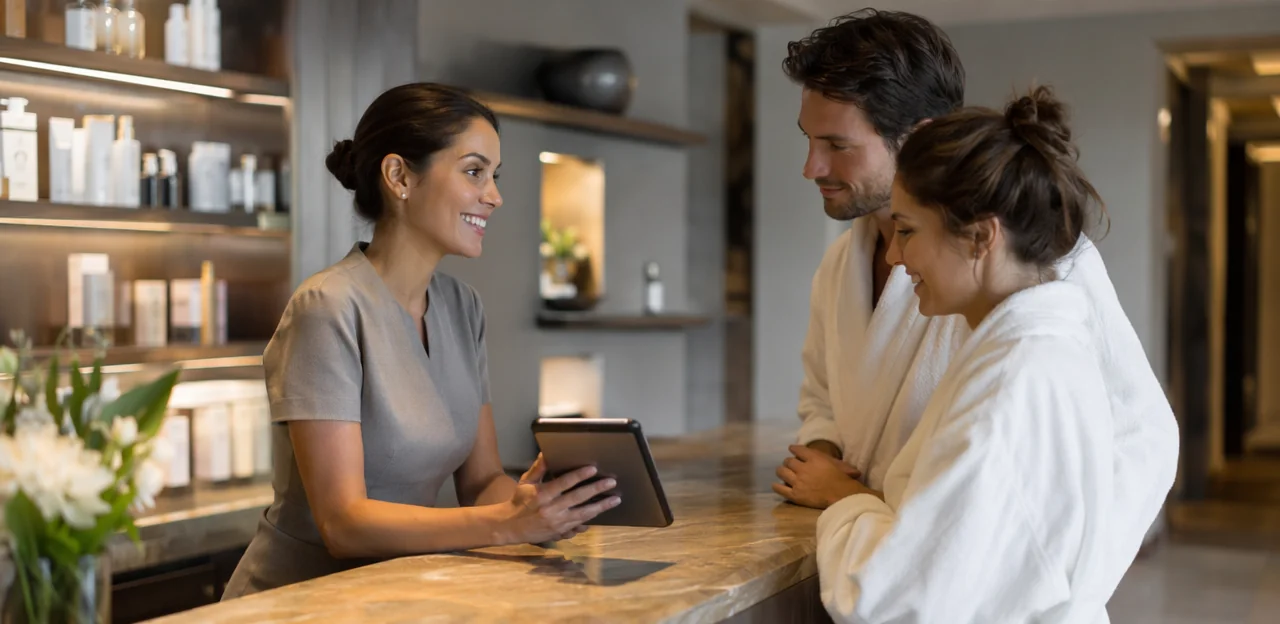
Using the right guest feedback channels at the right moment improves both response rates and honesty. For effective hotel spa feedback, match the channel to the guest’s stage in the journey:
- Immediately post-treatment: Send a short hotel spa feedback survey by SMS or tablet at checkout while the experience is fresh. This captures service quality, therapist performance, and ambiance accurately.
- During the stay: Use in-stay messaging, WhatsApp, or QR codes in treatment rooms, lounges, and changing areas so guests can raise issues before checkout.
- After departure: A post-stay spa survey by email works best for broader reflections on value, rebooking intent, and overall wellness experience.
- Public review platforms: Encourage satisfied guests to share feedback on Google or TripAdvisor after resolving any issues privately first.
Tools like Tapsy can help hotels collect real-time spa feedback through QR touchpoints.
Questions that uncover actionable spa insights
Strong hotel spa feedback should reveal what shaped the experience, not just whether a guest was “satisfied.” Use spa survey questions and short interviews that probe specific touchpoints:
- Ambience: “How would you rate the spa’s lighting, scent, music, temperature, and overall sense of calm?”
- Staff professionalism: “Did the therapist explain the treatment clearly, respect your preferences, and make you feel comfortable throughout?”
- Treatment outcomes: “How did you feel immediately after the treatment, and did the results match your expectations?”
- Ease of booking: “How easy was it to find availability, book your treatment, and understand pricing or package options?”
- Recovery opportunities: “What one change would have most improved your spa visit?”
These wellness feedback questions align with hotel guest survey best practices by capturing operational detail that teams can act on quickly. Tools such as Tapsy can help collect this feedback in real time at the spa touchpoint.
Encouraging honest responses without adding friction
To increase survey response rate, make hotel spa feedback effortless, fast, and clearly worthwhile for guests—especially premium travelers who expect polished, seamless service.
- Keep surveys short: Ask 2–4 questions max, with one optional comment box. This supports frictionless guest feedback and captures honest reactions while the experience is still fresh.
- Design for mobile first: Use QR codes, tap-to-open links, and forms that load instantly without app downloads or logins.
- Offer multilingual options: Let international guests respond in their preferred language to improve accuracy and comfort.
- Explain the value: Tell guests their input helps personalize future treatments, improve amenities, and resolve issues quickly.
- Respect luxury expectations: Avoid intrusive timing; invite feedback right after a treatment or at checkout, with elegant, branded flows.
Tools like Tapsy can help hotels collect luxury hotel feedback in real time at spa touchpoints.
Turning hotel spa feedback into operational improvements
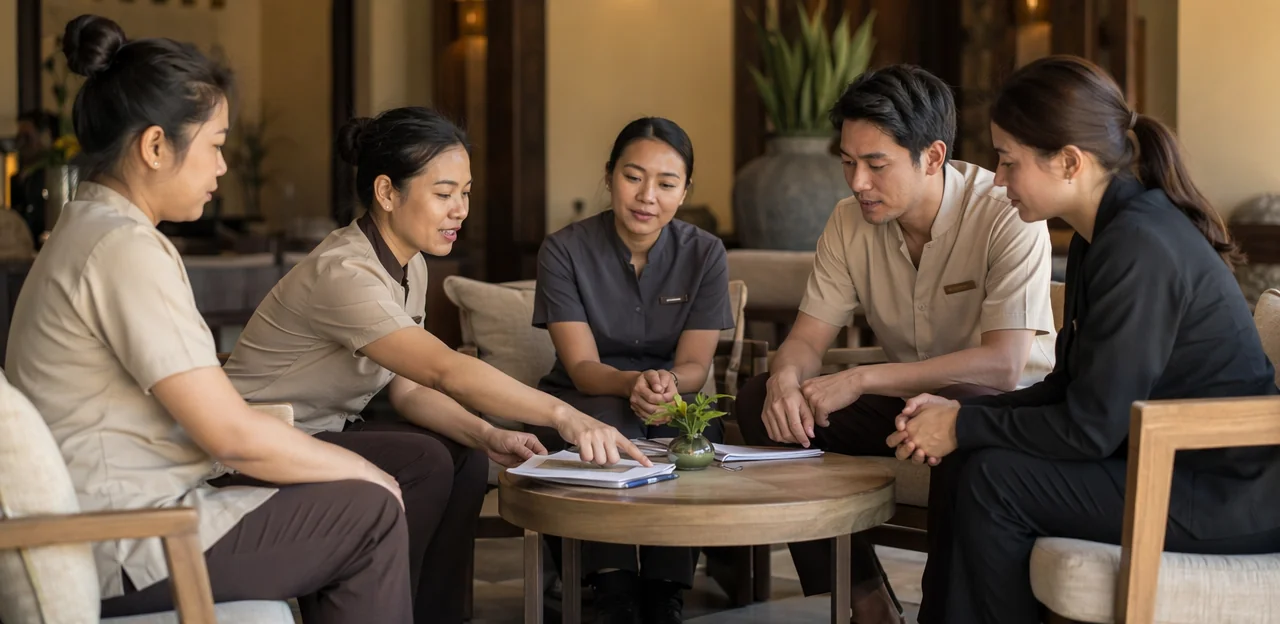
Identifying trends in service, staffing, and facilities
To turn hotel spa feedback into action, group responses into clear operational themes and review them weekly. This makes spa feedback analysis more useful for hotel operations improvement and stronger wellness facility management.
- Treatment quality: Track comments on massage pressure, treatment consistency, product quality, and perceived value.
- Therapist performance: Separate feedback on professionalism, communication, technique, and personalization.
- Scheduling and wait times: Flag booking friction, late starts, understaffed peak periods, and front-desk coordination issues.
- Amenities: Monitor satisfaction with lounges, hydrotherapy areas, lockers, robes, refreshments, and relaxation spaces.
- Maintenance and cleanliness: Identify repeated issues with showers, steam rooms, lighting, temperature, noise, or equipment downtime.
Prioritize fixes by combining frequency, severity, and revenue impact. Tools like Tapsy can help hotels capture real-time spa feedback at the touchpoint where issues happen.
Using guest comments to improve personalization
Guest comments are one of the most useful sources of hotel spa feedback because they reveal the details that turn a standard visit into a personalized guest experience. Instead of only tracking satisfaction scores, hotels should review written feedback for patterns in wellness guest preferences and use them to refine future bookings.
- Record preferred massage pressure levels, such as light, medium, or deep tissue.
- Note scent preferences and sensitivities, including lavender, eucalyptus, fragrance-free, or allergy concerns.
- Capture wellness goals like stress relief, better sleep, muscle recovery, or detox support.
- Use past comments to recommend relevant add-ons, therapists, and return-visit packages.
This approach strengthens spa personalization, helps staff prepare before arrival, and makes returning guests feel recognized. Tools like Tapsy can help collect these insights in real time across spa touchpoints.
Closing the loop with staff training and service recovery
Collecting hotel spa feedback only creates value when managers turn it into action on the floor. Use recurring comments to coach therapists, reception teams, and attendants on the moments that shape premium stays most.
- Review feedback weekly to spot patterns in greeting quality, treatment delivery, cleanliness, wait times, and aftercare advice.
- Build spa staff training around real guest comments, using role-play to improve tone, consistency, and upselling without pressure.
- Update service standards when feedback shows friction points, such as delayed check-ins or unclear treatment explanations.
- Set fast-response protocols for low scores so guest complaint resolution happens before checkout.
Strong service recovery in hotels protects luxury brand perception. A sincere apology, immediate fix, and thoughtful gesture can turn a disappointing spa visit into a loyalty-building moment. Tools like Tapsy can help teams capture issues in real time and respond faster.
Using spa feedback to enhance the wider hotel experience
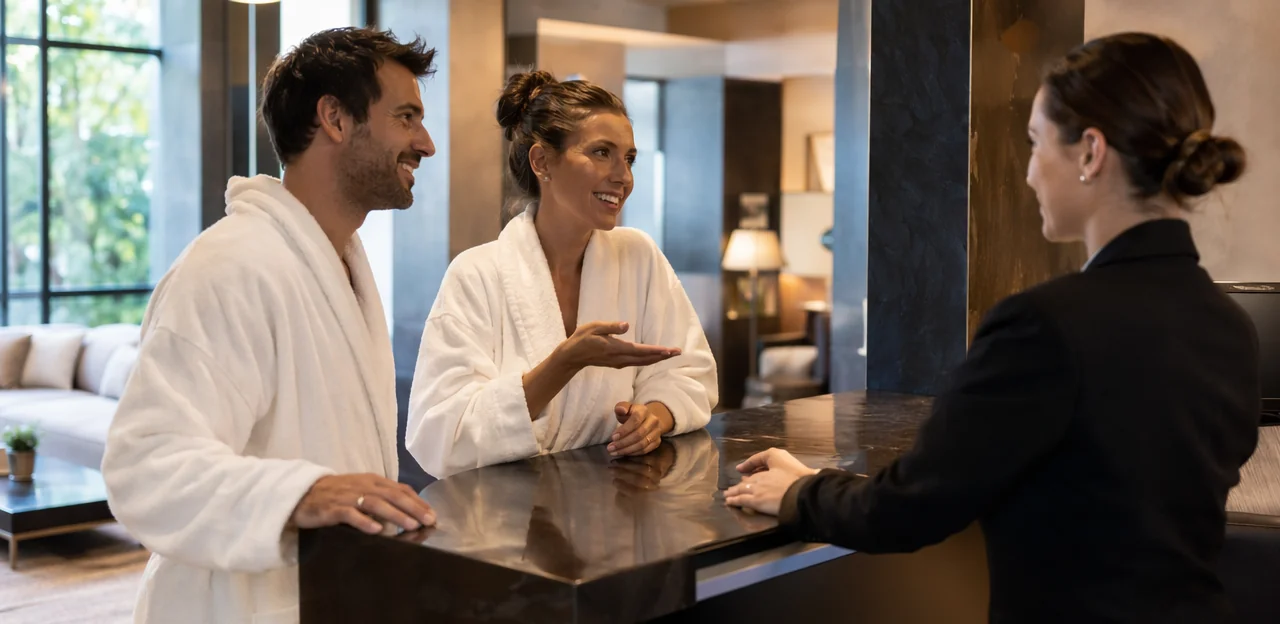
Connecting wellness insights with accommodation and hospitality teams
Hotel spa feedback should not stay siloed within the wellness department. Shared correctly, it strengthens the cross-department guest experience and elevates the overall hotel customer experience.
- Front desk: flag guest preferences, recovery needs, or timing issues before check-in, checkout, or room changes.
- Housekeeping: adapt room setup with extra towels, aromatherapy-friendly cleaning, or quieter service timing after treatments.
- Concierge: recommend fitness classes, local wellness activities, or transport aligned with guest interests.
- Food and beverage: tailor menus with healthy options, hydration support, or post-treatment dining suggestions.
- Guest relations: follow up on complaints or compliments to personalize service recovery.
Strong hospitality team collaboration, supported by tools like Tapsy, helps turn wellness insights into a seamless stay.
Building wellness-led guest journeys and packages
Hotel spa feedback gives hotels a clear view of what guests actually value, helping teams shape hotel wellness packages that feel personal rather than generic. Use feedback from spa visits, in-room treatments, and post-stay surveys to refine every spa guest journey touchpoint.
- Identify the most requested treatments, timings, and add-ons to build packages guests are more likely to book.
- Spot friction points, such as difficult booking flows or rushed transitions, and improve the premium experience.
- Segment feedback by guest type to create targeted retreat offers, couples packages, and business-traveler wellness add-ons.
- Track demand trends to design premium hotel offers around sleep, fitness, recovery, or mindfulness.
Tools like Tapsy can help capture real-time insights across these touchpoints.
Visible action is a powerful driver of trust in wellness-led hospitality. When hotels use hotel spa feedback to fix recurring issues and then clearly share those upgrades, they strengthen hotel reputation management and attract more wellness-minded travelers.
- Respond to common themes in spa guest reviews, such as therapist consistency, cleanliness, ambiance, or booking delays.
- Highlight improvements on review platforms, your website, and social channels to create credible social proof.
- Train staff to mention recent spa or wellness enhancements during check-in and pre-arrival messages.
- Use real-time tools like Tapsy to capture issues early and resolve them before they become public complaints.
This approach supports stronger wellness hospitality branding, better reviews, and greater booking confidence.
Metrics and KPIs for measuring spa feedback success

Core guest experience metrics to track
To turn hotel spa feedback into measurable improvements, track a focused set of guest experience metrics and spa KPIs:
- Hotel satisfaction score: Measure post-treatment and overall wellness satisfaction to spot service gaps quickly.
- Net Promoter Score (NPS): Shows how likely guests are to recommend your spa and hotel experience.
- Review sentiment: Analyze comments and online reviews for recurring themes around therapists, ambience, cleanliness, and booking ease.
- Repeat spa bookings: Indicates loyalty and whether treatments deliver lasting value.
- Treatment utilization: Monitor which services, time slots, and packages perform best.
- Complaint resolution time: Faster recovery protects premium experiences and prevents negative reviews.
Tools like Tapsy can help capture real-time feedback at key spa touchpoints.
Combining qualitative comments with quantitative data
To improve hotel spa performance, don’t rely on ratings alone. Strong hotel spa feedback analysis combines scores with guest comments, operational metrics, and revenue signals to reveal what guests truly value.
- Use review sentiment analysis to group open-text feedback into themes such as therapist quality, cleanliness, wait times, ambiance, and booking ease.
- Compare these themes with operational data like treatment occupancy, cancellation rates, staff schedules, repeat bookings, and service recovery cases.
- Track revenue trends alongside satisfaction scores to see whether premium treatments, packages, or add-ons align with guest expectations.
This layered feedback data analysis helps hotels prioritize fixes, refine premium experiences, and invest where satisfaction and profitability rise together.
Benchmarking results and setting improvement goals
Use hotel spa feedback to track trends monthly and by touchpoint, such as treatment quality, therapist professionalism, ambience, cleanliness, and booking ease. Strong hospitality benchmarking combines internal and external comparison:
- Measure internal progress: compare scores by season, shift, therapist, and property to spot recurring gaps or gains.
- Benchmark competitors: review market averages, luxury segment standards, and guest review themes to understand where your wellness offer stands.
- Set realistic spa performance goals: target specific improvements, such as reducing wait times by 15% or lifting cleanliness scores from 4.4 to 4.7.
This approach supports continuous improvement in hotels and helps wellness teams focus on changes that meaningfully elevate premium guest experiences.
Best practices for a long-term hotel spa feedback strategy

Creating a repeatable feedback and action framework
To turn hotel spa feedback into lasting service gains, build a simple, recurring system that teams follow every week:
- Collect consistently: Gather feedback at key touchpoints—after treatments, at checkout, and post-stay—using short surveys or QR codes.
- Review on a schedule: Hold weekly reviews to spot patterns in therapist service, ambience, cleanliness, booking flow, and amenities.
- Assign clear ownership: Route each issue to one accountable team member with a deadline, making your feedback management strategy operational.
- Act and document: Add recurring fixes to your hotel spa improvement plan, from staff coaching to facility upgrades.
- Measure results: Track response times, repeat complaints, and satisfaction scores within a broader guest experience framework.
Tools like Tapsy can help capture and route feedback in real time.
Balancing luxury standards with operational efficiency
Maintaining luxury hospitality standards in a spa requires precision, not excess. The best-performing hotels use hotel spa feedback to protect the guest experience while improving spa operations efficiency and controlling costs.
- Use demand data to schedule smarter: Align therapist rosters with peak booking hours, treatment types, and seasonal demand to avoid overstaffing or long waits.
- Standardize premium touchpoints: Keep essentials consistent—greeting, consultation, treatment timing, cleanliness, and follow-up—to support reliable premium service delivery.
- Monitor friction in real time: Fast feedback helps managers resolve delays, noise, or service gaps before they affect satisfaction.
- Cross-train teams carefully: Flexible staff coverage supports efficiency without lowering service quality.
Tools like Tapsy can help hotels capture in-stay wellness feedback and act quickly when standards slip.
Future trends in wellness feedback for hotels
Hotels are moving beyond static surveys and using faster, smarter ways to improve hotel spa feedback and overall wellbeing experiences. Key wellness hospitality trends include:
- Real-time hotel feedback: QR codes, in-spa tablets, and post-treatment prompts help teams capture concerns while guests are still on-site, enabling immediate service recovery.
- AI guest feedback analysis: AI-driven sentiment tools can detect recurring themes in comments, such as therapist quality, ambience, wait times, or cleanliness, and turn them into clear operational priorities.
- Personalized wellness journeys: Feedback data can shape tailored recommendations for treatments, sleep programs, nutrition, and fitness based on guest preferences.
- Holistic wellbeing demand: Guests increasingly expect integrated experiences that combine spa, mindfulness, movement, nutrition, and recovery.
Platforms like Tapsy can support this with touchpoint-based, real-time insight collection.
Conclusion
In today’s luxury hospitality market, exceptional spa experiences are no longer a bonus—they are a defining part of the guest journey. That’s why collecting and acting on hotel spa feedback is essential for hotels that want to elevate premium stays, protect their reputation, and build long-term loyalty. From treatment quality and therapist professionalism to ambience, cleanliness, booking ease, and post-treatment care, every detail shapes how guests perceive your brand.
The most successful hotels treat hotel spa feedback as a strategic tool, not just a survey metric. Real-time insights help teams identify service gaps quickly, recover issues before checkout, and refine the wellness experience in ways that feel personal and memorable. Over time, this feedback also reveals patterns that support smarter staffing, training, service design, and investment decisions across the property.
Now is the time to review how your hotel captures spa and wellness insights. Audit your current feedback process, identify friction points in the guest journey, and implement systems that make it easy for guests to respond in the moment. Solutions like Tapsy can help hotels gather instant, touchpoint-based feedback and act before dissatisfaction turns into a negative review.
Start turning hotel spa feedback into better experiences, stronger loyalty, and higher-value guest relationships.
Frequently Asked Questions
- Why is spa feedback so important for premium hotels?
Spa services strongly influence whether a hotel feels truly premium, not just expensive. Feedback helps hotels detect gaps in treatment quality, cleanliness, privacy, booking, and personalization before they damage satisfaction, loyalty, or reviews.
- What parts of the spa experience should hotels ask guests about?
Hotels should ask about ambience, therapist professionalism, treatment outcomes, booking ease, cleanliness, privacy, and post-visit care. These touchpoints reveal what shaped the guest experience and where operational improvements are needed.
- When is the best time to collect hotel spa feedback?
The strongest timing depends on the goal. Right after treatment is best for fresh impressions, during the stay helps resolve issues before checkout, and post-stay surveys work well for broader reflections on value and rebooking intent.
- Which feedback channels work best for spa and wellness services in hotels?
Useful channels include SMS surveys, tablets at checkout, in-stay messaging, WhatsApp, QR codes in spa areas, post-stay email surveys, and public review platforms. Matching the channel to the guest journey improves response quality and makes it easier to act quickly.
- How can hotels increase spa survey response rates without annoying guests?
Keep surveys short, ideally 2 to 4 questions with an optional comment box. Mobile-first design, multilingual options, and elegant timing right after treatment or at checkout help reduce friction and encourage honest responses.
- What common problems does wellness guest feedback usually uncover?
Recurring issues often include booking friction, inconsistent therapist performance, cleanliness concerns, lack of privacy, noise, and weak personalization. These patterns help managers prioritize training, staffing, and facility upgrades.
- How should hotels turn spa feedback into operational improvements?
Responses should be grouped into themes such as treatment quality, therapist performance, scheduling, amenities, and maintenance. Reviewing these themes weekly and prioritizing fixes by frequency, severity, and revenue impact makes feedback actionable.
- How can guest comments improve spa personalization?
Written comments can reveal preferred massage pressure, scent sensitivities, wellness goals, and treatment preferences. Hotels can use those details to recommend better add-ons, assign suitable therapists, and make returning guests feel recognized.
- What does effective service recovery look like after a poor spa experience?
Effective recovery starts with fast detection, a sincere apology, and an immediate fix before checkout whenever possible. A thoughtful gesture and clear follow-up can protect brand perception and even strengthen loyalty after a disappointing visit.
- Should spa feedback be shared with other hotel departments?
Yes, spa insights are more valuable when shared across the property. Front desk, housekeeping, concierge, food and beverage, and guest relations can all use wellness preferences or complaints to create a smoother, more personalized stay.
- How can spa feedback help hotels build better wellness packages?
Feedback shows which treatments, timings, add-ons, and wellness themes guests value most. Hotels can use that insight to refine packages, remove friction in the booking journey, and create more targeted offers for different guest types.
- What metrics should hotels track to measure spa feedback success?
Core metrics include satisfaction scores, Net Promoter Score, review sentiment, repeat spa bookings, treatment utilization, and complaint resolution time. Together, these indicators show whether service quality and loyalty are improving.
- Why is it not enough to look only at spa ratings?
Ratings show the score, but comments explain the reason behind it. Combining qualitative feedback with operational data such as occupancy, cancellations, staff schedules, repeat bookings, and revenue trends gives a clearer picture of what to fix or expand.
- How should hotels benchmark spa performance and set improvement goals?
Hotels should compare results over time by season, shift, therapist, and property, then review competitor standards and market review themes. From there, they can set specific goals such as reducing wait times or improving cleanliness scores.
- What role can tools like Tapsy play in hotel spa feedback?
Tools like Tapsy can help hotels capture real-time feedback at spa touchpoints through options such as QR-based collection. That supports faster issue detection, quicker service recovery, and more timely operational decisions while guests are still on-site.