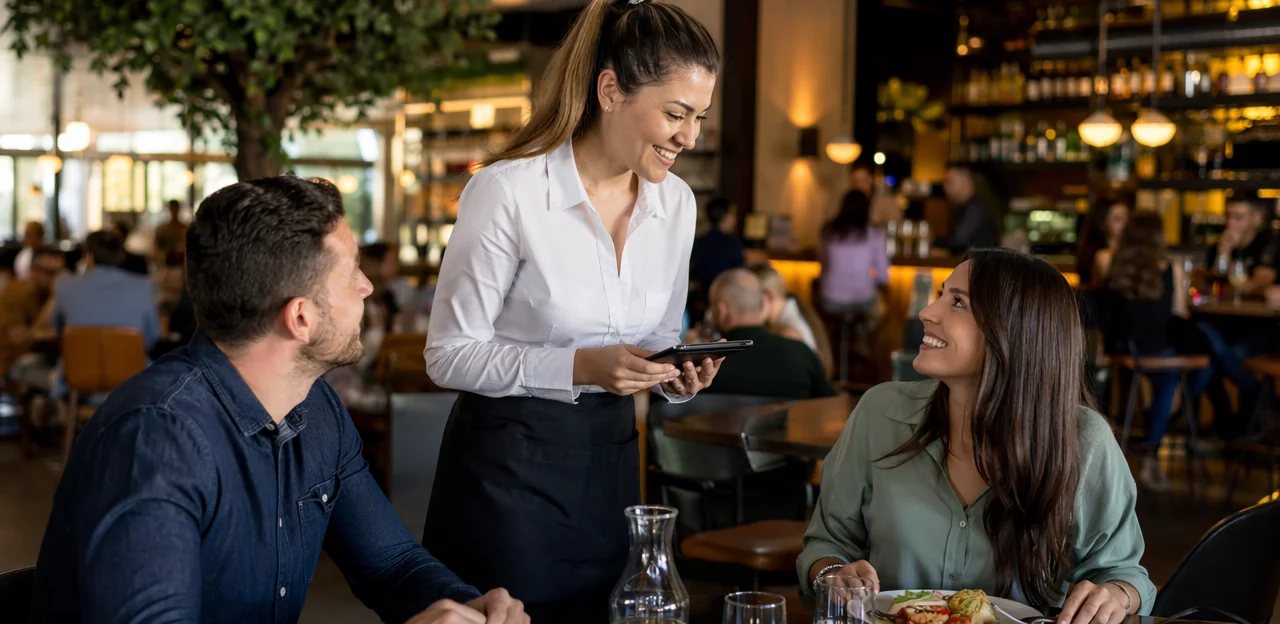
In today’s restaurant landscape, great food and efficient service are only part of the equation. What truly drives repeat visits, stronger reviews, and long-term loyalty is the overall restaurant guest experience—and for general managers, that experience needs to be measured as carefully as food costs or labor percentages. The challenge is that guest satisfaction is shaped by dozens of moments, from wait times and staff interactions to order accuracy, ambiance, and how quickly problems are resolved.
That’s why tracking the right metrics matters. Without clear data, it’s easy to rely on assumptions instead of understanding what guests actually feel and expect. The most effective operators use guest experience metrics to spot friction points, improve service consistency, and make smarter operational decisions that directly impact revenue.
In this article, we’ll break down the essential restaurant guest experience metrics every general manager should monitor, why each one matters, and how they connect to customer retention, online reputation, and day-to-day performance. We’ll also look at how real-time feedback and AI-powered tools, including platforms like Tapsy, can help restaurants turn guest insights into faster action and better outcomes.
Why restaurant guest experience metrics matter

How guest experience impacts revenue and retention
Restaurant guest experience directly influences how often people return, what they spend, and what they say online. It is not a vague brand concept; it is a measurable driver of restaurant revenue and guest retention.
- Repeat visits: Fast service, order accuracy, and friendly interactions increase the likelihood of return visits.
- Online reviews: Positive experiences generate stronger ratings and more referrals, while unresolved issues reduce future traffic.
- Average check size: Guests who feel cared for are more likely to order dessert, drinks, or add-ons.
- Long-term profitability: Higher retention lowers acquisition costs and increases lifetime value per guest.
Track experience metrics alongside sales data to spot clear patterns. For example, rising satisfaction scores often correlate with stronger repeat business and better review volume. Tools like Tapsy can help capture real-time feedback before small issues hurt revenue.
The general manager's role in tracking the right KPIs
A strong general manager restaurant strategy turns data into daily action. To improve restaurant guest experience, general managers should track a focused set of guest experience metrics and use them to align service, speed, and food quality across teams.
- Coach teams with real feedback: Review comment trends, satisfaction scores, wait times, and complaint categories during pre-shift meetings. This helps managers coach hosts, servers, and kitchen staff on specific behaviors.
- Spot service issues early: Compare restaurant KPIs like table turn time, ticket times, order accuracy, and guest sentiment to identify where the experience breaks down.
- Create shared goals: Align front-of-house and back-of-house around targets such as faster recovery times, fewer errors, and higher satisfaction scores.
Tools like Tapsy can help capture real-time feedback, making it easier to act before small issues affect loyalty.
Leading vs. lagging indicators in restaurant operations
To improve restaurant guest experience, general managers should track both leading indicators and lagging indicators. Leading indicators are real-time restaurant operations metrics that signal issues before they affect loyalty or revenue. Lagging indicators show the final outcome after the guest has already formed an opinion.
- Leading indicators: wait times, table turn time, order accuracy, food ticket times, staff response speed, complaint resolution time
- Lagging indicators: review scores, repeat visits, guest retention, average rating, refund rates
A balanced framework matters because strong lagging results usually come from consistently managed leading indicators. Start by pairing each outcome metric with one or two operational drivers. For example, if review scores drop, check wait times and order accuracy first. Tools like Tapsy can also help teams capture real-time signals before they become negative reviews.
Core satisfaction and loyalty metrics to monitor

CSAT, NPS, and guest sentiment scores
Three feedback metrics give a clear view of restaurant guest experience and loyalty:
- Customer Satisfaction Score (CSAT): Measures how satisfied guests were with a meal, service, or visit, usually on a 1–5 or 1–10 scale. A strong customer satisfaction restaurant program helps spot service gaps fast.
- Net Promoter Score (NPS): Asks how likely a guest is to recommend your venue. A solid NPS restaurant benchmark signals repeat business and word-of-mouth potential.
- Guest sentiment analysis: Uses AI or review monitoring to classify comments as positive, negative, or neutral and uncover themes behind the scores.
To collect these metrics consistently, restaurants can use:
- QR surveys on receipts or table tents
- SMS and email follow-ups after visits
- In-store kiosks for quick pulse checks
- Google and review platform monitoring for ongoing guest sentiment analysis
Tools like Tapsy can also help capture real-time feedback and support faster service recovery.
Repeat visit rate and guest retention
Repeat visit rate is one of the strongest signals of a positive restaurant guest experience. When guests choose to come back, they validate your food, service, convenience, and overall value.
Track restaurant guest retention by combining multiple data sources:
- Loyalty programs: Measure visit frequency per member, time between visits, and reward redemption trends.
- POS data: Identify returning guests through payment tokens, order history, or linked customer profiles.
- Reservations: Monitor how often the same guest books within 30, 60, or 90 days.
- CRM tools: Segment regulars, lapsed guests, and high-value diners to spot retention patterns early.
Key restaurant loyalty metrics to review include:
- Repeat visit rate by guest segment
- Average days between visits
- Retention rate after first visit
- Churn rate of loyalty members
Platforms like Tapsy can help centralize engagement and guest data, making retention trends easier to act on.
Online reviews, ratings, and review response rate
Restaurant reviews are one of the clearest public signals of restaurant guest experience. General managers should track more than the average star score:
- Star ratings: Your online ratings restaurant profile shapes first impressions and influences booking and walk-in decisions.
- Review volume: A high number of recent reviews builds credibility and gives a more accurate picture of performance.
- Review themes: Repeated comments about wait times, food temperature, staff friendliness, or cleanliness reveal where operations are helping or hurting guest trust.
- Review response rate: Fast, thoughtful replies show accountability and reassure future guests that feedback matters.
Turn review data into action by tagging comments by theme, location, shift, and team member, then reviewing patterns weekly. If complaints cluster around slow service on weekends, adjust staffing or kitchen workflows. If praise highlights a server or menu item, reinforce those strengths. Tools like Tapsy can also help capture real-time feedback before issues become negative public reviews.
Service and operational metrics that shape the guest journey

Wait time, table turn time, and speed of service
Tracking restaurant wait time, table turn time, and speed of service helps general managers spot friction before it hurts the restaurant guest experience. Guests notice delays at three key moments: being seated, receiving food and drinks, and paying the bill.
- Wait to be seated: In full-service restaurants, long host-stand delays can raise walkouts and lower satisfaction before the meal even starts.
- Speed of service: In quick-service and café settings, guests expect fast ordering and pickup. Even short delays can reduce repeat visits during busy dayparts.
- Checkout time: Slow bill delivery or payment processing often leaves the last impression—and it is rarely a good one.
- Table turn time: In full-service dining, faster but well-paced turns increase revenue without making guests feel rushed.
Action step: Track these metrics by daypart, shift, and server zone. Pair timing data with real-time guest feedback tools such as Tapsy to identify bottlenecks and recover service issues quickly.
Order accuracy and issue resolution time
Order accuracy is one of the fastest ways to protect restaurant guest experience. When the wrong item, modifier, or delivery order reaches a guest, trust drops immediately, and remake costs rise. Tracking order accuracy restaurant metrics, remake rates, and complaint resolution time helps general managers spot service gaps before they damage loyalty.
Focus on three measures:
- Order accuracy rate: Compare correct orders to total orders by shift, menu item, and channel.
- Remake rate: Flag frequent errors tied to modifiers, packaging, or POS handoff issues.
- Resolution speed: Measure how quickly staff acknowledge and fix complaints.
To identify recurring breakdowns, review data separately for:
- Dine-in: server entry mistakes, kitchen timing, table delivery errors
- Takeout: labeling, missing condiments, pickup confusion
- Delivery: third-party menu sync issues, packaging failures, driver delays
Tools like Tapsy can help capture real-time feedback, improving restaurant service quality and enabling faster recovery.
Staff attentiveness and service consistency
Track staff attentiveness with metrics that show whether hospitality is happening at the table, not just on reports. For strong restaurant guest experience outcomes, measure both speed and relevance:
- Table check-ins: time from food drop to first quality check
- Refill timing: average minutes to refill water, coffee, or beverages
- Upsell relevance: attach rate for desserts, specials, or pairings without hurting satisfaction
- Issue response time: minutes from guest concern to staff acknowledgment
- Cross-shift consistency: compare service scores by daypart, team, and manager
These signals help define practical restaurant service standards and expose where service consistency breaks down between lunch, dinner, weekdays, and weekends. Use findings to coach specific behaviors, refine side-work assignments, and schedule stronger floor coverage during peak periods. Pair service data with training completion, labor deployment, and guest feedback tools such as real-time prompts from Tapsy to spot gaps early and reinforce standards across every shift.
Using AI and analytics to measure guest experience better

How AI turns feedback into actionable insights
AI restaurant analytics helps general managers move beyond raw comments and star ratings by turning scattered feedback into clear operational priorities. Using guest feedback analysis and restaurant sentiment analysis, AI tools can:
- Categorize feedback by theme: group reviews, survey responses, and social mentions into food quality, service speed, cleanliness, and ambiance.
- Detect sentiment trends: identify whether guests feel positive, neutral, or negative about specific touchpoints.
- Spot recurring issues fast: flag patterns like “cold food,” “slow checkout,” or “noisy dining room” before they hurt the overall restaurant guest experience.
- Prioritize action: connect themes to locations, shifts, menu items, or teams so managers know exactly where to intervene.
Platforms like Tapsy can support this with real-time feedback capture and AI-powered categorization.
Building dashboards for real-time decision-making
A strong restaurant dashboard turns scattered data into clear action. To improve restaurant guest experience, general managers should combine POS, reservation, labor, survey, and review data into one view for faster decisions and better restaurant reporting.
- Track core trends: sales by hour, wait times, table turns, staffing levels, guest sentiment, and review scores.
- Set real-time alerts: flag rising ticket times, negative survey responses, low staffing coverage, or sudden drops in satisfaction.
- Compare location-level performance: identify which stores lead in service speed, repeat visits, or complaint volume.
- Use one source of truth: platforms such as Tapsy can help centralize feedback and sentiment alongside operational metrics for stronger real-time restaurant analytics.
Predictive metrics and early warning signals
Predictive analytics helps managers move from reacting to problems to preventing them. With the right predictive analytics restaurant tools, you can spot risks early and protect restaurant guest experience before service or revenue suffers.
- Guest churn risk: Identify patterns like fewer repeat visits, lower spend, or negative sentiment that signal likely defection.
- Staffing gaps: Use booking trends, labor data, and historical demand to forecast understaffed shifts.
- Peak-time bottlenecks: Detect when wait times, table turns, or kitchen ticket times are trending toward service slowdowns.
- Declining satisfaction: Combine reviews, surveys, and complaint data in restaurant performance analytics to flag issues before ratings drop.
Platforms like Tapsy can support real-time feedback and faster intervention.
How to set benchmarks and act on the data

Choosing benchmarks by concept and service model
Use restaurant benchmarks as context, not a rulebook. The right restaurant performance standards depend on your concept, operating rhythm, and guest promise, so compare your restaurant guest experience metrics against businesses that truly match your model.
- Concept: Fine dining, fast casual, café, bar, and QSR all have different expectations for speed, personalization, and check size.
- Service model metrics: Benchmark dine-in, takeout, delivery, and counter service separately.
- Daypart: Breakfast, lunch, happy hour, and dinner often produce very different satisfaction and wait-time patterns.
- Channel mix: Third-party delivery scores should not be judged against in-house dining results.
Tools like Tapsy can help segment feedback by touchpoint for more accurate comparisons.
Turning metrics into coaching and process improvements
Restaurant guest experience metrics only matter when they drive action. Use them to shape a practical guest experience strategy:
- Pre-shift meetings: Review one or two daily metrics, such as wait time, table touches, or recovery scores. Set one clear behavior goal for the shift, like greeting tables within 60 seconds.
- Manager one-on-ones: Use individual feedback trends for targeted restaurant staff coaching. Celebrate wins, identify skill gaps, and agree on one measurable improvement for the week.
- SOP updates: When the same issue appears repeatedly, turn it into process improvement restaurant teams can follow, such as revised handoff steps or complaint-recovery scripts.
Tools like Tapsy can help surface real-time restaurant guest experience patterns faster.
Common mistakes when tracking guest experience
Avoid these restaurant KPI mistakes when measuring restaurant guest experience:
- Tracking too many KPIs: Too many dashboards create noise. Focus on a few core indicators tied to service speed, satisfaction, repeat visits, and complaint resolution.
- Ignoring qualitative feedback: Scores alone rarely explain why guests are unhappy. Review comments, staff notes, and online reviews to improve guest experience measurement.
- Not segmenting data: Break results down by daypart, location, server, channel, or guest type. This is one of the most important restaurant analytics best practices.
- Failing to close the loop: Act on feedback quickly and share learnings with staff. Tools like Tapsy can help capture real-time insights and support faster service recovery.
Conclusion: Focus on the metrics that improve every guest visit

Creating a sustainable guest experience measurement plan
A strong guest experience plan starts with discipline, not volume. General managers do not need to track every possible data point. Instead, they should focus on a small, reliable set of restaurant guest experience metrics that reflect the full guest journey and support a practical restaurant management strategy.
A sustainable plan usually works best when metrics are grouped into three areas:
- Hospitality: satisfaction scores, complaint resolution time, review sentiment
- Efficiency: wait times, table turn time, order accuracy, speed of service
- Loyalty: repeat visit rate, loyalty sign-ups, guest retention, average review rating
To keep measurement manageable, choose 5–7 core KPIs that your team can influence daily. For example:
- Guest satisfaction score
- Net Promoter Score or review rating
- Average wait time
- Order accuracy
- Complaint recovery time
- Repeat visit rate
Consistency matters more than complexity. Review these metrics on a simple cadence:
- Daily: operational issues like wait times and service recovery
- Weekly: patterns by shift, team, or menu category
- Monthly: loyalty trends, online reputation, and broader improvement priorities
The most effective restaurant guest experience programs connect data to action. If wait times rise, adjust staffing or reservation pacing. If review sentiment highlights slow service, retrain on table touchpoints and handoff timing. If repeat visits dip, revisit loyalty offers or follow-up communication.
It also helps to centralize feedback from in-person, digital, and review platforms so teams can spot trends early. Tools like Tapsy can support real-time feedback collection, but the real value comes from acting on insights consistently.
Over time, a focused measurement plan improves hospitality, operational efficiency, and long-term guest loyalty.
Conclusion
In today’s competitive dining landscape, improving the restaurant guest experience starts with measuring what matters. From guest satisfaction scores and table turn times to wait times, online review trends, repeat visit rates, and complaint resolution speed, the right metrics give general managers a clear view of where service is excelling and where friction is costing loyalty. Just as important, combining operational data with direct guest feedback helps teams move from reactive problem-solving to proactive experience management.
The most effective operators don’t track metrics for reporting alone—they use them to coach staff, refine service standards, optimize workflows, and create more memorable visits. When you consistently monitor the signals behind the restaurant guest experience, you can make smarter decisions that improve retention, reputation, and revenue at the same time.
The next step is to audit the metrics you’re already tracking, identify gaps, and build a simple dashboard your team can review regularly. You may also want to explore tools that capture real-time feedback and sentiment, such as Tapsy, to strengthen service recovery and guest engagement. Above all, keep listening, measuring, and adapting—because a better restaurant guest experience is one of the most powerful growth drivers any restaurant can invest in.
Frequently Asked Questions
- Why should general managers track guest experience metrics in a restaurant?
Guest experience directly affects repeat visits, online reviews, average check size, and long-term profitability. Tracking the right metrics helps managers replace assumptions with real data and make better decisions about service, speed, and operations.
- Which restaurant guest experience metrics matter most for daily management?
A practical set includes guest satisfaction score, Net Promoter Score or review rating, average wait time, order accuracy, complaint recovery time, and repeat visit rate. These metrics cover hospitality, efficiency, and loyalty without overwhelming the team.
- What is the difference between leading and lagging guest experience indicators?
Leading indicators are real-time operational signals such as wait times, table turn time, order accuracy, ticket times, and complaint resolution speed. Lagging indicators show the final result later, including review scores, repeat visits, retention, average rating, and refund rates.
- How do CSAT, NPS, and guest sentiment differ in restaurants?
CSAT measures how satisfied guests were with a visit, meal, or service interaction, usually on a rating scale. NPS measures how likely guests are to recommend the restaurant, while guest sentiment analysis classifies comments as positive, negative, or neutral and highlights recurring themes.
- How can a restaurant collect guest feedback consistently?
Restaurants can use QR surveys on receipts or table tents, SMS and email follow-ups, in-store kiosks, and ongoing review platform monitoring. Consistent collection across channels makes it easier to spot service gaps and respond before issues grow.
- How should repeat visit rate and guest retention be measured?
Use loyalty program data, POS history, reservations, and CRM segmentation to identify returning guests and track visit patterns. Useful retention measures include repeat visit rate by segment, average days between visits, retention after the first visit, and loyalty member churn.
- What review metrics should a general manager monitor besides star ratings?
Review volume, review themes, and review response rate are all important alongside average rating. Tracking comments about wait times, food temperature, friendliness, or cleanliness helps managers connect public feedback to operational fixes.
- How do wait time, table turn time, and speed of service affect the guest journey?
Guests notice delays when waiting to be seated, waiting for food and drinks, and waiting to pay. Measuring these moments by daypart, shift, and server zone helps managers find bottlenecks and improve flow without making guests feel rushed.
- What should be included in order accuracy and complaint resolution tracking?
Track order accuracy rate, remake rate, and how quickly staff acknowledge and fix complaints. It is also useful to review errors separately for dine-in, takeout, and delivery because the breakdowns often differ by channel.
- How can staff attentiveness and service consistency be measured?
Useful measures include time to first table check-in after food arrives, refill timing, issue response time, and upsell relevance. Comparing these signals across dayparts, teams, and managers helps reveal where service standards are strong or inconsistent.
- How can AI help restaurants analyze guest feedback more effectively?
AI can group feedback into themes such as food quality, service speed, cleanliness, and ambiance, then detect positive, neutral, or negative sentiment. It also helps managers spot recurring issues quickly and connect them to locations, shifts, menu items, or teams for faster action.
- What should a real-time restaurant dashboard include?
A useful dashboard combines POS, reservation, labor, survey, and review data in one place. Core views should include sales by hour, wait times, table turns, staffing levels, guest sentiment, review scores, and alerts for sudden service problems.
- How should restaurants set benchmarks for guest experience metrics?
Benchmarks should match the restaurant's concept, service model, daypart, and channel mix rather than using one universal standard. Fine dining, fast casual, café, bar, dine-in, takeout, and delivery all create different guest expectations and should be compared separately.
- How can guest experience data be turned into staff coaching and process improvements?
Use a few daily metrics in pre-shift meetings, set one clear behavior goal, and review individual feedback trends in manager one-on-ones. When the same issue appears repeatedly, update SOPs with clearer handoff steps, service standards, or recovery scripts.
- What common mistakes should restaurants avoid when tracking guest experience?
Common mistakes include tracking too many KPIs, ignoring qualitative feedback, failing to segment data, and not acting on what the feedback shows. A stronger approach is to focus on a small set of useful metrics, review comments for context, break results down by relevant segments, and close the loop quickly.