
A restaurant’s reputation isn’t built when a customer leaves a five-star review—it starts much earlier, in every interaction that shapes the dining experience. From the first greeting at the door to food quality, wait times, cleanliness, and how staff handle problems, each touchpoint influences what guests will eventually say online. That’s why effective restaurant reputation management begins long before Google, Yelp, or TripAdvisor enter the picture.
For restaurants and cafés, public reviews are often the final result of operational consistency—or the lack of it. A delayed order, a cold meal, or an unresolved complaint can quickly turn into a negative rating that impacts future bookings and walk-ins. On the other hand, restaurants that listen in real time, resolve issues quickly, and create memorable guest experiences are far more likely to earn positive feedback naturally.
This article explores how restaurant reputation management connects directly to daily operations, service recovery, and guest feedback systems. It will cover why proactive reputation strategies matter, how to spot issues before they become public complaints, and what restaurants can do to turn in-the-moment feedback into stronger loyalty and better reviews. Where relevant, tools like Tapsy can support that process by helping teams capture guest sentiment before it becomes a public problem.
Why restaurant reputation management begins before the review

The full guest journey shapes public perception
Effective restaurant reputation management starts long before a guest writes a review. Public perception is built across the entire customer journey, and each touchpoint either strengthens or weakens the overall guest experience.
- Discovery: Your website, photos, menu clarity, and response speed set expectations.
- Booking: Easy reservations and accurate wait times reduce early friction.
- Arrival: Greeting, cleanliness, and seating shape first impressions.
- Ordering and dining: Staff knowledge, food quality, timing, and issue handling matter most.
- Payment: A smooth, transparent checkout leaves a strong final in-person impression.
- Follow-up: Thank-you messages, loyalty offers, or quick feedback requests keep the relationship positive.
Reviews are usually the final expression of an experience formed through many operational moments. Tools like Tapsy can help capture feedback before frustration becomes a public review.
Reviews reflect operations, not just marketing
Most online reviews are written about what guests actually experienced, not what your brand promised. That makes restaurant reputation management an extension of daily restaurant operations, not just a task for whoever replies on Google.
Key drivers of review sentiment include:
- Food quality: temperature, taste, consistency, and presentation
- Wait times: long queues, slow kitchens, and delayed tables
- Cleanliness: dining areas, restrooms, menus, and counters
- Order accuracy: missing items, wrong modifiers, or billing errors
- Staff behavior: friendliness, attentiveness, and problem resolution
To improve ratings, operators should track these issues by shift, role, and service period. When teams fix root causes, service quality improves and better reviews follow naturally. Tools like Tapsy can help capture in-the-moment feedback before frustration turns into a public complaint.
The cost of waiting until a bad review appears
Waiting until negative reviews go public is expensive. By then, the damage often extends beyond one unhappy guest:
- Lost repeat visits: disappointed diners rarely return, especially if no one addressed the issue in the moment.
- Lower star ratings: even a few poor reviews can drag down averages and reduce click-through from Google.
- Reduced local search trust: weaker ratings and inconsistent feedback can hurt local SEO for restaurants, making your listing less competitive.
- Weaker word-of-mouth: unhappy guests often tell friends faster than satisfied ones share praise, damaging brand reputation offline and online.
Strong restaurant reputation management means catching problems before they become public complaints. Prevention is usually cheaper and faster than damage control. Simple steps like table-side feedback, staff check-ins, and tools like Tapsy can help resolve issues before guests post them.
Operational foundations that protect restaurant reputation
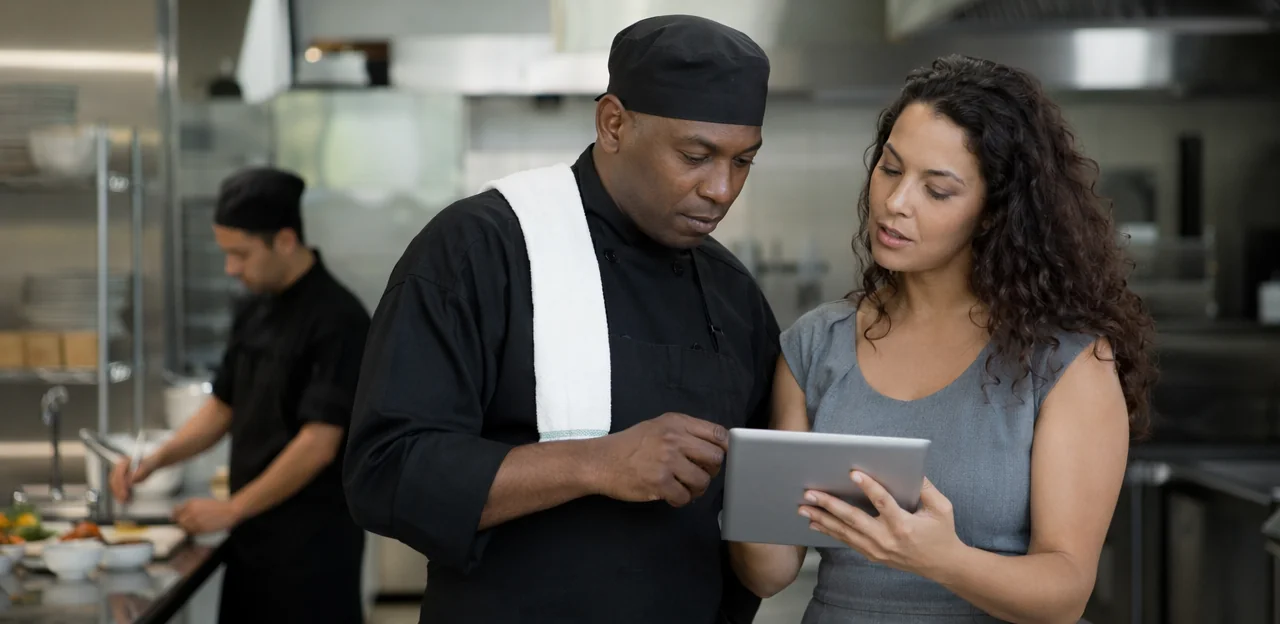
Consistency in food, service, and cleanliness
Strong restaurant reputation management begins with repeatable daily execution. Well-documented restaurant SOPs help every shift deliver the same quality, whether it is a busy Saturday night or a slow weekday lunch.
Key SOPs to standardize include:
- Recipe consistency: Use portion guides, plating photos, prep labels, and cook times so guests get the same taste and presentation every visit.
- Table checks: Build in timed check-ins after food is served to catch missing items, temperature issues, or refill needs before frustration builds.
- Restroom standards: Set hourly cleaning checks, stock requirements, and clear accountability to protect restaurant cleanliness and guest trust.
- Opening and closing checklists: Confirm dining room setup, station stocking, sanitation tasks, and equipment checks at the start and end of every shift.
These systems improve service consistency, reduce avoidable mistakes, and create reliable guest experiences that support stronger reviews and long-term loyalty.
Speed, accuracy, and communication during service
Slow ticket times, missing sides, and vague updates are small operational failures that often feel huge to guests. When diners do not know why food is late or why part of the order is missing, frustration builds fast—and that frustration often shows up in public reviews. Strong restaurant reputation management starts by tightening the basics of order accuracy, pacing, and communication.
To reduce review risk, restaurants should focus on:
- Clear handoffs between teams: Strong front of house operations help servers confirm modifiers, allergies, and special requests before orders reach the kitchen.
- Real-time status updates: If there is a delay, tell guests early, explain briefly, and set a realistic expectation.
- Final plate and bag checks: Simple verification steps protect restaurant service standards and prevent avoidable complaints.
Better coordination between front-of-house and back-of-house creates smoother service, fewer surprises, and fewer negative reviews. Tools like Tapsy can also help surface issues before guests leave.
Training staff to create review-worthy experiences
Strong restaurant reputation management begins long before a guest leaves a rating. The foundation is consistent restaurant staff training that helps teams deliver memorable service at every touchpoint.
- Build hospitality habits: Use hospality training to reinforce greetings, eye contact, timing, and table awareness so guests feel welcomed and cared for from the start.
- Teach conflict handling: Train staff to stay calm, listen fully, apologize sincerely, and offer practical solutions when issues arise. Fast recovery often matters more than a flawless meal.
- Strengthen menu knowledge: Servers who understand ingredients, allergens, pairings, and preparation can guide guests confidently and prevent avoidable frustration.
- Lead with empathy: Great customer service in restaurants means reading the room, adapting to guest needs, and responding with patience and respect.
For added support, tools like Tapsy can capture in-the-moment feedback, helping managers coach teams before small issues become public reviews.
Guest feedback systems that catch problems early

How to collect feedback before it becomes a public complaint
Strong restaurant reputation management starts by making private customer feedback faster and easier than posting a review. Use a simple guest feedback system that meets diners where they already are:
- Table touches: Train servers or managers to check in mid-meal and after food arrives, so issues can be fixed on the spot.
- QR restaurant surveys: Add a QR code to table tents, bill folders, or checkout counters for quick, low-friction responses.
- Receipt links: Include a short survey URL on printed or digital receipts for post-visit feedback.
- SMS follow-ups: Send a brief text after the visit with a one-tap rating and optional comment field.
- Manager check-ins: Trigger immediate follow-up when low scores appear.
Tools like Tapsy can help capture real-time feedback before it turns public.
What signals indicate a reputation issue is forming
Early warning signs usually appear in patterns, not one-off comments. Strong restaurant reputation management starts with consistent review monitoring across Google, delivery apps, social media, and in-house feedback.
Watch for repeated customer complaints about:
- long wait times at specific hours or shifts
- cold food or inconsistent presentation
- rude, inattentive, or rushed service
- excessive noise, poor cleanliness, or uncomfortable seating
- delivery errors, missing items, or packaging problems
When the same issue appears more than once, treat it as an operations signal. Use restaurant quality control checks, shift-level reporting, and staff coaching to find the root cause fast. For example, repeated cold-food complaints may point to expo delays, while delivery errors may reveal packaging or handoff breakdowns. Tools like Tapsy can help capture these signals before they become public reviews.
Turning internal feedback into operational improvements
Internal feedback supports restaurant reputation management only when it becomes visible change on the floor. Build a simple process that turns comments into action:
- Categorize feedback by theme: food quality, speed, staff attitude, cleanliness, order accuracy, and ambiance.
- Assign ownership to one role for each category, such as kitchen lead for food issues or shift manager for service gaps.
- Track recurring issues weekly to spot patterns by shift, station, menu item, or location.
- Prioritize fixes based on guest impact and frequency, then define the operational improvement required.
- Close the loop with staff in pre-shift huddles: share the issue, explain the fix, and confirm who is responsible.
A strong service recovery process helps teams respond fast, but long-term restaurant management success comes from proving feedback led to action. Tools like Tapsy can help route issues in real time.
Service recovery strategies that prevent negative reviews

Responding to problems in the moment
Strong restaurant reputation management starts on the floor, not after a review is posted. Effective service recovery depends on a simple staff response:
- Acknowledge the issue immediately so the guest feels heard.
- Apologize sincerely without arguing, blaming, or making excuses.
- Offer a clear solution such as a remake, replacement, discount, or manager check-in.
- Escalate quickly when the problem involves safety, repeated mistakes, or an upset guest.
Fast, respectful customer complaint resolution shows guests your team takes restaurant customer service seriously. In many cases, a calm recovery can rebuild trust, prevent a negative review, and even turn a disappointed diner into a loyal regular. Tools like Tapsy can also help alert managers before guests leave.
Empowering managers and frontline staff
Strong restaurant reputation management begins with giving teams clear authority to solve problems on the spot. When restaurant managers and frontline staff know exactly what they can offer, they can turn frustration into effective guest recovery before a guest leaves unhappy.
- Set approval limits for comps, replacements, and small goodwill gestures.
- Create simple playbooks for common issues like cold food, long waits, or wrong orders.
- Train staff to apologize, act quickly, and escalate only when needed.
This reduces delays, improves customer satisfaction, and prevents minor service issues from becoming public complaints. Tools like Tapsy can also help alert managers in real time so recovery happens before a negative review is posted.
Following up after a service failure
Fast, thoughtful guest follow-up is a core part of restaurant reputation management. Once the immediate issue is handled, follow up based on severity and guest impact:
- Send a personal message within 24 hours for serious mistakes, repeat complaints, or special-occasion disruptions. Keep it specific, apologetic, and human.
- Invite a return visit with a clear goodwill gesture when the relationship is worth rebuilding. This supports restaurant retention and shows confidence in a better experience next time.
- Document the incident in your team log, including cause, response, and lesson learned, to strengthen future reputation recovery.
Tools like Tapsy can help capture issues early and support consistent follow-up that rebuilds trust and protects reviews.
Managing online reviews as part of a larger reputation strategy

How to encourage more positive reviews ethically
Ethical restaurant reputation management means making it easy for happy guests to share honest feedback—without review gating or offering rewards for positive ratings.
- Ask at the right moment: Train staff to invite reviews right after a great interaction, such as when guests praise the meal, service, or atmosphere.
- Use simple staff prompts: A natural line like, “We’re glad you enjoyed it—if you have a moment, we’d really appreciate a Google review,” helps get more restaurant reviews without pressure.
- Add clear signage: Place QR codes on receipts, table tents, or exit signage linking directly to Google reviews for restaurants.
- Follow up post-visit: Send a short thank-you SMS or email within 24 hours with one direct review link.
- Keep review generation transparent: Never filter unhappy guests away from public platforms or incentivize only positive reviews.
Best practices for responding to Google reviews
A strong restaurant reputation management plan depends on consistent, thoughtful responding to Google reviews. Use this simple review response strategy:
- Positive reviews: Thank the guest by name if possible, mention something specific they enjoyed, and invite them back. Personal replies reinforce loyalty.
- Neutral reviews: Acknowledge the mixed experience, address the point raised, and share what you’ll improve. This shows attentiveness and professionalism.
- Negative reviews: Respond quickly, stay calm, apologize when appropriate, and take accountability without sounding defensive. Offer a direct path to resolve the issue offline.
For effective online reputation management, reply within 24–48 hours, match your brand voice, and avoid generic templates. Tools like Tapsy can also help restaurants catch issues early, before they become public reviews.
Using review insights to improve operations and SEO
Effective restaurant reputation management starts by turning customer feedback into operational fixes that guests actually notice. Use review insights to spot repeating themes and act quickly:
- Staffing: If reviews mention slow tableside service or long waits at peak times, adjust shift coverage by daypart.
- Menu updates: Rework dishes that are often described as inconsistent, overpriced, or confusing.
- Service training: Train teams around common complaints such as order accuracy, friendliness, or cleanliness.
- Local relevance: Reviews that naturally mention your cuisine, neighborhood, signature dishes, or service style can strengthen restaurant SEO signals.
Strong ratings and a steady flow of fresh reviews improve local search rankings and make your listing more persuasive when diners compare options. Tools like Tapsy can help capture timely feedback before issues become public.
Building a long-term restaurant reputation management plan

Key metrics to track across operations and reviews
Track reputation metrics that connect guest experience to daily execution. Strong restaurant reputation management depends on clear ownership of each measure.
- Average rating and review volume: monitor trends by location, shift, and channel.
- Response time: set SLAs for replying to reviews and resolving issues.
- Complaint categories: group feedback into service, food quality, cleanliness, wait times, and order accuracy.
- Repeat guest rate: tie experience improvements to retention.
- Mystery shopper or survey scores: validate internal standards.
Use these restaurant KPIs to review team performance, assign accountability, and improve review performance consistently.
Creating a cross-functional reputation playbook
Strong restaurant reputation management works best when every team owns part of the outcome. Build a simple reputation management strategy that connects restaurant marketing and operations:
- Owners: set brand standards, escalation rules, and approval limits.
- Managers: resolve service issues, log incidents, and coach teams.
- Marketing: manage public replies, update response templates, and track sentiment trends.
- Service staff: capture feedback early and flag risks in real time.
Create a clear review management process with escalation paths, reusable response templates, and weekly review audits to spot recurring issues. Tools like Tapsy can help surface problems before they become public reviews.
A practical monthly routine for restaurants and cafés
Use a simple monthly operations checklist to make restaurant reputation management consistent:
- Week 1: Review Google, Yelp, and delivery app feedback for all restaurants and cafés; tag trends in food, speed, cleanliness, and service.
- Week 2: Audit the top two recurring issues and trace root causes by shift, menu item, or location.
- Week 3: Coach staff with short pre-shift refreshers and one clear service standard to improve.
- Week 4: Update guest communication—signage, menu notes, wait-time messaging, and follow-up replies.
For multi-location restaurant review management, compare locations monthly and share wins.
Conclusion
Ultimately, restaurant reputation management doesn’t begin when a guest leaves a public review—it starts with every interaction that shapes their experience before they ever open Google. From wait times and food quality to staff attentiveness, cleanliness, and how quickly issues are resolved, each touchpoint influences whether a customer becomes a loyal advocate or a vocal critic.
The most effective approach is proactive, not reactive. Restaurants and cafés that listen in real time, empower teams to fix problems on the spot, and consistently monitor operational patterns are far better positioned to protect their brand and earn stronger reviews naturally. In that sense, restaurant reputation management is really an extension of great operations: when service improves, reviews usually follow.
The next step is to build a system that captures guest feedback while it’s still fresh, routes urgent issues to the right people, and turns insights into action. Whether that means refining staff training, tightening service workflows, or using tools like Tapsy to collect in-the-moment feedback, the goal is the same—solve problems before they become public.
If you want to strengthen restaurant reputation management, start by auditing your guest journey, identifying high-friction moments, and putting a feedback process in place today. Small operational improvements now can lead to better reviews, stronger loyalty, and more repeat business over time.
Frequently Asked Questions
- When does restaurant reputation management actually begin?
It begins before any public review is written, across every step of the guest journey. Discovery, booking, arrival, dining, payment, and follow-up all shape what guests later say online.
- Why are restaurant reviews more about operations than marketing?
Most reviews reflect what guests actually experienced during service, not just what the brand promised. Food quality, wait times, cleanliness, order accuracy, and staff behavior are the main drivers of review sentiment.
- What parts of the guest journey have the biggest impact on public perception?
Key moments include website and menu clarity, reservation ease, greeting at arrival, cleanliness, food timing, staff attentiveness, checkout, and post-visit follow-up. Each touchpoint can either reinforce trust or create friction that later appears in a review.
- What happens if a restaurant waits until a bad review is posted to act?
Waiting usually means the damage has already spread beyond one unhappy guest. It can lead to lost repeat visits, lower star ratings, weaker local search trust, and negative word-of-mouth both offline and online.
- Which operational basics help protect a restaurant’s reputation day to day?
Consistent food, service, and cleanliness are the foundation. Standardized SOPs for recipes, table checks, restroom cleaning, and opening and closing routines help every shift deliver a more reliable guest experience.
- How can restaurants reduce negative reviews caused by slow or inaccurate service?
They should improve handoffs between front of house and kitchen, give real-time updates when delays happen, and use final plate or bag checks before food reaches the guest. Clear communication and verification steps prevent small mistakes from becoming public complaints.
- What should staff training include to create review-worthy experiences?
Training should cover greetings, eye contact, timing, table awareness, menu knowledge, empathy, and conflict handling. Teams should know how to listen fully, apologize sincerely, and offer practical solutions when problems arise.
- How can a restaurant collect feedback before guests post publicly?
Use table touches, QR surveys, receipt links, SMS follow-ups, and manager check-ins tied to low scores. The goal is to make private feedback faster and easier than leaving a public review.
- What warning signs show a reputation problem may be developing?
Repeated complaints about long waits, cold food, rude service, poor cleanliness, uncomfortable seating, or delivery mistakes are strong signals. When the same issue appears more than once, it should be treated as an operational pattern rather than a one-off comment.
- How should restaurants turn guest feedback into operational improvements?
Feedback should be categorized by theme, assigned to a responsible role, tracked weekly, and prioritized by frequency and guest impact. Teams should then review fixes in pre-shift huddles so staff understand the issue, the solution, and who owns it.
- What is the best way to handle a guest complaint in the moment?
Acknowledge the issue immediately, apologize sincerely, and offer a clear solution such as a remake, replacement, discount, or manager check-in. Escalate quickly if the issue involves safety, repeated mistakes, or a highly upset guest.
- How much authority should managers and frontline staff have during service recovery?
They should have clear approval limits for comps, replacements, and small goodwill gestures. Simple playbooks for common issues help staff act quickly without unnecessary delays or confusion.
- What follow-up is appropriate after a service failure?
For serious mistakes, repeat complaints, or disrupted special occasions, send a personal message within 24 hours. It also helps to invite the guest back with a clear goodwill gesture and document the incident so the team can learn from it.
- How can restaurants encourage more positive reviews without crossing ethical lines?
Ask happy guests at the right moment, use natural staff prompts, add QR links to review pages, and send a short thank-you message after the visit. Reviews should be requested transparently, without filtering unhappy guests away from public platforms or rewarding only positive ratings.
- What metrics and routines should be part of a long-term reputation plan?
Track average rating, review volume, response time, complaint categories, repeat guest rate, and internal quality checks. A practical monthly routine includes reviewing feedback, auditing top issues, coaching staff on one service standard, and updating guest communication based on what was learned.