
A great salon experience is personal, emotional, and highly visible—which is exactly why complaints can feel so high-stakes. One unhappy client can mean more than a lost appointment; it can lead to negative reviews, damaged trust, and missed repeat business. But not all feedback should be treated the same. Some issues point to a simple service slip, while others reveal deeper problems in communication, cleanliness, timing, or staff behavior. Understanding the difference is the first step toward effective service recovery.
That’s why salon customer complaints should never be viewed as just problems to “handle.” They are valuable signals that show where the client journey is breaking down and where your salon has the opportunity to improve. When complaints are categorized correctly, teams can respond faster, resolve issues more consistently, and prevent the same frustrations from happening again.
In this article, we’ll break down the most common types of salon customer complaints, explain how to organize them into useful categories, and show how to respond in a way that protects both client satisfaction and your brand reputation. We’ll also look at practical ways to capture feedback earlier—before it turns into a public review—including real-time tools such as Tapsy that help service businesses spot issues and act quickly.
Why salon customer complaints matter for client retention
Complaints as a source of operational insight
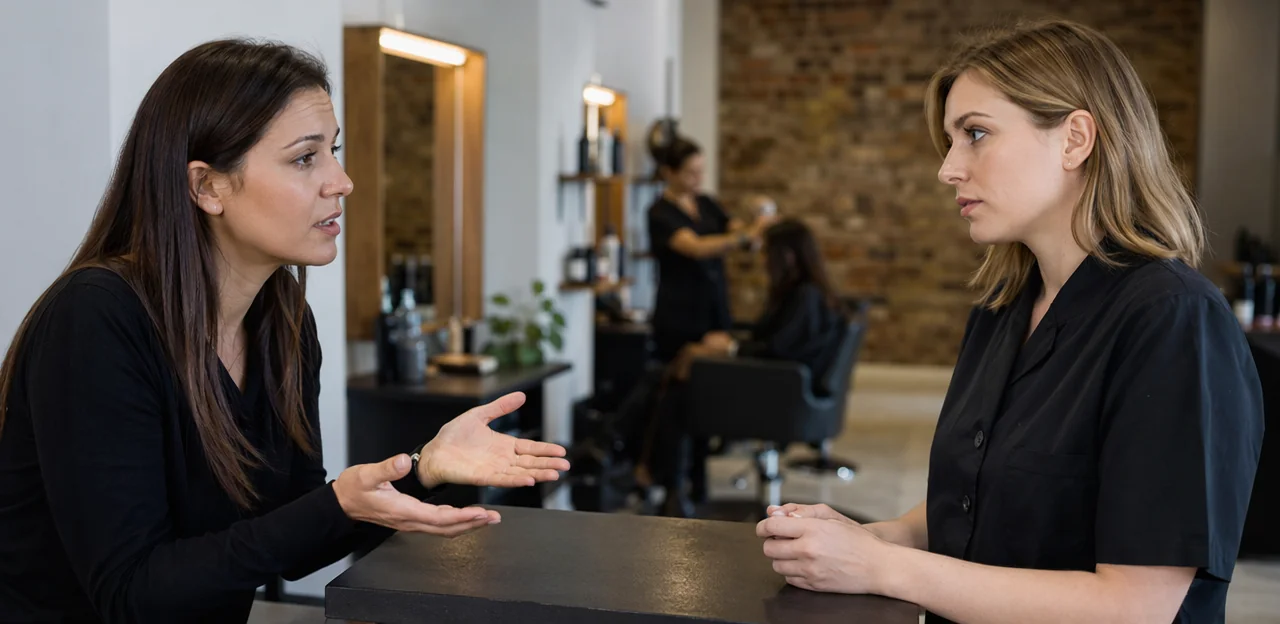
Treat salon customer complaints as operational data, not one-off frustrations. When similar concerns appear repeatedly, they often point to deeper salon service issues that directly affect loyalty and repeat bookings.
Look for patterns in client feedback, such as:
- Service gaps: recurring complaints about uneven results, rushed appointments, or inconsistent treatments
- Training needs: repeated mentions of technique, product knowledge, or consultation quality
- Scheduling problems: long wait times, overbooked staff, or appointments running behind
- Communication breakdowns: unclear pricing, mismatched expectations, or poor follow-up
Track complaint categories weekly and review trends by stylist, service, and time slot. Tools like Tapsy can help capture real-time feedback before issues turn into lost clients or negative reviews.
The cost of ignoring unhappy clients
Unresolved salon customer complaints rarely stay private. In wellness and personal services, one poor experience can quickly affect revenue and trust:
- More negative salon reviews: unhappy clients often post publicly when they feel ignored, influencing future bookings.
- Lower client retention: even loyal guests may not return if concerns about service, hygiene, timing, or staff attitude go unresolved.
- Fewer referrals: disappointed clients stop recommending your business to friends and family.
- Weakened brand trust: repeated issues damage credibility and make salon reputation management harder and more expensive.
To reduce the impact, respond quickly, document patterns, and follow up after recovery. Real-time feedback tools such as Tapsy can help catch issues before they become public complaints.
Most salon customer complaints are not driven by a desire to argue—they reflect unmet customer expectations. After a bad visit, clients usually want three things:
- To feel heard: acknowledge the issue without interrupting or becoming defensive
- To feel respected: respond politely, thank them for speaking up, and take their concern seriously
- A fair resolution: offer a realistic next step, such as a redo, refund, credit, or follow-up
This is where strong service recovery protects the overall client experience. Fast, empathetic action can often rebuild trust before frustration turns into a negative review or lost loyalty. Set clear response times, empower staff to resolve common issues, and document outcomes so recurring problems can be fixed at the root.
How to categorize the most common salon customer complaints
Service quality complaints
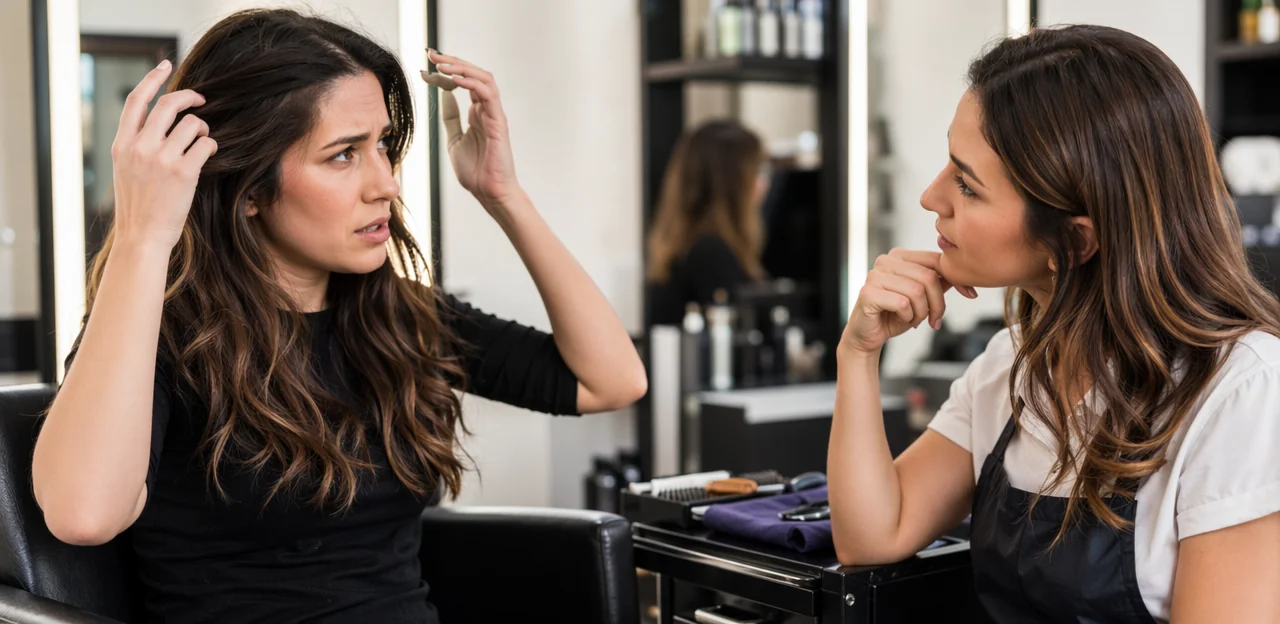
Service quality complaints are among the most common salon customer complaints because they affect the result clients see and feel immediately. These include:
- A bad haircut complaint when the cut is uneven, shorter than requested, or hard to style
- Color results that are too dark, brassy, patchy, or different from the reference
- Nail services with chipping, poor shaping, lifting, or rushed finishing
- Massage sessions with pressure that is too strong, too light, or inconsistent
- Cleanliness concerns involving tools, stations, linens, or hygiene standards
- Any service outcome that doesn’t match what was promised during booking or consultation
These issues are often tied to two gaps: consultation and execution. If expectations are not clearly confirmed, or if the technician doesn’t deliver consistently, dissatisfaction grows quickly.
To improve salon quality control:
- Use pre-service consultations with clear outcome checks
- Document preferences, formulas, and service notes
- Inspect results before checkout
- Track recurring complaints by staff member or service type
Scheduling, wait time, and communication complaints
Many salon customer complaints fall into this category because the service issue starts before the stylist even begins. Appointment complaints, excessive salon wait times, and booking errors often trace back to weak front-desk systems, rushed handoffs, or unclear client communication.
Common triggers include:
- Late-running appointments that push the whole day off schedule
- Long waits without updates or apologies
- Double-bookings, wrong services, or missed notes in the booking
- Unclear pricing before add-ons or upgrades
- Poor consultation that leaves clients unsure what to expect
- No follow-up after a delay, rebooking issue, or disappointing visit
To act on these complaints:
- Audit reception workflows, confirmations, and service timing estimates.
- Train staff to explain delays, pricing, and next steps clearly.
- Use consultation checklists so expectations are documented.
- Send follow-up messages after disrupted visits to rebuild trust.
Tools like Tapsy can also help capture real-time feedback before frustration turns into a public review.
Staff behavior, billing, and policy complaints
This category of salon customer complaints often escalates quickly because it affects trust, not just service quality. Treat every staff behavior complaint and payment dispute as a process issue, not a one-off misunderstanding.
- Log the complaint clearly: note who was involved, what was said, the service booked, and any receipts, messages, or consent records.
- Review against documented standards: staff should follow clear rules for tone, upselling, quoting prices, and explaining add-ons before the service begins.
- Address common triggers: rude interactions, aggressive retail pressure, billing complaints, surprise charges, and confusion over membership or package terms.
- Apply policy consistently: your salon refund policy, cancellation terms, and redo policy should be written, visible, and explained at booking and checkout.
- Resolve with facts and empathy: apologize for the experience, verify charges, and offer the appropriate remedy—refund, partial credit, redo, or manager follow-up.
Documented standards reduce inconsistency, protect staff, and make difficult complaints easier to resolve fairly.
A step-by-step process to respond to complaints effectively

Listen, document, and acknowledge the issue
The first step in handling salon customer complaints is to slow the situation down. Stay calm, keep your tone professional, and let the client explain the problem without interruption. This is where active listening matters most: when people feel heard, emotions often settle, making it easier to move from frustration to resolution.
Use a simple response process:
- Listen fully
Maintain eye contact, avoid interrupting, and repeat back the concern to confirm understanding. - Gather facts
Ask clear, neutral questions about what happened, when it happened, who was involved, and what outcome the client expected. - Avoid defensiveness
Don’t argue, blame staff, or minimize the experience. Acknowledge the impact, even before deciding on the solution. - Record accurate complaint documentation
Note the service, date, staff member, key details, and any photos or messages shared.
Strong complaint documentation helps teams spot patterns, respond consistently, and improve how to handle customer complaints over time.
Assess severity and choose the right resolution path
Not all salon customer complaints should follow the same complaint resolution process. Start by sorting issues by risk and impact so your team can respond consistently and fast.
- Minor dissatisfaction: late start, style preference mismatch, or a polish chip. These usually need a prompt apology, a practical fix, and a clear service recovery plan such as a redo, touch-up, or credit.
- Repeated service failures: recurring booking errors, multiple poor visits, or unresolved complaints. These signal a process problem and should move into a formal escalation procedure with manager review.
- High-risk issues: cuts, burns, allergic reactions, hygiene concerns, harassment, discrimination, or threats. Managers should step in immediately, document facts, protect the client, and follow safety and legal protocols.
A manager should also take over when a client is highly distressed, requests compensation beyond staff authority, or the issue could damage reputation. Tools like Tapsy can help flag urgent complaints in real time.
Offer solutions that feel fair and timely
Effective customer complaint resolution depends on choosing a remedy that matches both the severity of the issue and the client’s expectations. When handling salon customer complaints, avoid one-size-fits-all responses.
- Redo the service when the result can realistically be corrected, such as uneven color, missed areas, or a styling issue. A clear salon redo policy helps staff act quickly and consistently.
- Offer a partial refund if the client received some value, but the outcome fell short.
- Provide a refund or credit when the service clearly failed, the client lost trust, or a redo is not appropriate.
- Lead with a sincere apology that acknowledges the inconvenience without sounding defensive.
- Follow up after the fix with a message or call to confirm the client is satisfied.
The key is proportionality: a minor delay may only require an apology, while a major service error may justify a redo plus a refund or credit. Tools like Tapsy can also help salons catch issues early and respond faster.
How to prevent repeat complaints through better systems

Improve consultations and expectation setting
Many salon customer complaints start before the service begins. A stronger salon consultation process helps stylists spot risks early and set client expectations clearly.
- Use visual references: Ask clients to share inspiration photos, then explain what is and is not achievable based on their current hair, skin, nails, or treatment history.
- Confirm the service plan: Repeat back the agreed outcome, maintenance needs, and any limits before starting.
- Be upfront about costs: Provide transparent pricing for the base service, add-ons, corrections, and aftercare so there are no surprises at checkout.
- Set realistic timelines: Explain how long the appointment will take and whether the desired result may require multiple visits.
A simple consultation checklist—or even a feedback tool like Tapsy after appointments—can help teams identify recurring gaps and reduce misunderstandings.
Train staff on service recovery and communication
Handling salon customer complaints well starts with consistent staff training. Every stylist, receptionist, and support team member should know how to respond calmly, protect the client relationship, and move the issue toward resolution.
- Teach empathy first: Train staff to listen without interrupting, acknowledge the client’s frustration, and use validating phrases such as “I understand why that was disappointing.”
- Build conflict-handling skills: Include role-play scenarios for late appointments, pricing disputes, unsatisfactory results, and staff attitude concerns.
- Refine tone and wording: Strong salon communication skills help staff stay professional, avoid defensiveness, and explain next steps clearly.
- Set escalation rules: In customer service training, define when to involve a manager, especially for refund requests, repeat complaints, or emotionally charged situations.
Regular coaching and review sessions help teams respond with confidence and consistency.
Use complaint tracking to spot patterns
To manage salon customer complaints effectively, move beyond one-off fixes and build a simple complaint tracking process. When every issue is logged the same way, it becomes easier to identify repeat problems and act before they damage retention or reviews.
- Create clear categories: late appointments, staff attitude, sanitation, service quality, pricing, and booking errors.
- Log every incident: record the date, team member, service type, location, resolution, and outcome.
- Review trends regularly: weekly or monthly client feedback analysis can reveal whether complaints spike on certain shifts, with specific services, or after schedule changes.
- Turn insights into action: use the data to adjust staffing levels, tighten scheduling buffers, improve sanitation checklists, and strengthen quality assurance coaching.
Tracking trends also supports better salon KPIs, such as complaint rate, repeat issue frequency, and recovery time.
How to manage online reviews and post-complaint follow-up

Responding professionally to public complaints
When addressing salon customer complaints in public, keep your public complaint response calm, brief, and professional:
- Acknowledge the experience: Thank the client, apologize for the frustration, and avoid debating details.
- Protect privacy: Never share appointment history, service notes, or personal information in your reply.
- Move the conversation offline: Invite them to contact a manager by phone, email, or direct message to resolve the issue privately.
- Show accountability: Mention that you take feedback seriously and are reviewing the matter internally.
This approach helps you respond to negative reviews effectively while strengthening online reputation management with future customers.
Following up to rebuild trust
A timely client follow-up is one of the most effective ways to handle salon customer complaints and turn a poor visit into a second chance. Within 24–48 hours, send a short message or make a call to confirm the issue was resolved and show genuine care.
- Thank the client for sharing feedback
- Acknowledge the specific problem and the action taken
- Ask if the outcome now feels satisfactory
- Offer a clear next step, such as a redo, credit, or priority booking
This personal touch helps rebuild customer trust and supports stronger customer retention strategies over time.
When to let go of a client relationship
Most salon customer complaints can be resolved, but a few situations require ending the relationship to protect staff and clients. If difficult clients repeatedly cross client boundaries, use a clear, documented process:
- End service after repeated verbal abuse, harassment, threats, or unsafe behavior.
- Decline future bookings when clients ignore posted rules, chargeback unfairly, or repeatedly violate cancellation and payment terms.
- Apply consistent service policy enforcement so decisions are fair, not emotional.
- Communicate professionally in writing, state the reason briefly, and avoid debate.
- Flag the account internally and prioritize team safety at every step.
If needed, use tools like Tapsy to document patterns early.
Create a salon complaint policy your team can actually use

What to include in a complaint handling policy
A practical complaint handling policy should make salon customer complaints easy to log, assess, and resolve consistently. Your salon SOP or customer service policy should define:
- Reporting channels: in person, phone, email, web form, or QR feedback
- Response timelines: acknowledgment and resolution targets
- Escalation rules: when managers must step in
- Compensation guidelines: refunds, redo services, or credits
- Documentation standards: categories, notes, actions taken, and outcomes
Sample workflow for front desk and managers
- Front desk intake: Log salon customer complaints immediately, confirm the issue category, and acknowledge the client with a clear next step and timeframe.
- On-the-spot recovery: Front desk resolves simple booking, wait-time, or communication issues within policy.
- Manager escalation: Service, safety, refund, or repeat complaints move to a manager for review and resolution.
- Follow-up: Managers document outcomes, update salon operations notes, and contact the client within 24–48 hours.
Metrics to measure complaint resolution success
Track complaint resolution metrics consistently to see whether your response to salon customer complaints is improving outcomes and client satisfaction:
- Resolution time: how quickly issues are acknowledged and fixed
- Redo rate: how often corrective services are needed
- Refund rate: whether complaints lead to revenue loss
- Review recovery: negative reviews updated after recovery
- Repeat visit rate: whether unhappy clients return
These salon performance metrics reveal if service recovery is reducing churn and rebuilding trust.
Conclusion
Handling salon customer complaints well is not just about fixing isolated issues—it’s about building a stronger, more trusted client experience. By categorizing complaints into clear groups such as service quality, staff behavior, scheduling, pricing, cleanliness, and communication, salon owners and managers can spot patterns faster and respond more effectively. The real value comes from acting quickly, listening empathetically, documenting feedback, and putting processes in place to prevent the same problems from happening again.
When salon customer complaints are treated as useful insight rather than inconvenience, they become a powerful tool for service recovery, team coaching, and long-term retention. A thoughtful response can turn a disappointed client into a loyal advocate, especially when staff are trained to resolve concerns consistently and professionally.
Now is the time to review how your salon collects, tracks, and responds to feedback. Create a simple complaint categorization system, set response standards, and regularly analyze trends to improve operations. If you want to streamline real-time feedback and issue resolution, tools like Tapsy can help capture client input at key service touchpoints.
Start by auditing your current complaint process, updating your staff training, and using client feedback to guide your next service improvements. Better systems for salon customer complaints lead to better experiences—and stronger business growth.
Frequently Asked Questions
- Why should salon customer complaints be treated as operational data instead of isolated problems?
Complaints often reveal repeat issues in service quality, scheduling, communication, or staff behavior. When tracked by category, stylist, service, and time slot, they help salons find patterns and fix root causes. This makes responses more consistent and supports better client retention.
- What are the most common categories of salon customer complaints?
Common categories include service quality, scheduling and wait times, communication problems, staff behavior, billing disputes, policy confusion, and cleanliness concerns. Grouping complaints this way makes it easier to assign the right response and spot recurring breakdowns. It also helps teams decide when a manager should step in.
- What usually causes service quality complaints in a salon?
Service quality complaints often come from gaps in consultation or execution. Clients may be unhappy with uneven haircuts, patchy color, chipped nails, inconsistent massage pressure, or results that do not match what was promised. Clear pre-service checks and result reviews before checkout help reduce these issues.
- How can a salon reduce complaints about wait times and booking mistakes?
Audit reception workflows, confirmations, and service timing estimates to find where delays and errors start. Staff should explain delays, pricing, and next steps clearly, and use consultation checklists to document expectations. Follow-up after disrupted visits can also help rebuild trust.
- How should salons handle complaints about rude staff, surprise charges, or unclear policies?
Log the complaint clearly, including who was involved, what happened, and any receipts or messages. Review the issue against documented standards for tone, pricing, upselling, and add-on consent. Then resolve it with facts and empathy, using the appropriate remedy such as a refund, credit, redo, or manager follow-up.
- What is the first step when a client complains at the salon?
Start by slowing the situation down and listening without interruption. Ask neutral questions to gather facts, acknowledge the impact, and avoid becoming defensive. Accurate documentation of the service, date, staff member, and supporting details should follow immediately.
- How do you decide whether a complaint is minor, repeated, or high-risk?
Minor dissatisfaction includes issues like a late start, a style preference mismatch, or a small polish chip, which usually need a quick apology and practical fix. Repeated failures, such as recurring booking errors or multiple poor visits, point to a process problem and should be escalated. High-risk issues like burns, allergic reactions, hygiene concerns, harassment, or threats require immediate manager involvement and safety protocols.
- When should a salon offer a redo, a partial refund, or a full refund or credit?
A redo works when the result can realistically be corrected, such as uneven color or a styling issue. A partial refund fits when the client received some value but the outcome still fell short. A full refund or credit is more appropriate when the service clearly failed, trust is lost, or a redo is not suitable.
- How can better consultations prevent salon complaints?
Use visual references, confirm the agreed result, and explain what is and is not achievable based on the client’s current condition and history. Be upfront about pricing, add-ons, corrections, aftercare, and the expected timeline. This reduces misunderstandings before the service even begins.
- What should staff training include for complaint handling and service recovery?
Training should focus on empathy, active listening, and calm, professional communication. Teams should practice scenarios involving late appointments, pricing disputes, poor results, and attitude concerns. Clear escalation rules are also important so staff know when to involve a manager.
- What information should be included in a salon complaint tracking system?
A useful system records the complaint category, date, team member, service type, location, resolution, and outcome. Clear categories such as late appointments, sanitation, service quality, pricing, booking errors, and staff attitude make trend analysis easier. Reviewing this data weekly or monthly helps salons adjust staffing, scheduling, and quality control.
- How should a salon respond to a negative public review?
Keep the response calm, brief, and professional. Acknowledge the experience, apologize for the frustration, and avoid debating details or sharing private service information. Invite the client to continue the conversation offline with a manager and note that the matter is being reviewed internally.
- Why is follow-up after resolving a complaint so important?
Following up within 24 to 48 hours shows the client that the concern was taken seriously. A short message or call can confirm whether the solution feels satisfactory and offer a next step if needed. This helps rebuild trust and supports stronger retention.
- When is it appropriate to end a salon client relationship?
Ending the relationship may be necessary after repeated verbal abuse, harassment, threats, unsafe behavior, unfair chargebacks, or repeated violations of cancellation and payment terms. The process should be documented, consistent, and communicated professionally in writing. Team safety should always come first.
- What should a practical salon complaint handling policy contain?
It should define reporting channels, response timelines, escalation rules, compensation guidelines, and documentation standards. A simple workflow should show what front desk staff can resolve immediately and what must go to a manager. Useful metrics include resolution time, redo rate, refund rate, review recovery, and repeat visit rate.