
A single unhappy client can do more than sting your reputation—it can shape how dozens of potential customers see your salon before they ever book. In an industry built on trust, personal service, and repeat visits, public reviews carry enormous weight. That’s why salon review management is no longer just about responding to complaints after they appear online. It’s about creating systems that catch dissatisfaction early, resolve issues privately, and protect the client experience before frustration turns into a one-star post.
Private feedback gives salons a smarter way to listen. Instead of discovering problems days later on Google or social media, owners and managers can collect honest input in the moment, identify service gaps, and respond while there’s still time to make things right. From long wait times and booking confusion to communication issues or unmet expectations, small problems can often be fixed quickly when clients have an easy, low-pressure way to share concerns directly.
In this article, we’ll explore how private feedback supports stronger salon review management, why it helps prevent negative reviews, and what practical steps salons can take to improve operations, protect their online reputation, and turn client feedback into a better overall experience.
Why salon review management matters for client retention and reputation

How online reviews influence salon bookings
For salons, spas, and wellness businesses, salon online reviews directly shape whether a client books or keeps scrolling. Strong salon review management improves trust, visibility, and conversions in three key ways:
- Star ratings build first impressions: A 4.7+ rating signals consistent service quality, while lower ratings can reduce clicks and bookings instantly.
- Recent reviews feel more trustworthy: Clients want proof that your experience is good now, not six months ago.
- Review volume adds credibility: A high rating backed by 150 reviews feels safer than the same rating from 8 reviews.
Reviews also support local SEO for salons. Google often rewards businesses with steady, recent review activity, helping them appear higher in map results. To improve bookings, ask every client for feedback, respond quickly, and use private feedback tools to catch issues before they become public reviews.
The business cost of negative public feedback
Unresolved complaints rarely stay small. In salon review management, one unhappy client can affect bookings, team morale, and long-term growth.
- Lost repeat visits: A poor experience that goes unanswered weakens trust and hurts client retention salon efforts. Regulars may quietly switch to a competitor.
- Lower referrals: Word-of-mouth is critical for salons. Negative salon reviews reduce the likelihood that satisfied clients will recommend your services to friends.
- Brand credibility damage: Public complaints about lateness, hygiene, pricing, or service quality can make prospects question your professionalism.
- Operational strain: Staff spend more time reacting to online criticism instead of improving service delivery.
Strong reputation management for salons means capturing concerns privately first, resolving them quickly, and using patterns in feedback to prevent repeat issues.
Why private feedback is a proactive prevention tool
Private feedback gives salons a chance to catch frustration early, before it turns into a public complaint. In salon review management, this creates a simple but powerful buffer between a disappointing visit and a damaging online review.
- Capture issues while they’re fresh: Ask for customer feedback salon teams can review immediately after appointments.
- Resolve problems fast: Low ratings can trigger quick follow-up from a manager, stylist, or front desk team.
- Show professionalism: Clients often respond better when they feel heard privately and personally.
- Spot repeat problems: Trends in wait times, cleanliness, communication, or service quality become easier to fix.
Using private feedback helps salons prevent negative reviews by addressing concerns in real time. Tools like Tapsy can make this process faster with simple, touchpoint-based feedback collection.
Build a private feedback system before clients post publicly

Choose the right feedback channels for salon clients
Strong salon review management starts with using the right channel at the right moment. A simple salon feedback system should match how clients interact with your business:
- SMS surveys: Best for same-day follow-up after appointments. A short message with 1–2 questions works well because texts are opened quickly. Use SMS review requests salon teams can send within a few hours while the visit is still fresh.
- Post-visit email check-ins: Ideal for more detailed feedback, especially after color, extensions, or spa services. A post-appointment survey by email gives clients space to explain concerns privately before they post publicly.
- QR codes at checkout: Great for instant, in-salon feedback at reception. Place codes on mirrors, receipts, or the front desk to capture quick reactions before clients leave.
- In-app forms: Best for salons with online booking or loyalty apps. These create a seamless, branded feedback experience and help track repeat client sentiment over time.
Using multiple channels increases response rates without adding friction.
Ask the right questions to uncover service issues
Effective salon review management starts with a short, focused feedback flow. Instead of asking broad questions like “How was your visit?”, use specific client feedback questions that quickly surface problems before they become public reviews.
A simple salon customer survey can include:
- Wait times: “Did your appointment start on time?”
- Cleanliness: “How would you rate the cleanliness of the salon and treatment area?”
- Staff communication: “Did your stylist or therapist explain the service clearly and listen to your preferences?”
- Pricing: “Did the final price match what you expected?”
- Treatment results: “Are you happy with your results today?”
Keep it to 3–5 multiple-choice questions plus one optional comment box. This makes service quality feedback easy to give while still revealing actionable issues. If you want faster in-salon responses, tools like Tapsy can collect private feedback at key touchpoints before frustration turns into a negative review.
Route unhappy feedback to staff for fast recovery
A strong salon review management strategy should catch dissatisfaction before it becomes a public complaint. Build a simple review management workflow so any low rating immediately triggers action from the right person.
- Set alert thresholds: Send instant SMS, email, or app alerts when a client gives 1–3 stars, mentions wait times, staff attitude, pricing, or cleanliness.
- Assign ownership: Route service complaints to the salon manager, technical issues to the floor lead, and booking problems to front-desk staff.
- Create a response SLA: Aim for follow-up within 15–30 minutes for in-salon issues and within 2 hours for post-visit feedback.
- Use a recovery script: Apologize, confirm the issue, offer a fix, and document the outcome in your service recovery process.
- Track patterns: Review recurring complaints weekly to improve salon operations and prevent repeat issues.
Tools like Tapsy can help automate alerts and routing in real time.
Use service recovery to turn unhappy clients into loyal ones

Respond quickly with empathy and accountability
A strong salon review management process starts before a public review appears. When you respond to unhappy clients privately, aim to acknowledge the experience, not debate it.
- Reply fast: Ideally within a few hours. A prompt salon complaint response shows the client they matter.
- Lead with empathy: Use phrases like, “I’m sorry your visit didn’t meet expectations,” or “Thank you for telling us.”
- Take accountability: Apologize for the outcome, even if you still need details. Focus on impact, not blame.
- Avoid defensive language: Don’t argue, justify, or suggest the client misunderstood.
- Offer a next step: Invite them to continue the conversation by phone or message and explain how you’ll make it right.
This approach supports effective customer service recovery and can prevent negative reviews before they’re posted.
Offer solutions that match the issue
Effective salon review management starts with choosing a remedy that fits the client’s actual experience. A minor inconvenience should not get the same response as a failed color correction or a rude interaction.
- Redo the service for fixable issues like uneven color, missed details, or styling that did not match expectations.
- Offer a partial or full refund when the result cannot reasonably be corrected.
- Provide a credit or complimentary add-on for delays, booking errors, or service gaps.
- Schedule a follow-up consultation to reassess hair, skin, or nail concerns before deciding on the next step.
- Arrange a manager callback for serious complaints involving staff behavior, safety, or repeated mistakes.
This kind of salon service recovery helps you handle salon complaints professionally and strengthens client satisfaction strategies before frustration turns into a public review.
Know when to invite an updated or new public review
In salon review management, the best time to ask for a revised or new review is after the client confirms the issue was resolved and they feel satisfied. Keep the request polite, optional, and pressure-free.
- Wait for a positive signal: Ask only after the reservice, refund, or follow-up has clearly fixed the problem.
- Be transparent: Say you appreciate honest feedback and that they are welcome to update negative review content if their experience has improved.
- Follow platform rules: Never offer discounts, gifts, or incentives in exchange for ratings. That is central to how you ask for reviews ethically.
- Use simple wording: Follow review request best practices with a short message and direct review link.
- Respect their choice: If they decline, thank them and move on.
Improve salon operations to reduce review triggers
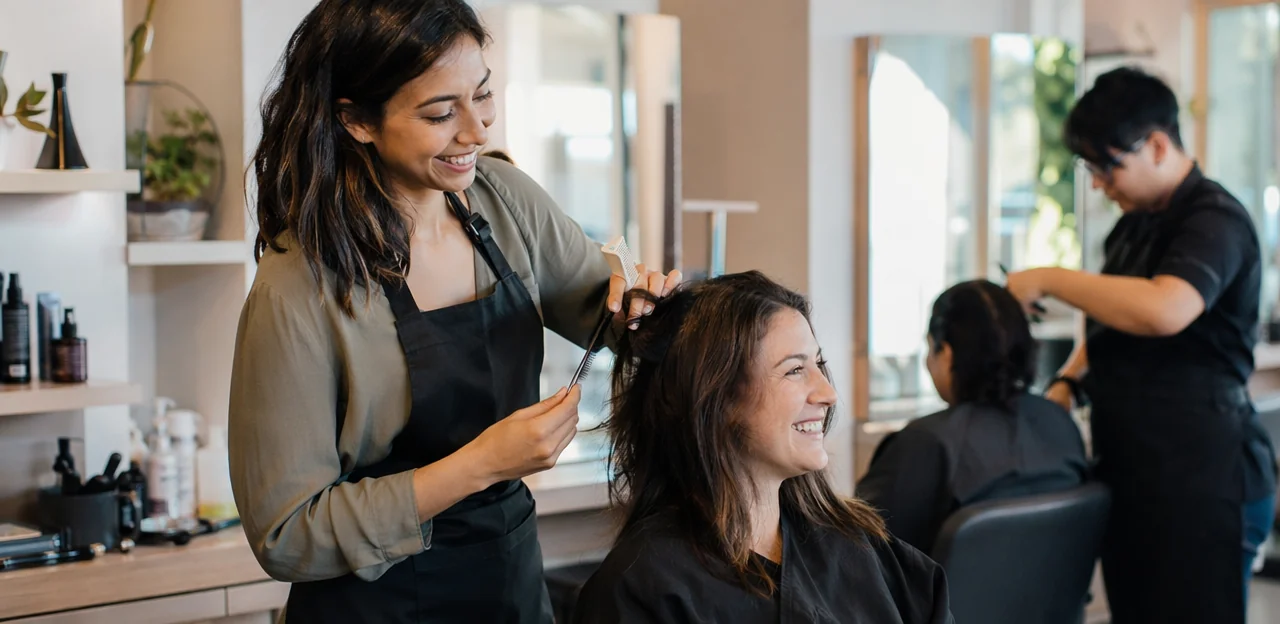
Fix common operational pain points behind bad reviews
Strong salon review management starts with spotting patterns in private feedback before they become public complaints. Track the most frequent issues and assign clear fixes:
- Long waits: Review booking gaps, staff schedules, and service timing to reduce bottlenecks.
- Rushed appointments: Build realistic appointment lengths so stylists are not forced to cut corners.
- Inconsistent results: Standardize consultations, service notes, and follow-up checks across the team.
- Unclear pricing: Display prices clearly online, at reception, and during consultations to prevent surprises.
- Poor front-desk communication: Train staff to confirm delays, explain policies, and handle concerns calmly.
This kind of salon operations improvement addresses common salon complaints directly and helps reduce negative reviews. Tools like Tapsy can help collect real-time private feedback at key touchpoints.
Train staff on client experience and expectation setting
Strong staff training salon programs reduce the gaps between what clients expect and what they actually receive. In salon review management, many poor reviews start with unclear consultations, rushed explanations, or overpromised results.
- Standardize consultations: Train every stylist to ask about hair history, lifestyle, maintenance preferences, and inspiration photos before recommending a service.
- Set realistic outcomes: Use clear language about what is achievable in one visit, especially for color correction, texture services, or major transformations.
- Explain the process: Walk clients through timing, aftercare, pricing, and possible limitations so there are no surprises.
- Confirm understanding: Ask clients to repeat key expectations back to the stylist to catch misunderstandings early.
This improves the overall client experience salon teams deliver and strengthens long-term expectation management.
Use feedback trends to guide process improvements
Strong salon review management starts with turning comments into repeatable action. Use feedback analytics salon teams can actually apply:
- Categorize complaints consistently: Tag each issue by type, such as wait times, staff attitude, cleanliness, pricing, booking errors, or service quality.
- Track patterns by service or location: Compare feedback across hair, nails, skincare, or massage, and review trends by branch, day, and team member to spot recurring weak points.
- Turn review insights into operational fixes:
- Adjust scheduling when clients mention delays or rushed appointments.
- Rebalance staffing during peak hours or retrain underperforming teams.
- Strengthen quality control with checklists, service standards, and follow-up audits.
These review insights help improve wellness business operations before small issues become public complaints. Tools like Tapsy can also help capture private feedback in real time.
Encourage more positive reviews without suppressing honest feedback

Create a balanced review generation strategy
A strong salon review management plan should encourage happy clients to share their experience publicly, while giving every client a simple private feedback option first. This creates a healthier, more credible review profile over time.
- Ask consistently: Send a review request after every appointment, not just after standout visits.
- Segment the flow: If a client rates the visit highly, invite them to generate positive salon reviews on Google or other key platforms.
- Offer a private channel: Let less-satisfied clients share concerns through a direct form, SMS, or QR feedback link.
- Track patterns: Use feedback trends to improve service, timing, and staff coaching.
This balanced review generation strategy supports long-term salon reputation marketing without pressuring clients or ignoring issues.
Time review requests around the client journey
Strong salon review management starts with smart review request timing across the client journey salon teams manage every day. Ask too early and clients have not seen results; ask too late and details fade.
- Right after checkout: Request private feedback first while the visit is fresh, especially after color, massage, facials, or first-time appointments.
- 24–48 hours later: Ask happy clients for a public review once they have experienced the full result at home.
- After package redemptions or memberships: Trigger feedback at key milestones, such as the third visit or renewal point.
- For events or wellness activations: Collect event experience feedback immediately on exit, then follow up the next day for a review.
Tools like Tapsy can help capture in-the-moment feedback at physical touchpoints.
Stay compliant with platform rules and trust standards
Strong salon review management starts with ethics. Avoid review gating—asking only happy clients to leave public reviews while diverting unhappy ones to private channels. That approach can breach Google review policy and weaken trust if clients feel filtered or manipulated.
- Ask all clients for feedback using the same process.
- Offer private feedback as an additional support channel, not a barrier to public reviews.
- Never pressure clients, offer misleading incentives, or post fake reviews.
- Respond transparently to criticism and show how you resolved issues.
This is the foundation of ethical review management: collect honest feedback, fix problems early, and protect your salon’s credibility long term.
Measure success in salon review management

Track the metrics that show reputation health
To improve salon review management, monitor a small set of review management metrics that clearly reflect reputation health:
- Average rating: spot quality trends early.
- Review volume: measure how consistently clients leave reviews.
- Response time: reply quickly to public reviews and private issues.
- Private feedback completion rate: track how many clients share concerns before posting publicly.
- Complaint resolution time: reduce delays that fuel negative reviews.
- Repeat booking rate: a powerful salon KPI tied to trust and satisfaction.
Review these KPIs weekly to catch issues before they damage your brand.
Compare public reviews with private feedback trends
Use private feedback analytics alongside public review trends to get a fuller picture of salon review management:
- Spot hidden issues: If private surveys show repeated complaints about wait times or cleanliness, but reviews stay quiet, fix them before they surface publicly.
- Validate improvements: Track customer experience metrics after staffing, booking, or service changes to confirm private sentiment and star ratings improve together.
- Measure review deflection: When private complaints drop and public ratings rise, it often means concerns are being resolved earlier—before clients post online.
Create a simple monthly review management routine
Build salon review management into one recurring monthly check-in:
- Run a monthly review audit: collect Google, Yelp, Facebook, and private feedback in one sheet.
- Spot patterns: tag comments by theme such as wait times, cleanliness, consultation quality, or checkout experience.
- Coach the team: share 1–2 wins and 1 improvement focus in your staff meeting.
- Refine workflows: update scripts, booking buffers, or service recovery steps.
This simple salon management routine supports continuous improvement salon habits and steady reputation growth.
Conclusion
Effective salon review management is not about hiding unhappy client experiences. It is about catching problems early, responding with empathy, and creating private feedback opportunities before frustration turns into a public complaint. When salons make it easy for clients to share concerns about wait times, service quality, cleanliness, communication, or pricing in the moment, they gain the chance to recover the experience, protect their reputation, and build stronger loyalty.
The most successful approach combines clear feedback touchpoints, fast internal follow-up, and a team culture that treats feedback as a tool for improvement. Private feedback channels help you spot recurring issues, coach staff more effectively, and resolve concerns while they are still manageable. That is the foundation of stronger salon review management and a more consistent client experience.
If you want fewer negative reviews and more positive word of mouth, start by auditing your current client journey and identifying where private feedback can be collected before, during, and after appointments. You can also explore tools like Tapsy to gather real-time feedback at key service touchpoints and act quickly when issues appear.
Now is the time to strengthen your salon review management strategy, turn feedback into action, and create the kind of experience clients are excited to recommend.
Frequently Asked Questions
- What is salon review management?
Salon review management is the process of monitoring feedback, responding to concerns, and improving the client experience before problems become damaging public reviews. It includes collecting private feedback, resolving issues quickly, and using patterns in comments to improve operations.
- Why do online reviews matter so much for salons and spas?
Online reviews shape first impressions and strongly influence whether potential clients book or keep searching. Ratings, recent review activity, and total review volume also affect trust and can support local visibility in Google map results.
- How can private feedback help prevent negative public reviews?
Private feedback gives clients a low-pressure way to share concerns directly while the experience is still fresh. That allows salon teams to identify issues like wait times, pricing confusion, or unmet expectations and fix them before frustration turns into a one-star post.
- Which feedback channels work best for salon clients?
SMS surveys work well for same-day follow-up because texts are opened quickly. Email check-ins are better for more detailed feedback, QR codes are useful at checkout for instant in-salon responses, and in-app forms fit salons with booking or loyalty apps.
- What questions should a salon ask in a private feedback survey?
A strong survey focuses on specific service issues instead of broad prompts. Useful topics include whether the appointment started on time, cleanliness, staff communication, pricing expectations, and satisfaction with the final result.
- How long should a salon customer survey be?
Keep it short and focused so clients are more likely to complete it. A practical format is 3 to 5 multiple-choice questions plus one optional comment box.
- What should happen when a client leaves a low private rating?
A low rating should trigger an alert and route the issue to the right team member, such as the manager, floor lead, or front desk. A clear workflow should include fast follow-up, a recovery script, and documentation of the outcome.
- How quickly should salons respond to unhappy clients?
For in-salon issues, follow-up should ideally happen within 15 to 30 minutes. For post-visit feedback, a response within 2 hours is the target, and private outreach should still happen as quickly as possible.
- What is the best way to respond to a dissatisfied salon client?
Start with empathy, acknowledge the experience, and apologize for the outcome without arguing or becoming defensive. Then offer a clear next step, such as continuing the conversation by phone or message and explaining how the issue will be addressed.
- What kinds of service recovery solutions should salons offer?
The solution should match the problem. Salons can redo the service for fixable issues, offer a partial or full refund when correction is not reasonable, provide a credit or complimentary add-on for delays or booking errors, or arrange a manager callback for serious complaints.
- When is it appropriate to ask a client to update or leave a public review?
Ask only after the client confirms the issue has been resolved and they are satisfied with the outcome. The request should be optional, transparent, and free of incentives or pressure.
- What operational problems most often trigger bad salon reviews?
Common triggers include long waits, rushed appointments, inconsistent results, unclear pricing, and poor front-desk communication. These issues can often be reduced by adjusting scheduling, standardizing consultations, clarifying prices, and training staff to communicate delays and policies clearly.
- How does staff training reduce negative reviews in a salon?
Training helps staff set realistic expectations and avoid misunderstandings during consultations. Standardized conversations about hair history, maintenance, timing, aftercare, pricing, and achievable results make the client experience more consistent.
- Is it okay to send happy clients to public review sites and unhappy clients only to private feedback forms?
No, that can become review gating and may conflict with platform rules such as Google's review policy. A better approach is to ask all clients for feedback through the same process and offer private feedback as extra support, not as a barrier to public reviews.
- What metrics should salons track to measure review management success?
Useful metrics include average rating, review volume, response time, private feedback completion rate, complaint resolution time, and repeat booking rate. Comparing public reviews with private feedback trends also helps reveal hidden issues and confirm whether operational changes are improving sentiment.