
In transport, a single complaint is rarely just one unhappy passenger. It can be an early warning sign of a wider operational issue, from recurring delays and poor cleanliness to confusing signage, accessibility barriers, or inconsistent staff support. For operators across stations, airports, terminals, and public transit networks, tracking transport customer complaints is not simply about resolving individual cases. It is about spotting patterns, protecting passenger trust, and improving service recovery before small frustrations become reputational problems.
As travel hubs grow busier and passenger expectations rise, complaint data has become one of the most valuable sources of operational insight. The challenge is knowing which categories matter most, how to prioritize them, and how to turn feedback into action. This article explores the key types of complaints transport operators should monitor closely, why each category matters for passenger experience, and how complaint trends can reveal deeper service issues across the customer journey.
It will also look at how faster, in-the-moment feedback collection at physical touchpoints can help teams respond sooner and more effectively, with tools such as Tapsy offering one way to capture real-time passenger sentiment where issues actually occur.
Why transport customer complaints matter for operators
Complaints as an early warning system
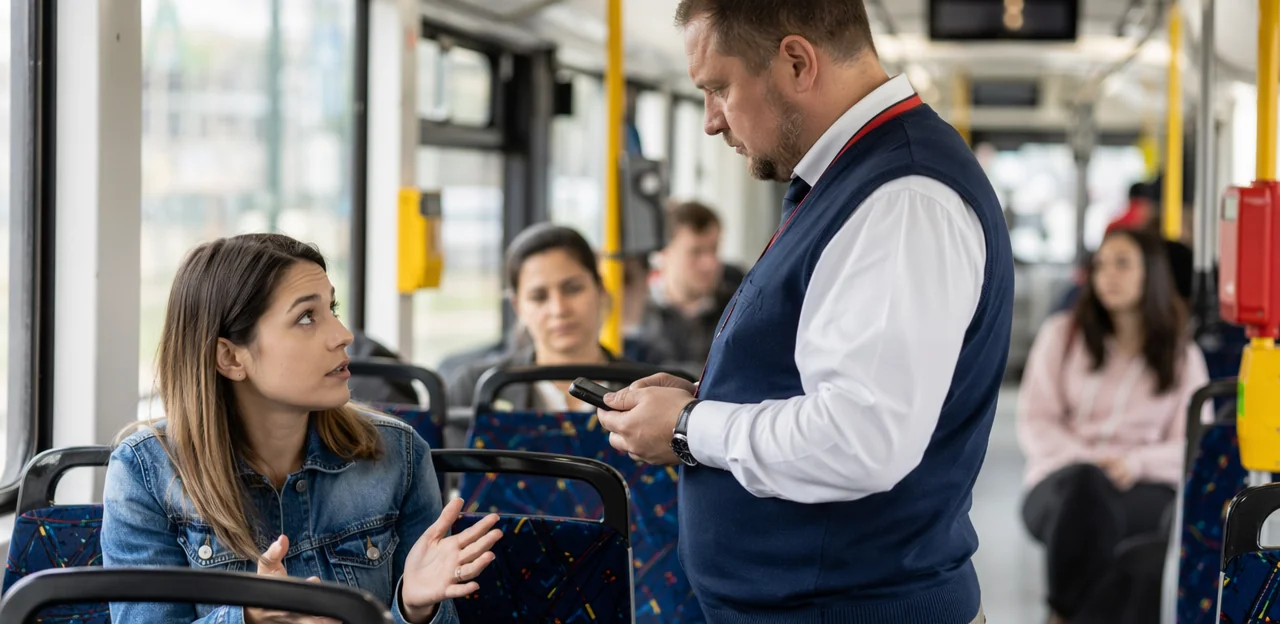
Transport customer complaints are more than service recovery cases—they are an early signal of operational risk. When tracked consistently, complaints reveal recurring service quality issues such as delays, poor signage, accessibility gaps, overcrowding, or staff communication problems before they escalate into public criticism, churn, or regulatory scrutiny.
Effective customer complaint monitoring helps operators:
- spot patterns by route, station, time, or team
- prioritize high-risk issues affecting safety or accessibility
- identify root causes, not just individual incidents
- measure whether corrective actions actually improve outcomes
To make complaint data useful, classify issues clearly, review trends weekly, and trigger fast escalation for urgent categories. Tools like Tapsy can help capture real-time feedback at key travel touchpoints.
The link between complaints, loyalty, and passenger experience
Transport customer complaints are a direct signal of friction in the passenger experience. When issues go unresolved, operators risk more than one unhappy journey:
- Trust declines: passengers feel ignored and become less confident in future trips.
- Repeat usage drops: poor complaint resolution pushes travelers toward competing routes or providers.
- Negative reviews increase: unresolved problems often surface in public ratings and social posts.
- Brand perception weakens: recurring complaints suggest operational inconsistency and poor care.
To strengthen customer loyalty in transport, operators should respond quickly, close the loop with clear updates, and track recurring complaint themes. Tools like Tapsy can help capture feedback in real time and support faster service recovery.
Why category-level tracking improves decision-making
Grouping transport customer complaints into consistent complaint categories turns scattered feedback into operational insight. Instead of reacting case by case, operators can act on patterns that affect service quality at scale.
- Prioritize resources better: See whether delays, cleanliness, staff conduct, accessibility, or ticketing issues generate the most complaints and direct teams where impact will be highest.
- Strengthen root cause analysis: Categories reveal recurring failure points, making it easier to trace issues to specific processes, assets, shifts, or suppliers.
- Benchmark performance: Compare complaint volumes and trends across routes, stations, depots, or service lines to spot outliers and share best practices.
This structure supports faster, more targeted transport service improvement.
Core categories of transport customer complaints to monitor
Delays, cancellations, and disruption complaints
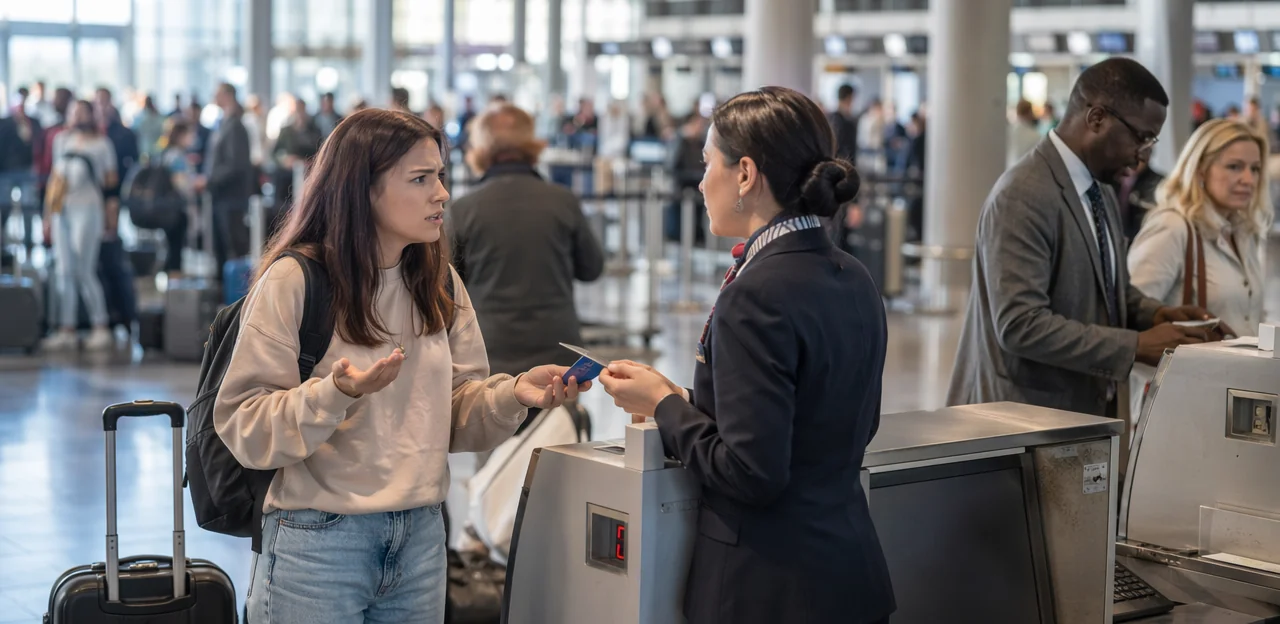
Among the most common transport customer complaints are issues tied to reliability: late departures, missed connections, timetable changes, and last-minute service cancellations. These problems do more than inconvenience passengers—they disrupt work, family plans, onward travel, and trust in the operator.
Operators should closely monitor:
- Delay complaints about late arrivals, unexplained hold-ups, and poor punctuality on key routes
- Missed connection complaints where one delay triggers wider journey failure
- Timetable change complaints caused by unclear notice, inconsistent updates, or confusing replacement schedules
- Cancellation complaints linked to short-notice service withdrawals and limited alternatives
- Transport disruption management feedback, especially around communication, staff visibility, rebooking support, and compensation handling
Actionable insight comes from tracking not just the number of complaints, but also when and where disruption occurs, how quickly updates are shared, and whether passengers feel supported. Tools like real-time touchpoint feedback, such as Tapsy, can help operators capture disruption pain points quickly and improve service recovery before customer confidence declines further.
Staff behavior, communication, and customer service issues
Among the most common transport customer complaints are problems tied to frontline interactions. Even when delays or disruptions are unavoidable, poor service can turn a manageable issue into a lasting negative experience. Customer service complaints often highlight rude tone, dismissive responses, or a lack of empathy when passengers are stressed, confused, or running late.
Operators should closely track:
- Staff behavior complaints about rudeness, impatience, or failure to listen
- Inconsistent information from drivers, station teams, apps, and help desks
- Poor announcements, including unclear audio, missing updates, or overly technical language
- Unhelpful disruption support, such as vague rebooking guidance or no visible assistance
To reduce these transport communication issues, operators should standardize disruption messaging, train staff in empathy and de-escalation, and give teams clear escalation paths for vulnerable or stranded passengers. Monitoring feedback by route, station, shift, or incident type helps identify whether issues come from individual performance or wider process gaps. Tools like Tapsy can also help collect real-time passenger feedback at service touchpoints.
Cleanliness, comfort, accessibility, and safety concerns
A large share of transport customer complaints comes from the basics passengers notice immediately: whether a journey feels clean, comfortable, accessible, and safe. These issues directly affect satisfaction, trust, and repeat use.
Operators should closely monitor complaints such as:
- Transport cleanliness complaints about dirty seats, litter, overflowing bins, toilets, odors, or poorly maintained waiting areas
- Overcrowding and comfort issues, including lack of seating, limited personal space, poor ventilation, and uncomfortable temperatures
- Accessibility complaints related to broken lifts, missing ramps, unclear signage, inaccessible toilets, or poor support for wheelchair users and passengers with reduced mobility
- Passenger safety concerns such as poor lighting, unattended areas, antisocial behavior, broken barriers, or lack of visible staff presence at stations and hubs
To reduce repeat complaints, track issues by location, time, and asset type, then prioritize fast fixes for high-traffic touchpoints. Real-time feedback tools such as Tapsy can help operators capture and route urgent cleanliness, access, and safety issues before they escalate.
Additional complaint categories that often reveal hidden operational problems

Ticketing, fares, refunds, and payment disputes
Billing issues are among the fastest-escalating transport customer complaints because they affect both money and confidence. Common ticketing complaints, refund complaints, and fare disputes usually stem from preventable friction points:
- Fare confusion: unclear peak/off-peak rules, zone boundaries, caps, or interchange charges
- Overcharging: duplicate taps, incorrect fare calculations, or penalty fares applied in error
- Refund delays: slow processing after cancellations, disruptions, or failed ticket machine transactions
- Contactless errors: incomplete tap-in/tap-out records, card clashes, or delayed payment reversals
- Unclear compensation policies: vague eligibility rules and inconsistent communication
Operators should publish plain-language fare rules, provide instant digital receipts, and set visible refund timelines. Monitoring complaint patterns by route, station, and payment type helps isolate root causes quickly. Tools like Tapsy can capture real-time billing friction at the point of travel before trust erodes further.
Digital experience and self-service failures
A growing share of transport customer complaints now comes from broken or confusing digital journeys. When apps, websites, kiosks, or real-time tools fail, passengers lose trust quickly and service recovery becomes harder.
Common issues to monitor include:
- Transport app complaints about crashes, payment failures, ticket downloads, and push alerts that arrive too late
- Self-service issues such as kiosk errors, inaccessible interfaces, and account login or password reset problems
- Journey planners showing inaccurate routes, platform changes, or disruption advice
- Real-time information tools displaying inconsistent departure times across channels
To reduce complaints, operators should test digital touchpoints regularly, track failure rates by channel, and capture in-the-moment feedback. Tools like Tapsy can help collect fast passenger input at stations when digital customer experience problems occur.
Baggage, property, and facility-related complaints
Baggage and facility issues often drive high-impact transport customer complaints because they affect the journey before, during, and after travel. Lost property complaints, poor luggage handling, and damaged bags quickly erode trust, while station facility complaints about toilets, parking, lifts, escalators, and cleanliness shape comfort and accessibility. Wayfinding issues such as unclear signage, platform confusion, or poor exit directions can turn minor delays into stressful experiences.
Operators should monitor:
- Lost property and luggage handling: track recovery times, handoff failures, and repeat damage hotspots
- Facilities: flag outages, cleanliness issues, and accessibility failures in real time
- Signage and wayfinding: identify confusing routes, missing signs, and multilingual gaps
Use touchpoint feedback at stations, car parks, and terminals to route issues quickly; tools like Tapsy can help capture reports where problems happen.
How operators should prioritize and analyze complaint data

Build a practical complaint taxonomy
A strong complaint taxonomy turns scattered transport customer complaints into comparable, actionable data. Start with a simple complaint classification structure that every team uses consistently:
- Define core categories: delays, staff behavior, cleanliness, accessibility, ticketing, safety, information, and facilities.
- Add subcategories: for example, delays can split into late departure, missed connection, or poor disruption communication.
- Set severity levels: low, medium, high, and critical based on customer impact, safety risk, and operational urgency.
- Tag the channel: app, email, call center, social media, station kiosk, QR feedback, or in-person report.
- Standardize rules: write short definitions and examples so agents classify issues the same way.
This improves customer feedback analysis, helps teams spot trends by route or location, and supports faster service recovery. Tools like Tapsy can also help capture and tag feedback at the touchpoint.
Measure frequency, impact, and root cause
To prioritize transport customer complaints, go beyond raw volume. A category that appears less often may still deserve urgent attention if it creates major disruption, high compensation payouts, or repeat contacts.
Track a balanced set of complaint metrics:
- Frequency: number of complaints by route, station, touchpoint, and time period
- Operational impact: delays, missed connections, staff workload, and service disruption
- Customer effort: repeat contact, transfers between teams, and time to resolution
- Compensation cost: refunds, vouchers, chargebacks, and goodwill payments
- Recurrence: whether the same issue reappears after “fixes”
Use service recovery metrics alongside root cause analysis to identify why problems happen, not just where. For example, “late bus” may stem from scheduling gaps, driver shortages, or poor passenger information. Tools like Tapsy can help capture real-time issue patterns at key travel touchpoints.
Use complaint insights across teams and locations
A shared complaint dashboard helps operators turn transport customer complaints into coordinated action, not isolated responses. When dashboards are segmented by station, route, time, and issue type, every team can spot patterns and act faster.
- Operations: identify recurring delays, crowding, equipment failures, or missed connections.
- Customer service: track repeat contact reasons, escalation trends, and service recovery gaps.
- Digital teams: flag app, ticketing, payment, or journey information issues affecting multiple locations.
- Station management: compare cleanliness, signage, accessibility, and staff support complaints by site.
- Leadership: prioritize investment using network-wide transport operations insights and trend data.
This creates cross-functional improvement by aligning owners, deadlines, and follow-up. Tools like Tapsy can also help capture real-time feedback directly at stations and service touchpoints.
Best practices for service recovery after transport customer complaints

Respond quickly, clearly, and empathetically
Strong service recovery starts with a fast, human response. When handling transport customer complaints, operators should focus on four essentials:
- Acknowledge the issue immediately: confirm the complaint has been received and thank the passenger for reporting it.
- Take ownership: avoid vague language or blame-shifting; clearly state who is responsible for next steps.
- Set realistic timelines: tell customers when they can expect an update, even if the full resolution takes longer.
- Explain clearly: share what happened, what is being done, and what options are available.
During delays, missed connections, or crowded conditions, customer empathy matters as much as the fix itself. Following these complaint response best practices helps reduce frustration, rebuild trust, and improve passenger experience.
Close the loop with compensation and corrective action
To resolve transport customer complaints effectively, match the response to the impact and show passengers that action followed the issue:
- Use a refund process when the customer paid for a service they did not receive, such as cancellations, major delays, or failed upgrades.
- Offer customer compensation like vouchers or credits when inconvenience was real but a full refund is not justified.
- Give a prompt, specific apology when the issue is minor but the experience still fell below expectations.
- Take corrective action for repeat problems, such as fixing signage, staffing gaps, cleaning routines, or boarding procedures.
Always tell customers what changed after their complaint. That transparency rebuilds trust and proves feedback leads to measurable improvement.
Turn complaints into long-term experience improvements
Leading operators treat transport customer complaints as a source of operational insight, not just a case-management task. The goal is continuous improvement that delivers measurable passenger experience improvement and helps prevent repeat complaints.
- Spot patterns, not just incidents: Track complaint trends by route, station, time, issue type, and supplier to identify recurring failure points.
- Redesign broken processes: If the same issues keep appearing, simplify handoffs, update escalation paths, or fix unclear policies.
- Improve frontline training: Use complaint themes to coach staff on empathy, disruption handling, accessibility, and clearer problem resolution.
- Refine communications: Rewrite delay alerts, signage, and self-service instructions to reduce confusion before frustration escalates.
- Close the loop: Use real-time feedback tools such as Tapsy to catch issues early and act before they spread.
What a strong complaint monitoring strategy looks like

Key KPIs operators should track
To manage transport customer complaints effectively, operators should monitor a focused set of complaint KPIs:
- Complaint rate per passenger: shows complaint volume relative to ridership.
- First-response time: measures how quickly teams acknowledge issues.
- Resolution time: tracks how fast complaints are fully closed.
- Repeat complaint rate: highlights unresolved root causes.
- Compensation cost: reveals the financial impact of service failures.
- Satisfaction after resolution: one of the most useful customer satisfaction metrics for service recovery quality.
Tools like Tapsy can help capture and track these signals in real time.
Common mistakes to avoid
- Using vague labels: Broad tags like “service issue” hide root causes in transport customer complaints. Build clear, actionable categories.
- Keeping data siloed: Separate station, app, call-center, and onboard records create blind spots. Centralize reporting to reduce complaint management mistakes.
- Responding too slowly: Delays worsen dissatisfaction and weaken service recovery.
- Tracking volume only: High counts matter, but so do patterns, repeat issues, and impact.
- Ignoring rare but critical cases: Accessibility issues and safety-related feedback may be low-frequency but are often high-severity complaints requiring immediate escalation.
Creating a passenger-centric complaint culture
Monitoring transport customer complaints should do more than resolve individual cases; it should shape a true passenger-centric culture across travel and mobility hubs. To make complaint data actionable:
- share trends across operations, customer service, and facilities teams
- close the loop with visible updates so passengers see accountability
- use recurring issues to improve signage, accessibility, staffing, and journey design
- embed complaints into a wider customer feedback strategy, not a siloed process
Tools like Tapsy can help capture in-the-moment feedback and support transparent, service-led improvement.
Conclusion
In travel and mobility, complaints are more than service issues—they are signals of operational friction, unmet expectations, and opportunities to improve the passenger journey. By tracking the right categories of transport customer complaints—from delays, cleanliness, and accessibility to staff interactions, ticketing problems, safety concerns, and poor signage—operators can move from reactive firefighting to proactive service recovery.
The most effective organizations do not just collect complaints; they analyze patterns across routes, stations, times of day, and touchpoints to identify root causes and prioritize action. This approach helps reduce repeat issues, strengthen trust, and create a more consistent passenger experience across the network. In high-traffic environments, fast, in-the-moment feedback can be especially valuable, helping teams respond before minor frustrations become larger brand problems.
The next step is to audit your current complaint categories, align them with operational teams, and build clear escalation paths for urgent issues. Consider using real-time passenger feedback tools, benchmarking dashboards, and service recovery workflows to turn transport customer complaints into measurable improvement. Solutions like Tapsy can also help operators capture quick feedback at stations, terminals, and other key touchpoints.
Start monitoring smarter today—because every complaint handled well is a chance to improve loyalty, efficiency, and the overall passenger experience.
Frequently Asked Questions
- Why should transport operators treat customer complaints as more than isolated cases?
Complaints can signal wider operational problems such as delays, poor signage, accessibility gaps, overcrowding, or inconsistent staff support. When tracked consistently, they help operators spot patterns early, protect passenger trust, and improve service recovery before issues grow into reputational or regulatory problems.
- Which complaint categories should transport operators monitor most closely?
Core categories include delays and cancellations, staff behavior and communication, cleanliness and comfort, accessibility, safety, ticketing and refunds, digital experience, baggage and lost property, facilities, and signage or wayfinding. Grouping complaints into clear categories makes it easier to prioritize resources and identify recurring failure points.
- How do delay and cancellation complaints help reveal deeper service issues?
These complaints show more than punctuality problems because they often expose weak disruption communication, poor rebooking support, and limited alternatives. Tracking when and where disruption happens, how fast updates are shared, and whether passengers feel supported helps operators understand the full impact.
- What kinds of staff-related complaints should be tracked in transport settings?
Operators should watch for complaints about rude or dismissive behavior, lack of empathy, inconsistent information, poor announcements, and unhelpful disruption support. Reviewing these issues by route, station, shift, or incident type helps distinguish individual performance problems from broader process gaps.
- Why are cleanliness, comfort, accessibility, and safety complaints so important?
These issues affect what passengers notice immediately and strongly influence satisfaction, trust, and repeat use. Dirty facilities, overcrowding, broken lifts, poor lighting, or limited visible staff presence can quickly turn a routine journey into a negative experience.
- What usually causes ticketing, fare, and refund complaints?
Common causes include unclear fare rules, overcharging, duplicate taps, incorrect fare calculations, refund delays, contactless errors, and vague compensation policies. These complaints escalate quickly because they affect both money and confidence in the operator.
- How can operators reduce complaints about apps, kiosks, and self-service tools?
They should regularly test digital touchpoints, track failure rates by channel, and capture feedback when problems happen. Common issues to monitor include app crashes, payment failures, ticket download problems, login issues, kiosk errors, and inconsistent real-time travel information.
- What do baggage, lost property, and facility complaints usually indicate?
They often reveal breakdowns in handoffs, maintenance, cleanliness, accessibility, or station operations. Operators should monitor luggage handling, recovery times, damaged bag hotspots, facility outages, and wayfinding problems such as missing signs or confusing routes.
- How should a practical transport complaint taxonomy be structured?
A useful taxonomy starts with core categories such as delays, staff behavior, cleanliness, accessibility, ticketing, safety, information, and facilities. It should also include subcategories, severity levels, complaint channels, and clear classification rules so teams tag issues consistently.
- What metrics matter most when prioritizing complaint trends?
Operators should look beyond volume and track frequency, operational impact, customer effort, compensation cost, and recurrence. A lower-volume issue may still need urgent action if it creates major disruption, repeat contacts, or high-severity risk.
- How can complaint insights be shared effectively across teams and locations?
A shared dashboard segmented by station, route, time, and issue type helps teams act on the same information. Operations, customer service, digital teams, station management, and leadership can then coordinate owners, deadlines, and follow-up more effectively.
- What does good service recovery look like after a transport complaint?
It starts with a fast, clear, and empathetic response that acknowledges the issue, takes ownership, and sets realistic timelines. Passengers should also receive a clear explanation of what happened, what is being done, and what options are available.
- When should operators offer refunds, compensation, or corrective action?
Refunds fit cases where a passenger paid for a service they did not receive, such as cancellations, major delays, or failed upgrades. Vouchers or credits can address real inconvenience without a full refund, while repeat issues should trigger corrective action such as fixing signage, staffing gaps, cleaning routines, or boarding procedures.
- Which KPIs should operators track for complaint monitoring?
Useful KPIs include complaint rate per passenger, first-response time, resolution time, repeat complaint rate, compensation cost, and satisfaction after resolution. Together, these measures show both the scale of complaints and the quality of service recovery.
- How can real-time feedback tools like Tapsy support complaint monitoring?
They can help capture passenger sentiment at stations, terminals, and other physical touchpoints where issues actually occur. This supports faster escalation, quicker service recovery, and better visibility into recurring problems across routes, locations, and moments in the journey.