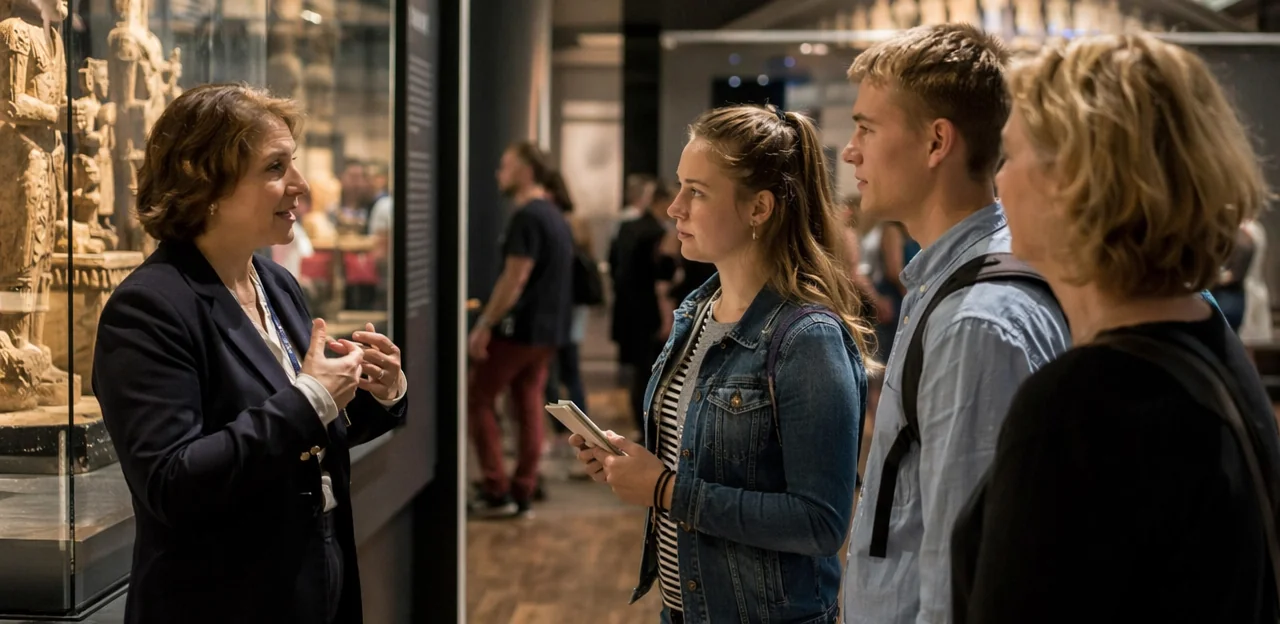
Today’s museum, gallery, heritage site, or visitor attraction is judged on far more than the quality of its collections or programming. Visitors expect smooth journeys, clear communication, responsive staff, and memorable moments from arrival to exit. When expectations are high and attention spans are short, cultural venues need better ways to understand what guests are experiencing in real time—and where improvements will have the greatest impact. That is where a modern visitor experience platform becomes increasingly valuable.
A strong visitor experience platform helps cultural organisations go beyond traditional surveys and fragmented feedback processes. It can bring together visitor sentiment, on-site feedback, journey tracking, service recovery, and data-led decision-making to help museums and attractions improve satisfaction, loyalty, and operational performance. Whether the goal is reducing friction at entry points, refining exhibitions, improving accessibility, or capturing more meaningful feedback across the visitor journey, the right tools can make those efforts far more effective.
In this article, we’ll explore the key features to look for in visitor experience platforms for cultural venues, including survey design, real-time insight collection, reporting, and customer experience management. We’ll also look at how solutions such as Tapsy can support more responsive, visitor-focused experiences across museums and attractions.
What Is a Visitor Experience Platform and Why It Matters

Defining the visitor experience platform for cultural venues
A visitor experience platform is a connected system that helps cultural venues understand and improve every stage of the guest journey, from pre-visit expectations to post-visit follow-up. Unlike standalone survey tools, ticketing platforms, or CRM software, it brings feedback, insight, and action into one workflow.
Key differences include:
- Beyond surveys: captures in-the-moment responses, not just post-visit questionnaires
- Beyond ticketing: links operational moments to satisfaction, not only transactions
- Beyond CRM: turns visitor data into real-time service improvements
Effective visitor feedback software should help teams:
- Collect feedback across entrances, galleries, cafés, events, and exits
- Analyze trends by touchpoint, audience segment, or time
- Trigger alerts and recovery actions before dissatisfaction becomes a negative review
Solutions such as Tapsy can support this real-time, journey-wide approach.
Why museums and attractions need a unified CX approach
Museums and attractions can no longer manage customer experience in silos. Today’s visitor expectations span every touchpoint, from ticket booking and wayfinding to exhibitions, cafés, memberships, and post-visit feedback. A unified approach helps teams connect physical and digital journeys and respond faster to changing needs.
- Meet rising visitor expectations: Guests expect seamless, personalized, and accessible experiences across channels.
- Strengthen digital engagement: Mobile interactions, QR feedback, online surveys, and real-time updates help venues stay connected before, during, and after visits.
- Use data-driven decision-making: A visitor experience platform brings feedback, behavior, and satisfaction data into one view, making it easier to spot issues and improve operations.
For museums and attractions, integrated CX strategies turn scattered insights into clear actions that improve loyalty, reputation, and repeat visits.
Core goals: satisfaction, loyalty, and operational insight
A strong visitor experience platform should do more than collect feedback after a visit. It should help cultural venues act on it quickly and turn insights into measurable improvements.
- Improve visitor satisfaction: Capture feedback at key moments such as entry, exhibitions, cafés, and exits to identify what delights or frustrates guests in real time.
- Drive repeat visits and memberships: Use post-visit prompts, tailored follow-ups, and incentives to encourage repeat visits, annual passes, and membership sign-ups.
- Deliver operational insight: Segment responses by time, location, event, or staff team to uncover recurring issues like queues, unclear signage, cleanliness, or accessibility barriers.
Platforms with instant alerts and touchpoint-level reporting, such as Tapsy, can help teams resolve problems faster and steadily lift visitor satisfaction.
Essential Features Every Visitor Experience Platform Should Include

Survey design and multichannel feedback collection
Effective survey design helps cultural venues capture feedback at the right moment, in the right format, for the right audience. A strong visitor experience platform should support flexible question paths, short mobile-first forms, and audience segmentation so museums, galleries, and heritage sites can tailor feedback by visitor type, exhibition, event, or membership status.
Key best practices include:
- Post-visit surveys by email to gather deeper reflections after the experience
- On-site kiosks for quick ratings at exits, cafés, or exhibition spaces
- QR code feedback placed at touchpoints for instant, no-app responses
- SMS prompts to boost response rates with timely, concise follow-ups
- Mobile-friendly forms designed for families, tourists, members, school groups, and accessibility needs
This multichannel feedback approach increases participation, improves data quality, and reveals journey-specific insights. Solutions such as Tapsy can also help venues collect real-time touchpoint feedback without adding friction.
Real-time analytics and reporting dashboards
A strong visitor experience platform should turn live feedback into clear, usable visitor insights. With real-time analytics and intuitive reporting dashboards, museums, galleries, zoos, and heritage sites can spot problems early, track performance by touchpoint, and act before small issues affect satisfaction or reviews.
Key capabilities include:
- Live dashboard views: Monitor scores by exhibit, entry point, café, shop, event, or time of day.
- Sentiment tracking: Identify recurring themes in comments, such as queue times, wayfinding, cleanliness, or staff helpfulness.
- Trend analysis: Compare weekly, seasonal, or campaign performance to understand what is improving or declining.
- Customizable reports: Share tailored summaries with leadership, operations teams, and frontline staff based on role and priorities.
This makes it easier to prioritize fixes, measure service recovery, and align teams around fast, evidence-based decisions. Platforms such as Tapsy can support this with touchpoint-level feedback and rapid issue visibility.
Journey mapping and touchpoint measurement
A strong visitor experience platform should support journey mapping across the full visitor journey, not just collect a single post-visit survey. By measuring experience at each stage, museums and attractions can pinpoint where satisfaction drops and where improvements will have the biggest impact.
Key touchpoints to track include:
- Booking: website usability, ticket availability, pricing clarity, confirmation emails
- Arrival: parking, signage, entry queues, accessibility, staff welcome
- Exhibitions: wayfinding, crowding, interpretation, interactivity, dwell time
- Retail: product relevance, checkout speed, staff helpfulness
- Food and beverage: queue times, quality, cleanliness, seating availability
- Post-visit follow-up: satisfaction, likelihood to return, membership or donation intent
Effective touchpoint measurement combines short in-the-moment feedback, operational data, and post-visit insights. Tools such as QR-based prompts or solutions like Tapsy can help capture feedback while experiences are still fresh, enabling faster service recovery and smarter experience design.
Features That Matter Most for Museums, Galleries, and Heritage Sites

Accessibility, inclusivity, and audience segmentation
A strong visitor experience platform should help cultural venues collect meaningful feedback from every audience segment, not just the most vocal visitors. To support audience segmentation and a more inclusive visitor experience, look for tools that offer:
- Segment-based survey paths for families, tourists, members, school groups, and event attendees
- Accessibility-first design, including screen-reader compatibility, clear contrast, simple language, and mobile-friendly layouts
- Multilingual surveys so international visitors can respond in their preferred language
- Access-needs prompts that let visitors share barriers related to mobility, sensory needs, wayfinding, or facilities
- Real-time reporting by segment to reveal where experiences differ across audiences
Platforms such as Tapsy can also support quick, on-site feedback collection through simple touchpoint interactions, helping venues improve accessibility and respond faster to diverse visitor needs.
Exhibition, event, and program-specific feedback
Collecting feedback at the exhibition, event, or educational program level helps venues move beyond generic satisfaction scores and understand what truly connects with different audiences. A strong visitor experience platform makes it easier to capture timely exhibition feedback, event feedback, and insights on museum programs while the experience is still fresh.
- Identify what resonates: Compare responses by exhibition theme, event format, age group, or visitor type.
- Improve future programming: Use feedback to refine interpretation, pacing, accessibility, staffing, and activity design.
- Spot underperforming experiences early: Detect recurring issues in specific galleries, talks, workshops, or family sessions.
- Support smarter planning: Prioritize budgets and marketing around the formats visitors value most.
Tools such as QR-based touchpoints or solutions like Tapsy can help collect feedback in the moment and turn it into actionable programming decisions.
Benchmarking across venues and time periods
A strong visitor experience platform should make benchmarking simple across sites, seasons, exhibitions, and marketing activity. Comparing visitor experience metrics in context helps museums and attractions move beyond isolated scores and understand what is really driving museum performance.
- Compare venues: Identify which locations consistently outperform others on welcome, wayfinding, staff helpfulness, or value for money.
- Track time periods: Measure changes across peak season, school holidays, weekends, or quieter months to spot recurring patterns.
- Assess exhibitions and campaigns: Link shifts in satisfaction, dwell time, or recommendation intent to specific programming or promotions.
- Support better decisions: Use evidence to justify staffing changes, budget allocation, exhibit improvements, or campaign investment.
Platforms such as Tapsy can help teams view results by location and timeframe, making trend analysis faster and more actionable.
How a Visitor Experience Platform Supports Better Decision-Making

Turning feedback into operational improvements
A strong visitor experience platform helps venues move from collecting opinions to making targeted operational improvements. The key is to combine satisfaction scores with real visitor comments to spot recurring friction points and act quickly.
- Queue management: Track low scores by time and location to adjust entry flow, timed ticketing, or front-of-house deployment.
- Signage and wayfinding: Use repeated comments about confusion to improve maps, directional signs, and accessibility guidance.
- Staffing: Match busy periods and sentiment trends to better rota planning and training needs.
- Interpretation: Identify where exhibits feel unclear, too text-heavy, or less engaging.
- Cleanliness and amenities: Flag toilets, cafés, seating, cloakrooms, or family facilities that drive complaints.
Tools such as Tapsy can help teams capture in-the-moment feedback for faster experience optimization.
Connecting visitor data with CRM, ticketing, and marketing tools
A strong visitor experience platform becomes far more valuable when it supports CRM integration, ticketing integration, and marketing automation. These connections turn isolated feedback into a complete view of each visitor’s journey, from booking and attendance to satisfaction, repeat visits, and campaign response.
- CRM integration links survey responses, preferences, and complaints to individual visitor profiles, helping teams personalize outreach and track loyalty over time.
- Ticketing integration connects feedback to visit dates, membership types, event attendance, and spend, making it easier to spot patterns by audience segment.
- Marketing automation uses this data to trigger relevant follow-ups, such as thank-you emails, win-back campaigns, or membership offers.
Choose tools that sync data in real time, support segmentation, and make insights actionable across marketing, operations, and visitor services.
Supporting leadership reporting and funding cases
A strong visitor experience platform should turn day-to-day feedback into evidence that supports leadership reporting and a stronger funding case. Clear dashboards and exportable reports help cultural venues show not just attendance, but real visitor impact across learning, inclusion, satisfaction, and service delivery.
- Track trends by exhibition, event, site area, or audience segment to show what creates value.
- Combine satisfaction scores, comments, issue resolution times, and repeat-visit intent into board-ready summaries.
- Highlight outcomes funders care about, such as accessibility improvements, community reach, and service quality.
- Use benchmarks over time to demonstrate progress and justify future investment.
- Share tailored reports with trustees, local authorities, sponsors, and partners.
Platforms with real-time insight, such as Tapsy, can also help teams capture evidence closer to the visit itself, making reporting more credible and actionable.
How to Choose the Right Visitor Experience Platform

Questions to ask vendors before investing
When you choose a visitor experience platform, ask focused questions that reveal long-term fit, not just feature lists:
- Ease of use: Can frontline staff create surveys, alerts, and reports without technical help?
- Customization: Can you tailor branding, question flows, and visitor journeys for exhibitions, events, and memberships?
- Data security: How is visitor data stored, encrypted, and accessed? Is the platform GDPR-ready?
- Accessibility compliance: Does it support WCAG standards, screen readers, and mobile-friendly design?
- Integration options: Will it connect with your CRM, ticketing, email, and analytics tools?
- Support quality: What onboarding, training, and response times are included?
- Pricing transparency: Are setup, user, integration, and support costs clearly explained?
Strong vendor evaluation helps you select a visitor experience platform that is scalable, secure, and practical.
Balancing usability, scalability, and budget
When evaluating a visitor experience platform, look beyond today’s requirements. The best choice combines strong usability for frontline teams with a scalable platform that can support future growth across sites, exhibitions, and education or membership programmes.
- Start with core needs: Prioritise essential tools such as surveys, real-time feedback, reporting, and integrations.
- Check scaling options: Make sure the platform can add venues, departments, user roles, and workflows without major reconfiguration.
- Review pricing carefully: Compare licence tiers, support costs, onboarding fees, and charges for extra locations or users.
- Test ease of use: If staff need extensive training, long-term adoption may suffer.
Strong budget considerations should include both immediate affordability and long-term value.
Common mistakes cultural venues should avoid
When choosing or using a visitor experience platform, cultural venues should avoid a few costly pitfalls:
- Collecting too much data without a plan: Gathering endless feedback is useless unless teams know how to act on it, assign ownership, and close the loop quickly.
- Trusting weak response rates: Low response rates can produce misleading insights. Keep surveys short, timely, and placed at key touchpoints in the visitor journey.
- Overlooking staff adoption: Poor staff adoption often undermines even the best platform. Train frontline teams and make workflows simple.
- Choosing the wrong fit: One of the most common platform mistakes is selecting tools that do not match how visitors actually engage on-site.
Best Practices for Implementation and Long-Term Success

Launching with clear goals and KPIs
Before rolling out a visitor experience platform, define what success looks like and how you will measure it. Set implementation goals around a small, practical KPI framework:
- Satisfaction and Net Promoter Score: track overall sentiment and advocacy.
- Accessibility feedback: monitor barriers in navigation, signage, audio guides, and staff support.
- Dwell time: measure how long visitors engage with exhibits or spaces.
- Repeat visitation: assess loyalty and return intent.
- Program quality: evaluate exhibitions, tours, and events separately.
Clear visitor experience KPIs help teams benchmark performance, spot issues early, and improve continuously.
Training teams to act on insights
A visitor experience platform only creates value when teams know how to use its findings. Strong team training supports cross-functional adoption, helping visitor services, curatorial, education, and marketing staff turn feedback into actionable insights.
- Train each team to read the metrics most relevant to their role.
- Set shared workflows for escalating issues and assigning ownership.
- Review insights regularly in cross-department meetings to prioritise improvements.
This prevents data from becoming static reports and ensures feedback leads to better exhibits, smoother operations, and more relevant communications.
Creating a continuous improvement cycle
A strong visitor experience platform should support a clear feedback loop that turns insight into action. Cultural venues can build continuous improvement by:
- Collecting feedback at key moments such as entry, exhibitions, cafés, and exit points
- Testing small changes like signage, staffing, or queue management
- Monitoring results through satisfaction scores, comments, and repeat patterns
- Refining the journey continuously based on what improves outcomes
This approach makes visitor journey optimization measurable, helping museums and attractions adapt faster and improve experiences over time.
Conclusion
In today’s cultural landscape, delivering memorable, responsive, and data-informed experiences is no longer optional. The right visitor experience platform helps museums, galleries, heritage sites, and attractions understand audiences in real time, capture feedback at key touchpoints, and turn insights into meaningful improvements. From intuitive survey design and mobile-friendly feedback collection to live reporting, issue alerts, segmentation, and journey tracking, the best tools help teams move beyond assumptions and make smarter visitor experience decisions.
A strong visitor experience platform also supports broader organizational goals: improving satisfaction, increasing repeat visits, strengthening reputation, and building deeper relationships with diverse audiences. When feedback is easy to collect and simple to act on, cultural venues can respond faster, refine exhibits and services, and create more inclusive, engaging visitor journeys.
As a next step, review your current feedback process and identify where visitor insight is being missed—before, during, and after the visit. Then compare platforms based on ease of use, reporting depth, integration options, and real-time actionability. If you’re exploring practical solutions, tools like Tapsy can offer a simple way to capture in-the-moment feedback at physical touchpoints.
Ready to elevate every visit? Start evaluating the right visitor experience platform for your venue and use audience insight to shape experiences that keep visitors coming back.
Frequently Asked Questions
- What is a visitor experience platform for cultural venues?
A visitor experience platform is a connected system that helps museums, galleries, heritage sites, and attractions understand and improve the full guest journey. It brings feedback, insight, and action into one workflow, from pre-visit expectations to post-visit follow-up.
- How is a visitor experience platform different from survey tools, ticketing systems, or CRM software?
It goes beyond standalone survey tools by capturing in-the-moment responses, not only post-visit questionnaires. It also links operational moments to satisfaction and turns visitor data into real-time service improvements, rather than focusing only on transactions or stored profiles.
- Why do museums and attractions need a unified customer experience approach?
Visitor expectations now span booking, wayfinding, exhibitions, cafés, memberships, and post-visit communication. A unified approach helps teams connect physical and digital journeys, respond faster to changing needs, and turn scattered data into clear actions.
- What goals should a strong visitor experience platform support?
It should help improve visitor satisfaction, encourage repeat visits and memberships, and deliver operational insight. Useful platforms also help teams identify recurring issues such as queues, unclear signage, cleanliness problems, or accessibility barriers.
- Which feedback collection methods are most useful for cultural venues?
Effective platforms should support post-visit email surveys, on-site kiosks, QR code feedback, SMS prompts, and mobile-friendly forms. Using multiple channels helps increase participation and capture feedback at the right moment for different visitor groups.
- What should real-time analytics and reporting dashboards show?
They should show live performance by touchpoint, such as entry points, exhibits, cafés, shops, events, or time of day. Strong dashboards also track sentiment in comments, reveal trends over time, and allow tailored reporting for leadership, operations, and frontline teams.
- How does journey mapping improve the visitor experience?
Journey mapping helps venues measure experience across booking, arrival, exhibitions, retail, food and beverage, and post-visit follow-up. This makes it easier to see where satisfaction drops and where changes will have the biggest impact.
- Why are accessibility and audience segmentation important in visitor feedback?
They help venues collect meaningful feedback from more than just the most vocal visitors. Useful features include segment-based survey paths, accessibility-first design, multilingual surveys, and reporting that shows how experiences differ across families, tourists, members, school groups, and other audiences.
- How can venues collect feedback on specific exhibitions, events, or programs?
They can use exhibition- or event-level feedback prompts while the experience is still fresh, including QR-based touchpoints and short mobile responses. This helps teams compare what resonates by format, theme, age group, or visitor type and refine future programming.
- What does benchmarking mean in a visitor experience platform?
Benchmarking means comparing visitor experience metrics across venues, time periods, exhibitions, or campaigns. It helps teams understand which locations or periods perform better and supports decisions on staffing, budgets, exhibit improvements, and marketing investment.
- How can visitor feedback be turned into operational improvements?
Teams can combine satisfaction scores with visitor comments to identify repeated friction points and act on them quickly. Common areas for improvement include queue management, signage, staffing, interpretation, cleanliness, seating, cafés, and family facilities.
- Why does integration with CRM, ticketing, and marketing tools matter?
Integration creates a fuller view of the visitor journey, linking booking, attendance, preferences, satisfaction, and follow-up activity. That makes it easier to personalize outreach, spot patterns by audience segment, and trigger relevant communications such as thank-you messages or membership offers.
- What should cultural venues ask vendors before choosing a platform?
Key questions should cover ease of use, customization, data security, accessibility compliance, integration options, support quality, and pricing transparency. These checks help confirm whether the platform is practical, secure, and suitable for long-term use.
- What common mistakes should museums and heritage sites avoid?
They should avoid collecting too much data without a clear action plan, relying on weak response rates, and overlooking staff adoption. Another common mistake is choosing a platform that does not match how visitors actually engage on-site.
- How can a venue implement a visitor experience platform successfully over time?
Start with clear goals and KPIs such as satisfaction, accessibility feedback, dwell time, repeat visitation, and program quality. Then train teams to act on insights, assign ownership across departments, and build a continuous improvement cycle of collecting feedback, testing changes, monitoring results, and refining the journey.