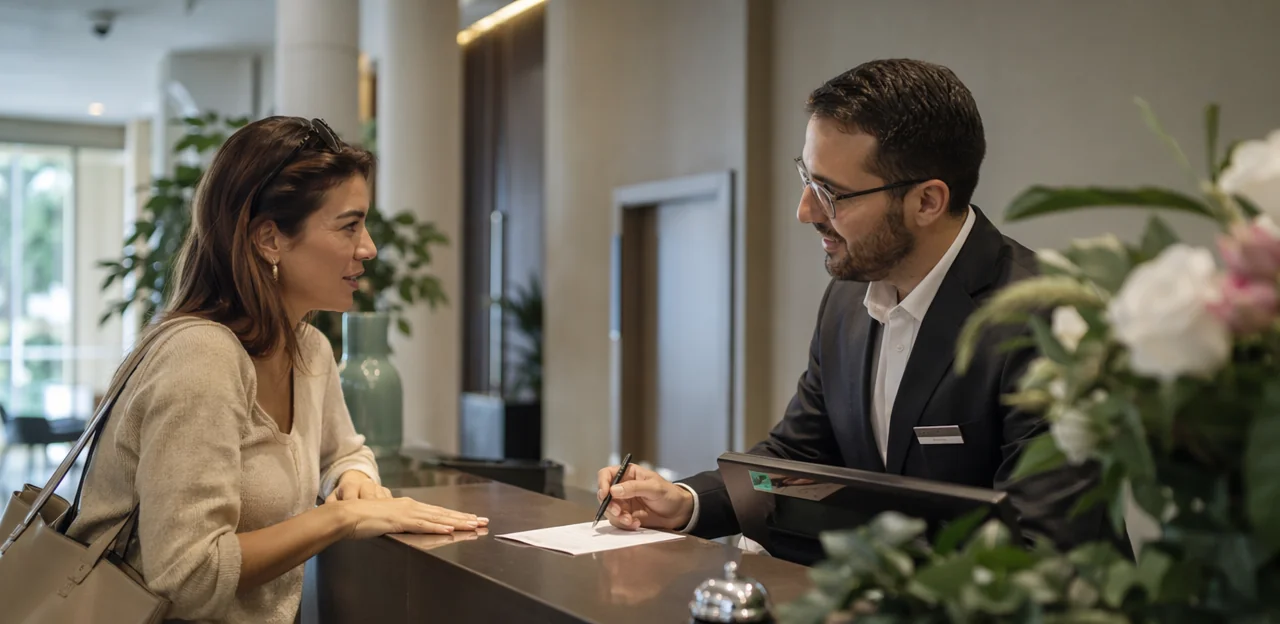
A single unresolved issue during a guest’s stay can quickly turn into a damaging online review after checkout. In today’s hospitality landscape, where reputation influences bookings as much as price or location, hotels can no longer afford to discover problems only after a guest has left. The most effective approach is to identify dissatisfaction early, respond fast, and recover the experience while there is still time to make it right.
That is where strong hotel review management becomes essential. Rather than treating reviews as a post-stay problem, leading hotels are shifting toward proactive review prevention—capturing feedback in real time, empowering staff to resolve issues on the spot, and creating better guest experiences before complaints reach public platforms. Whether the problem is room cleanliness, noise, breakfast delays, or front-desk service, early intervention can protect both guest satisfaction and brand reputation.
In this article, we’ll explore how hotels can reduce negative reviews before checkout through smarter operational processes, better communication, and in-stay feedback strategies. We’ll also look at how tools such as Tapsy can help hospitality teams collect real-time guest insights, trigger service recovery, and turn potential complaints into positive outcomes.
Why Pre-Checkout Hotel Review Management Matters
The cost of negative reviews for hotels
Negative hotel reviews do more than damage image—they directly reduce revenue and visibility. In effective hotel review management, the goal is to prevent issues before they become public.
- Lower bookings: Guests compare ratings fast, and even a small drop in review score can reduce conversion.
- Pressure on ADR: Poor sentiment often forces hotels to discount rates to stay competitive.
- Weaker occupancy: Fewer bookings mean more empty rooms, especially in competitive markets.
- Reduced brand trust: Repeated complaints about cleanliness, service, or noise quickly undermine confidence.
- OTA impact: Bad reviews can hurt ranking, click-through rates, and overall performance on booking platforms.
That’s why online reputation management for hotels should start during the stay. Real-time feedback tools, including solutions like Tapsy, help teams resolve problems before checkout—when recovery is still possible.
Why guests complain after leaving instead of on-property
Many hotel guest complaints appear only after checkout because guests often feel speaking up during the stay is too difficult or not worth the effort. For effective hotel review management, hotels need to understand that silence does not mean satisfaction.
- Inconvenience: Guests do not want to queue at reception, repeat the issue, or interrupt their trip.
- Low confidence in resolution: Some assume the hotel will not fix the problem quickly, especially late at night or during busy periods.
- No easy feedback channel: If there is no simple in-stay guest feedback hotel process, complaints get saved for public reviews later.
To reduce this, offer fast, visible feedback options such as SMS, QR codes, or tools like Tapsy for real-time issue reporting.
The link between operations, service recovery, and reviews
In hotel review management, most negative reviews start as operational failures that were not resolved in time. Review outcomes improve when teams work as one service system:
- Front desk logs complaints immediately, sets expectations, and follows up before checkout.
- Housekeeping fixes cleanliness issues fast and confirms completion.
- Maintenance prioritizes room-impacting problems like air conditioning, hot water, lighting, or Wi-Fi.
- Management monitors patterns, authorizes recovery gestures, and removes bottlenecks.
This coordination is the core of strong hotel operations and effective service recovery in hospitality. Use real-time alerts, shared task ownership, and recovery time targets to turn problems into positive guest experiences. Tools like Tapsy can help surface issues early enough to fix them.
Build a Pre-Checkout Feedback System That Catches Problems Early

Use mid-stay surveys and messaging touchpoints
A mid-stay survey hotel strategy helps teams catch problems while there is still time to fix them, making it a practical part of hotel review management. Keep feedback short, mobile-friendly, and tied to key stay moments using hotel guest messaging channels guests already use:
- At check-in: send a welcome SMS, WhatsApp, or in-app message with a simple “How was arrival?” survey.
- After the first night: ask about room comfort, cleanliness, noise, Wi-Fi, and sleep quality.
- Before departure: send a final check-in to uncover unresolved issues before checkout.
Best practices:
- Use 1–3 questions with one optional comment box
- Add QR-code surveys in rooms, elevators, and breakfast areas
- Route low scores instantly to front desk, housekeeping, or duty managers
- Respond fast with recovery actions such as a room change, amenity, or apology
Tools like Tapsy can support real-time QR feedback and alerts.
Ask the right questions to uncover friction
Strong hotel review management starts with asking a few targeted questions before checkout, not sending a long form that guests ignore. Keep your guest satisfaction survey hotel flow to 3–5 quick prompts that surface fixable issues fast.
- Was your room comfortable and in good condition?
Helps uncover maintenance, temperature, Wi-Fi, or amenity problems. - How would you rate room cleanliness?
Identifies housekeeping gaps before they turn into public complaints. - Did noise affect your stay?
Reveals issues with neighboring rooms, hallways, elevators, or street traffic. - Did our team meet your expectations today?
Flags staff service gaps at reception, housekeeping, breakfast, or concierge. - Is there anything we can fix before you check out?
Creates a direct service-recovery opportunity.
These hotel survey questions should use simple rating scales plus one optional comment box. Tools like Tapsy can help capture real-time answers at key touchpoints without causing survey fatigue.
Create escalation rules for urgent service issues
Strong hotel review management starts with instant action, not end-of-stay analysis. Build clear guest issue escalation rules so low scores and complaint keywords reach the right team before checkout.
- Set automatic triggers: Route ratings of 1–2 stars, low NPS, or keywords like “dirty,” “noise,” “unsafe,” “broken,” or “rude” immediately into your alert workflow.
- Assign by issue type: Send housekeeping complaints to housekeeping supervisors, maintenance issues to engineering, and service failures to the front desk or duty manager.
- Define response times: For example, safety issues within 5 minutes, room problems within 15, and service complaints within 30.
- Add accountability: Each alert should have an owner, status, and resolution deadline.
This approach improves hotel complaint management, speeds recovery, and helps prevent negative public reviews. Tools like Tapsy can support real-time routing and intervention.
Operational Tactics to Reduce Negative Reviews Before Checkout

Strengthen check-in, housekeeping, and maintenance handoffs
Many negative reviews start with preventable operational gaps: rooms not ready at check-in, missed cleaning details, or slow fixes for obvious issues. Strong handoffs between front desk, housekeeping, and engineering are essential to effective hotel review management because they stop small frustrations from becoming public complaints.
- Confirm room readiness before key handover. Front desk should only assign rooms that have passed final status checks, including linens, bathroom supplies, HVAC, and Wi-Fi basics.
- Standardize hotel housekeeping standards. Use checklists for high-visibility touchpoints such as beds, bathrooms, floors, odors, and minibar replenishment to reduce inconsistency between shifts.
- Escalate issues fast. A clear SLA for hotel maintenance response helps teams resolve air conditioning, plumbing, lighting, and lock problems before guests lose patience.
- Close the loop internally. Require housekeeping and maintenance to mark tasks complete, with supervisors spot-checking priority rooms.
If relevant, real-time feedback tools like Tapsy can alert staff to issues during the stay, giving teams a chance to recover the experience before checkout.
Train staff in service recovery and empathy
Strong hospitality staff training helps prevent small frustrations from turning into public complaints. For effective hotel review management, frontline teams need a simple, repeatable response they can use the moment a guest raises an issue.
- Acknowledge immediately: Teach staff to listen without interrupting, thank the guest for speaking up, and name the problem clearly.
- Apologize with ownership: Use sincere language such as, “I’m sorry this affected your stay,” rather than defensive or scripted replies.
- Offer practical solutions fast: Empower teams to act on common issues with room moves, housekeeping revisits, maintenance escalation, dining credits, or late checkout where appropriate.
- Confirm the recovery: Ask whether the proposed fix feels fair and when the guest would like it resolved.
- Document outcomes: Record the issue, action taken, timing, and guest response in the PMS or feedback tool so managers can spot patterns and follow up.
A structured service recovery training hotel program, supported by real-time feedback tools like Tapsy, helps teams recover sentiment before checkout.
Use checkout conversations to surface unresolved concerns
The hotel checkout process is one of the last chances to identify problems before they turn into public complaints. In strong hotel review management, front desk teams should use checkout as a quick recovery moment, not just a payment transaction.
Train staff to ask simple, open, non-defensive questions such as:
- “How was everything with your stay?”
- “Was there anything we could have done better?”
- “Did anything during your visit fall short of expectations?”
These questions help uncover issues that guests may not have raised earlier. The key is to listen calmly, thank the guest, and act fast when possible.
To improve guest satisfaction at checkout, teams should:
- acknowledge the concern without arguing
- apologize clearly and sincerely
- offer an immediate fix, explanation, or small recovery gesture
- note the issue in the guest profile for follow-up
If you use real-time feedback tools like Tapsy, staff can also review in-stay signals before checkout and address concerns more personally.
Technology and Automation for Smarter Review Prevention

Choose tools that centralize guest feedback
Effective hotel review management starts with one shared view of guest sentiment. Instead of checking OTAs, surveys, emails, and front-desk notes separately, use tools that bring feedback into a single workflow:
- Hotel review management software to track reviews, sentiment trends, and recurring complaint themes across Google, OTAs, and social channels
- Hospitality CRM integrations to connect feedback with guest profiles, stay history, and loyalty data
- PMS connections to trigger alerts by room, booking, or checkout date so teams can resolve issues faster
- Messaging tools like SMS, WhatsApp, or in-stay web forms to collect feedback before checkout
Solutions like Tapsy can also help capture real-time in-stay feedback, giving staff a chance to recover service before a negative review is posted.
Use sentiment analysis and alerts to prioritize action
Automation makes hotel review management proactive, not reactive. By using sentiment analysis hotel reviews tools alongside in-stay feedback, hotels can identify unhappy guests before they post publicly.
- Flag high-risk stays: Detect low scores, negative language, or repeated complaints tied to a room, booking, or guest profile.
- Spot patterns fast: Group issues like noise, cleanliness, Wi-Fi, or slow check-in to reveal operational weak points.
- Trigger real-time alerts: Notify the front desk, housekeeping, or duty manager when intervention is needed before departure.
This approach strengthens hotel reputation monitoring by helping teams resolve problems early with room changes, service recovery, or personal follow-up. Tools like Tapsy can support this with instant guest feedback and manager alerts.
Balance automation with human follow-up
Strong hotel review management depends on knowing when to automate and when to step in personally. Use automated guest feedback tools to collect in-stay sentiment, trigger alerts for low scores, and route issues like noise, cleanliness, or Wi-Fi problems to the right team fast.
But automation should not handle recovery alone. Personal outreach from a guest relations hotel team, duty manager, or front desk leader is essential when:
- a guest reports a serious service failure
- emotions are high or repeat complaints appear
- compensation, room moves, or special handling is needed
A quick call or face-to-face check-in shows accountability, resolves issues faster, and reduces the chance of a negative public review. Tools like Tapsy can support this handoff in real time.
How to Respond When a Guest Is Unhappy During the Stay

A simple service recovery framework for hotels
A clear hotel service recovery process helps teams resolve issues before they become public complaints, making it essential for strong hotel review management. Use this simple framework for handling guest complaints hotel teams face every day:
- Listen fast – Capture feedback in real time at reception, housekeeping, breakfast, or via in-stay QR feedback tools.
- Acknowledge sincerely – Thank the guest, apologise clearly, and show you understand the issue.
- Solve immediately – Assign ownership and offer a practical fix: room move, housekeeping revisit, amenity replacement, or late checkout.
- Confirm satisfaction – Check whether the solution worked before checkout.
- Follow up – Log the issue, review root causes, and contact the guest post-stay if needed.
Tools like Tapsy can help hotels surface issues early and respond faster.
Compensation, upgrades, and recovery offers that make sense
Effective hotel review management depends on matching the gesture to the problem, not overcompensating every complaint. Use hotel guest compensation and hotel recovery offers in a clear, consistent way:
- Minor inconvenience: Offer a sincere apology, drink voucher, snack, or small amenity.
- Room-specific issue: If the problem affects comfort or sleep, prioritize a fast fix or room move.
- Service delay or disruption: Consider late checkout, breakfast credit, or loyalty points.
- Serious failure: For cleanliness, safety, repeated noise, or unresolved maintenance issues, offer a partial or full refund where justified.
Set recovery guidelines by issue severity, impact duration, and whether the team resolved it quickly. Tools like Tapsy can help surface issues early enough to recover the stay before checkout.
Document incidents to prevent repeat complaints
Strong hotel review management starts with consistent documentation. When teams record every issue, they create a clear path to hotel SOP improvement and fewer recurring complaints.
- Log the complaint details: what happened, where, when, and which team was involved.
- Record the resolution: response time, action taken, compensation offered, and guest outcome.
- Identify the root cause: staffing gap, maintenance delay, training issue, or unclear process.
- Review patterns weekly through guest complaint tracking to spot repeat failures across rooms, shifts, or service areas.
- Update SOPs based on trends, then retrain staff on the revised steps.
Tools like Tapsy can help capture in-stay issues early, making documentation and follow-up faster and more consistent.
Measure Results and Build a Long-Term Review Management Strategy

Track the KPIs that show review prevention is working
Use hotel review management data to measure whether issues are being fixed before they become public complaints. Prioritize these review management metrics:
- Complaint resolution time: how quickly staff respond and close in-stay issues
- Mid-stay survey scores: an early hotel KPI guest experience signal
- Review volume and sentiment: track whether negative themes decline over time
- Repeat issue rate: monitor how often the same problem reappears
- Post-stay rating trends: compare ratings before and after process changes
Tools like Tapsy can help surface these signals in real time.
Turn review insights into operational improvements
Strong hotel review management turns repeated complaints into a practical hotel guest experience strategy. Track patterns by category, shift, and location, then act on them:
- Staffing: Add front desk or breakfast coverage during peak complaint periods.
- Maintenance: Use recurring room or facility issues to build preventive repair schedules.
- Housekeeping: Retrain teams when reviews mention missed details, inconsistent cleaning, or slow room readiness.
- Guest communication: Update pre-arrival and in-stay messaging to set expectations clearly.
Tools like Tapsy can help surface these themes faster, supporting ongoing hospitality operations improvement.
Encourage more positive reviews after successful recovery
Once a complaint is resolved well, use a simple, ethical hotel review request strategy to invite feedback from genuinely satisfied guests:
- Ask after resolution, not during frustration: Once the issue is fixed and the guest confirms they’re happy, send a short review invitation.
- Keep it neutral: Ask for an honest review, not a positive one. This supports trustworthy hotel review management.
- Make it easy: Share a direct review link in a checkout message or follow-up email.
- Never gate feedback: Don’t filter unhappy guests away from public platforms.
This approach can help increase positive hotel reviews naturally.
Conclusion
In hospitality, the best way to protect your reputation is to solve problems before they become public complaints. Effective hotel review management starts long before a guest leaves a rating site—it begins during the stay, with clear communication, attentive staff, fast service recovery, and simple ways for guests to share concerns in real time. When hotels make it easy to flag issues early, respond quickly, and close the loop before checkout, they can reduce negative reviews, improve satisfaction, and build stronger guest loyalty.
The key takeaway is simple: proactive listening beats reactive damage control. From monitoring high-friction touchpoints to empowering teams to act on feedback immediately, strong hotel review management turns operational insight into better guest experiences and better online sentiment.
Now is the time to review your current guest feedback process and identify where issues are being missed. Consider adding in-stay feedback tools, staff escalation workflows, and post-recovery follow-ups to your operations strategy. Solutions like Tapsy can help hotels capture real-time guest feedback at key touchpoints and intervene before checkout.
If you want to strengthen guest experience and reduce reputation risk, start with one property, measure response times and recovery outcomes, and refine from there. Better reviews often begin with better conversations—while there is still time to act.
Frequently Asked Questions
- Why should hotels manage review risk before checkout instead of waiting for post-stay reviews?
Problems are easier to recover while the guest is still on property. Early action gives staff time to fix issues, improve satisfaction, and reduce the chance that complaints appear later on public review platforms.
- What kinds of hotel issues most often turn into negative reviews if they are not resolved quickly?
Common triggers include room cleanliness problems, noise, breakfast delays, front-desk service issues, and room maintenance failures such as air conditioning, hot water, lighting, locks, or Wi-Fi. These are operational problems that often become public complaints when no one fixes them in time.
- Why do guests often complain after leaving instead of reporting issues during their stay?
Many guests see reporting a problem on property as inconvenient, especially if they need to queue, repeat themselves, or interrupt their plans. Some also doubt the hotel will resolve the issue quickly, and others simply do not have an easy in-stay feedback channel.
- What is a practical way to collect feedback before guests check out?
Use short mid-stay surveys and messaging touchpoints at check-in, after the first night, and before departure. SMS, WhatsApp, in-app messages, and QR-code surveys in rooms or public areas make it easier for guests to report issues in real time.
- How many questions should a hotel ask in a mid-stay survey?
Keep it short to avoid survey fatigue. A practical format is 1 to 3 questions for quick touchpoints, or 3 to 5 targeted prompts with simple rating scales and one optional comment box.
- Which survey questions help uncover guest friction before checkout?
Useful prompts focus on room comfort and condition, cleanliness, noise, whether the team met expectations, and whether anything can still be fixed before checkout. These questions surface issues that staff can often resolve immediately.
- How should hotels escalate urgent guest complaints during the stay?
Set automatic triggers for low ratings, low NPS, or complaint keywords such as dirty, noise, unsafe, broken, or rude. Then route each issue by type to the right team, define response times, and assign a clear owner with a resolution deadline.
- What response times should hotels set for service recovery alerts?
A simple example is to treat safety issues within 5 minutes, room problems within 15 minutes, and service complaints within 30 minutes. The key is having clear targets so teams act consistently before checkout.
- How can front desk, housekeeping, and maintenance work together to prevent bad reviews?
Front desk should confirm room readiness before assigning keys, housekeeping should follow standardized checklists, and maintenance should handle room-impacting issues quickly. Teams also need to close the loop internally by marking tasks complete and having supervisors spot-check priority rooms.
- What should staff say when a guest raises a complaint?
Staff should acknowledge the issue immediately, thank the guest for speaking up, and apologize with ownership. They should then offer a practical solution quickly, confirm whether it feels fair, and document what happened and how it was resolved.
- How can checkout conversations help reduce negative online reviews?
Checkout is a final chance to uncover unresolved concerns before they become public complaints. Asking open, calm questions such as whether anything fell short gives staff a chance to apologize, explain, offer a small recovery gesture, and note the issue for follow-up.
- What technology helps hotels prevent negative reviews more proactively?
Hotels benefit from tools that centralize guest feedback from surveys, messaging, front-desk notes, OTAs, and other channels into one workflow. PMS connections, CRM integrations, messaging tools, sentiment analysis, and real-time alerts help teams identify and act on risk earlier.
- When should automation be used, and when is human follow-up necessary?
Automation works well for collecting in-stay feedback, detecting low scores, and routing issues to the right team quickly. Human follow-up is essential when the problem is serious, emotions are high, repeat complaints appear, or compensation and room moves need personal handling.
- What compensation or recovery offers make sense for unhappy hotel guests?
Minor inconveniences may only need an apology, a drink voucher, a snack, or a small amenity. More disruptive issues may justify a room move, late checkout, breakfast credit, loyalty points, or in serious cases a partial or full refund if the failure was significant and unresolved.
- Which KPIs show whether a hotel’s review prevention strategy is working?
Useful indicators include complaint resolution time, mid-stay survey scores, review volume and sentiment, repeat issue rate, and post-stay rating trends. Tracking these measures helps hotels see whether operational changes are reducing recurring complaints and improving guest experience.